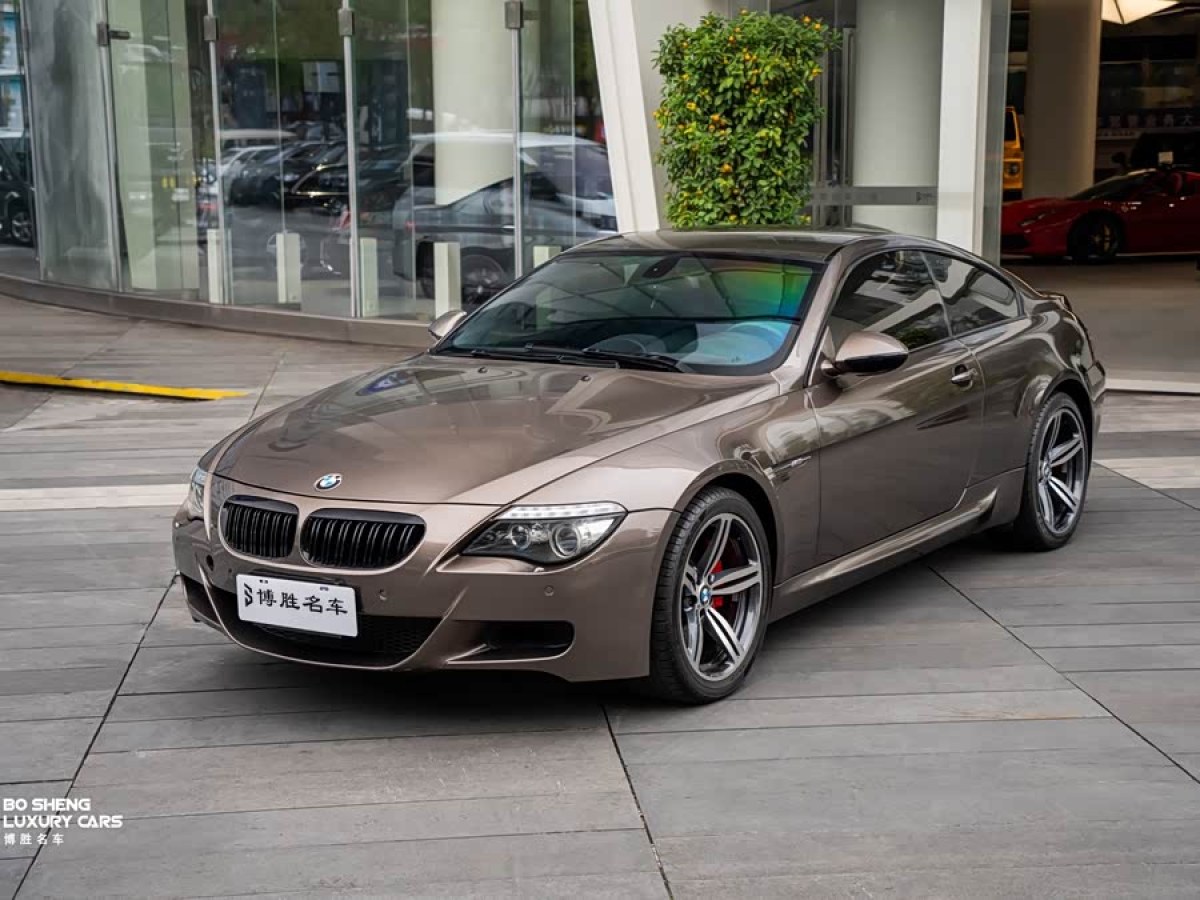
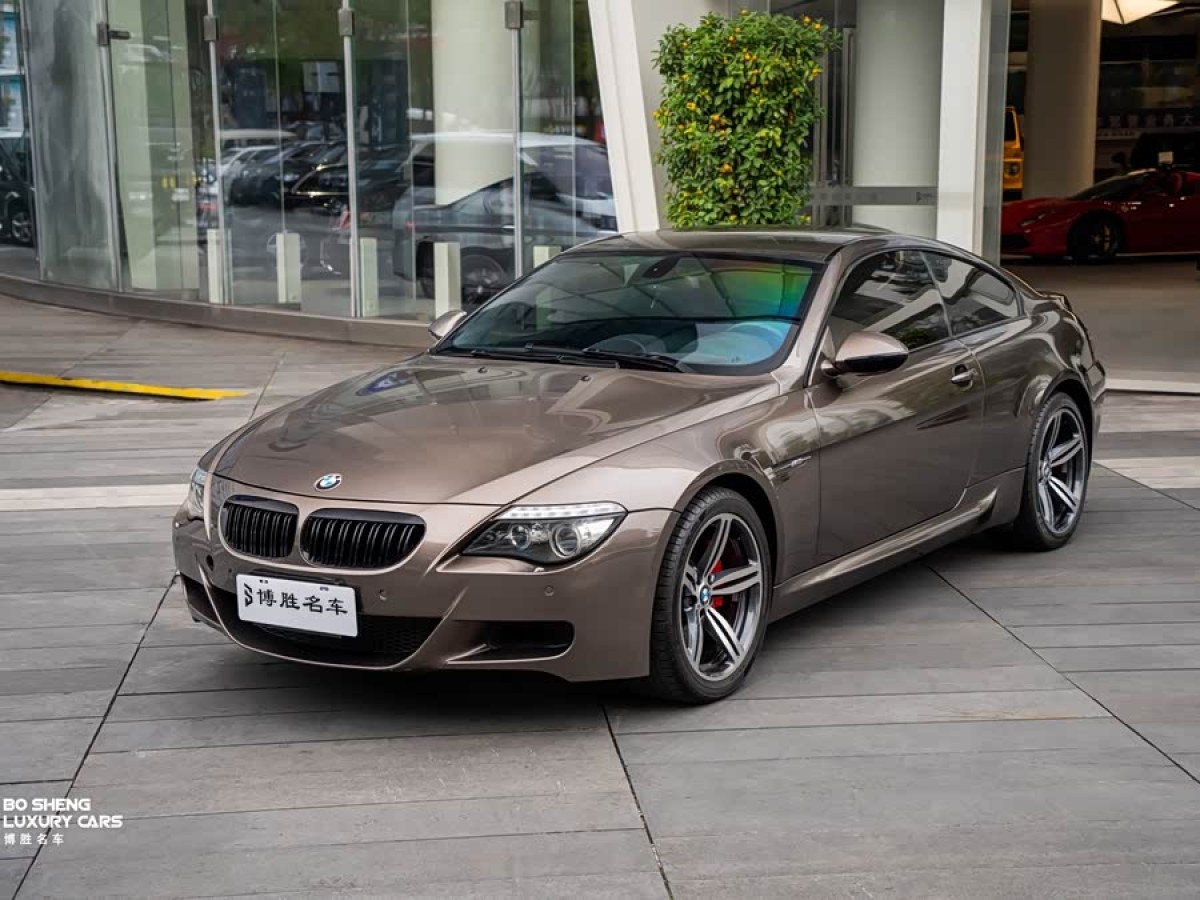
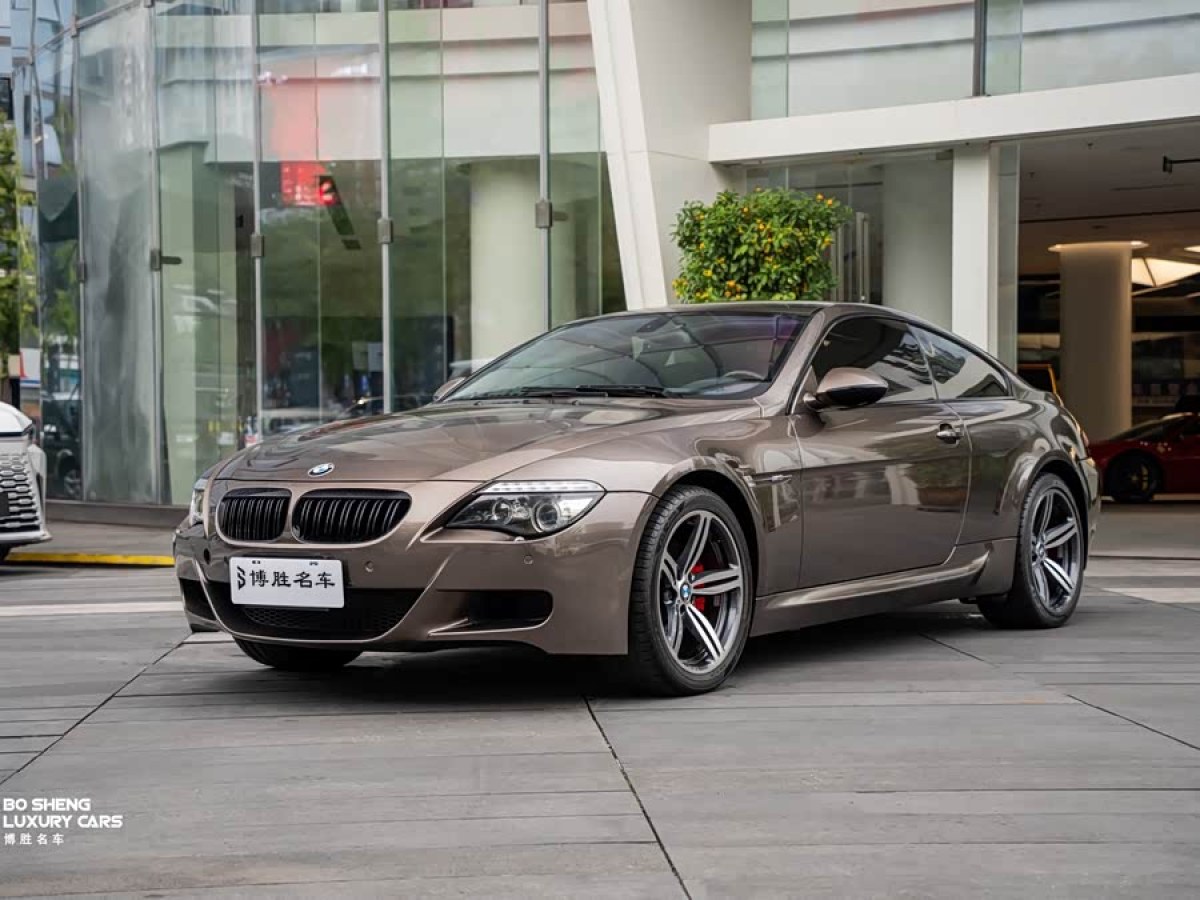
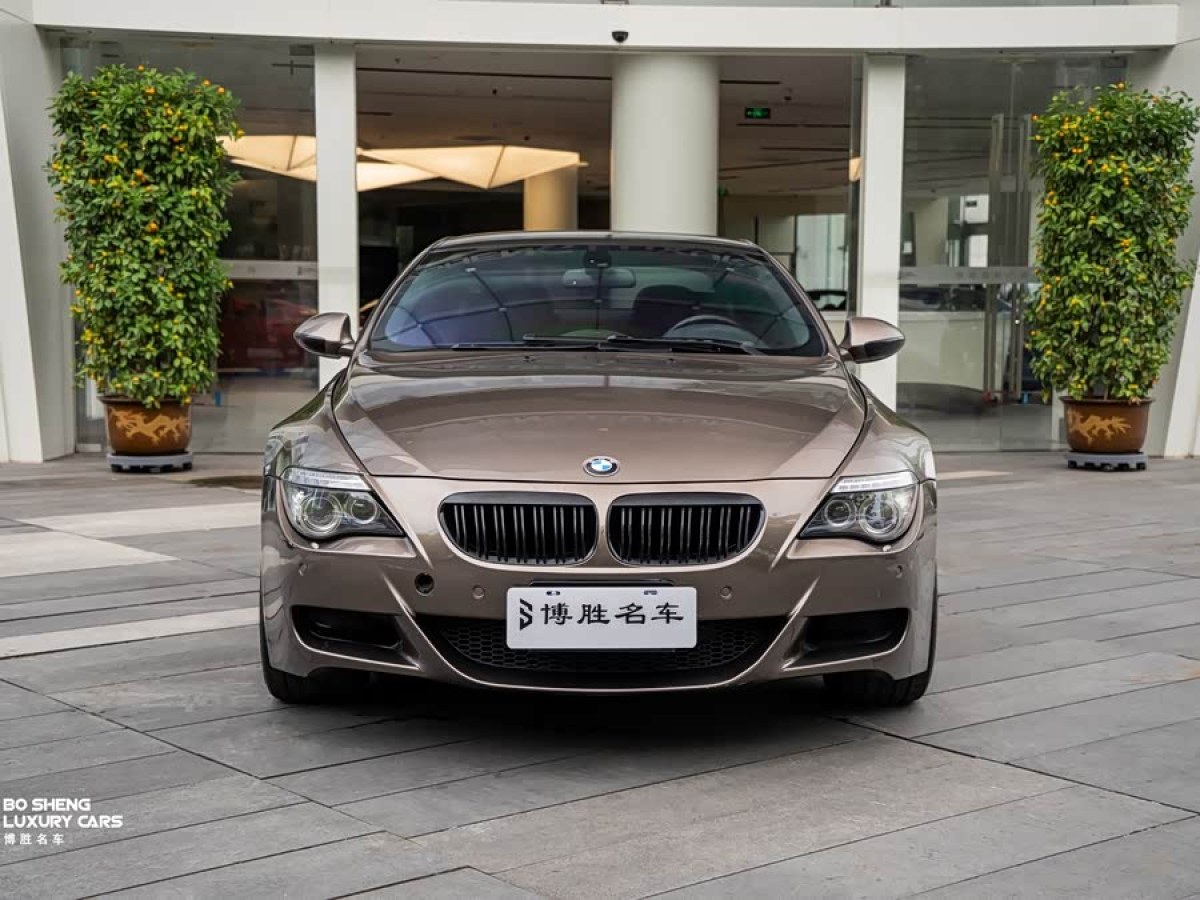
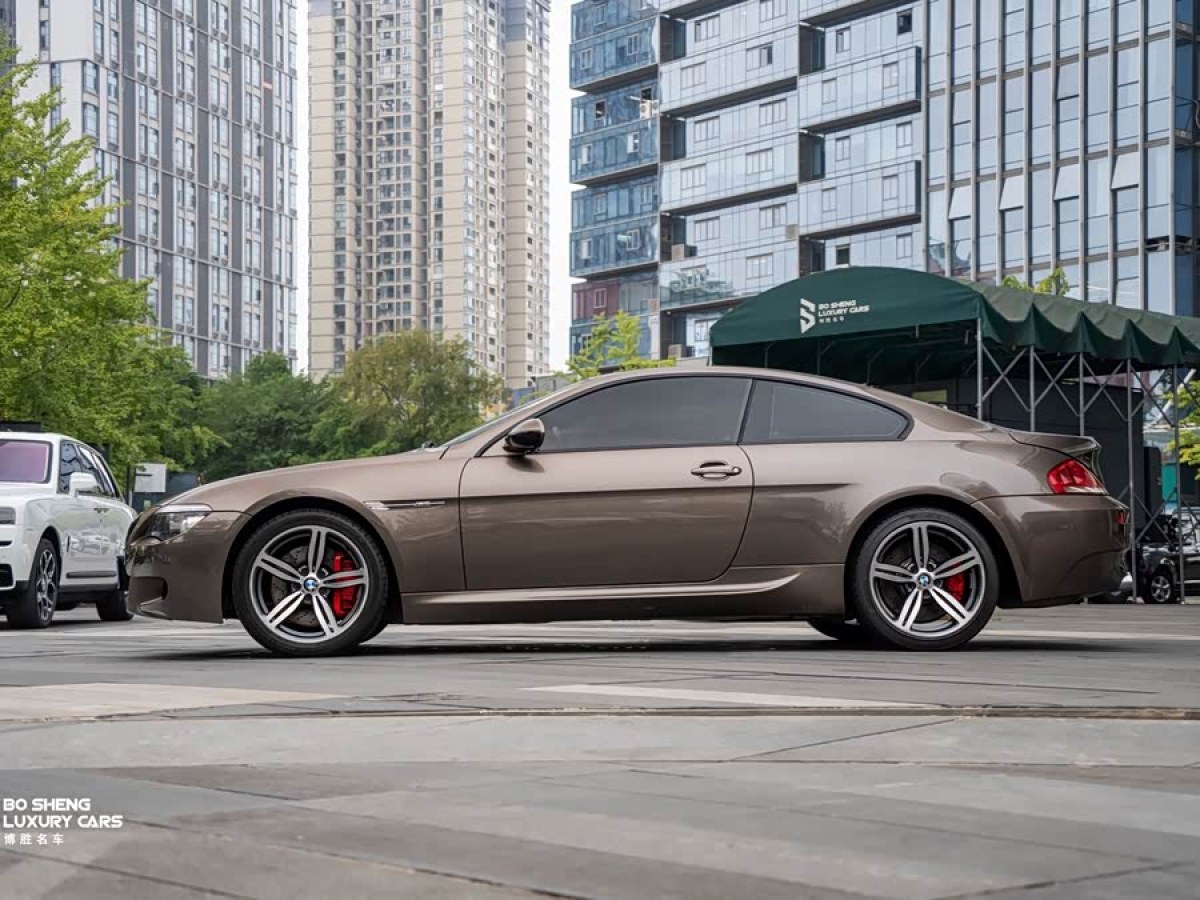
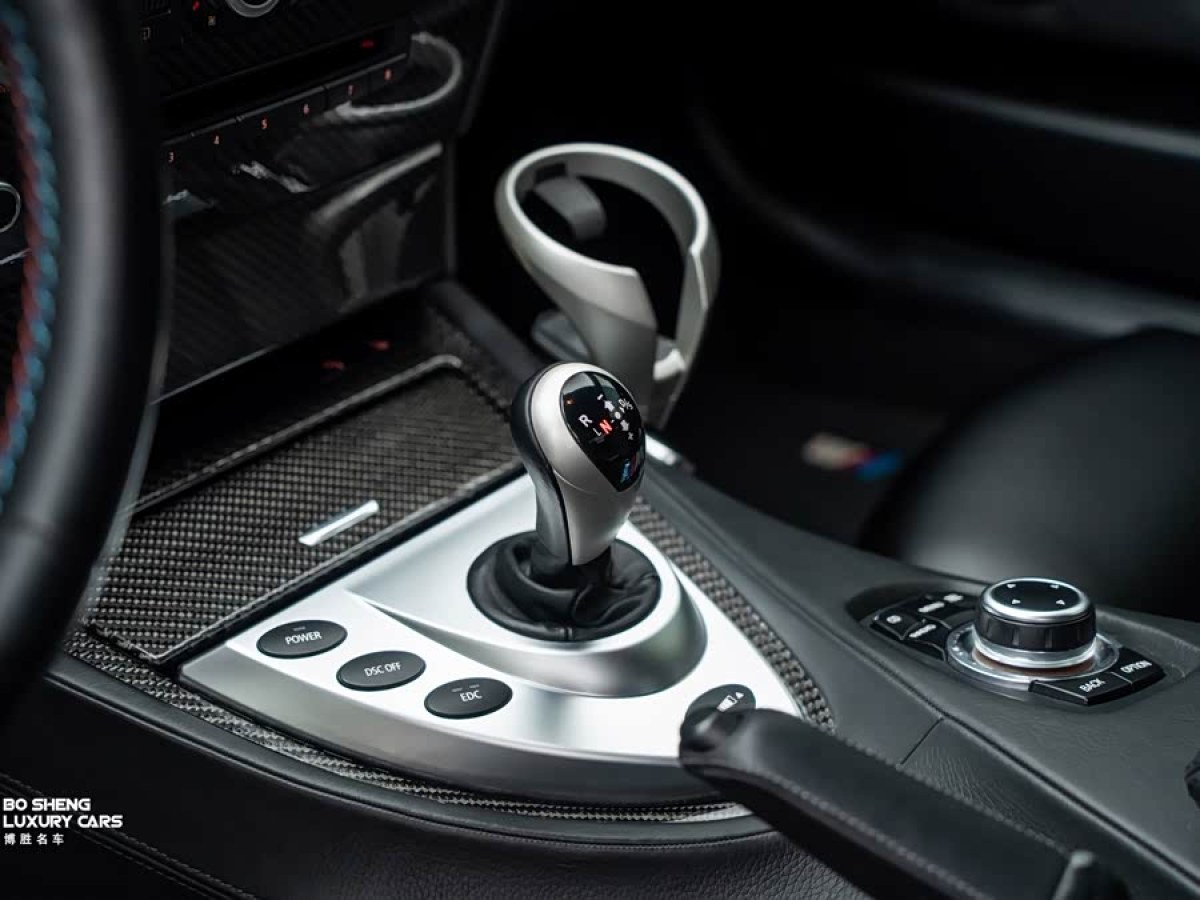
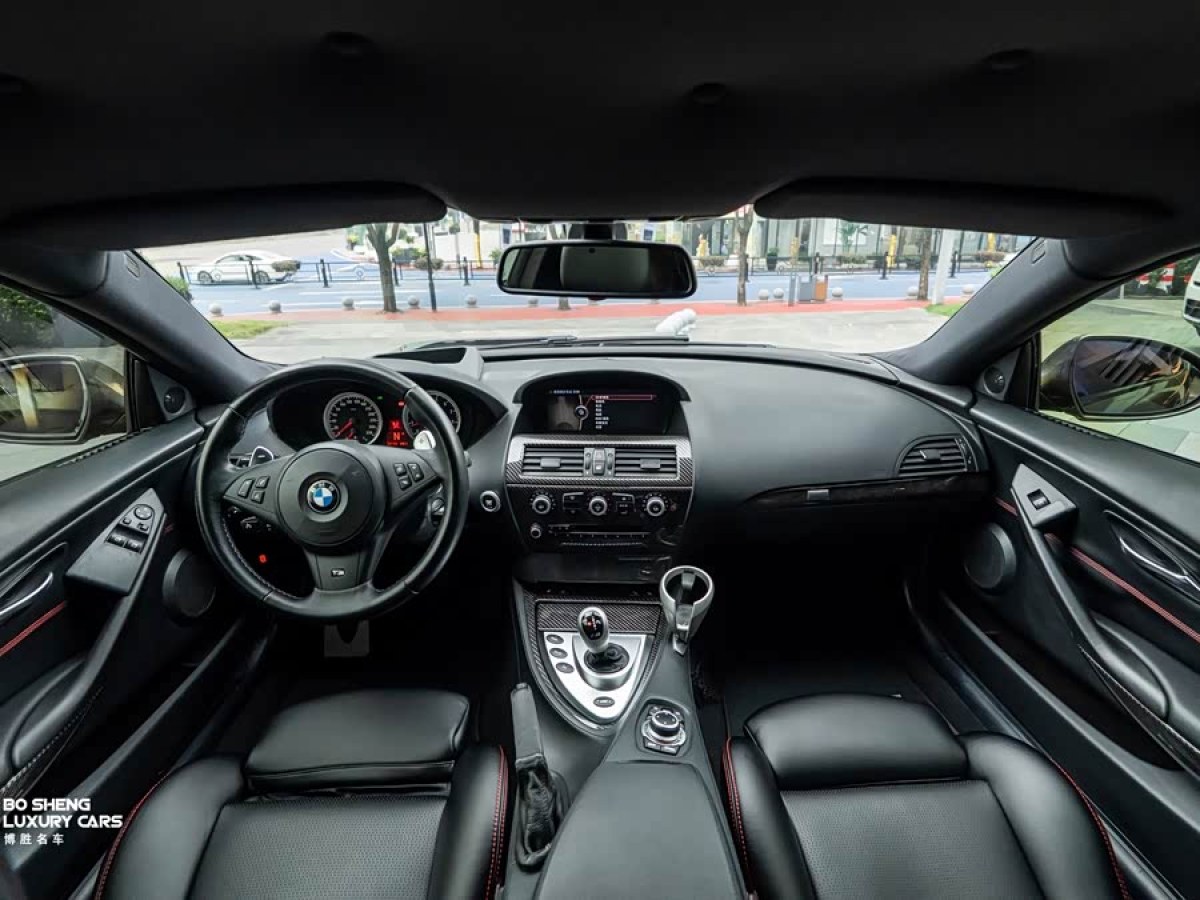
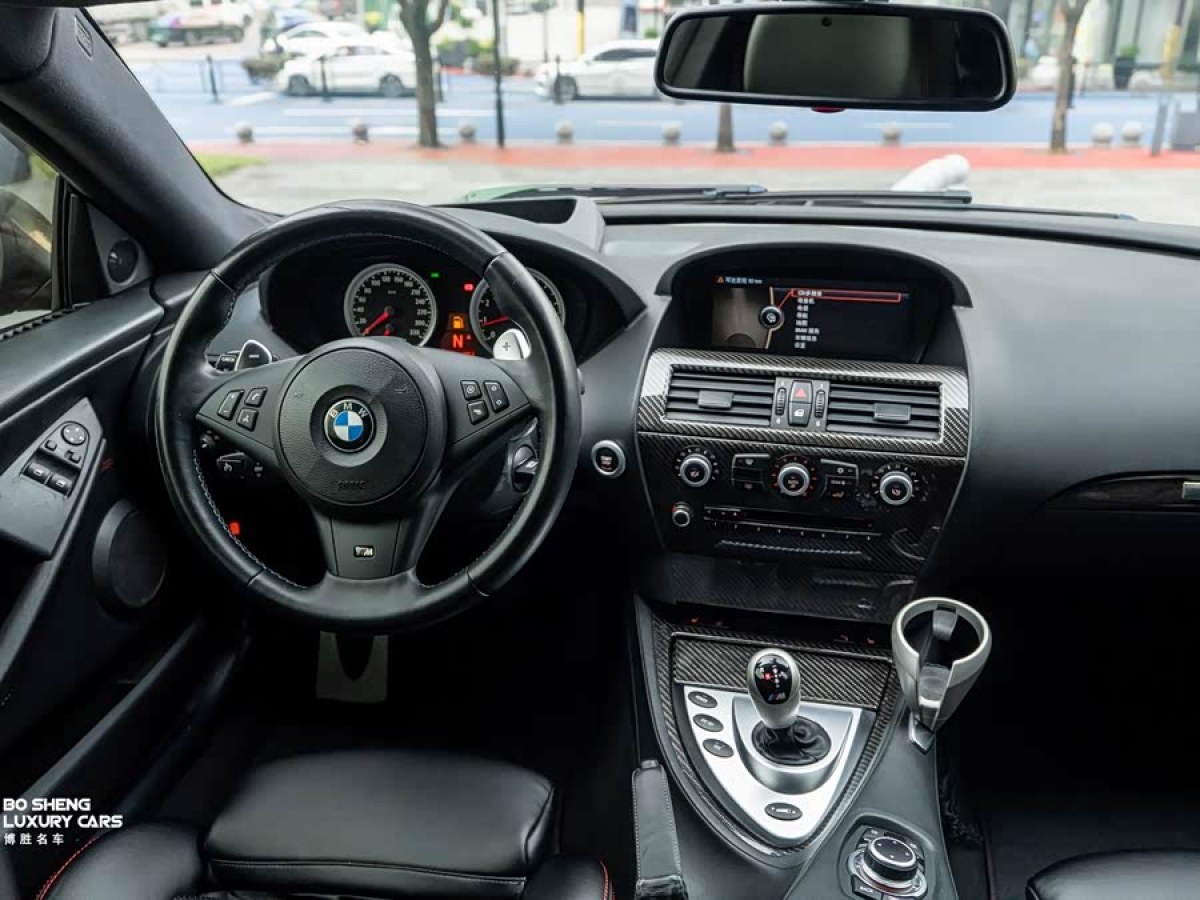
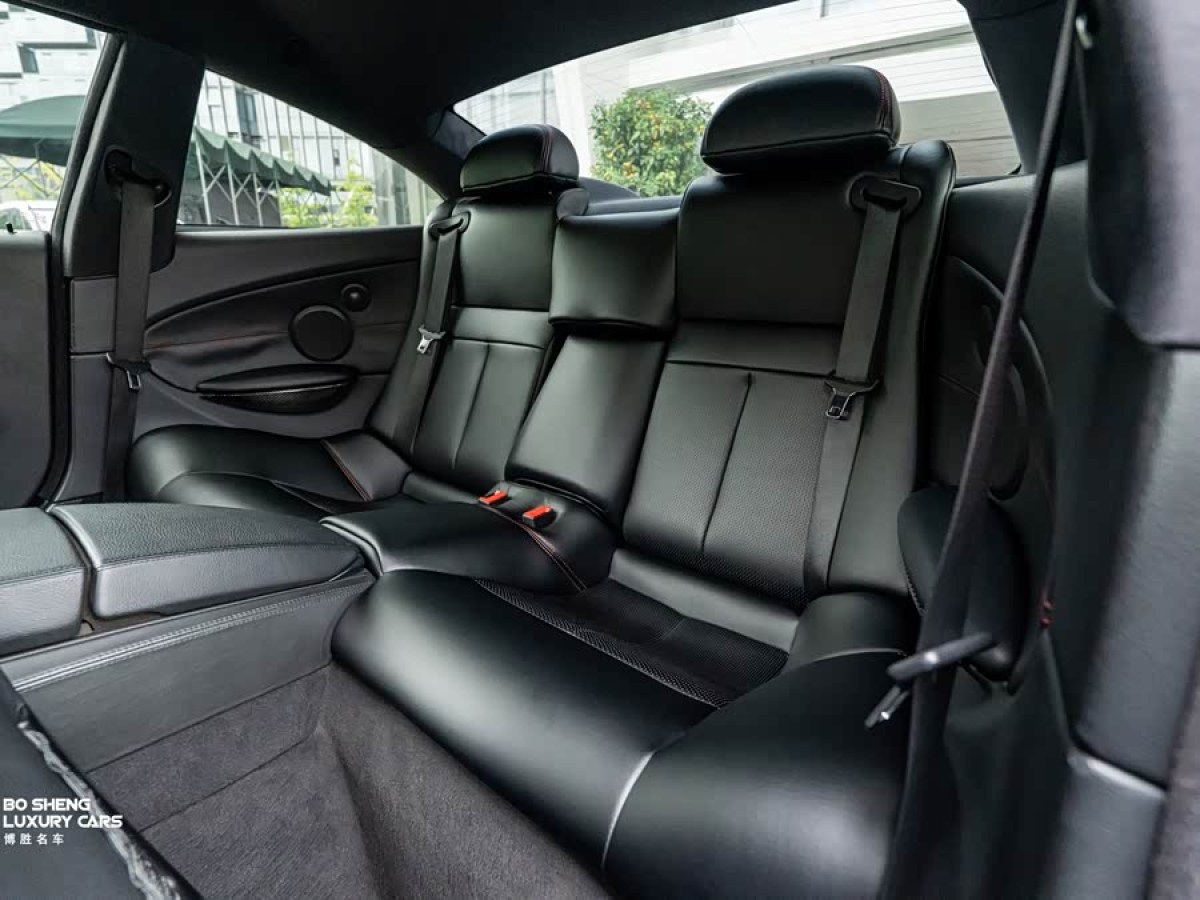
In today's era of electric vehicles, we're used to crudely defining a performance car by its "0-100 km/h acceleration." But there are always some cars whose value cannot be summarized by cold numbers. Take this 2011 BMW M6, for example. It was born in a "golden age" of fuel efficiency. Back then, engineers were dedicated to squeezing every drop of gasoline's essence through complex mechanical artistry. The M6 was the pinnacle of BMW's achievements during that era. Its heart is a 5.0-liter V10 naturally aspirated engine, codenamed S85B40. This is no ordinary engine; its bloodline originates from BMW's F1 racing circuit. When you press the start button, you don't hear a gentle greeting but a high-pitched, dense, and slightly metallic roar—a symphony of ten cylinders working in alternating cycles, a sacred sense of ritual that no modern turbocharged engine can replicate. 507 horsepower is unleashed at 8250 rpm. It doesn't offer a sudden, abrupt push in the back with low-end torque but instead uses linear and continuous power to firmly press you into the carbon fiber bucket seats. The tachometer needle, as precise as a scalpel, traverses the dial to the redline—a mechanical pilgrimage akin to a religious experience. 87,000 kilometers might be considered middle-aged for an ordinary family car, but for this M6, it signifies that time has gently polished it into a "mature partner" in peak condition. Every kilometer is a symphony composed by it and its discerning owner. It's no longer immature, nor is it past its prime; rather, it's in its "golden age," a perfect balance of performance and reliability. Stepping inside feels like stepping back in time. Gone are the dazzling large screens of today; instead, there are classic analog gauges, extensive leather and carbon fiber upholstery, and the logically clear yet complex iDrive system. It demands that you "drive" and "communicate," not passively "being transported." It's a partner that requires adaptation and learning, once a tacit understanding is achieved, the joy of man and machine become one. So what does owning it mean? It means owning a mechanical work of art. The V10 engine itself is a reason to collect it. • It signifies a unique and unconventional taste. Choosing a V10 GT sports car from among countless performance cars proclaims your profound understanding of automotive culture.
• It signifies the swan song of an era. This is the last generation of M models to adopt a high-revving naturally aspirated V10 engine, a magnificent elegy for the era of the internal combustion engine. This 2011 BMW M6 is not just a simple means of transportation. It is a proud knight tempered by time, waiting for a new owner who can understand the story in its roaring engine and appreciate the sharpness beneath its classic lines. 87,000 kilometers is just the beginning of the next exciting chapter in its story, waiting for you to write it.