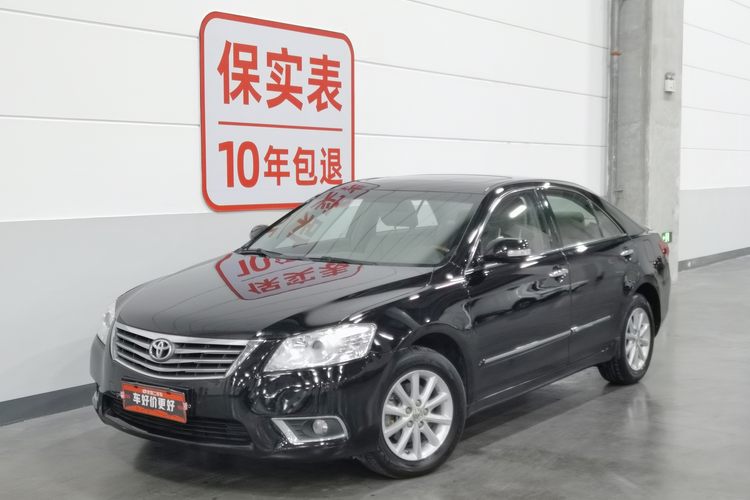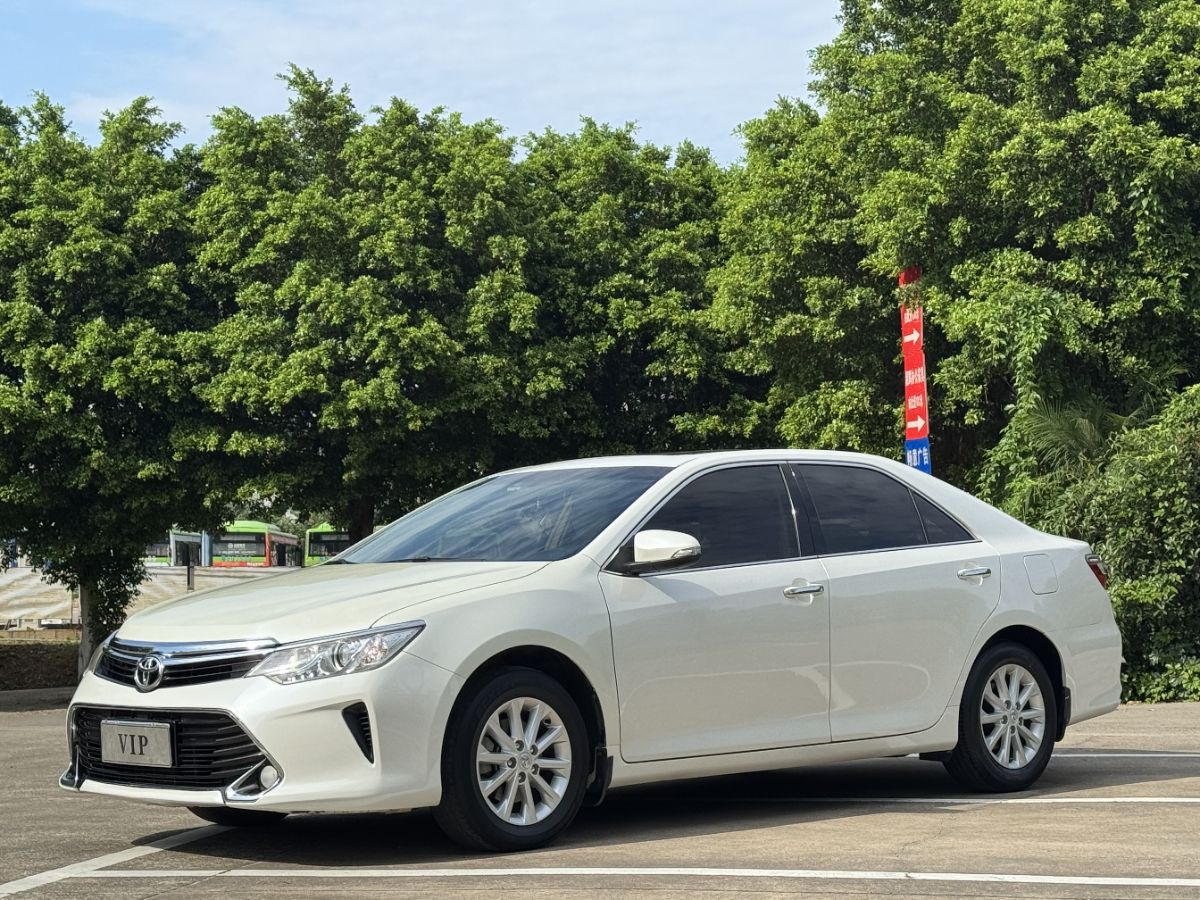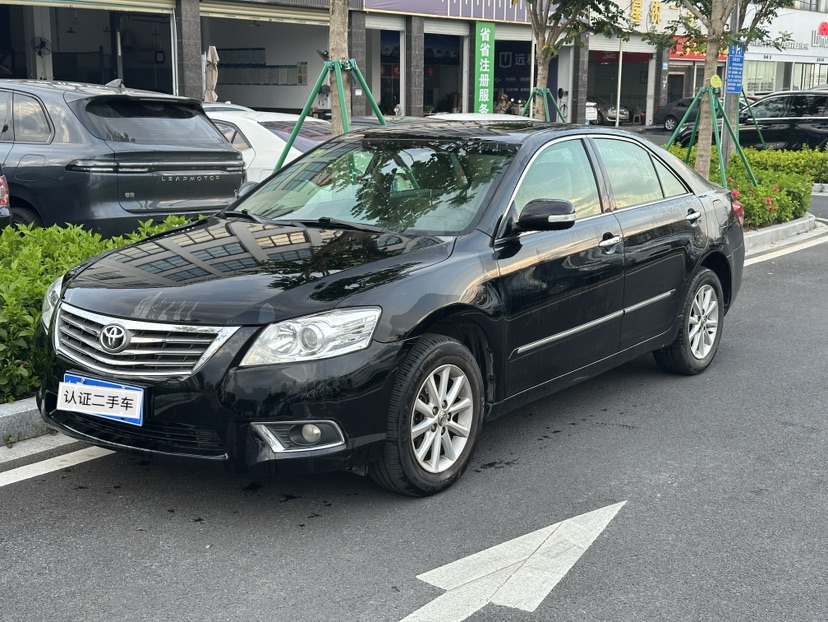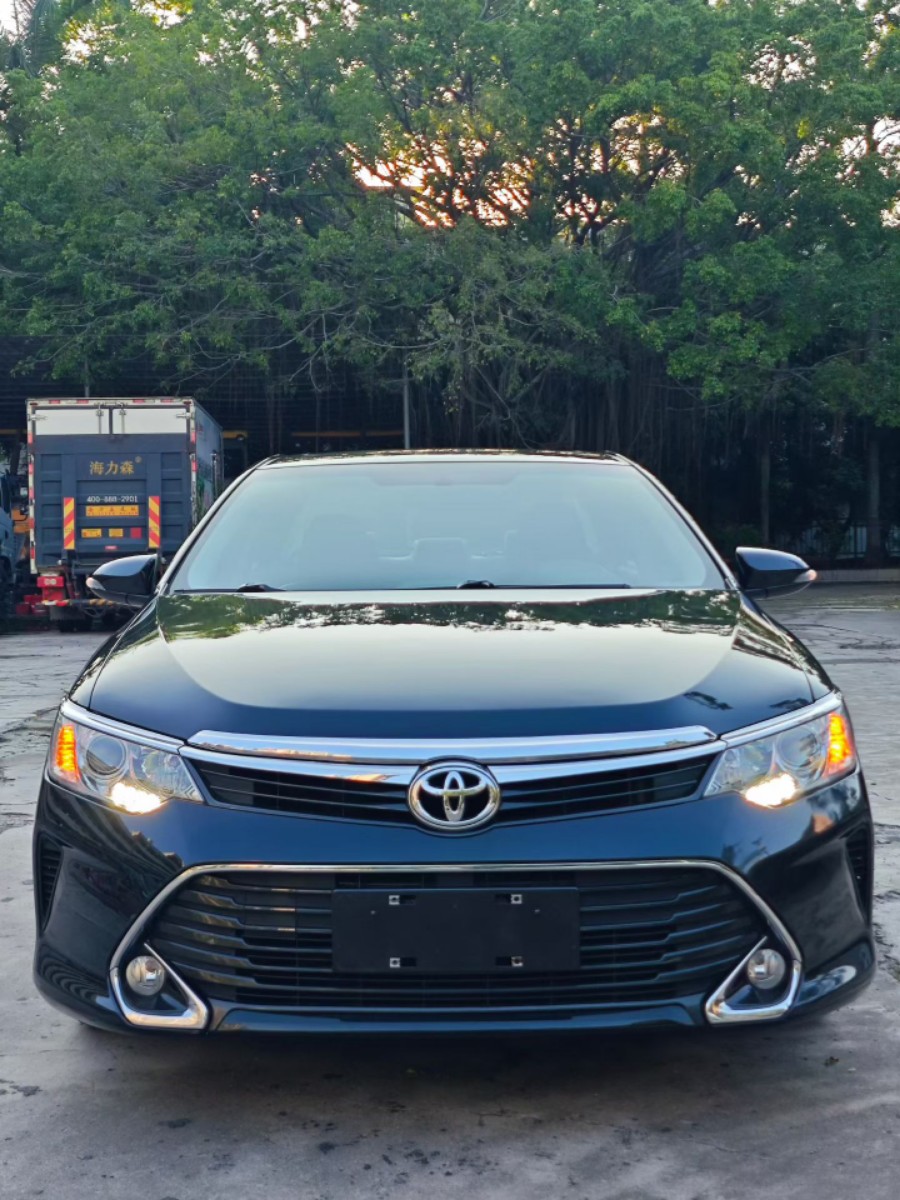
Basic Information

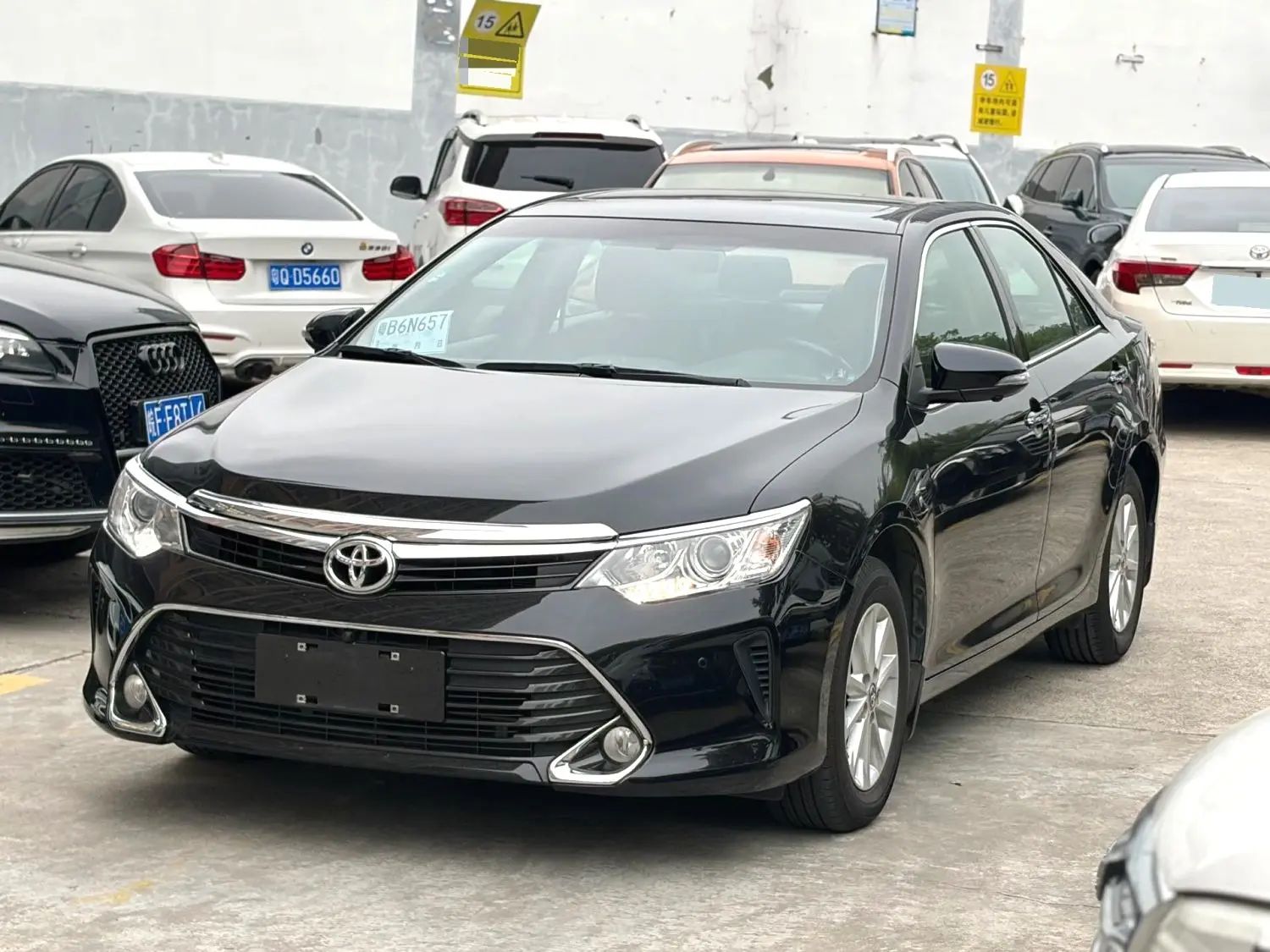
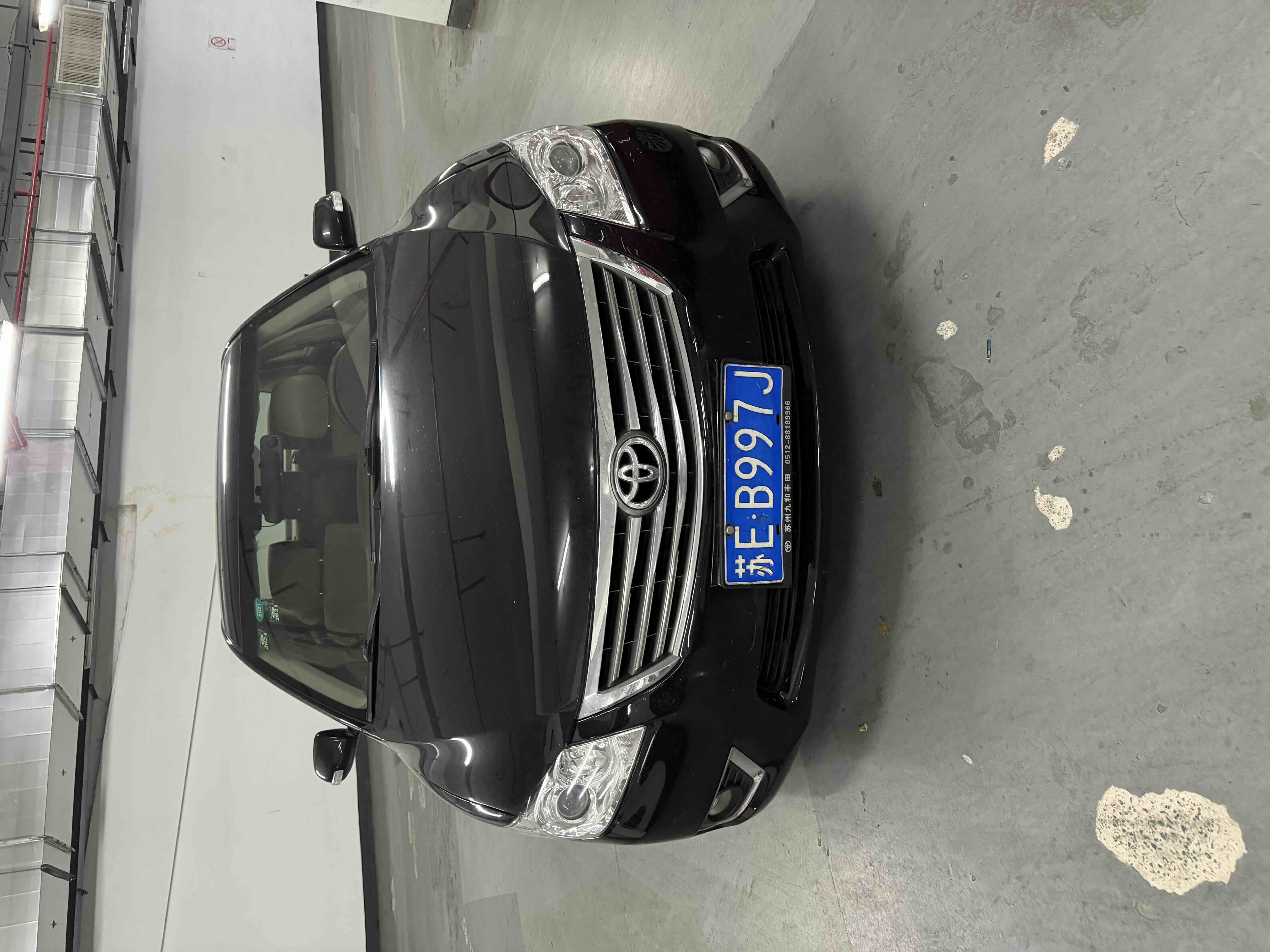
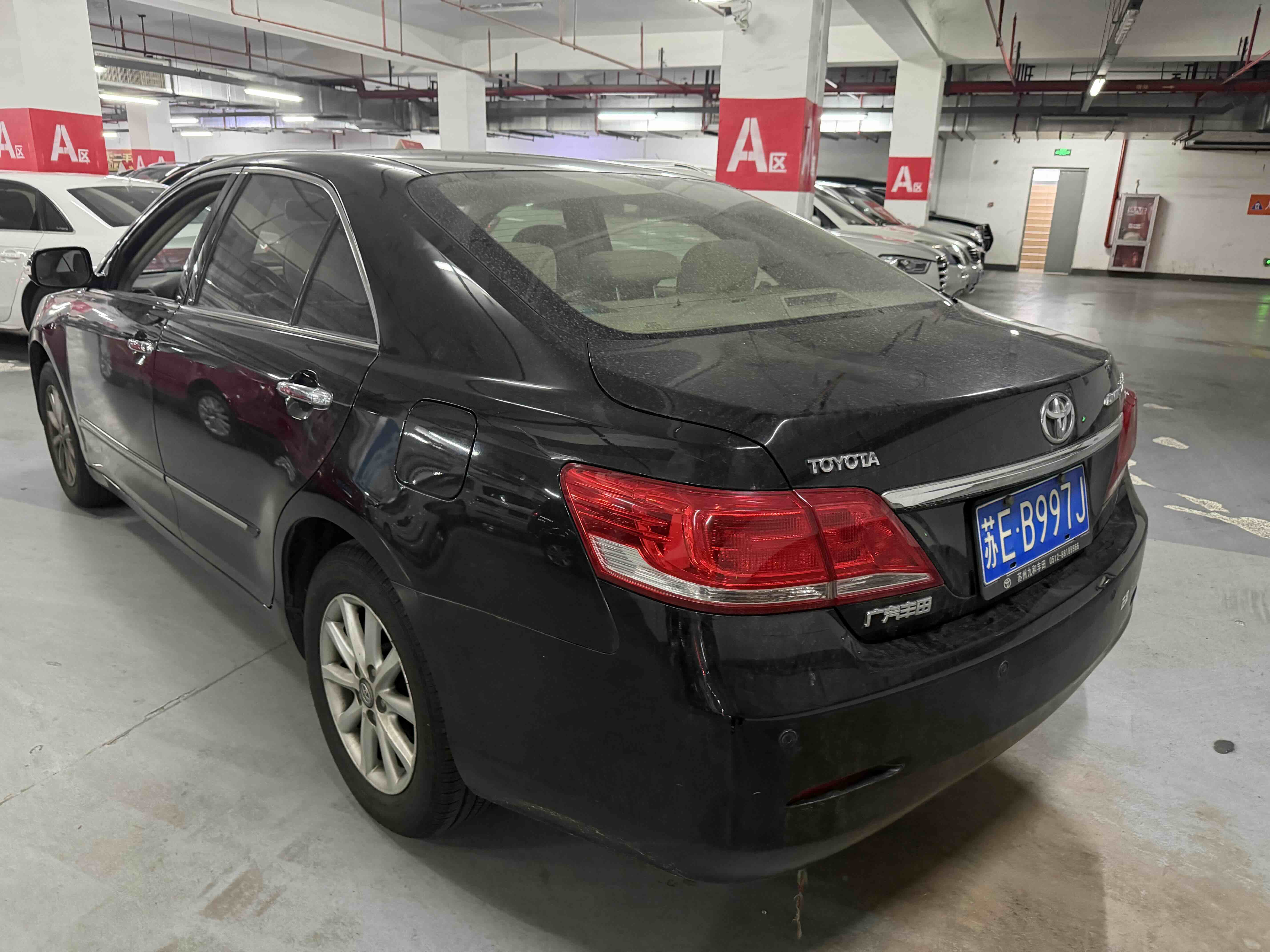
BrandToyota
SeriesCamry
Year2012
First Registration2012/09
Mileage11km
Transfer Count1times
FuelGasoline
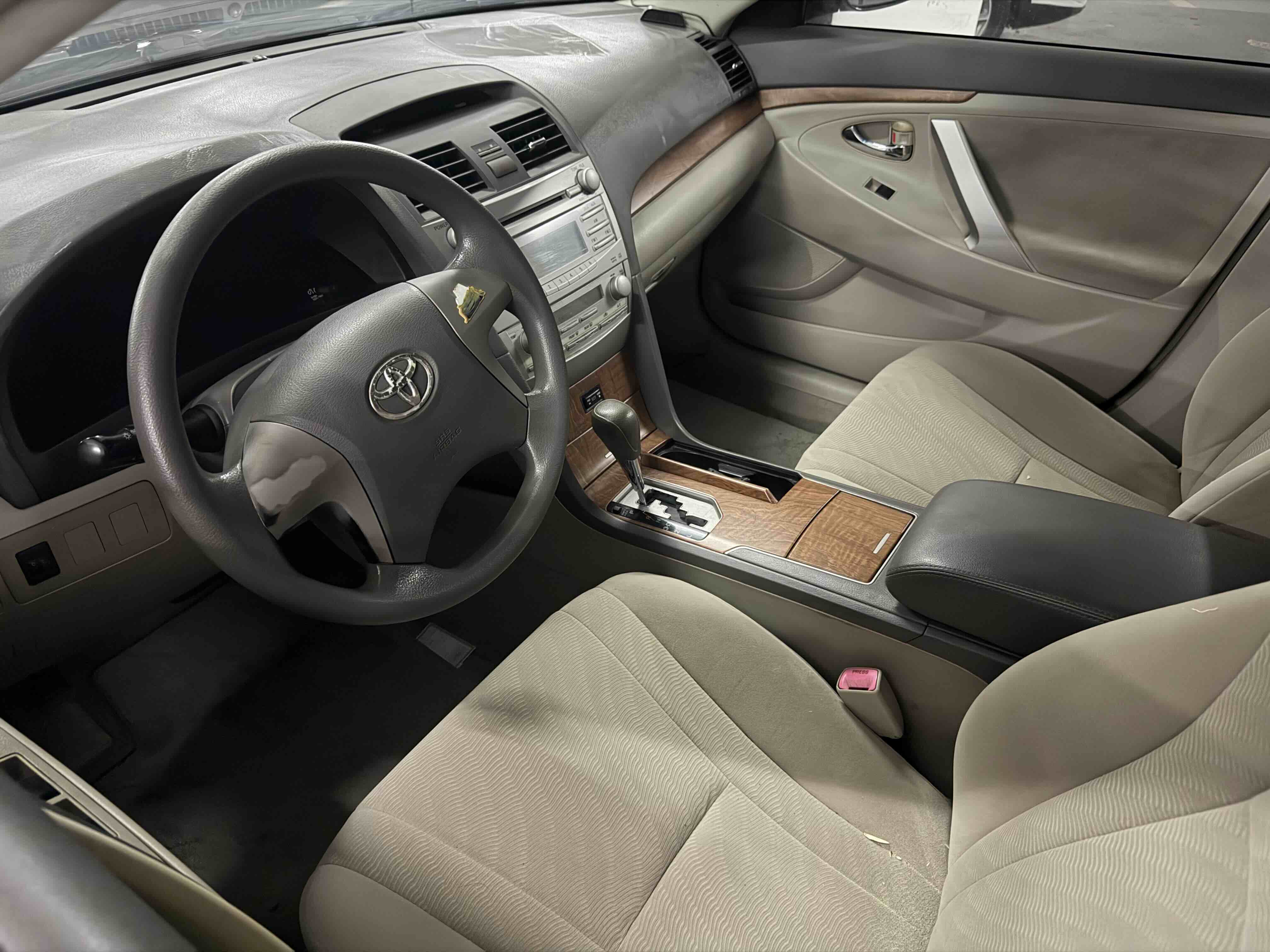
TransmissionAutomatic
Engine2.0L 147 L4
ColorBlack
Seats-

Configuration Highlights

Driver/Passenger Airbags
ISOFIX Child Seat Anchors
ABS Anti-lock Braking
Electronic Brake Distribution
Multifunction Steering Wheel
Front Parking Sensors
Seat Material
Driver/Passenger Power Seats
Rear Cupholders
Low Beam Headlights
Auto Headlights
Adjustable Headlight Height
Power Windows
Anti-pinch Windows
Climate Control Type
Rear Air Vents

Q&A

More

How to ensure there are no stubborn odors in the car (like smoke, pet smells, or mold)?

Odors are difficult to convey through images, so our quality inspectors conduct subjective smell assessments and record them. For vehicles with severe smoke or mold odors, if deep ozone sterilization is ineffective, we will downgrade the vehicle and mark the report with a red "Odor Warning" at the top.

Will there be detailed information on the vehicle's consumable parts (such as tire tread depth and remaining brake pad thickness)?

Yes. The inspection report includes a specific "consumable parts consumption list." We will measure the tire tread depth (in millimeters) and the remaining brake pad thickness using calipers. If the tire tread is below the legal wear limit of 1.6mm, we will note it as "recommended to replace immediately upon arrival."

When calculating the total cost of a used car, what percentage of the car price do you recommend setting aside for "unforeseen local preparation costs"?

Based on practical risk assessment, we strongly recommend setting aside 3% to 5% of the car price as a buffer fund for even the highest-rated used cars, to cover oil changes, new tires, minor shipping scratches, and local inspection labor costs.