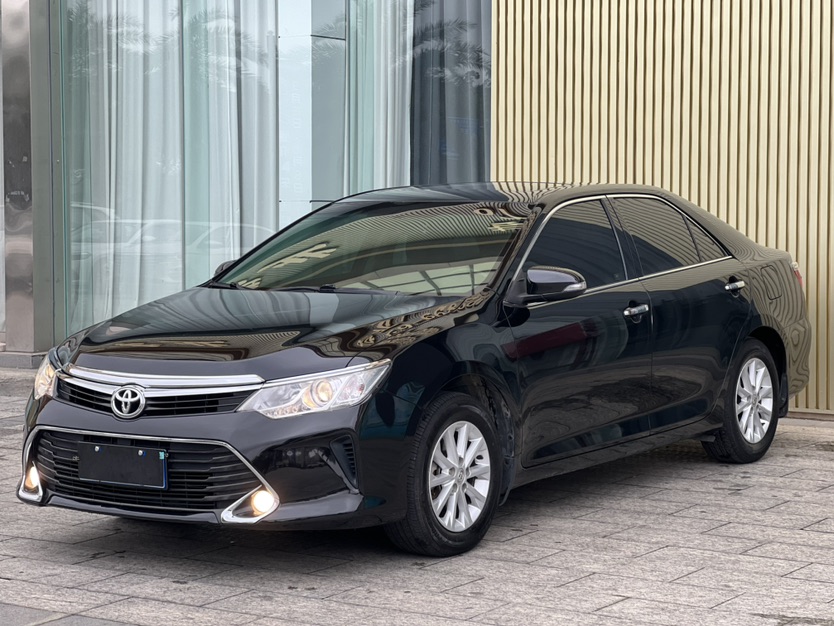
Basic Information

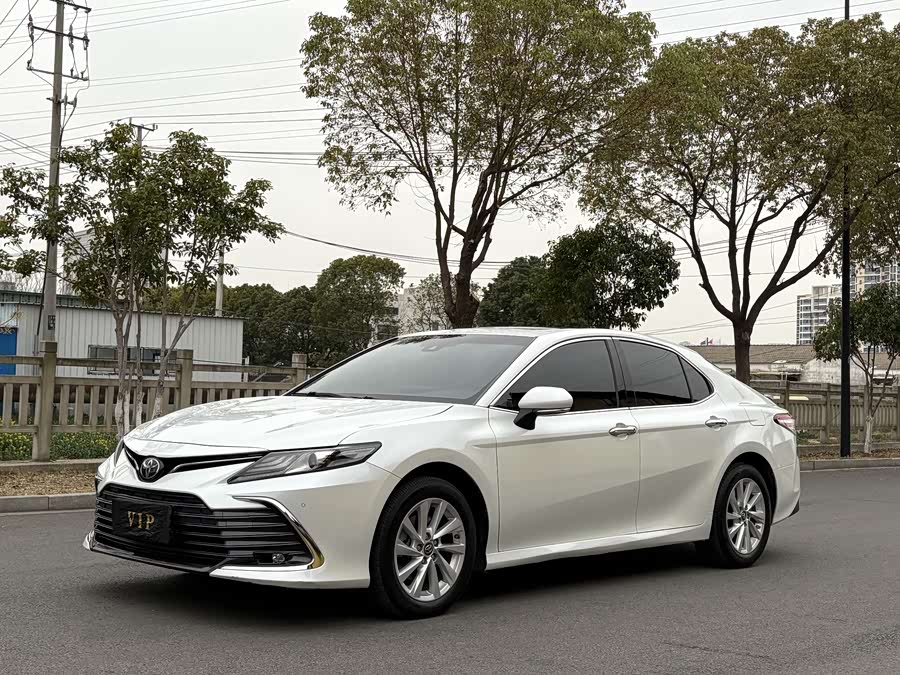
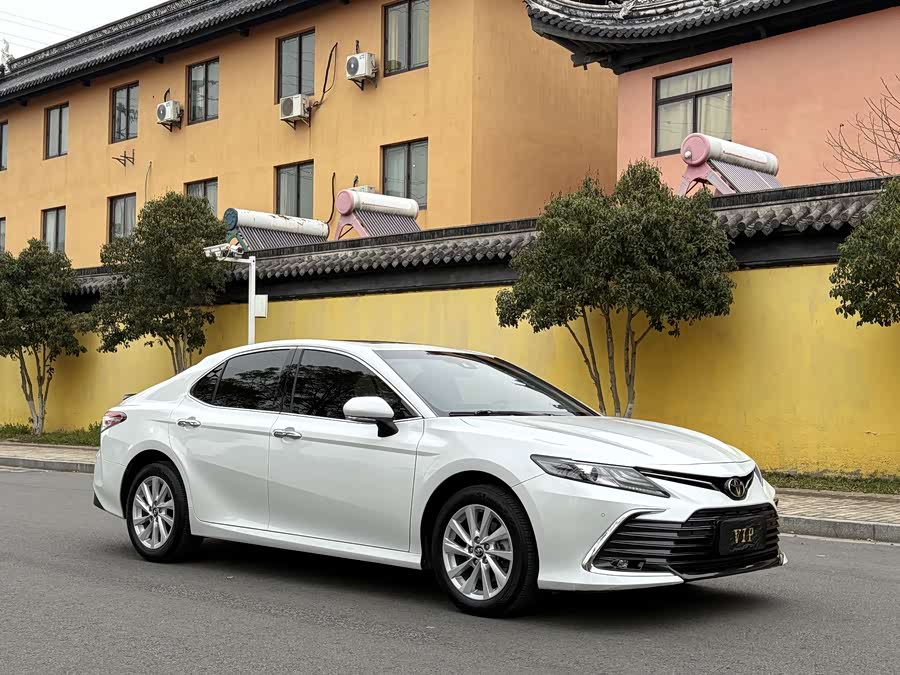
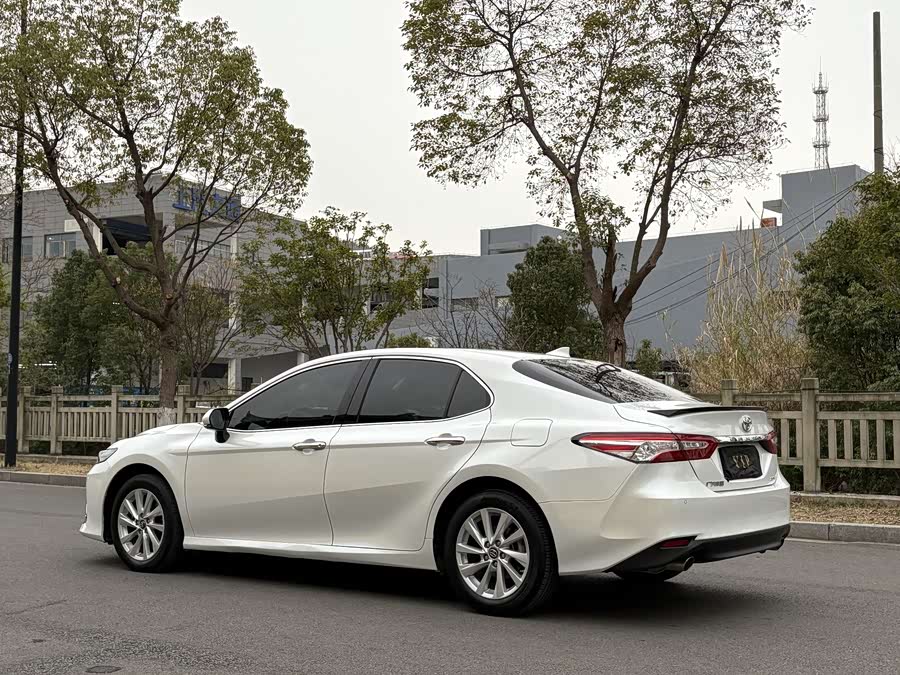
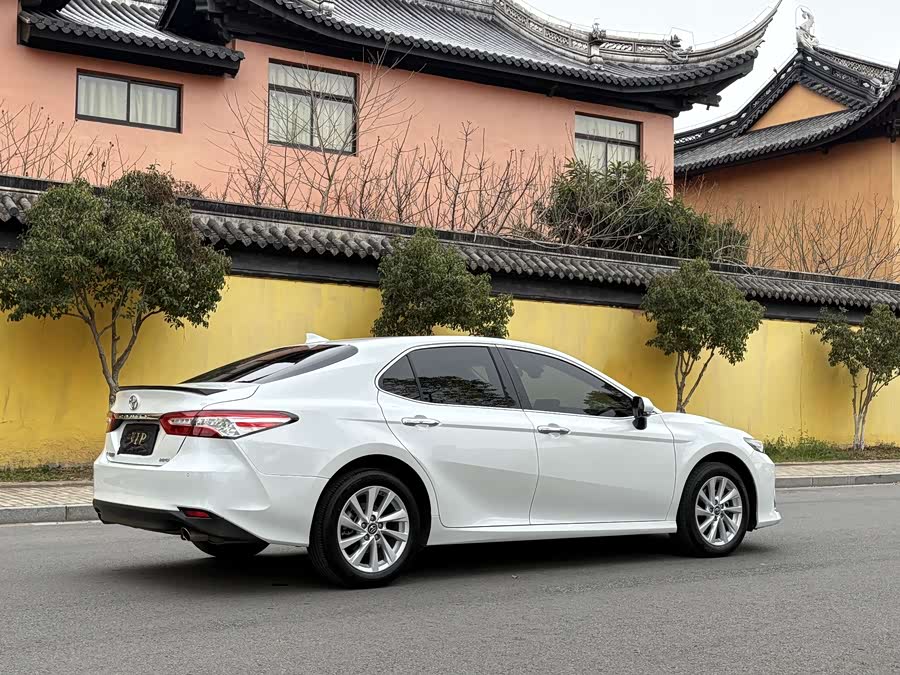
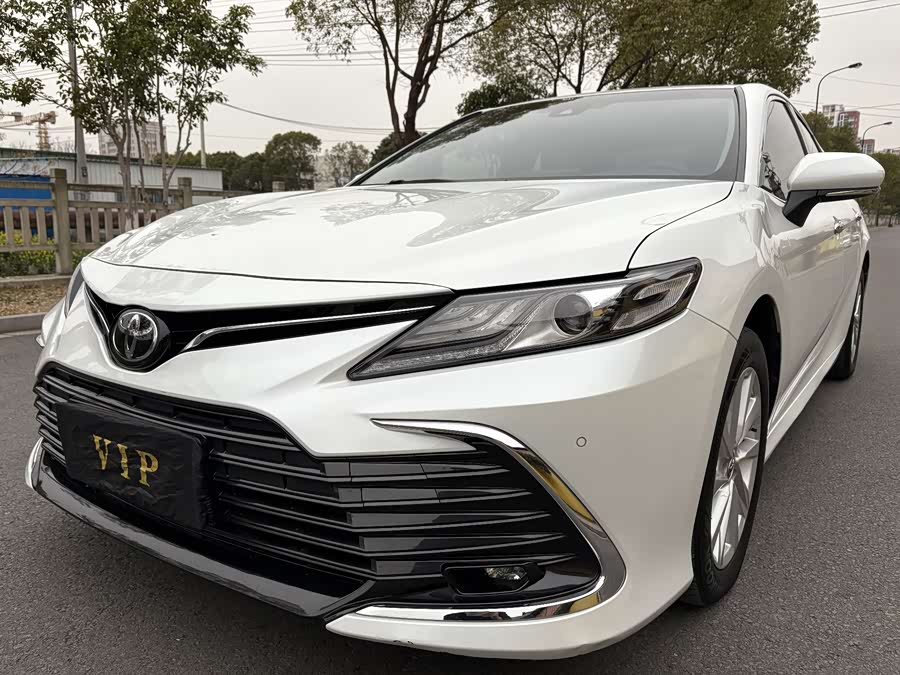
BrandToyota
SeriesCamry
Year2022
First Registration2022/12
Mileage30,000km
Transfer Count1times
FuelGasoline
TransmissionCVT
Engine2.0L 178 L4
ColorWhite
Seats-

Condition Description

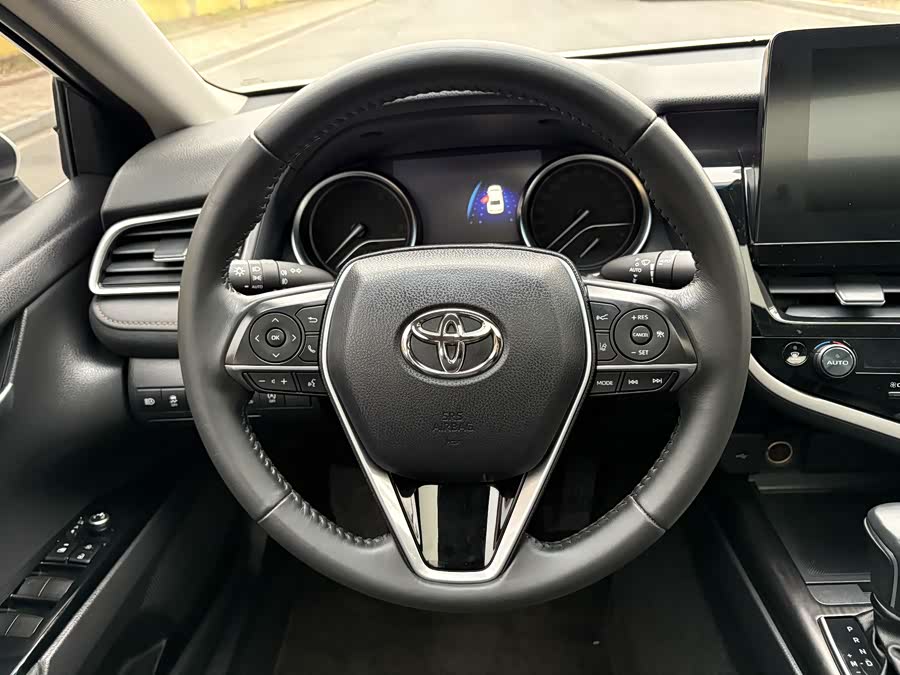
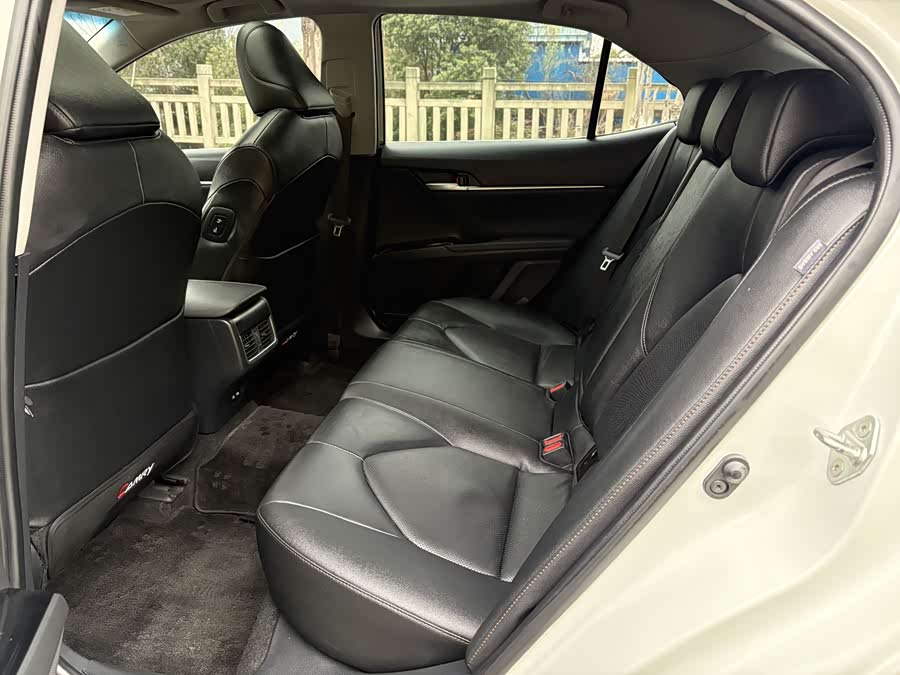
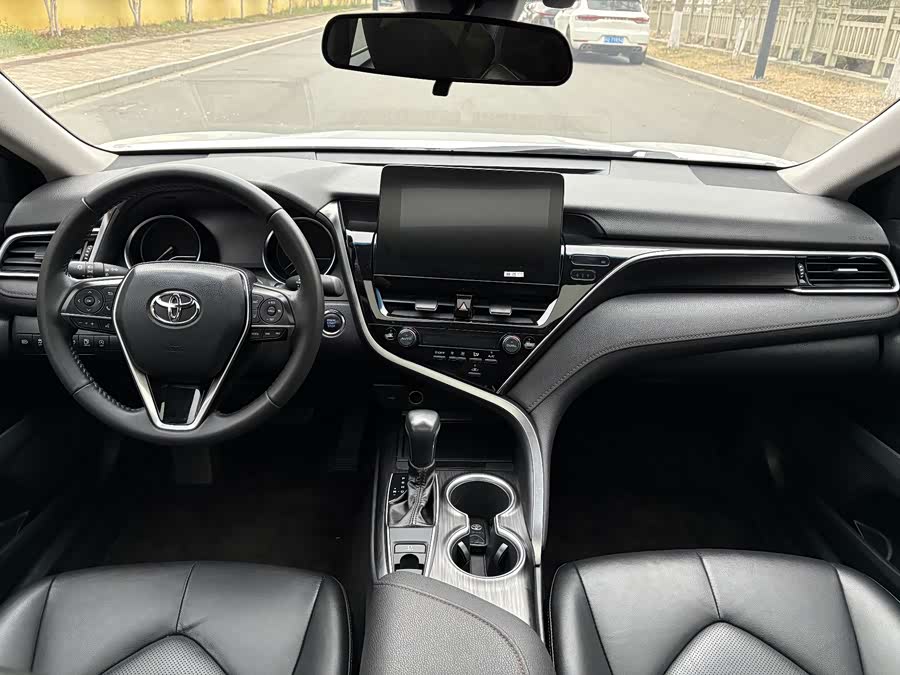
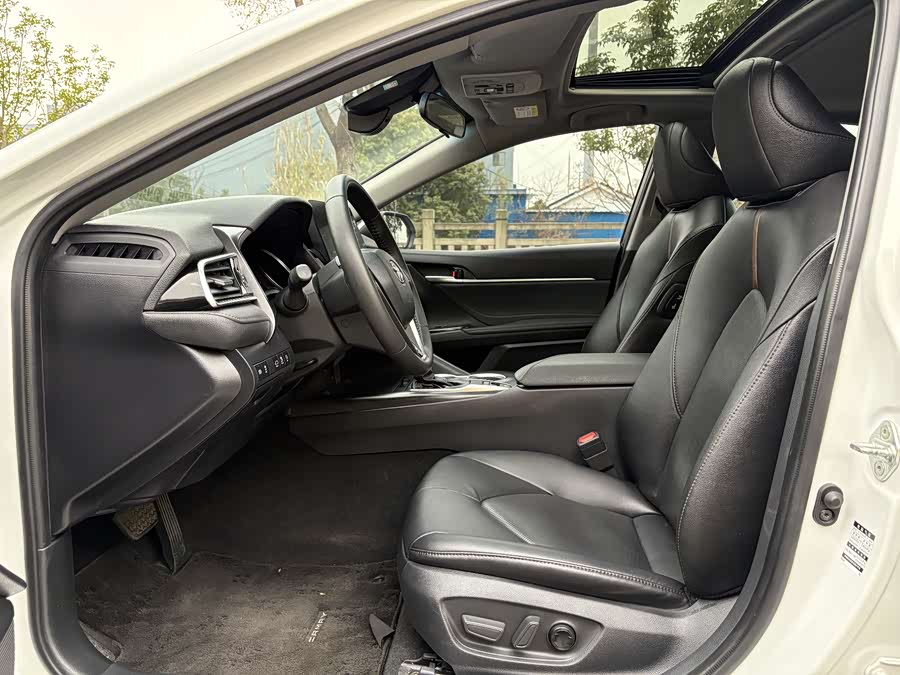
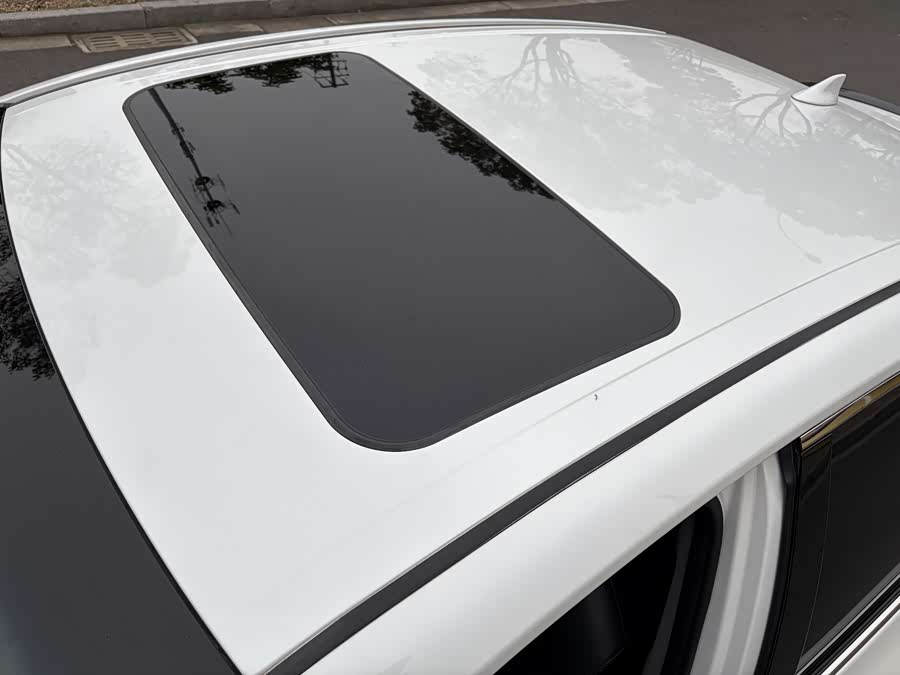
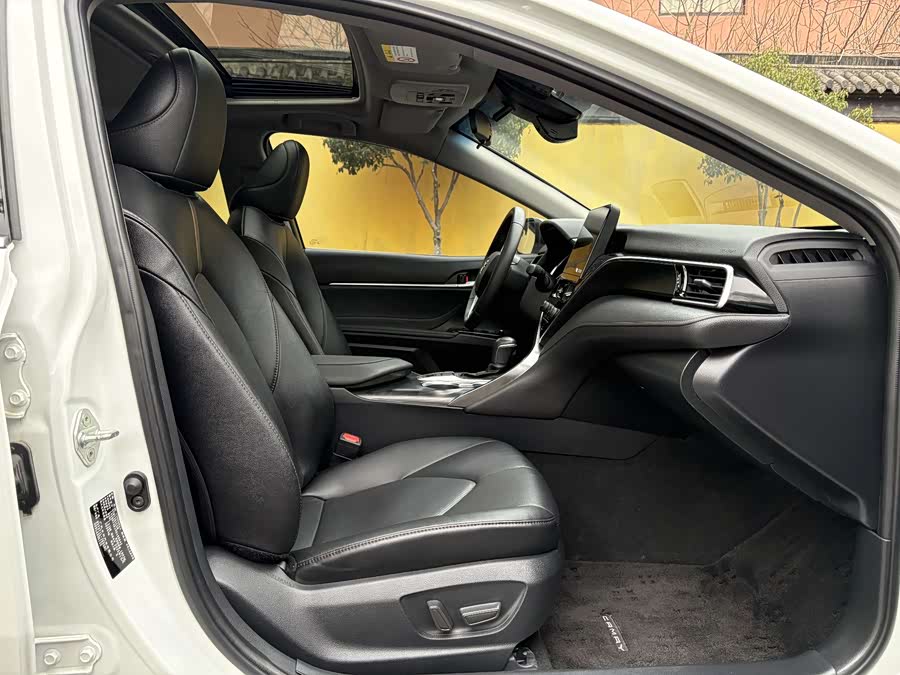
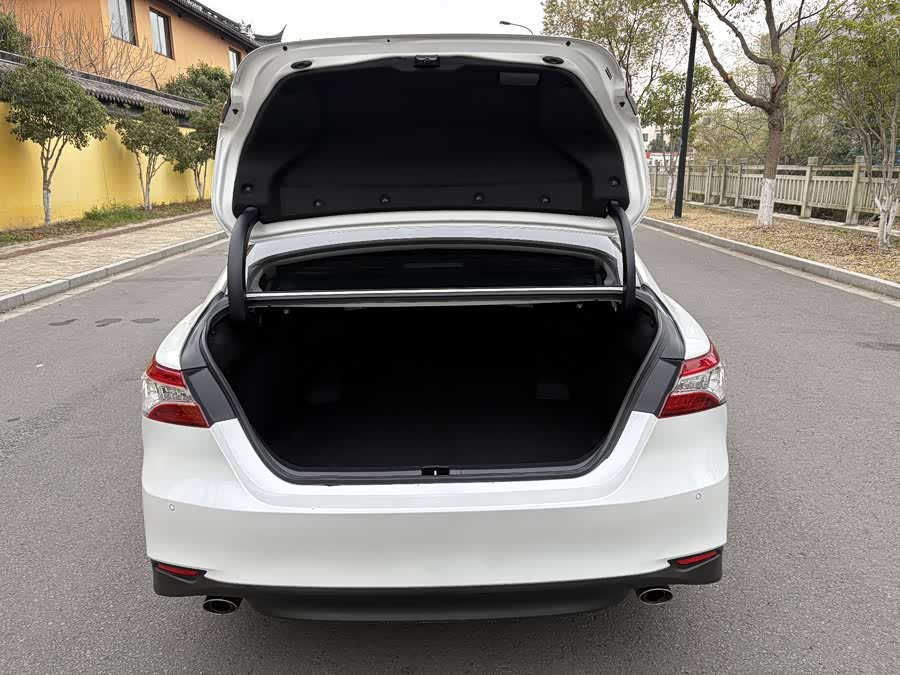
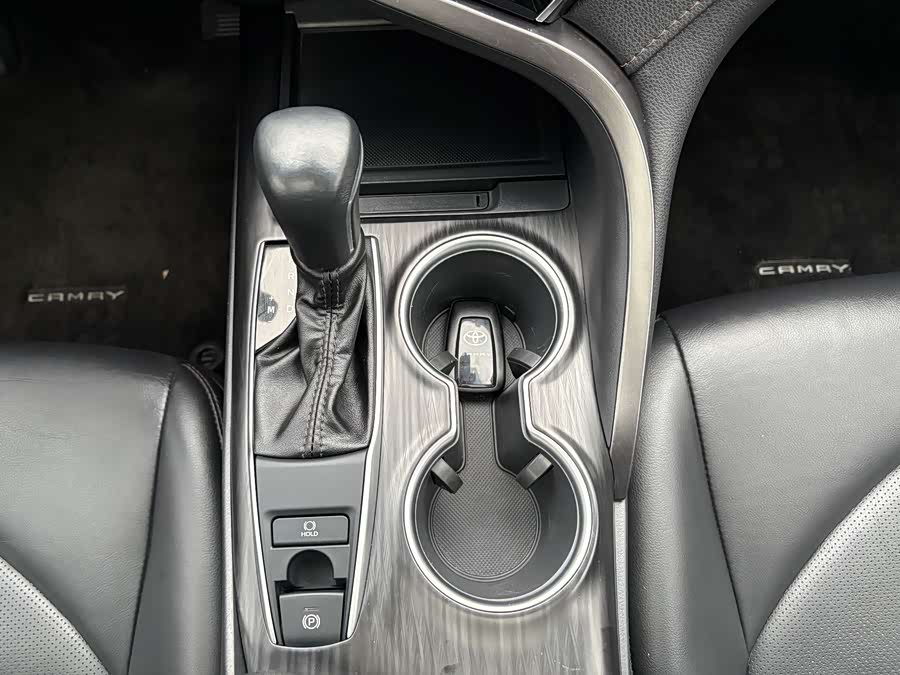
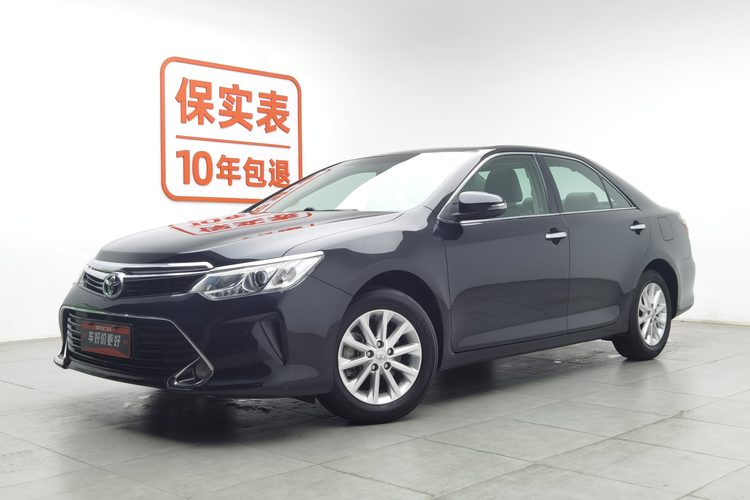
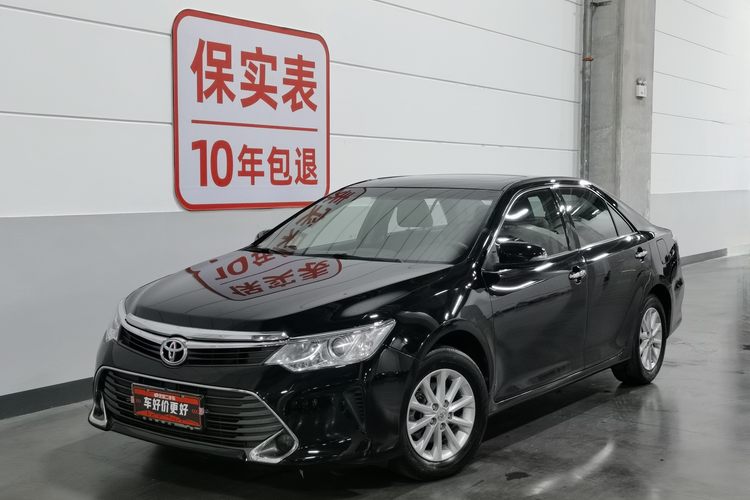
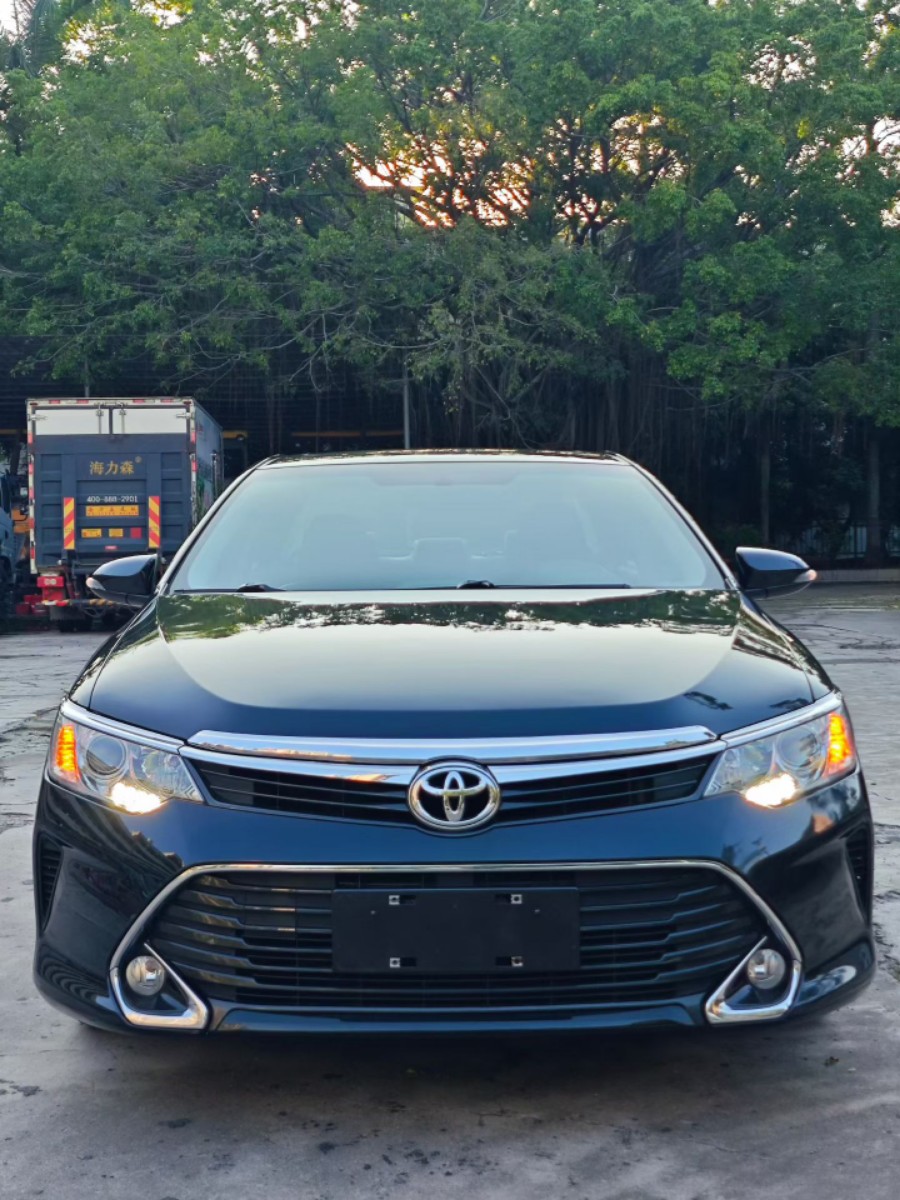
Exterior: Paintwork is well-maintained; body structure shows no signs of repair; no major accidents. Interior: Clean and tidy. Safety indicator lights are normal; airbags and other passive safety features are functioning correctly; vehicle electronics are in good working order; static and dynamic equipment is complete. Driving: Ignition, starting, acceleration, cornering, deceleration, and braking are all smooth; acceleration is rapid, power output is smooth and comfortable, and there is no idling vibration. Overall: Overall vehicle condition is average. The body frame structure shows no deformation or twisting, and there are no signs of fire or water damage. There are signs of repainting, but the overall paintwork is good, ruling out major accidents. Wide field of vision, suitable for beginners; spacious, bright, and well-ventilated interior, suitable for family commuting.


Newly added

Configuration Highlights

Tire Pressure Monitoring
Lane Keep Assist
Lane Departure Warning
Active Safety System
ISOFIX Child Seat Anchors
Auto Hold
Keyless Start System
Head-Up Display
Bluetooth/Hands-free
Connected Car
OTA Updates
Adaptive Headlights
PM2.5 Air Filter
Air Purifier
Rear Air Vents

Accident & Maintenance Records

Accident Record

🔗 Open Link

Maintenance Record

🔗 Open Link

Document Information

Inspection Expiry Date2026/12
Warranty Expiry Date-
Insurance Expiry Date2026/12

Q&A

More

Is there a specific testing process for the smooth transition between the engine and motor in hybrid (HEV/PHEV) vehicles?

Yes. For hybrid vehicles, technicians will conduct forced switching tests between EV (electric) and HEV (hybrid) modes, focusing on the sensation of clutch engagement and reading the hybrid system's specific fault codes to ensure the complex dual power system operates correctly.

How do you detect carbon buildup and wear inside the engine using technology without deep disassembly?

We use two steps: 1. Insert a medical-grade endoscope through the spark plug hole to visually inspect cylinder wall scratches and carbon buildup on the piston top; 2. Extract an engine oil sample to check for large metal debris or emulsification (caused by coolant leakage).

Will you provide a full vehicle electronic fault code scan report read by the OBD (On-Board Diagnostics) computer?

Yes. We will use a professional diagnostic tool to scan all vehicle systems, including the Engine Control Unit (ECU), Transmission Control Module (TCM), Anti-lock Braking System (ABS), and Airbag Module (SRS), and provide English screenshots of all current and historical Diagnostic Trouble Codes (DTCs).