48H

Basic Information

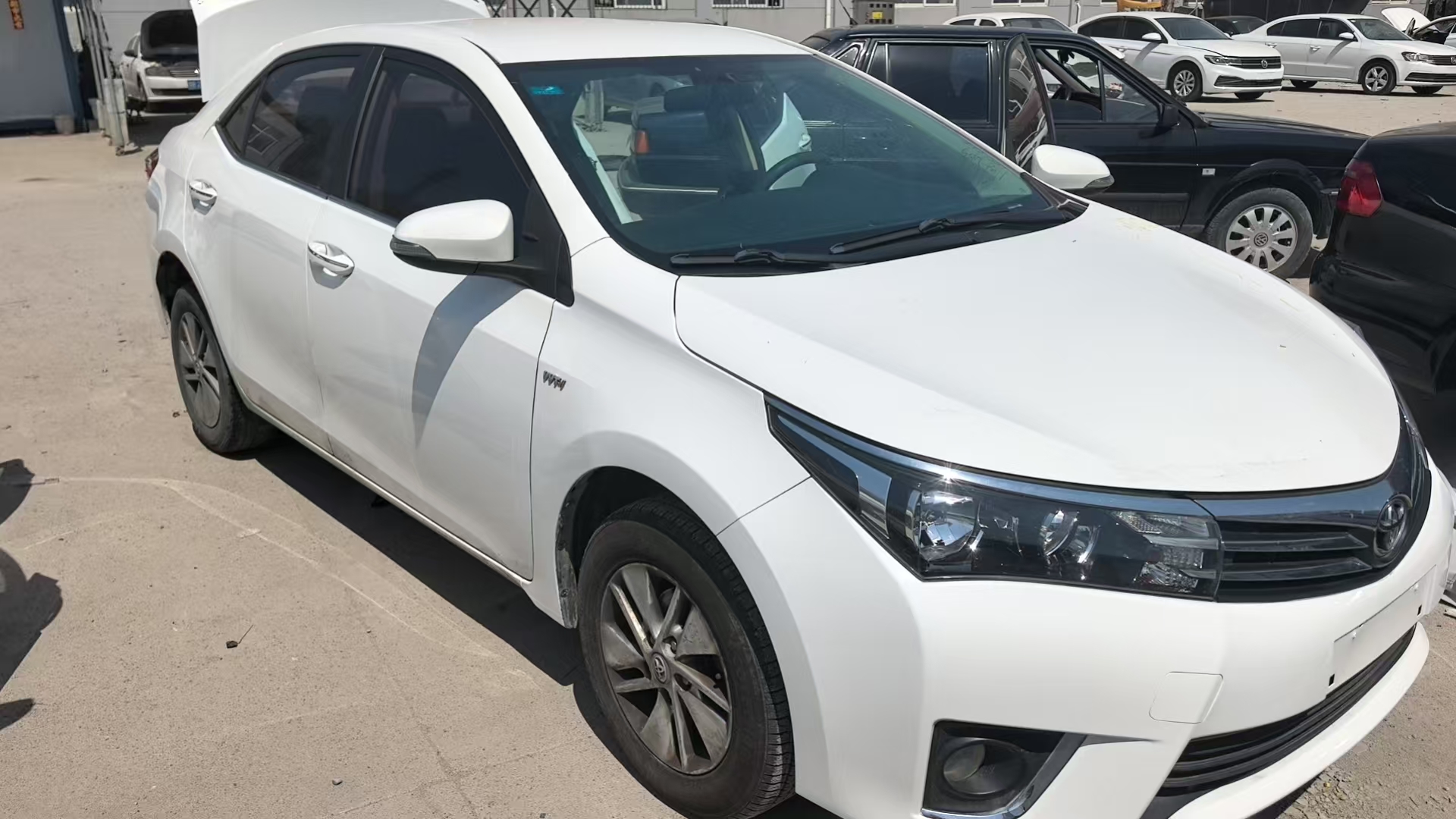
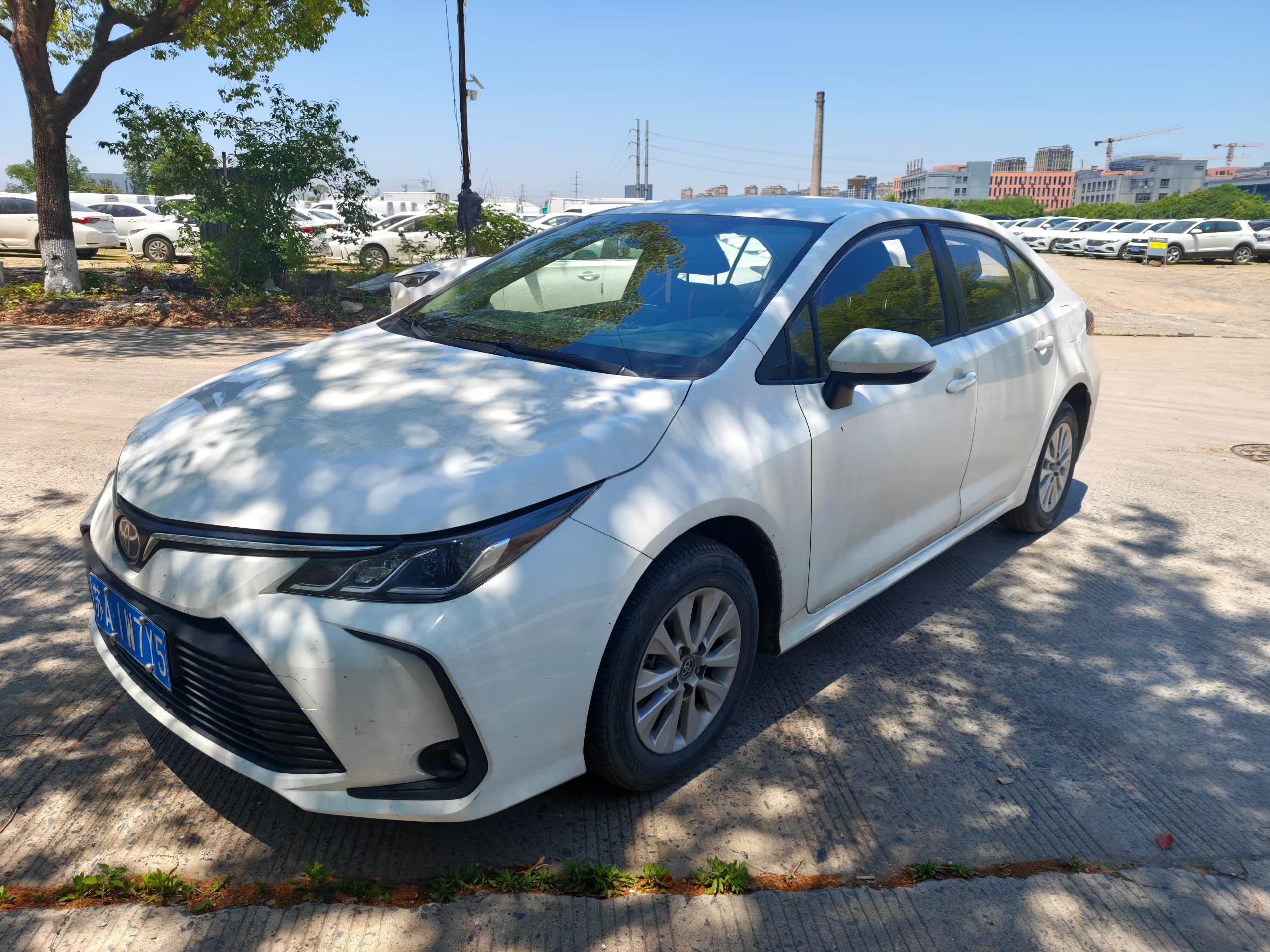
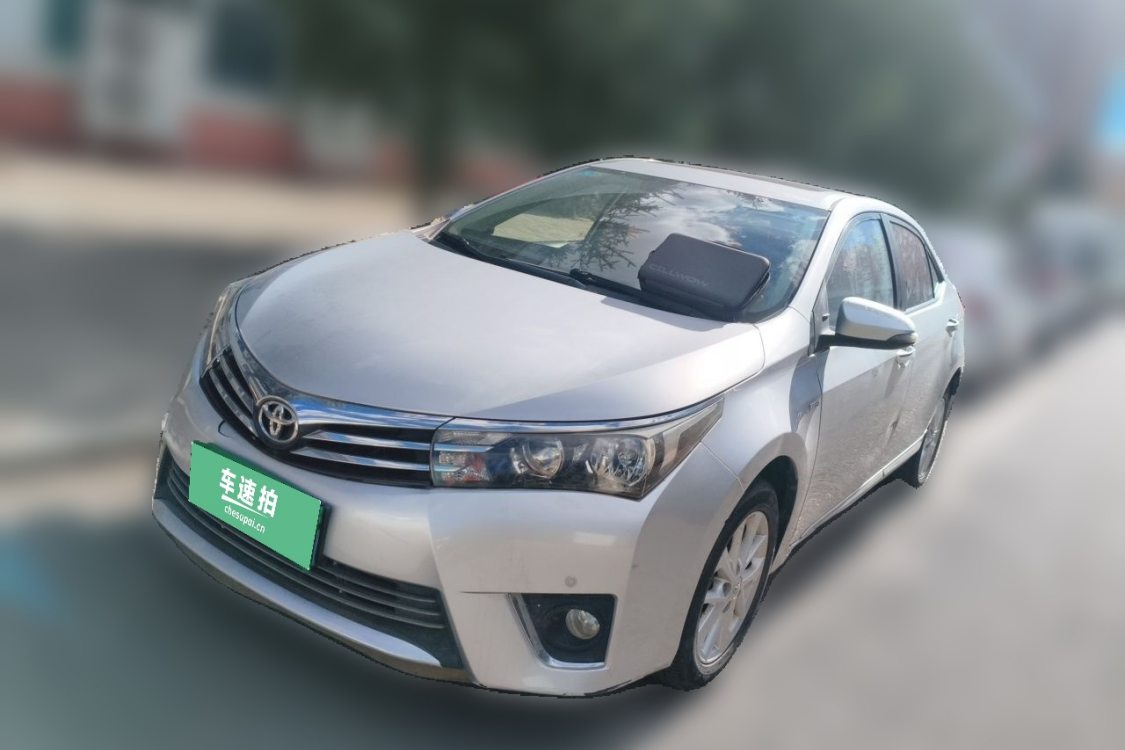
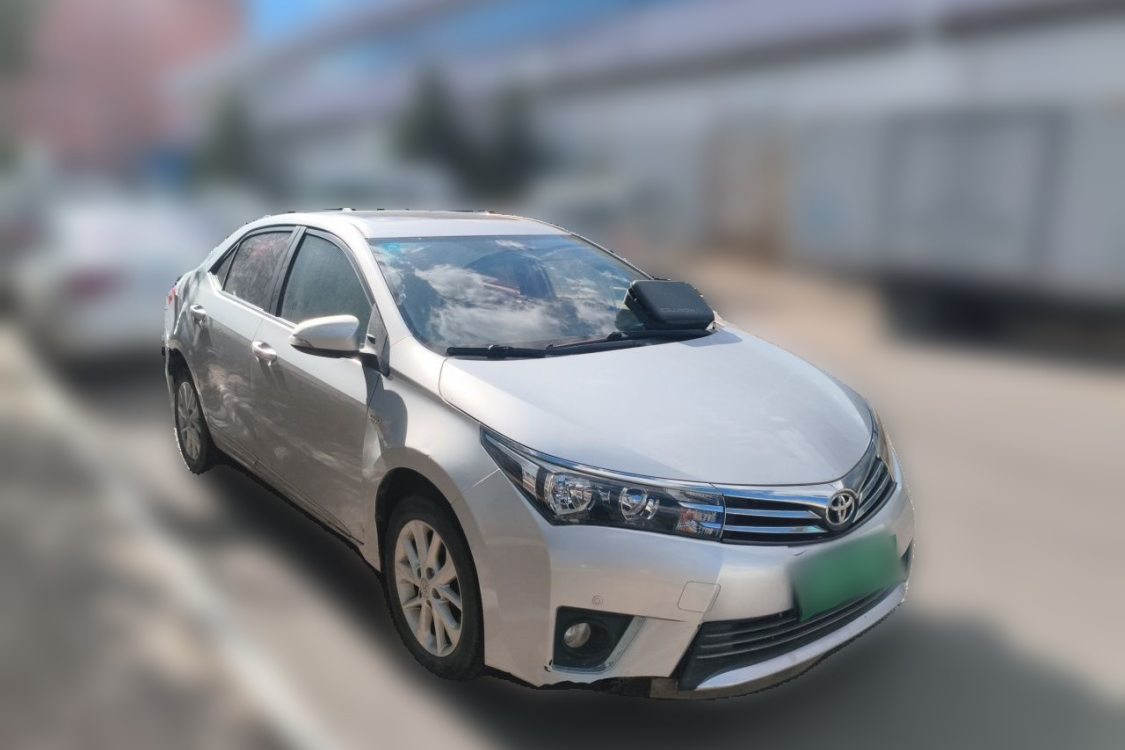
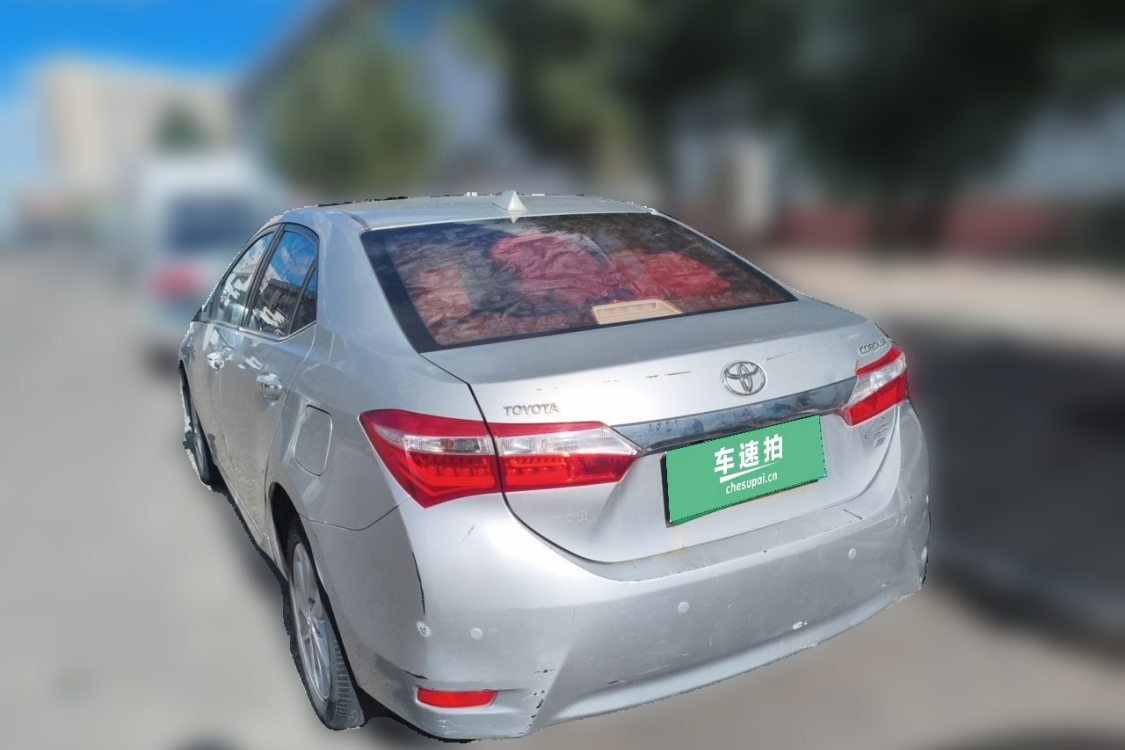
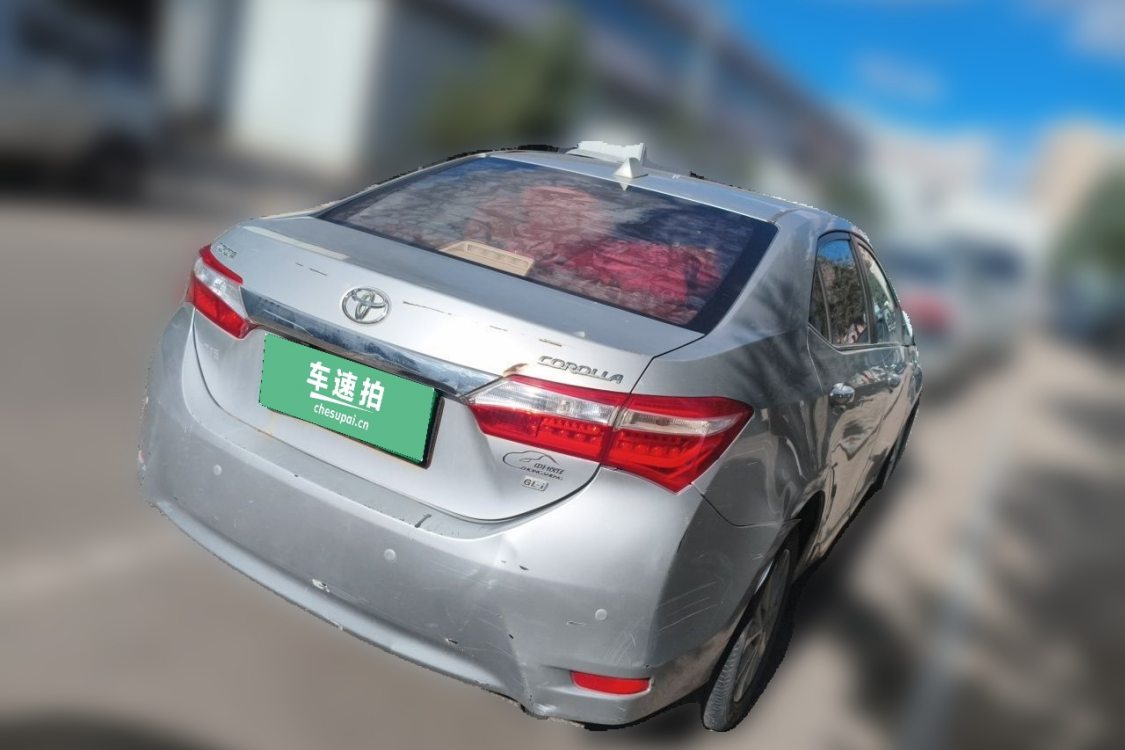
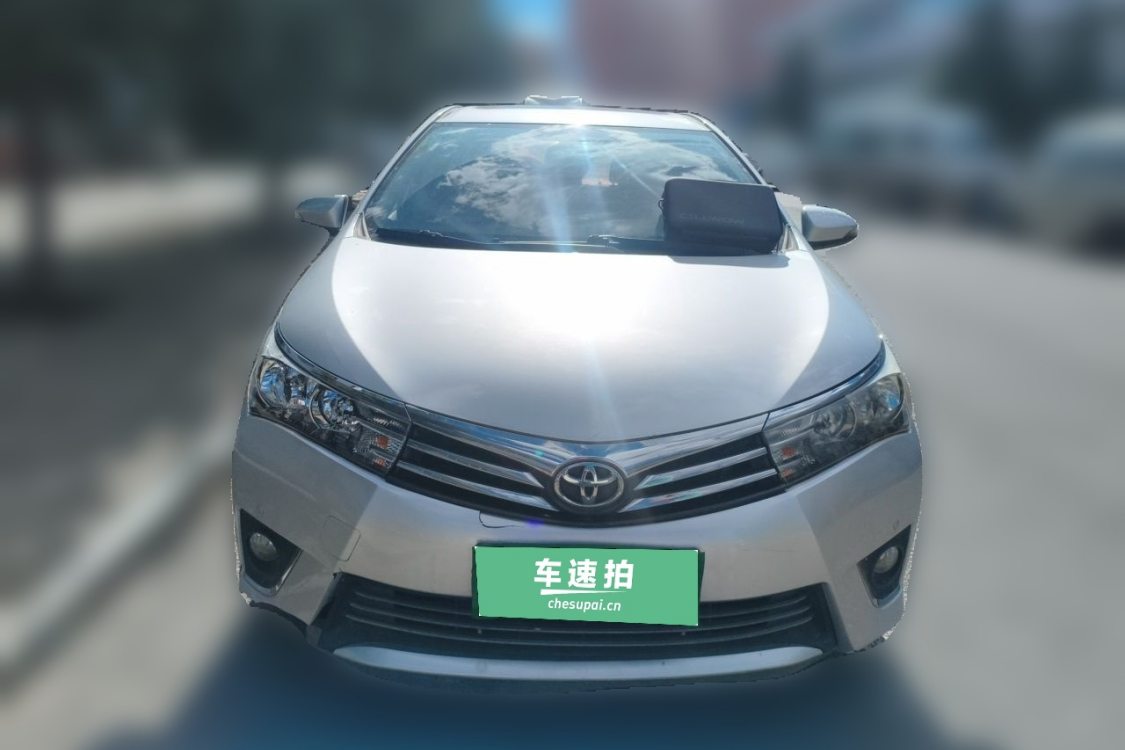
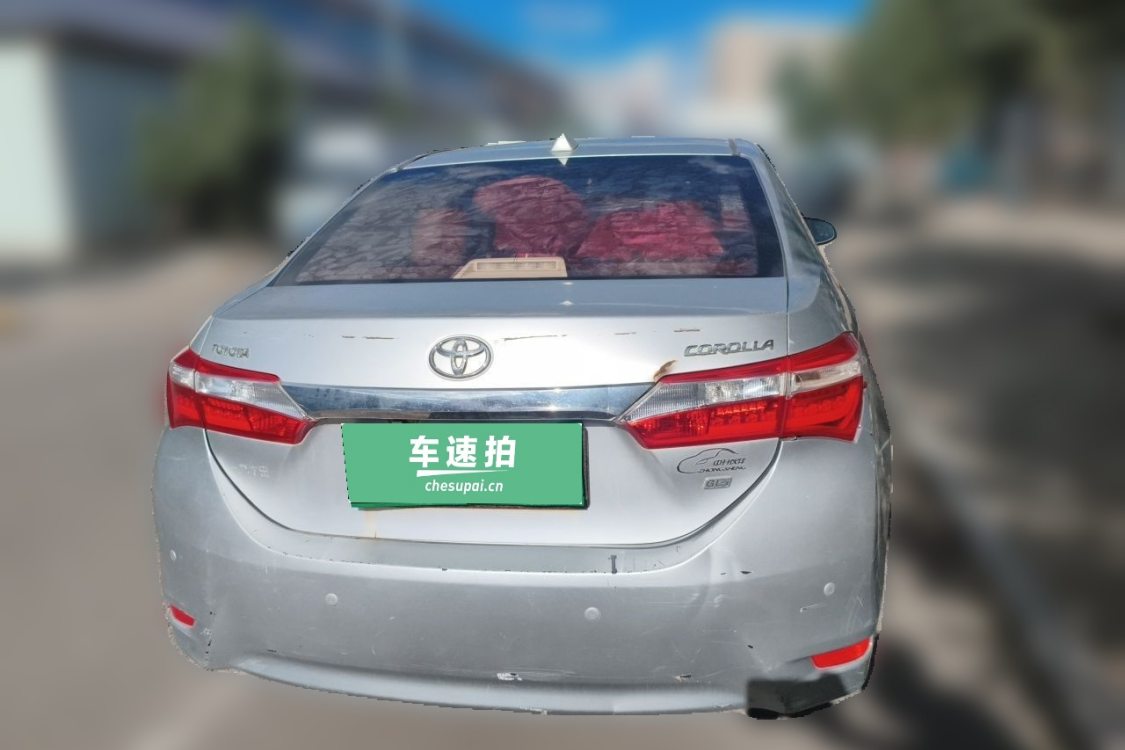
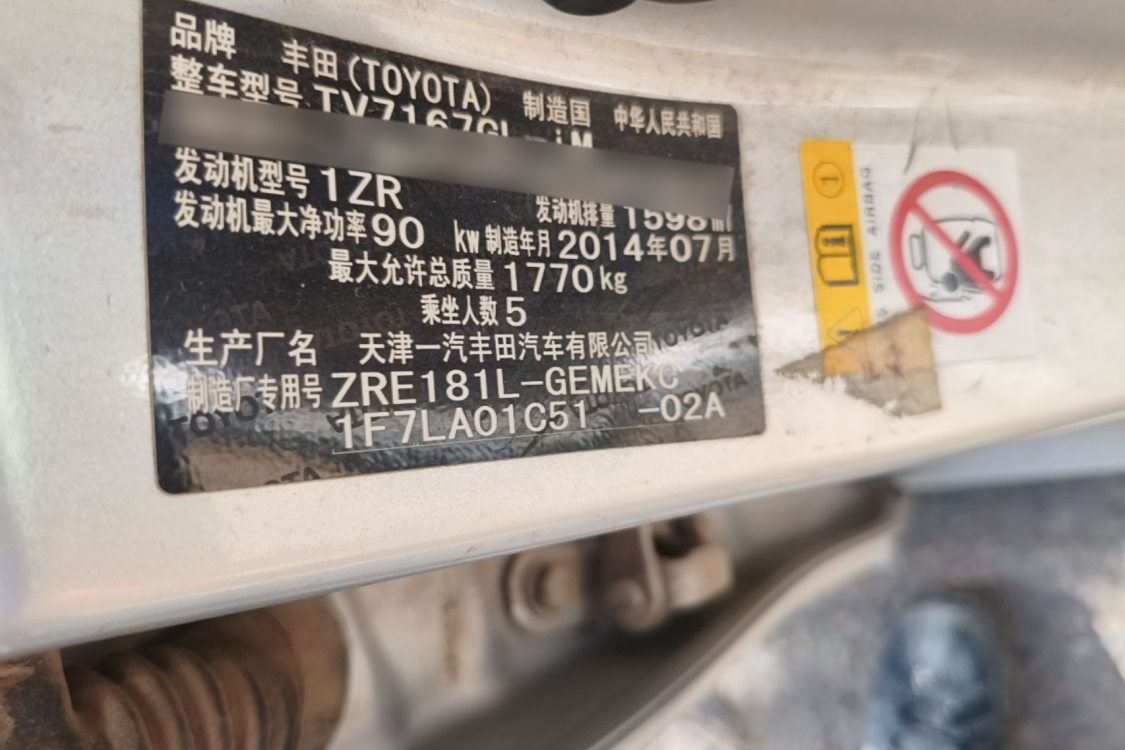
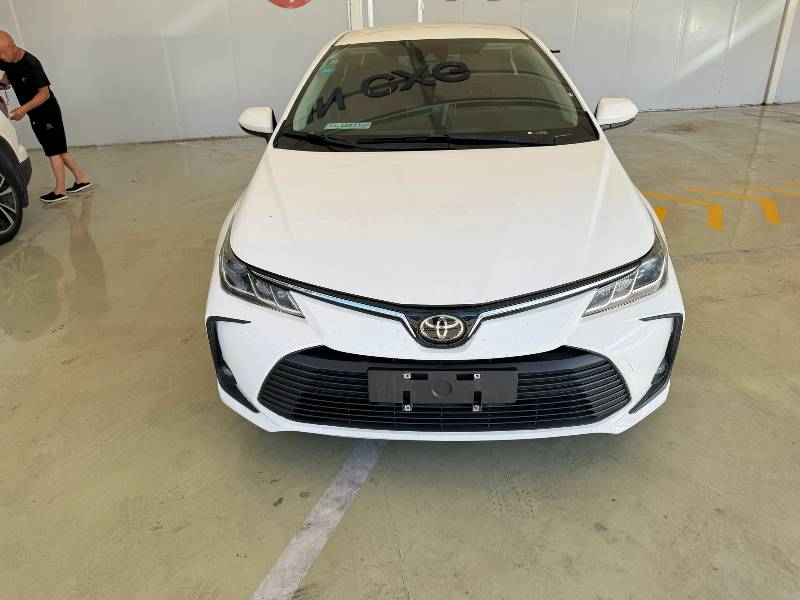
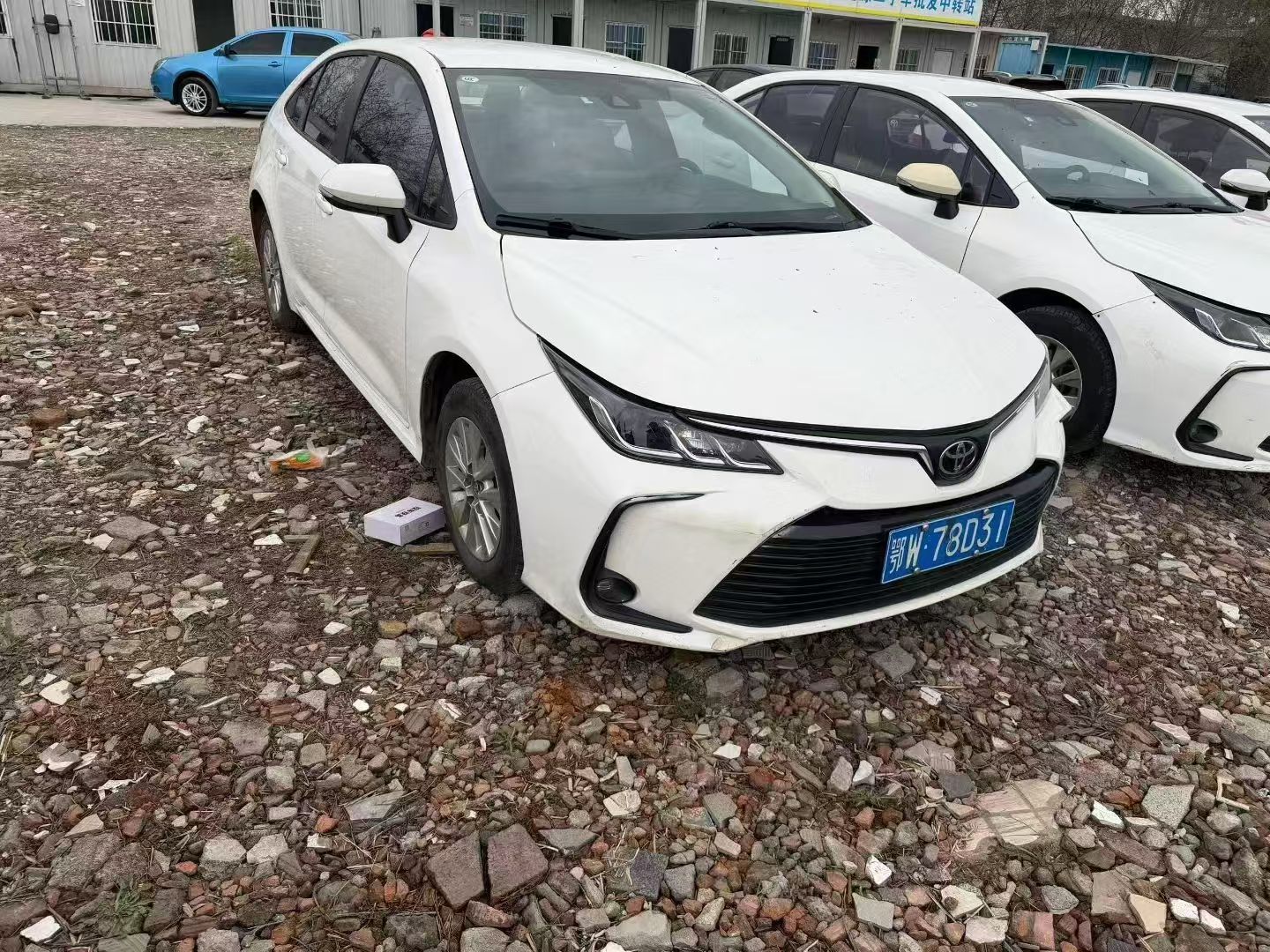
BrandToyota
SeriesCorolla
Year2014
First Registration2014/11
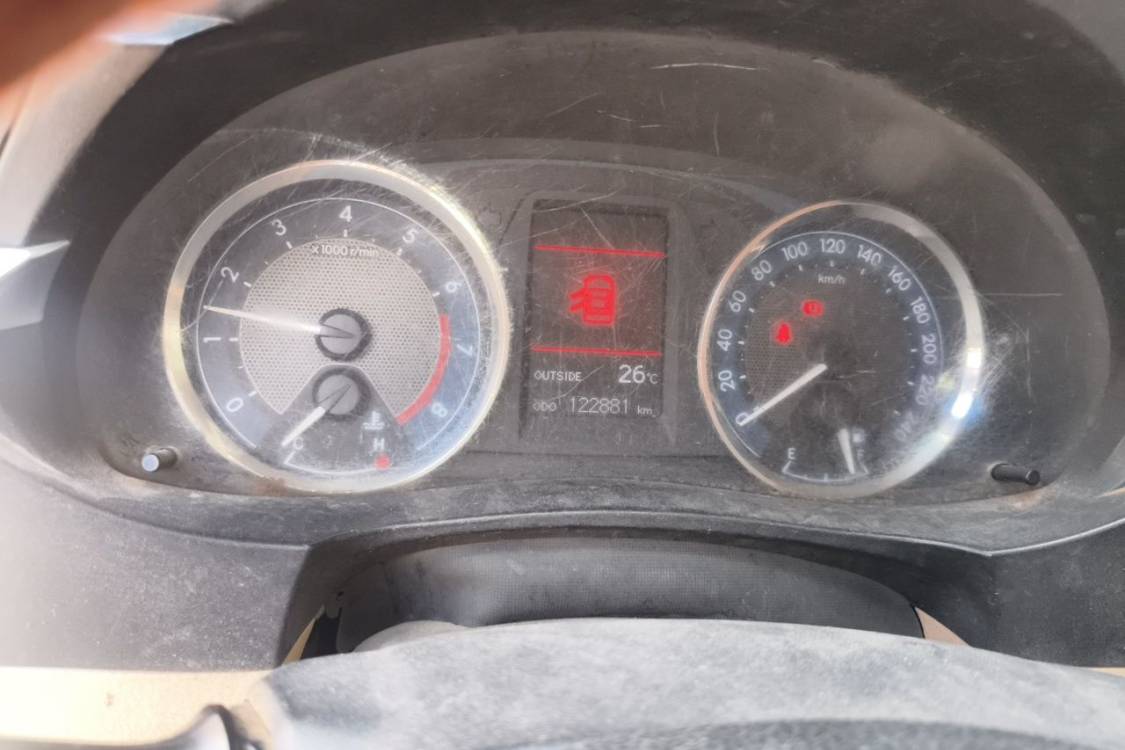
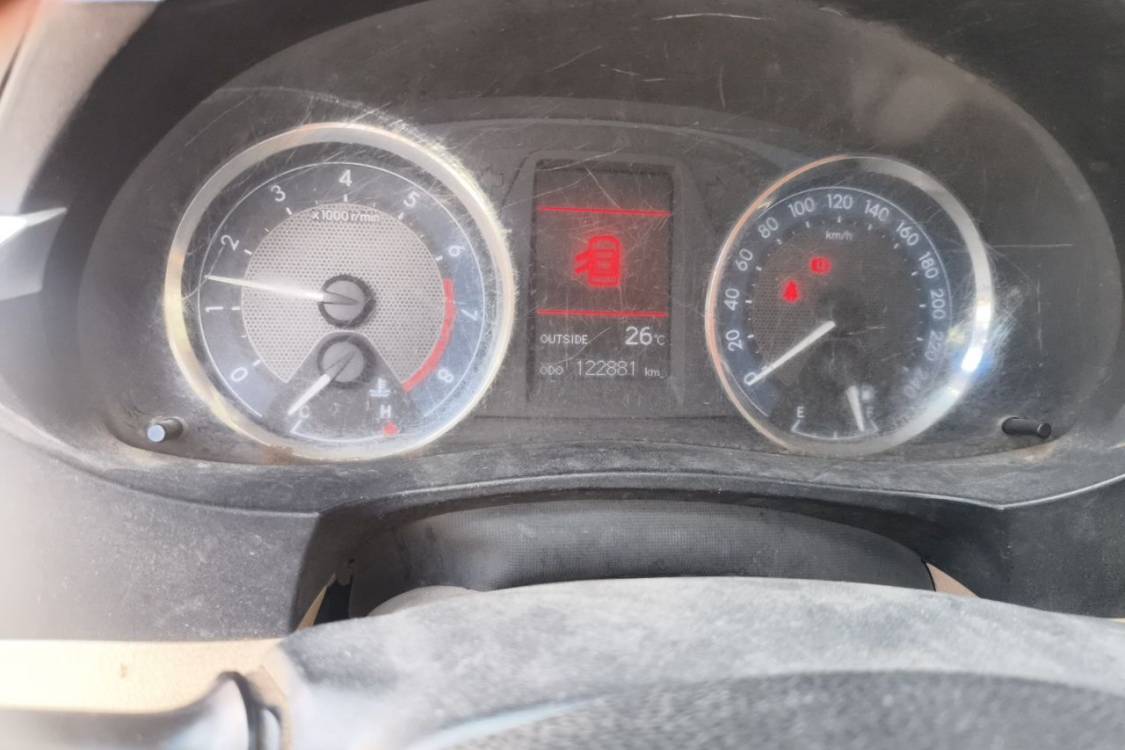
Mileage122,800km
Transfer Count-
FuelGasoline
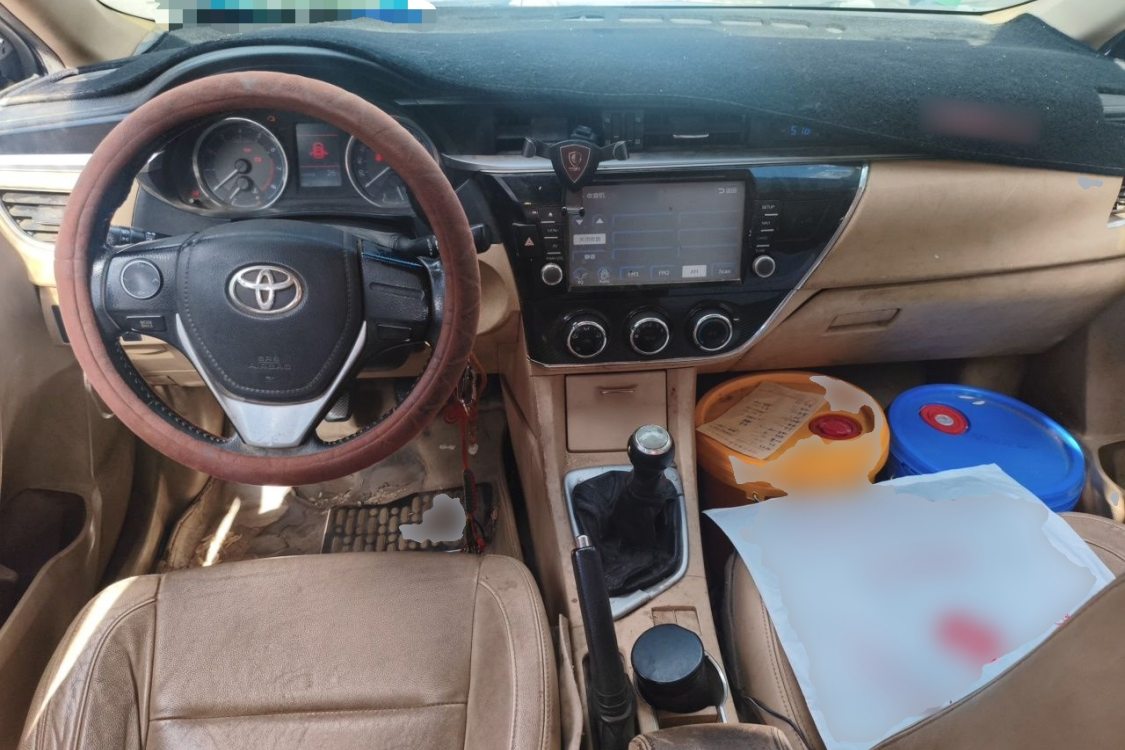
TransmissionManual
Engine1.6L 122 L4
ColorGrey
Seats-

Condition Description

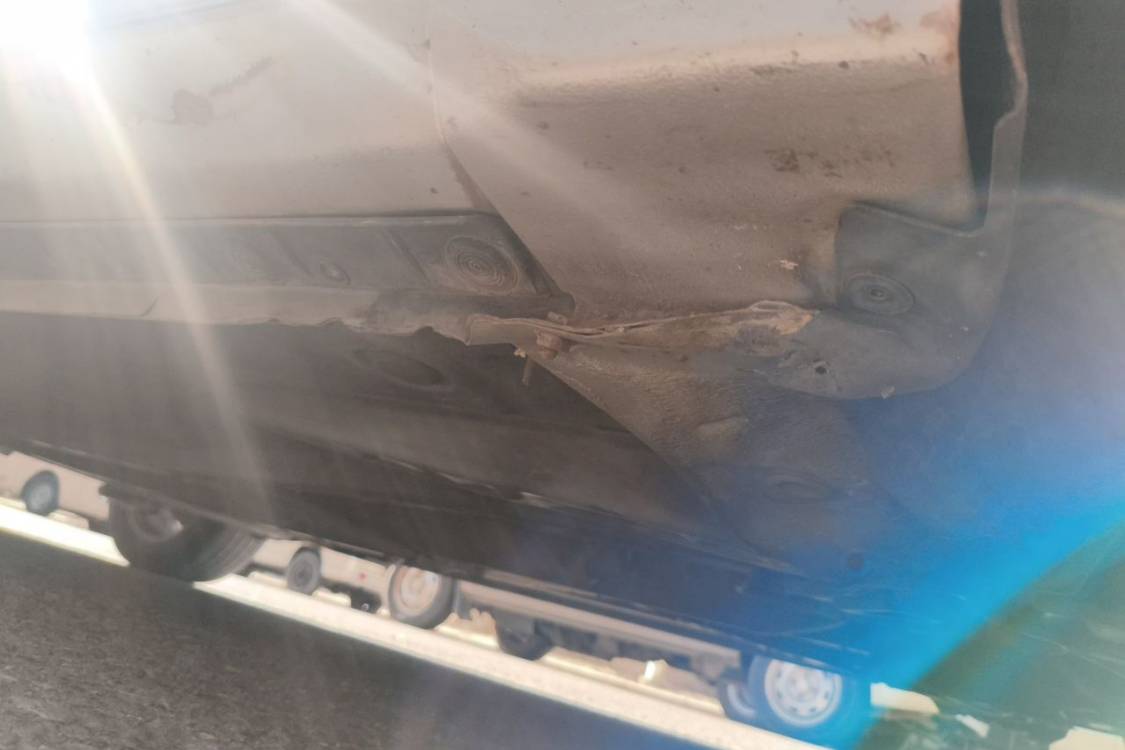
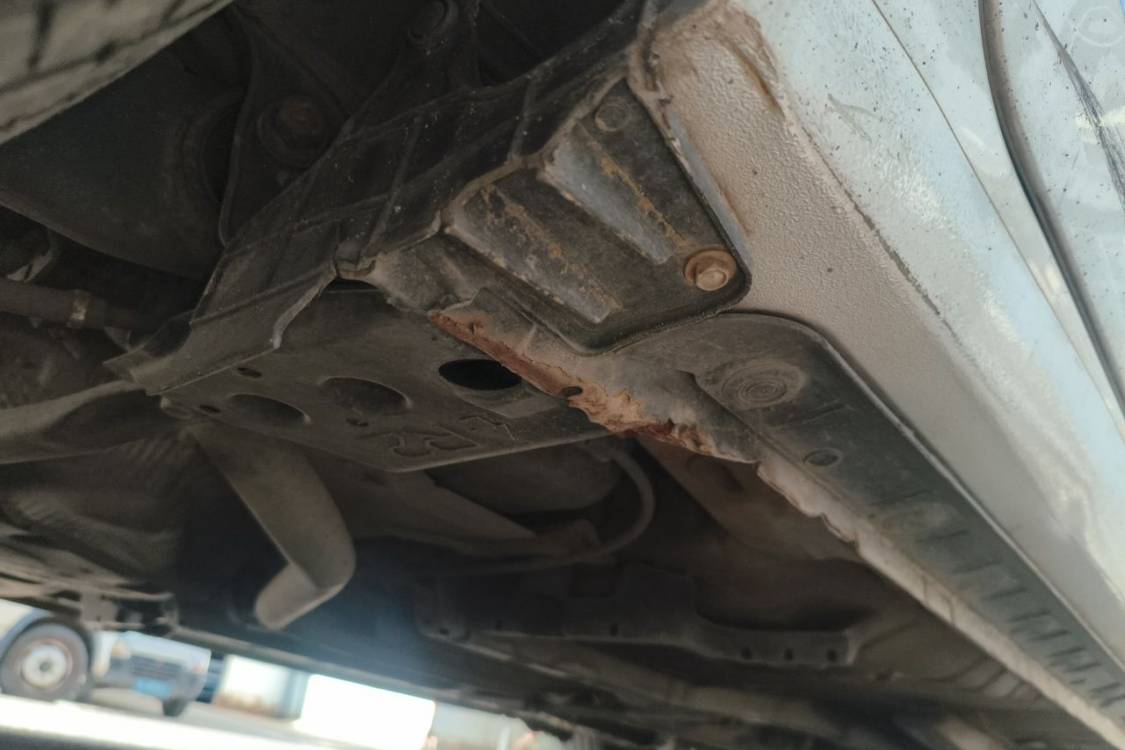
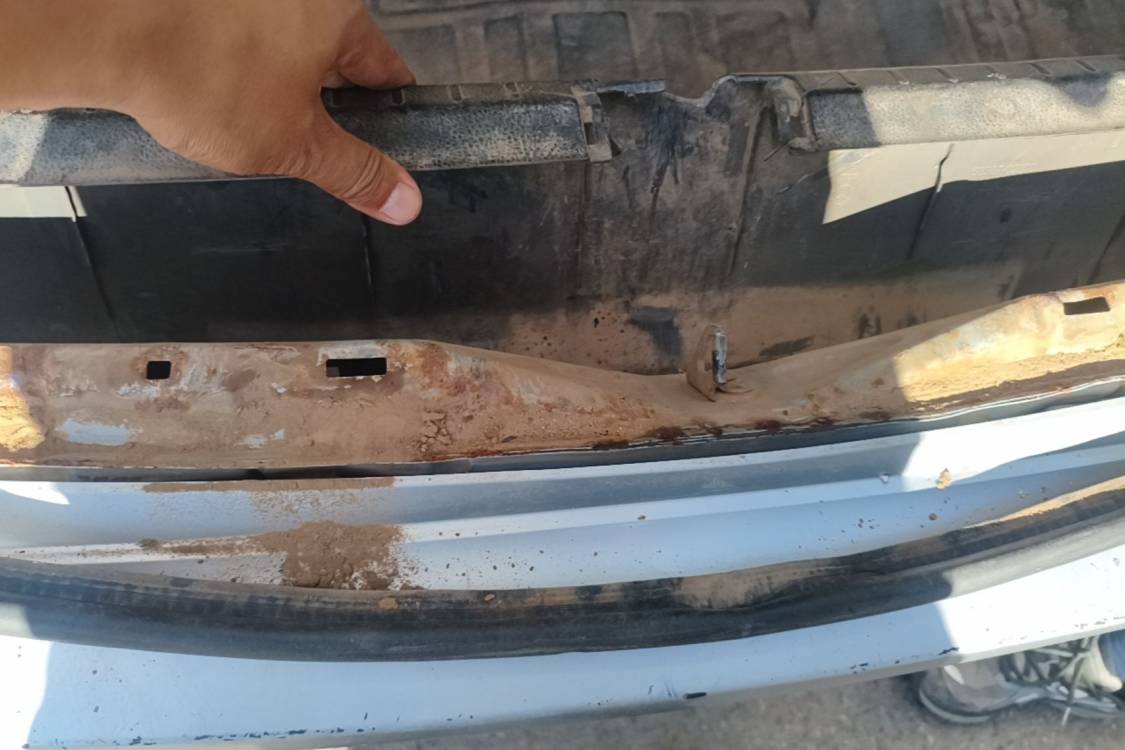
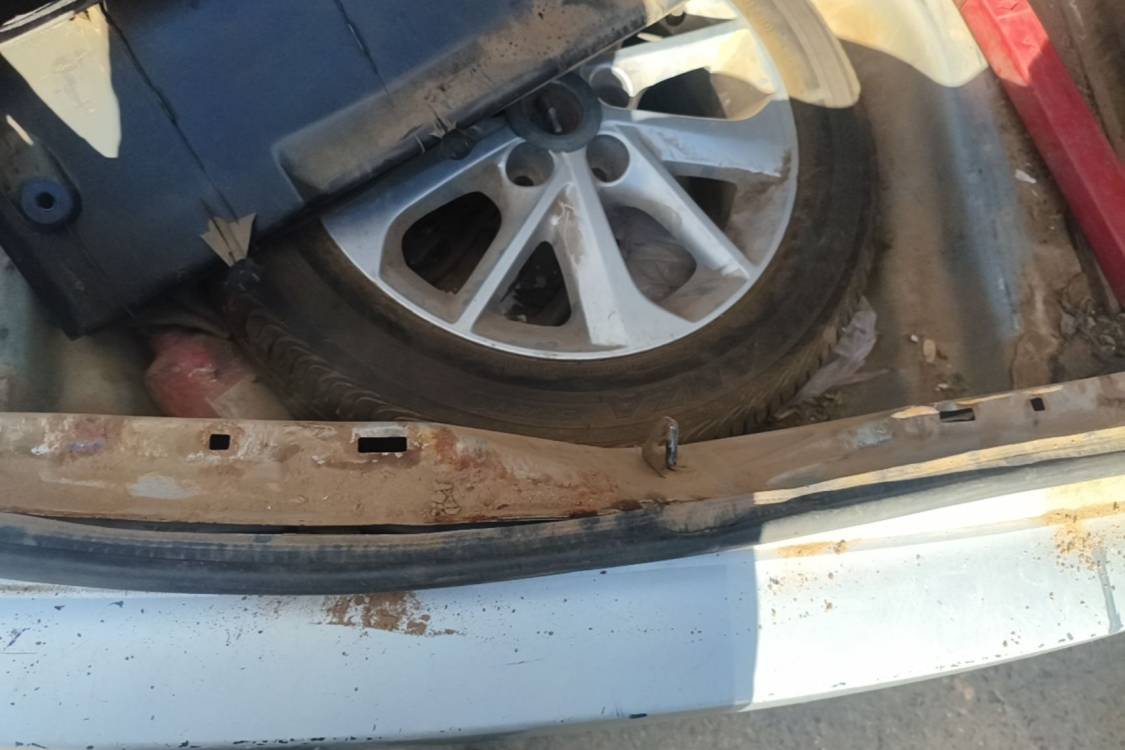
Vehicle has major accident/fire/flood damage or major defects in power battery components (structural, reinforced, or panel parts), repaired or unrepaired, still affecting body structural strength or safe use, with hidden fault risks.

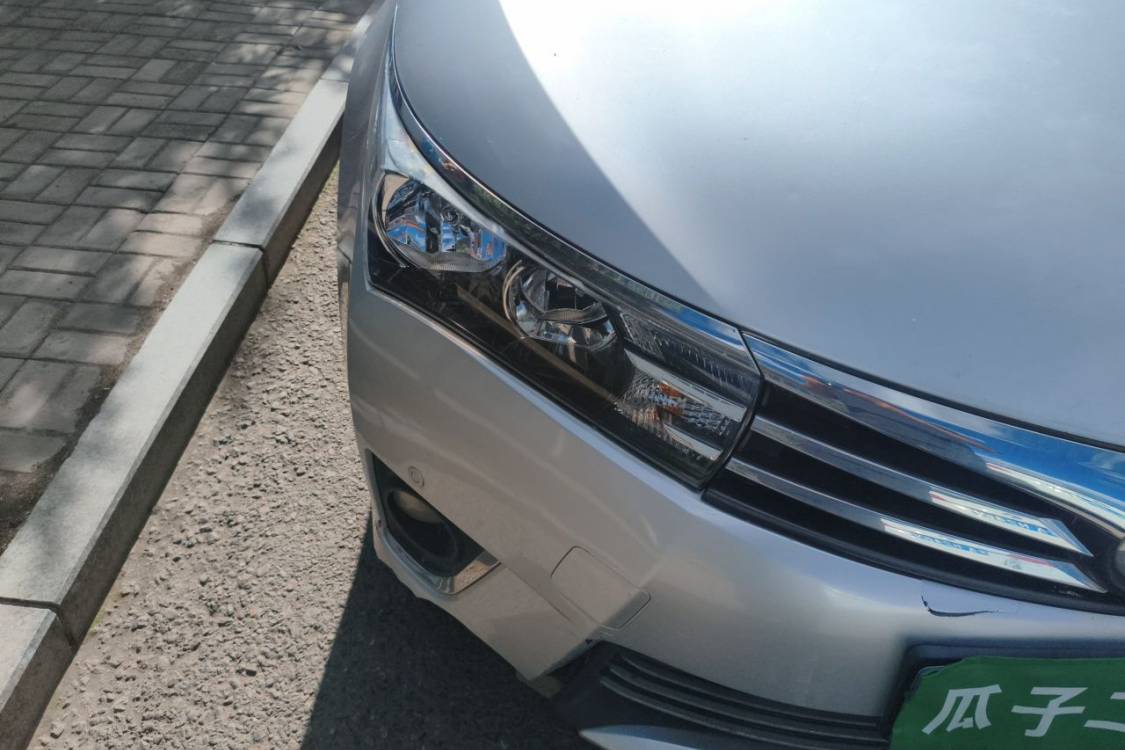
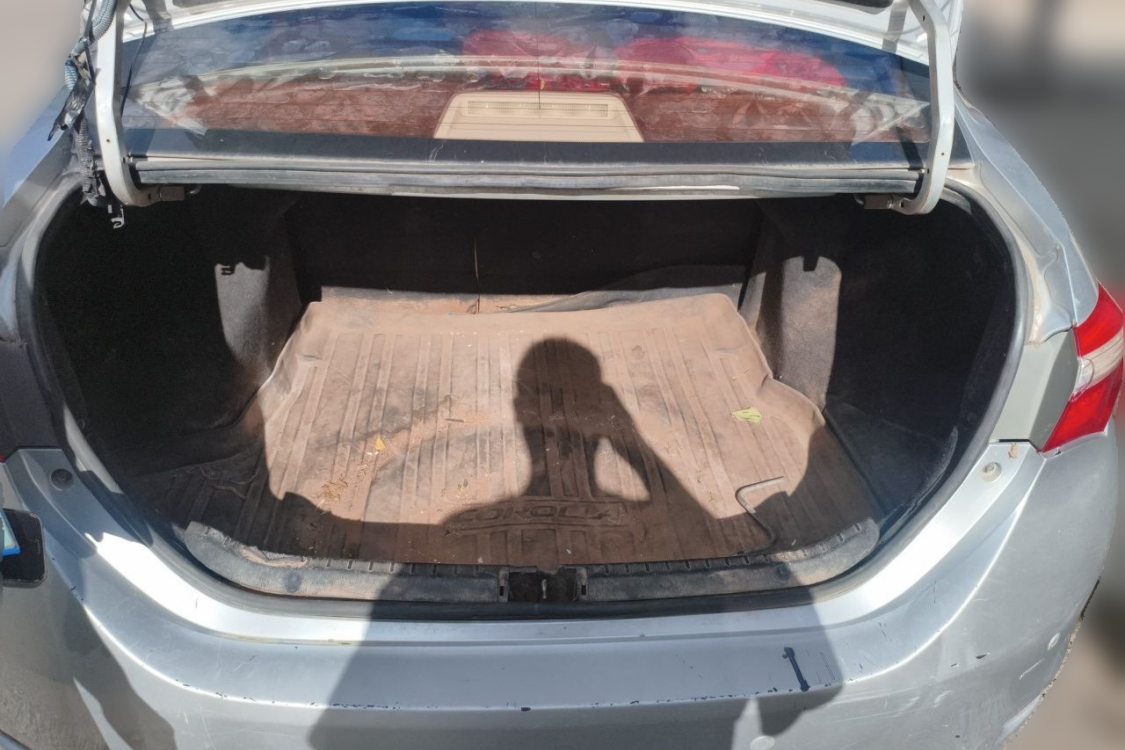
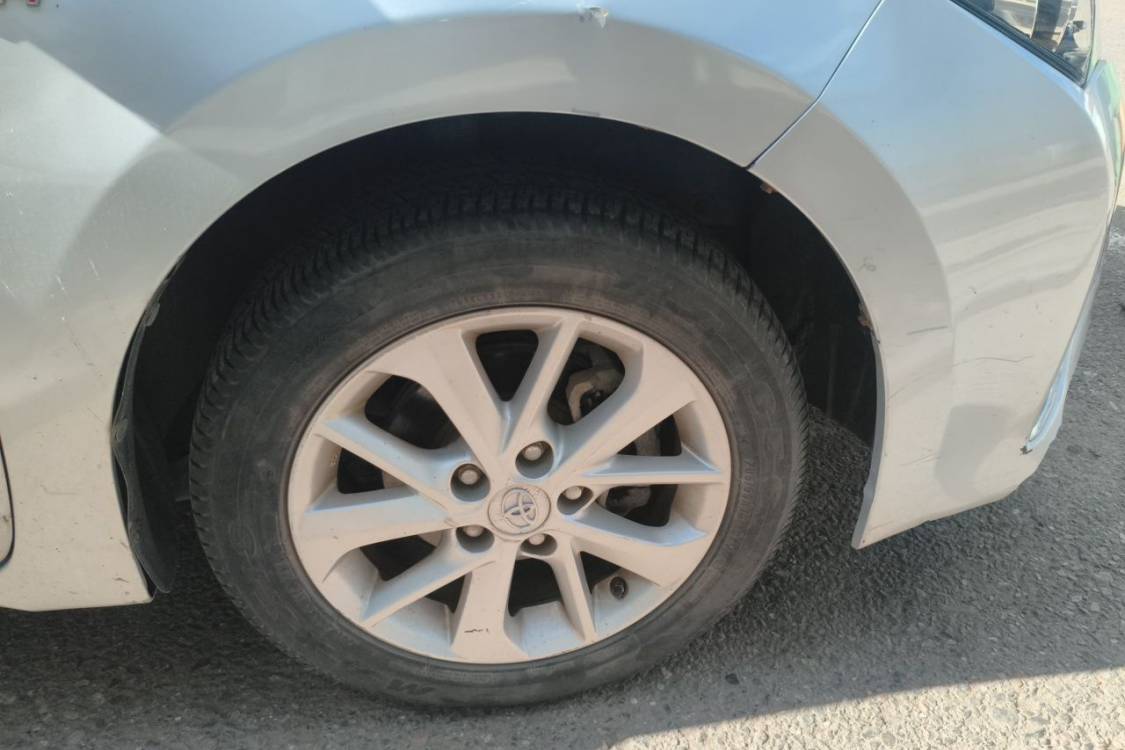
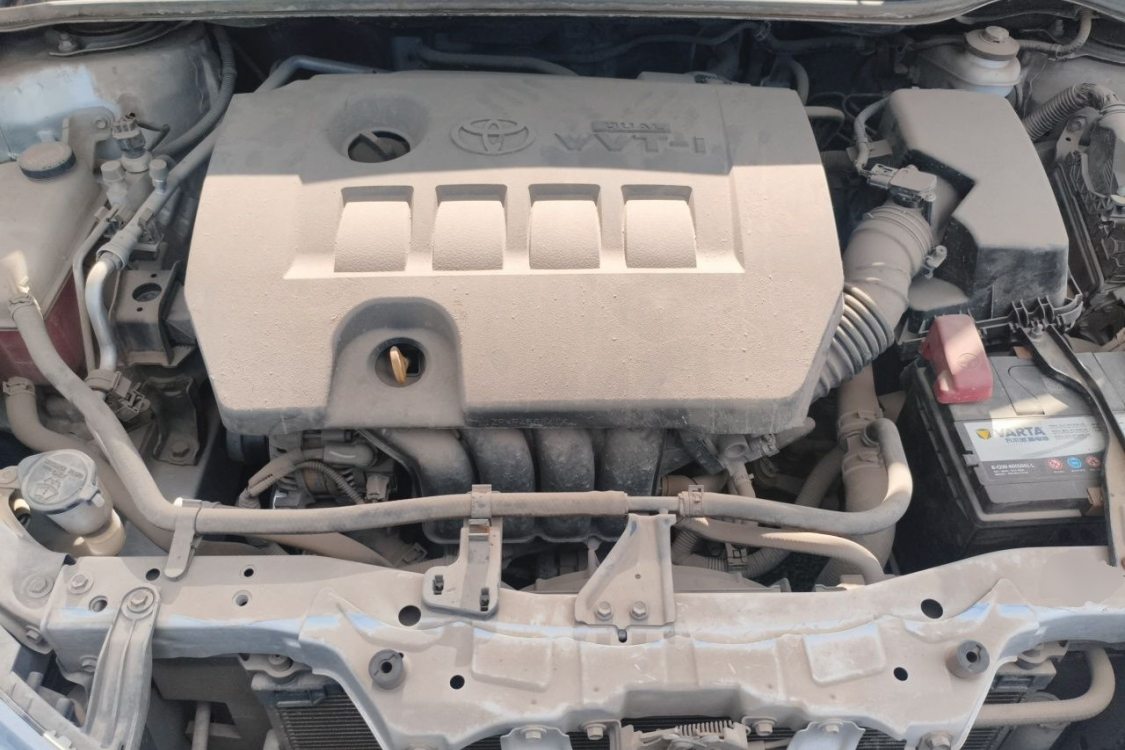
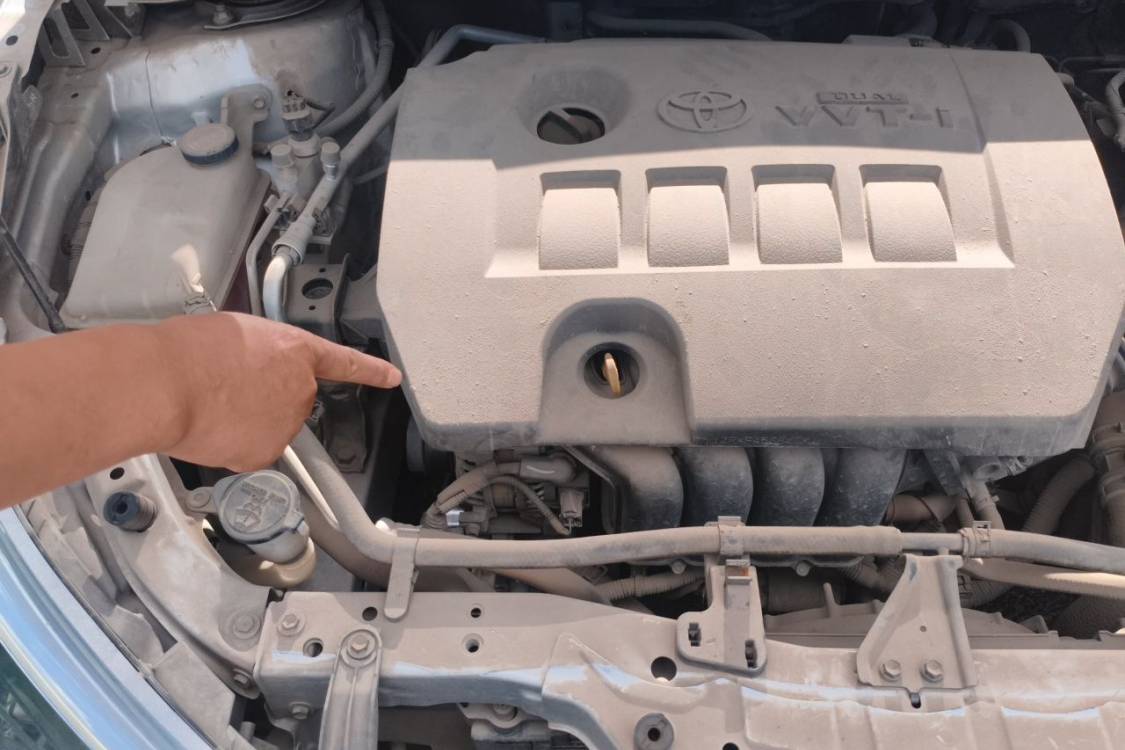
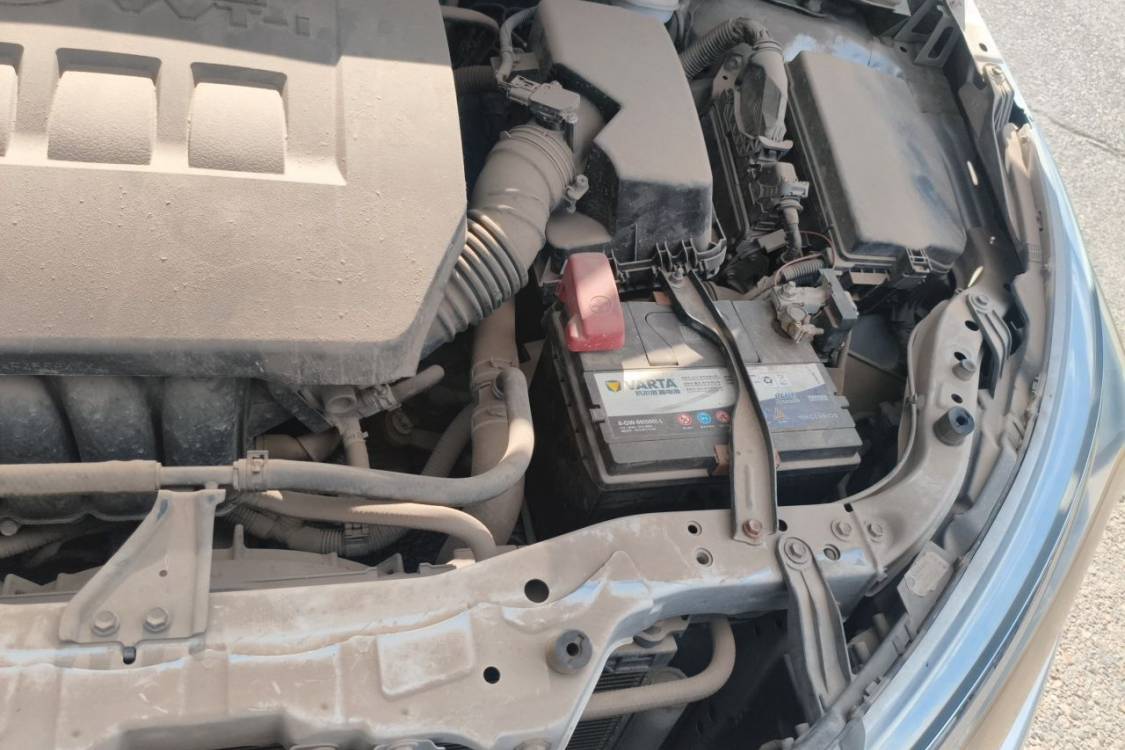
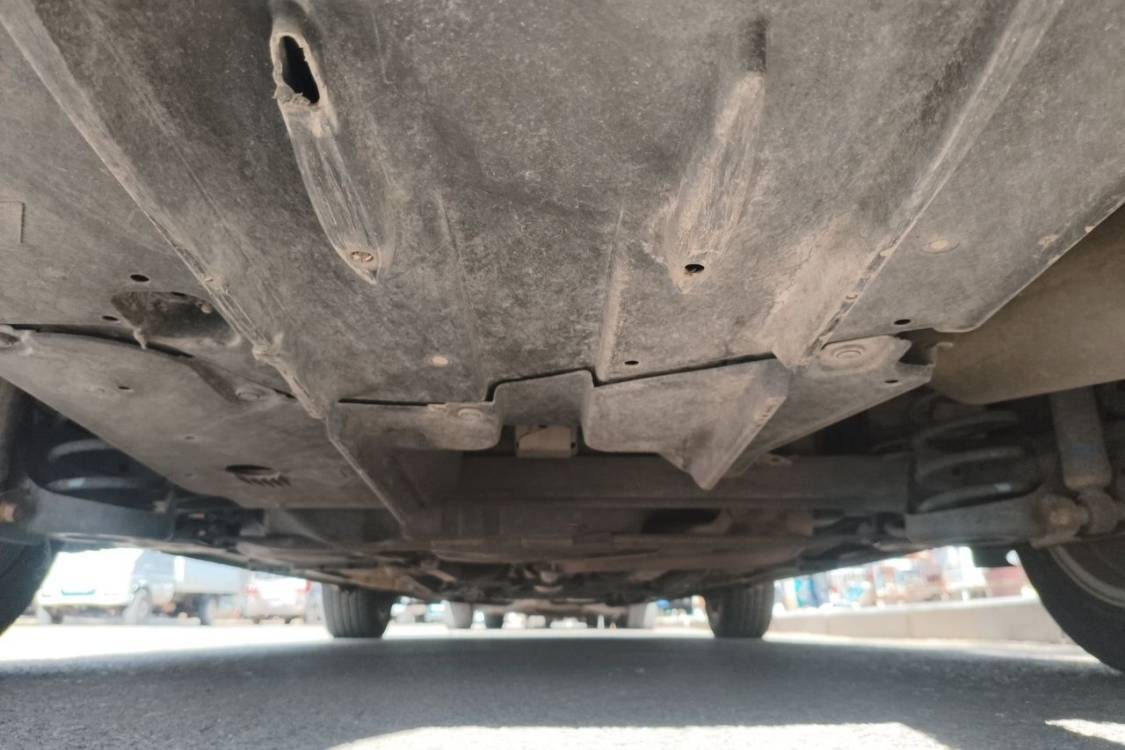
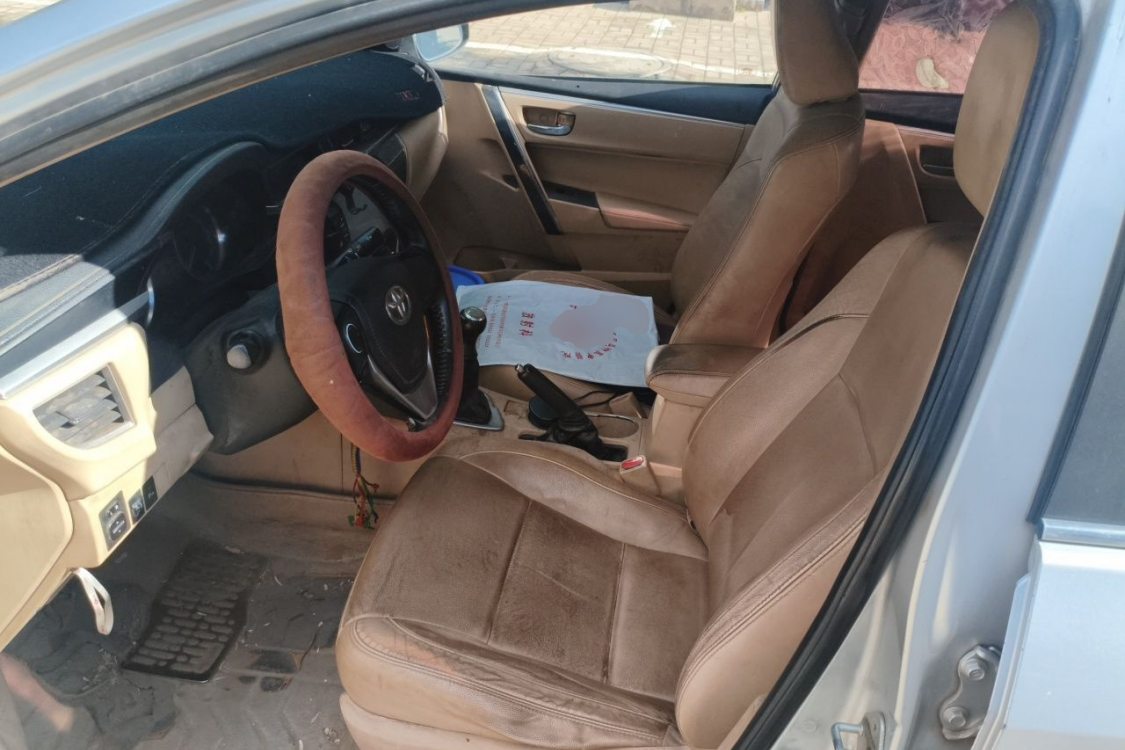
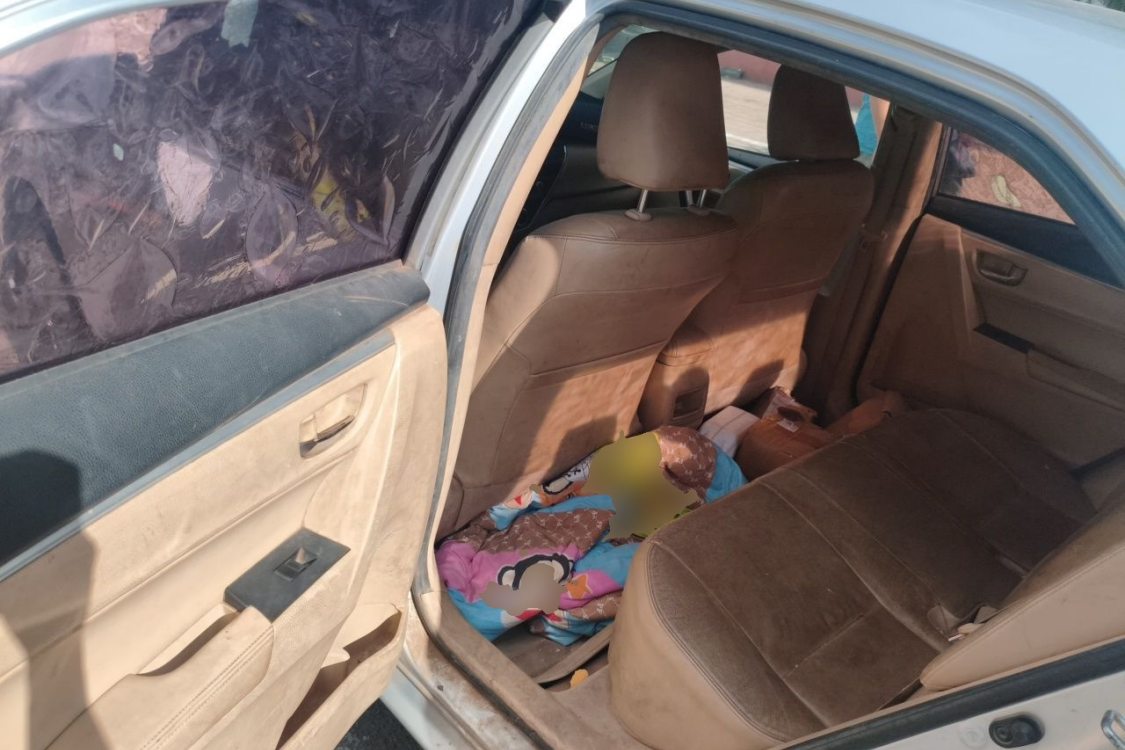
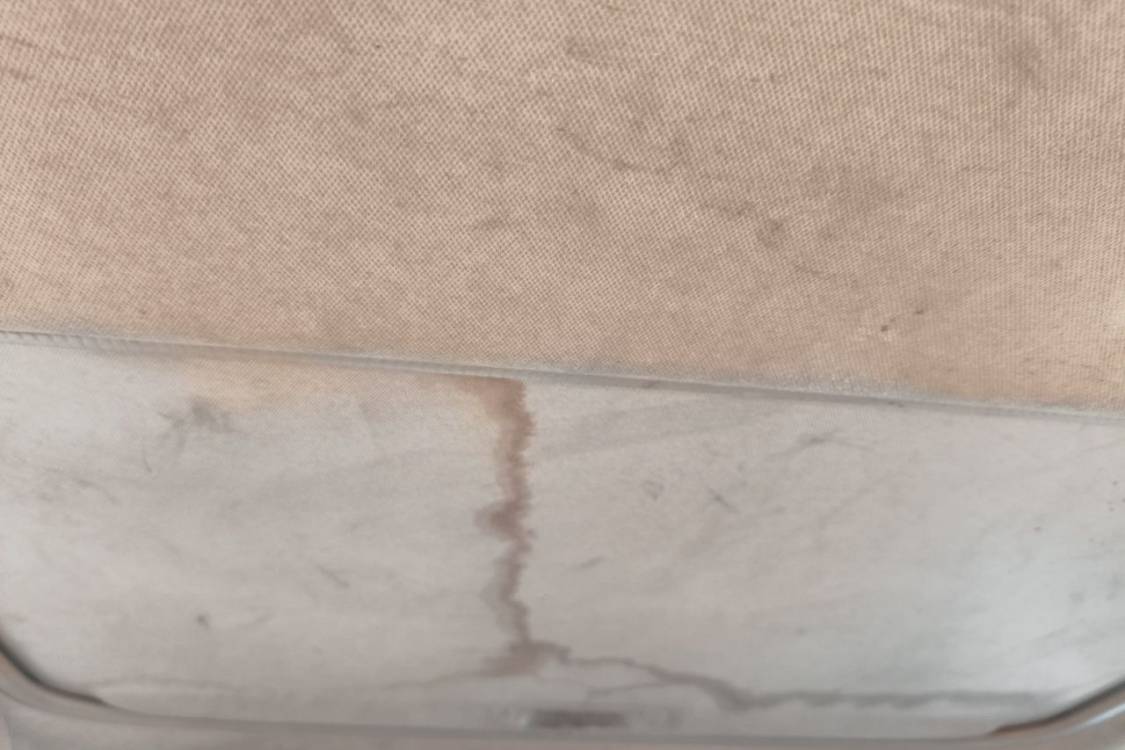
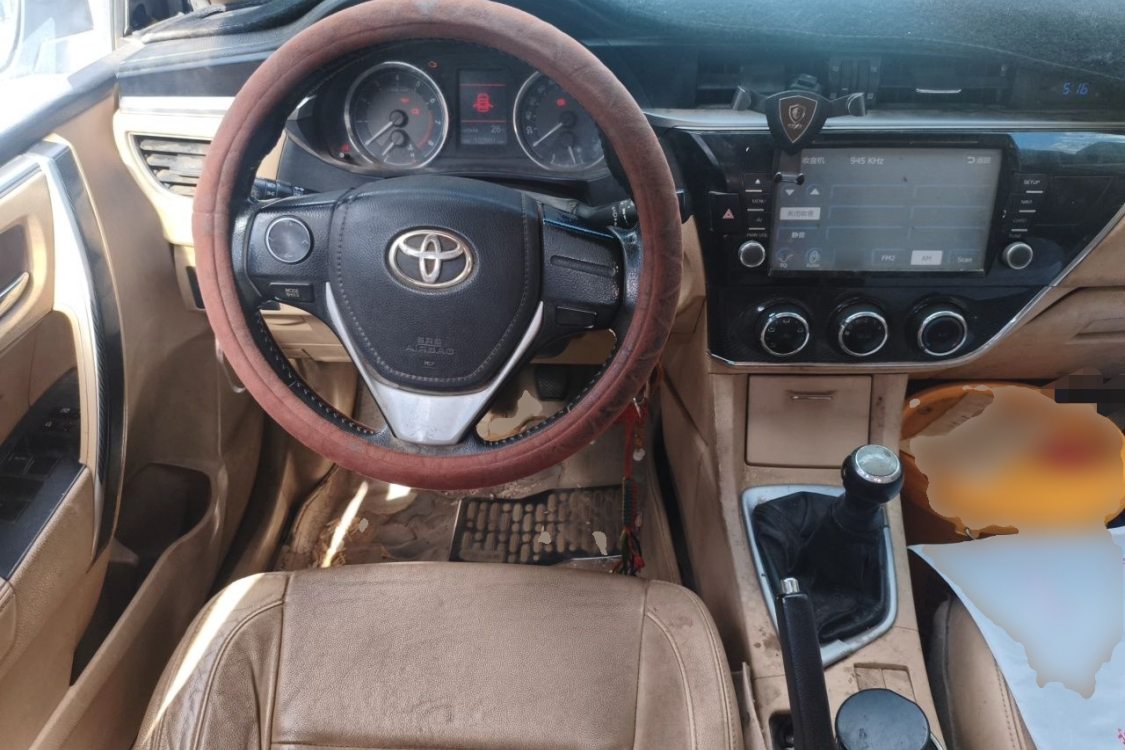
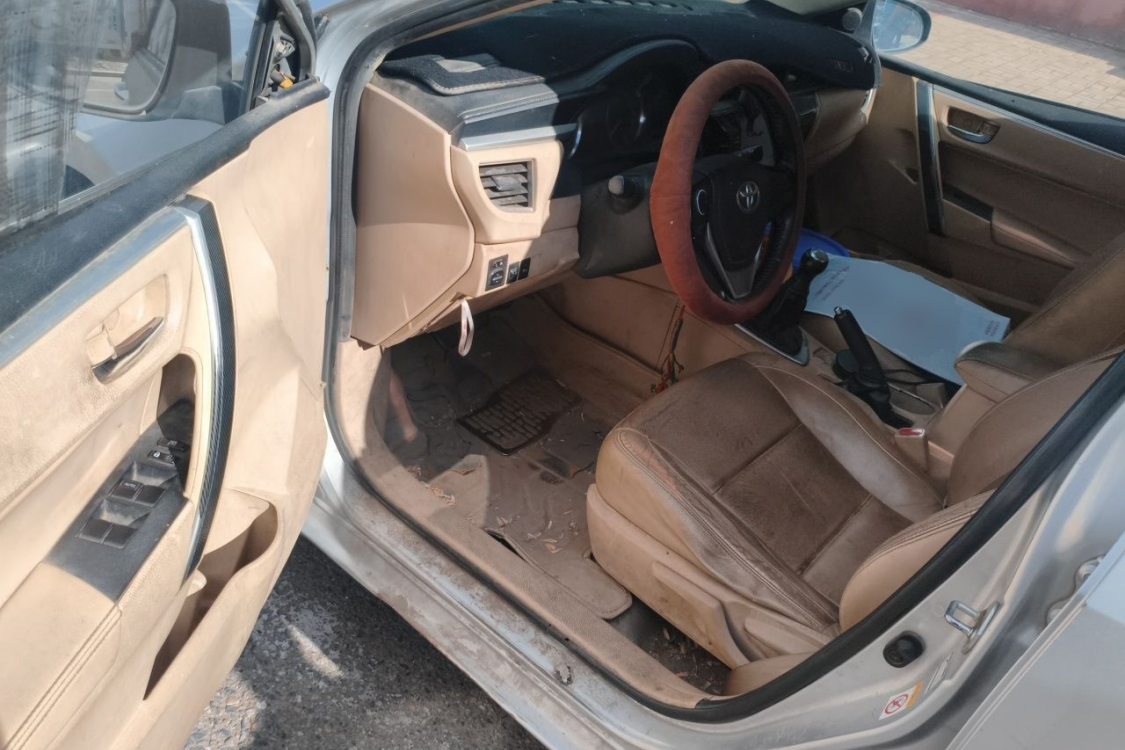
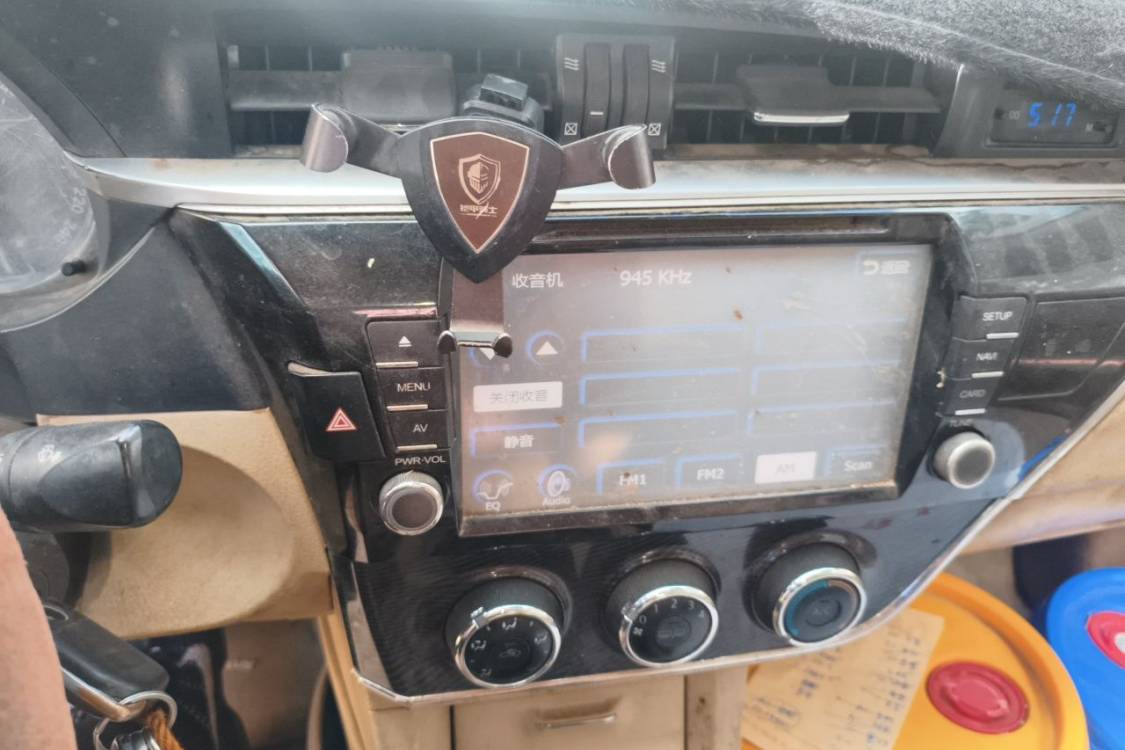
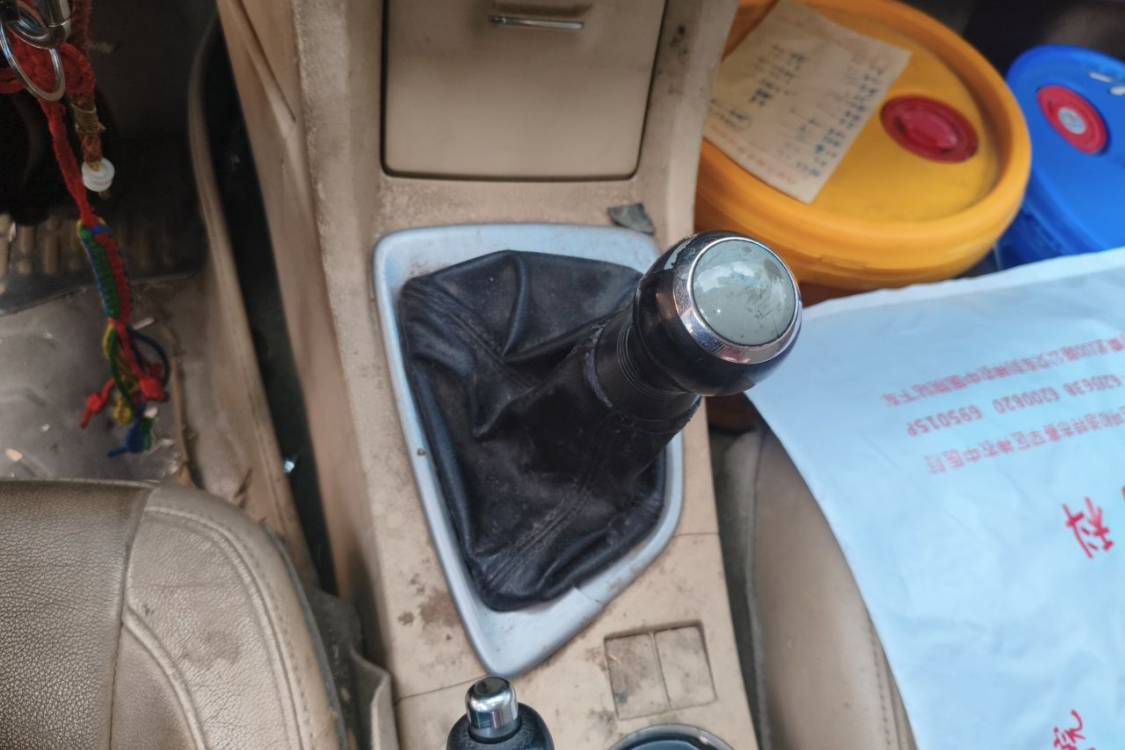
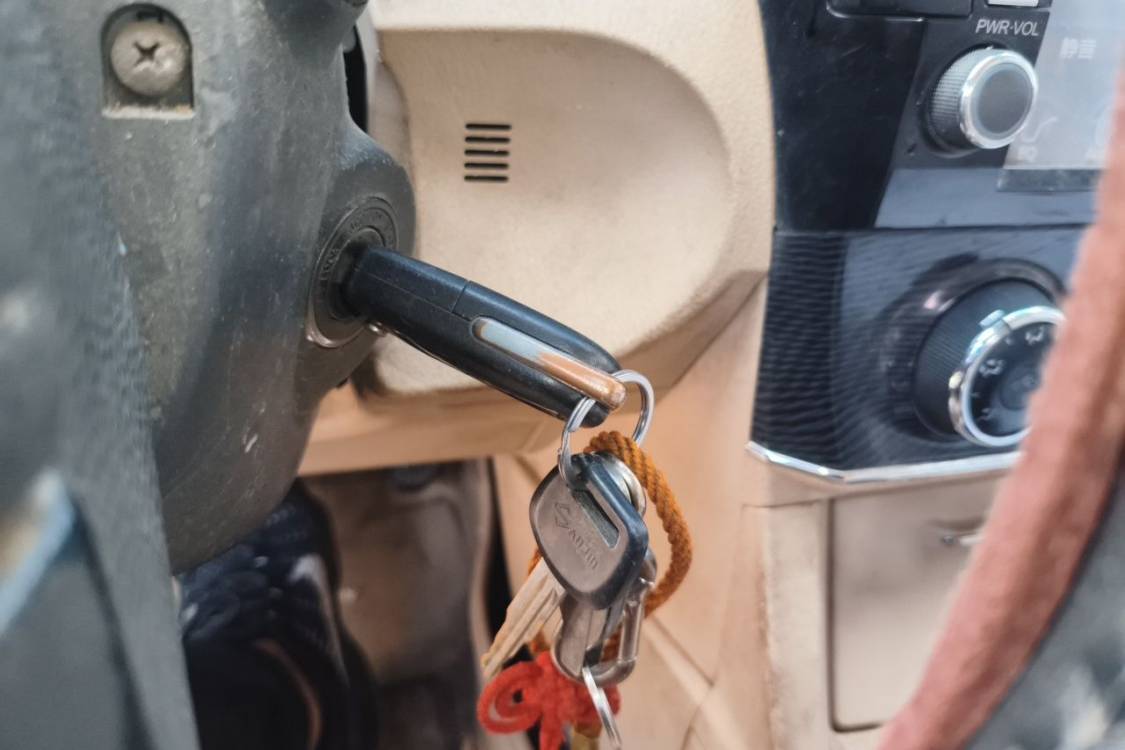
Accident inspection: main structure damaged, reinforced parts damaged, panels damaged, hinges normal. Engine bay: key mechanical components normal. Exterior: 1 area of sheet metal repair. Interior: right front seat dirty and torn, right second-row seat torn and dirty, left second-row seat dirty, left front seat dirty and torn. Most features normal, airbags normal, lighting system normal. Start-up test: main components normal. No tools included.

电话直连
可讲价
平台物流
可转售
零过户
新检测标准升级>

Document Information

Inspection Expiry Date2026/11
Warranty Expiry Date-
Insurance Expiry Date2026/11

Q&A

More

If the shipping company's basic freight rate (GRI) suddenly increases during the period after I place the order and before paying the final amount, who covers the difference?

Our freight rate quotes have a clear validity period. If the buyer delays the deposit payment and misses the scheduled price lock, the GRI (General Rate Increase) charged by the shipping company must be fully covered by the buyer before booking and loading can be arranged.
Are there specific photos or reports from the lift perspective regarding the concealed parts of the chassis (such as the suspension system and shock absorber leaks)?

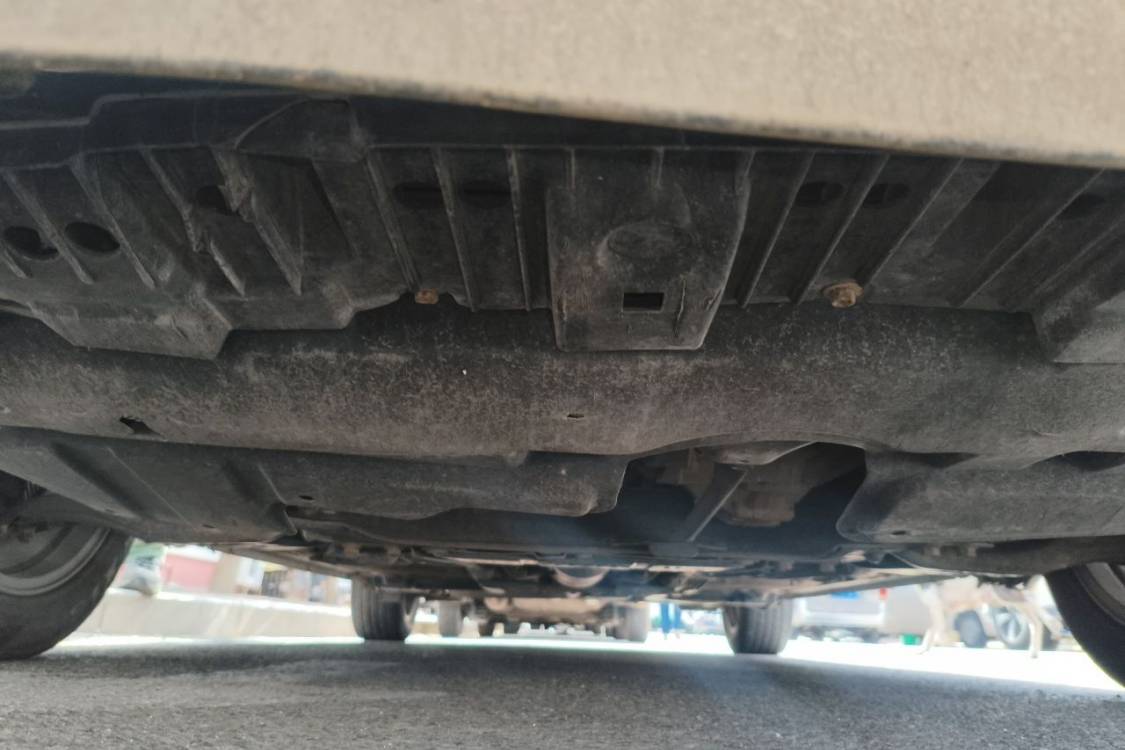
Definitely. Lifting the chassis is a mandatory part of our standards. The report will specifically show whether there are oil stains on the front and rear shock absorber cylinders, if the rubber boots of the lower control arm ball joints are torn, and if the steering tie rods are loose or deformed.

Has this car previously been used as a test-drive car or display vehicle by a dealer?

Test-drive cars experience much more mechanical wear due to extreme conditions like cold starts and emergency braking compared to regular family cars. We can identify this by tracing whether the first owner was a 4S dealership or the manufacturer. If so, we will reassess its value based on "operational intensity" standards.