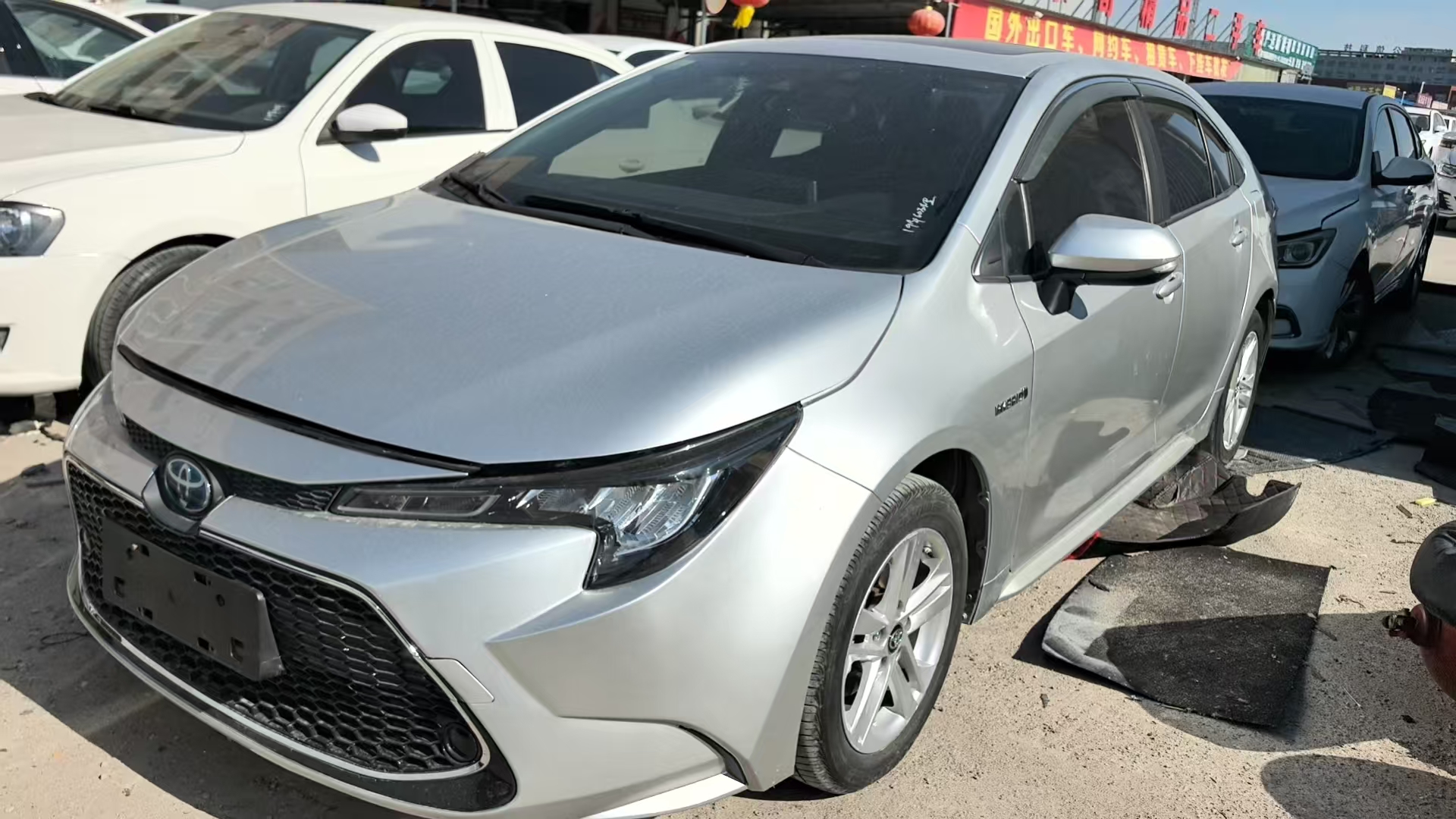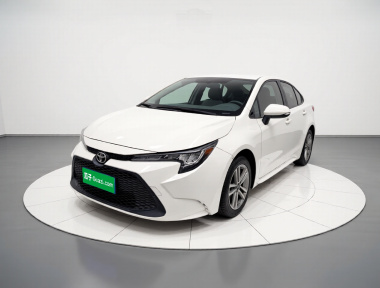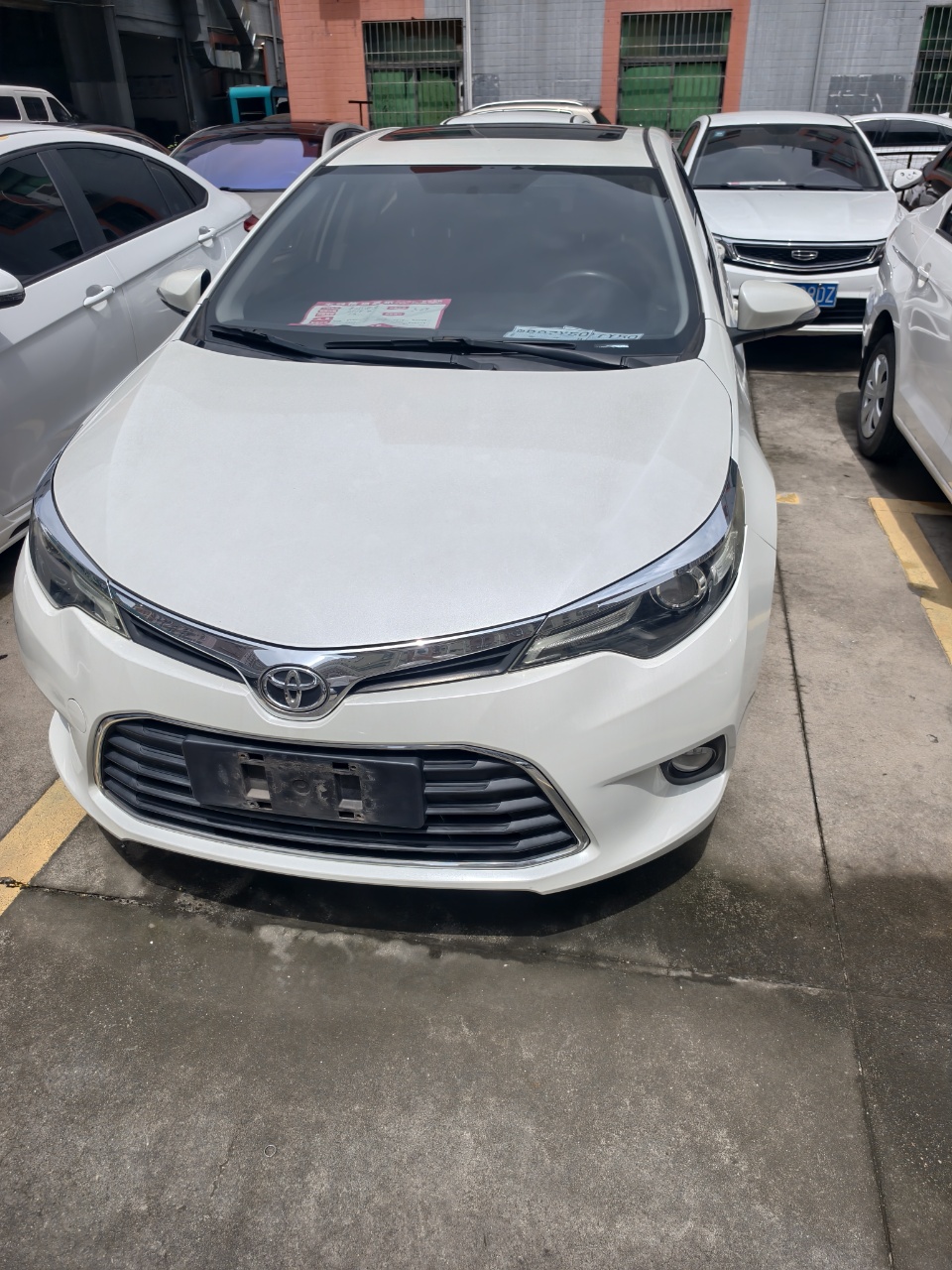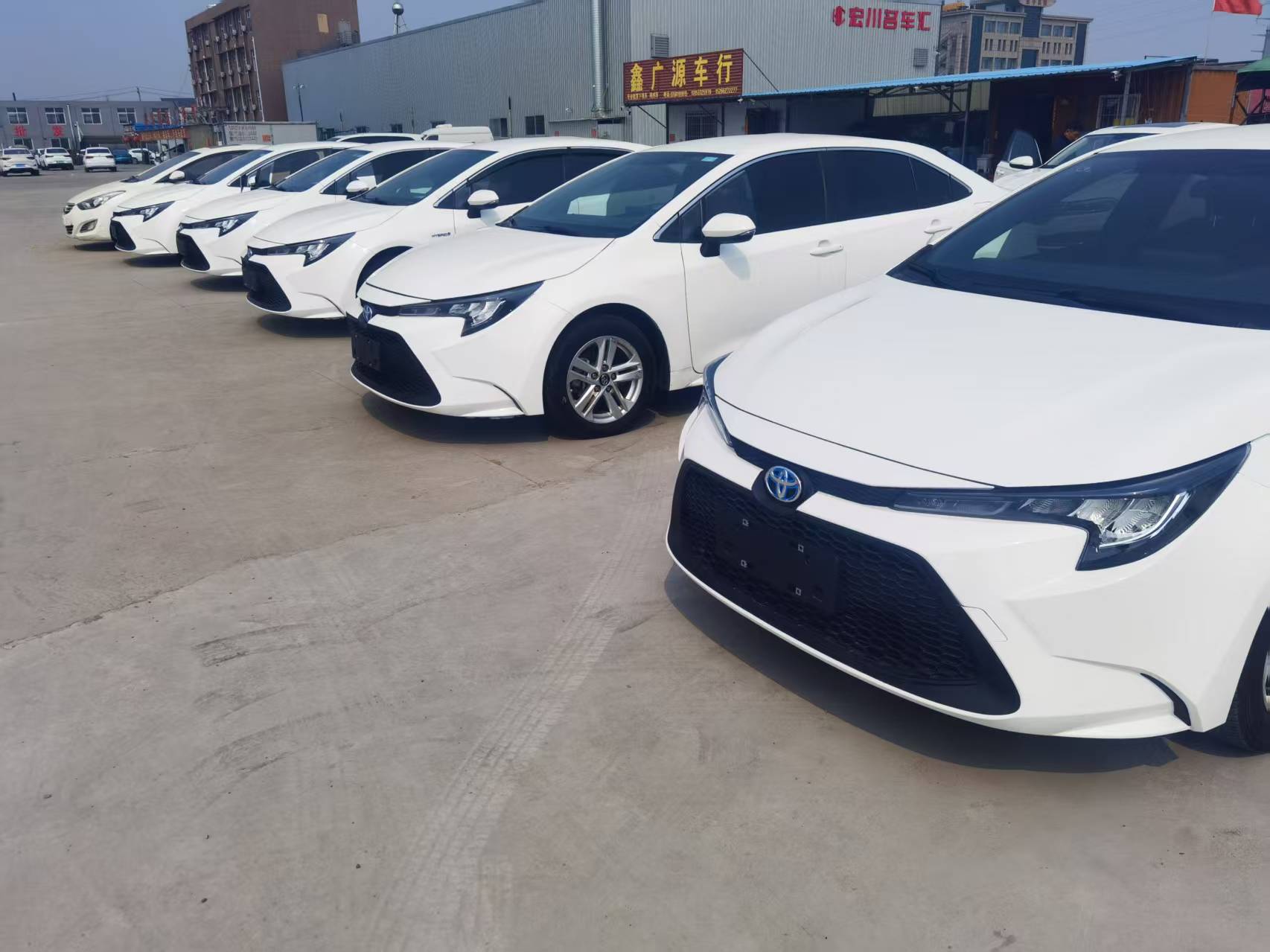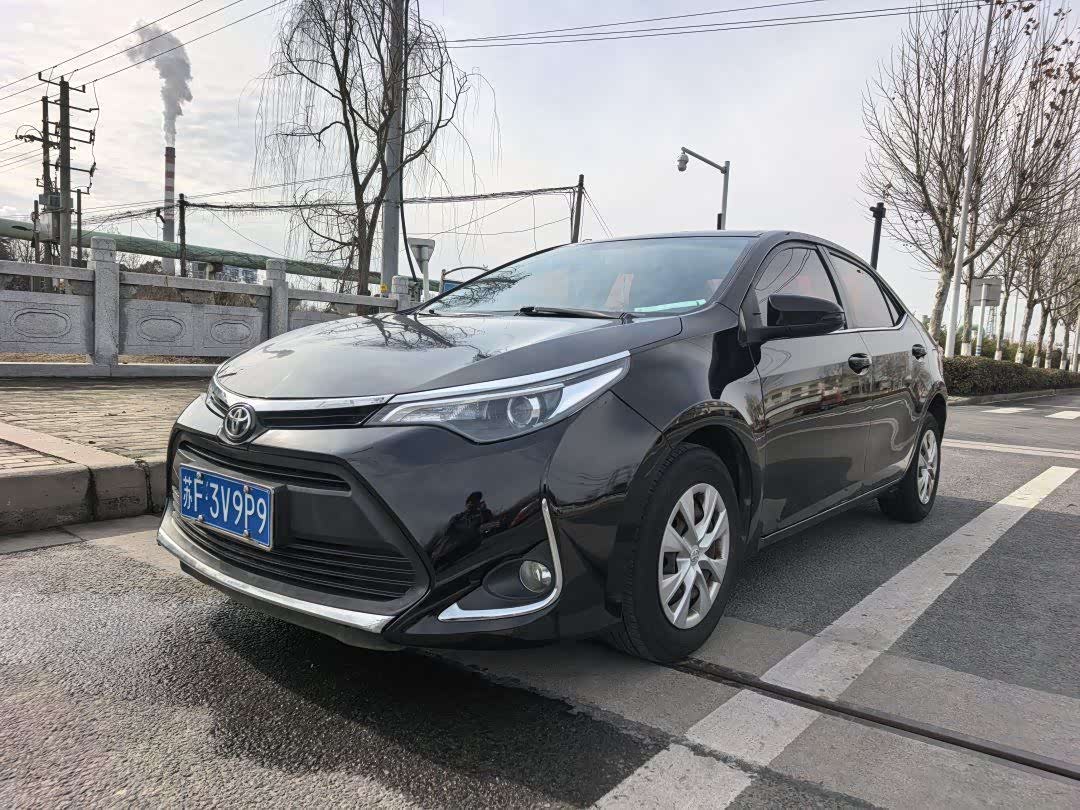
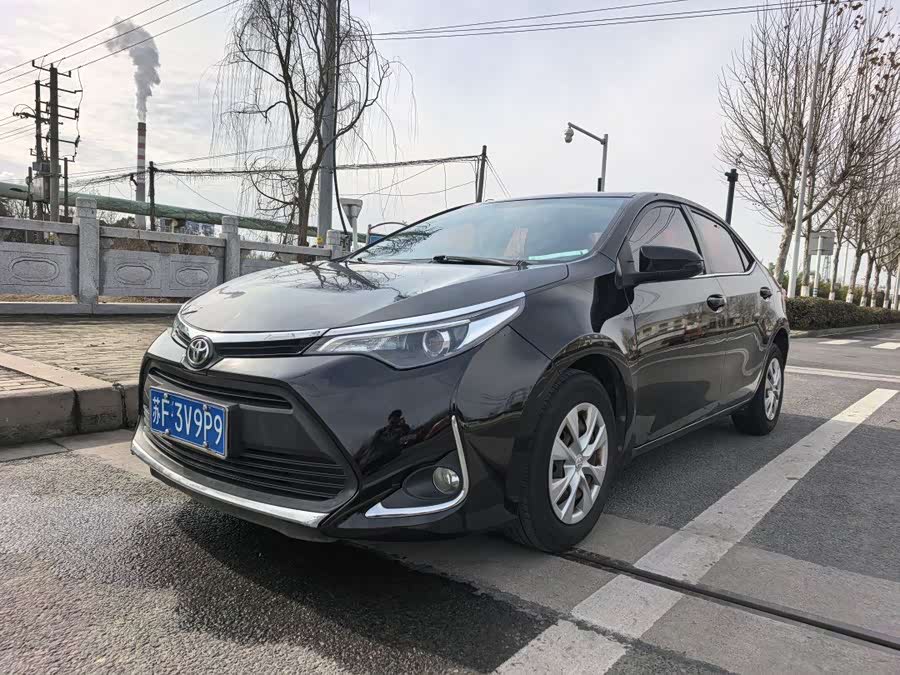
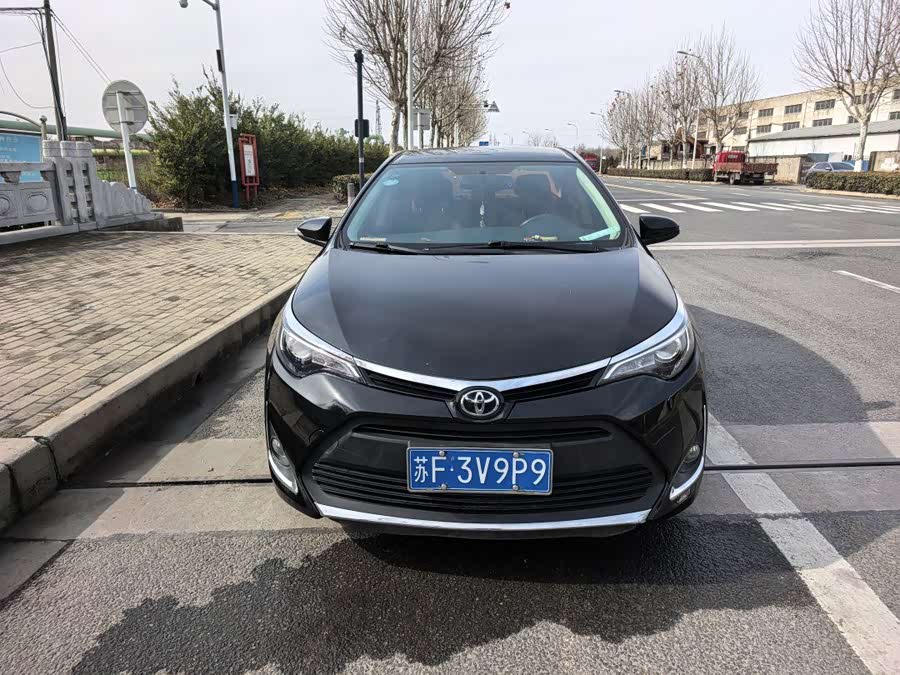
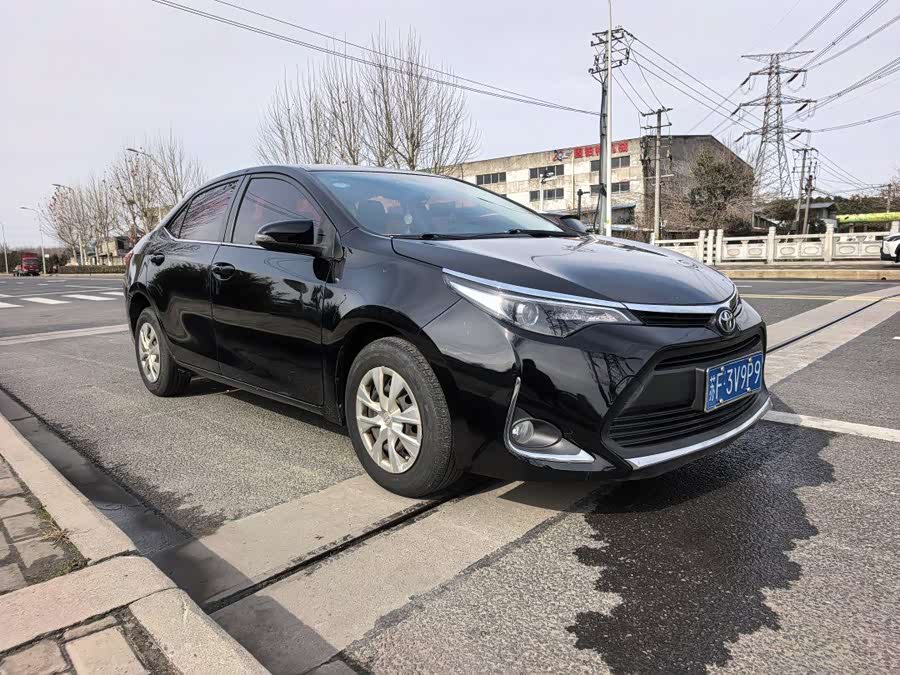
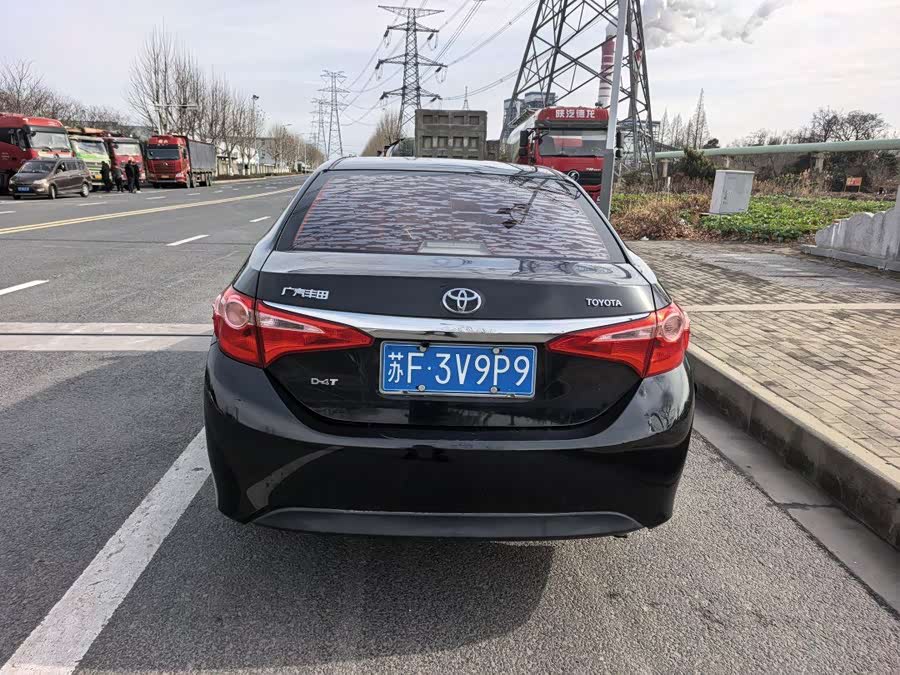
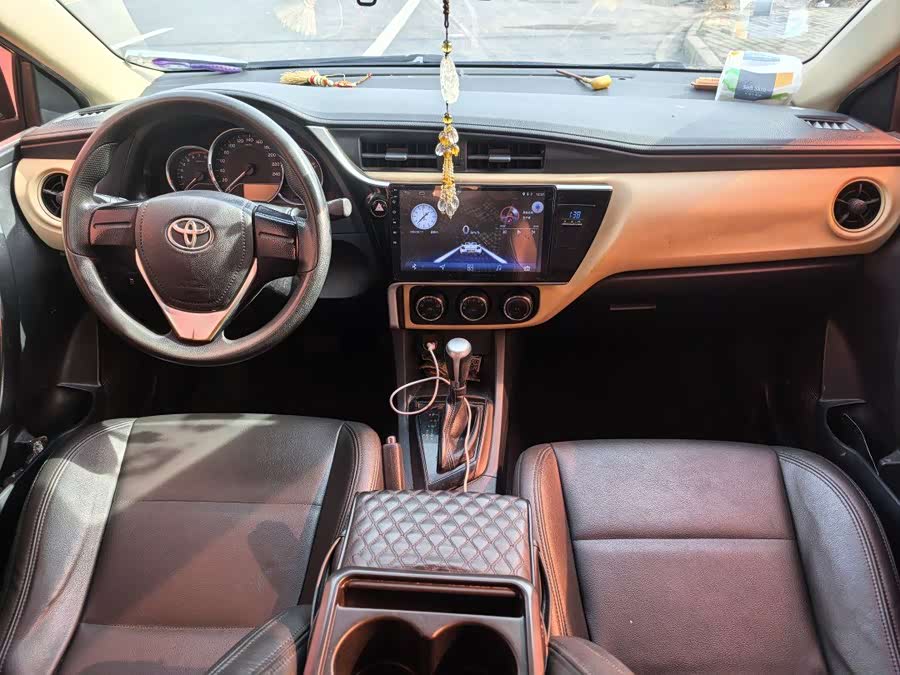
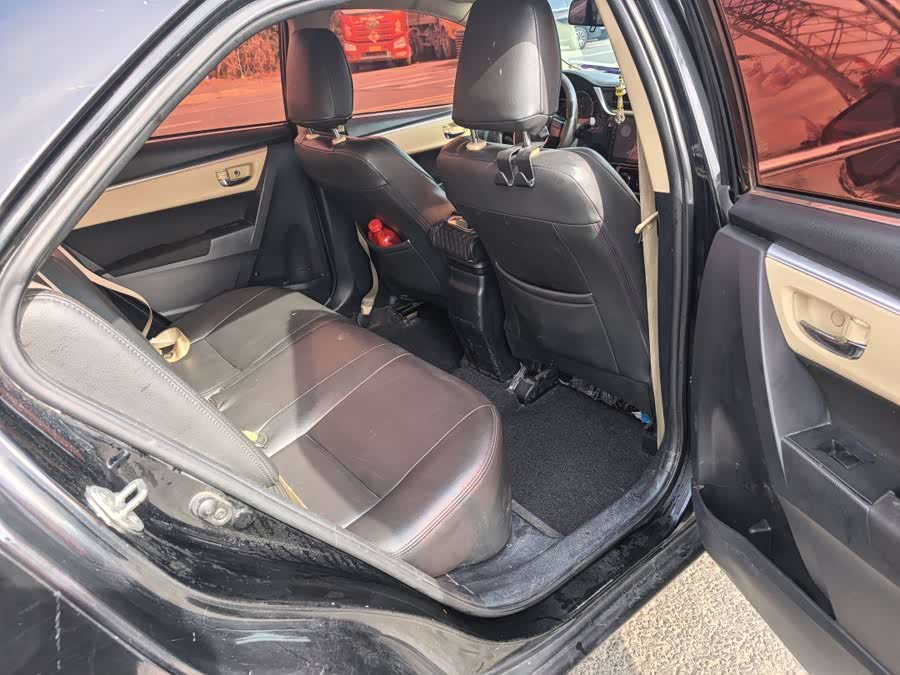
Basic Information

BrandToyota
SeriesLevin
Year2017
First Registration2017/11
Mileage90,000km
Transfer Count-
FuelGasoline
TransmissionCVT
Engine1.2T 116 L4
ColorGrey
Seats-

Condition Description

very good

This 2018 Toyota Corolla 185T CVT Premium Edition (China V emission standard) was first registered in November 2017 and currently has 130,000 kilometers on the odometer. The paint is in perfect condition, and it looks brand new. The interior is clean and in good working order. The engine and transmission are running smoothly. Features include ISOFIX child seat anchors, Bluetooth/hands-free calling, smartphone connectivity/mirroring, and an in-car PM2.5 filter. Welcome to visit our showroom and experience it for yourself!

Newly added
0 transfers

Configuration Highlights

ISOFIX Child Seat Anchors
Bluetooth/Hands-free
Smartphone Integration
PM2.5 Air Filter

Accident & Maintenance Records

Accident Record

🔗 Open Link

Maintenance Record

🔗 Open Link

Document Information

Inspection Expiry Date2026/11
Warranty Expiry Date-
Insurance Expiry Date2026/11

Q&A

More

Are you responsible for re-spraying the chassis anti-rust coating (armor) if it is eroded by salt spray during sea transport?

No, we are not responsible. The high salt and humidity of the marine environment do have an impact on the chassis surface. We recommend buyers in tropical islands or countries that use salt for winter snow removal to perform a thorough chassis anti-rust spray locally immediately after the vehicle arrives.

How long is your quotation valid? What is the basis for re-quoting after it expires?

Our FOB vehicle quotes are typically valid for 72 hours (as domestic retail vehicle sources can be sold at any time); sea freight quotes are valid for 7 to 14 days (depending on shipping line changes). After expiration, prices need to be recalculated based on real-time exchange rates and domestic procurement conditions.

Why are the shipping costs for used electric vehicles (EVs) usually higher than for internal combustion engine vehicles (ICEs)?

Pure electric vehicles are classified as Class 9 Dangerous Goods due to their large lithium batteries, leading to strict shipping regulations. Shipping companies have high requirements for the loading position and fire isolation measures for dangerous goods, and some roll-on/roll-off ships refuse to accept used EVs. As a result, EVs often require more expensive special container shipping and incur additional handling fees for hazardous materials.