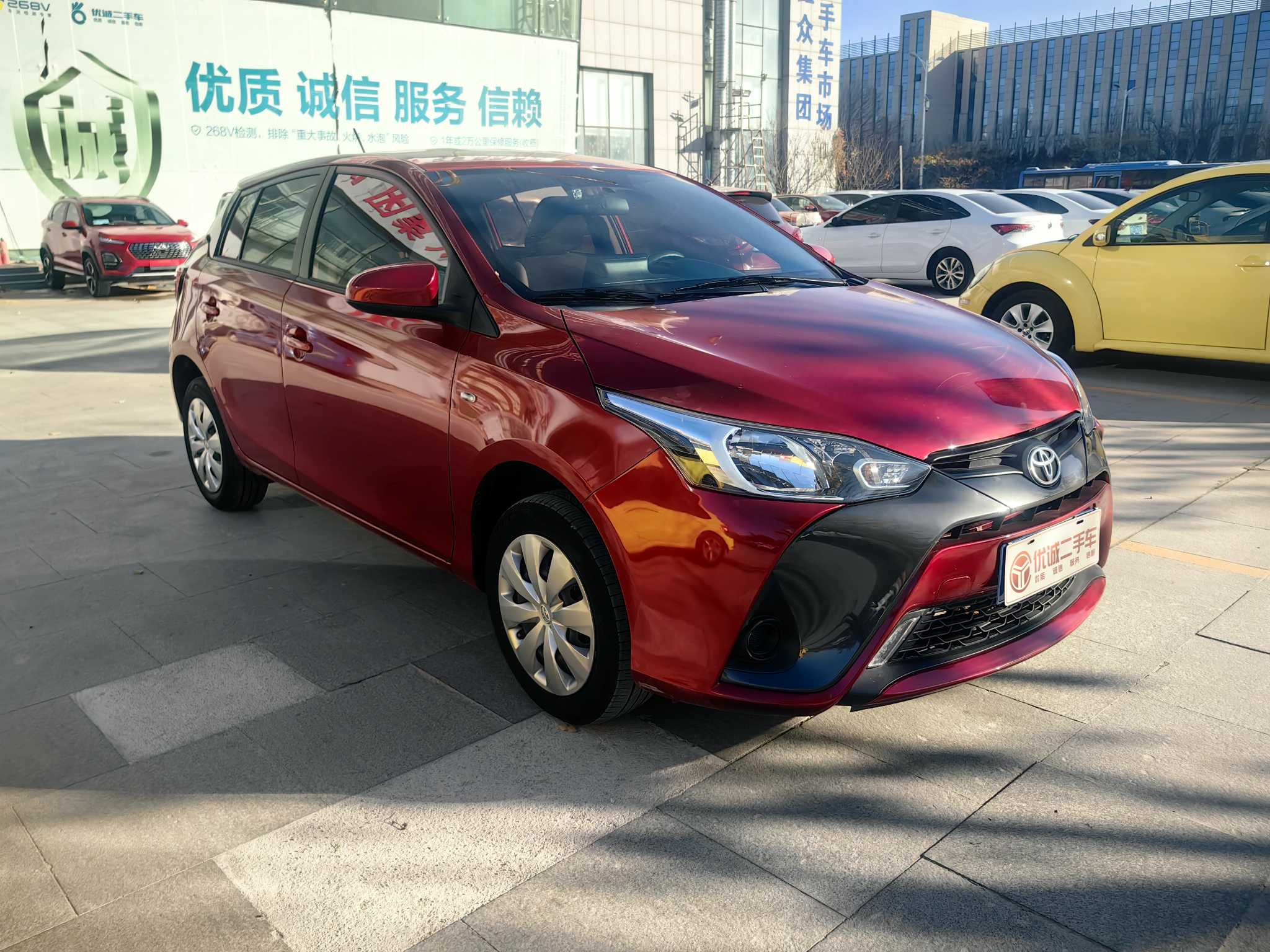
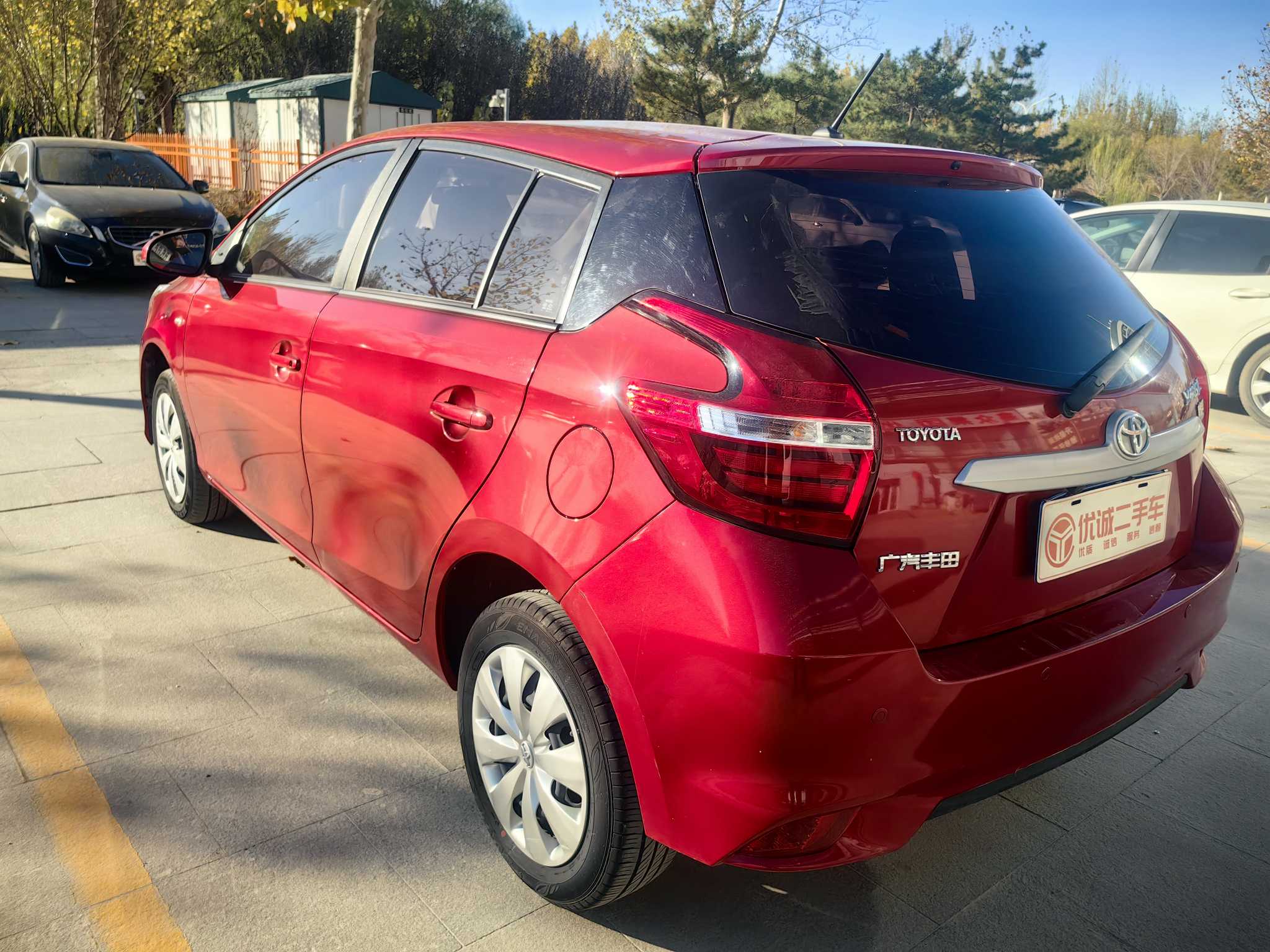
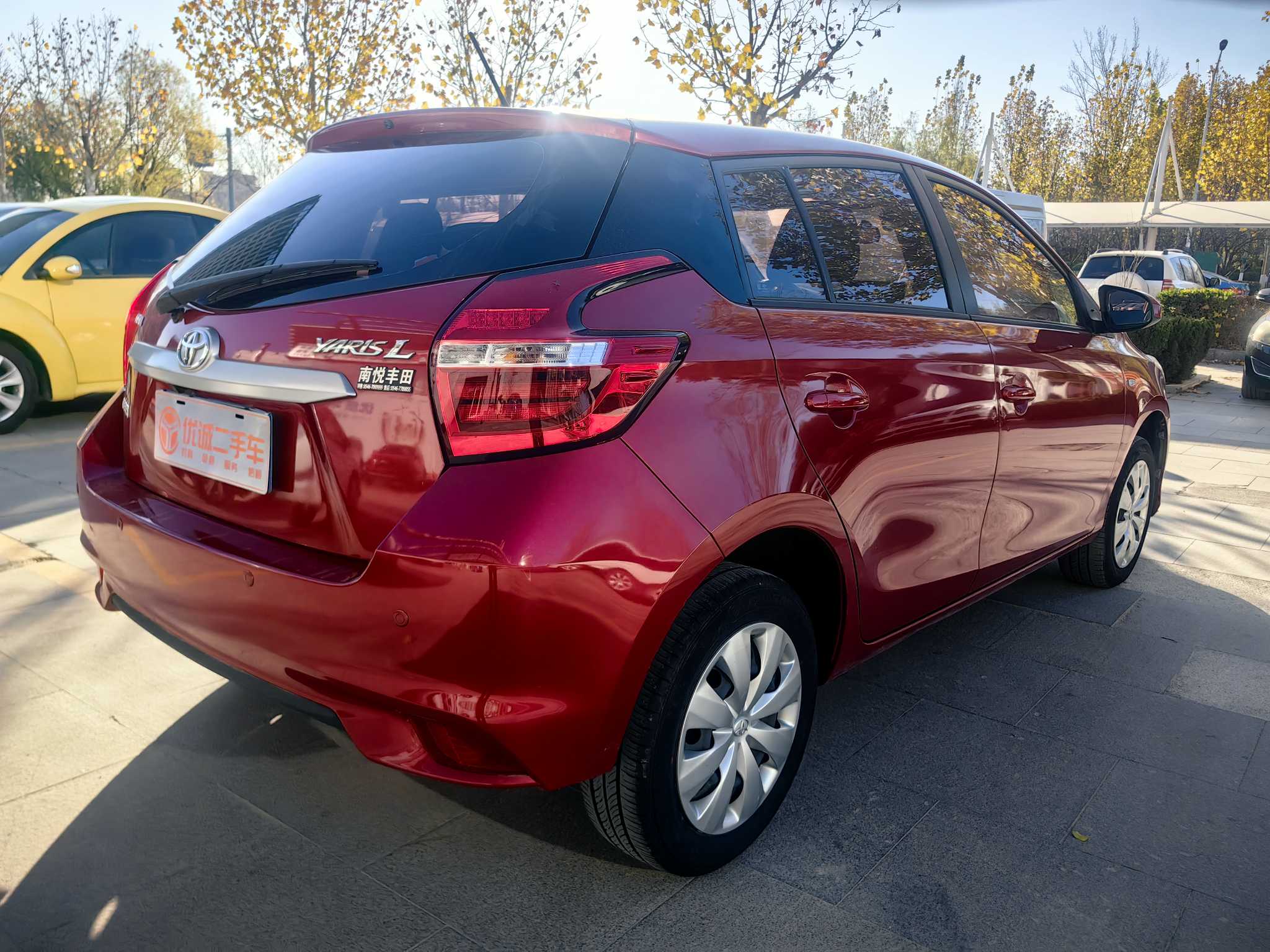
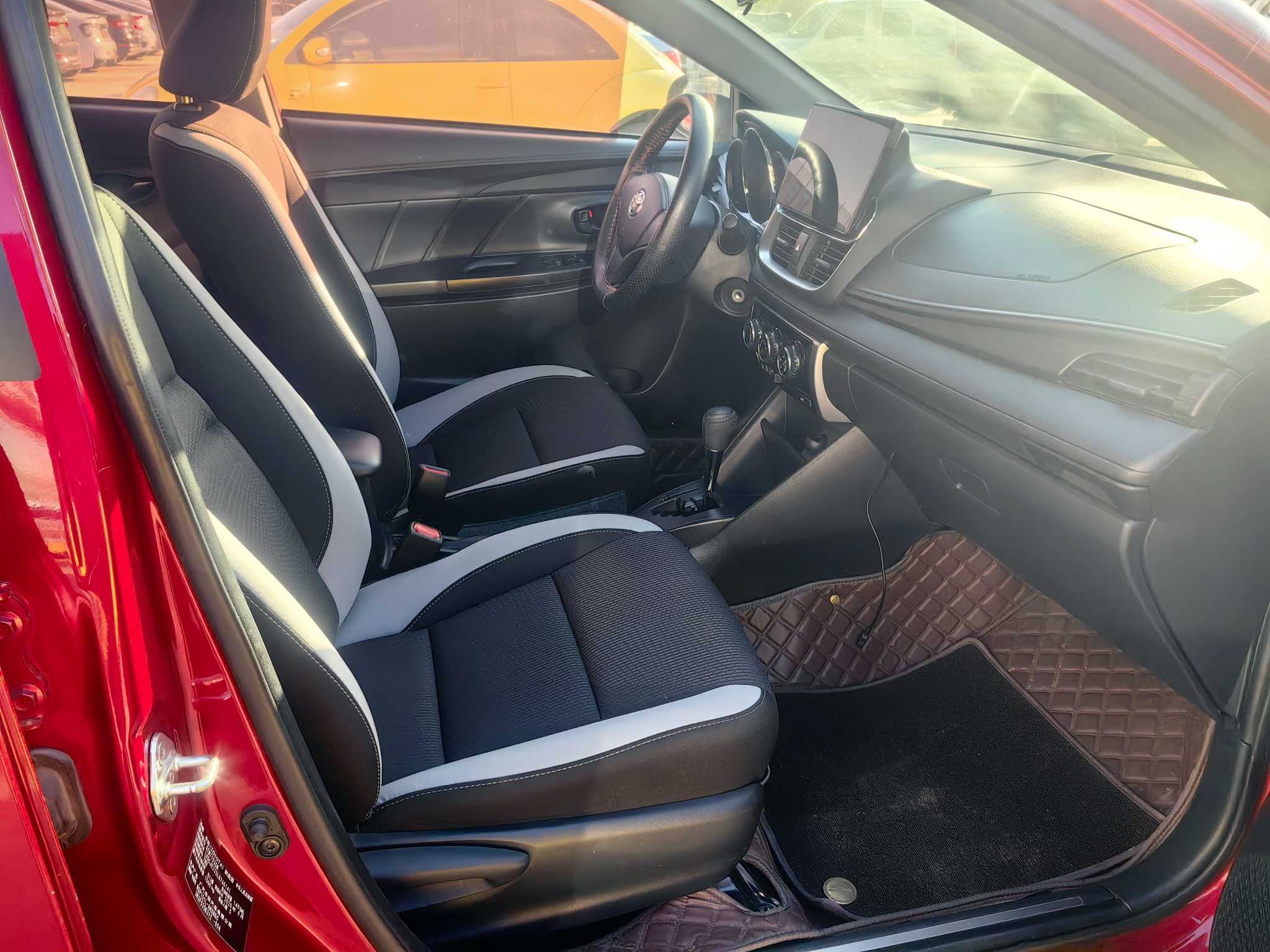
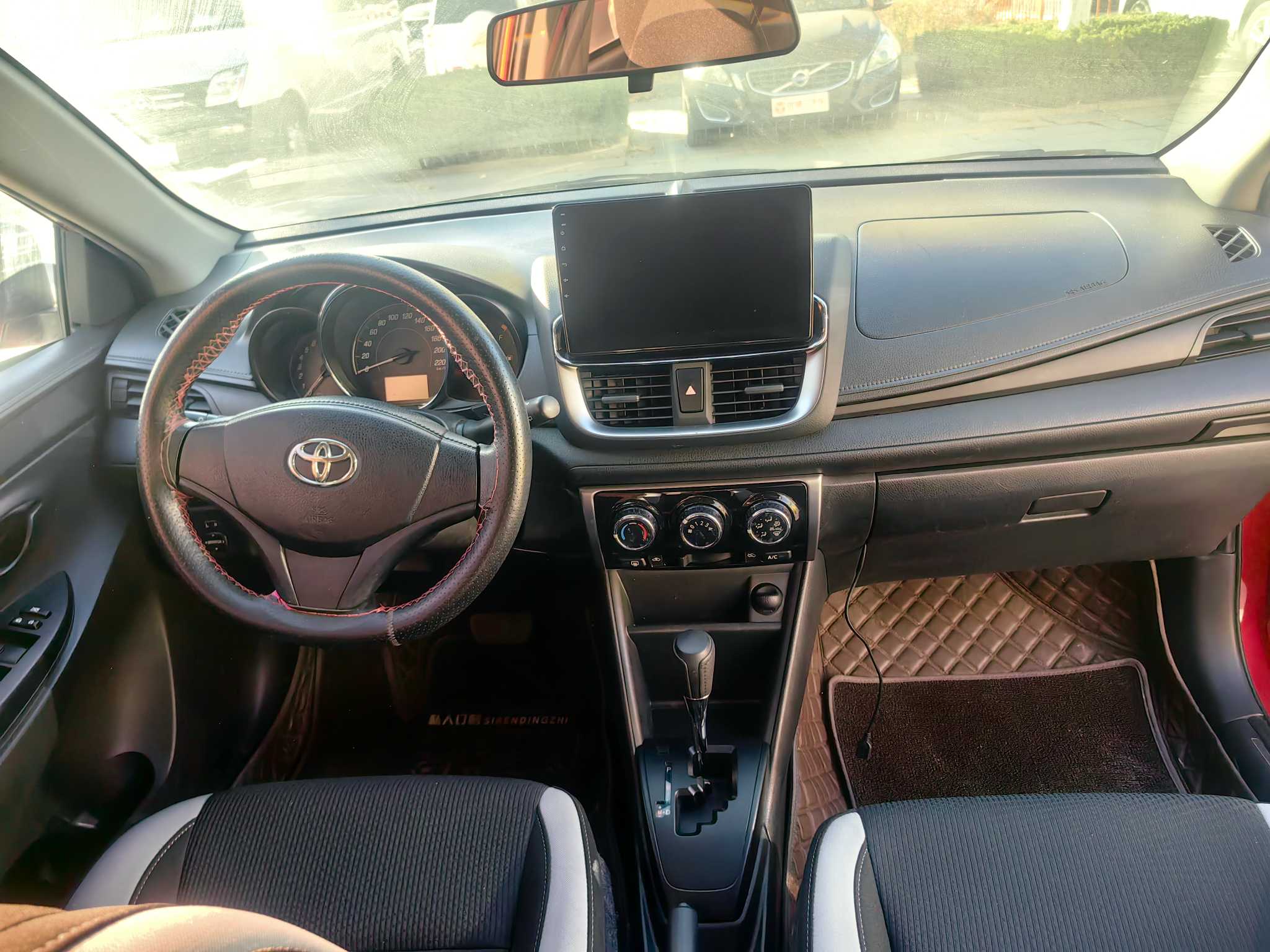
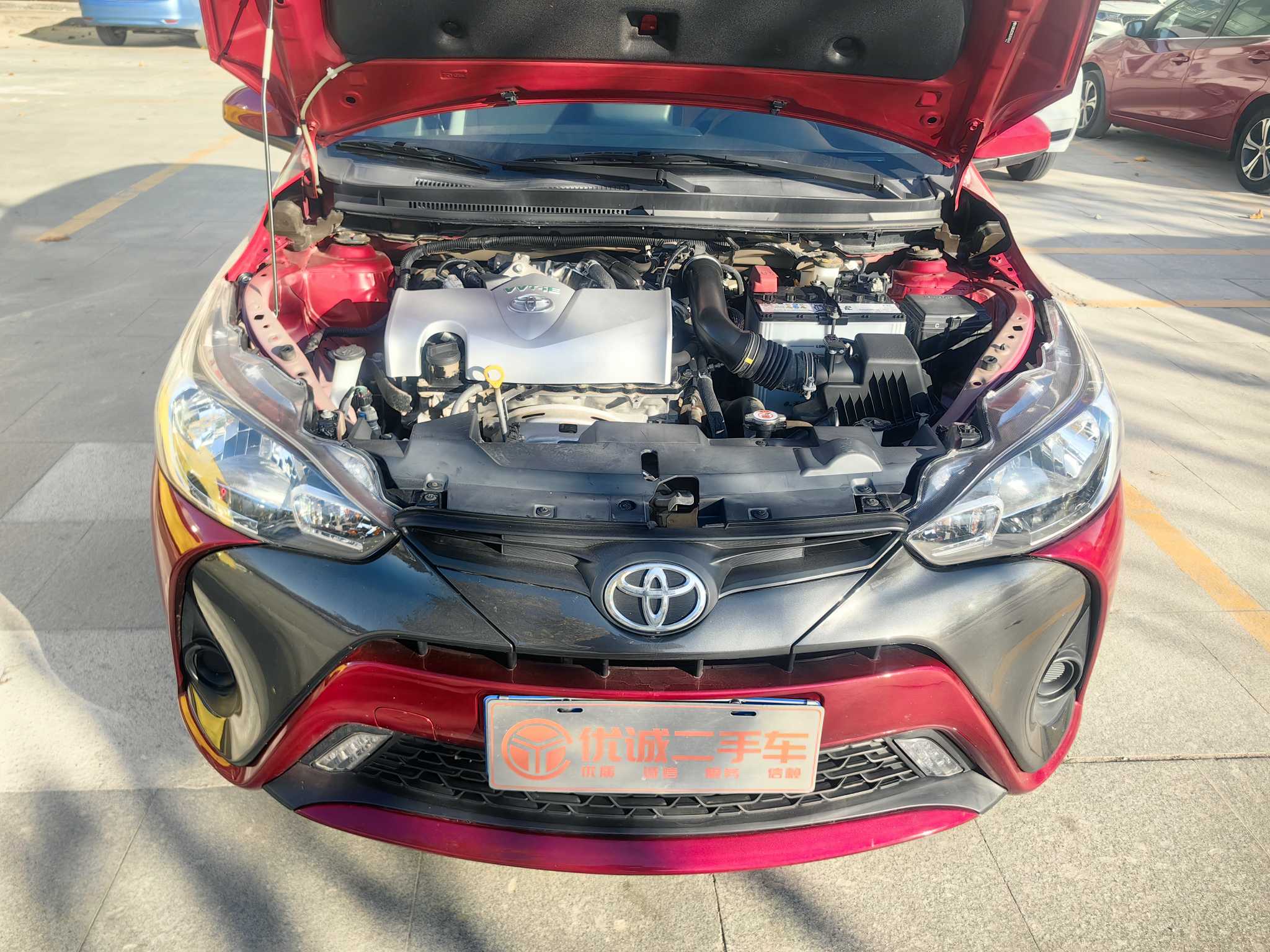
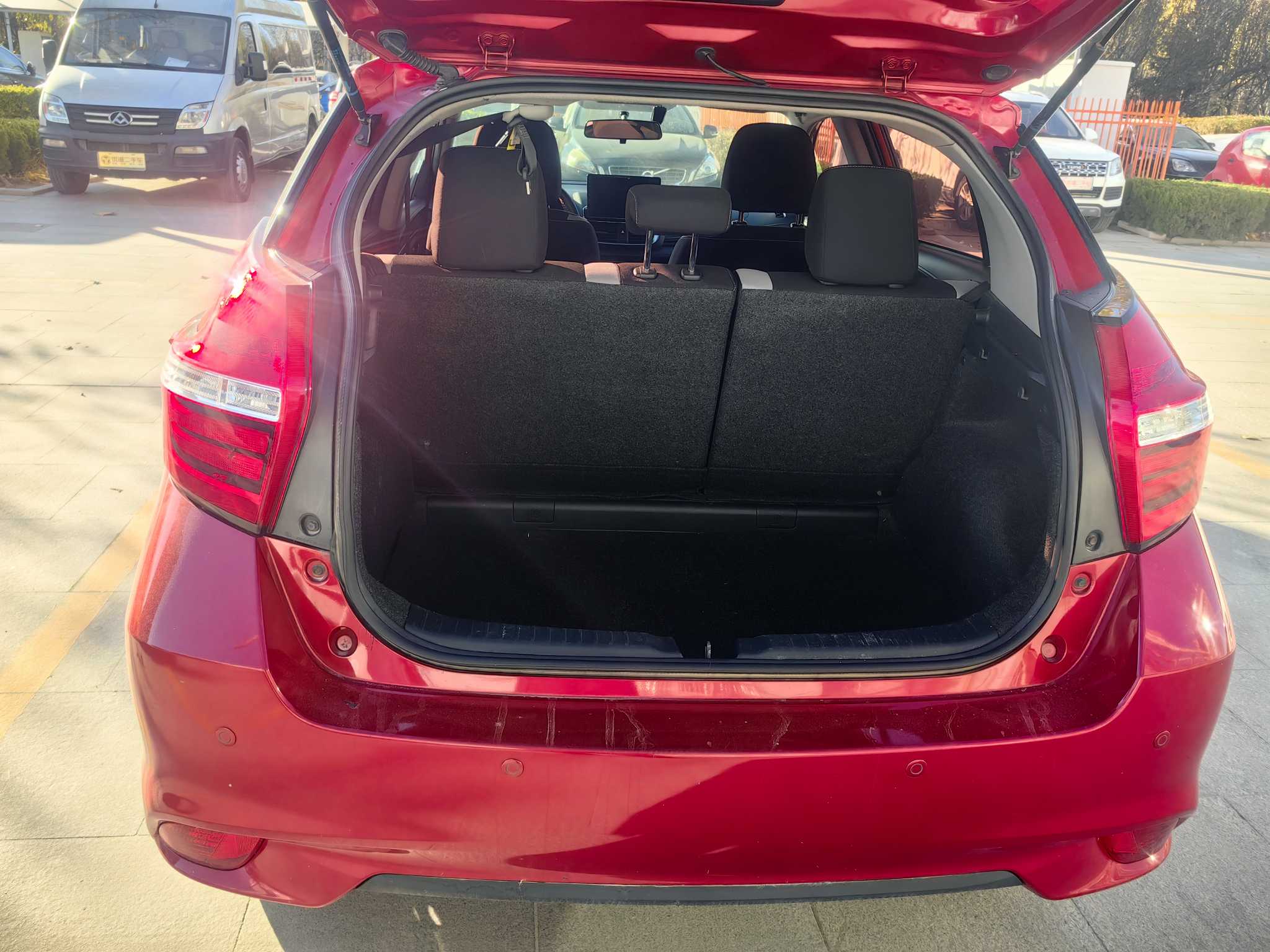
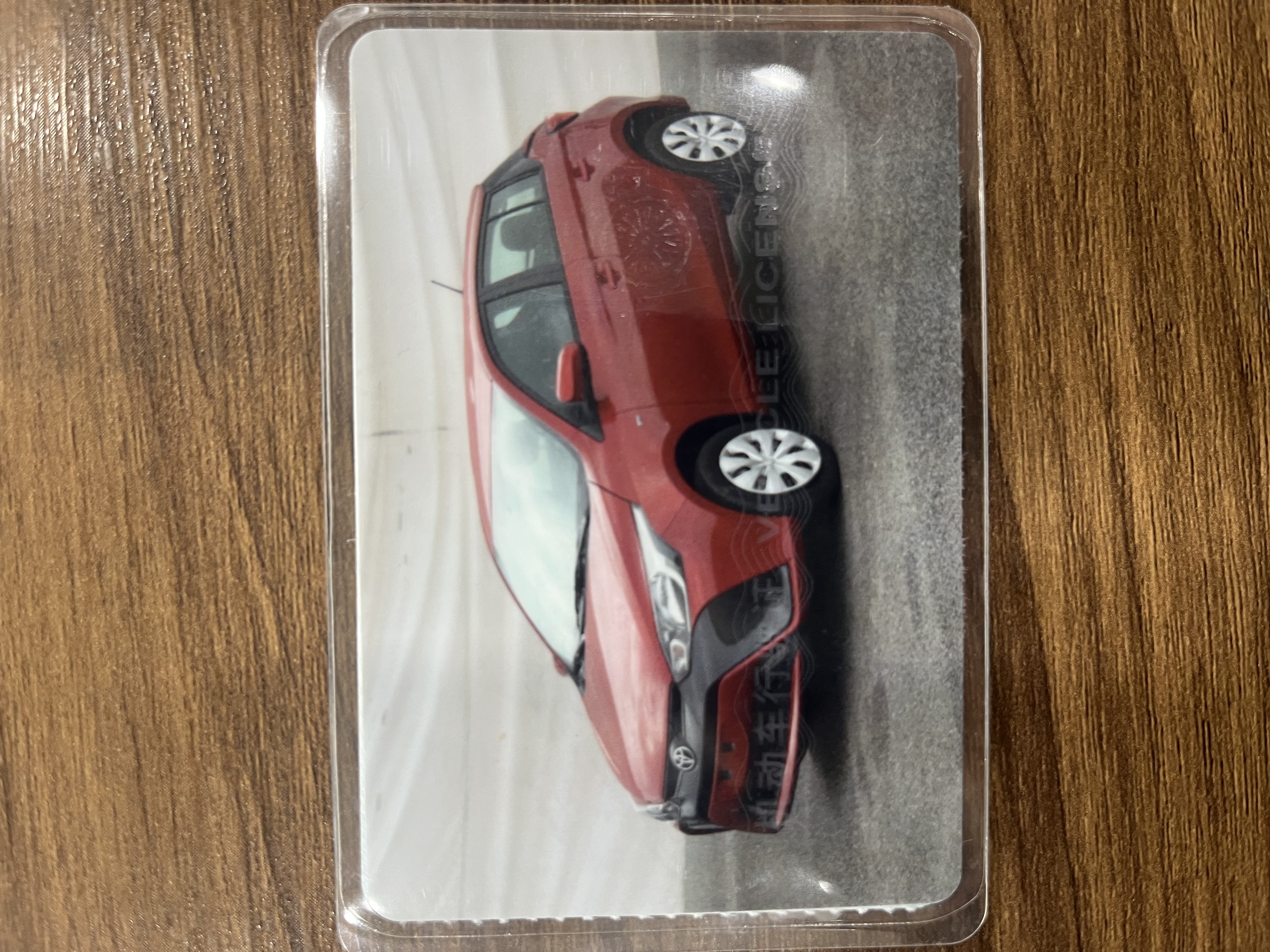
Basic Information

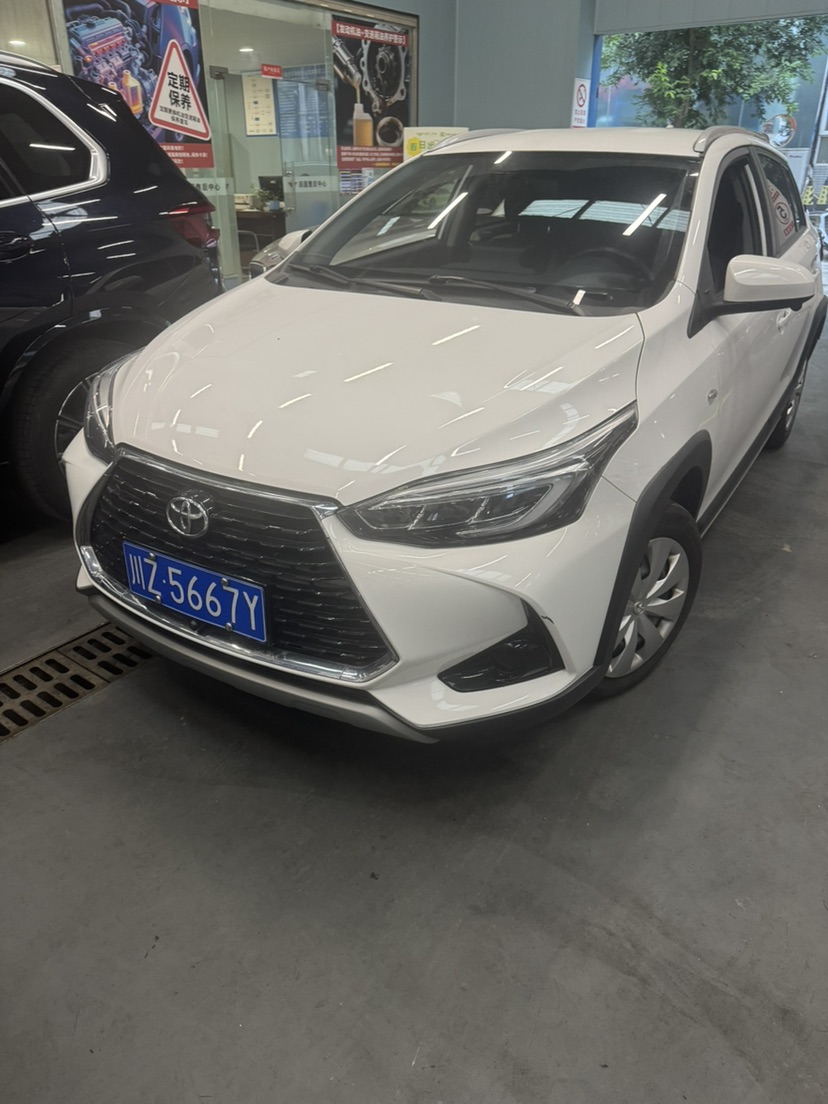
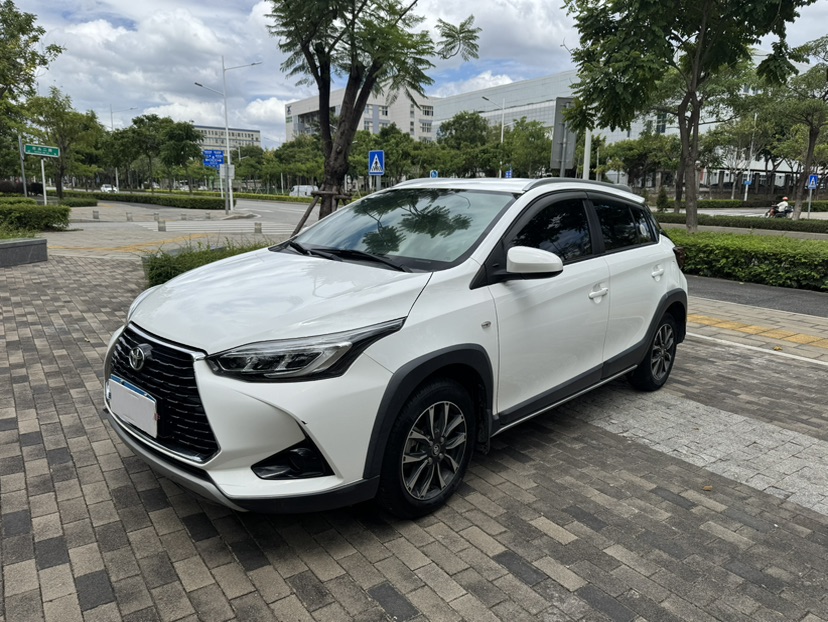
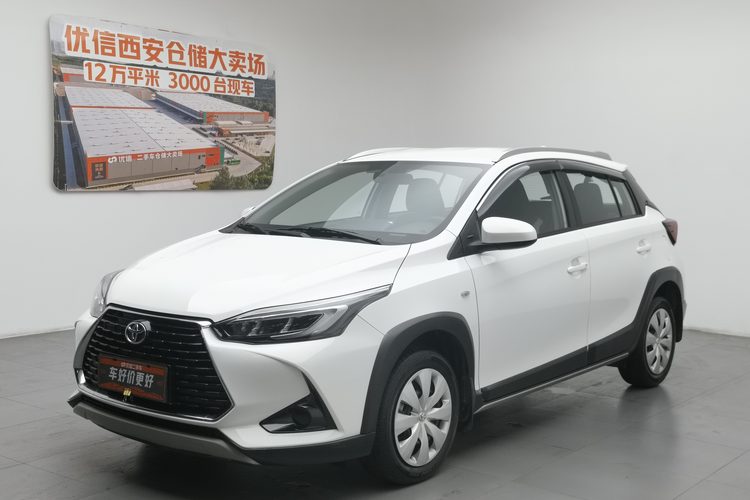
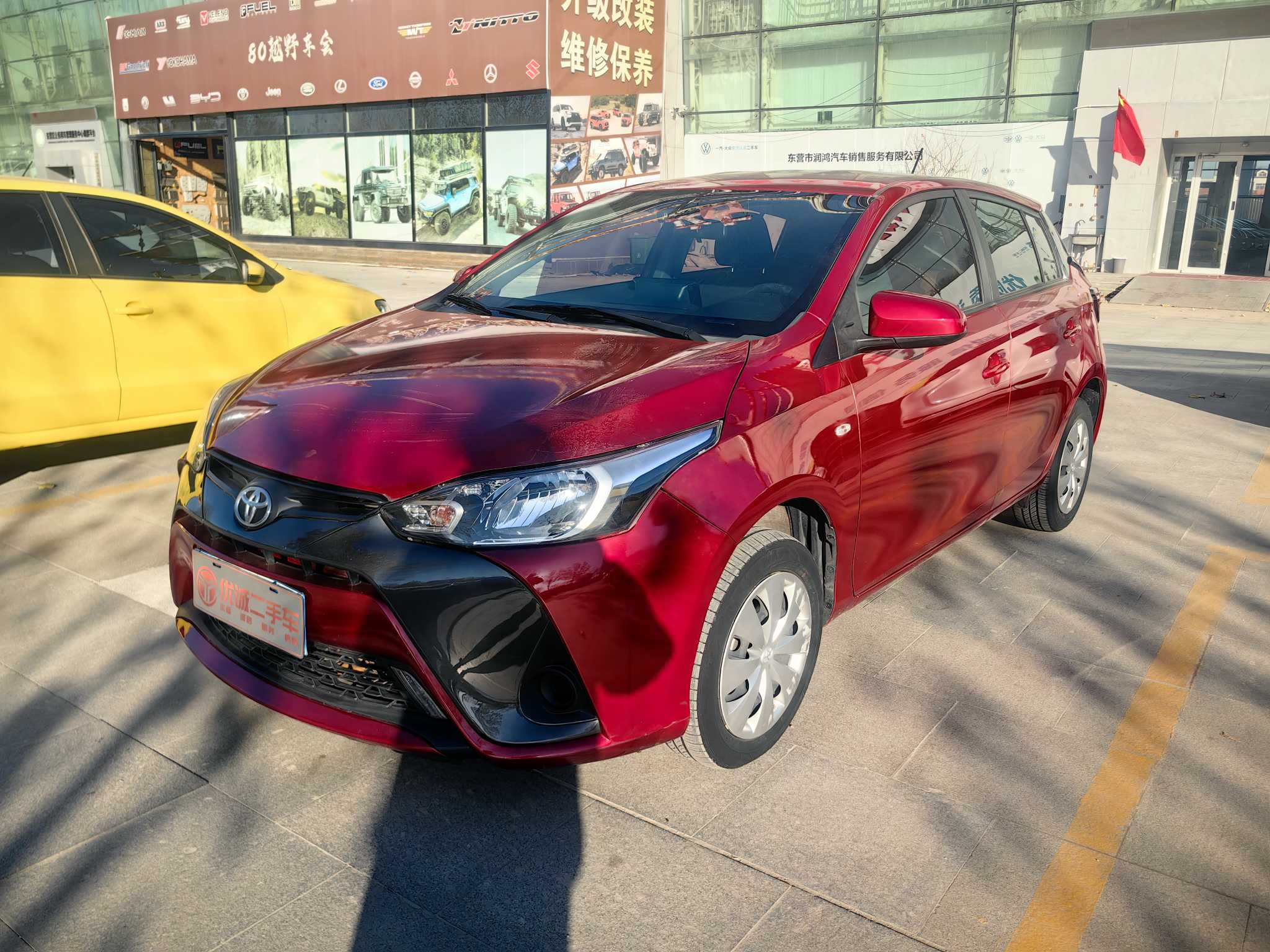
BrandToyota
SeriesYaris L Zhixuan
Year2020
First Registration2020/09
Mileage4.3km
Transfer Count-
FuelGasoline
TransmissionCVT
Engine1.5L 110 L4
ColorRed
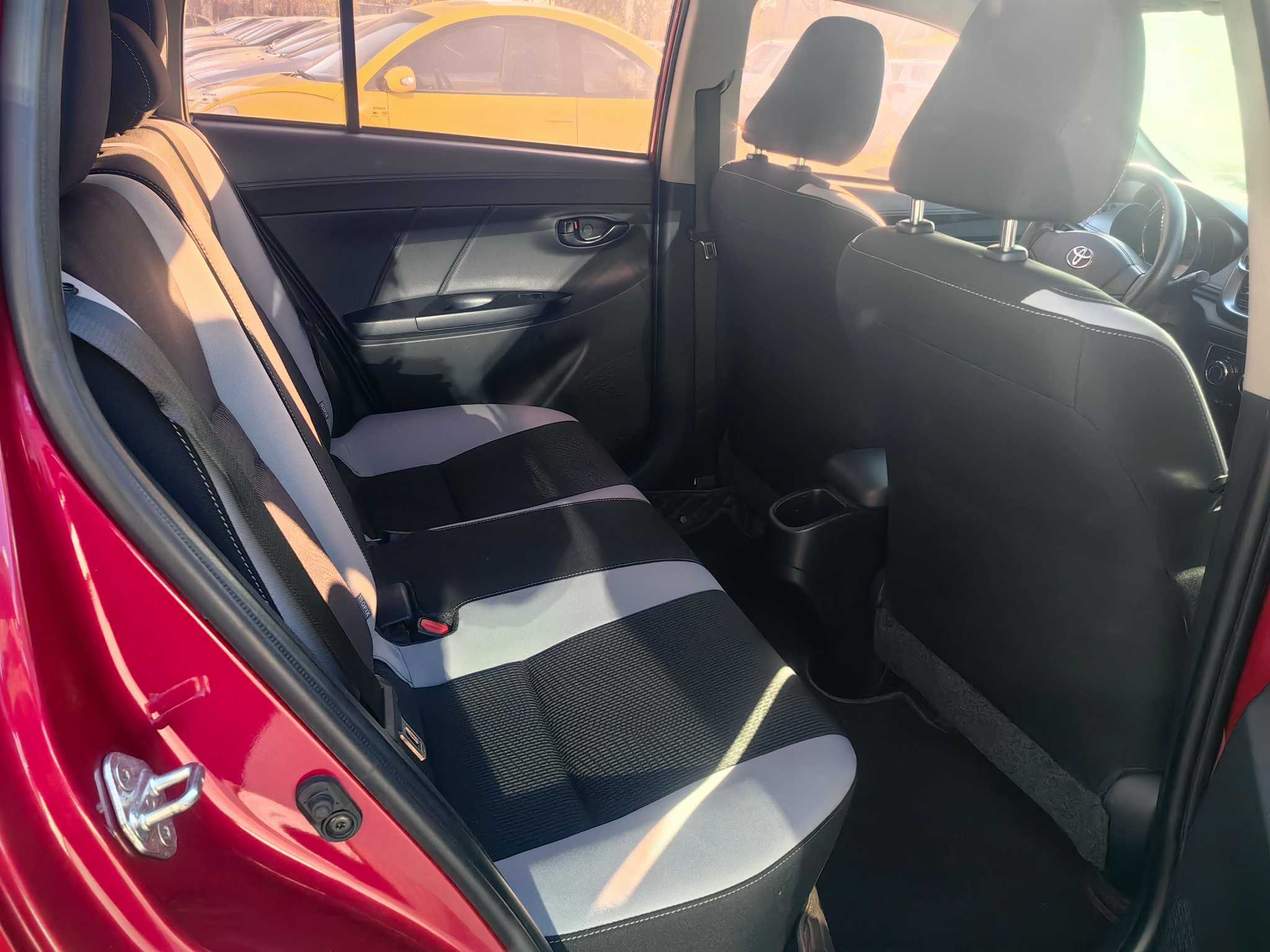
Seats5seats

Condition Description

Bodywork and paintwork: front hood, left front fender, left rear fender

Configuration Highlights

Driver/Passenger Airbags
Tire Pressure Monitoring
ISOFIX Child Seat Anchors
ABS Anti-lock Braking
Electronic Brake Distribution
Electronic Stability Control
Hill Start Assist
Seat Material
Rear Cupholders
Low Beam Headlights
Daytime Running Lights
Adjustable Headlight Height
Power Windows
Climate Control Type
Start-Stop System

Q&A

More

Does the vehicle comply with UNECE regulations? Is there an EC certificate?

Verify if the vehicle model is within the manufacturer's EU certification scope. If not, contact the certification company for single model certification; otherwise, it cannot be registered in Europe.
Why are the shipping costs for used electric vehicles (EVs) usually higher than for internal combustion engine vehicles (ICEs)?

Pure electric vehicles are classified as Class 9 Dangerous Goods due to their large lithium batteries, leading to strict shipping regulations. Shipping companies have high requirements for the loading position and fire isolation measures for dangerous goods, and some roll-on/roll-off ships refuse to accept used EVs. As a result, EVs often require more expensive special container shipping and incur additional handling fees for hazardous materials.

When B2B buyers make bulk purchases, can they request to combine the accessory costs and vehicle price on the same commercial invoice to reduce overall tariffs?

No, this is a serious customs violation. Complete vehicles (HS Code 8703) and auto parts (HS Code 8708, etc.) are subject to completely different import tax rates. Combining them on one invoice could lead to the invoice being returned by customs and may expose you to tax fraud accusations at the destination port.