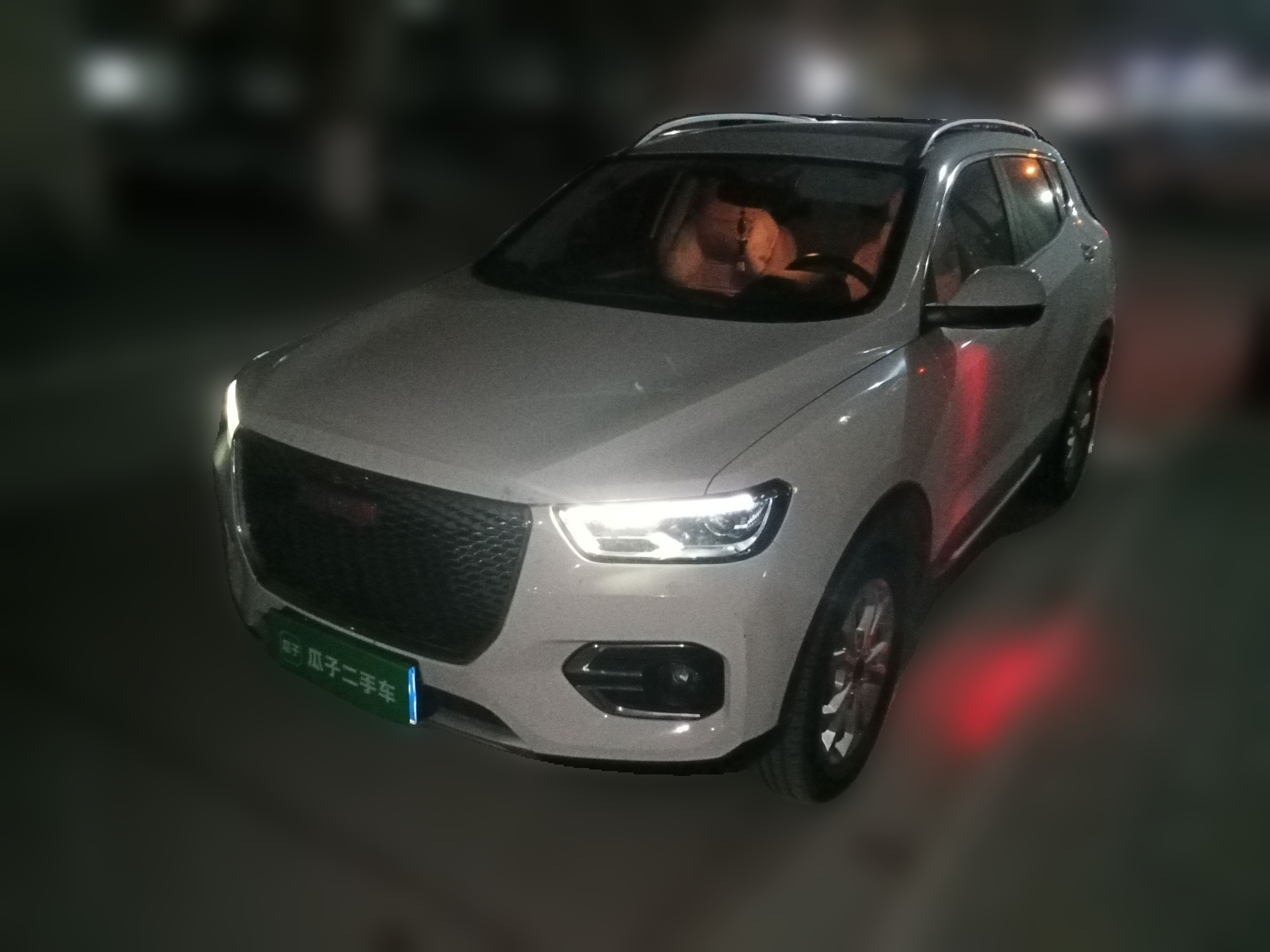
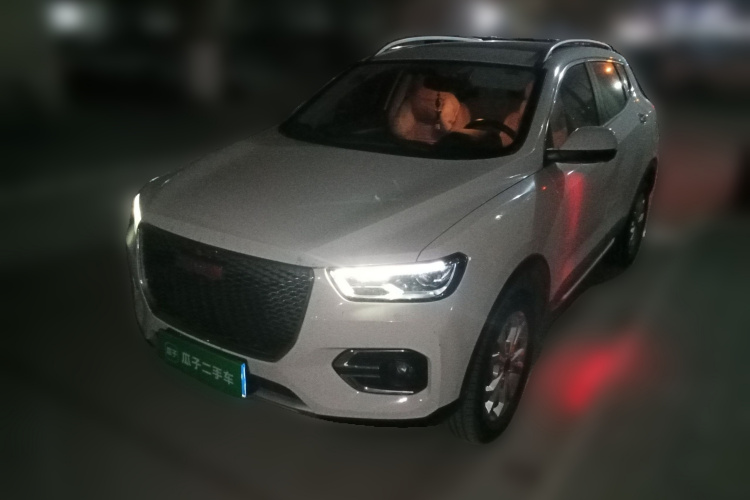

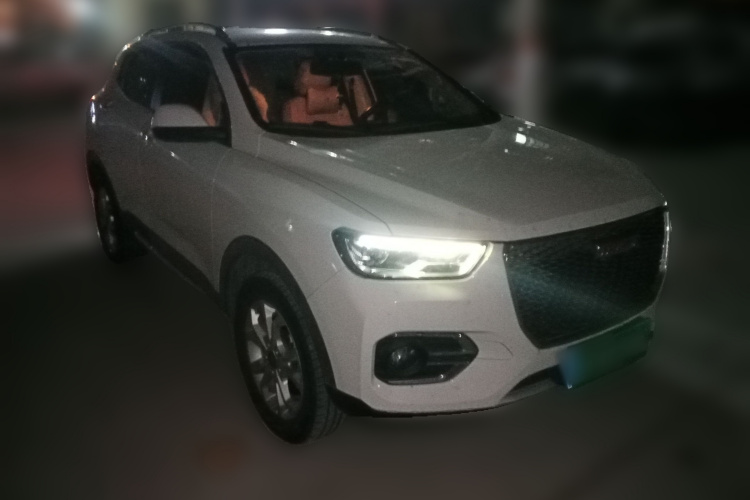
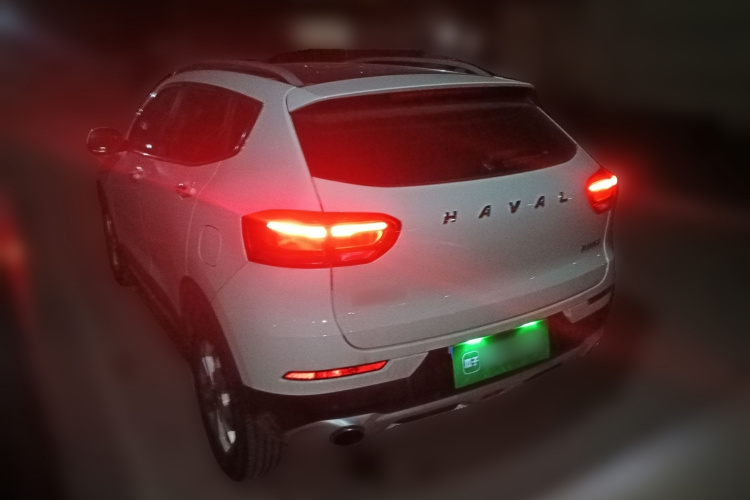
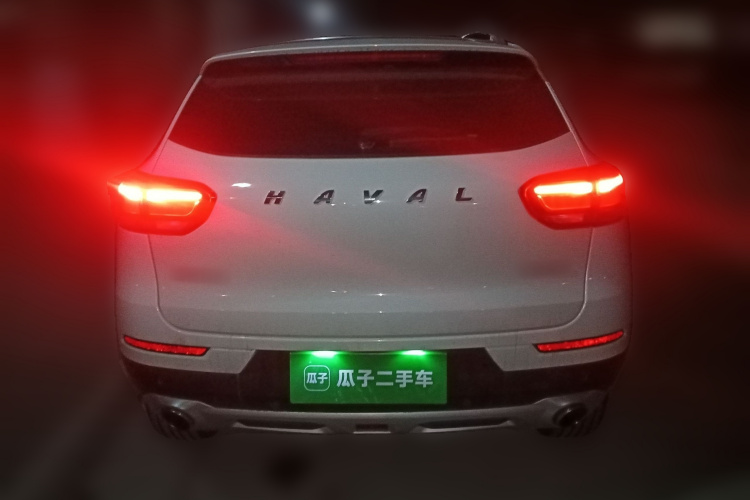
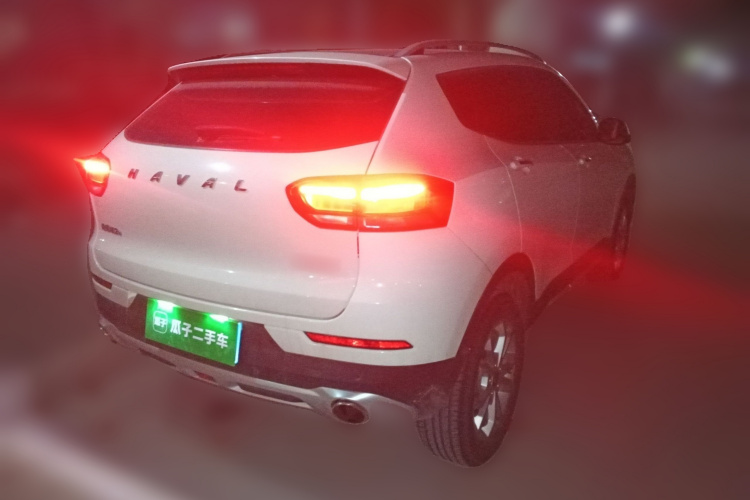
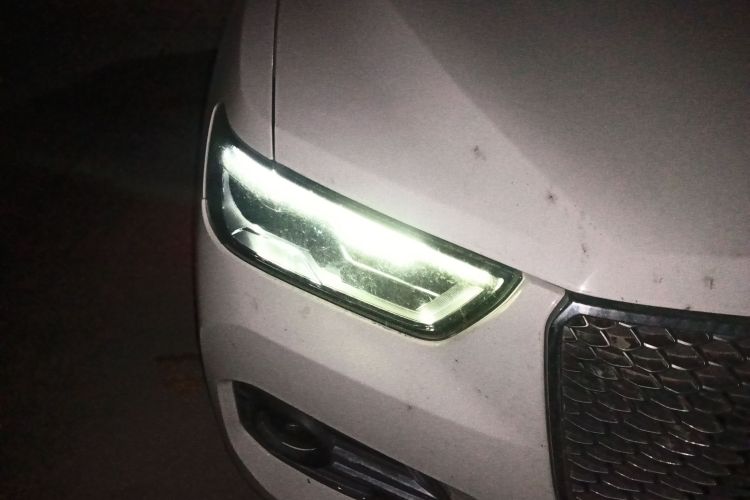
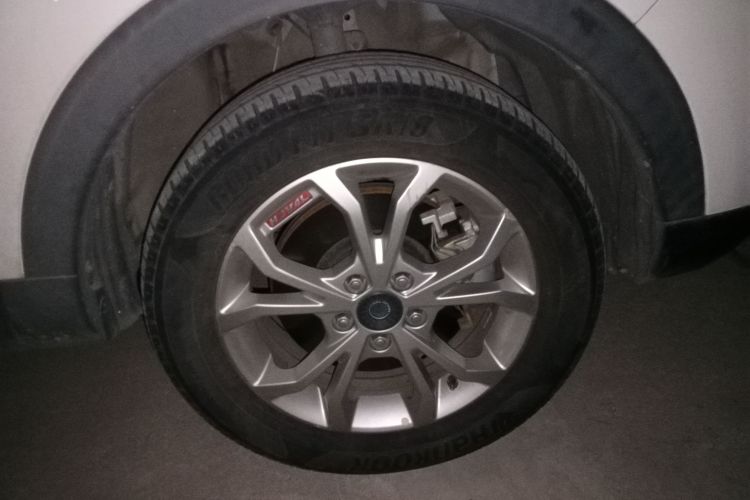
Basic Information

BrandHaval
SeriesH2s
Year2018
First Registration2018/06
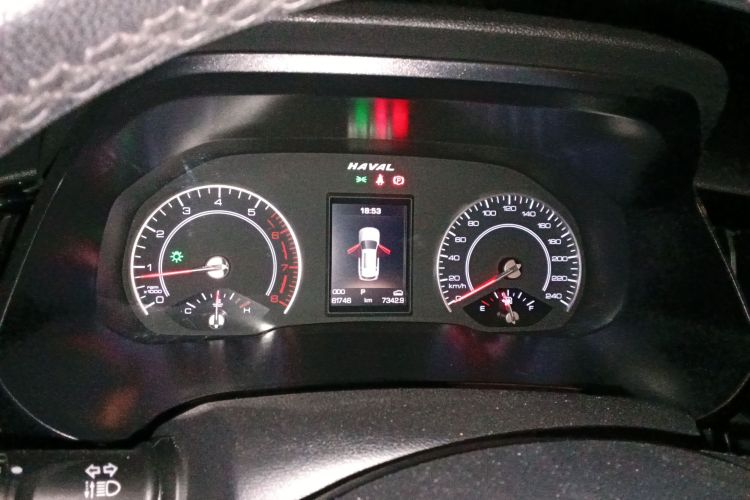
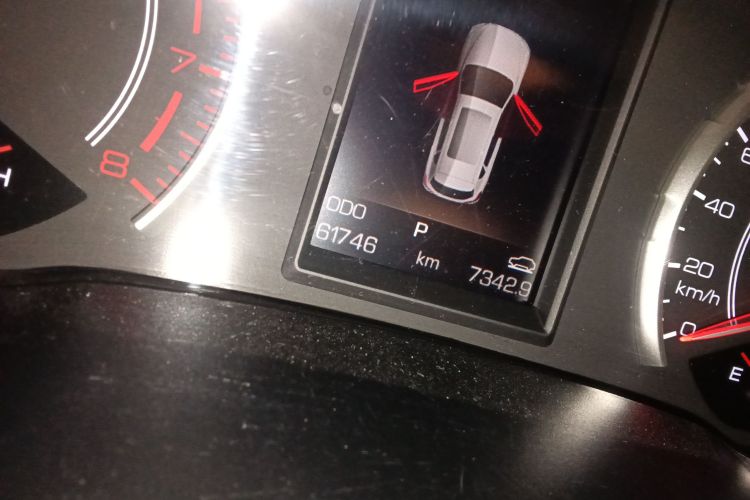
Mileage61,700km
Transfer Count0times
FuelGasoline
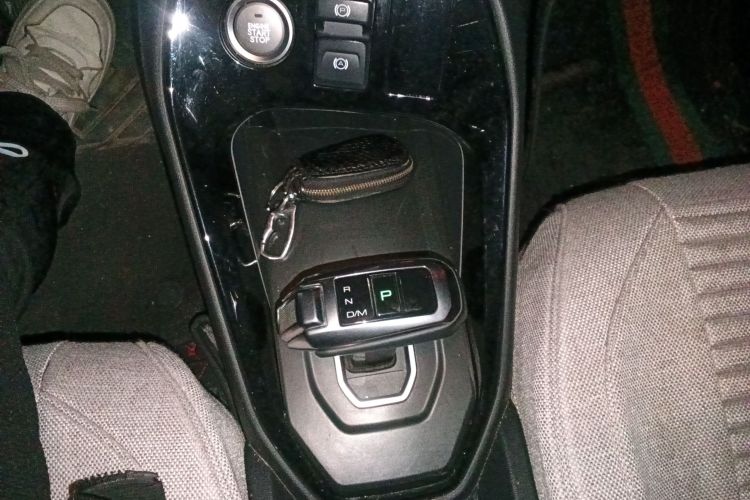
TransmissionDCT
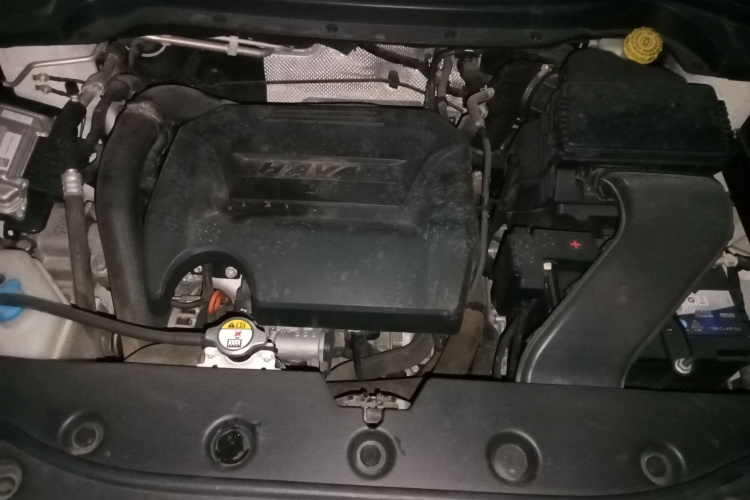
Engine1.5T 150 L4
ColorWhite
Seats5seats

Condition Description

Good car condition test through good car condition claims 4 times transfer 0 times

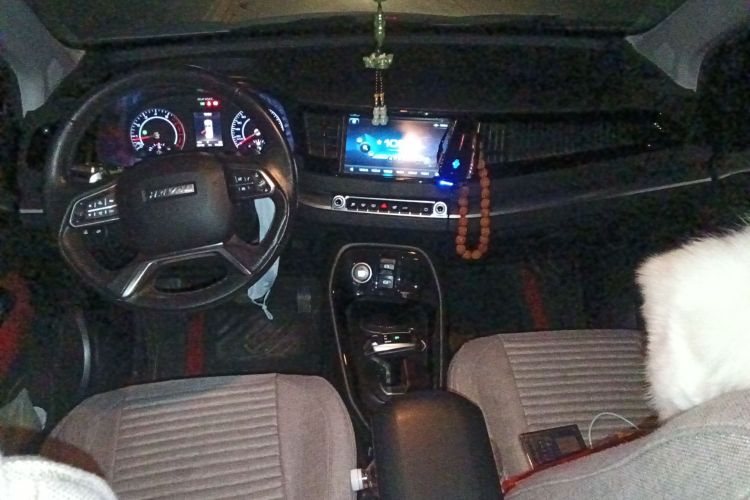
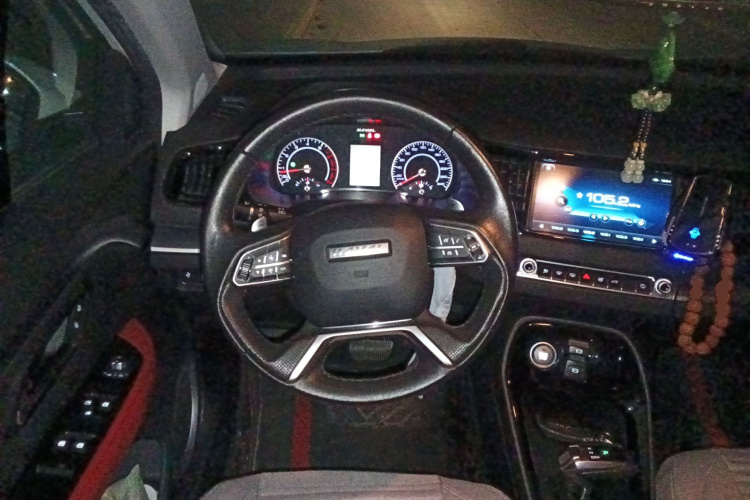
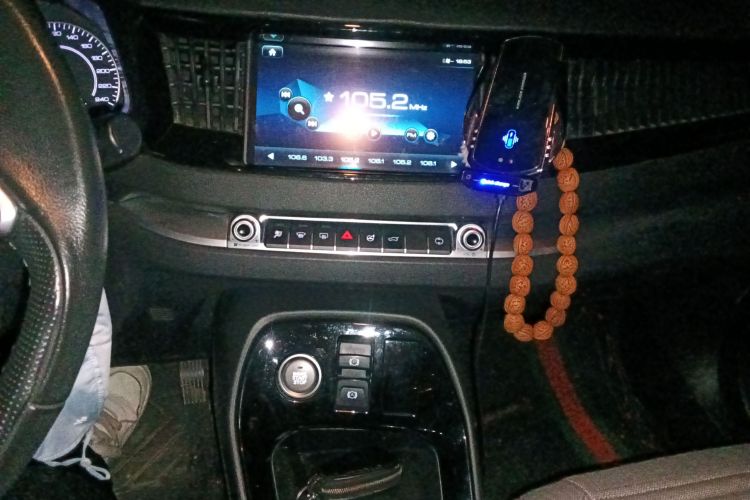
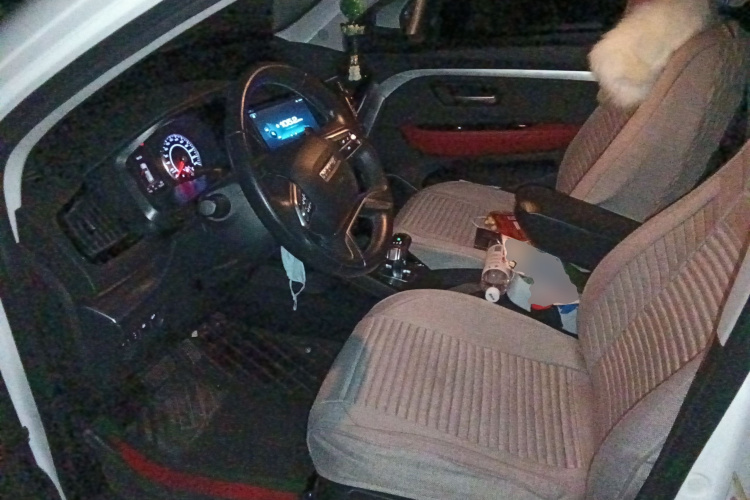
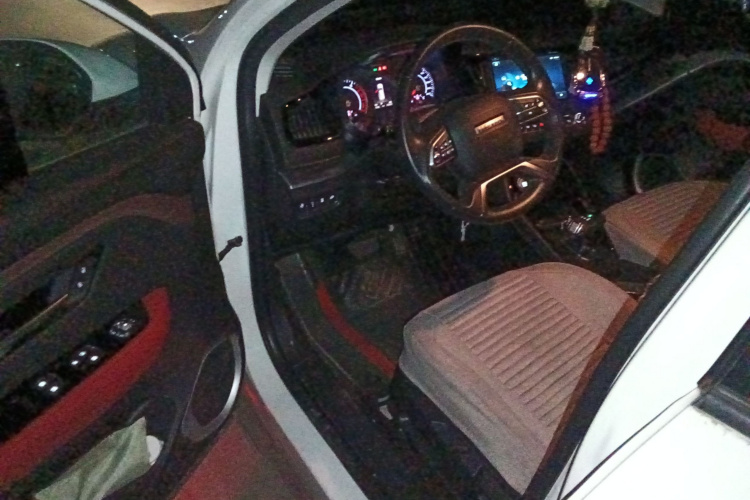
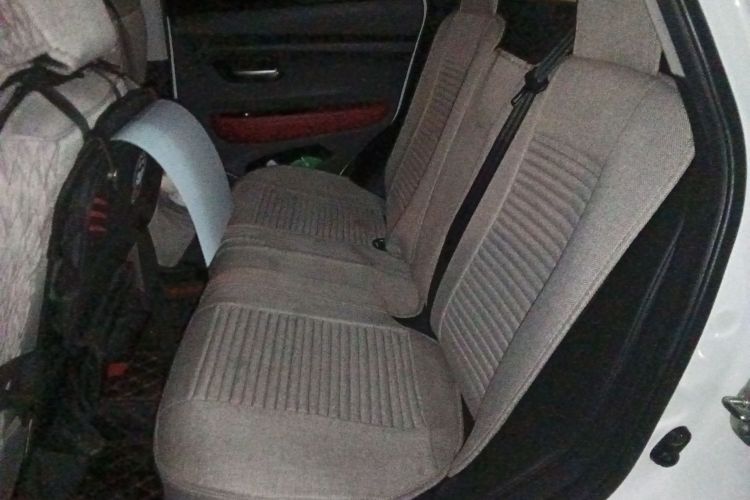
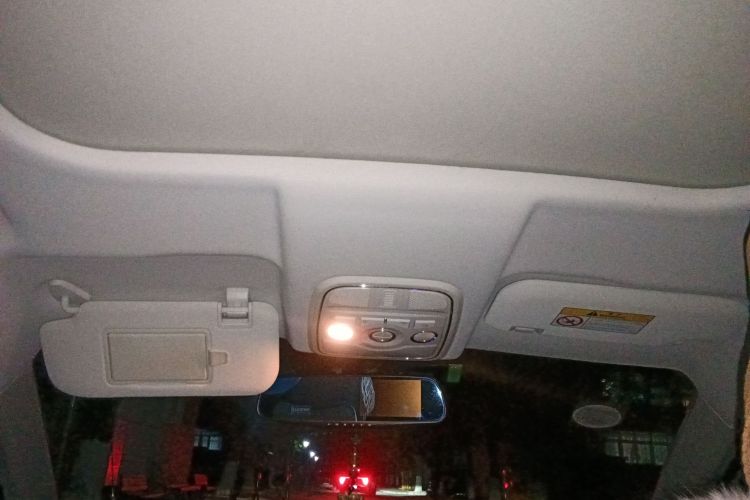
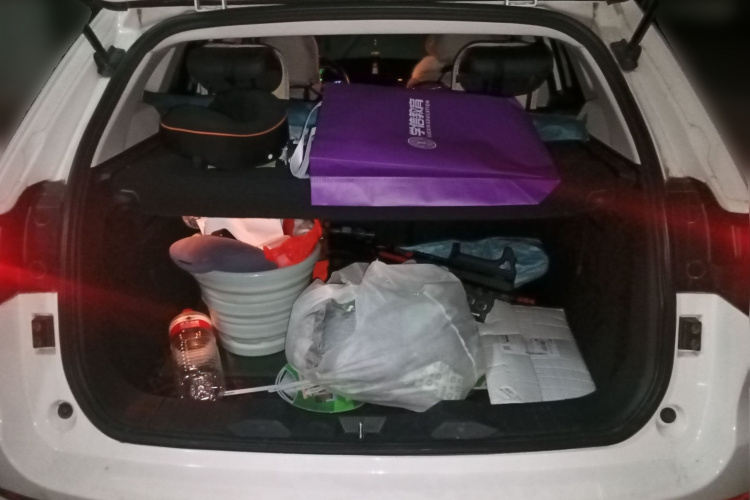
This vehicle is 7 years old, with an average annual mileage of 8,800 kilometers. It has a low frequency of daily use and has never been transferred to another owner, making it a good first-hand vehicle. There may be some obvious signs of wear and tear on the exterior. The interior is in good condition with normal signs of use. The overall body frame is intact, but there are a few abnormal issues. The fluids are normal, and the power system is functioning well.

Configuration Highlights

Cornering Lights
Paddle Shifters
Smartphone Connectivity
Auto Hold
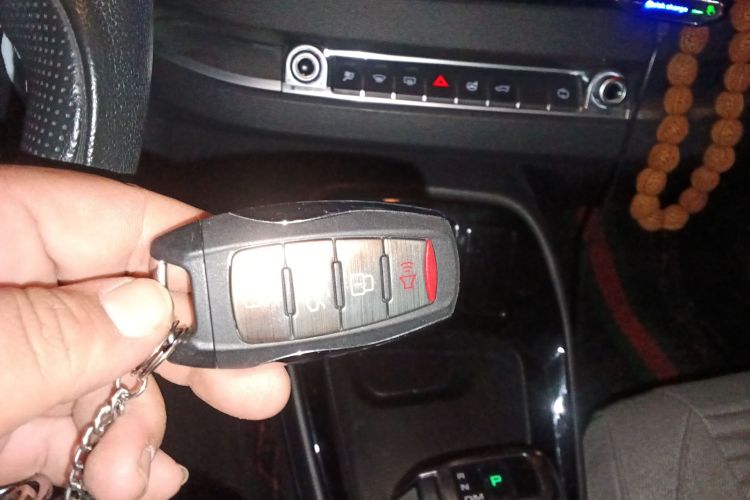
Keyless Entry
Backup Camera
Power Folding Mirrors
Cruise Control
Keyless Start
Tire Pressure Monitoring
Heated Mirrors
Hill Start Assist
Rear Parking Sensors
Anti-pinch Windows

Q&A

More

When checking the history records, can you distinguish whether the vehicle was involved in a "single-vehicle accident (like hitting a wall)" or a "multi-vehicle rear-end collision"?

If insurance claims records are accessed, there will usually be notes like "the insured vehicle is fully responsible for hitting a fixed object" or "third-party liability insurance payment." We can roughly reconstruct the accident scene based on this and cross-verify the stress points on the vehicle's frame with paint thickness gauge data.

If the customs of the destination country values the vehicle higher than your commercial invoice amount, leading to a surge in duties, who is responsible?

The customs of the destination country has the right to disregard the commercial invoice and reassess the value based on its internal database (such as the customs valuation red book). Any additional duties incurred are a result of the importing country's policy and are fully borne by the buyer (importer).

Why are the shipping costs for used electric vehicles (EVs) usually higher than for internal combustion engine vehicles (ICEs)?

Pure electric vehicles are classified as Class 9 Dangerous Goods due to their large lithium batteries, leading to strict shipping regulations. Shipping companies have high requirements for the loading position and fire isolation measures for dangerous goods, and some roll-on/roll-off ships refuse to accept used EVs. As a result, EVs often require more expensive special container shipping and incur additional handling fees for hazardous materials.

Haval H2s 1.5T 150 L4

哈弗H2s 2018款 红标 1.5T 双离合精英型

EXW: $6,409
Car CodeSWA1478728
Publish Date