Basic Information

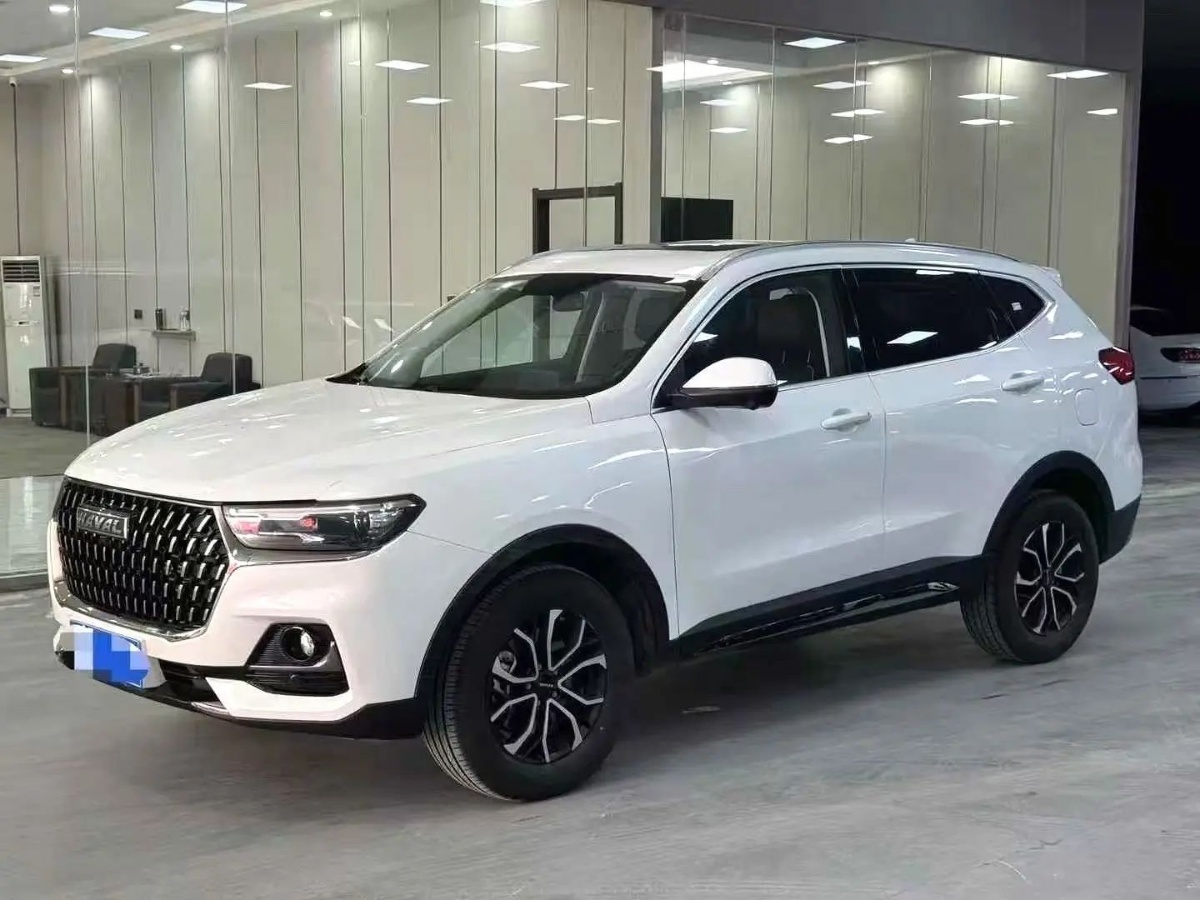
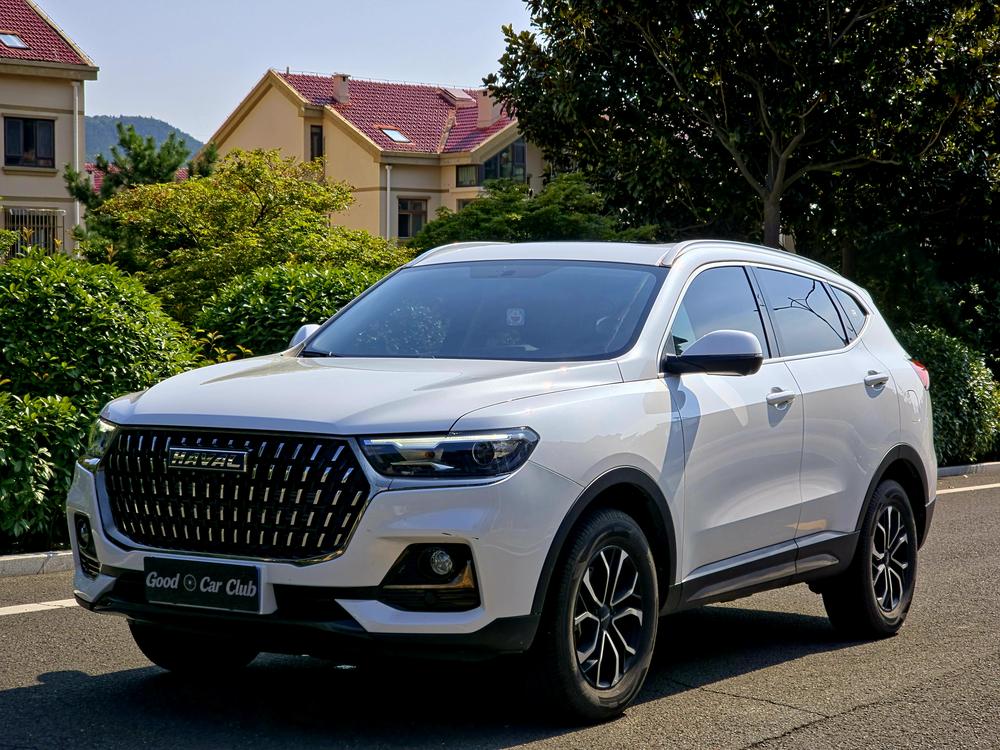
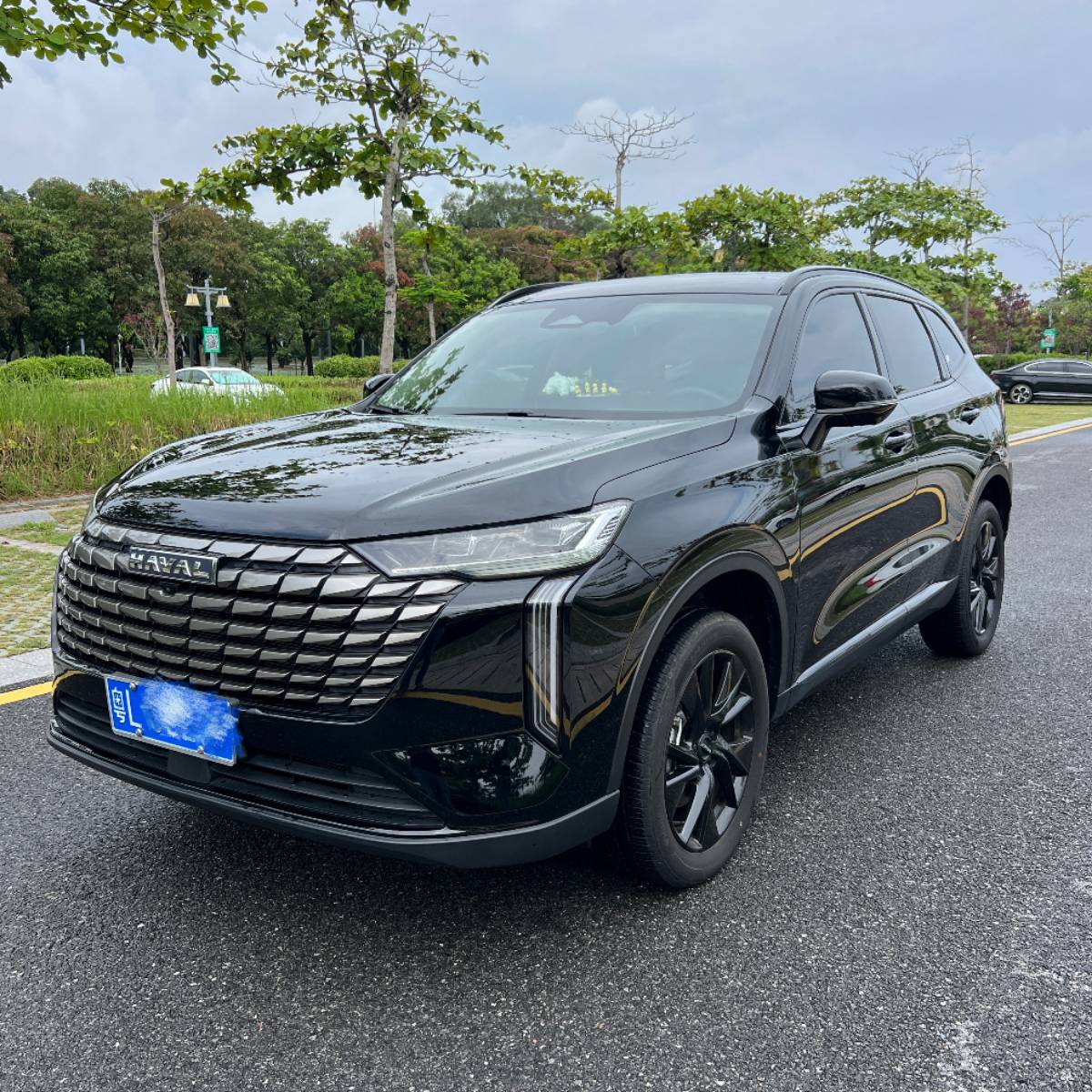
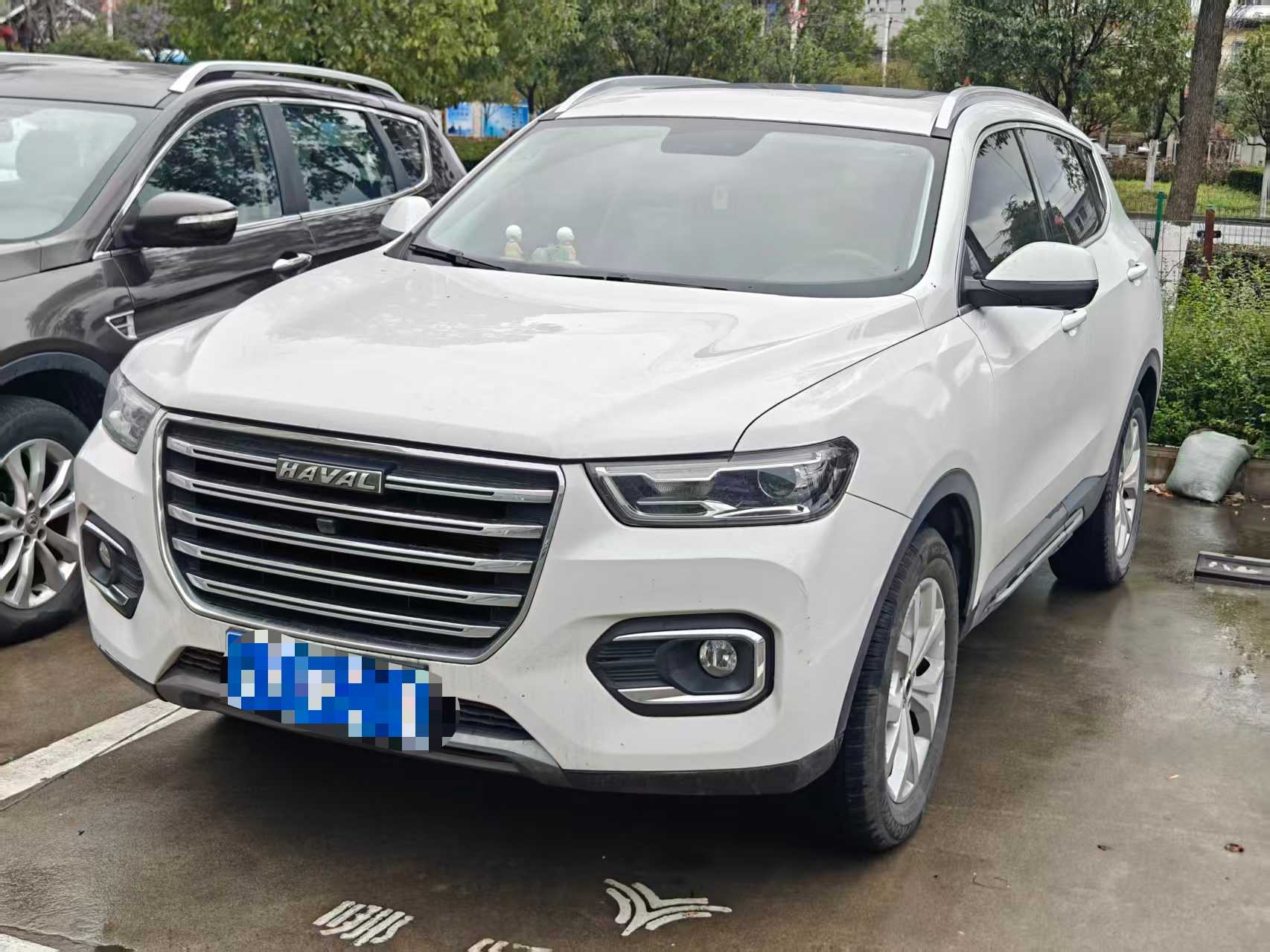
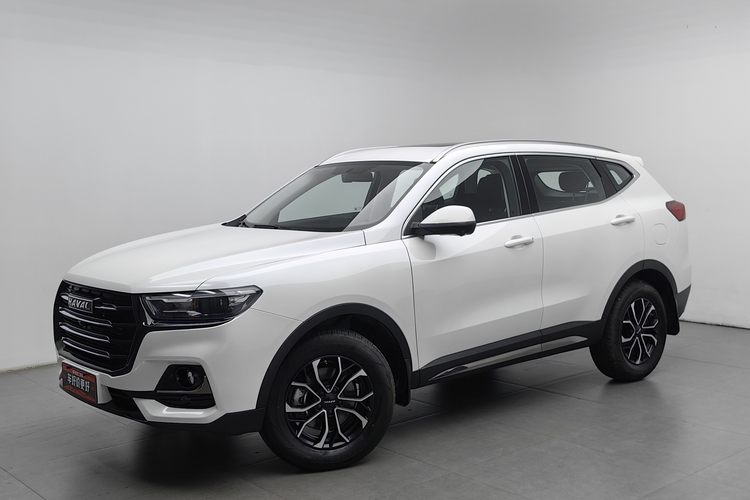
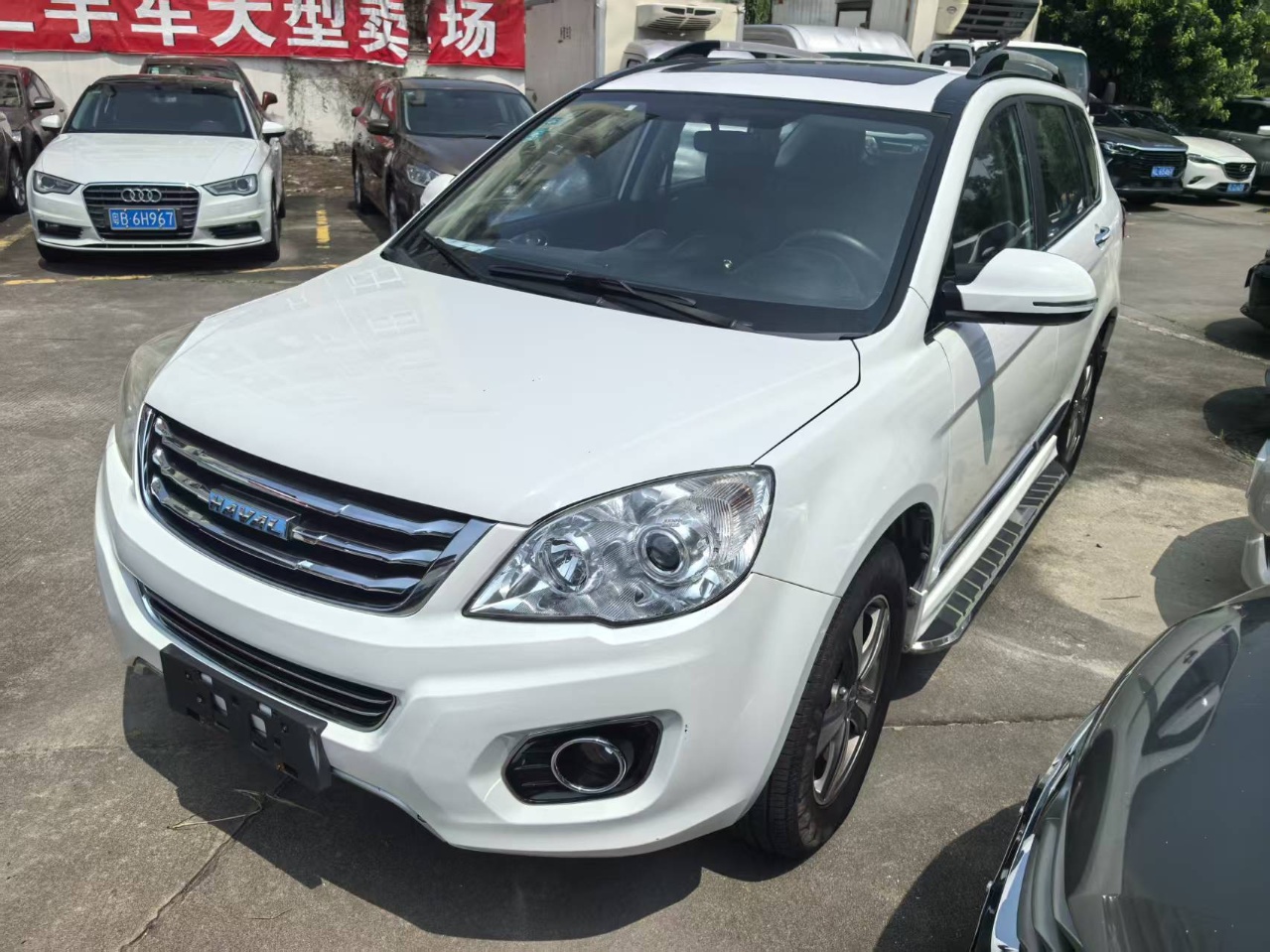
BrandHaval
SeriesH6
Year2018
First Registration2018/11
Mileage5.7km
Transfer Count-
FuelGasoline
TransmissionDCT
Engine1.5T 150 L4
ColorWhite
Seats-

Condition Description

To be determined

Configuration Highlights

Driver/Passenger Airbags
Front/Rear Side Airbags
Tire Pressure Monitoring
ISOFIX Child Seat Anchors
Keyless Start System
Keyless Entry System
ABS Anti-lock Braking
Electronic Brake Distribution
Electronic Stability Control
Hill Start Assist
Auto Hold
Hill Descent Control
Roof Rack
Multifunction Steering Wheel
Paddle Shifters
Seat Material
Driver/Passenger Power Seats
Rear Cupholders
Low Beam Headlights
Daytime Running Lights
Adjustable Headlight Height
Power Windows
Anti-pinch Windows
Climate Control Type
Rear Air Vents
Start-Stop System

Q&A

More

Does the steering system have any play, unusual noises, or signs of power steering pump leakage?

During the stationary steering test, the technician will check the smoothness of the steering wheel from full left to full right, looking for any unusual noises from the steering gear; they will also inspect the hydraulic power steering pump (if present) and the seals of the steering column for any hydraulic fluid leakage.
Does your technical testing include highway road tests (high-speed driving tests), or is it only low-speed driving in a closed area?

Due to legal restrictions preventing unregistered vehicles from high-speed driving on public roads in China, most of our dynamic tests are conducted in a closed area (with a maximum speed of around 60 km/h). This is sufficient to test for suspension noise and low gear smoothness, but it cannot simulate high-speed wind noise and tire balance vibrations at 120 km/h.

Why are the shipping costs for used electric vehicles (EVs) usually higher than for internal combustion engine vehicles (ICEs)?

Pure electric vehicles are classified as Class 9 Dangerous Goods due to their large lithium batteries, leading to strict shipping regulations. Shipping companies have high requirements for the loading position and fire isolation measures for dangerous goods, and some roll-on/roll-off ships refuse to accept used EVs. As a result, EVs often require more expensive special container shipping and incur additional handling fees for hazardous materials.