

Can third-party services join the platform?
Yes. Third-party service providers in logistics, inspection, customs clearance, and finance can join the platform as "service providers."
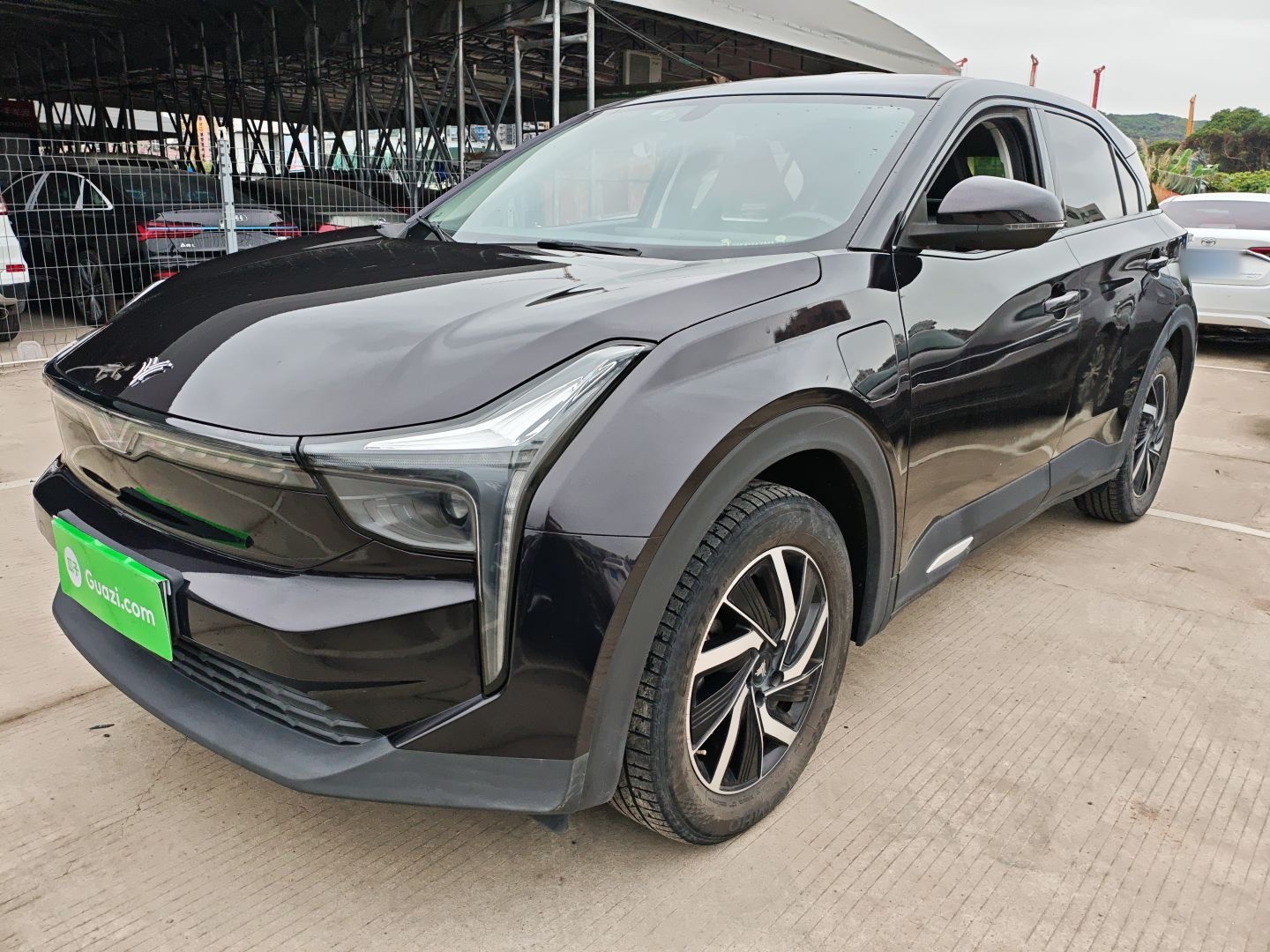
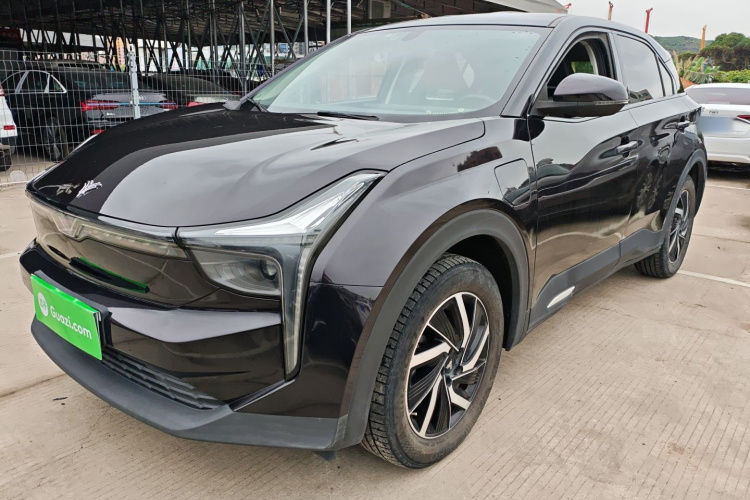
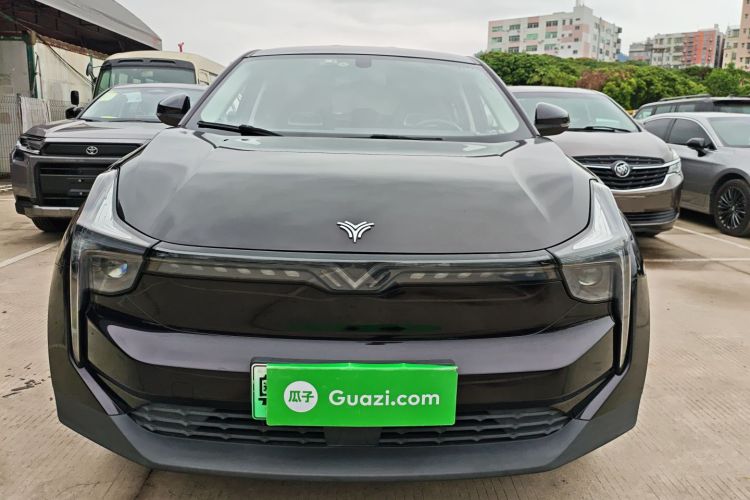
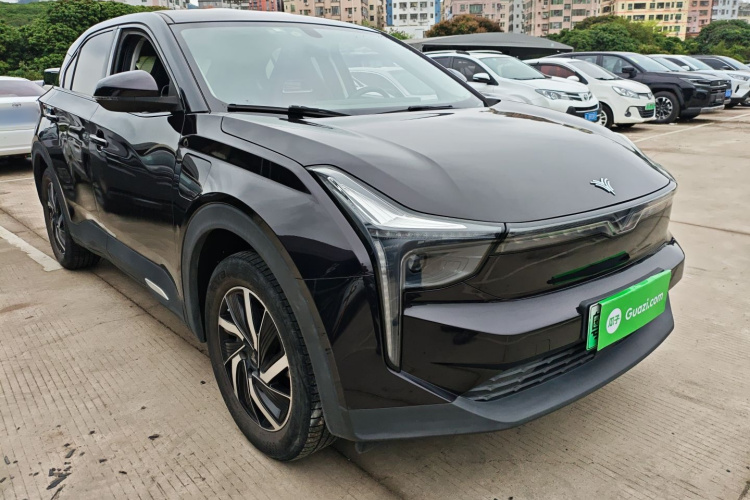
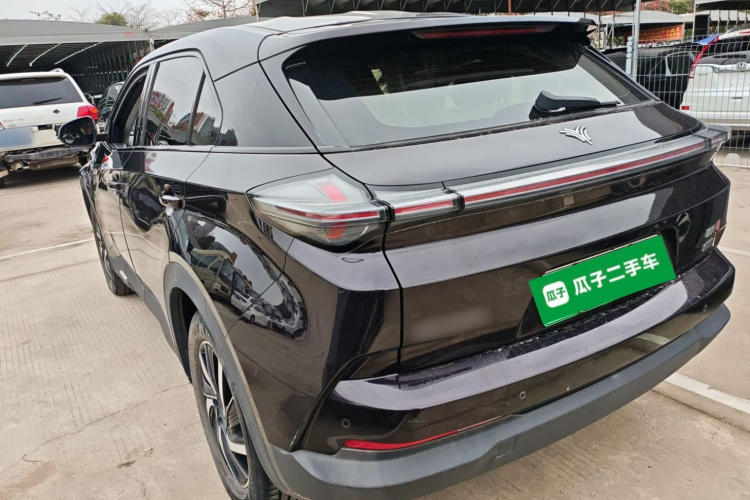
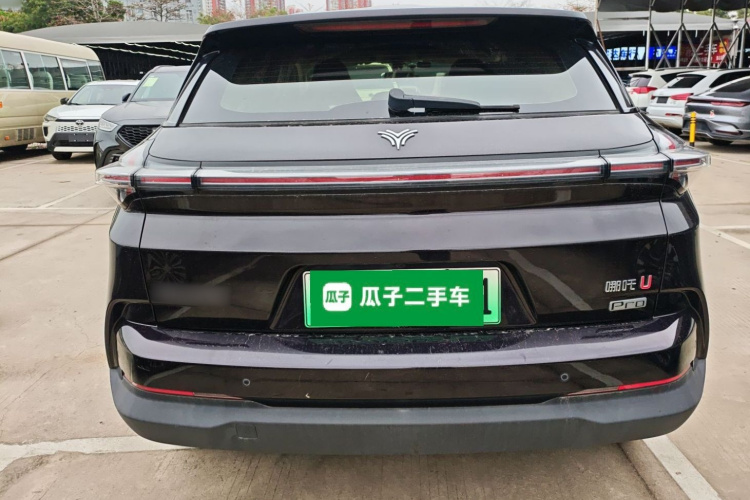
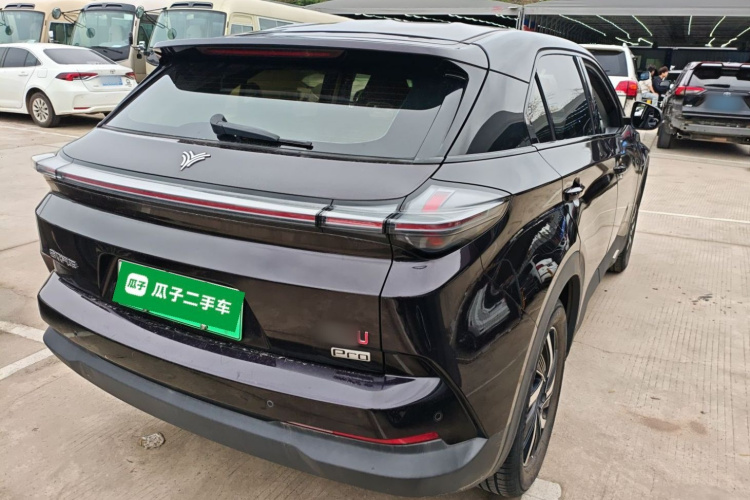
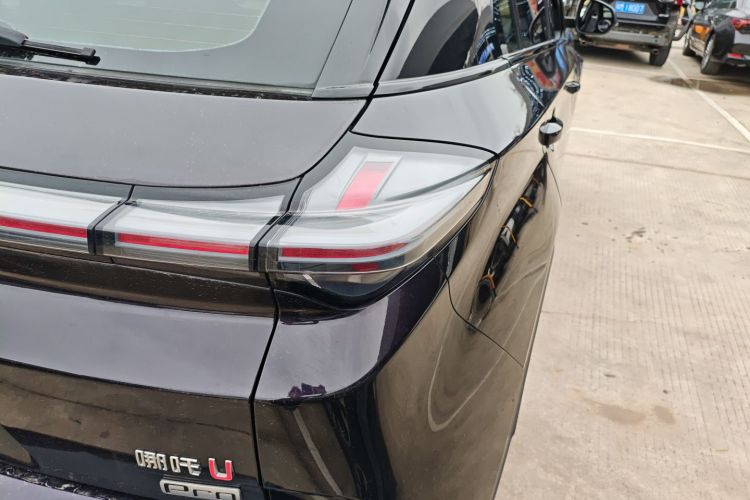
Vehicle in excellent condition, passed inspection, better than 80% of vehicles for sale, excellent condition, 4 claims filed, 0 ownership transfers.
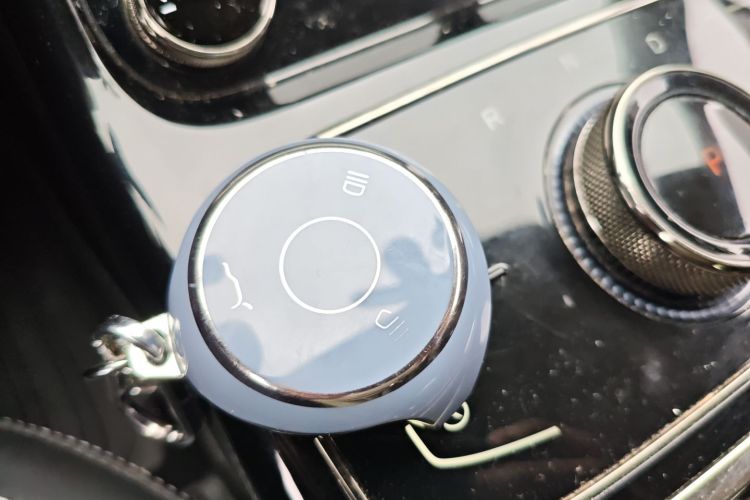
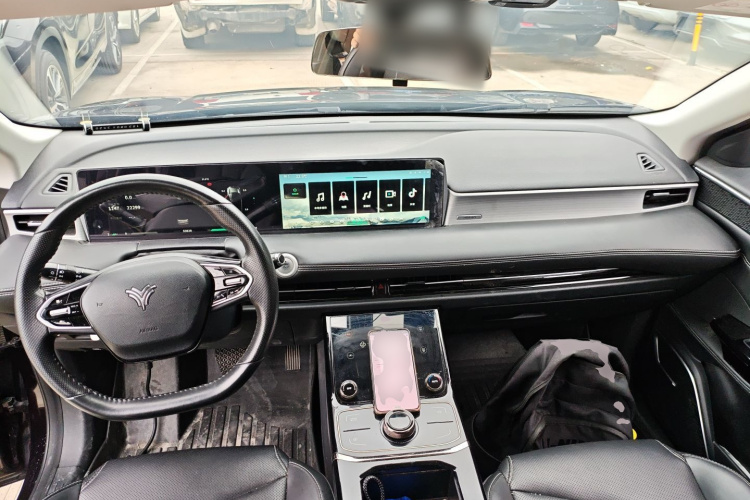
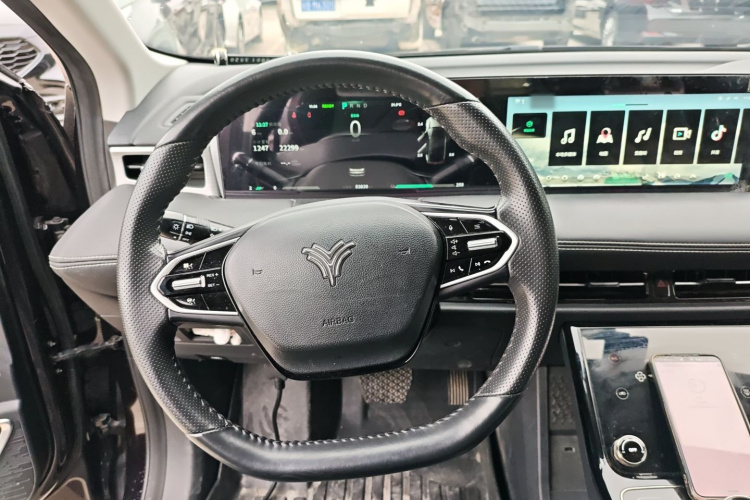
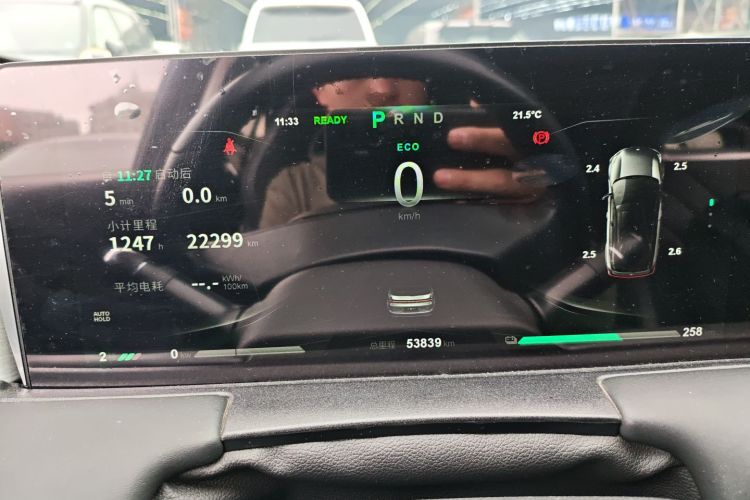
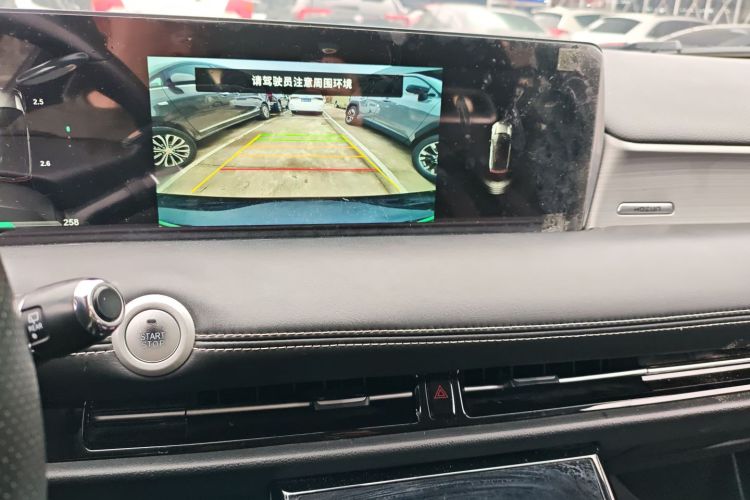
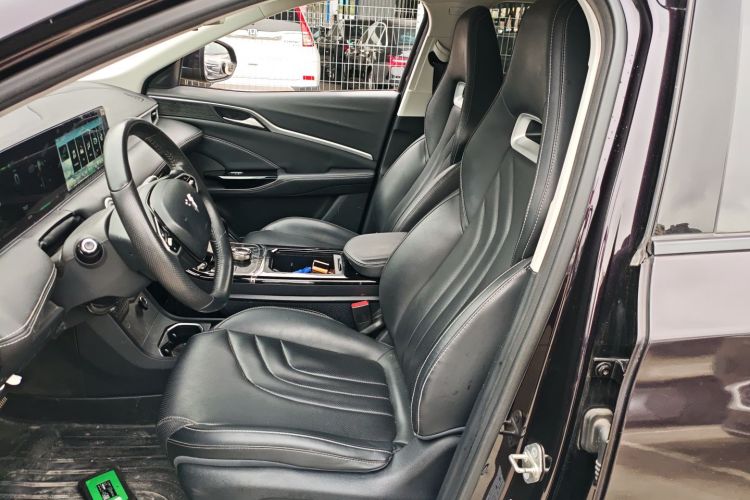
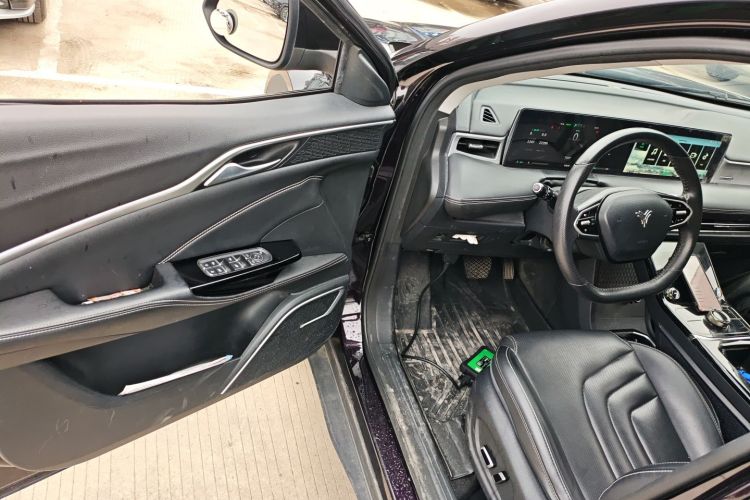
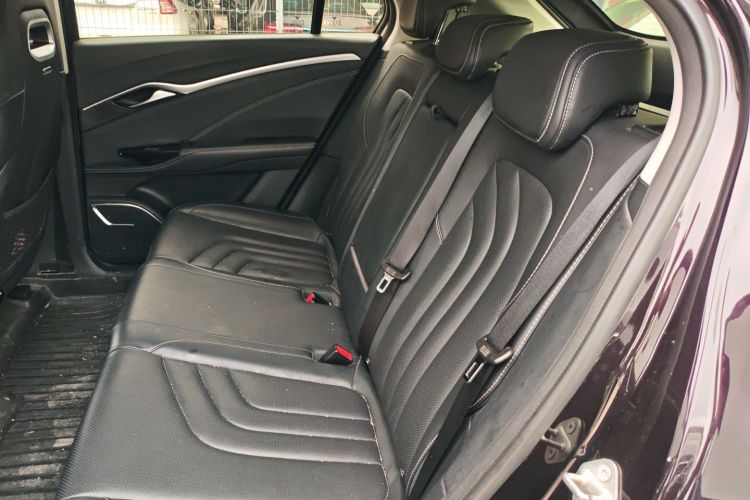
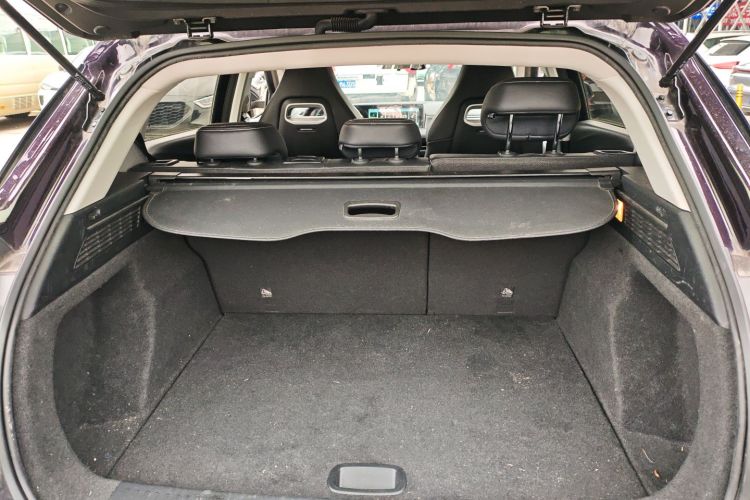
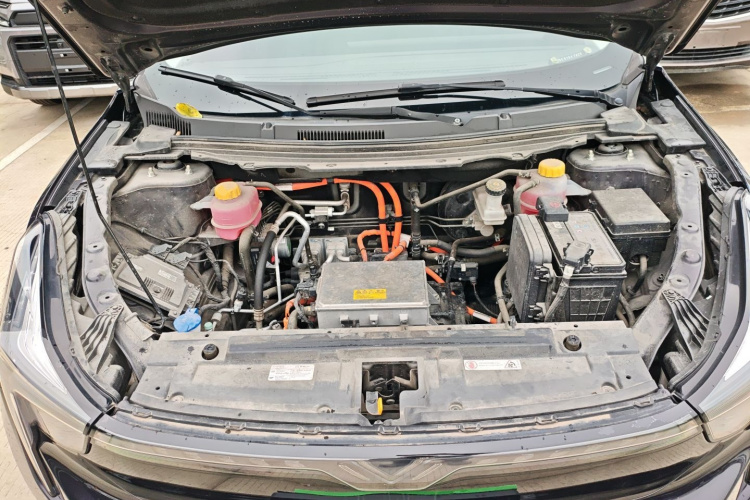
This Nezha U electric SUV boasts high brand recognition and excellent range, rich features, and a superior driving experience. Features such as a full LCD instrument panel, a large color central control screen, and a reversing camera enhance driving pleasure, while electric seat adjustment and automatic parking improve driving comfort. Furthermore, the vehicle is equipped with multiple safety features including seatbelt reminders and tire pressure monitoring, ensuring peace of mind on your journeys. This particular vehicle is 5 years old, with an average annual mileage of 10,800 kilometers, indicating low usage frequency. It has never been transferred to another owner, making it a first-hand vehicle. The exterior paint is in good condition, although there may be minor scratches. The interior is clean and tidy, with slight signs of use. The overall body structure is intact and without abnormalities. Fluids are normal, and the powertrain operates smoothly without any issues.
Yes. Third-party service providers in logistics, inspection, customs clearance, and finance can join the platform as "service providers."
Absolutely not. The aging and cracking of rubber parts are inevitable over time and are a normal manifestation of vehicle depreciation. Our compensation only covers sudden and catastrophic mechanical failures, such as engine cylinder scoring or transmission gear breakage.
Pure electric vehicles are classified as Class 9 Dangerous Goods due to their large lithium batteries, leading to strict shipping regulations. Shipping companies have high requirements for the loading position and fire isolation measures for dangerous goods, and some roll-on/roll-off ships refuse to accept used EVs. As a result, EVs often require more expensive special container shipping and incur additional handling fees for hazardous materials.