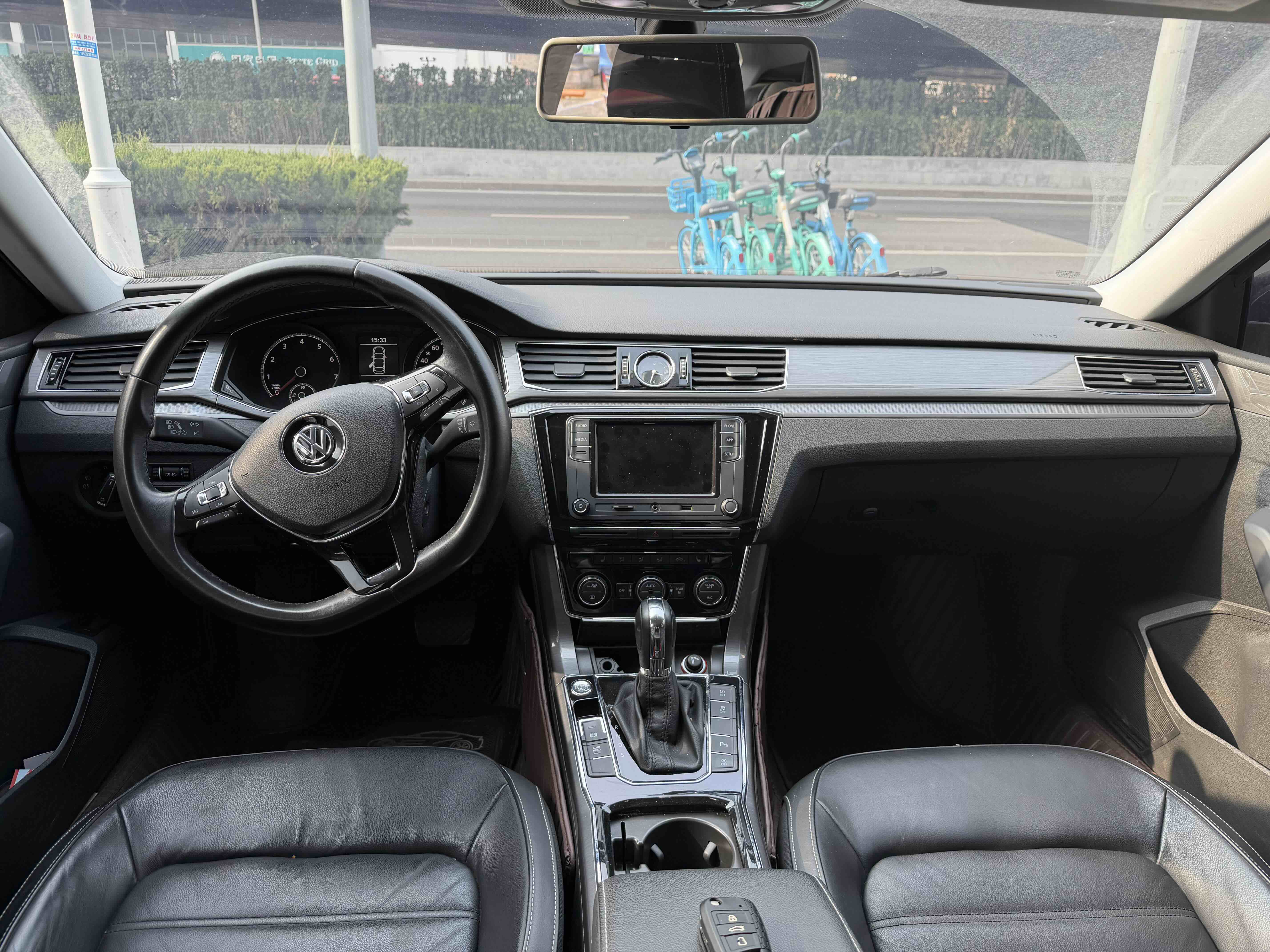
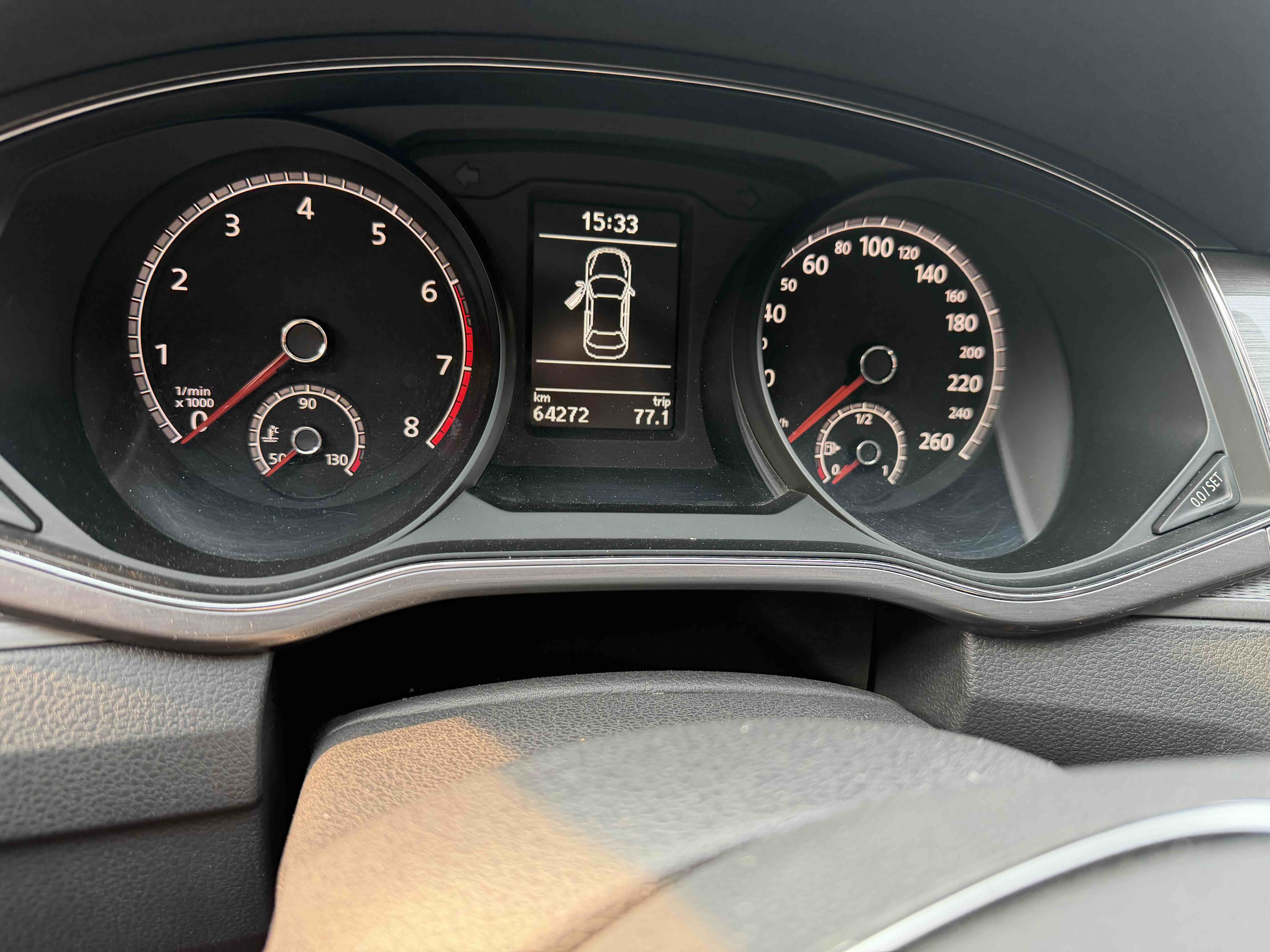
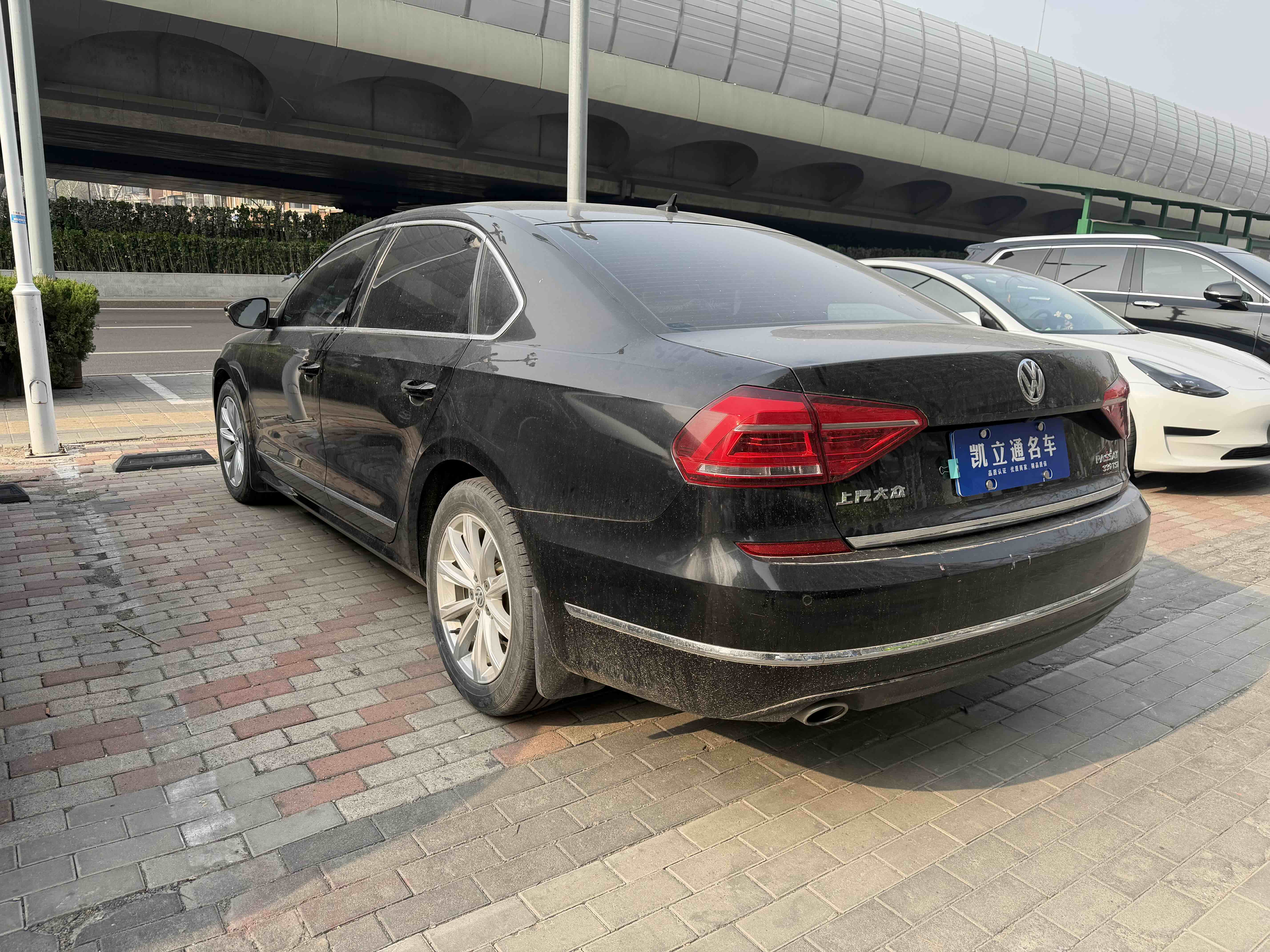
Basic Information

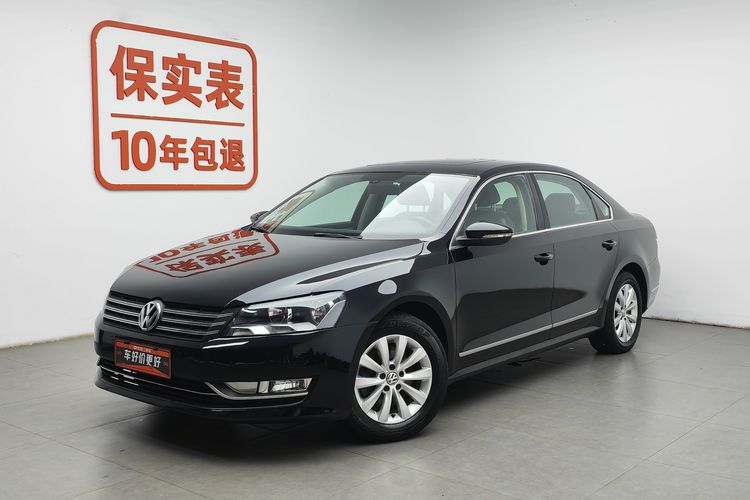
BrandVolkswagen
SeriesPassat
Year2018
First Registration2018/11
Mileage6.4km
Transfer Count2times
FuelGasoline
TransmissionDCT
Engine1.8T 180 L4
ColorBlack
Seats-

Condition Description

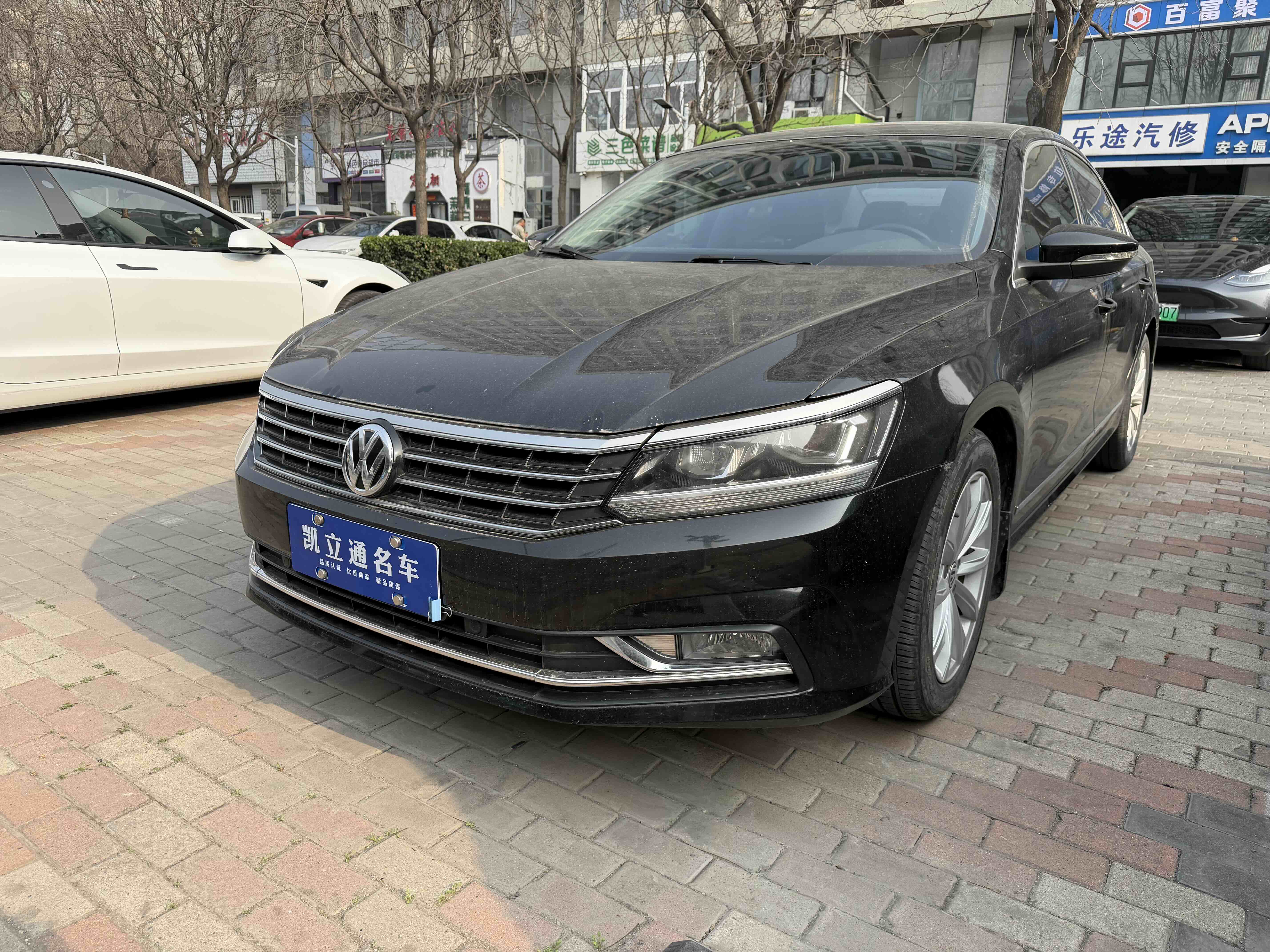
Original paint on sheet metal parts Document shows right rear fender repainted, not actually repainted on the actual vehicle Upgraded left and right front headlights Replaced windshield Scratches (right side sill, rear hatch)

Configuration Highlights

Driver/Passenger Airbags
Front/Rear Side Airbags
Front/Rear Curtain Airbags
Tire Pressure Monitoring
ISOFIX Child Seat Anchors
Keyless Start System
ABS Anti-lock Braking
Electronic Brake Distribution
Electronic Stability Control
Hill Start Assist
Auto Hold
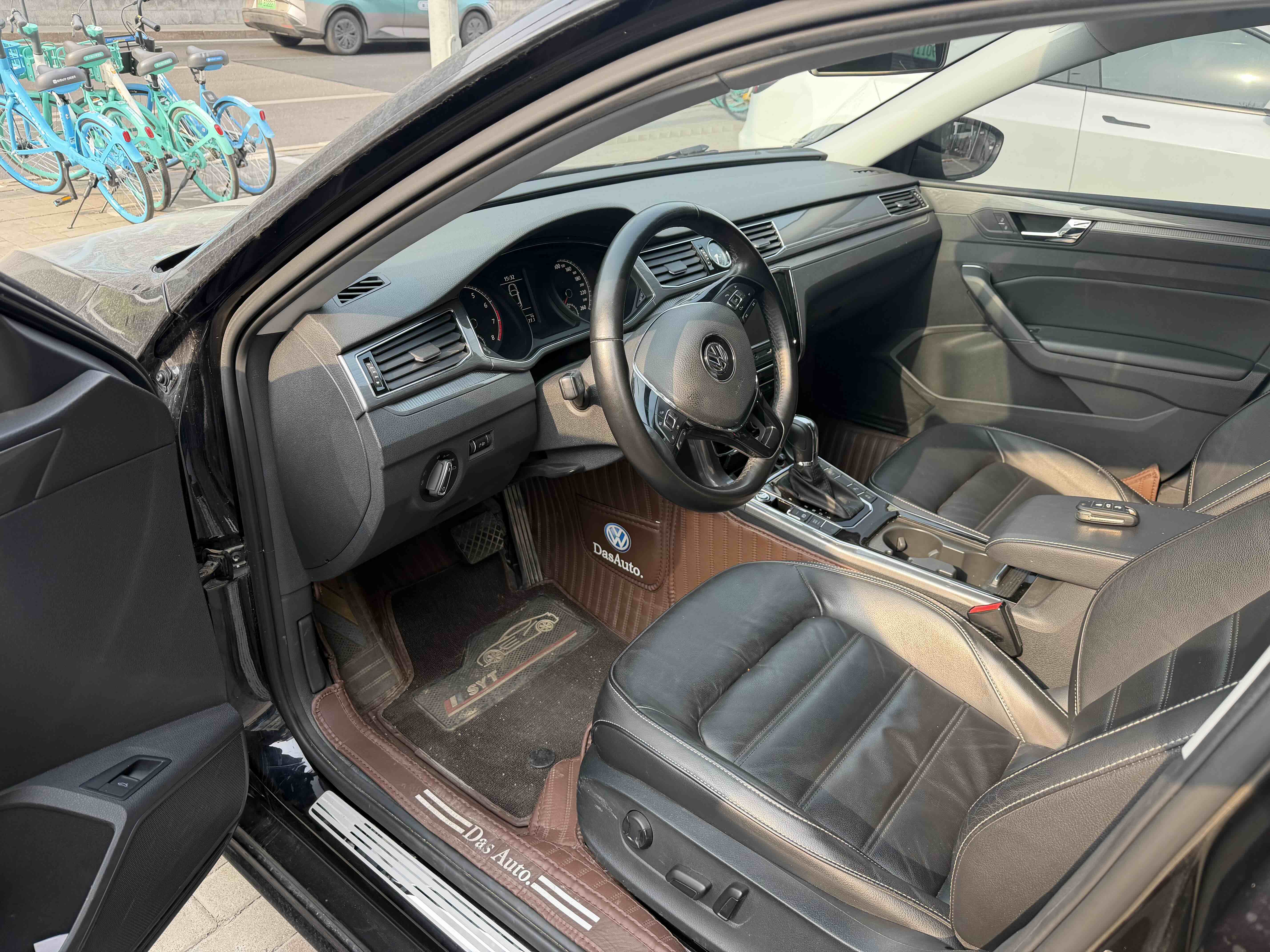
Multifunction Steering Wheel
Front Parking Sensors
Seat Material
Driver/Passenger Power Seats
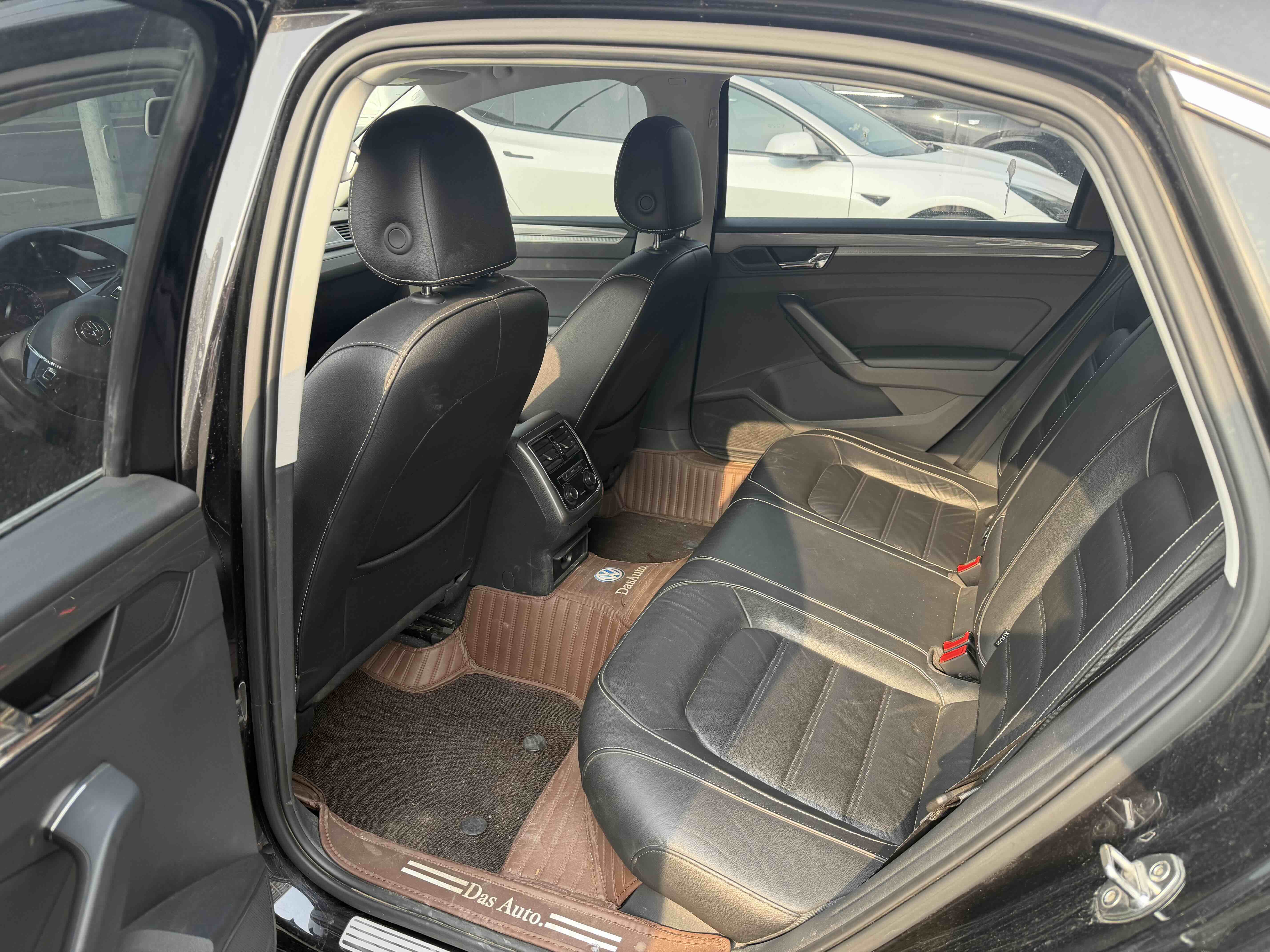
Rear Cupholders
Low Beam Headlights
Auto Headlights
Adjustable Headlight Height
Power Windows
Anti-pinch Windows
UV/Heat Insulating Glass
Climate Control Type
Rear Independent Climate Control
Rear Air Vents
Start-Stop System

Q&A

More

Is there specific data on paint thickness? How can we determine if it's the original factory paint?

We use a calibrated high-precision paint thickness gauge to take multiple measurements on at least 13 metal surfaces of the entire vehicle. The original paint thickness of mainstream Chinese models typically ranges from 90μm to 150μm. If any area exceeds 200μm or even reaches over 500μm, we will directly conclude that the area has undergone bodywork and filler repair.

What additional fees do I need to pay when picking up the car at the destination port, besides the payment to sellwellauto?

As the importer, you mainly need to bear the following costs at the destination port: import duties, VAT or GST, terminal handling charges, local customs clearance fees, and inland logistics costs from the port to your company. Please consult your local customs broker before placing an order to accurately calculate the total landing costs.

After picking up the car, I found the tire pressure warning (TPMS). How can I reset the tire pressure sensor myself?

Temperature differences during sea transport can easily trigger the tire pressure warning. After inflating the tires to the standard pressure (usually 2.5 Bar), most vehicles will automatically clear the warning after driving a few kilometers; some models require manually clicking "Tire Pressure Reset" in the "Vehicle Settings" on the central screen.