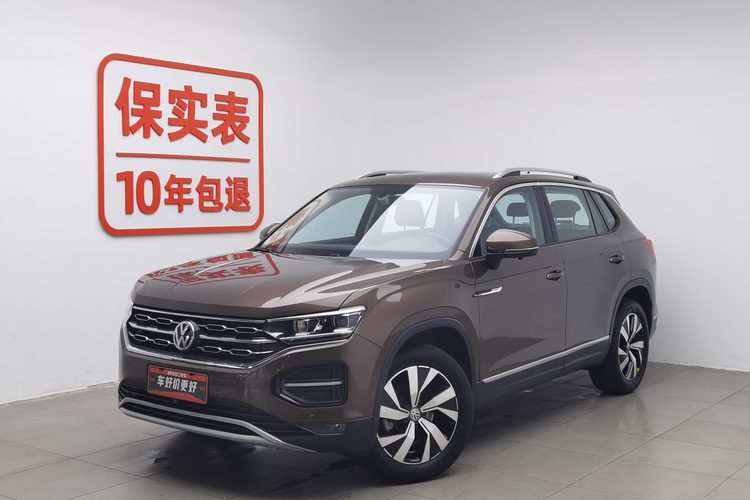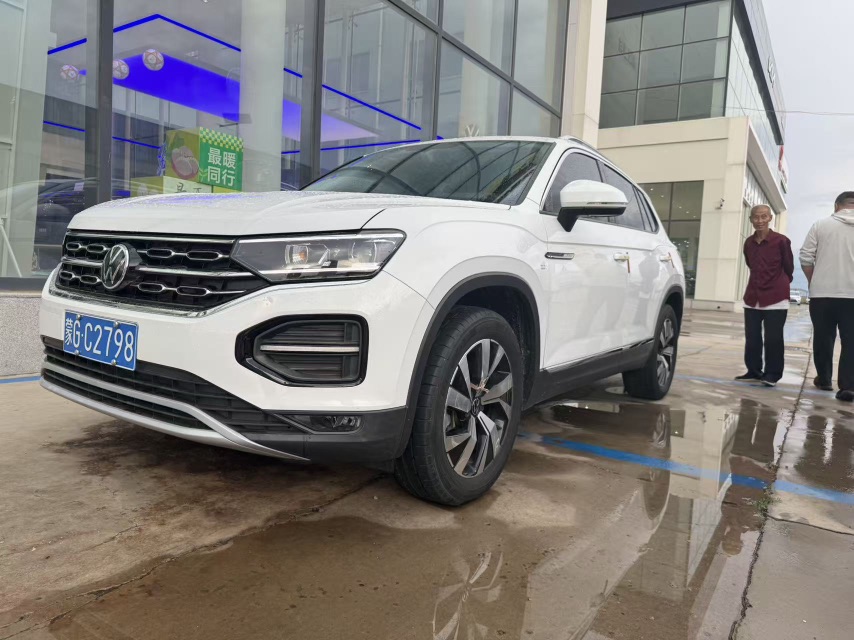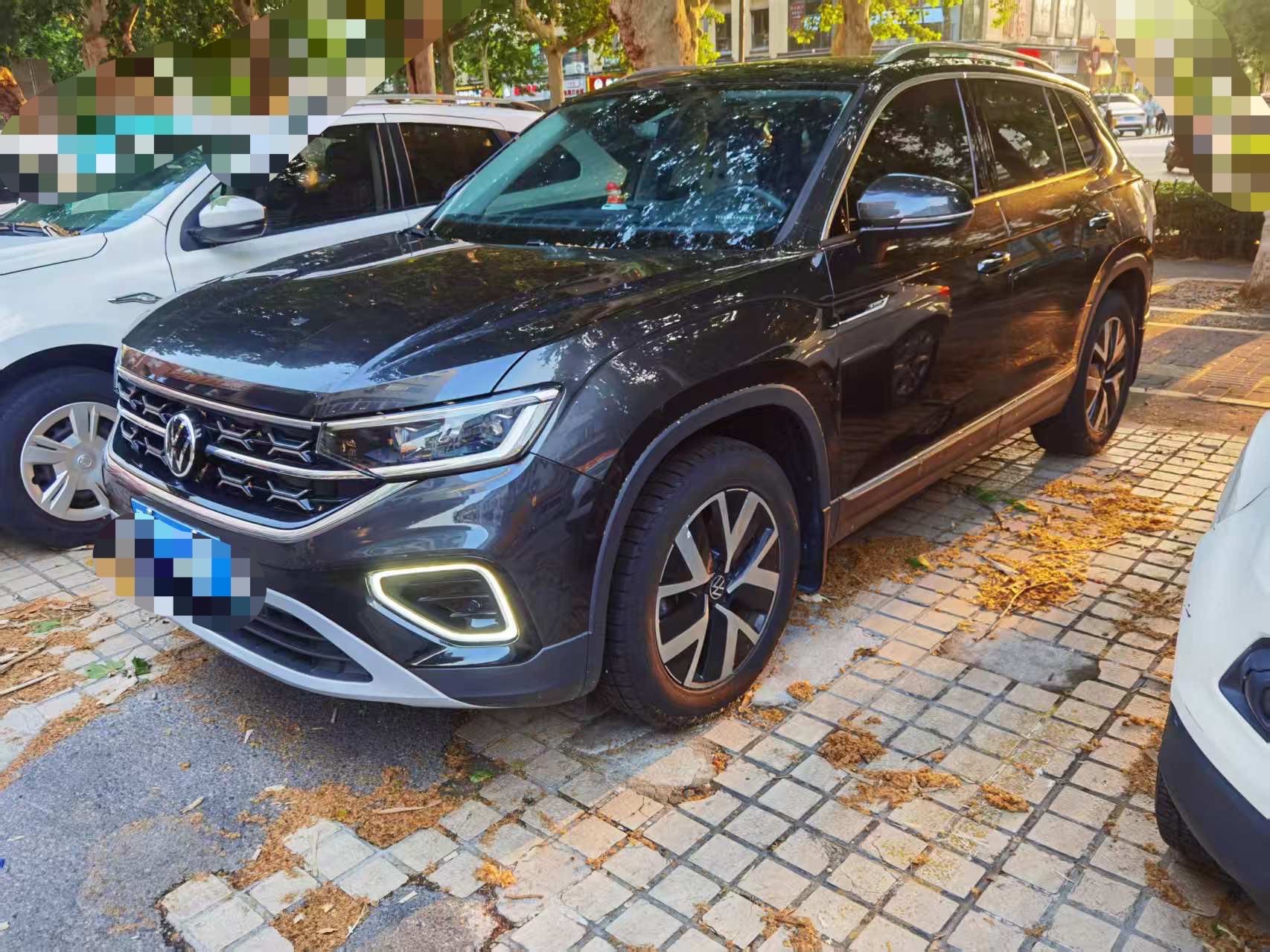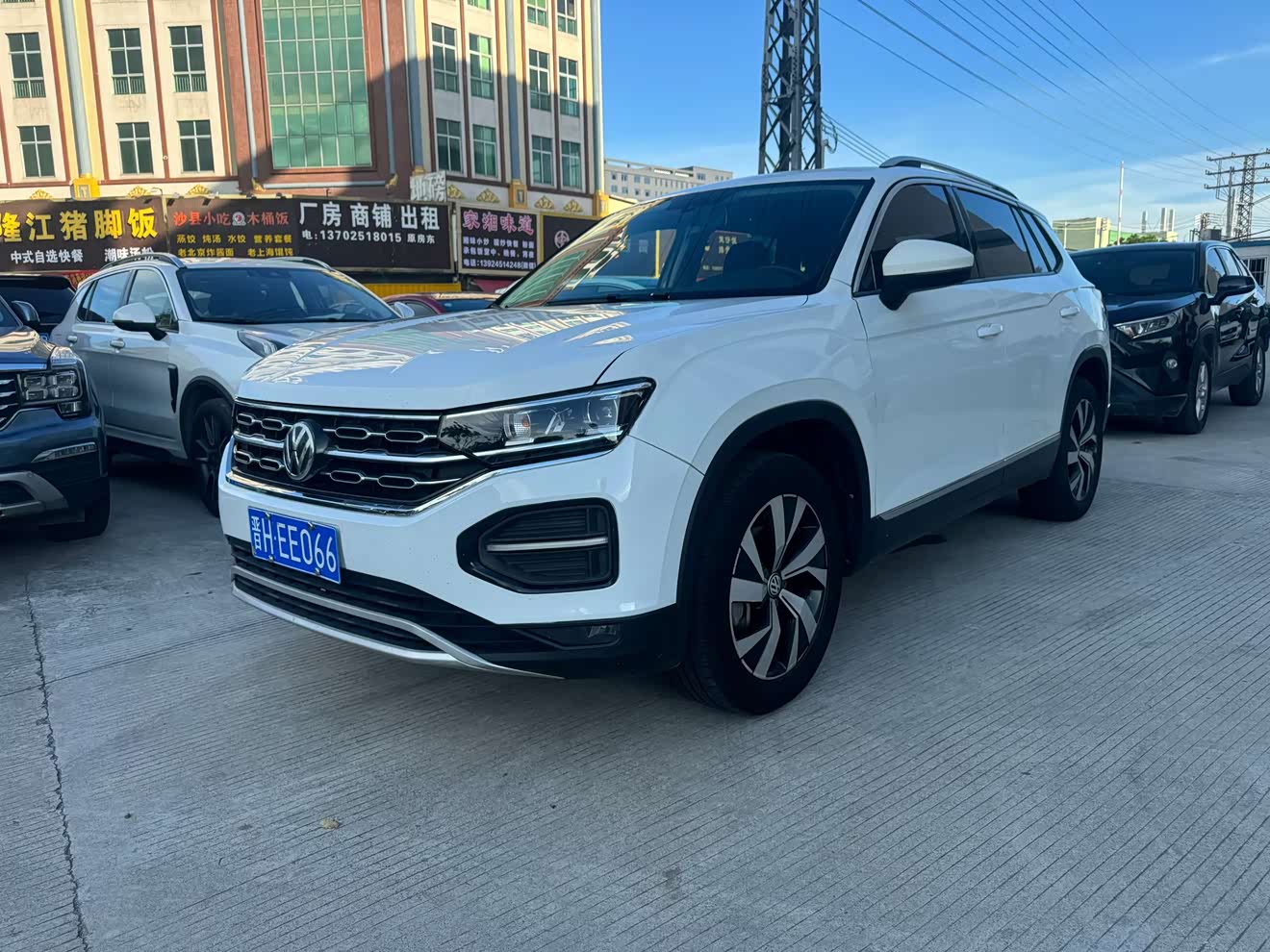
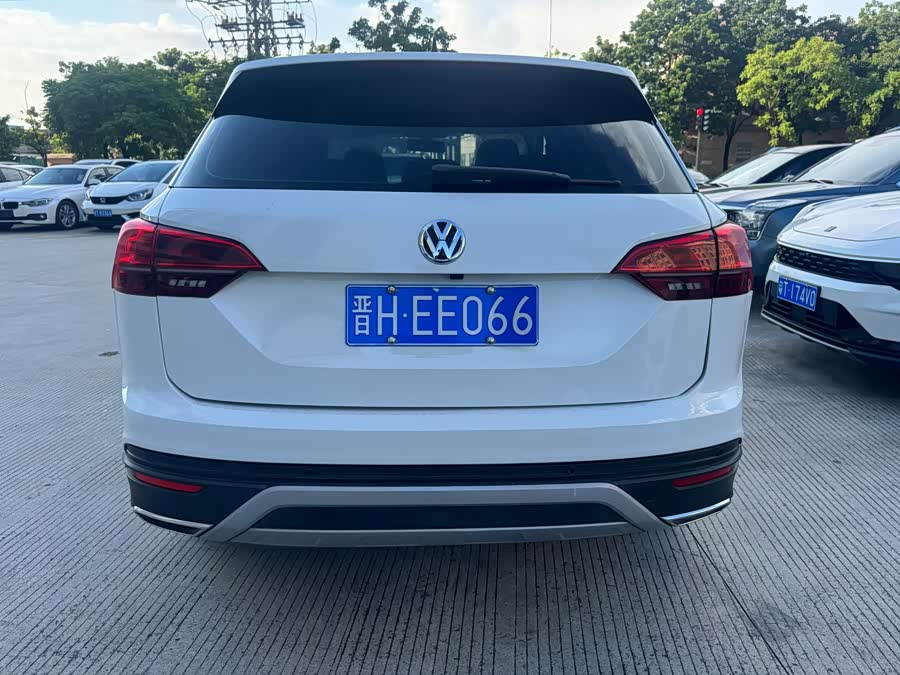
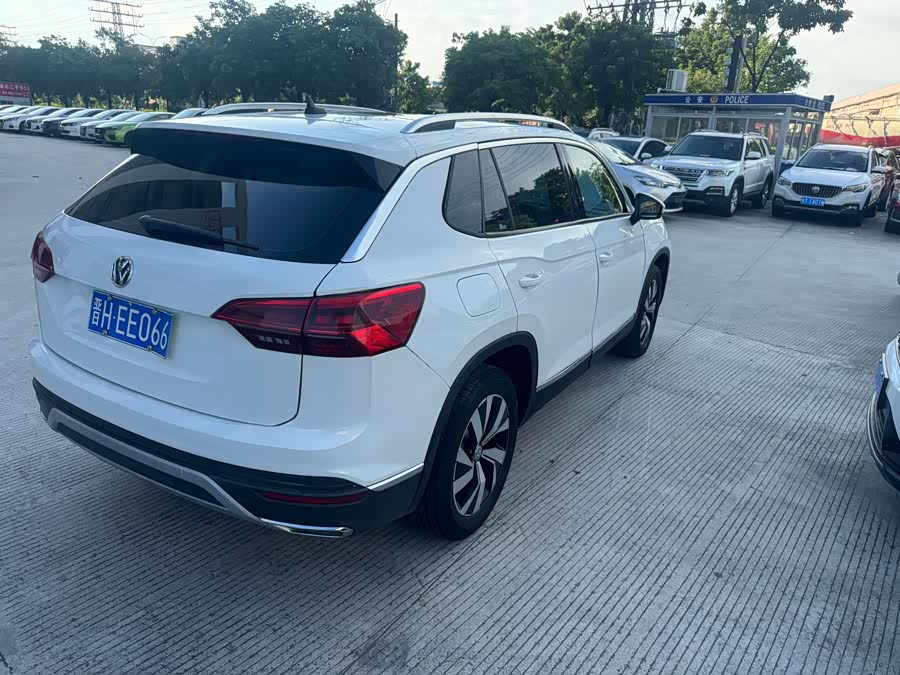
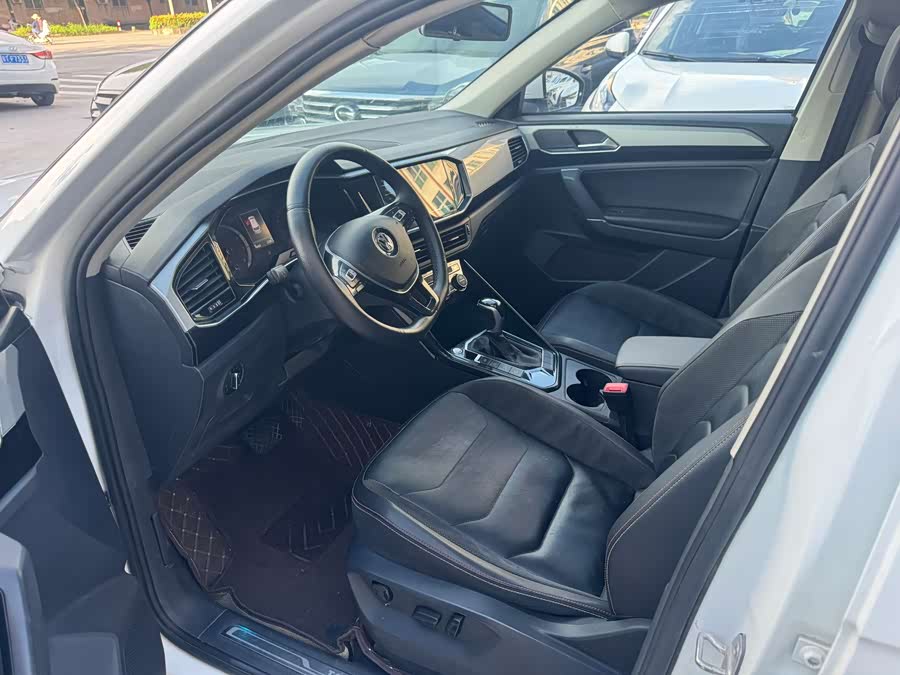
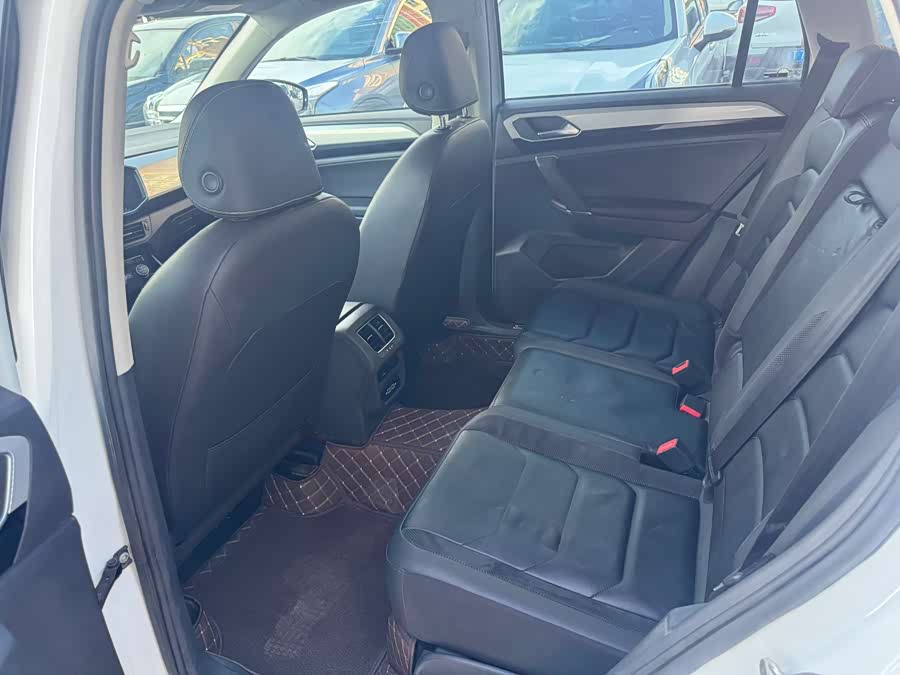
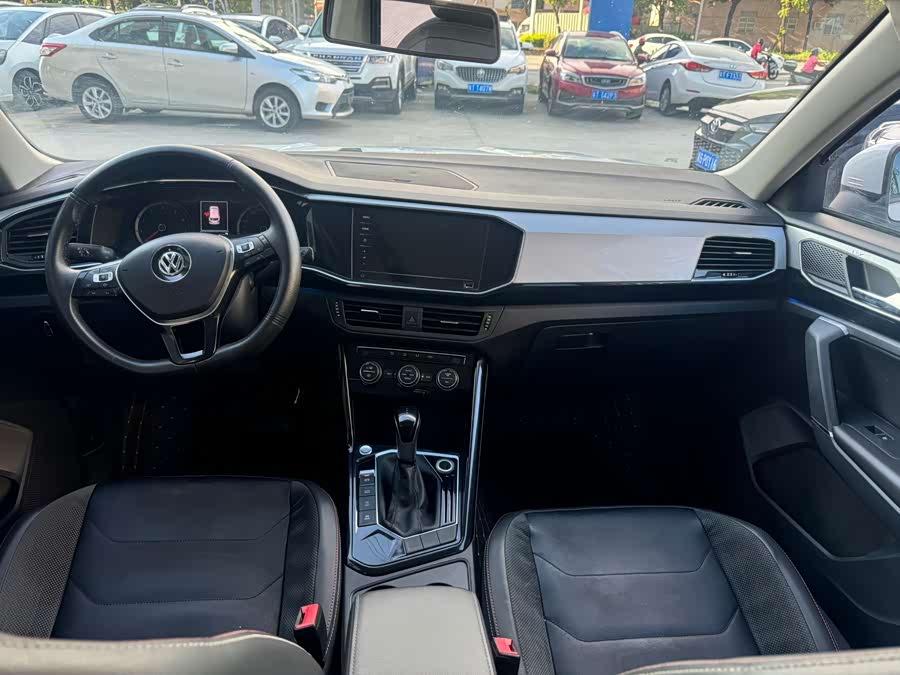
Basic Information

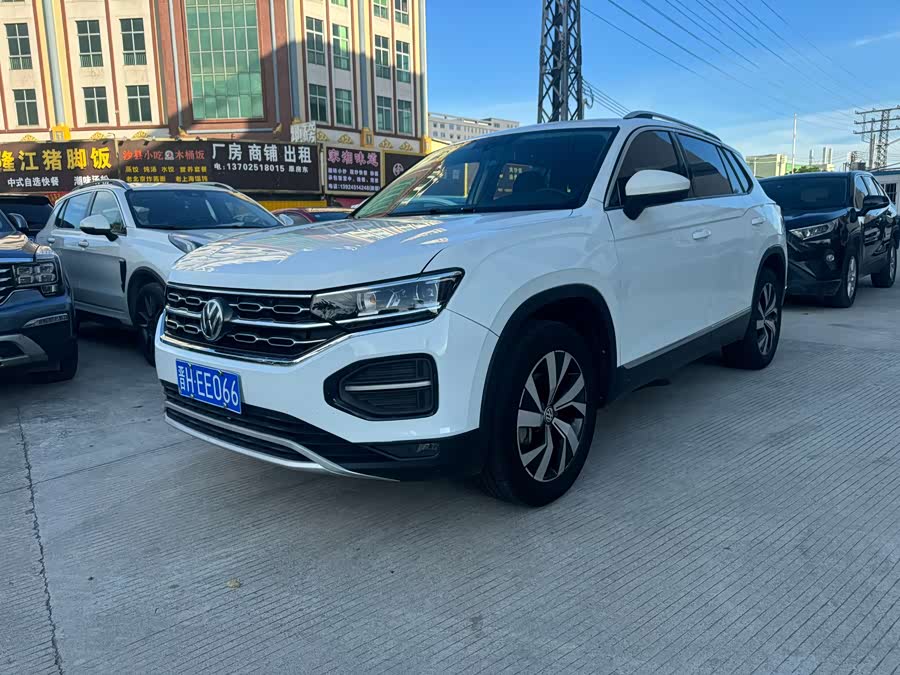
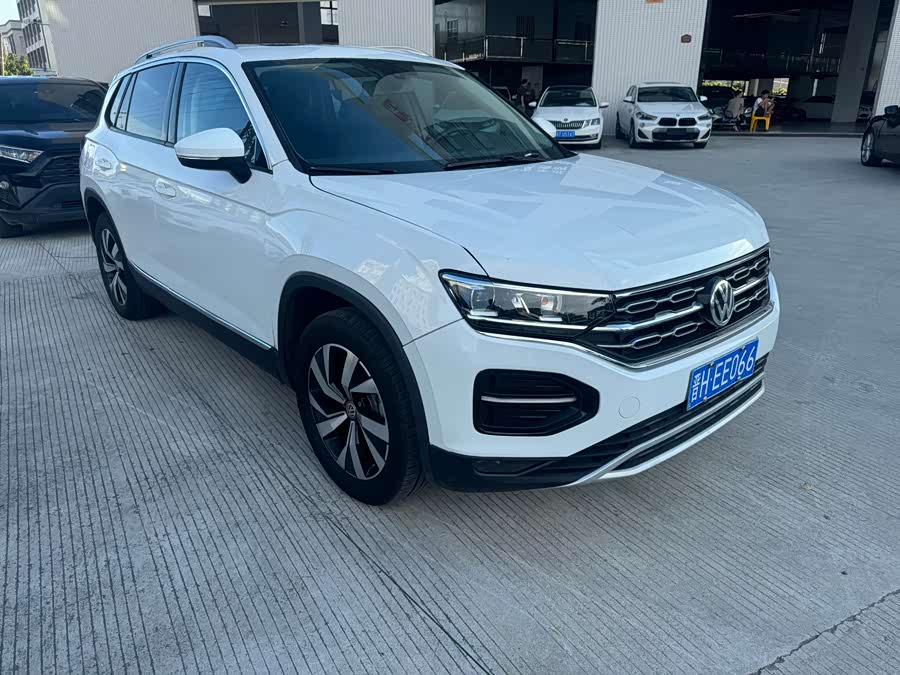
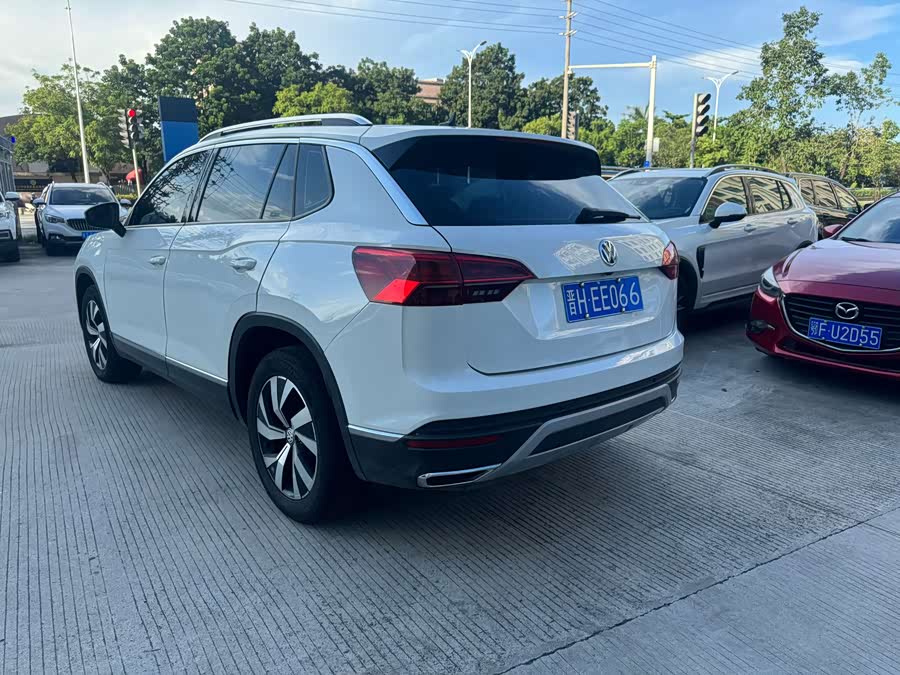
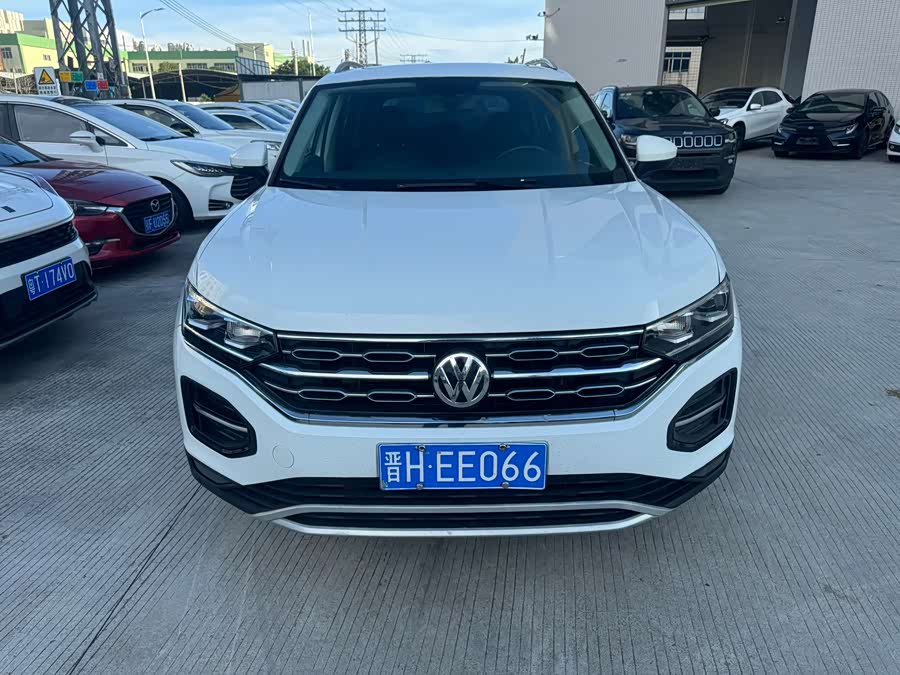
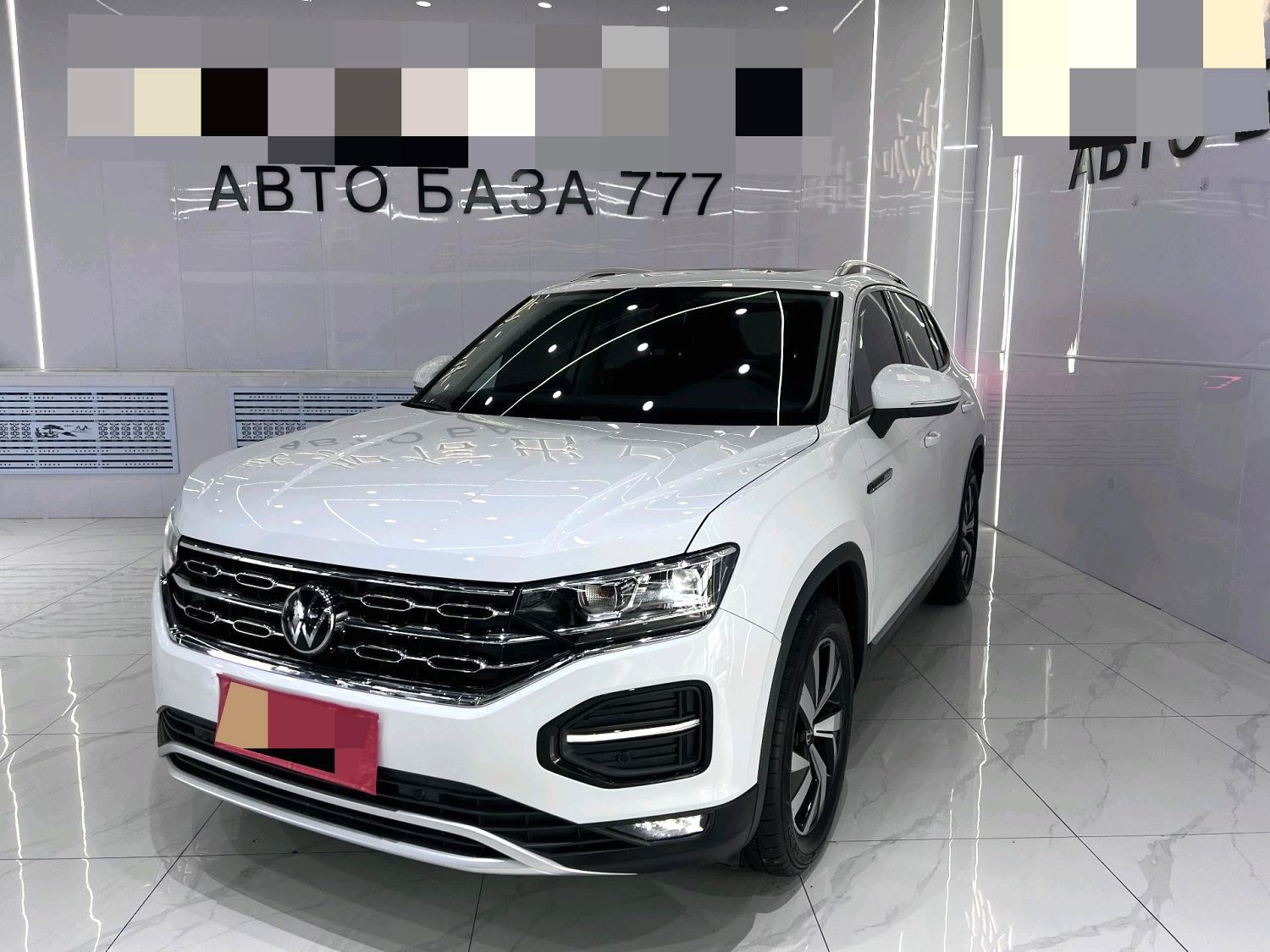
BrandVolkswagen
SeriesTayron
Year2019
First Registration2019/11
Mileage60,000km
Transfer Count-
FuelGasoline
TransmissionDCT
Engine2.0T 186 L4
ColorWhite
Seats-

Condition Description

very good

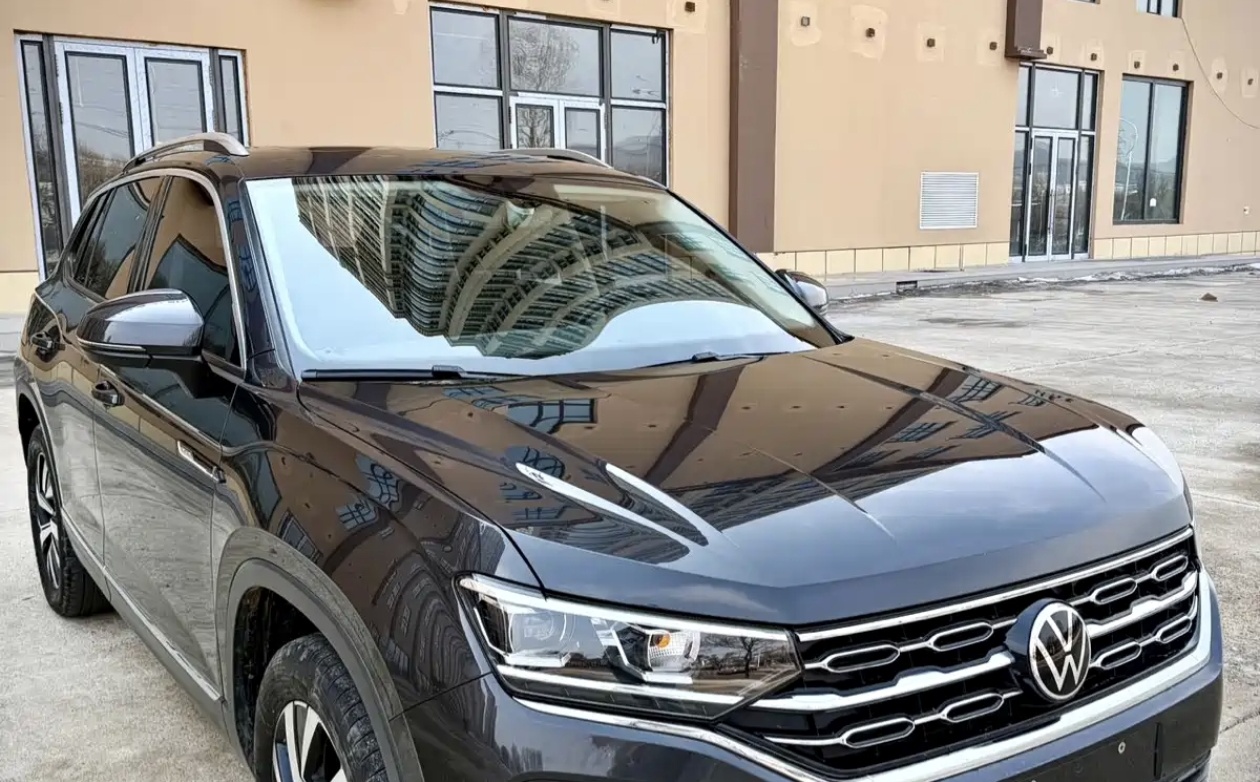
Exterior: Paintwork is well-maintained; body structure shows no signs of repair; no major accidents. Interior: Clean and tidy. Safety indicator lights are normal; airbags and other passive safety features are functioning correctly; vehicle electronics are in good working order; static and dynamic equipment is complete. Driving: Ignition, starting, acceleration, cornering, deceleration, and braking are all smooth; acceleration is rapid, power output is smooth and comfortable, and there is no idling vibration. Overall: Overall vehicle condition is average. The body frame structure shows no deformation or twisting, and there are no signs of fire or water damage. There are signs of repainting, but the overall paintwork is good, ruling out major accidents. Wide field of vision, suitable for beginners; spacious, bright, and well-ventilated interior, suitable for family commuting.

0 transfers

Configuration Highlights

Tire Pressure Monitoring
Active Safety System
ISOFIX Child Seat Anchors
Auto Hold
Keyless Start System
Bluetooth/Hands-free
Cornering Lights
PM2.5 Air Filter
Rear Independent Climate Control
Rear Air Vents

Accident & Maintenance Records

Accident Record

🔗 Open Link

Maintenance Record

🔗 Open Link

Document Information

Inspection Expiry Date2025/11
Warranty Expiry Date-
Insurance Expiry Date2025/11

Q&A

More

How is the degree of wear on the interior defined? (e.g., steering wheel, seat patina or cracking)

Interior assessment is divided into three core areas: the driver's high-frequency contact area (steering wheel, gear shift, edge of the driver's seat), central control button area, and rear seats and ceiling. The natural sheen of leather surfaces (patina) is normal; however, any physical damage (such as leather tearing, fabric burn holes, or plastic breakage) will be classified as "structural interior damage" and clearly marked.
How to prove that the vehicle's battery has not suffered physical damage from deep water immersion or chassis bottoming out?

We will remove the chassis guard to physically inspect the battery pack's lower shell for serious dents or scratches, and check for signs of mud or sand intrusion in the waterproof vent at the edge of the battery pack.

If a car frequently transfers between extremely cold areas (like Northeast China) and extremely hot areas (like Hainan), would you provide special risk warnings?

Absolutely. The extreme temperature fluctuations will significantly accelerate the aging of chassis rubber parts, oil seals, and interior plastics. For vehicles frequently dispatched across such latitudes, we will conduct fatigue resistance checks on chassis rubber parts that are twice as stringent as those for vehicles in temperate regions.