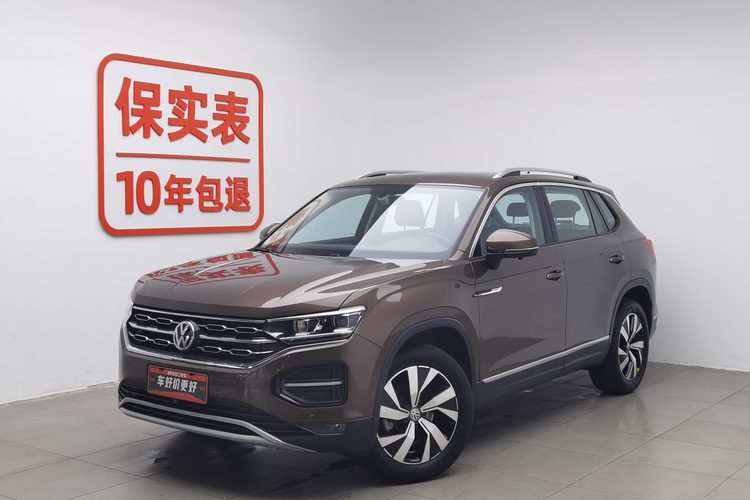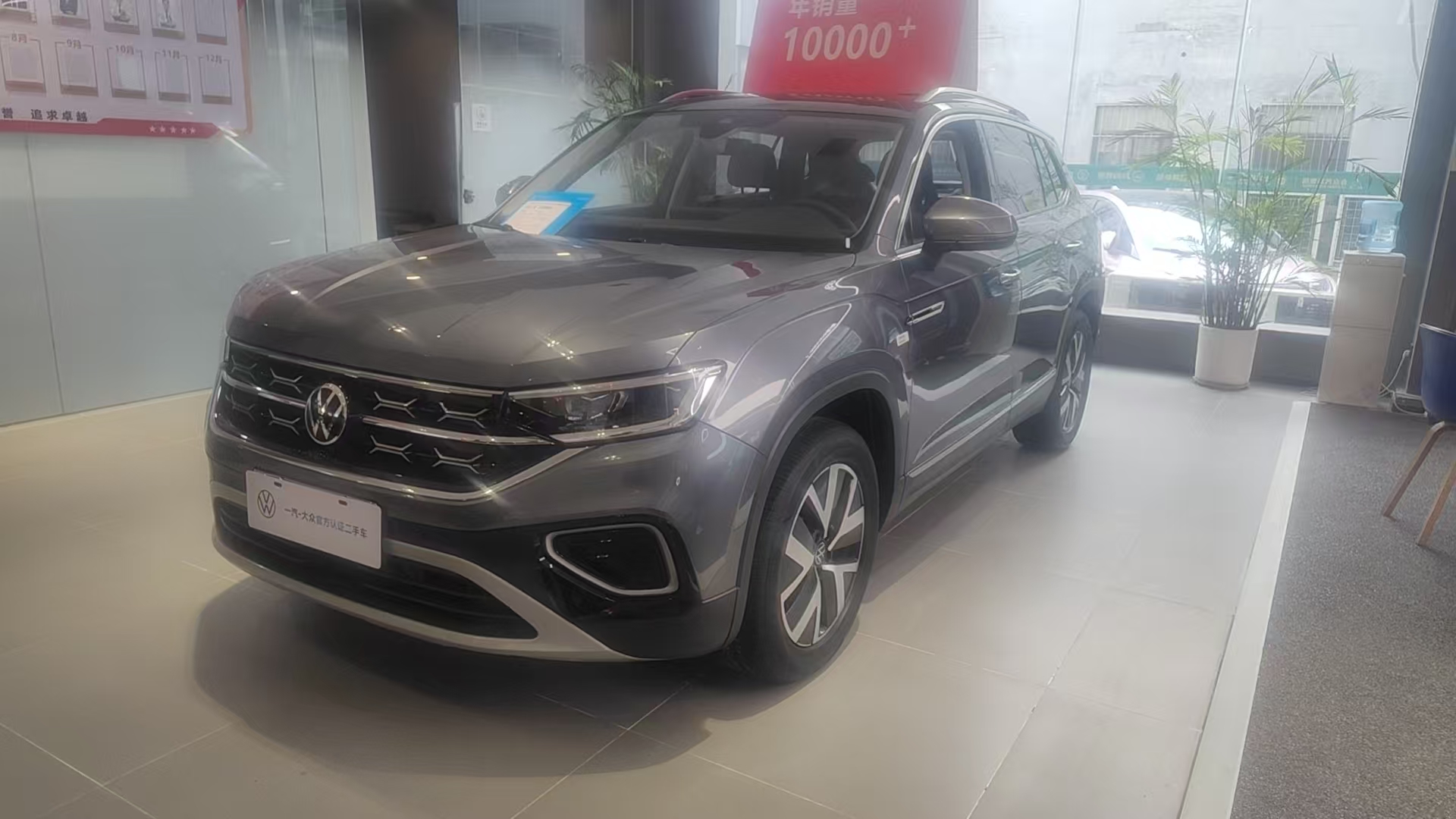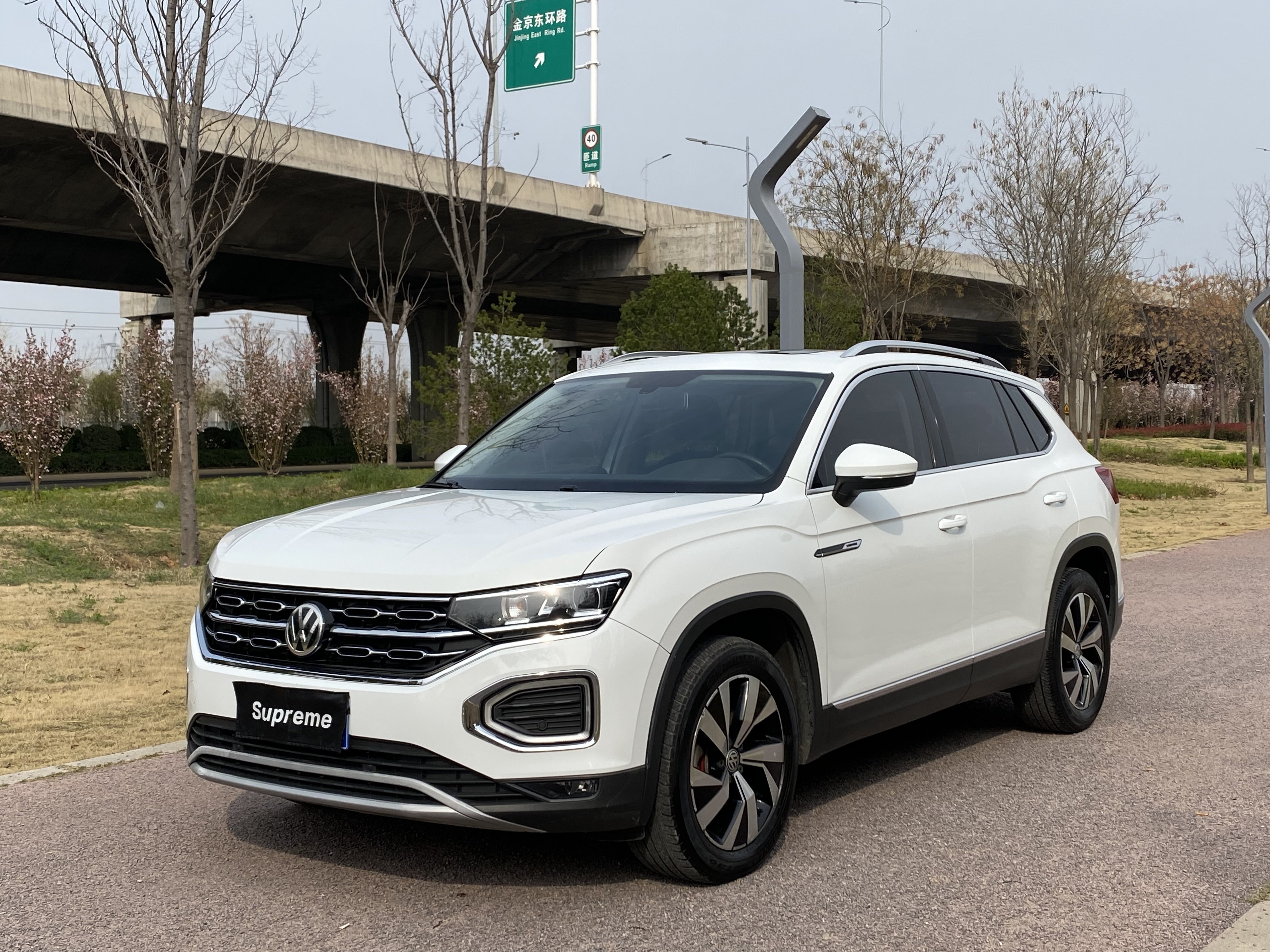
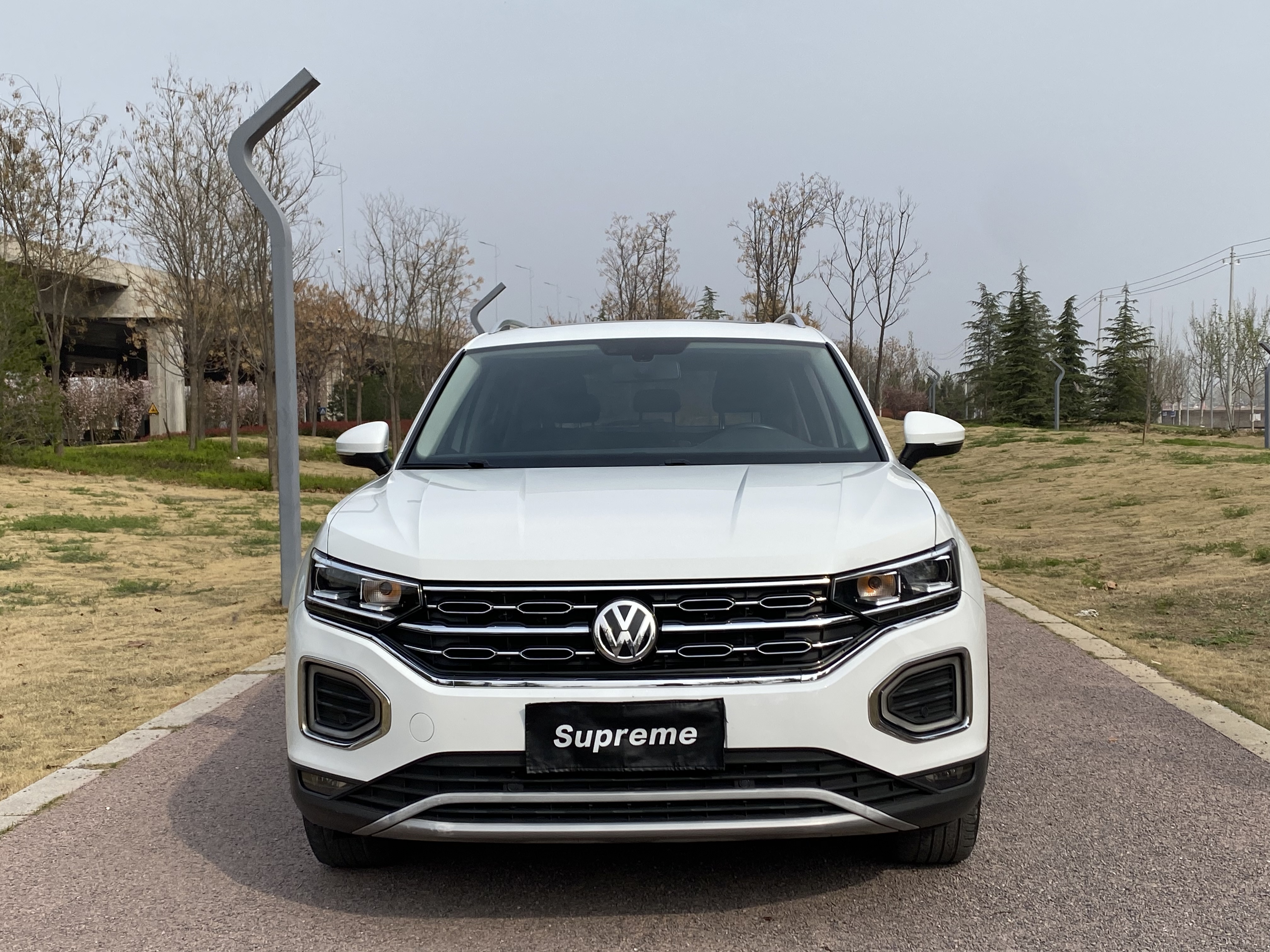
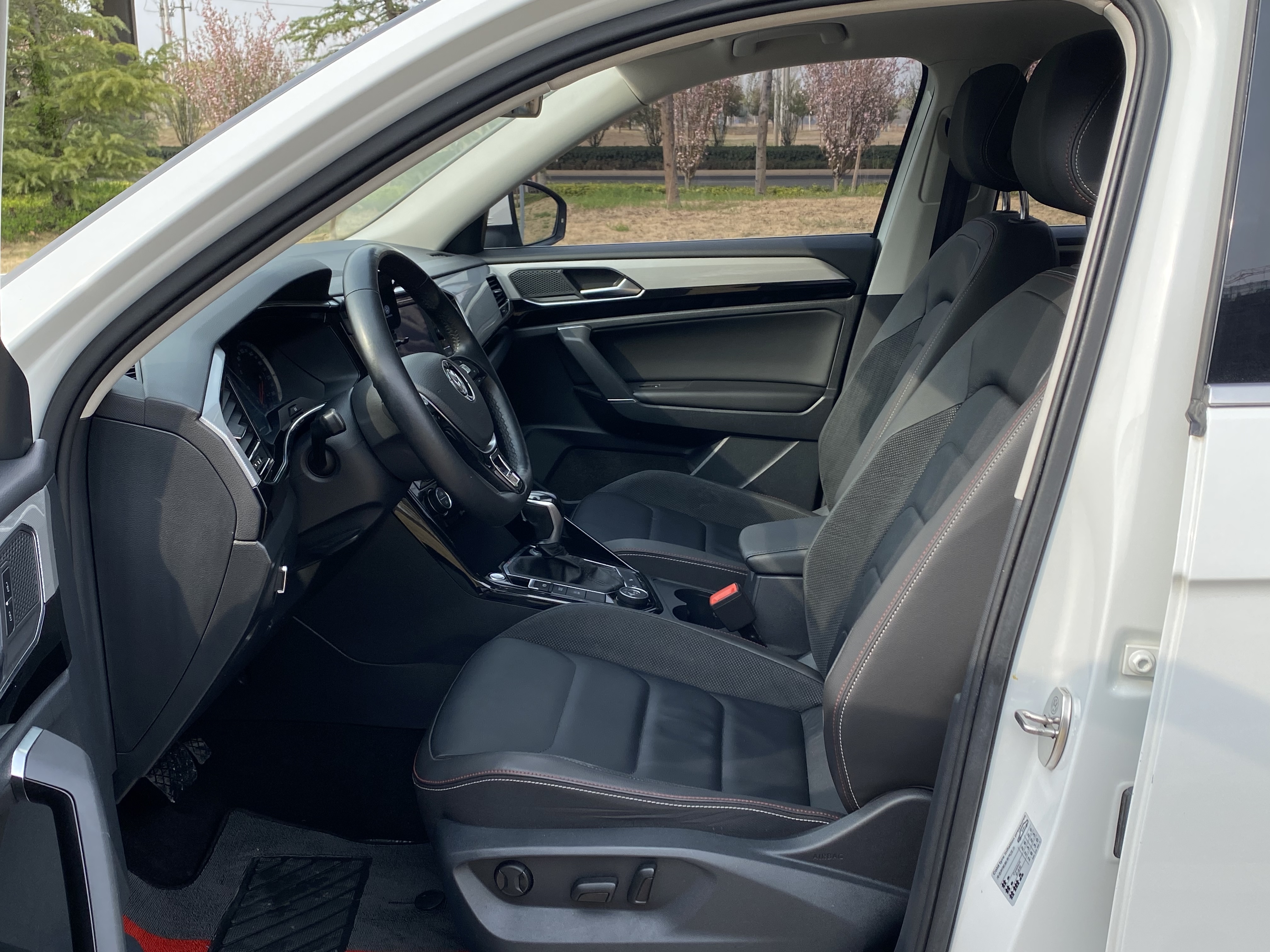
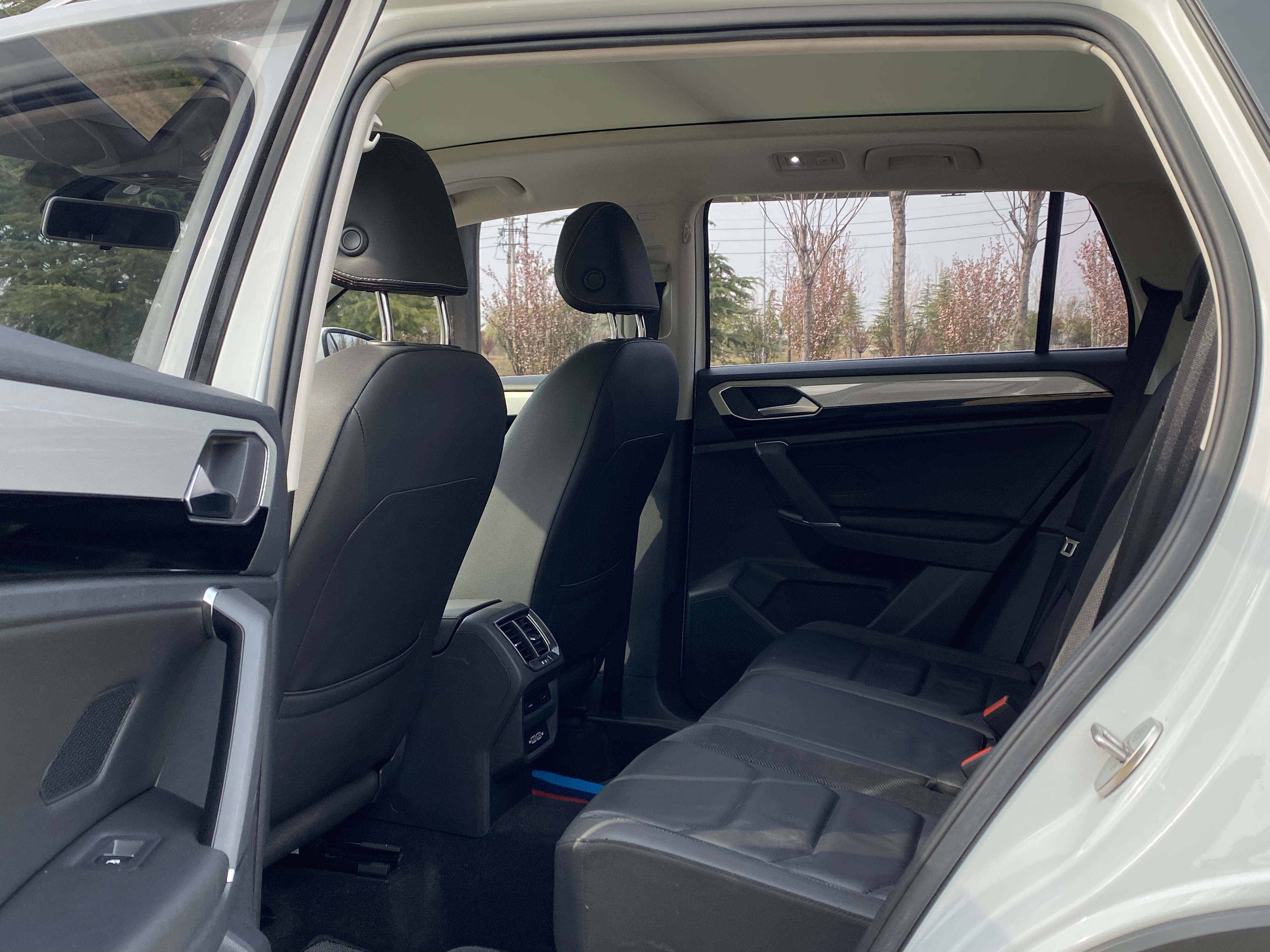
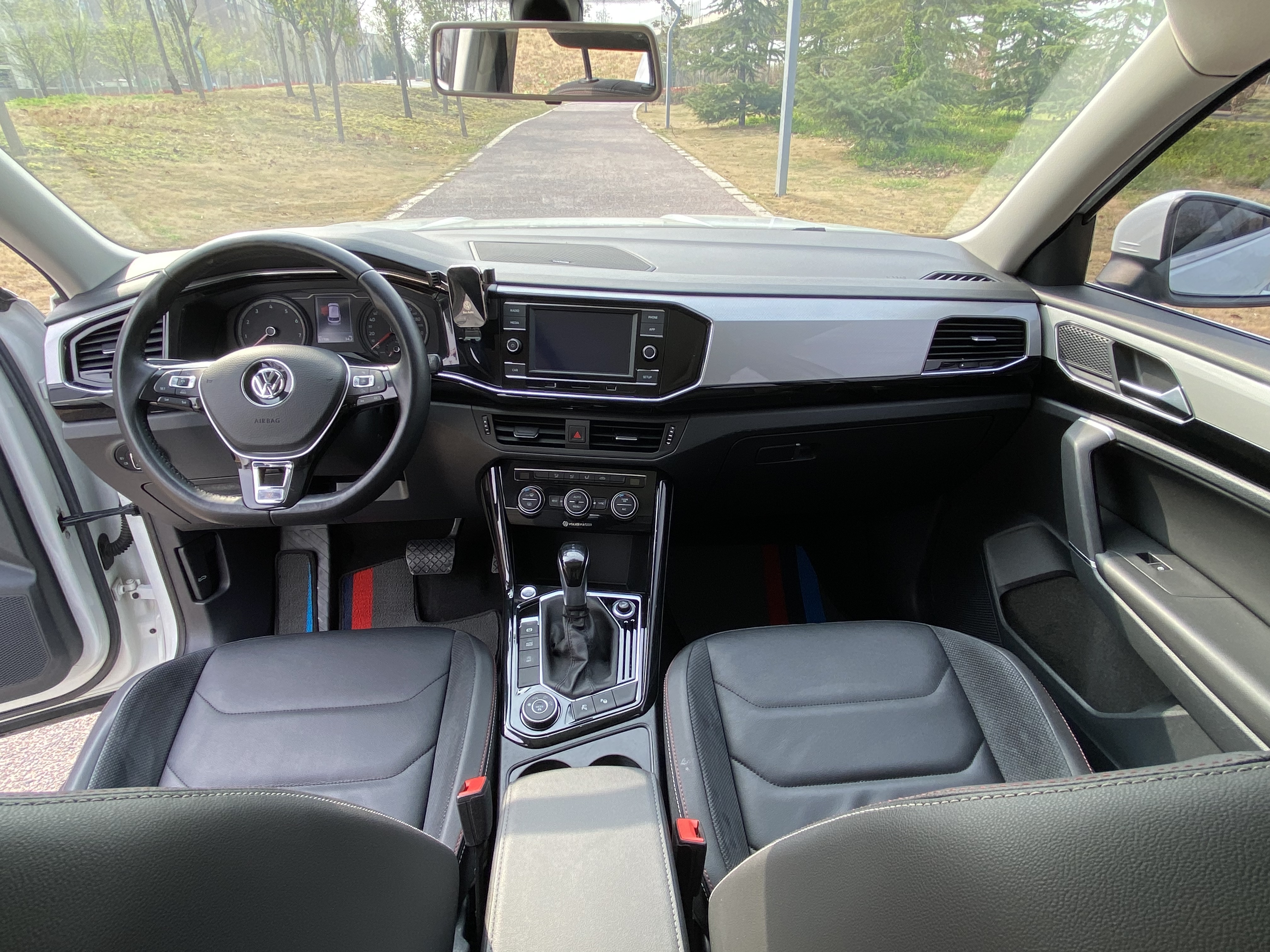
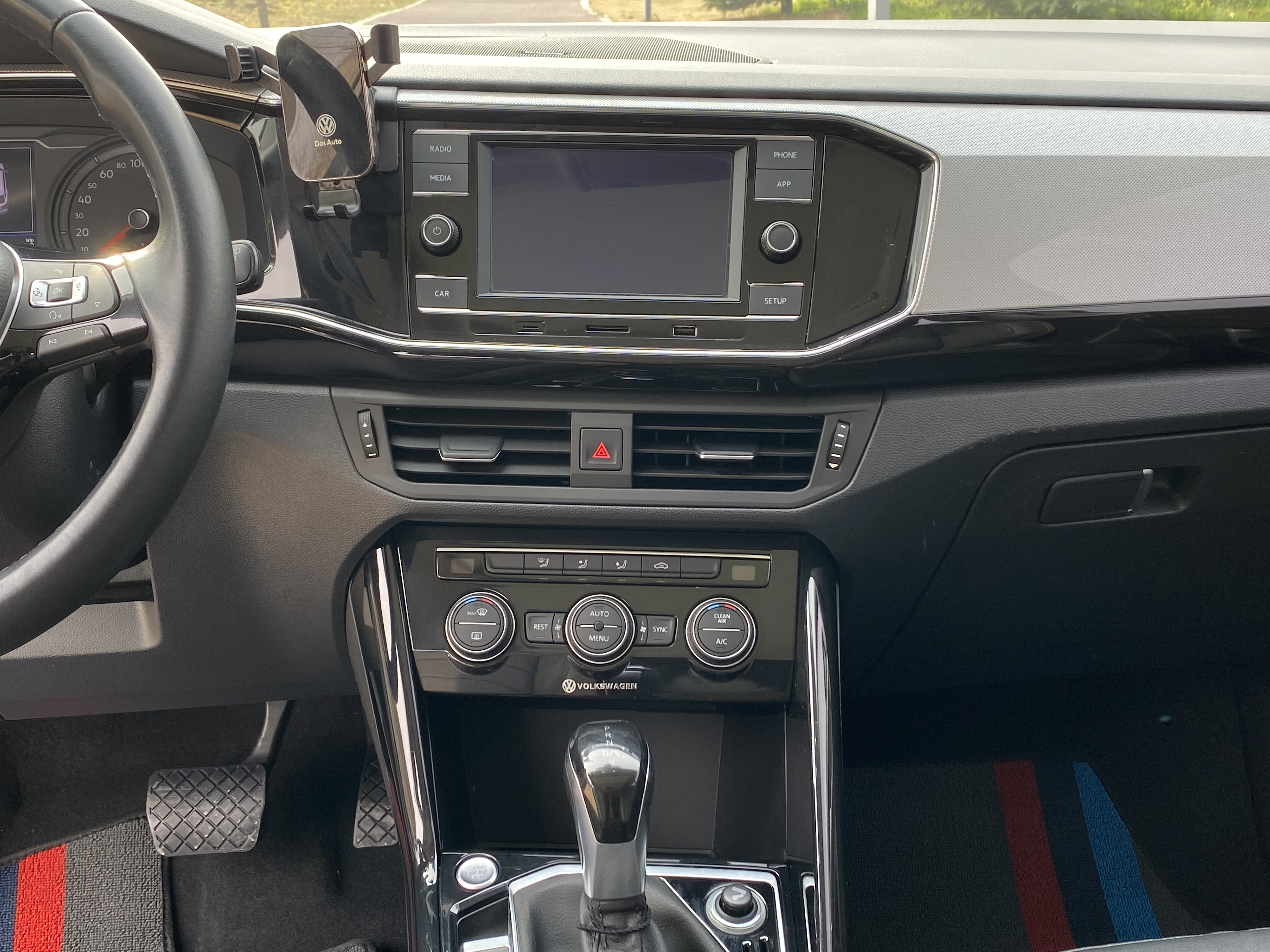
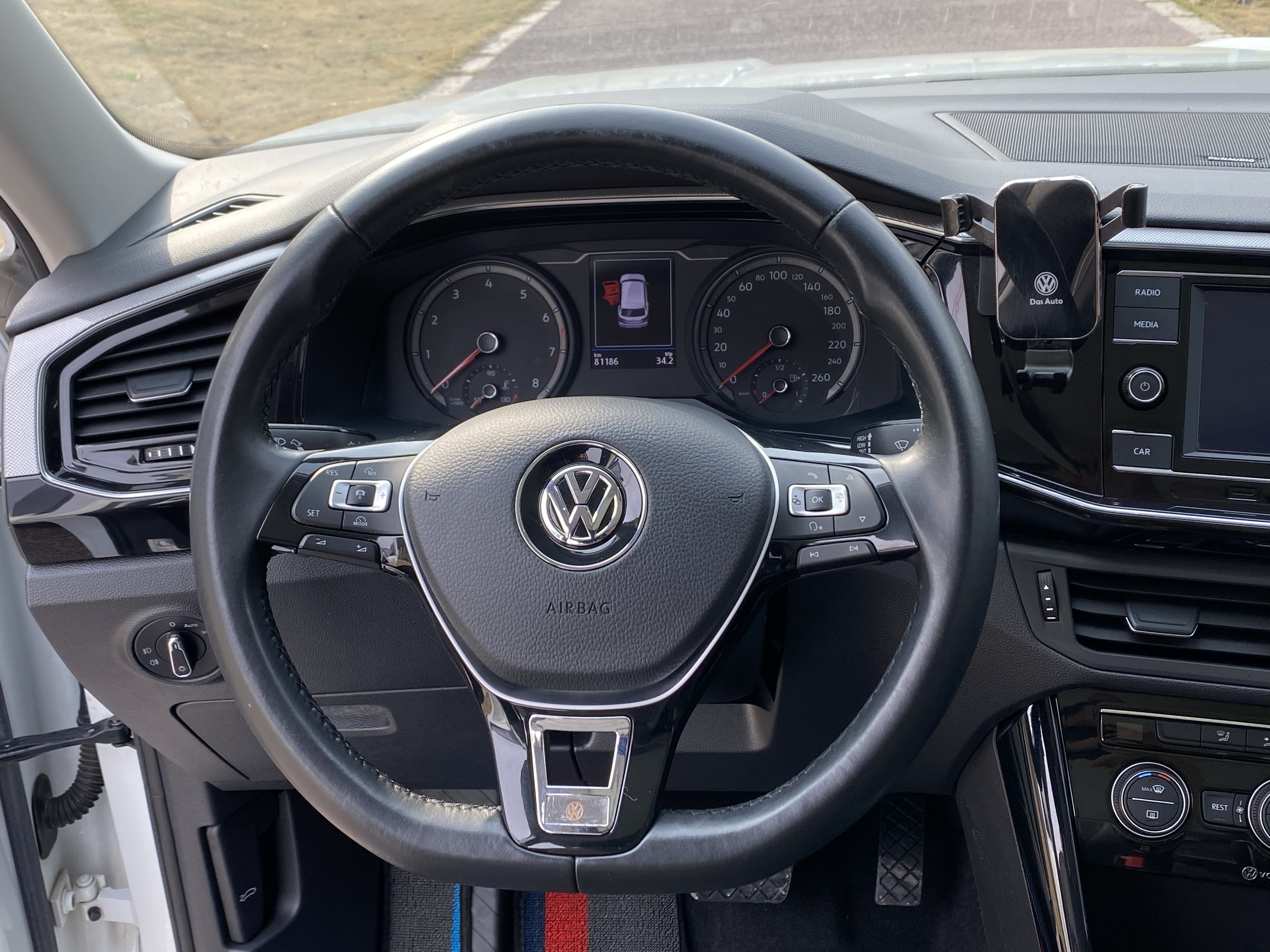
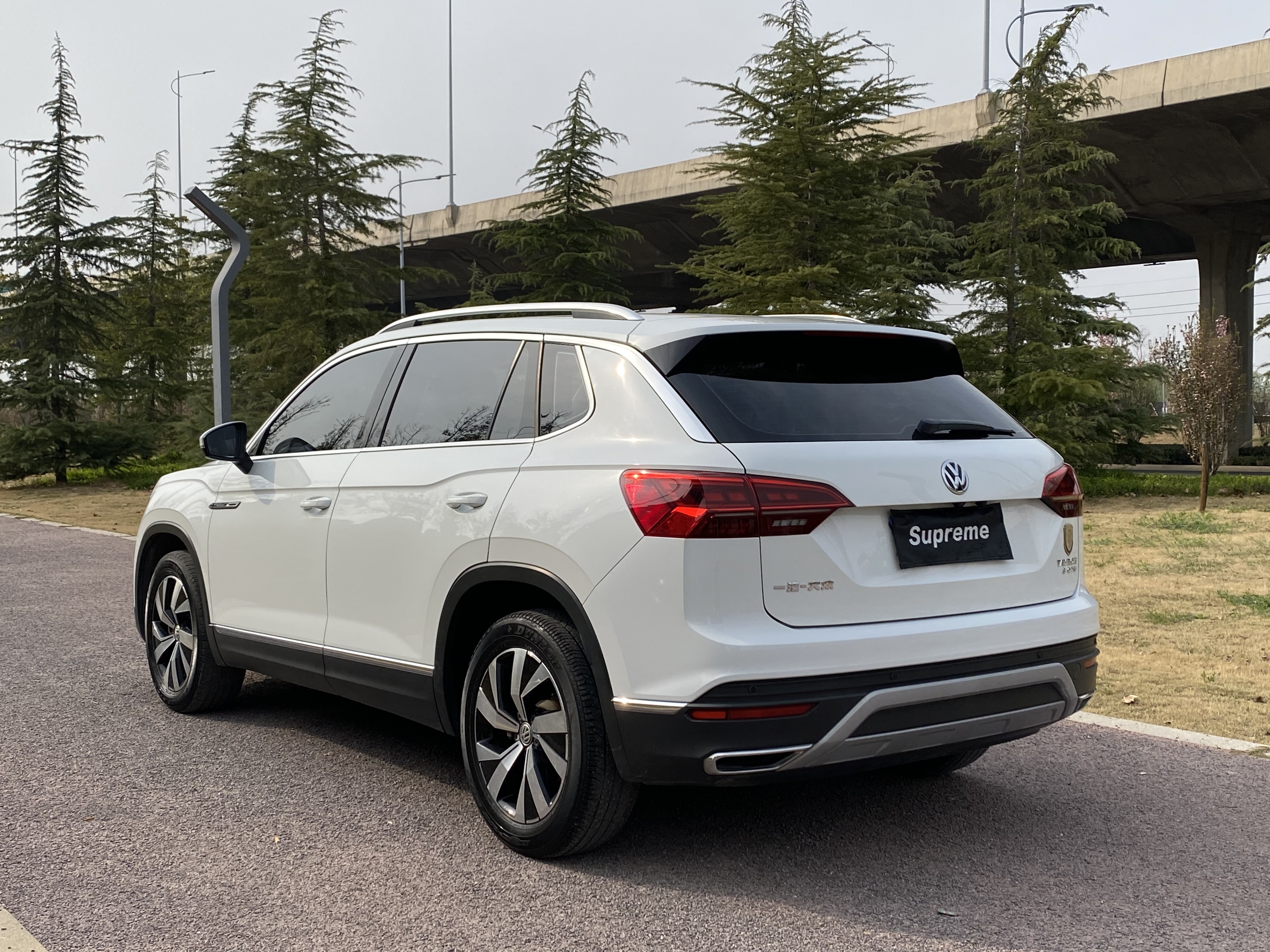
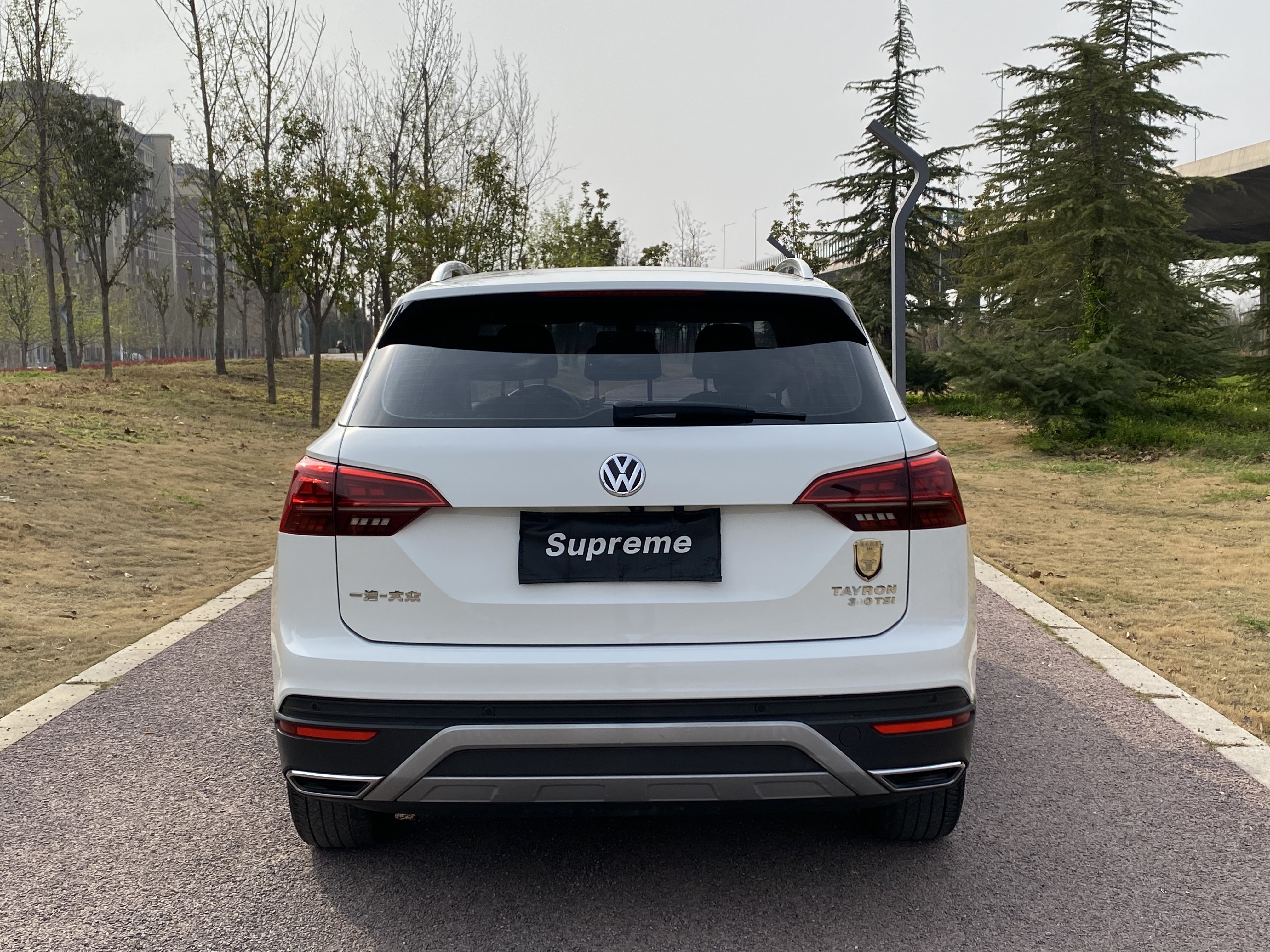
Basic Information

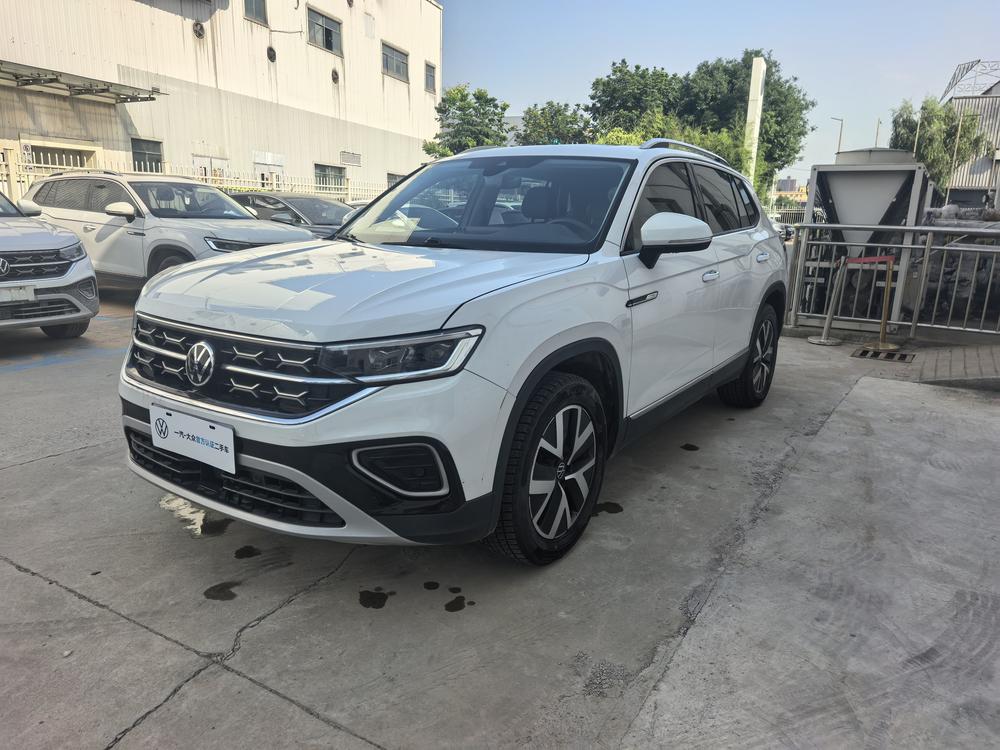
BrandVolkswagen
SeriesTayron
Year2020
First Registration2020/01
Mileage8.1km
Transfer Count-
FuelGasoline
TransmissionDCT
Engine2.0T 186 L4
ColorWhite
Seats-

Condition Description

One piece of paint repair, insurance valid until the end of the year (transfer of ownership requires return of documents, invoice amount 7.3).

Configuration Highlights

Driver/Passenger Airbags
Front/Rear Side Airbags
Front/Rear Curtain Airbags
Knee Airbags
Tire Pressure Monitoring
ISOFIX Child Seat Anchors
Keyless Start System
Keyless Entry System
ABS Anti-lock Braking
Electronic Brake Distribution
Electronic Stability Control
Hill Start Assist
Auto Hold
Hill Descent Control
Panoramic Sunroof
Roof Rack
Multifunction Steering Wheel
Seat Material
Driver/Passenger Power Seats
Rear Cupholders
Low Beam Headlights
Daytime Running Lights
Adjustable Headlight Height
Power Windows
Anti-pinch Windows
UV/Heat Insulating Glass
Climate Control Type
Rear Independent Climate Control
Rear Air Vents
Start-Stop System
Active Safety System

Q&A

More

After long-distance sea transport, does the vehicle's air conditioning refrigerant (Freon) need to be vacuumed and recharged?

If there is a minor leak in the lines due to bumps, it is possible that the cooling may not work upon arrival. This is a normal physical loss. The cost of vacuuming, pressure testing, and recharging refrigerant at a local auto repair shop is low and is the buyer's responsibility.
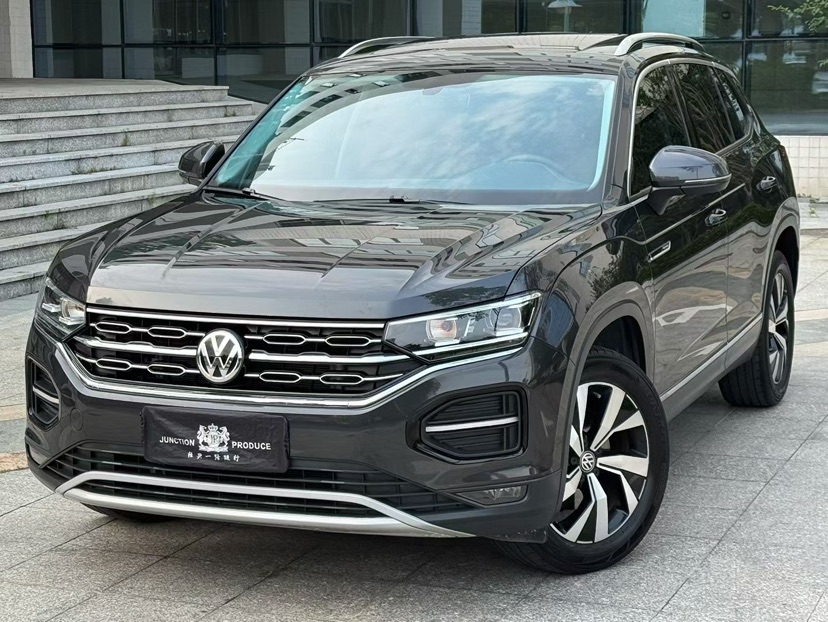
If the technical report contains highly specialized automotive mechanical terms, are there easy-to-understand English explanations?

Our foreign versions of the report standardize terminology and include illustrations. For example, instead of just writing "control arm failure," we specify "Lower Control Arm Bushing Torn" to help your local technicians identify the issue directly.

When calculating the total cost of a used car, what percentage of the car price do you recommend setting aside for "unforeseen local preparation costs"?

Based on practical risk assessment, we strongly recommend setting aside 3% to 5% of the car price as a buffer fund for even the highest-rated used cars, to cover oil changes, new tires, minor shipping scratches, and local inspection labor costs.