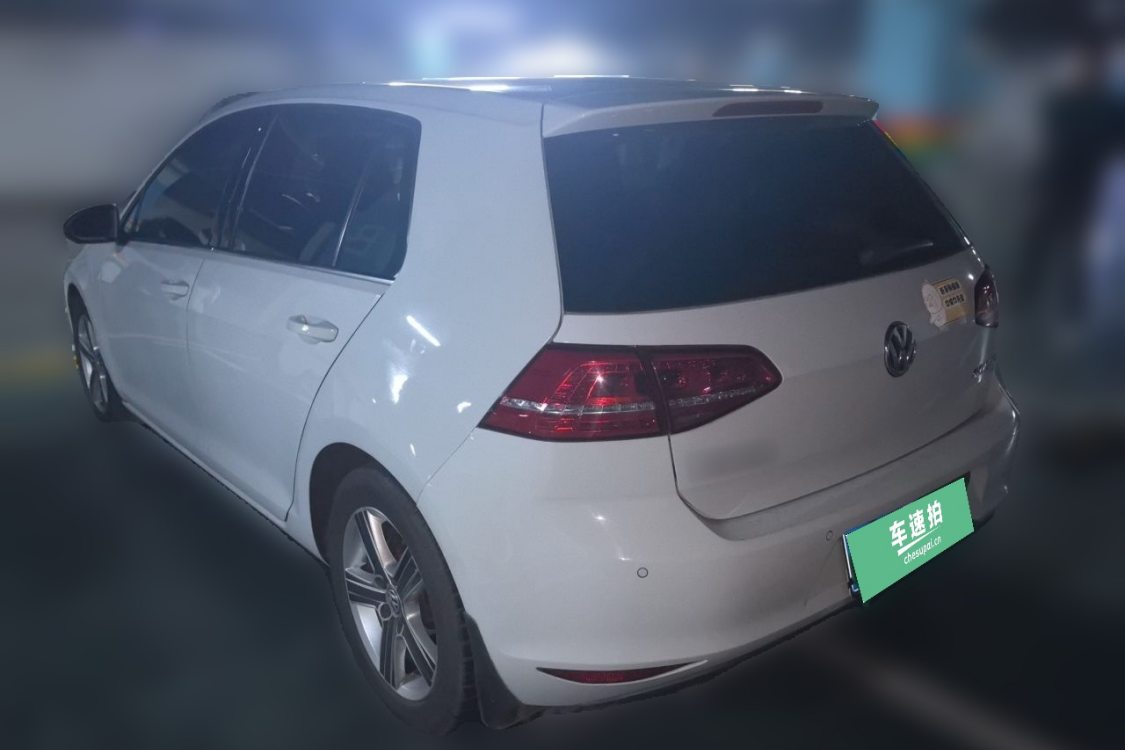
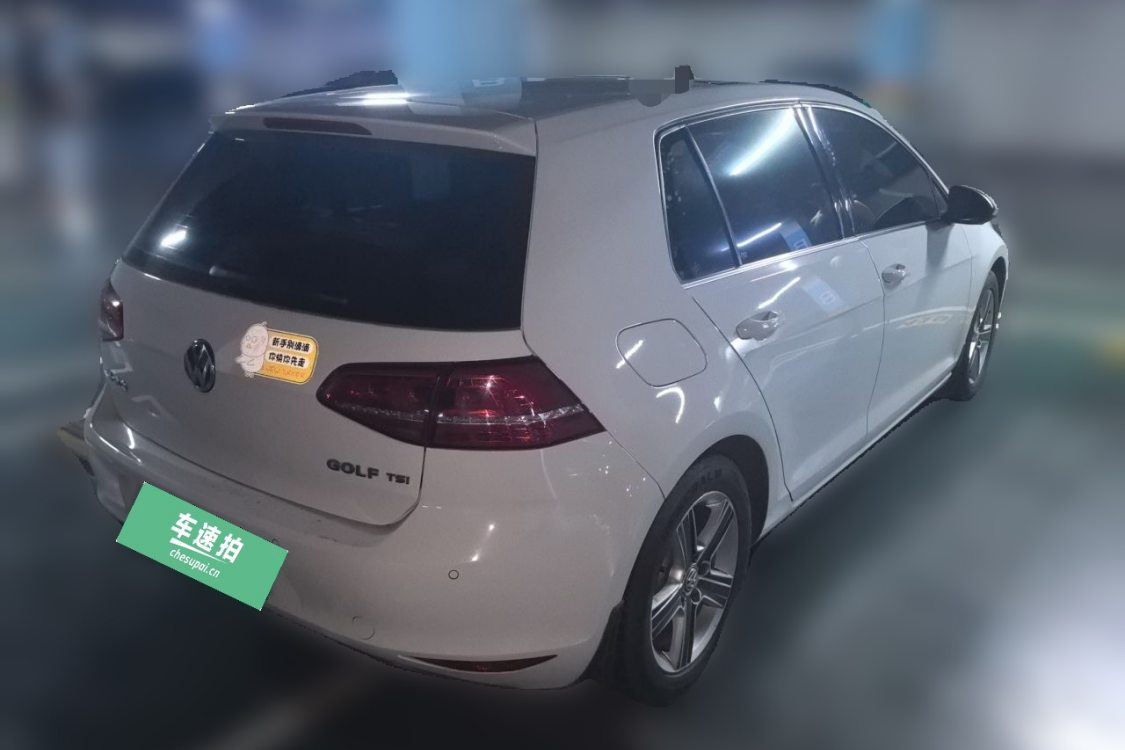
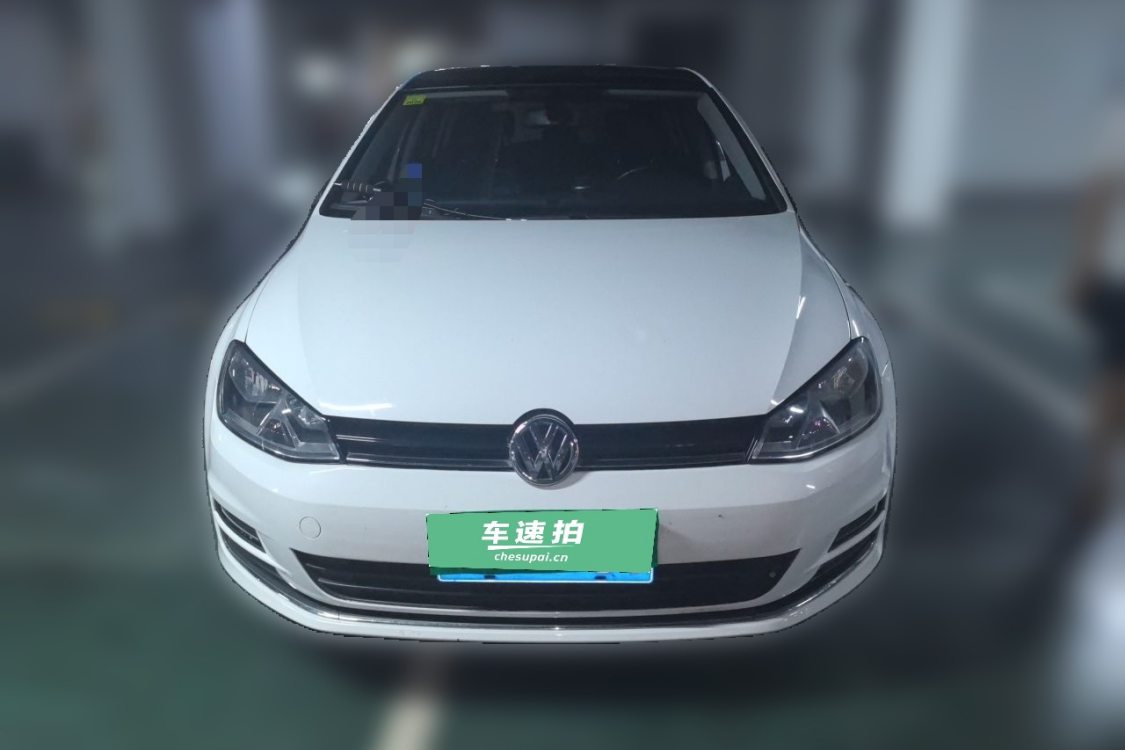
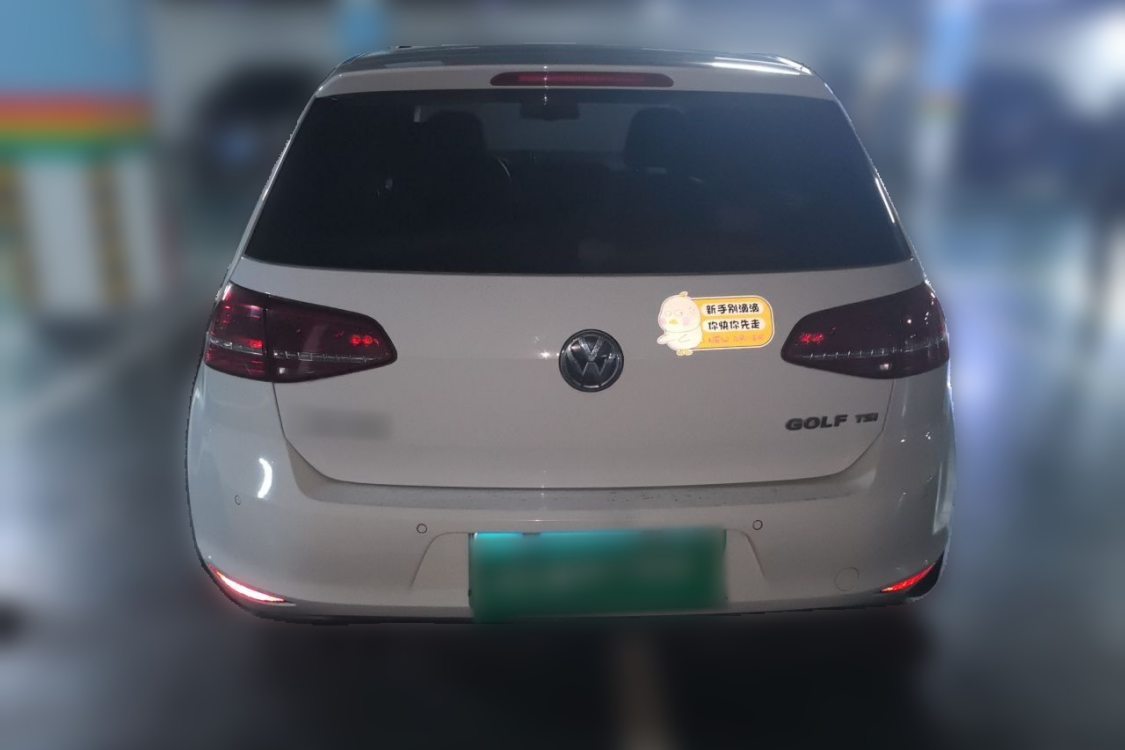
24H

Basic Information

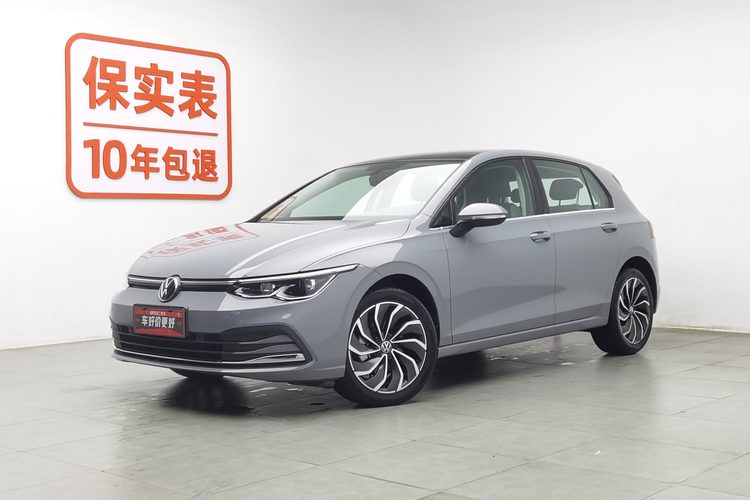
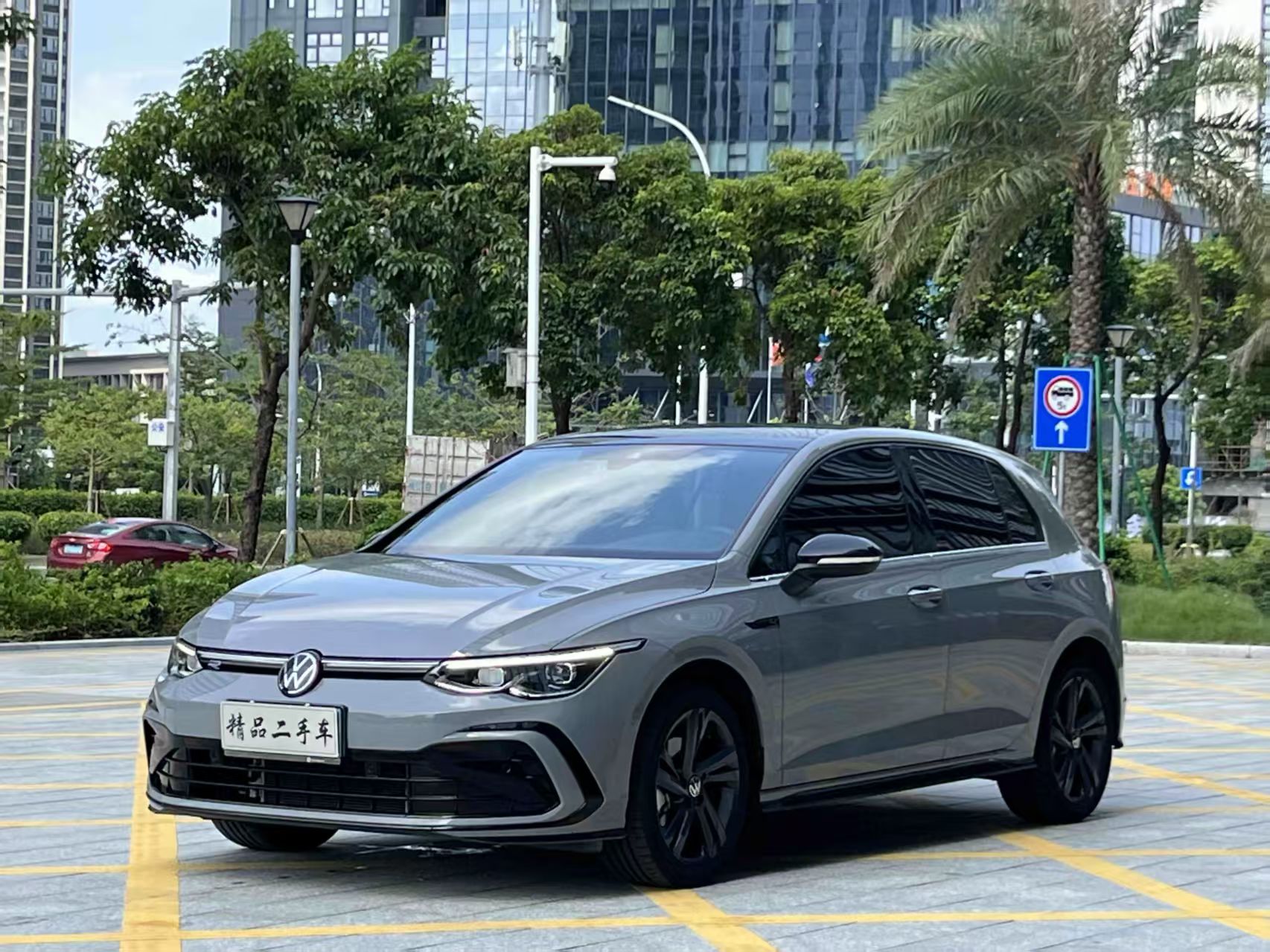
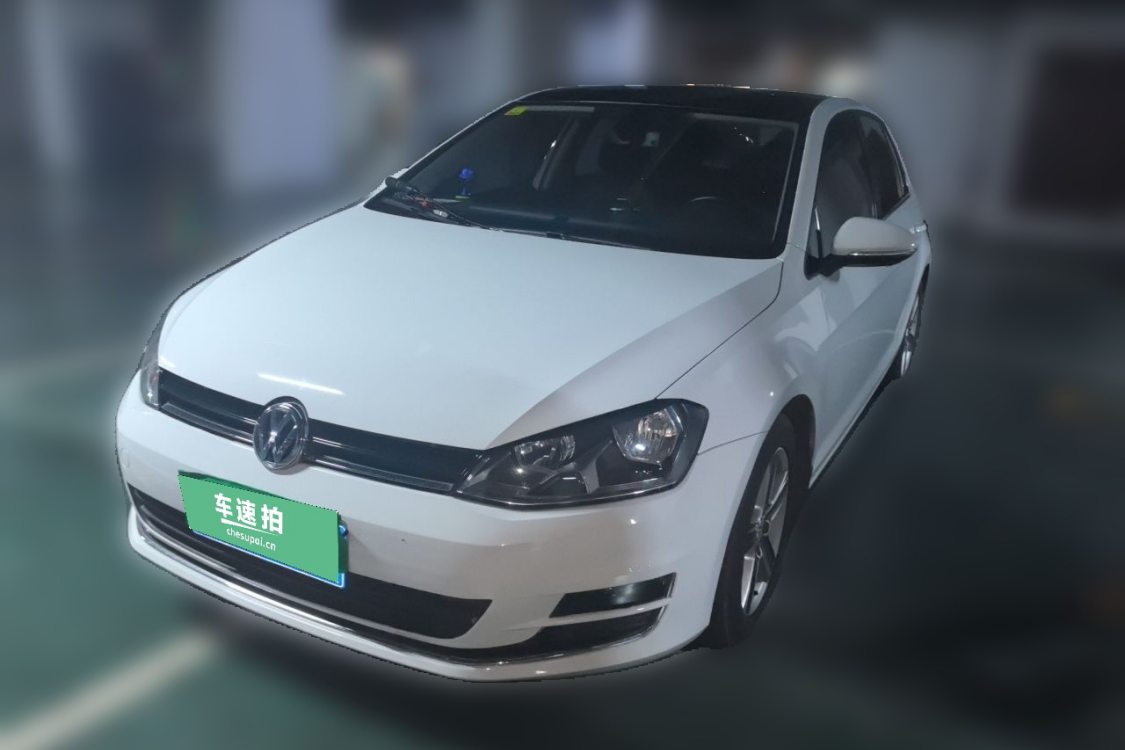
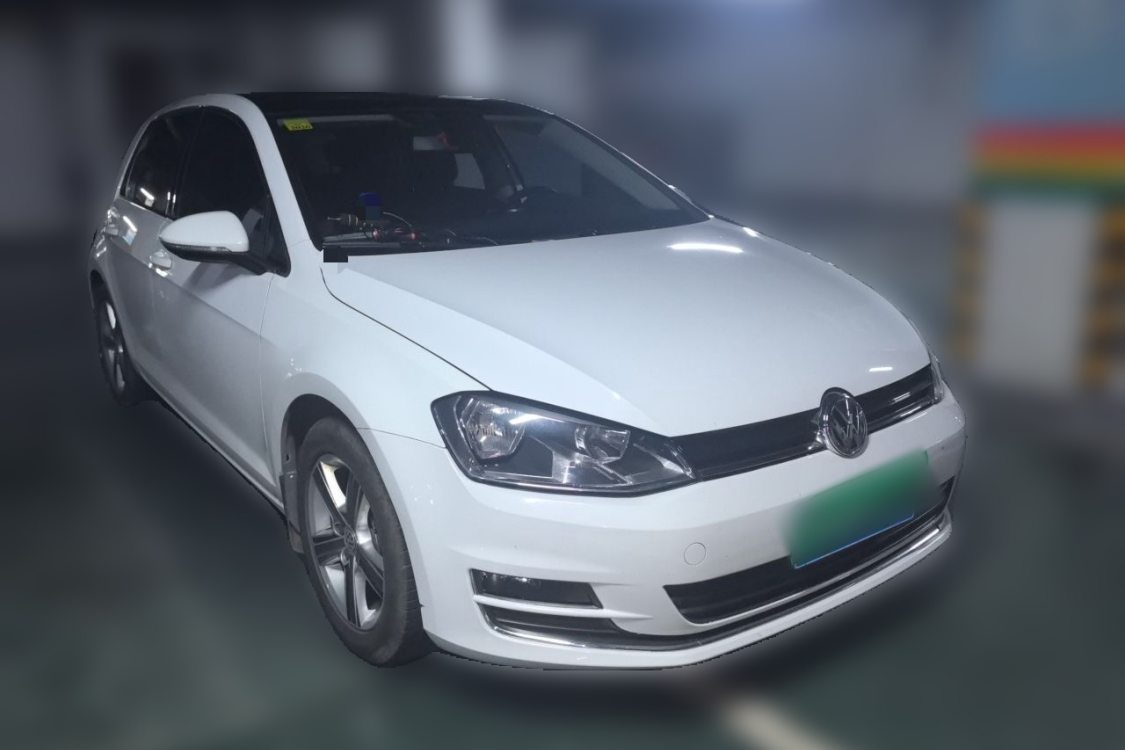
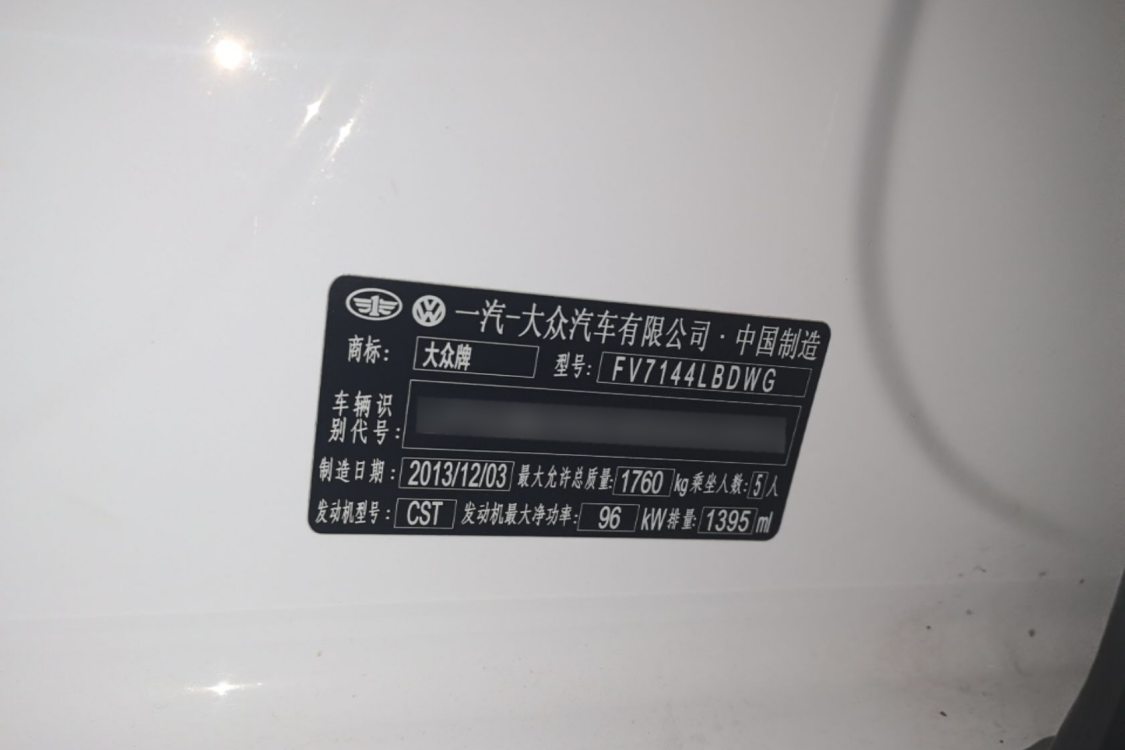
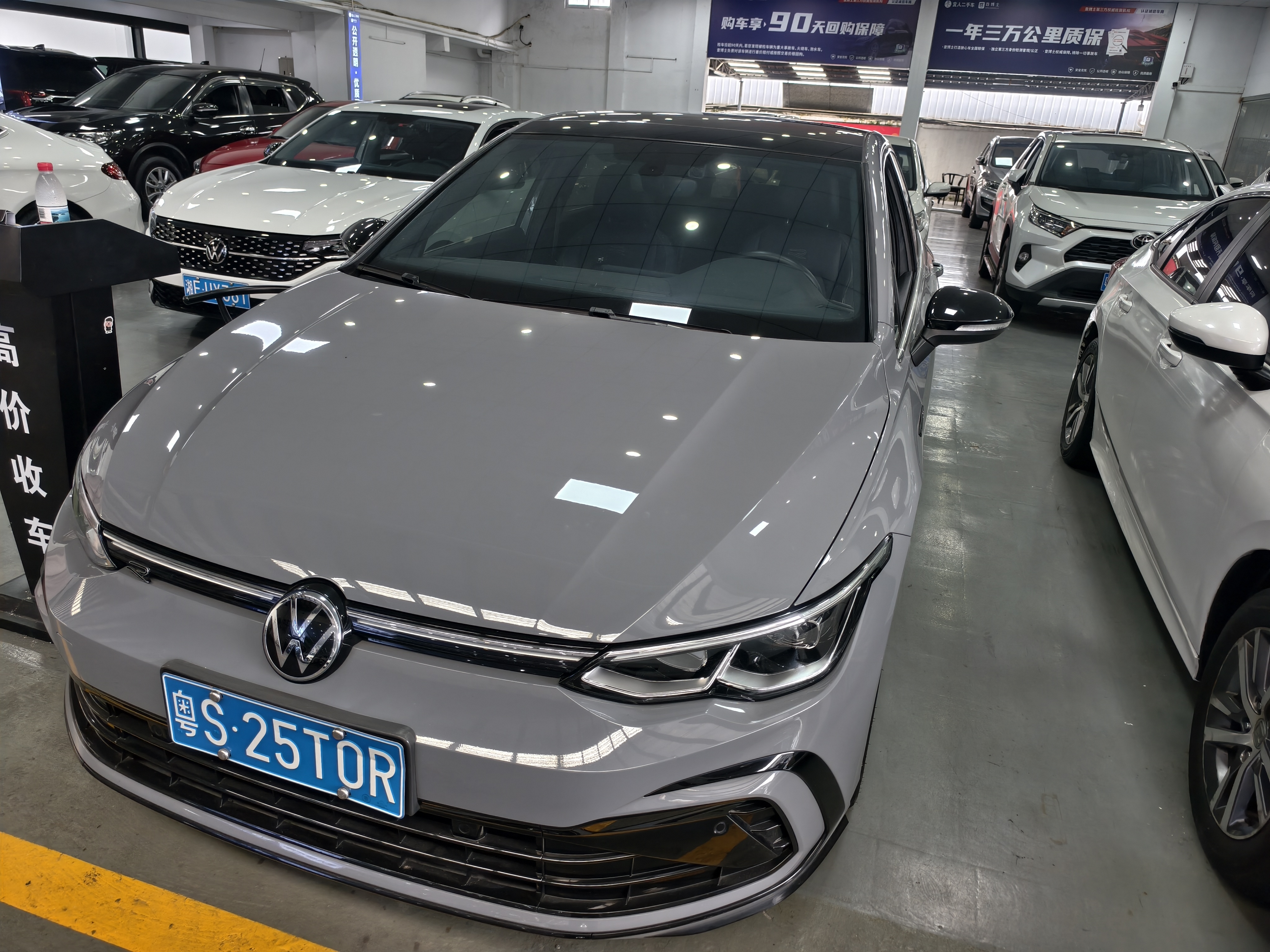
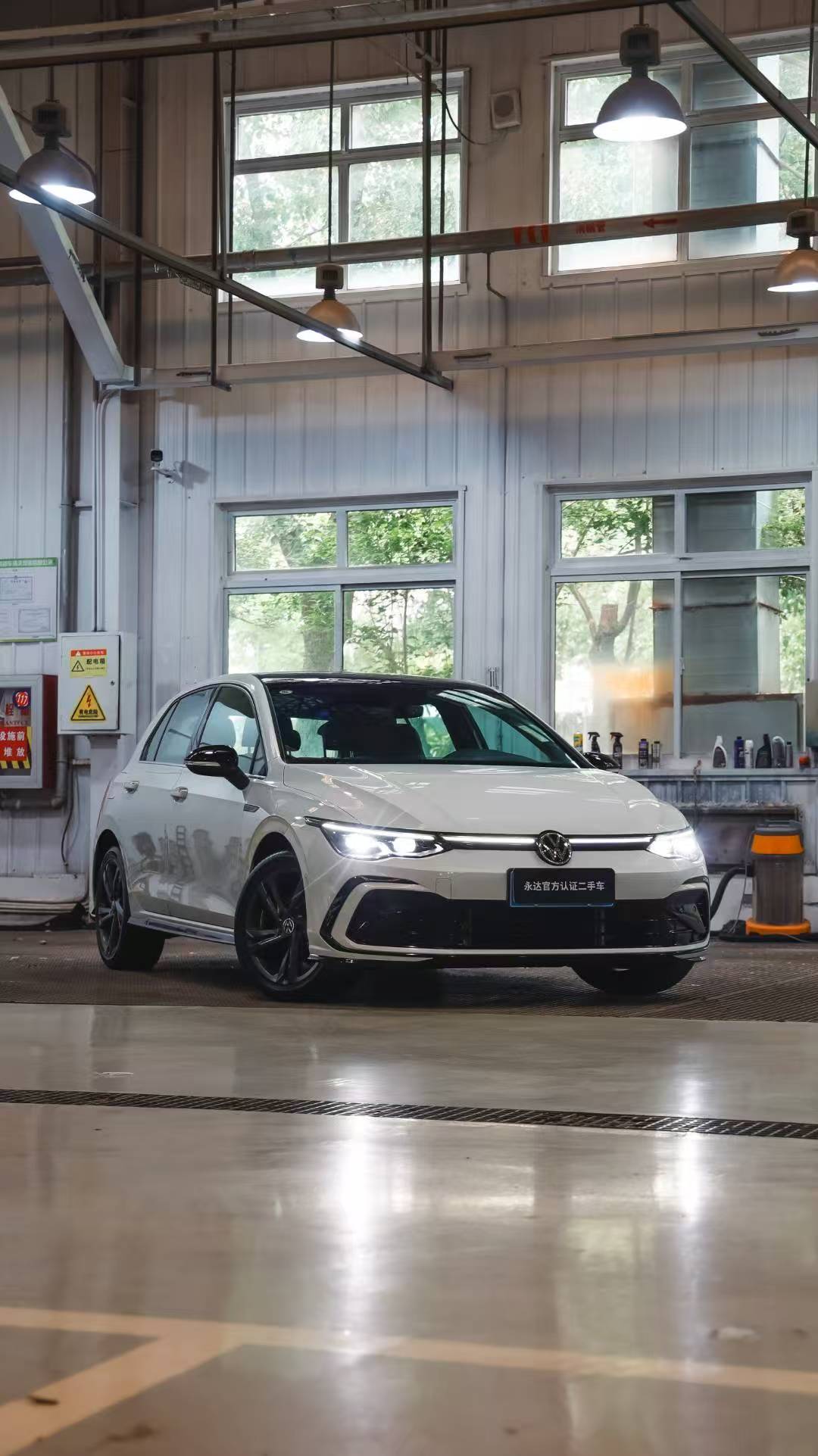
BrandVolkswagen
SeriesGolf
Year2014
First Registration2014/01
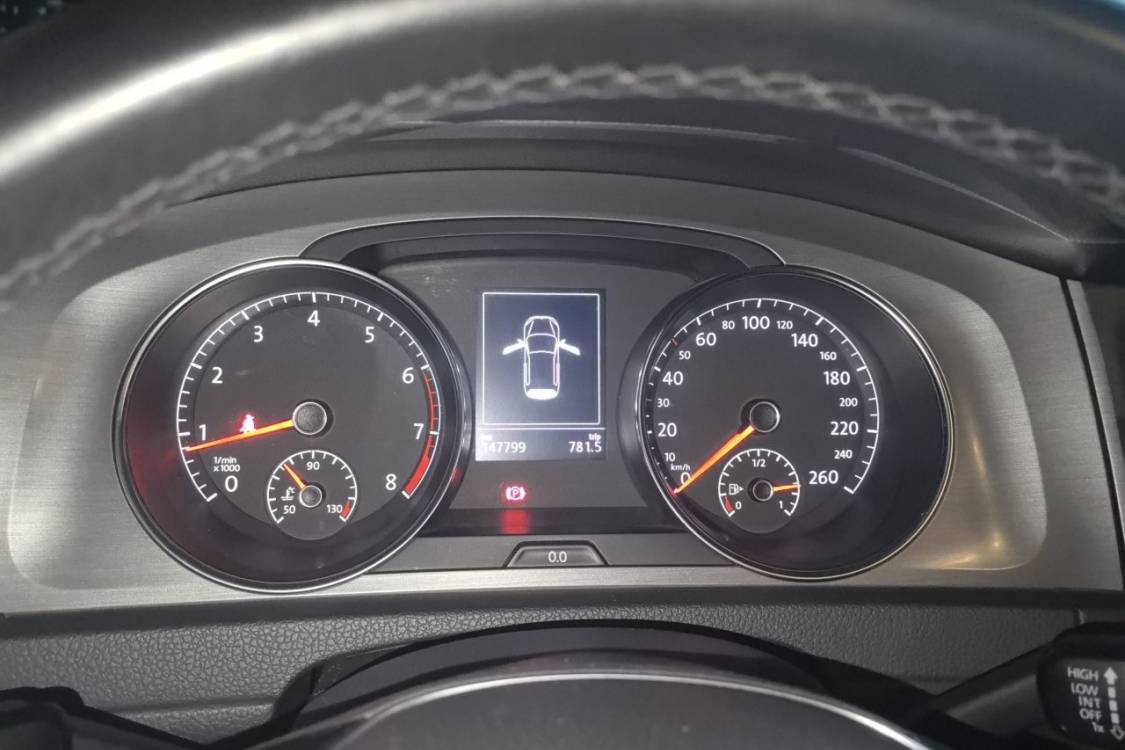
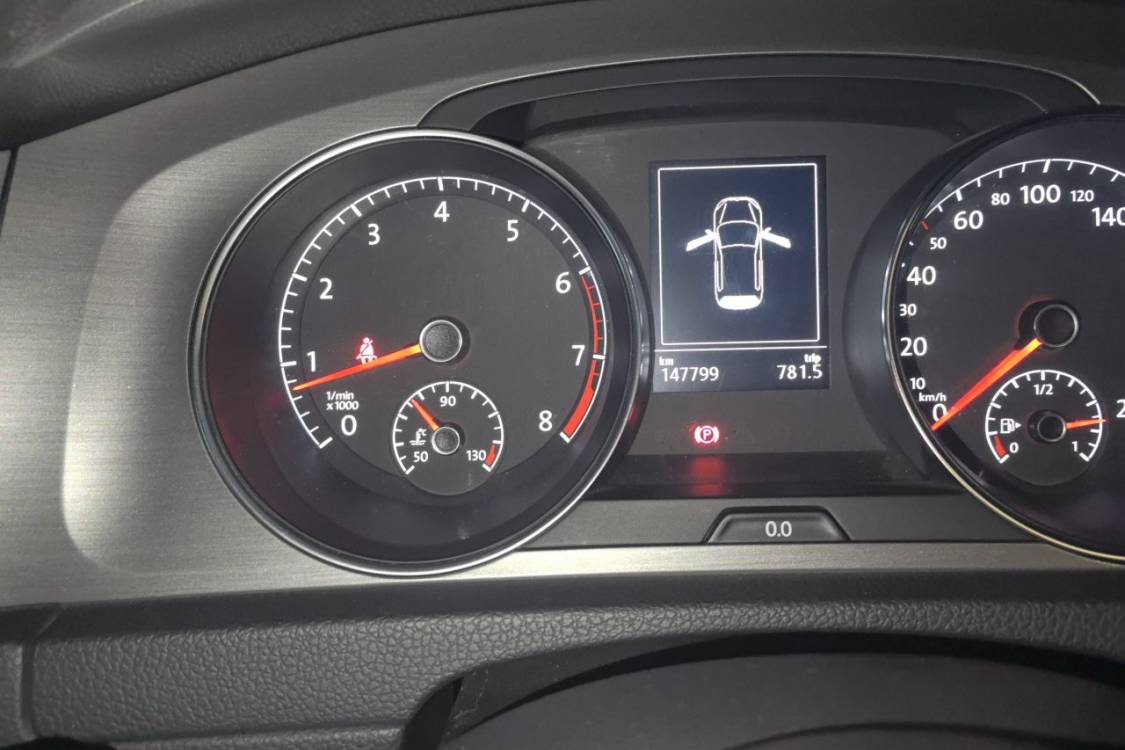
Mileage147,700km
Transfer Count1times
FuelGasoline
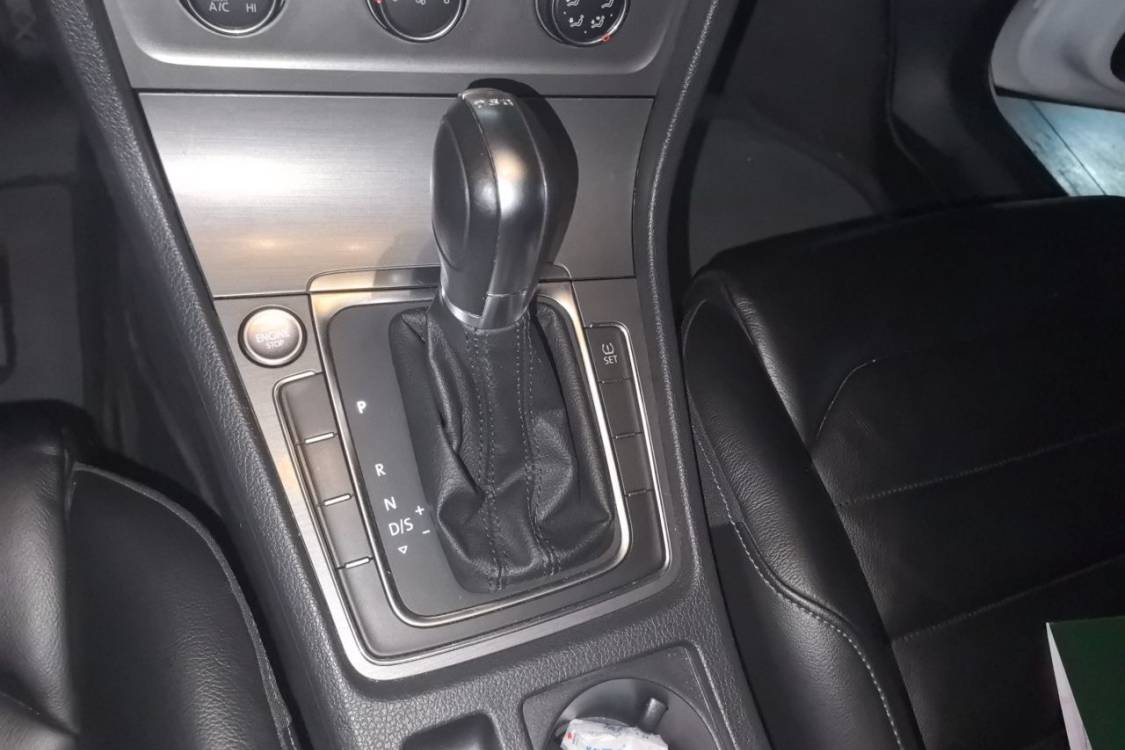
TransmissionDCT
Engine1.4T 131 L4
ColorWhite
Seats-

Condition Description

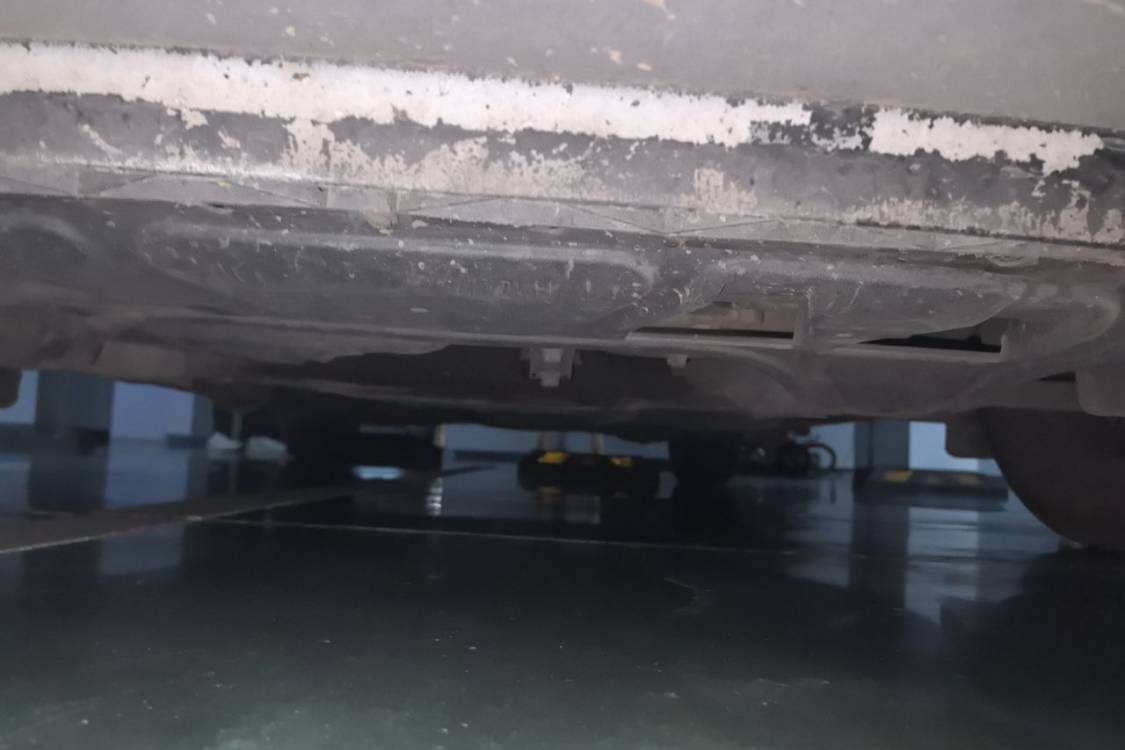
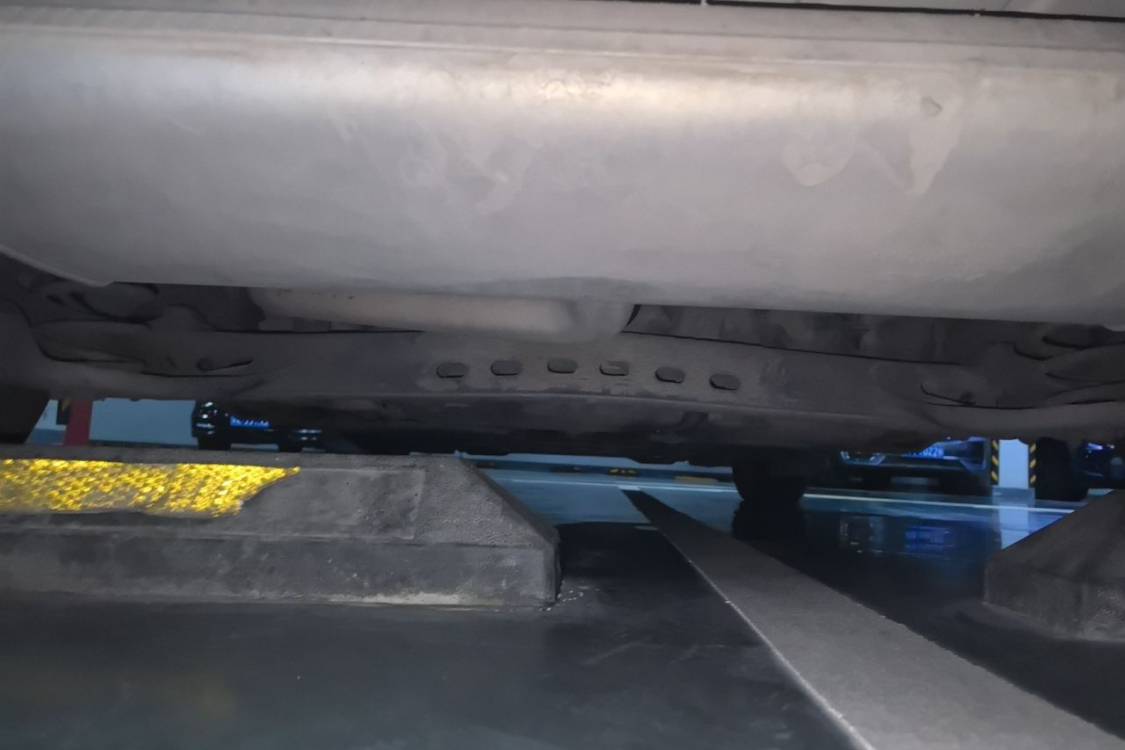
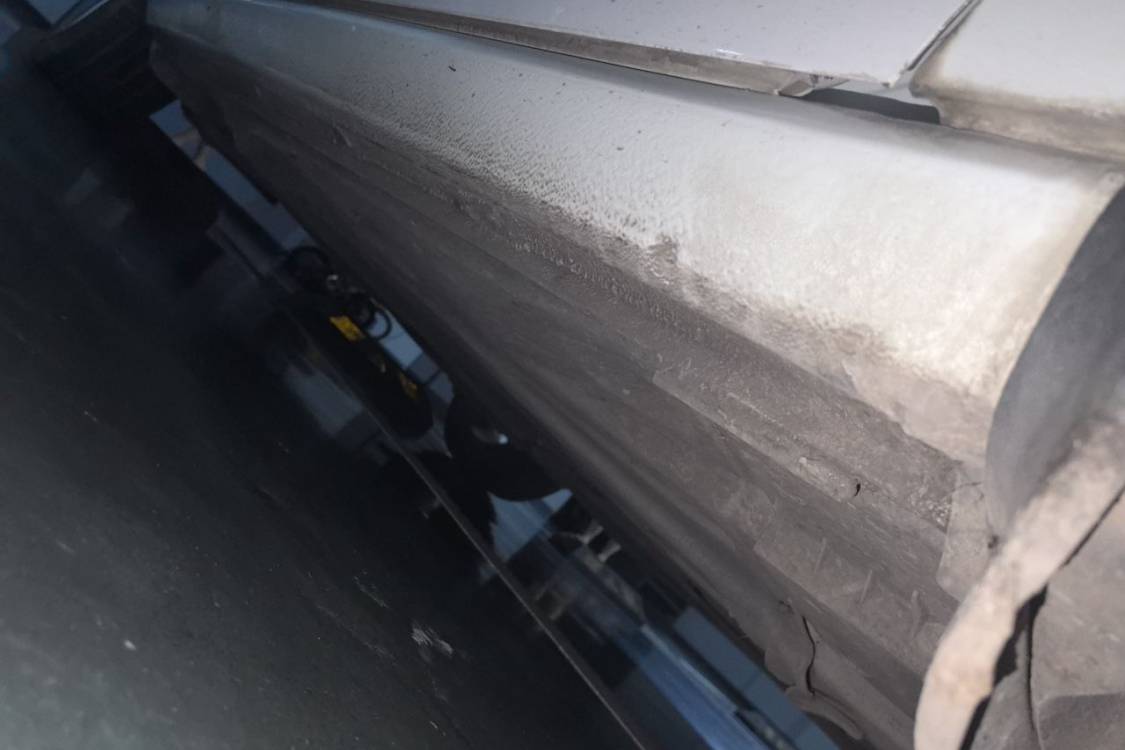
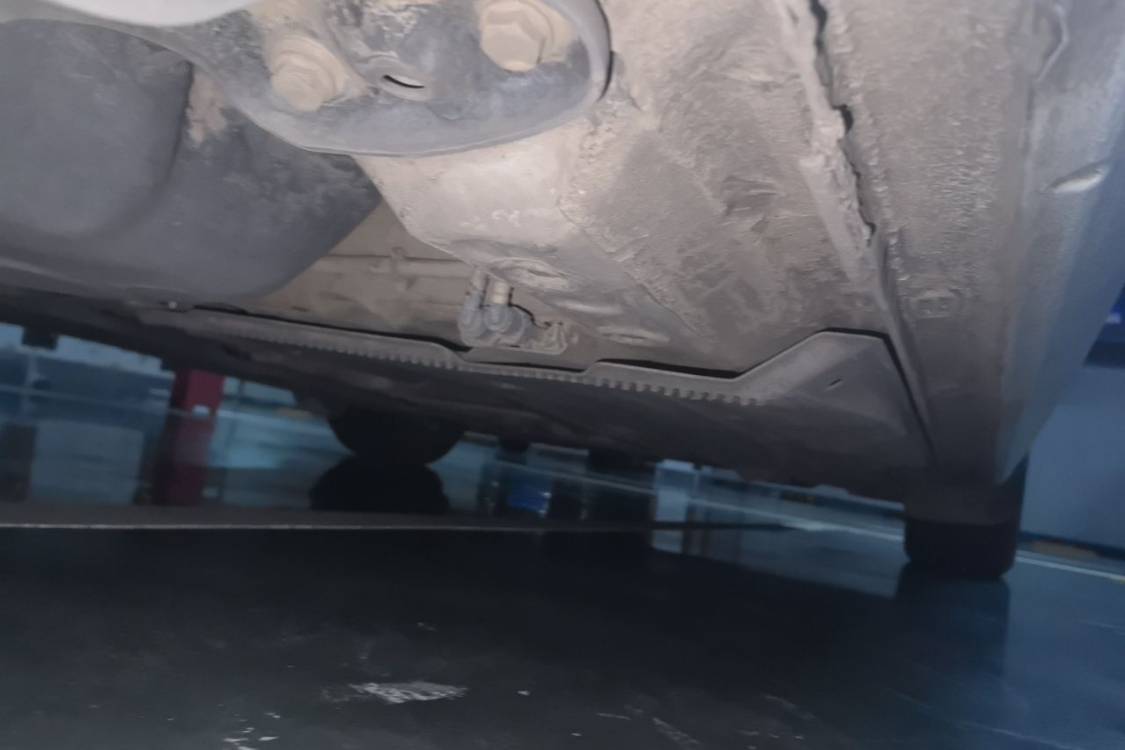
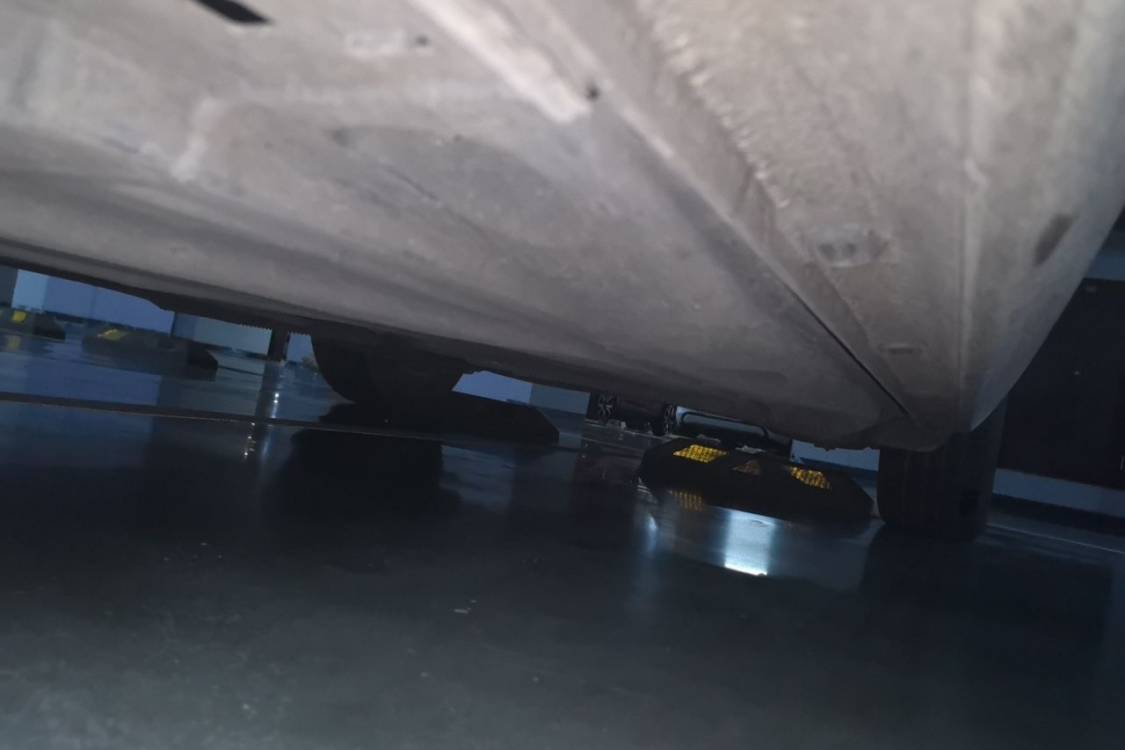
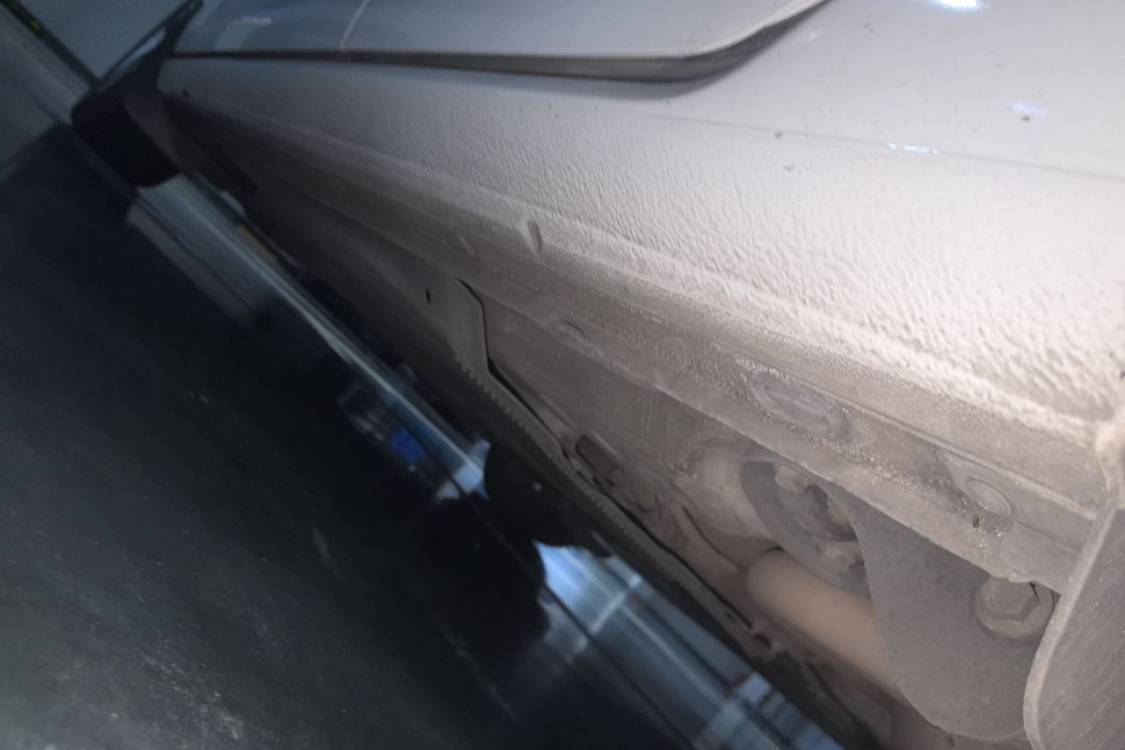
Vehicle has major accident/fire/flood damage or major defects in power battery components (structural, reinforced, or panel parts), repaired or unrepaired, still affecting body structural strength or safe use, with hidden fault risks.

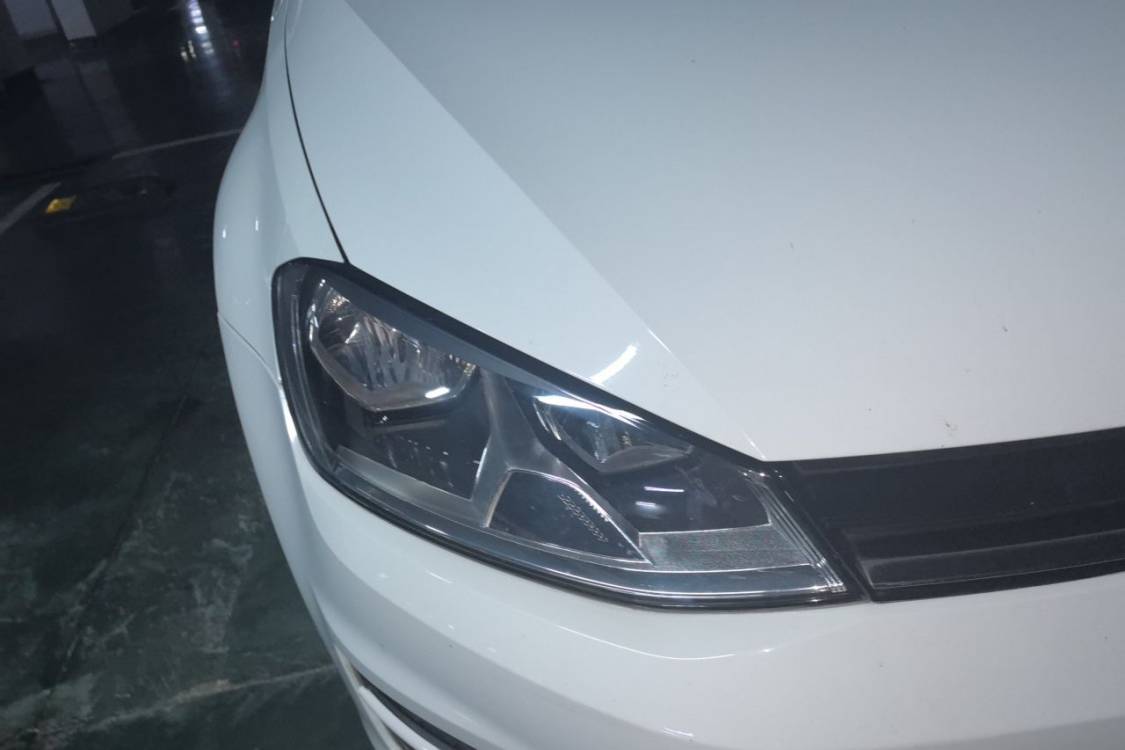
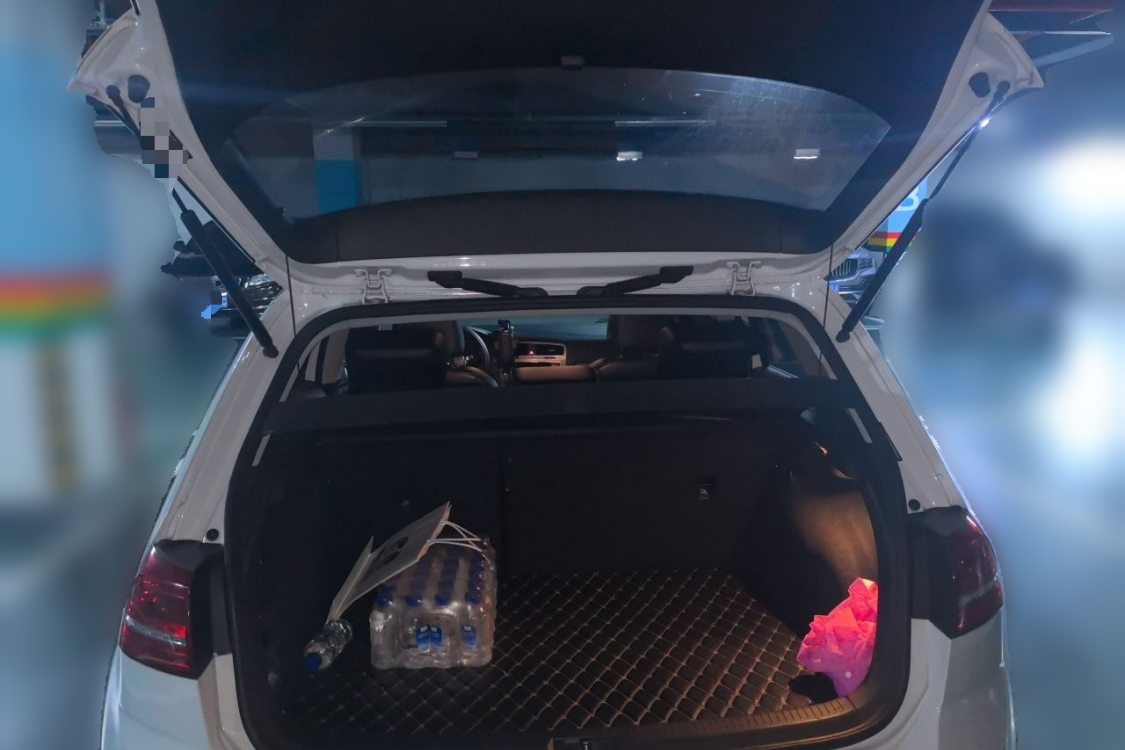
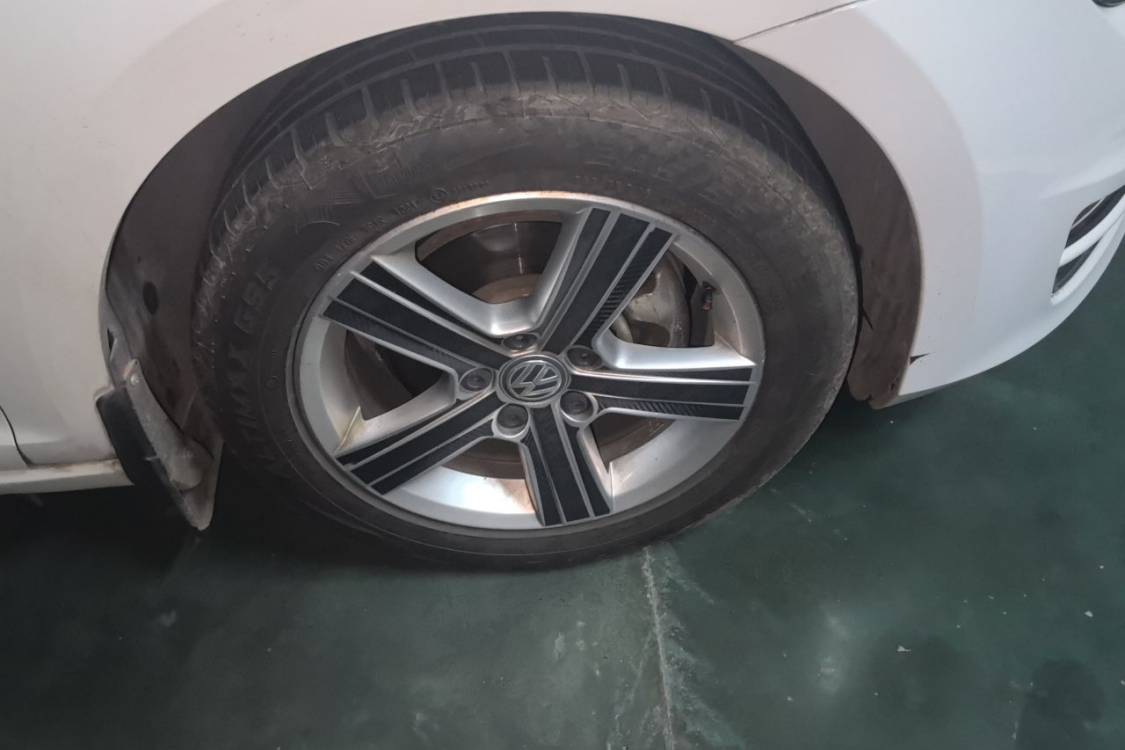
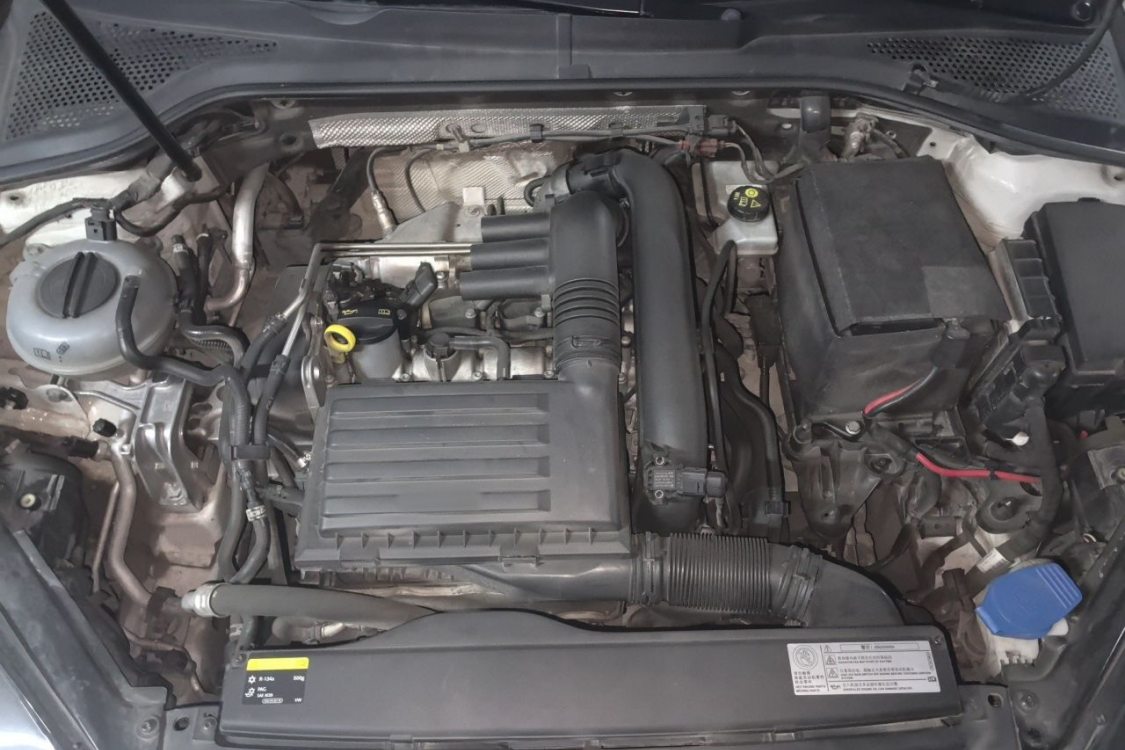
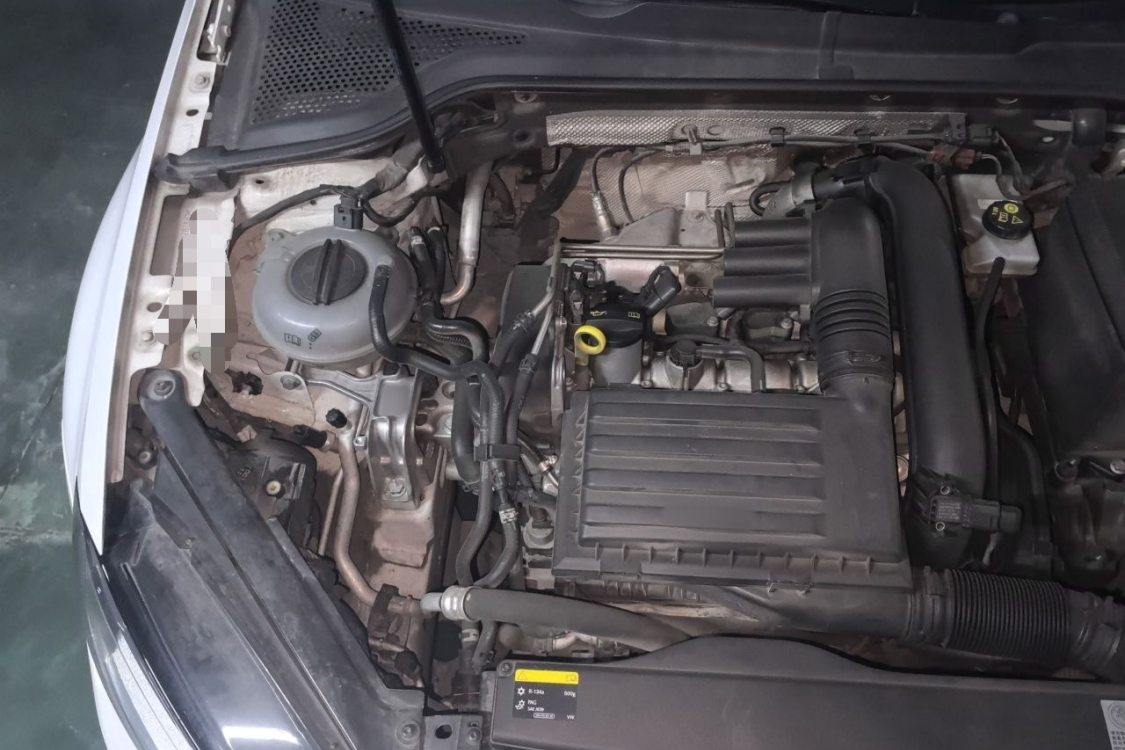
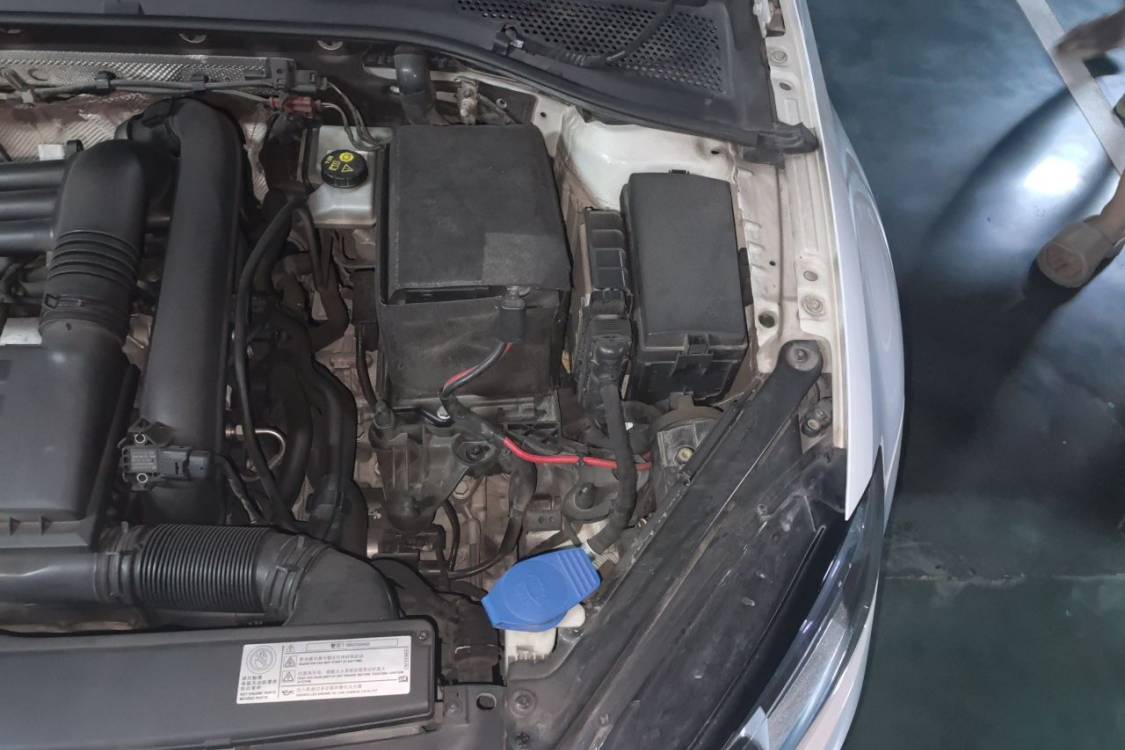
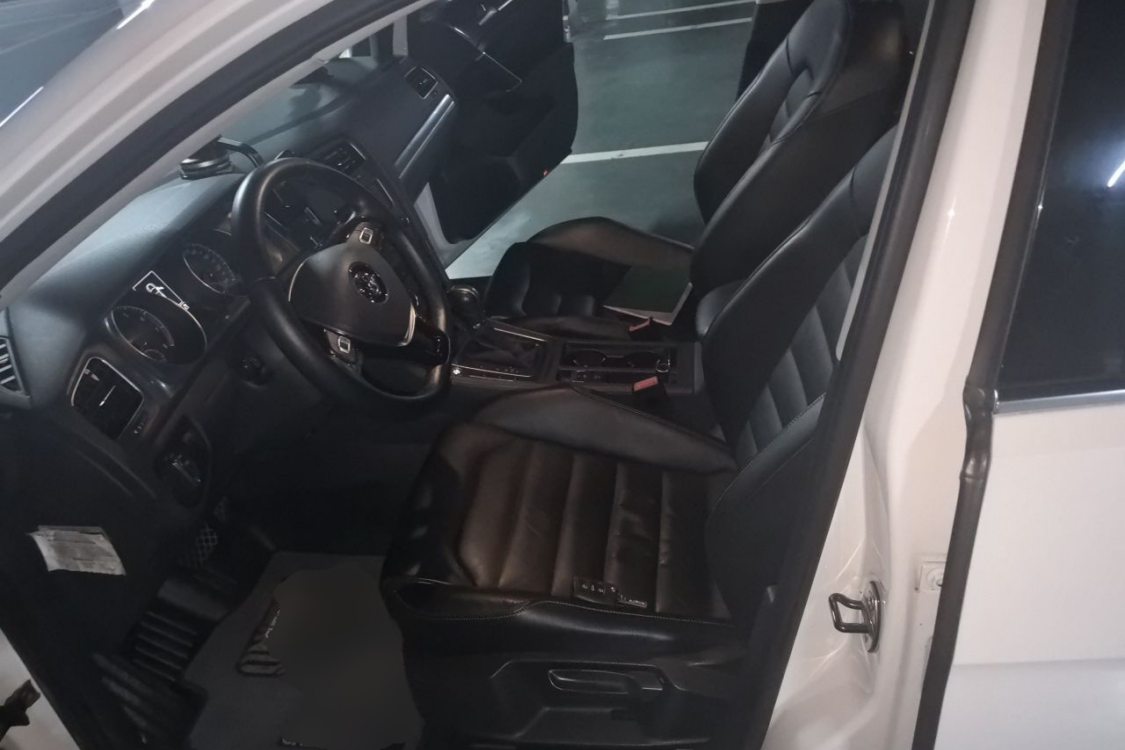
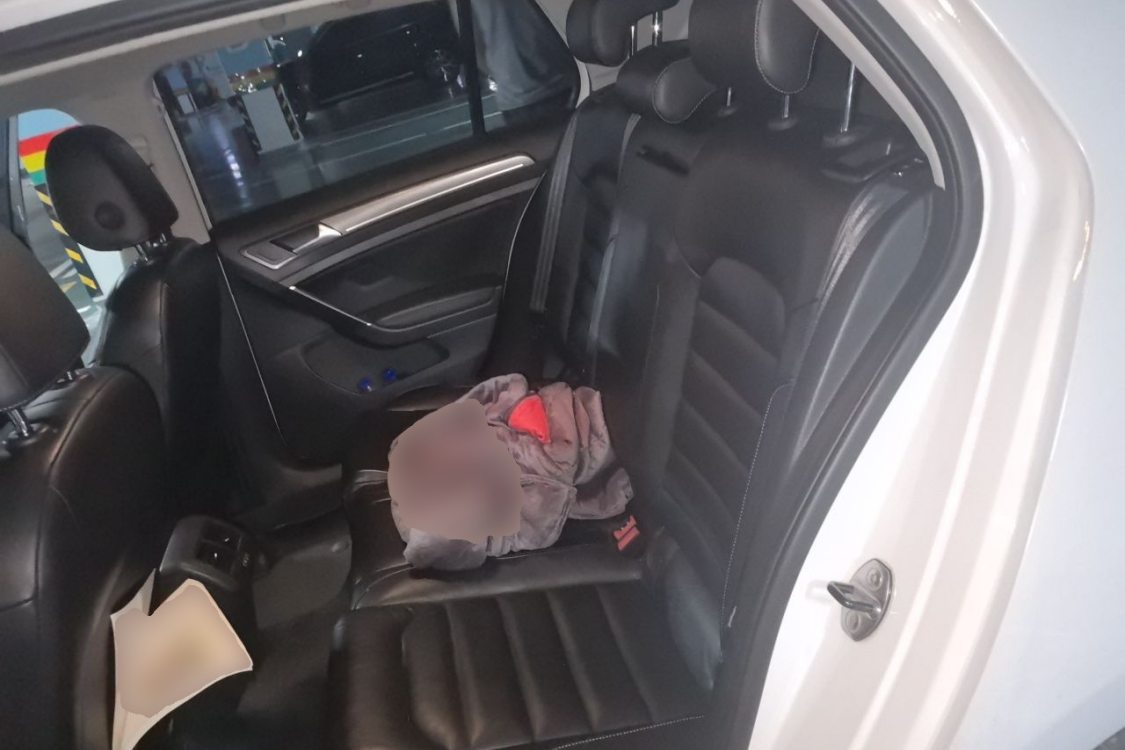
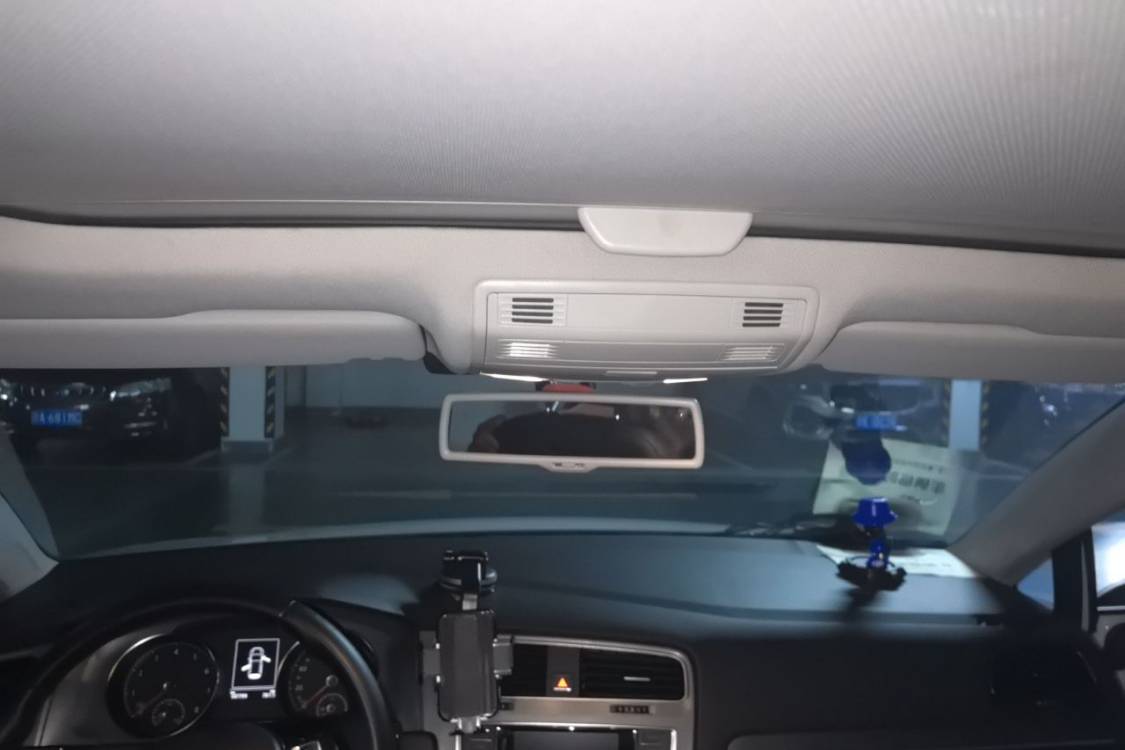
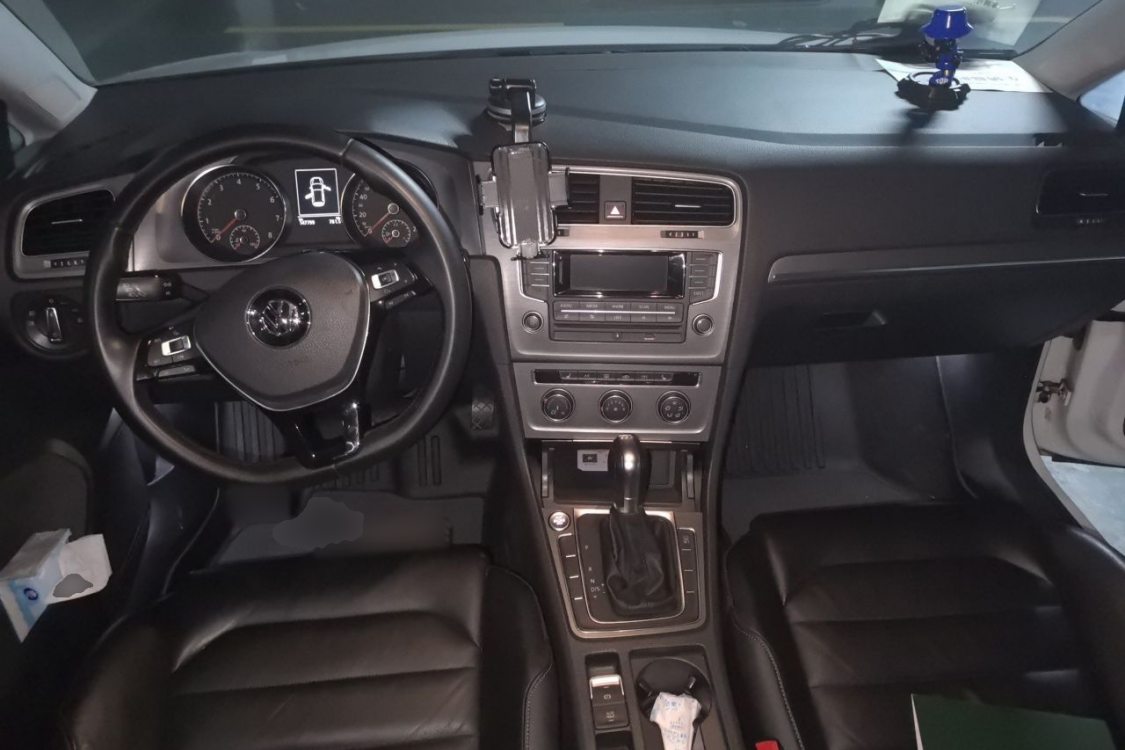
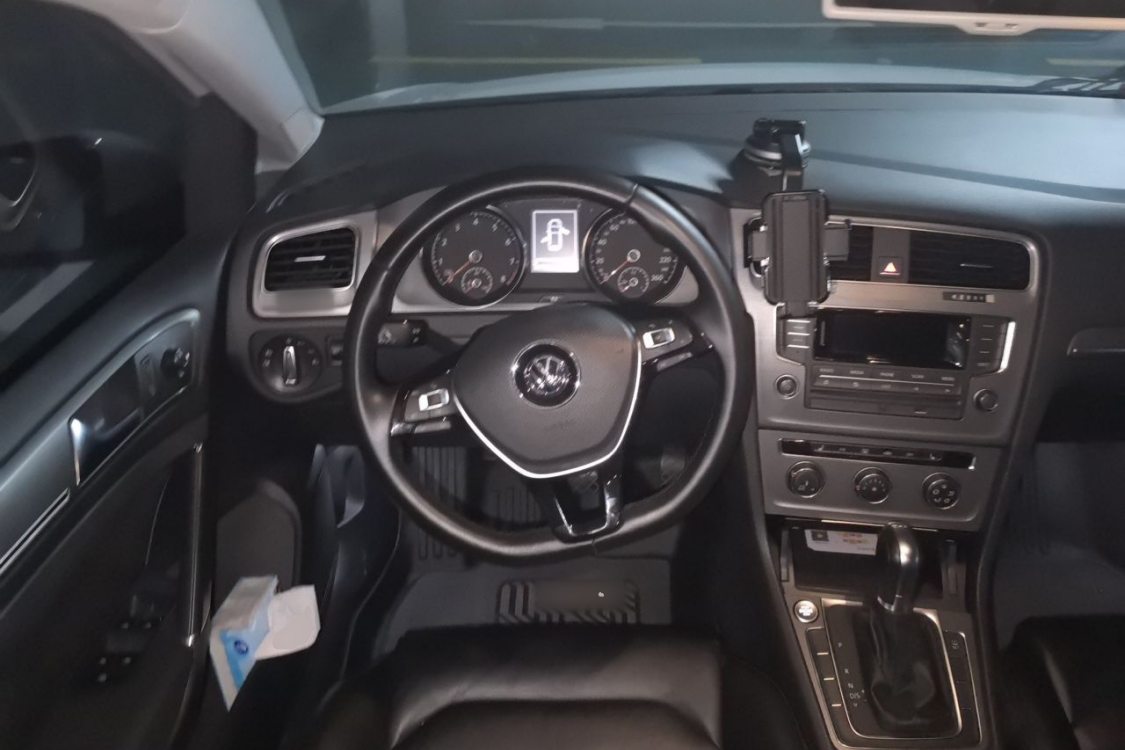
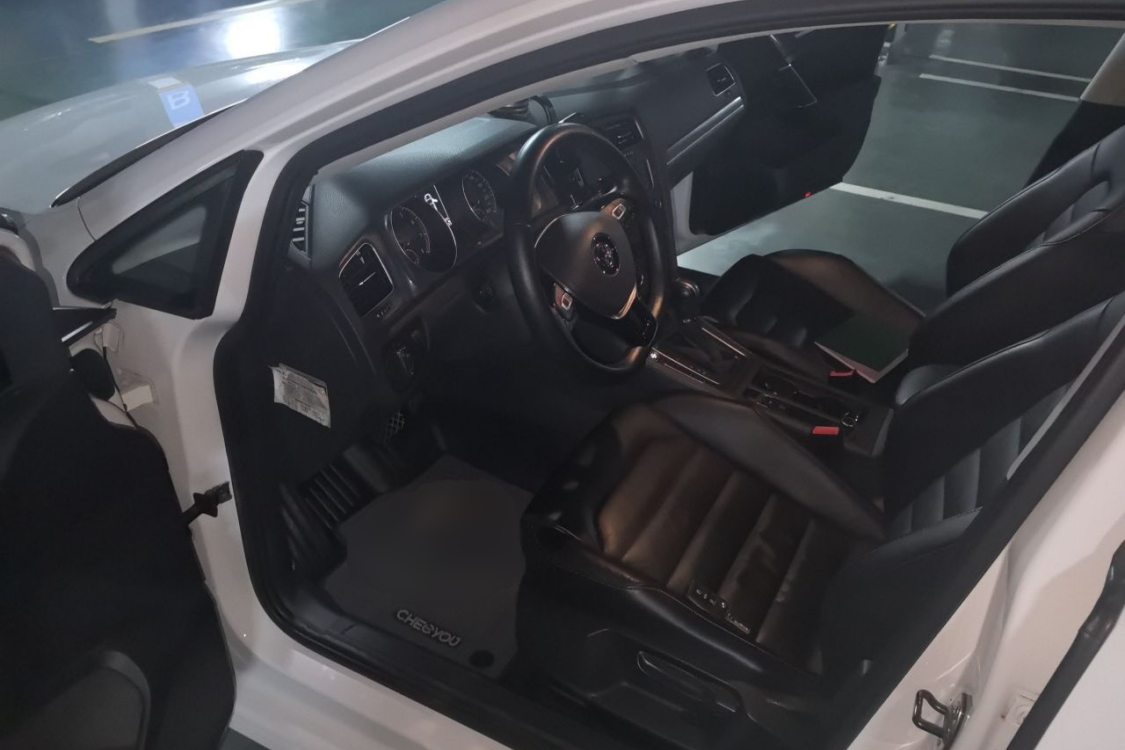
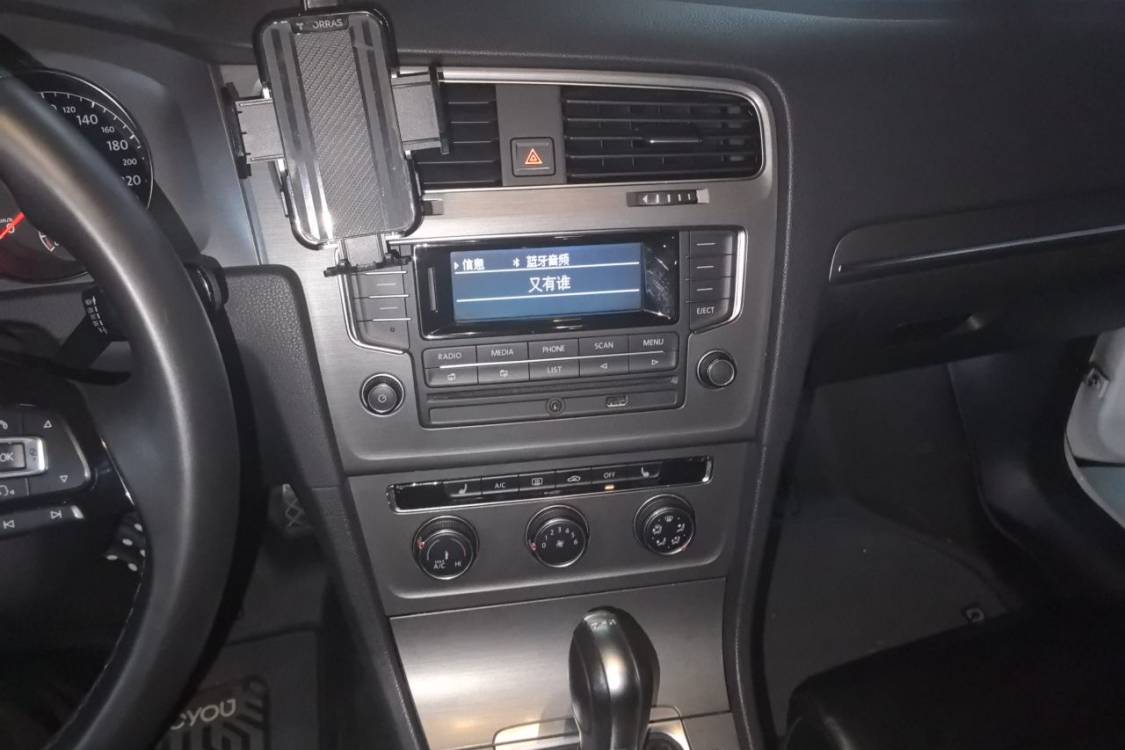
Accident inspection: main structure damaged, reinforced parts damaged, panels damaged, hinges abnormal. Engine bay: key mechanical components normal. Exterior: 1 replaced part, 4 panel repairs. Interior: roof trim severely loose, most features normal, airbags normal, lights normal. Startup: main components normal. Tools: spare tire present.

电话直连
可讲价
平台物流
可转售
车主降价
公转私

Document Information

Inspection Expiry Date2027/01
Warranty Expiry Date-
Insurance Expiry Date2026/12

Q&A

More

Do the exported new energy vehicle battery packs have the required UN38.3 test report and MSDS certificate for maritime transport?

Our documentation department has the latest versions of UN38.3 (United Nations Transport of Dangerous Goods Test and Standards) and MSDS reports authorized or filed by major Chinese new energy brands (such as BYD, Geely, GAC), which are essential customs documents for declaring dangerous goods to the maritime authority.
Can the buyer track the GPS location of the vehicle during domestic towing transport to the port?

Internal logistics scheduling uses GPS, but direct access accounts are not open to the public. We implement a "node reporting system": our customer service will proactively send you on-site photos with watermarks at three key points: when the vehicle is loaded onto the trailer, when it arrives at the port for storage, and when customs clearance is completed.

Why are the shipping costs for used electric vehicles (EVs) usually higher than for internal combustion engine vehicles (ICEs)?

Pure electric vehicles are classified as Class 9 Dangerous Goods due to their large lithium batteries, leading to strict shipping regulations. Shipping companies have high requirements for the loading position and fire isolation measures for dangerous goods, and some roll-on/roll-off ships refuse to accept used EVs. As a result, EVs often require more expensive special container shipping and incur additional handling fees for hazardous materials.