






Deal

Basic Information

BrandVolkswagen
SeriesT-Roc
Year2024
First Registration2024/05
Mileage30,000km
Transfer Count1times
FuelGasoline
TransmissionDCT
Engine1.5T 160 L4
ColorWhite
Seats-

Condition Description

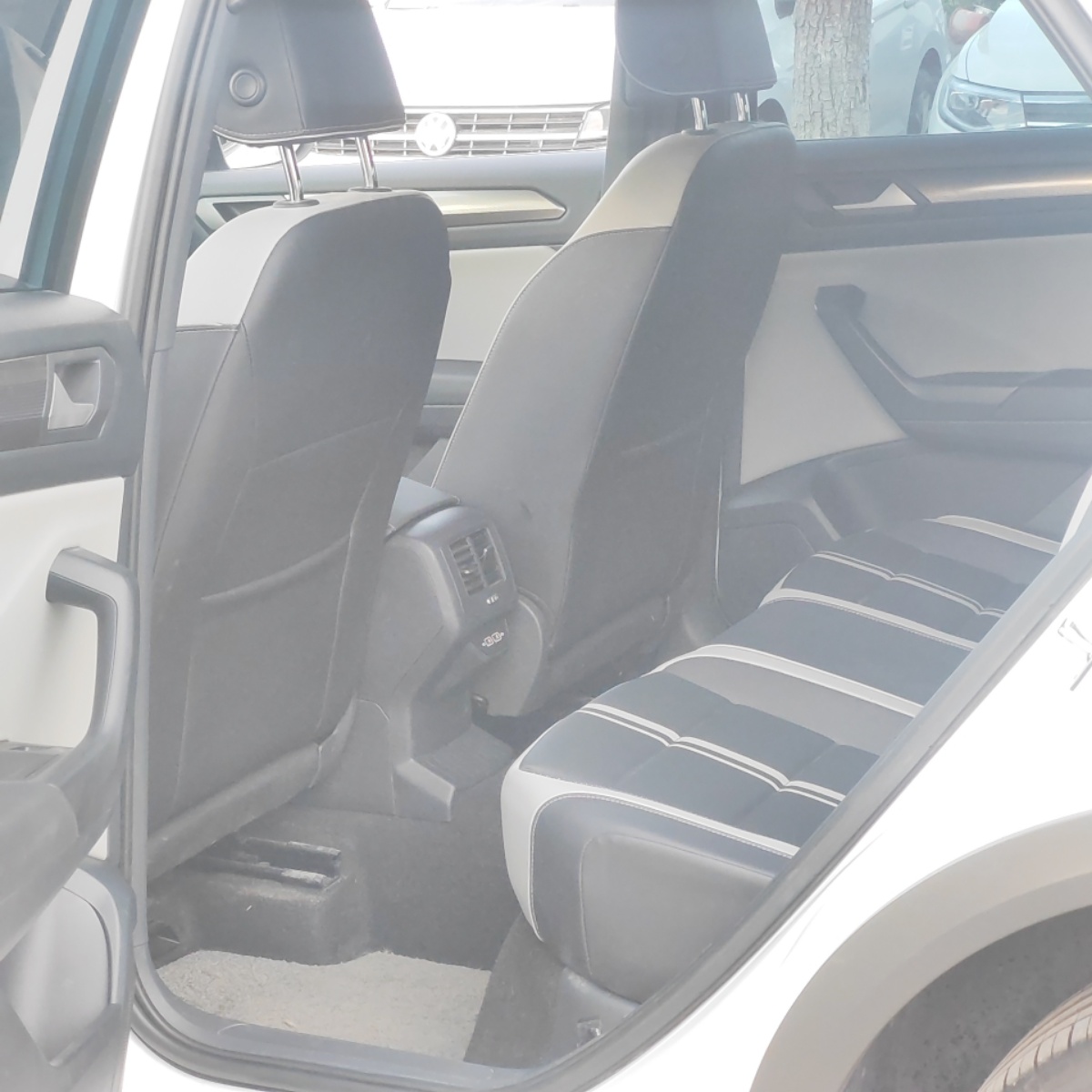
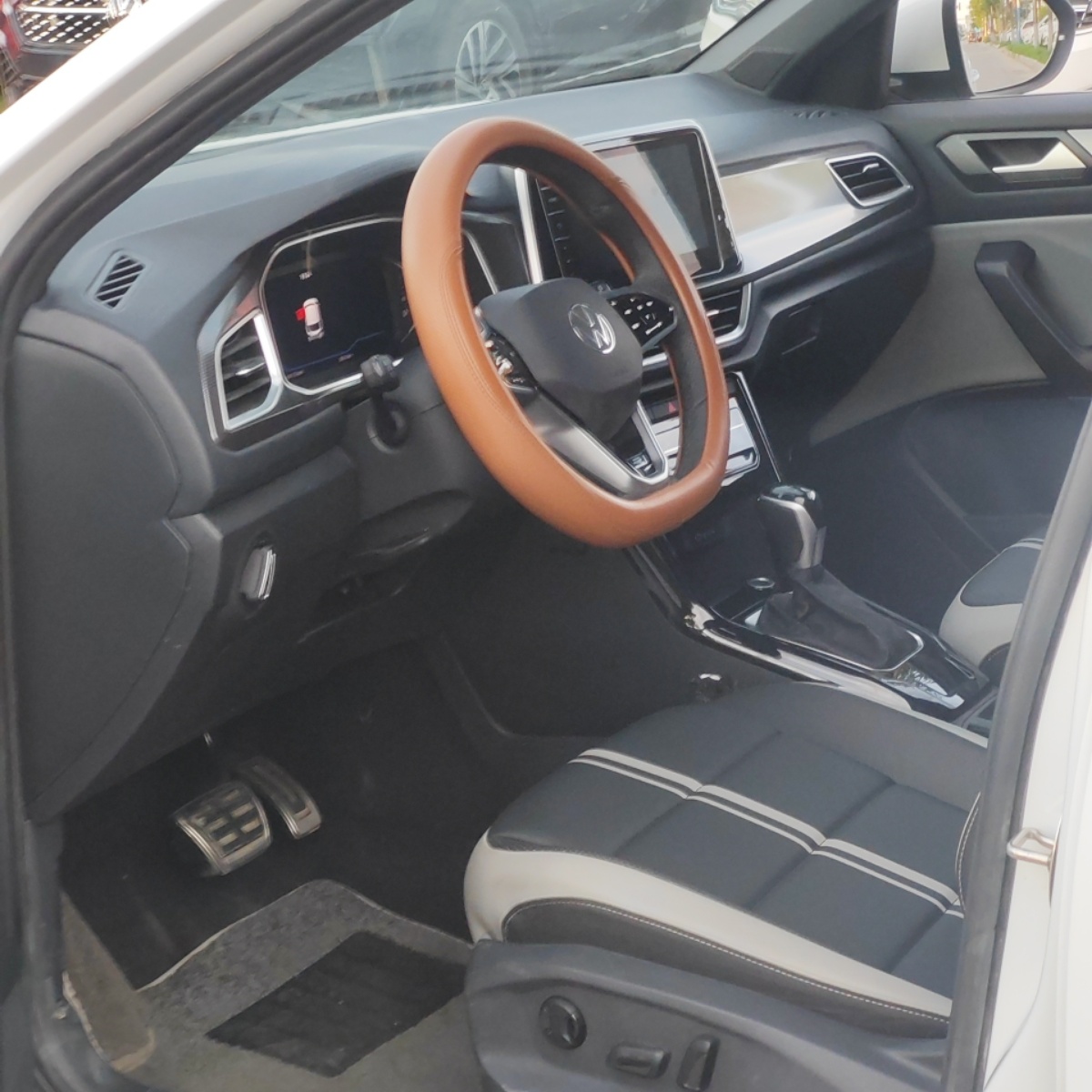
The front end has been meticulously repaired, showing no signs of disassembly. The paint thickness gauge readings are close to the original vehicle values.

燃油车
SUV
自动
维保开放
事故开放
查验开放

Configuration Highlights

品牌: 大众
车系: T-ROC探歌
车型: 2024款 300TSI DSG两驱辰光版
车身类型: SUV
座位数: 5
排量: 1.5T
变速箱: 自动
能源类型: 燃油车
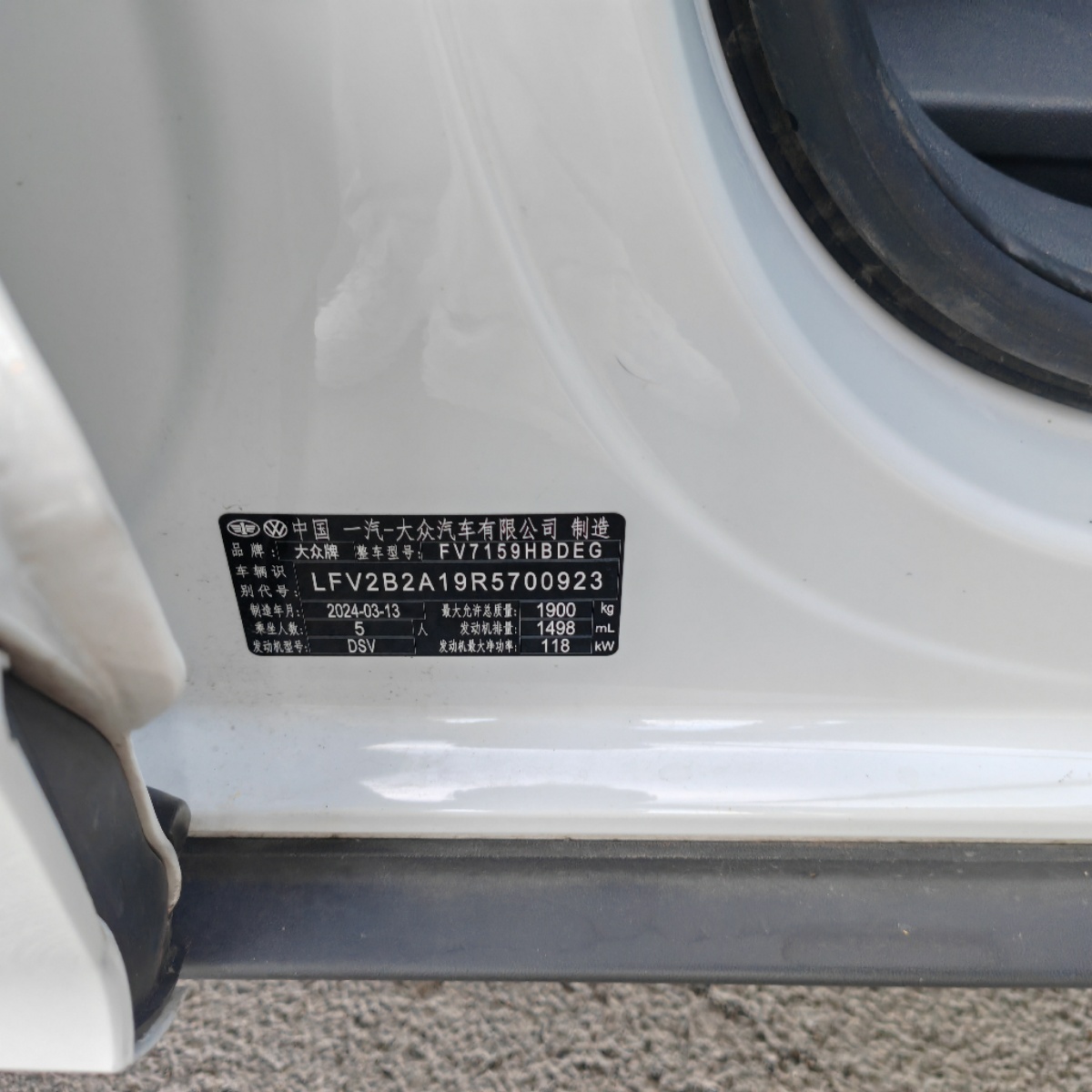
VIN: LFV2B2A19R5700923
搜索关键词: 大众T-ROC探歌 2024款T-ROC探歌300TSIDSG两驱辰光版

Document Information

Inspection Expiry Date2027/06
Warranty Expiry Date-
Insurance Expiry Date2027/06

Q&A

More

Can I request the original factory parameter sheet for the vehicle (such as the standard camber angles and toe values) from your after-sales service so I can do a four-wheel alignment locally?

This is after-sales support we are very happy to provide. Since overseas alignment machines often lack databases for Chinese brand vehicles, we will send you screenshots of the core chassis parameters from the service manual, making it easier for your technician to manually input the data for precise adjustments.

How do you assess the appearance condition of a vehicle? What specific standards are there for scratches and dents?

We use quantitative standards. Minor scratches less than 3 cm that do not reach the base coat (which can be polished) are considered normal wear; scratches over 3 cm deep to the base coat or dents larger than 2 cm in diameter will be highlighted in the inspection report's "Appearance Defect Distribution Map" with close-up photos.

If the record of a vehicle's first maintenance is missing from the system, how do you determine its early wear condition?

Many car owners do not have their first maintenance done at authorized dealerships, leading to gaps in early data. In such cases, we do not blindly trust the odometer; instead, we analyze the tire production dates and wear levels, as well as the depth of grooves on the brake disc edges, using the "gold standard" of physical wear to infer the intensity of early use.