Has the vehicle's VIN (chassis number) been polished or altered?
We will carefully check if the chassis number on the windshield, chassis, and door frame matches.
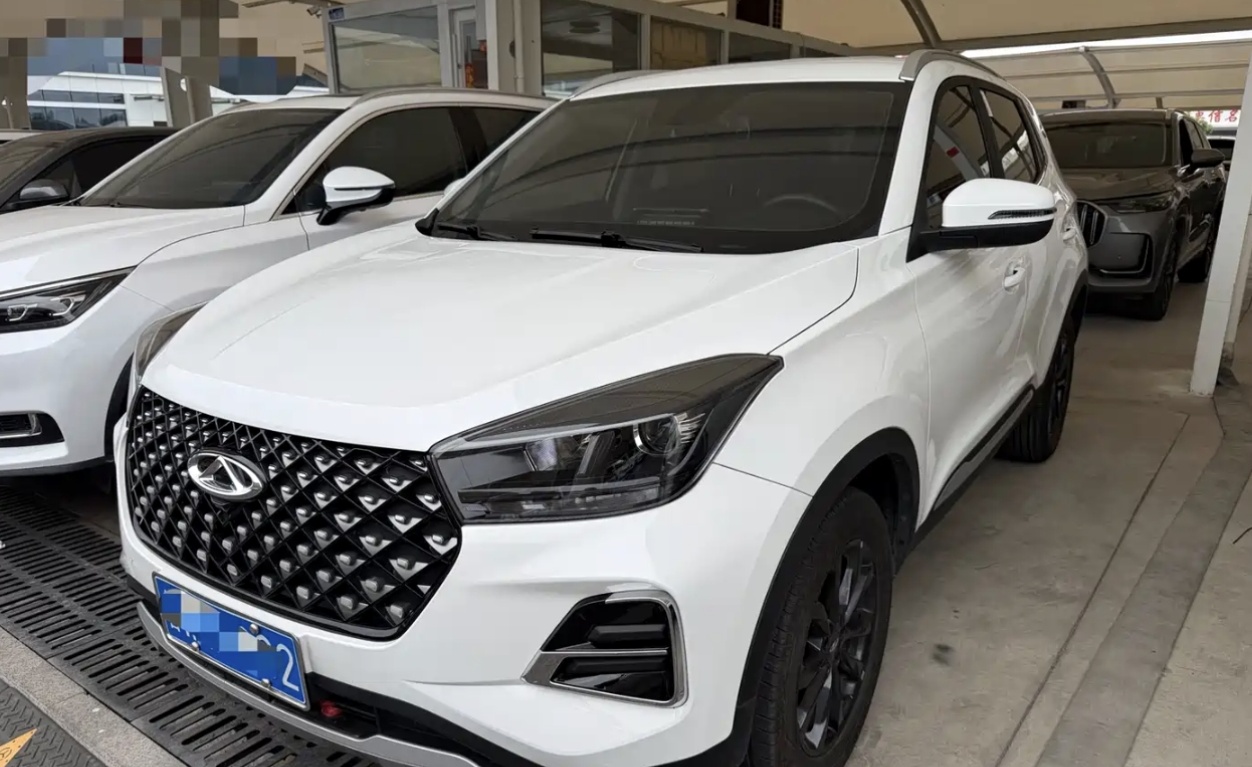
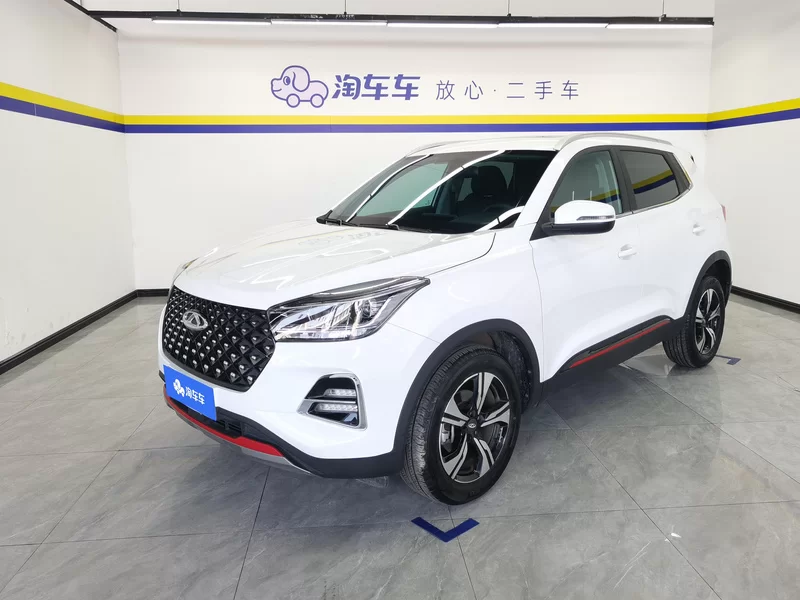
Localized body damage or repair marks present. No accident-related damage or repairs to structural or reinforcing components. Vehicle performance (including three-electric system) has degraded or is performance-limited.
Accident inspection: no damage to main structure, reinforcing components, or cover panels; hinges normal. Engine bay inspection: no record of gearbox disassembly. Exterior: none. Interior: most features normal; airbags, seatbelts, dashboard, instruments, and lighting system normal. Startup inspection: major components normal. Onboard tools: none.
We will carefully check if the chassis number on the windshield, chassis, and door frame matches.
Test-drive cars experience much more mechanical wear due to extreme conditions like cold starts and emergency braking compared to regular family cars. We can identify this by tracing whether the first owner was a 4S dealership or the manufacturer. If so, we will reassess its value based on "operational intensity" standards.
The "usage type" section on the vehicle registration certificate has legal validity. Any vehicle that changes from "commercial" to "non-commercial" has a usage intensity far exceeding that of personal vehicles, and we will label these prominently. Such vehicles are usually cheaper but have more severe mechanical wear.