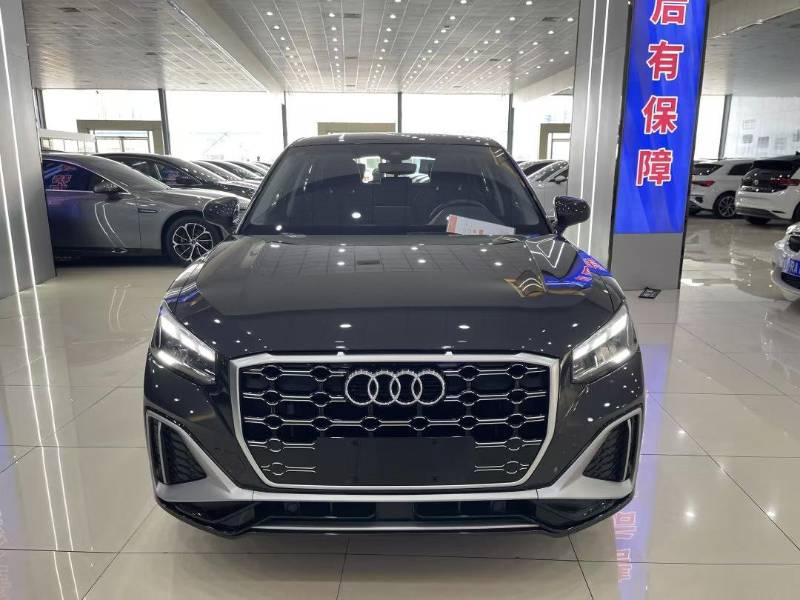
Basic Information

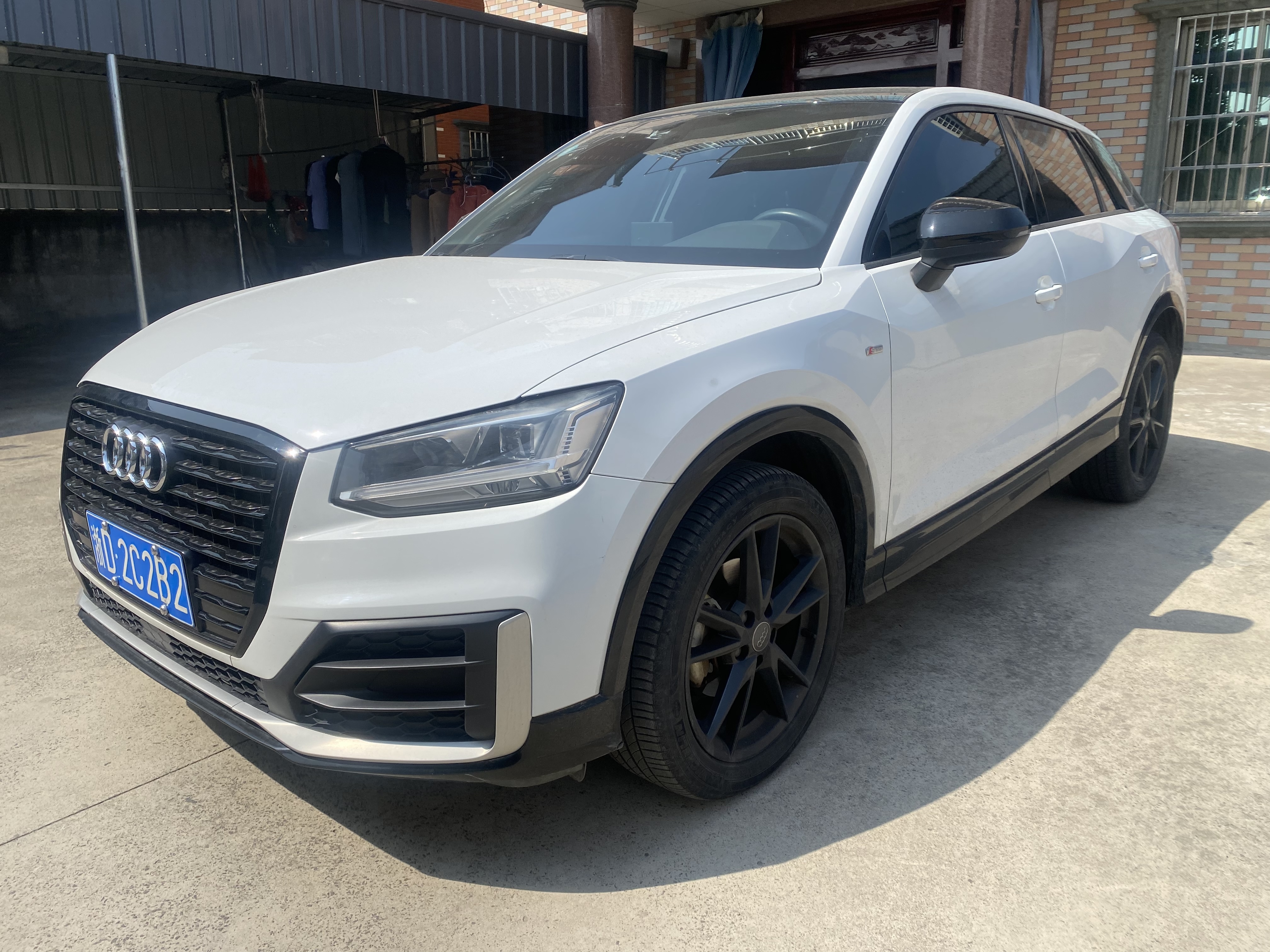
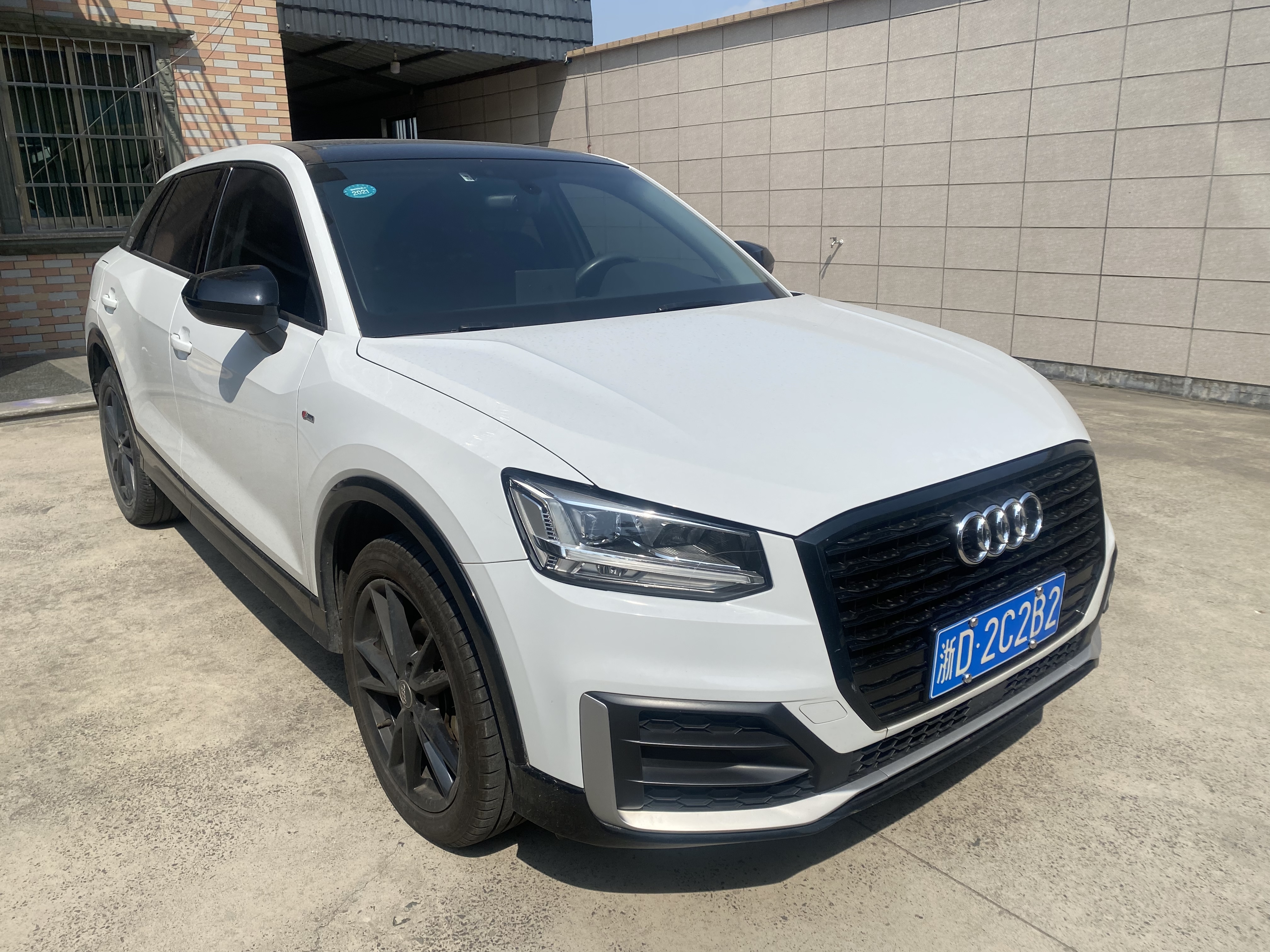
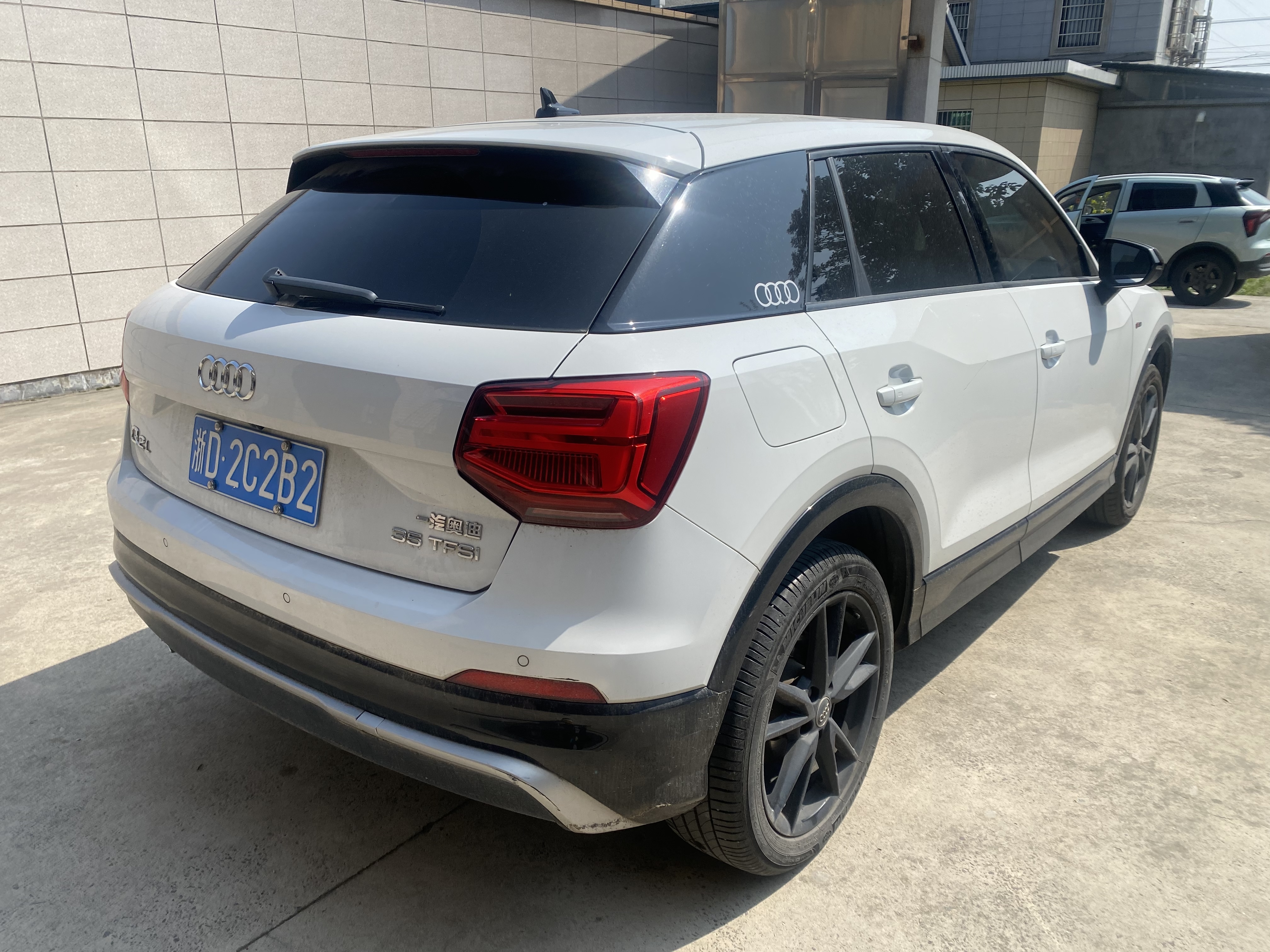
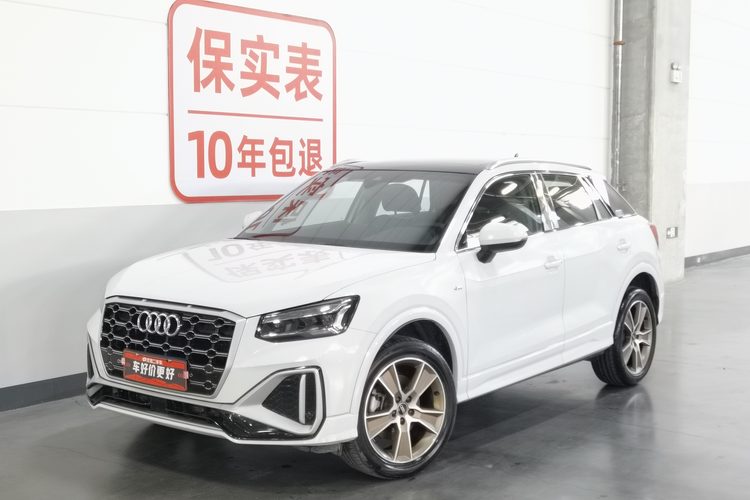
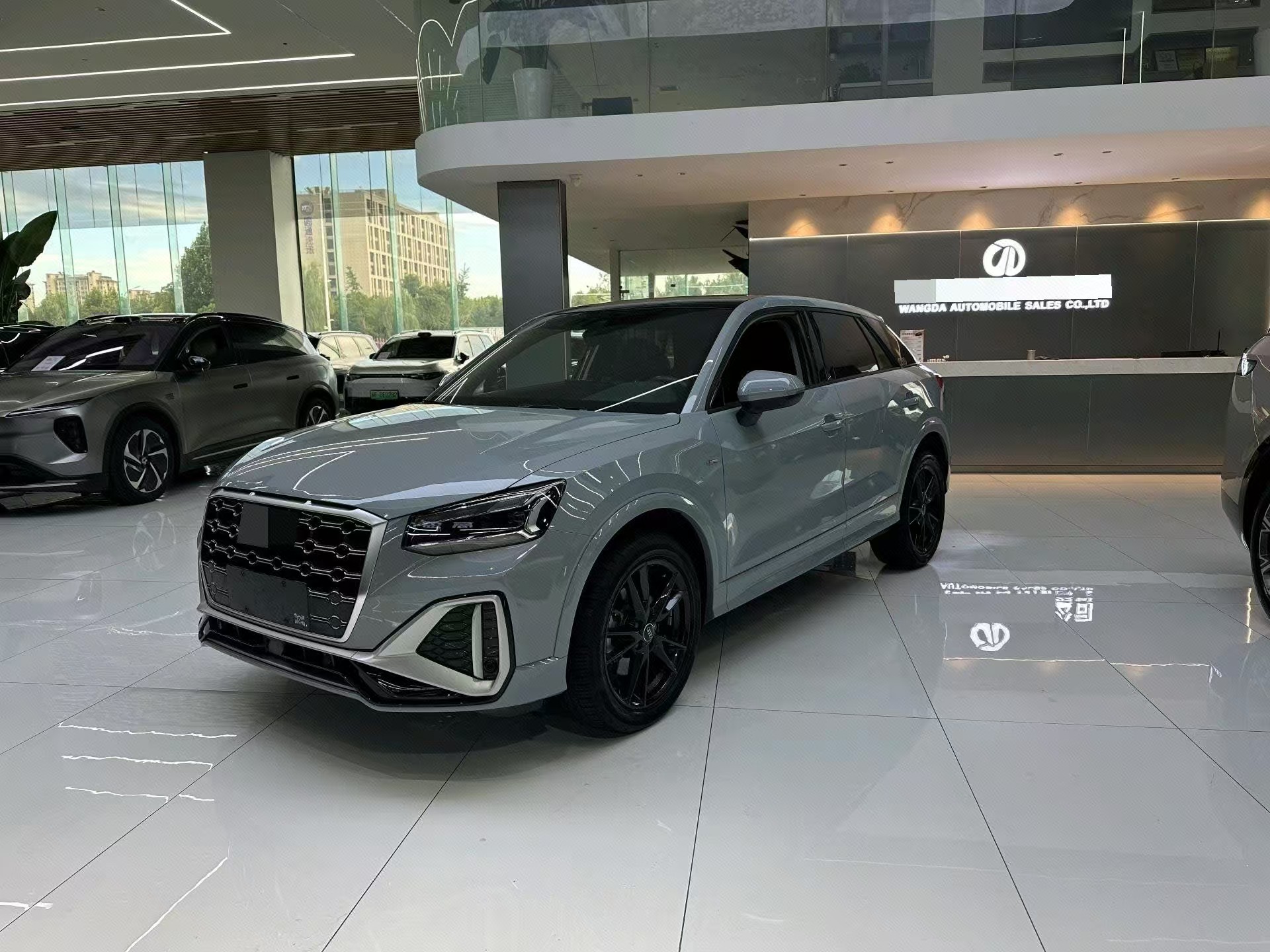
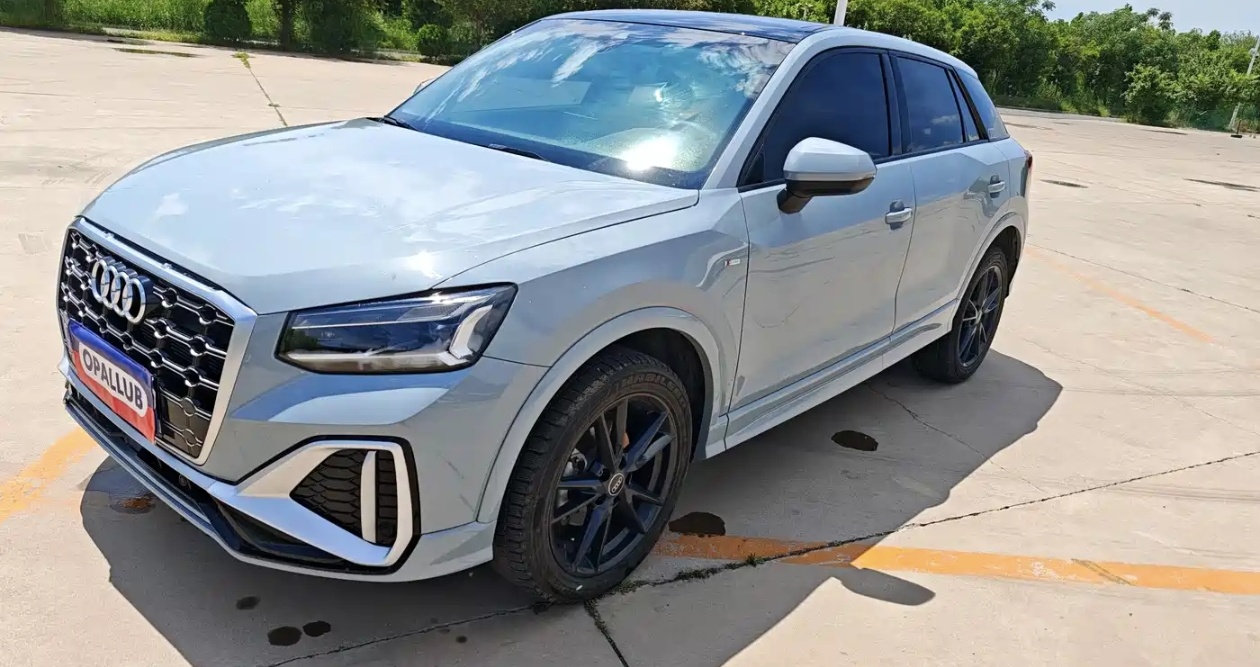
BrandAudi
SeriesQ2L
Year2019
First Registration2019/10
Mileage6.1km
Transfer Count-
FuelGasoline
TransmissionDCT
Engine1.4T 150 L4
ColorWhite
Seats-

Configuration Highlights

Driver/Passenger Airbags
Front/Rear Side Airbags
Front/Rear Curtain Airbags
Tire Pressure Monitoring
ISOFIX Child Seat Anchors
ABS Anti-lock Braking
Electronic Brake Distribution
Electronic Stability Control
Hill Start Assist
Auto Hold
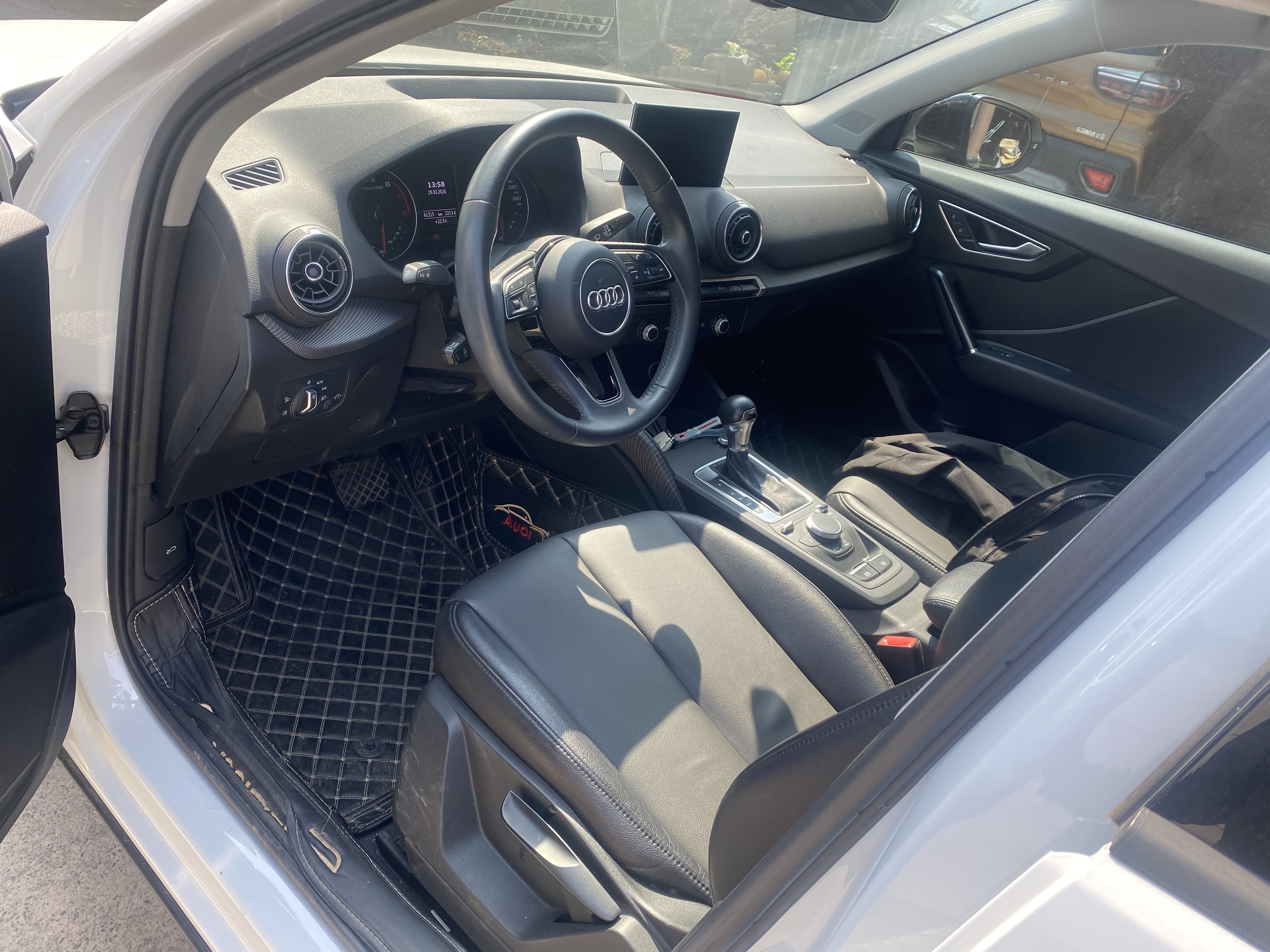
Multifunction Steering Wheel
Front Parking Sensors
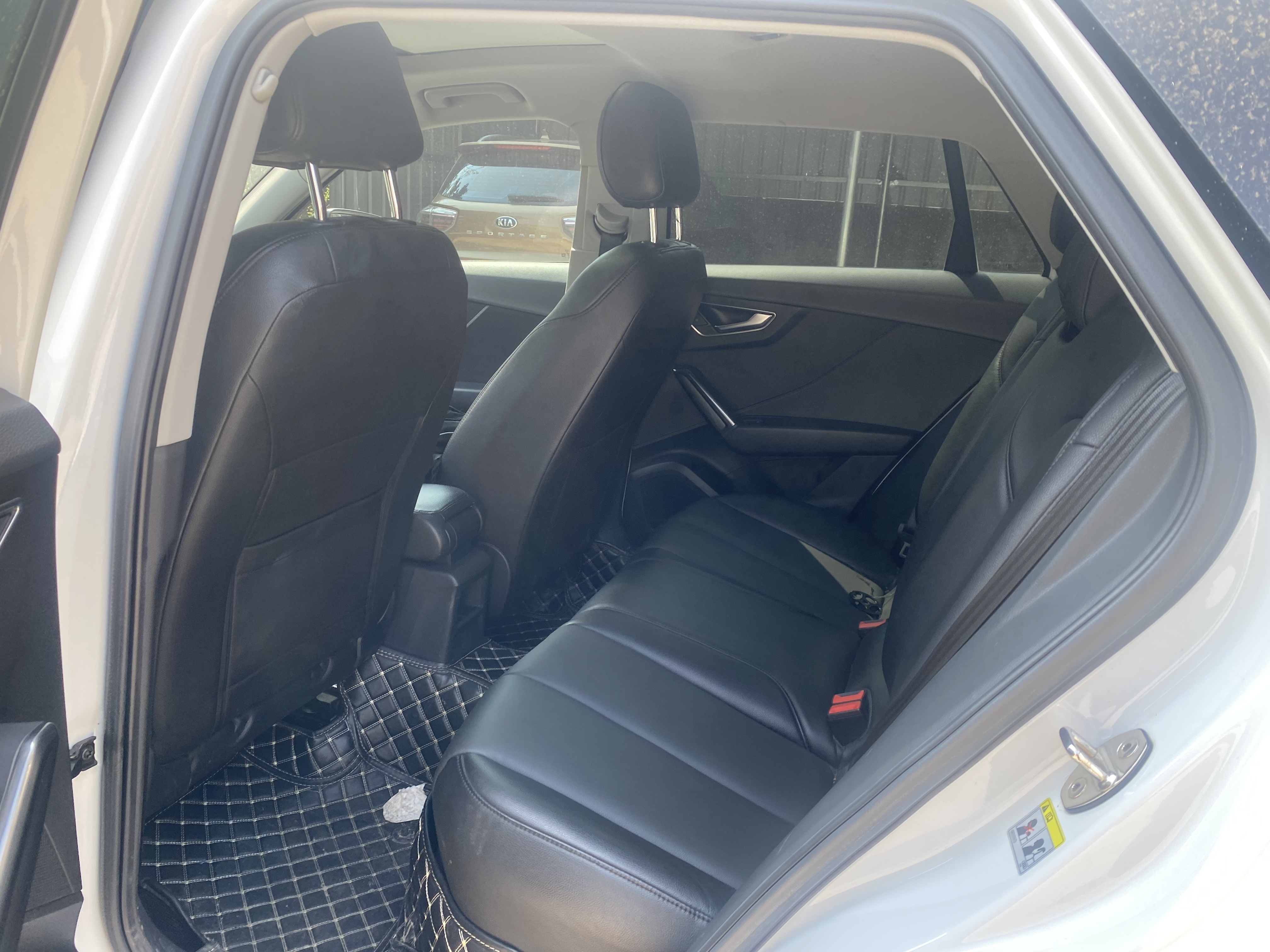
Seat Material
Driver/Passenger Power Seats
Rear Cupholders
Low Beam Headlights
Daytime Running Lights
Auto Headlights
Adjustable Headlight Height
Power Windows
Anti-pinch Windows
Climate Control Type
Start-Stop System
Active Safety System

Q&A

More

What are the common issues with this car? Has this car resolved them?

We will honestly inform you of the common issues with this model (such as the water pump failure in certain German cars) and show that this car has had the improved parts replaced.

Do the exported new energy vehicle battery packs have the required UN38.3 test report and MSDS certificate for maritime transport?

Our documentation department has the latest versions of UN38.3 (United Nations Transport of Dangerous Goods Test and Standards) and MSDS reports authorized or filed by major Chinese new energy brands (such as BYD, Geely, GAC), which are essential customs documents for declaring dangerous goods to the maritime authority.

Why are the shipping costs for used electric vehicles (EVs) usually higher than for internal combustion engine vehicles (ICEs)?

Pure electric vehicles are classified as Class 9 Dangerous Goods due to their large lithium batteries, leading to strict shipping regulations. Shipping companies have high requirements for the loading position and fire isolation measures for dangerous goods, and some roll-on/roll-off ships refuse to accept used EVs. As a result, EVs often require more expensive special container shipping and incur additional handling fees for hazardous materials.