





48H

Basic Information

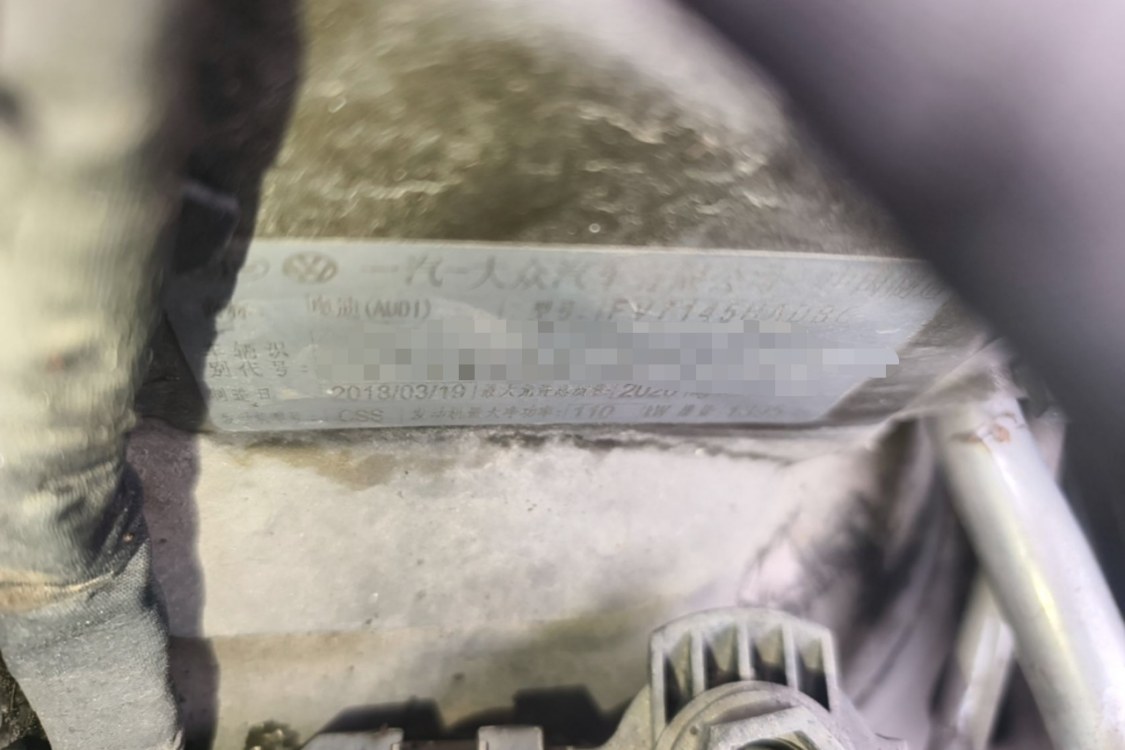
BrandAudi
SeriesQ3
Year2018
First Registration2018/09
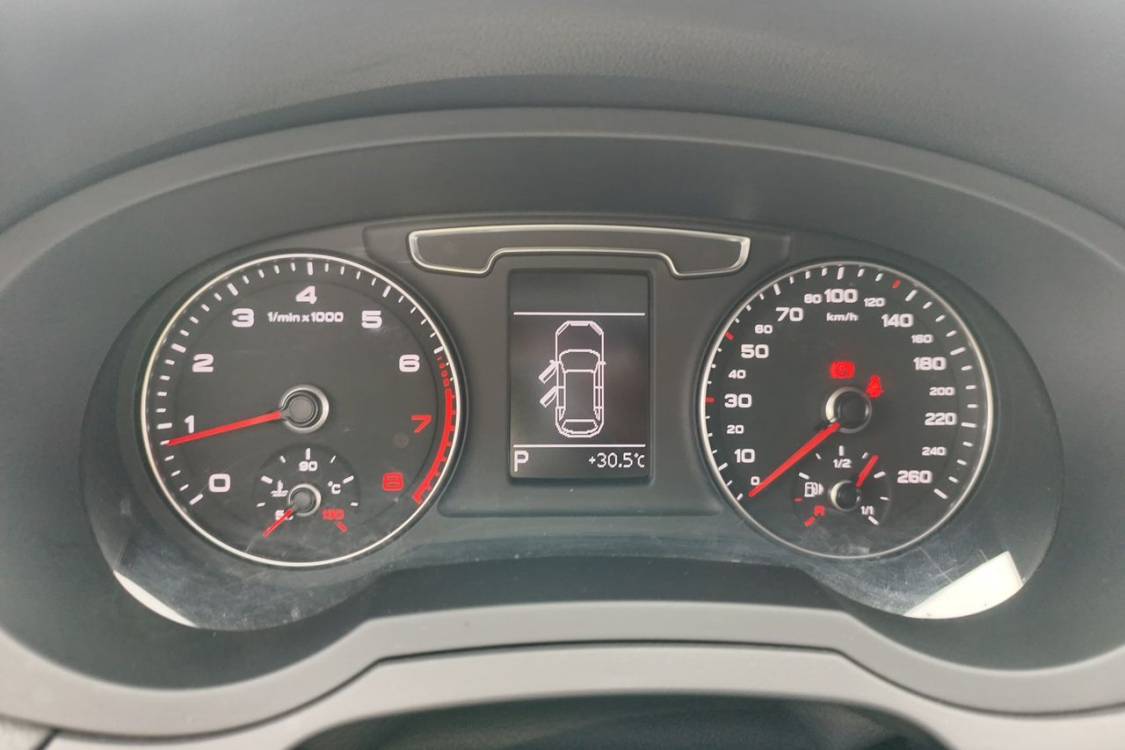
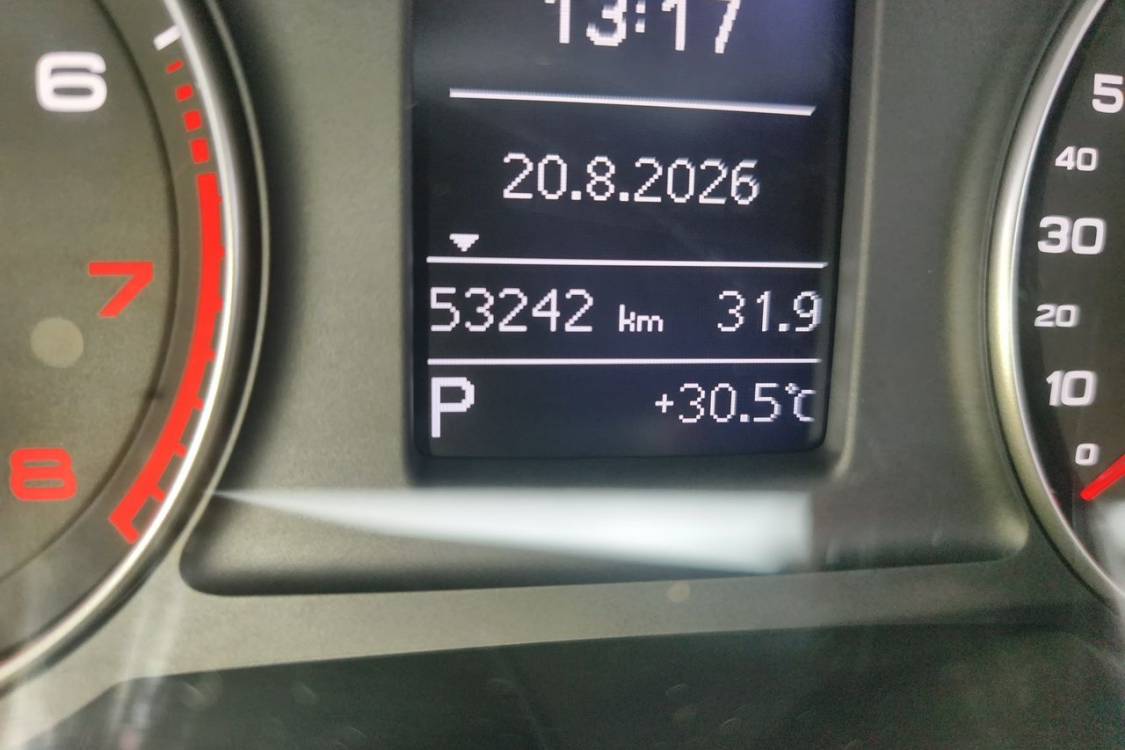
Mileage53,200km
Transfer Count-
FuelGasoline
TransmissionDCT
Engine1.4T 150 L4
ColorOther
Seats-

Condition Description

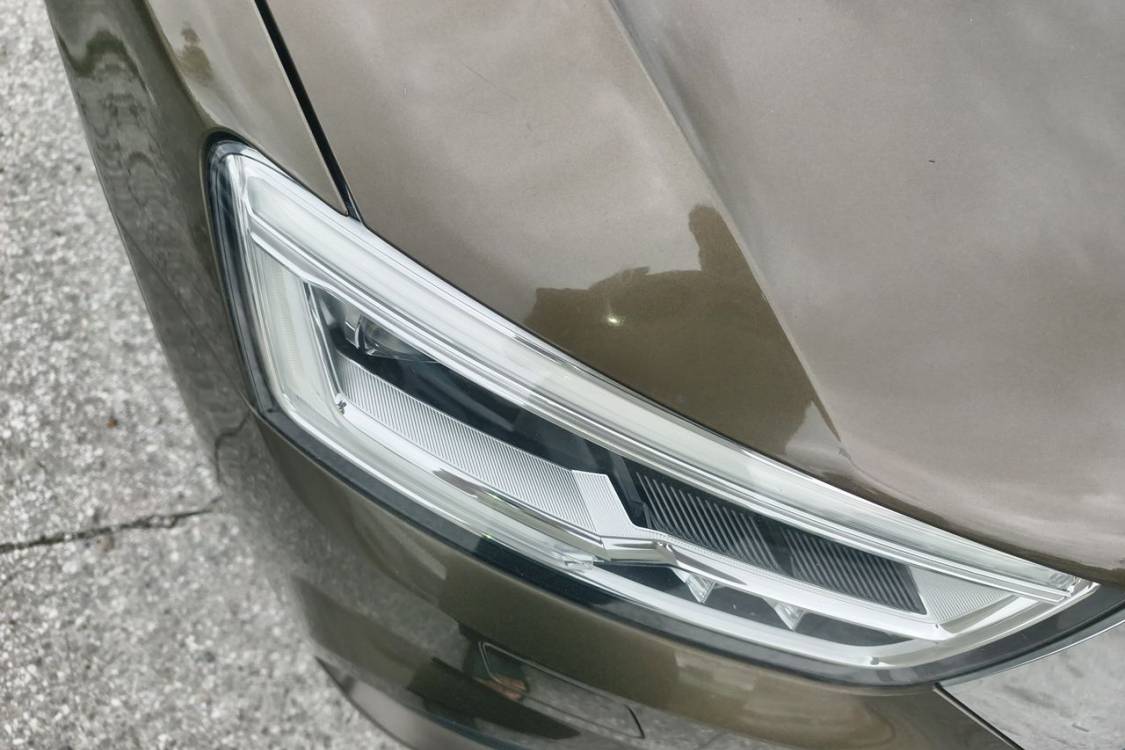
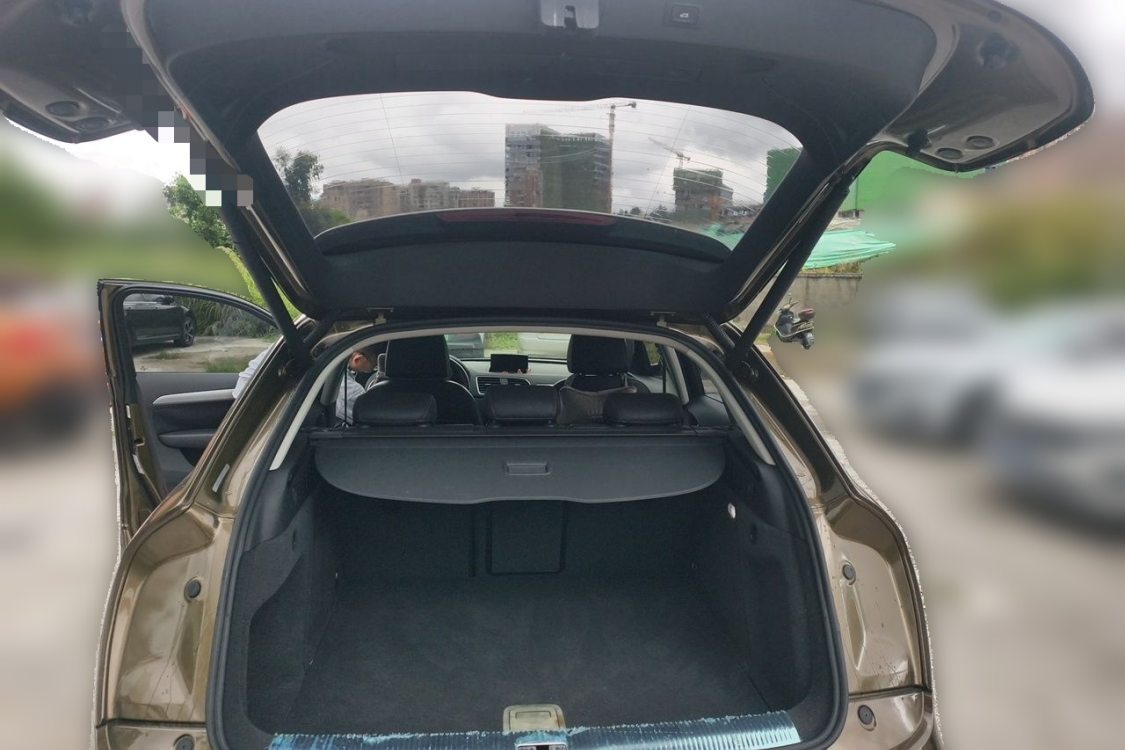
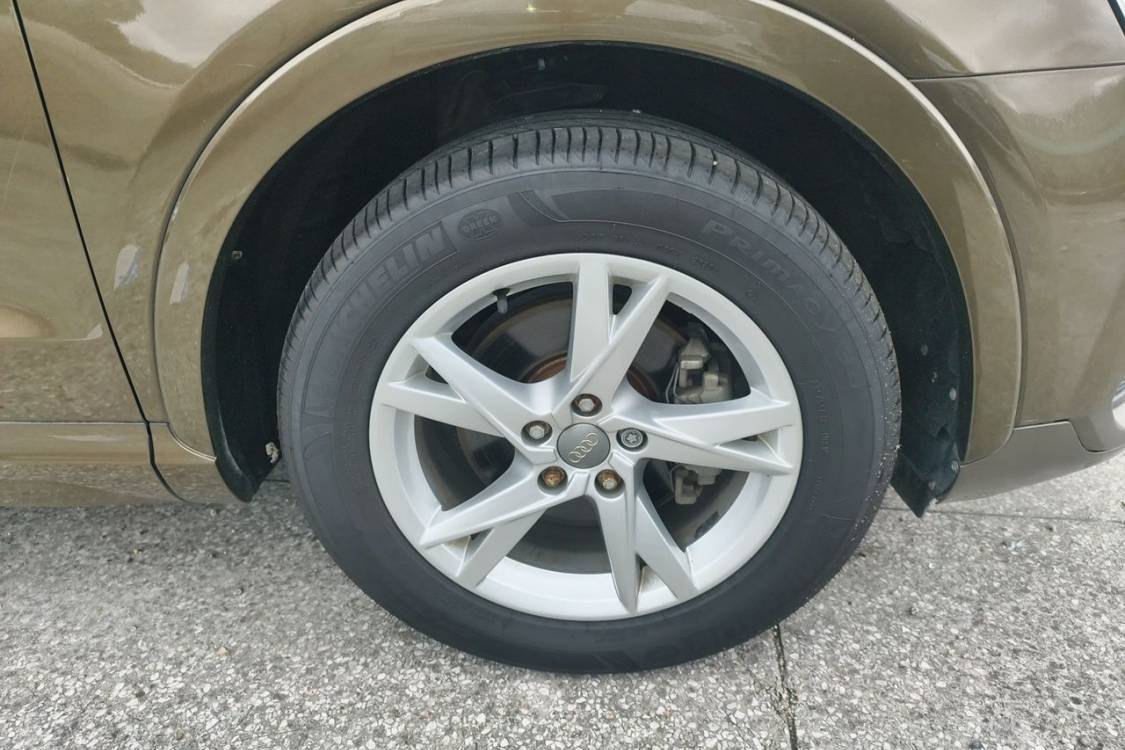
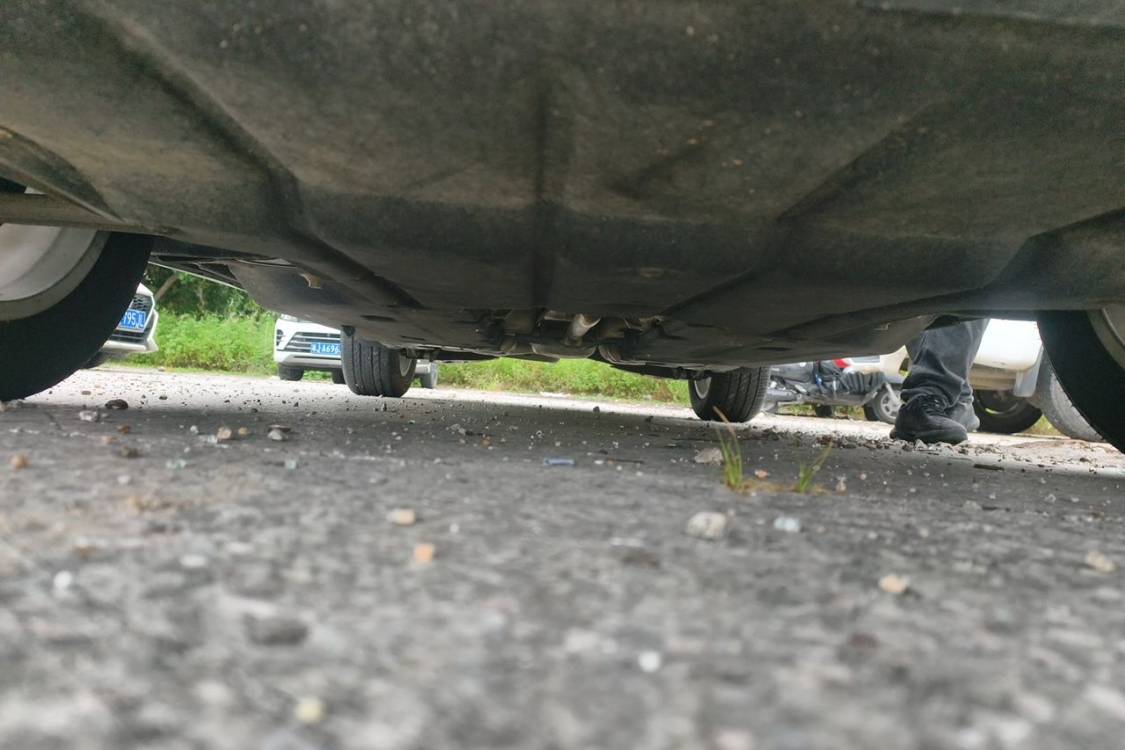
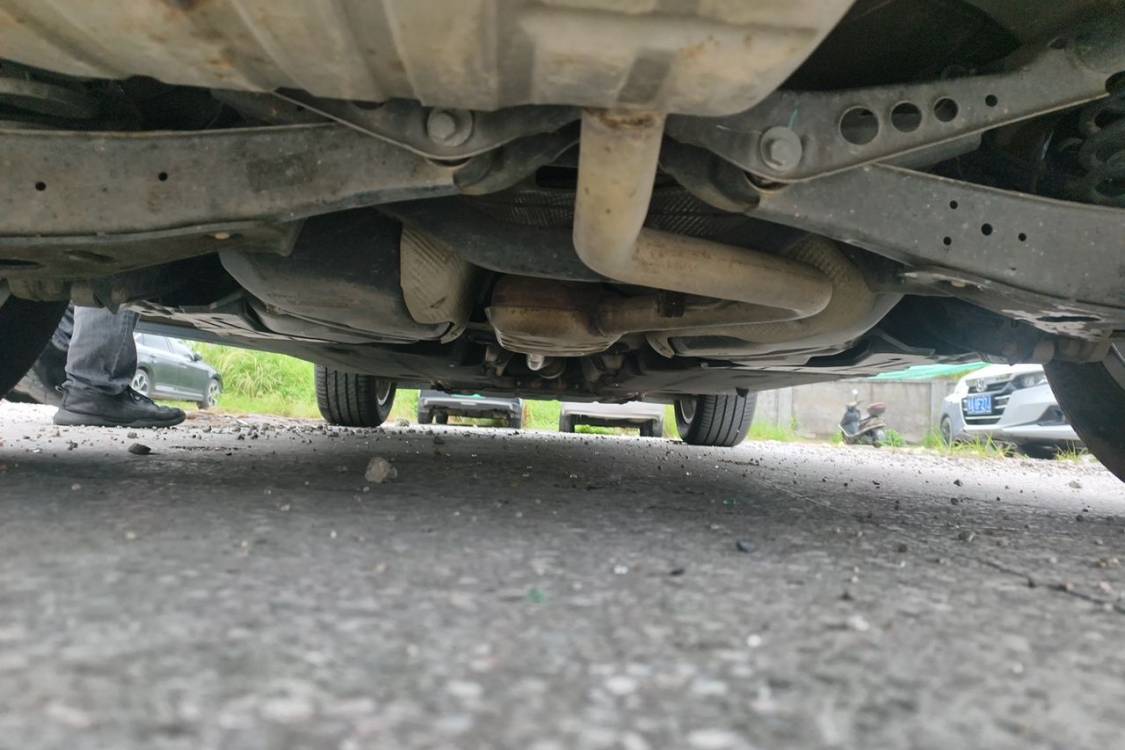
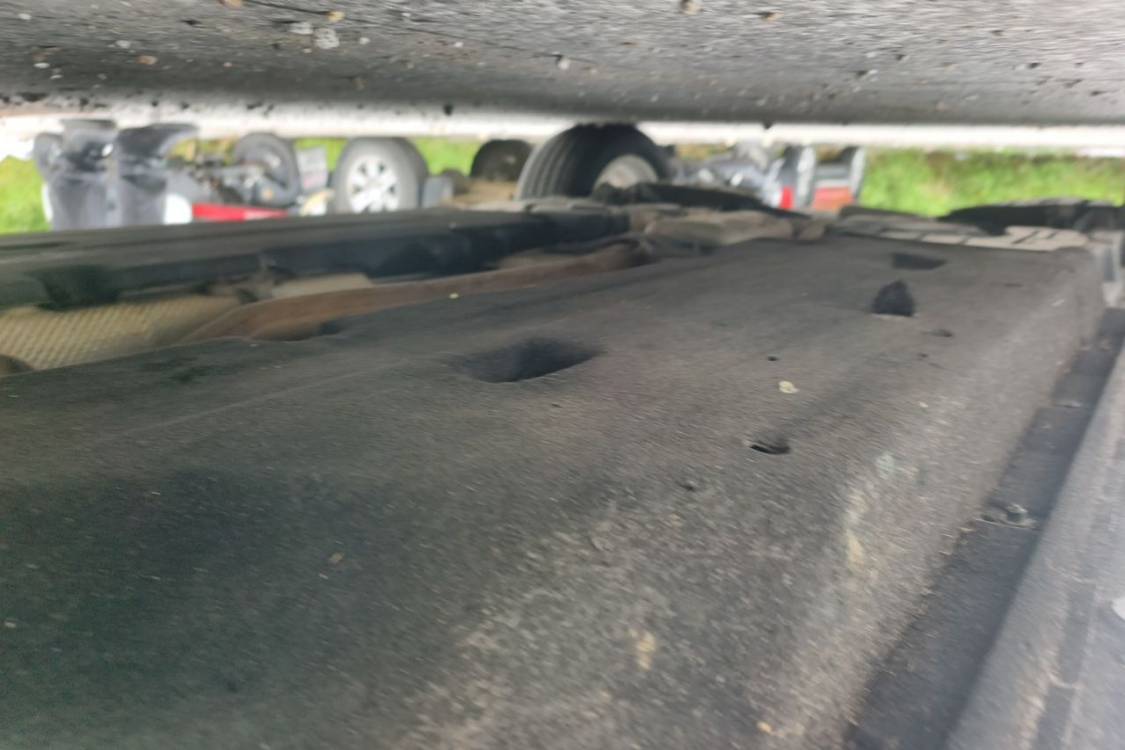
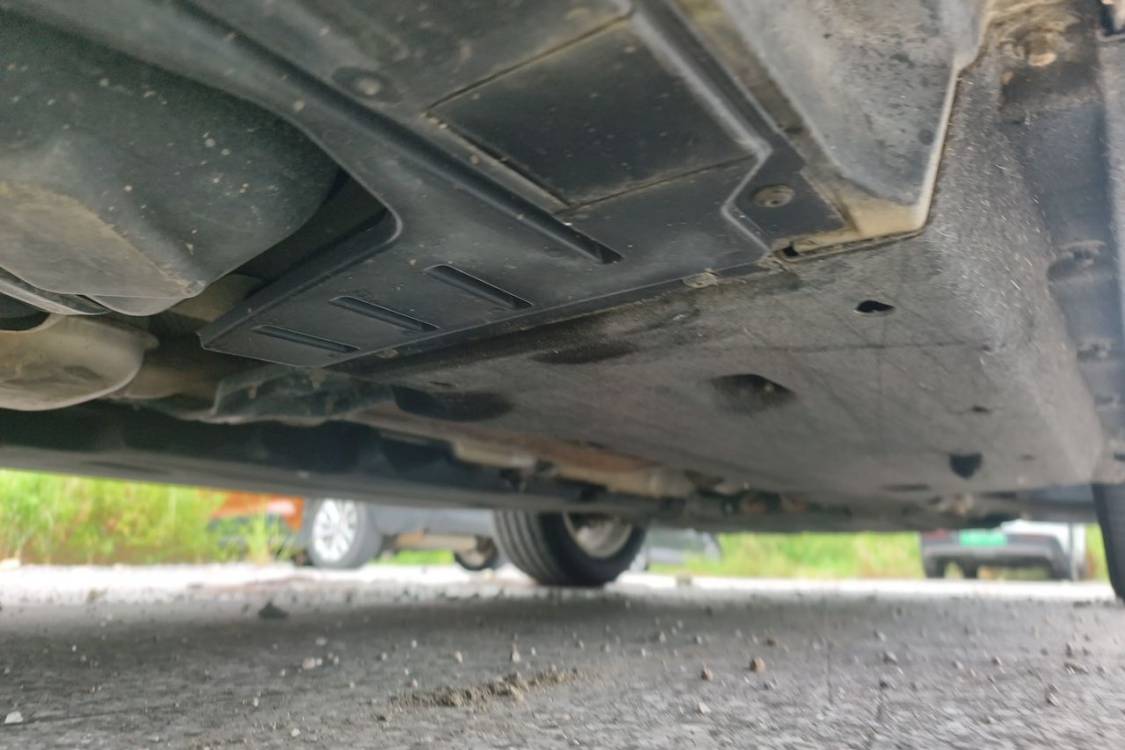
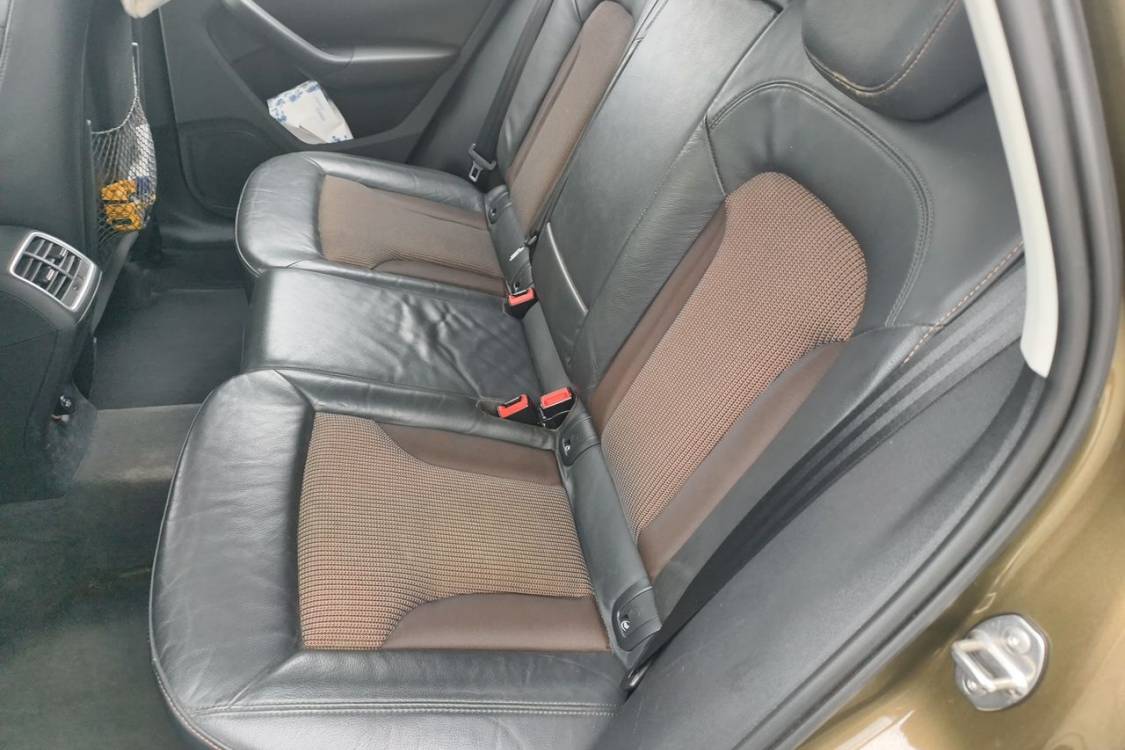
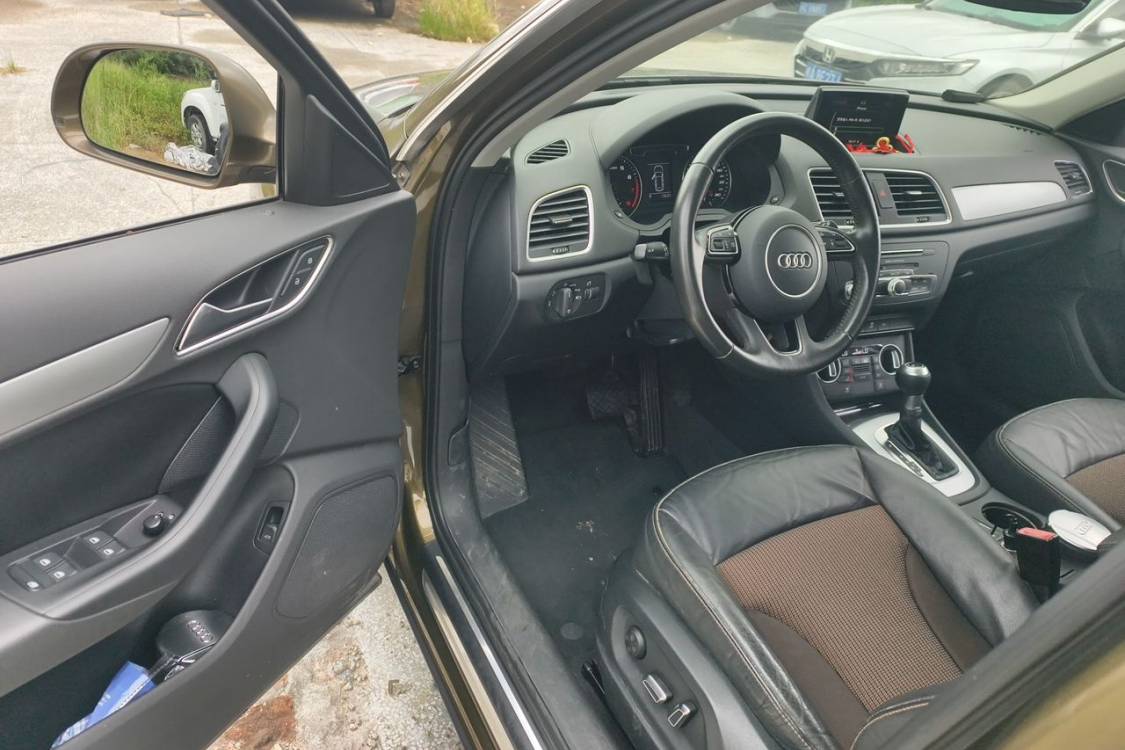
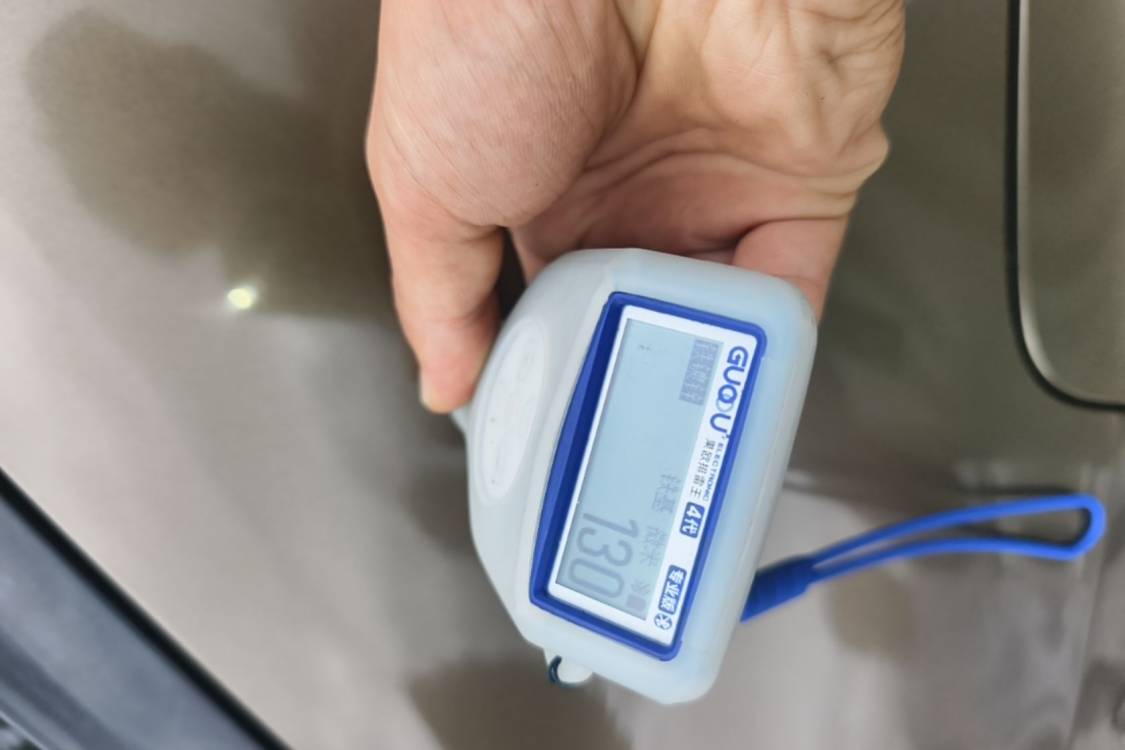
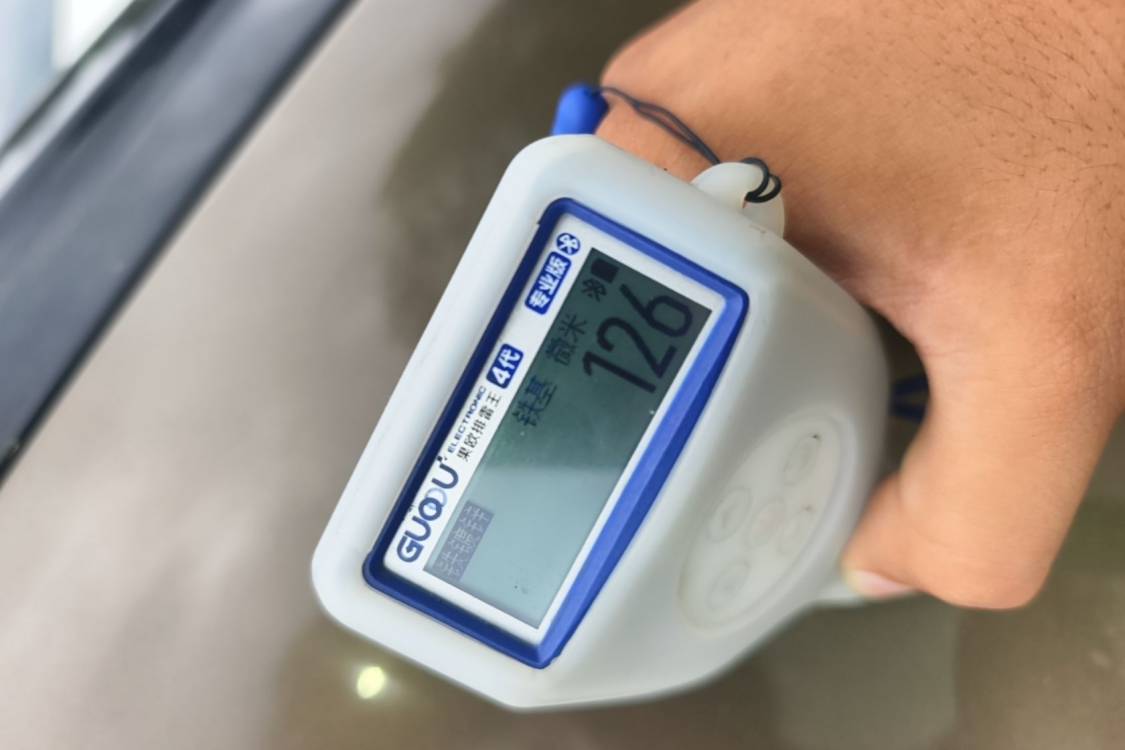
Localized body damage or repair marks present; structural and reinforcement components have no accident-related damage or repairs. Vehicle performance (including three-electric system) has degraded or is performance-limited.

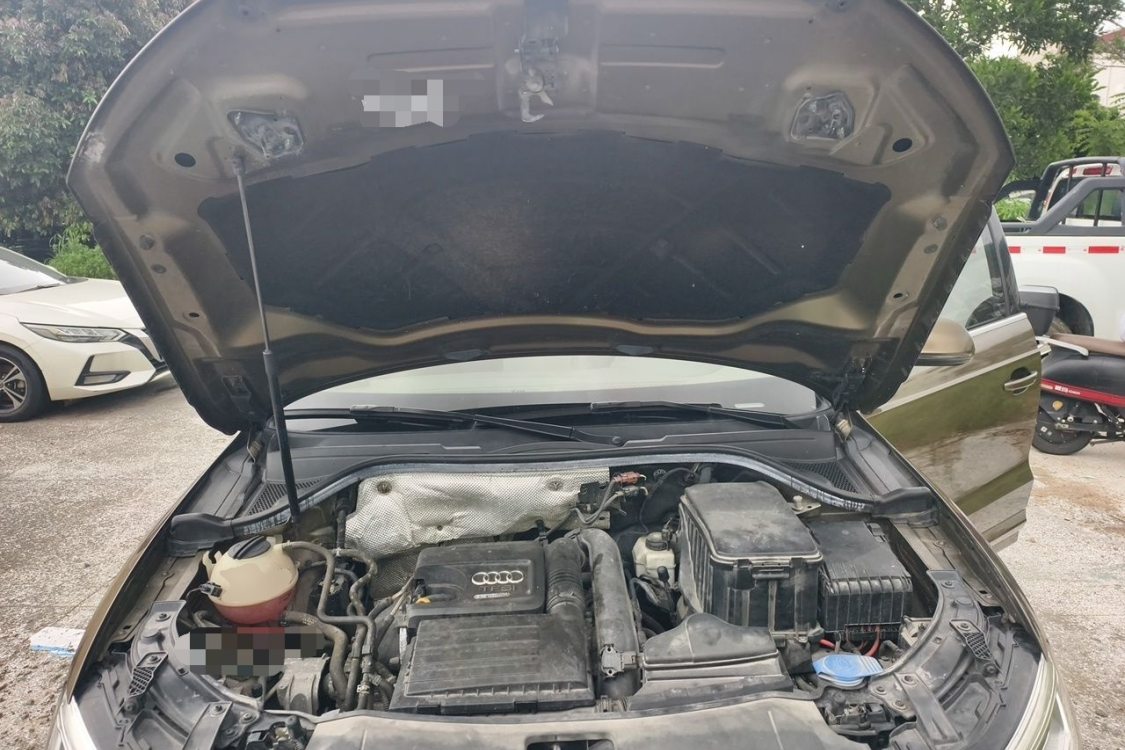
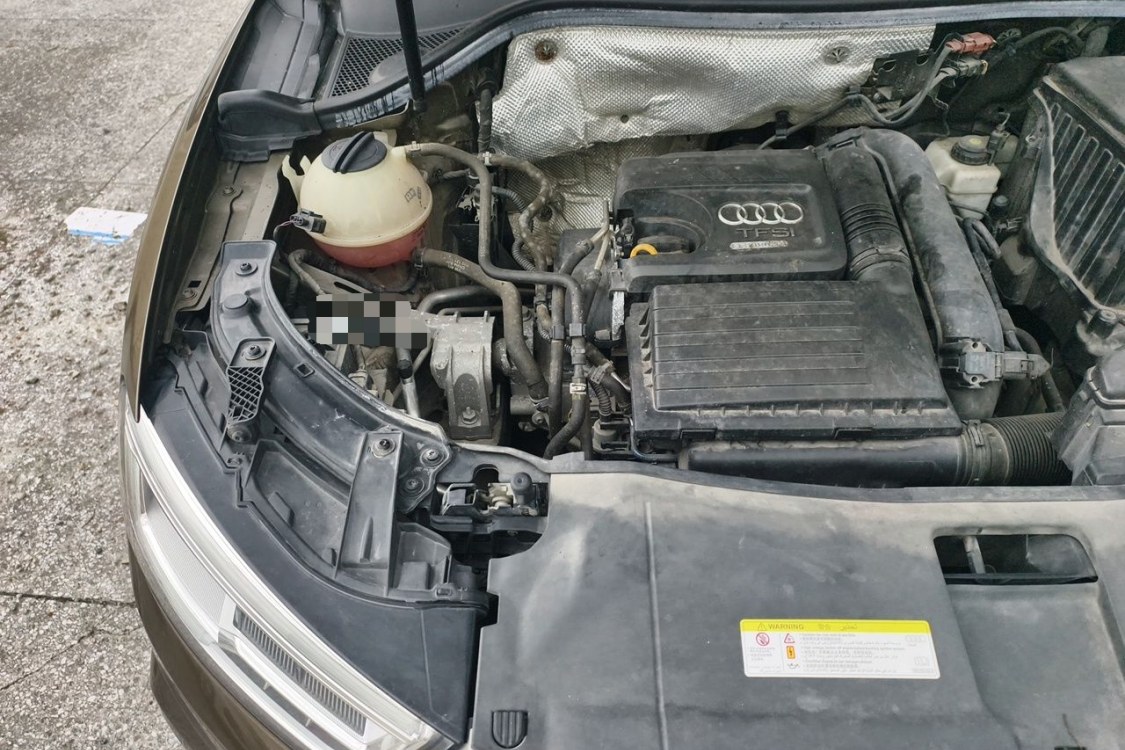
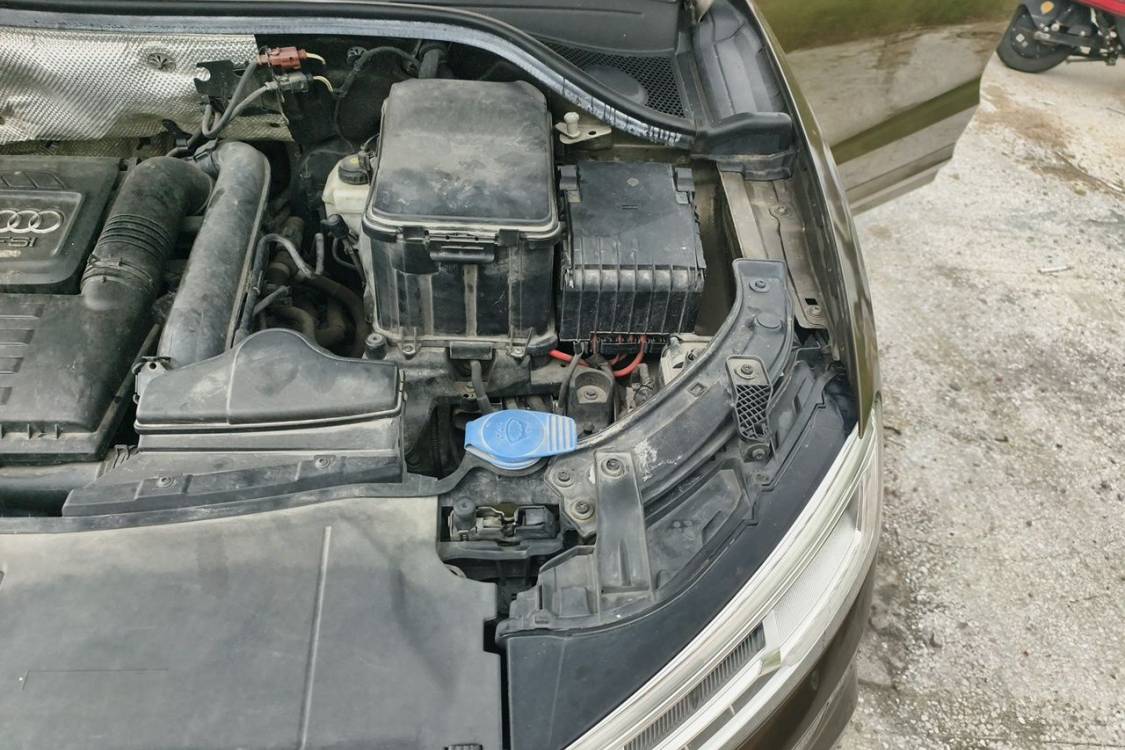
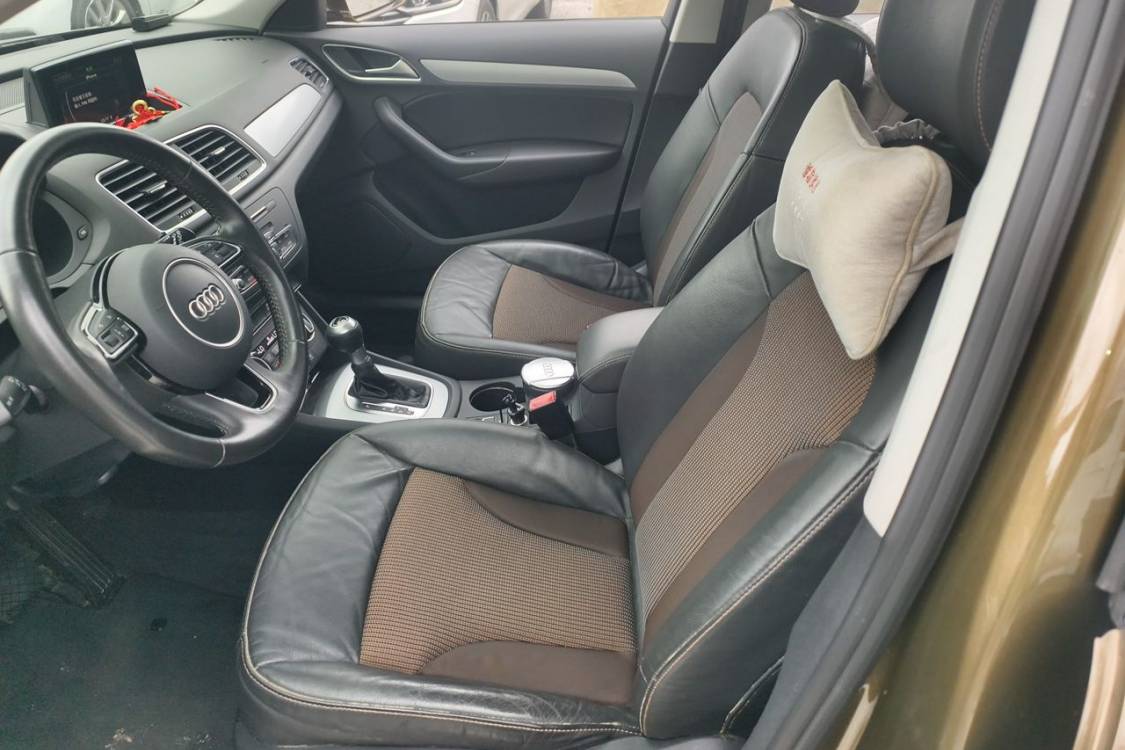
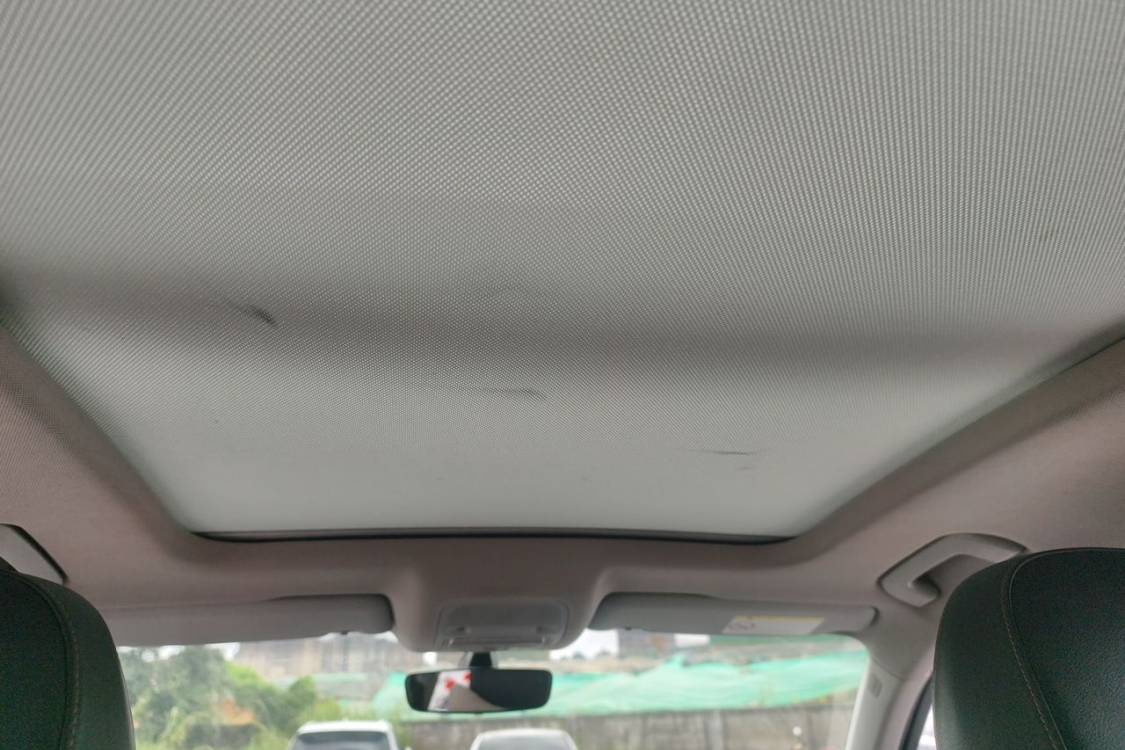
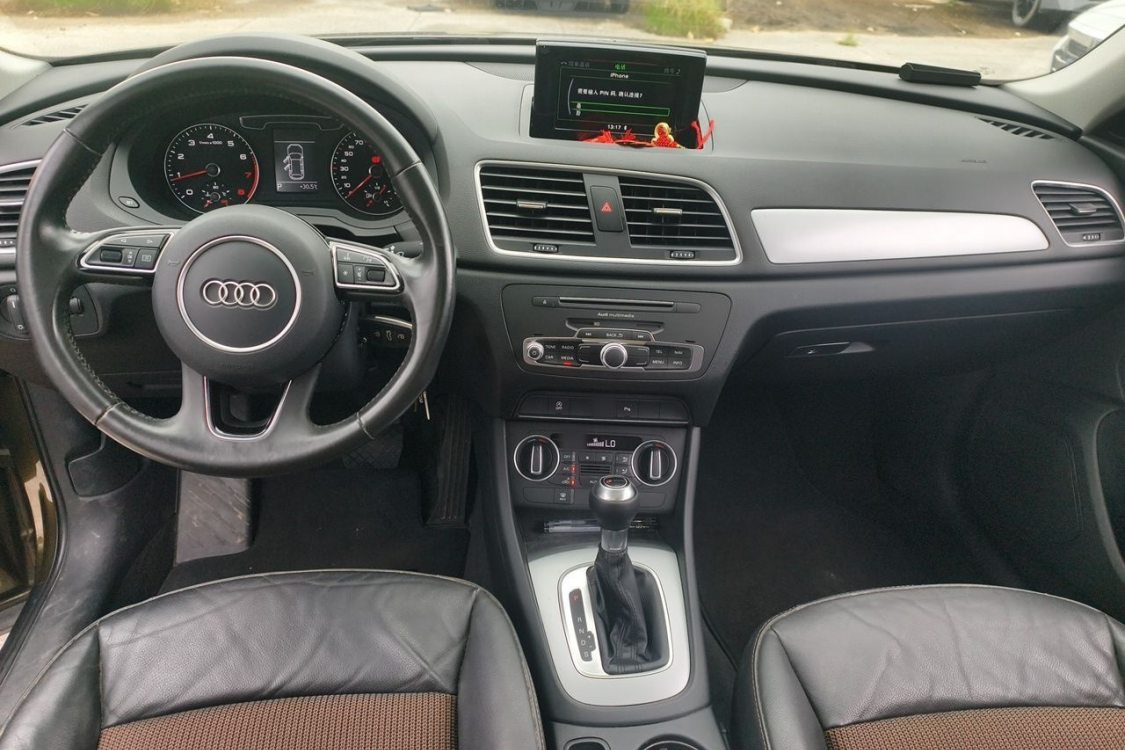
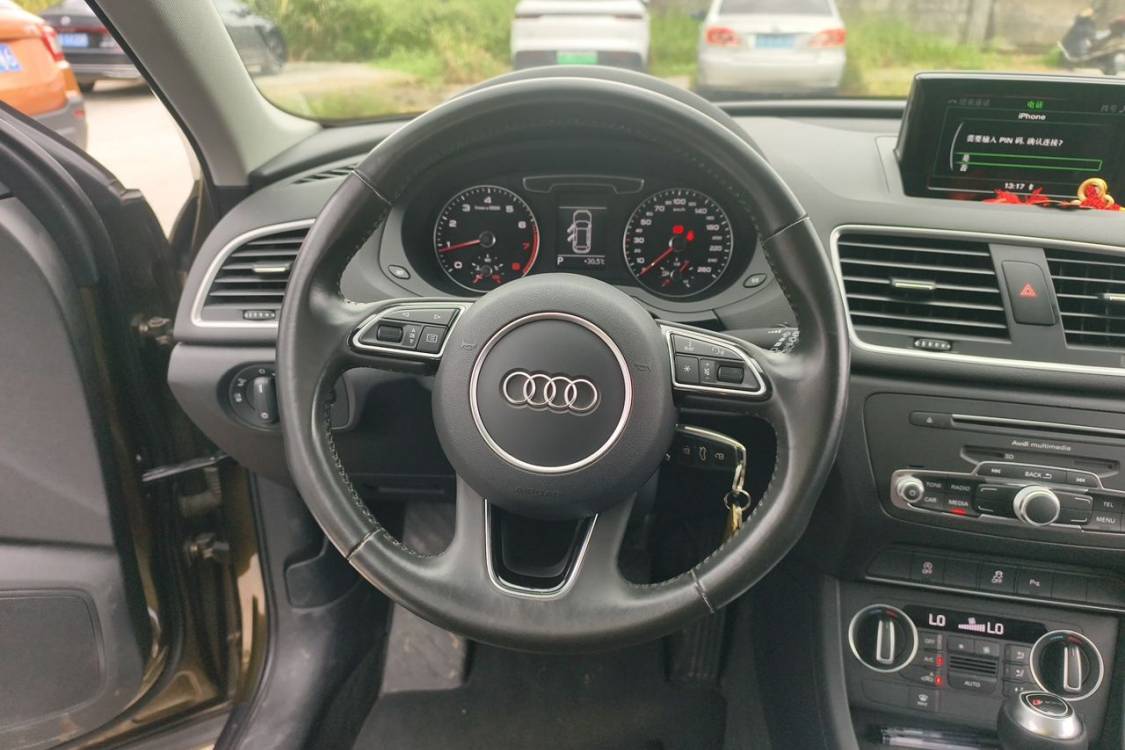
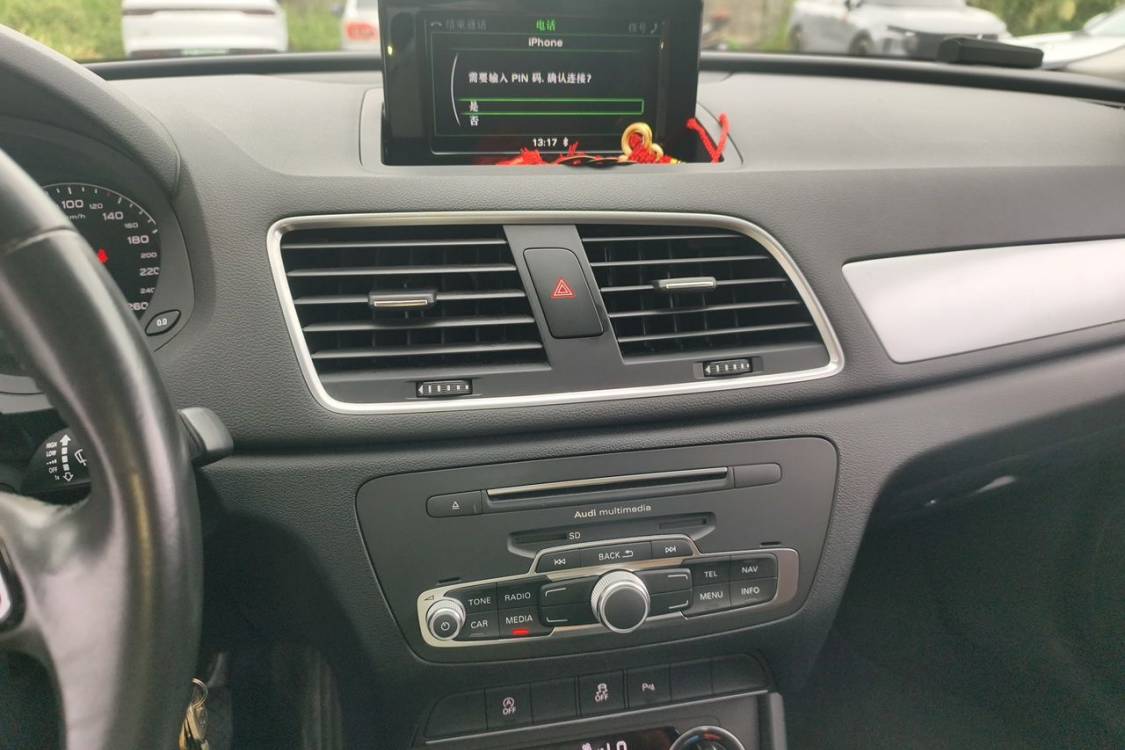
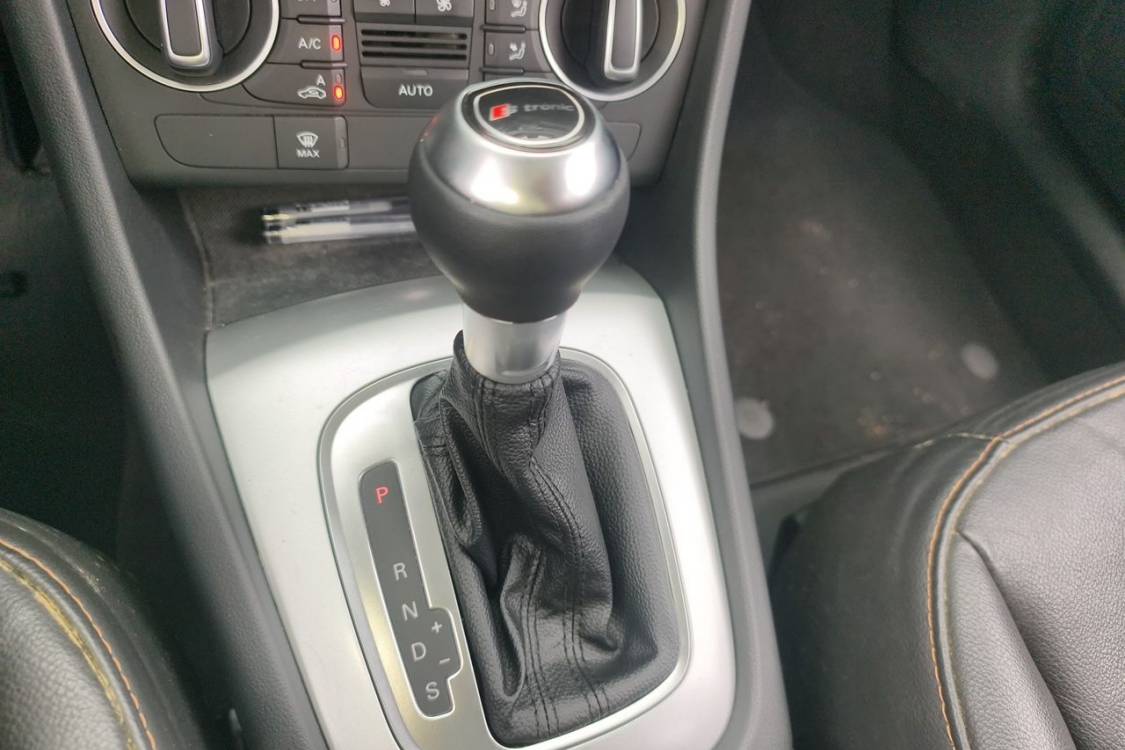
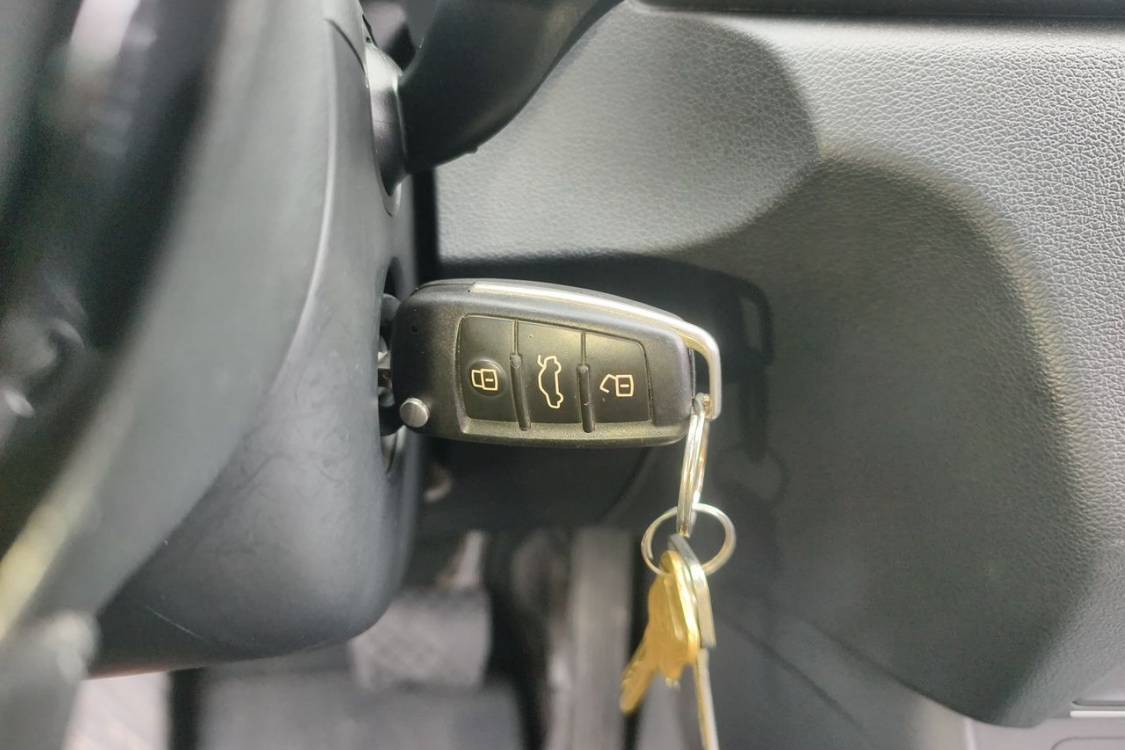
Accident inspection: main structure no damage, reinforcement components no damage, cover panels damaged, hinges normal. Engine bay: valve cover gasket oil leak. Exterior: 1 panel repair, 8 paint repairs. Interior: left front seat torn, most features normal, airbag system normal, lighting system normal. Startup check: main components normal. Tool kit: missing.

电话直连
可讲价
可转售
零过户
新检测标准升级>

Document Information

Inspection Expiry Date2028/09
Warranty Expiry Date-
Insurance Expiry Date2026/09

Q&A

More

Are the quality assessment standards for used commercial vehicles (pickups, light vans) the same as for passenger cars?

Completely different. The assessment of commercial vehicles focuses on: the extent of wear/deformation in the cargo area, whether the frame has been twisted due to overload, the fatigue of the leaf springs, and the emissions of the diesel engine. Minor exterior scratches carry very little weight in the assessment of commercial vehicles.


Will the vehicle undergo deep cleaning, thorough washing, or exterior refurbishment before being shipped for export?

Before export, we perform a standard external wash and interior vacuuming to meet basic hygiene inspection requirements by customs. However, we do not engage in deceptive "refurbishments" (such as repainting large areas with cheap paint or using low-quality interior refurbishing agents) to preserve the vehicle's true physical condition for buyer assessment.

How are the refrigerant pressure, compressor operation, and heating effect of the air conditioning system deeply tested?

The technician will start the vehicle and turn on the air conditioning system, measuring the actual temperature at the vents at the lowest and highest settings with a thermometer; at the same time, they will connect a manifold pressure gauge to check if the refrigerant pressure in the high and low pressure lines is within the normal range, determining if there is a chronic refrigerant leak.