




Basic Information

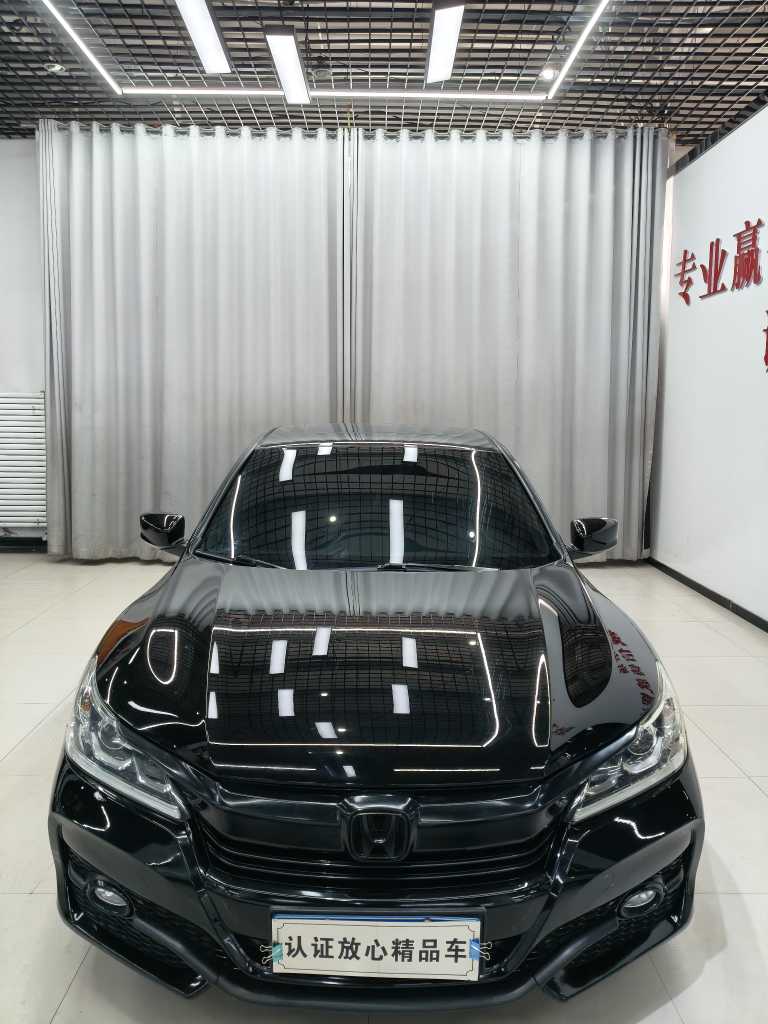
BrandHonda
SeriesAccord
Year2017
First Registration2017/10
Mileage11.42km
Transfer Count2times
FuelGasoline
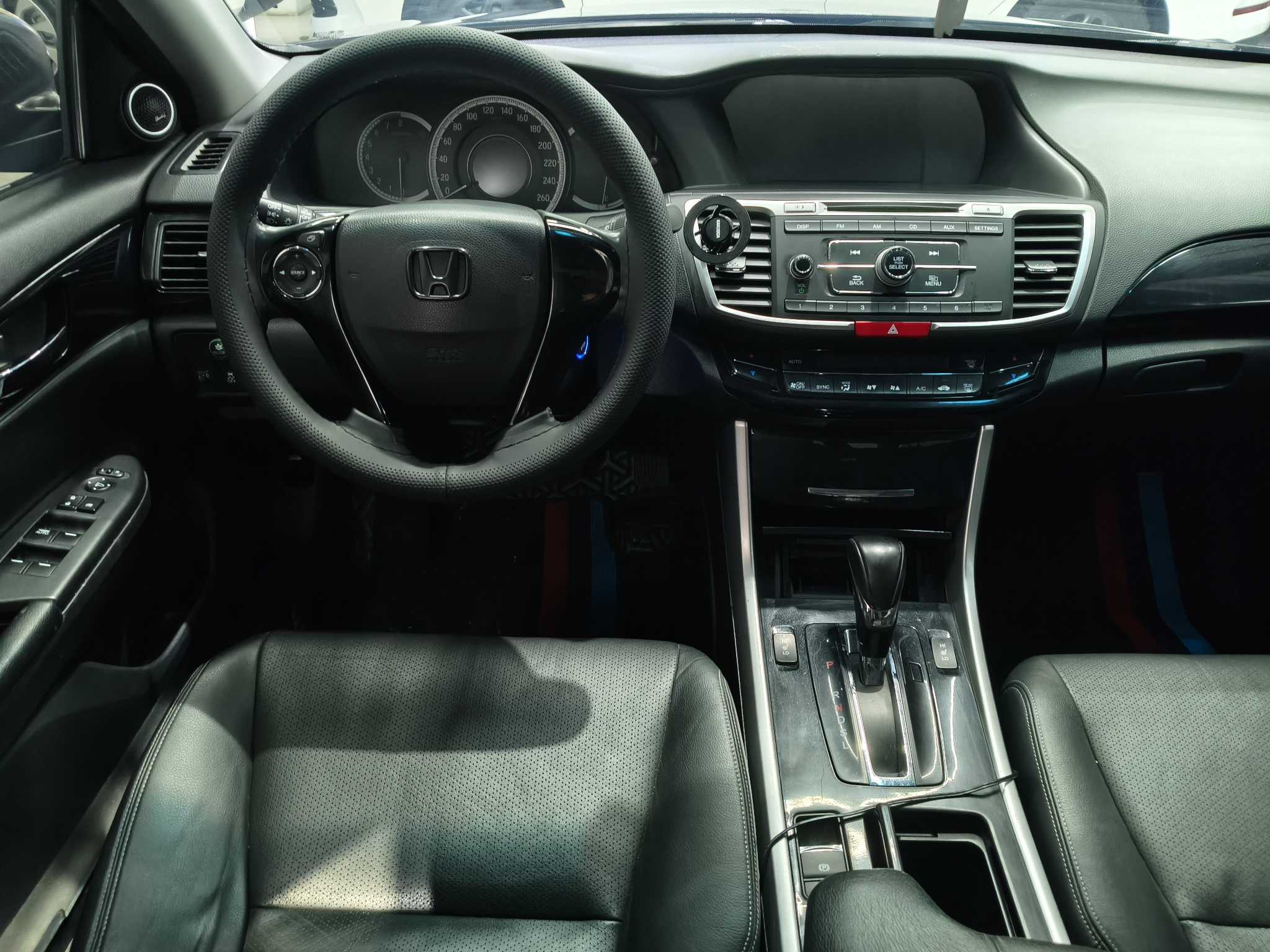
TransmissionCVT
Engine2.0L 155 L4
ColorBlack
Seats-

Condition Description

Original condition vehicle, no snow tires, actual condition. Fully repainted. Five body panels have been repaired: left front fender, right rear fender, right rear door, right front door, and right front fender.

Configuration Highlights

Driver/Passenger Airbags
Front/Rear Side Airbags
ISOFIX Child Seat Anchors
ABS Anti-lock Braking
Electronic Brake Distribution
Electronic Stability Control
Hill Start Assist
Auto Hold
Multifunction Steering Wheel
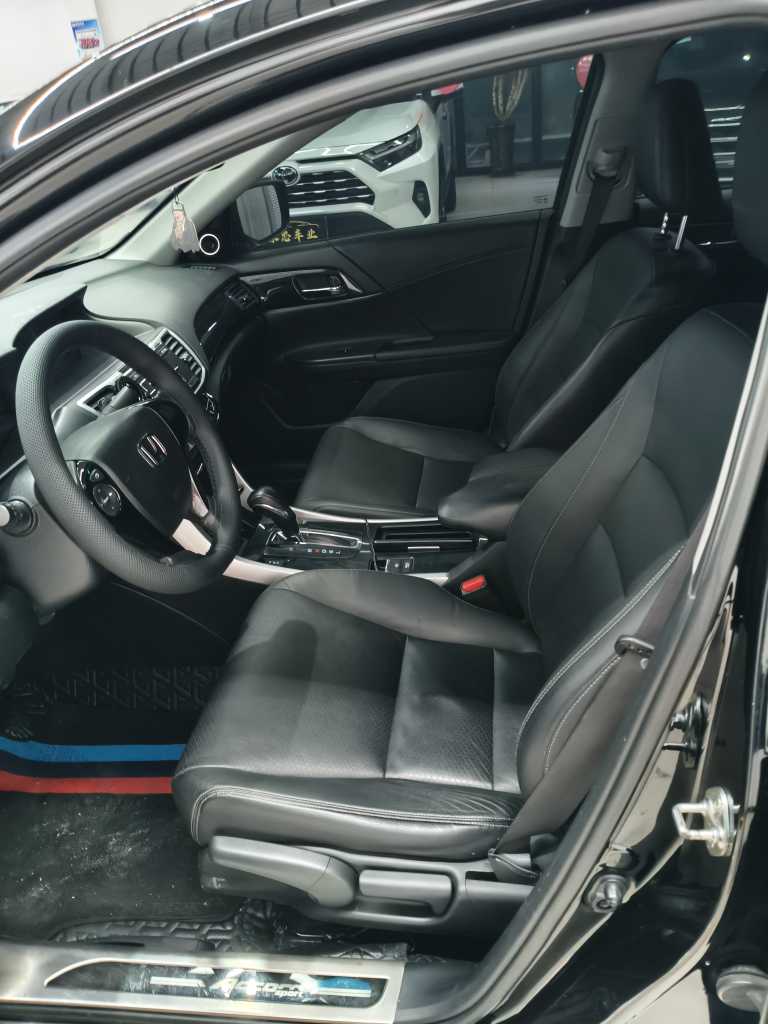
Seat Material
Rear Cupholders
Low Beam Headlights
Daytime Running Lights
Adjustable Headlight Height
Power Windows
Anti-pinch Windows
Climate Control Type
Rear Air Vents

Q&A

More

How long can you hold this car for me after the deposit is paid?

Our standard holding period is 3 business days after the deposit is paid (based on the timestamp of the payment slip). The domestic used car market in China moves very quickly, and if we do not receive the bank message confirming the deposit within the specified time, the system will automatically release the hold, and the vehicle will be re-listed for public sale.


After long-distance sea transport, does the vehicle's air conditioning refrigerant (Freon) need to be vacuumed and recharged?

If there is a minor leak in the lines due to bumps, it is possible that the cooling may not work upon arrival. This is a normal physical loss. The cost of vacuuming, pressure testing, and recharging refrigerant at a local auto repair shop is low and is the buyer's responsibility.

How are the refrigerant pressure, compressor operation, and heating effect of the air conditioning system deeply tested?

The technician will start the vehicle and turn on the air conditioning system, measuring the actual temperature at the vents at the lowest and highest settings with a thermometer; at the same time, they will connect a manifold pressure gauge to check if the refrigerant pressure in the high and low pressure lines is within the normal range, determining if there is a chronic refrigerant leak.