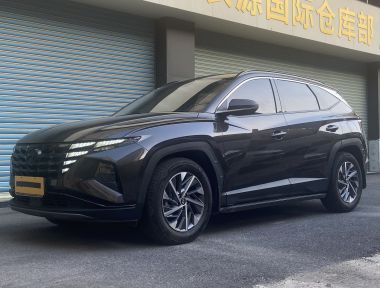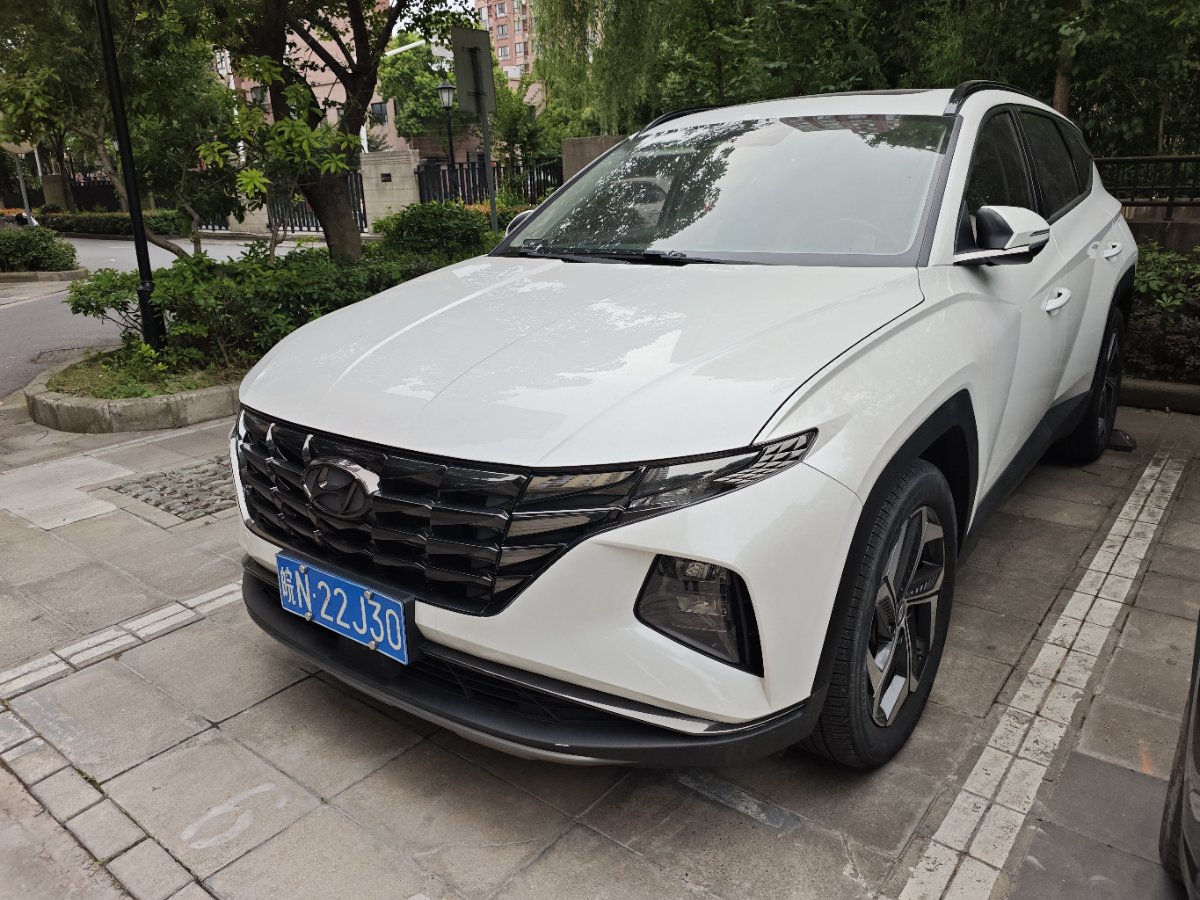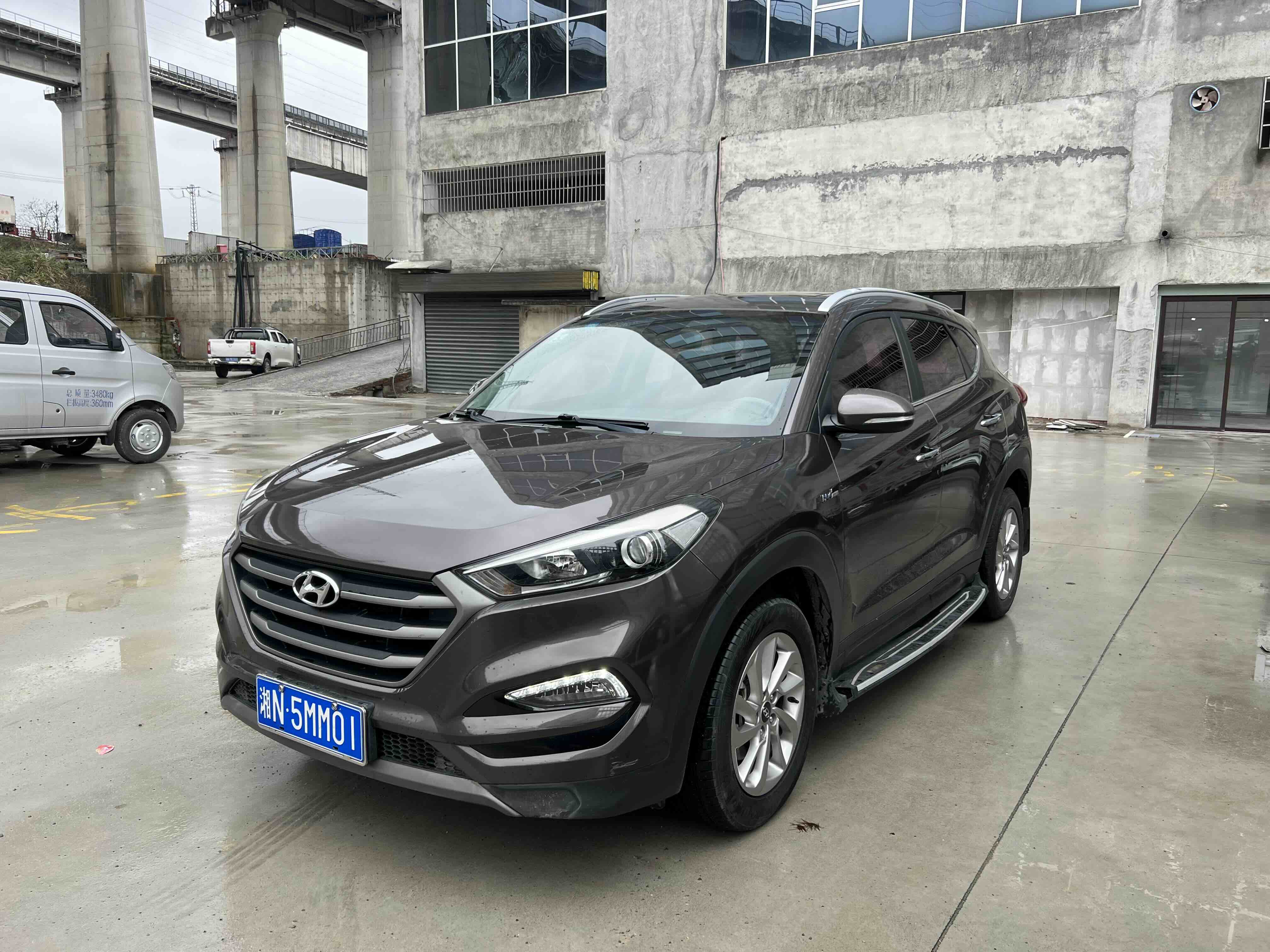
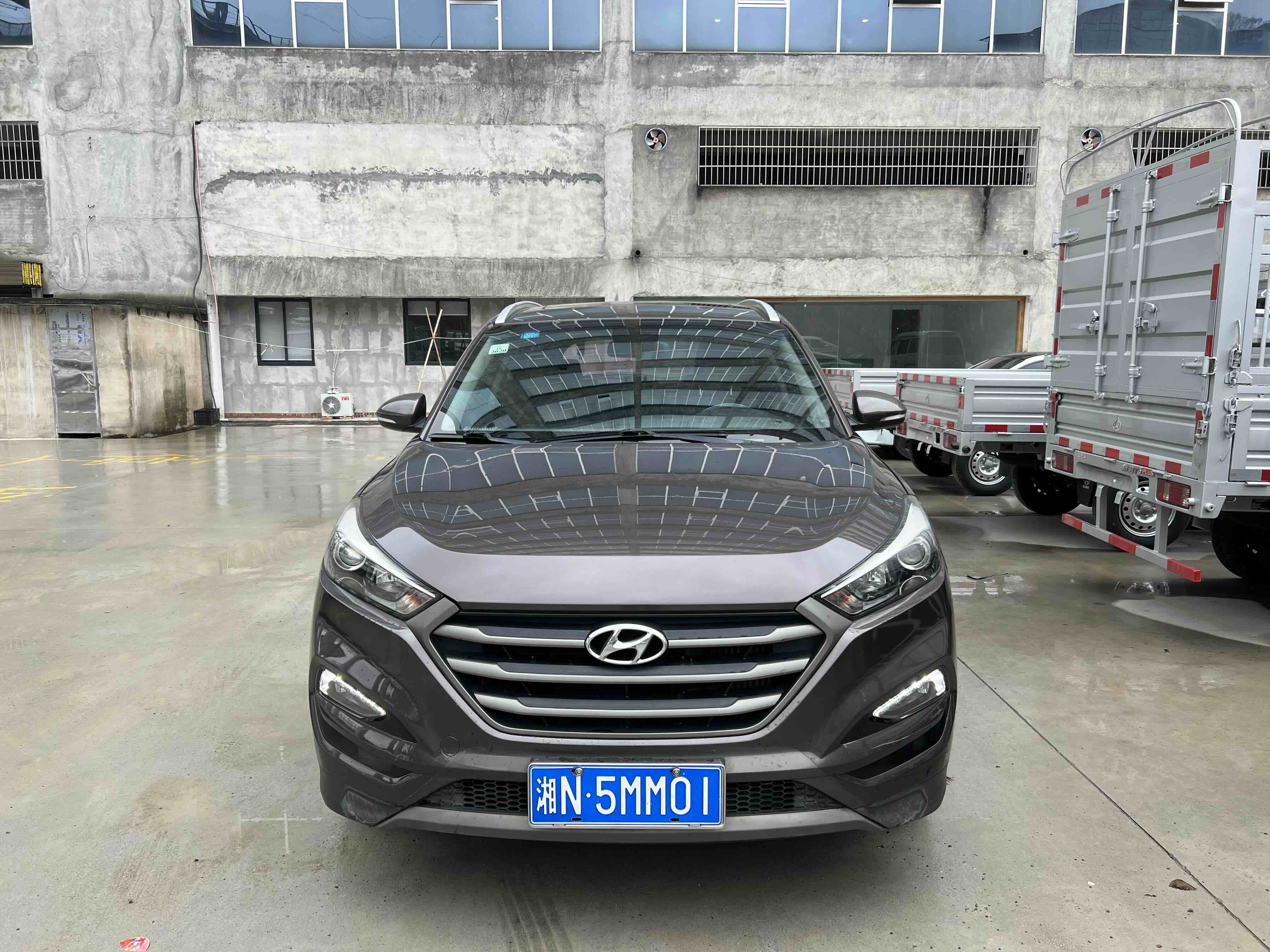
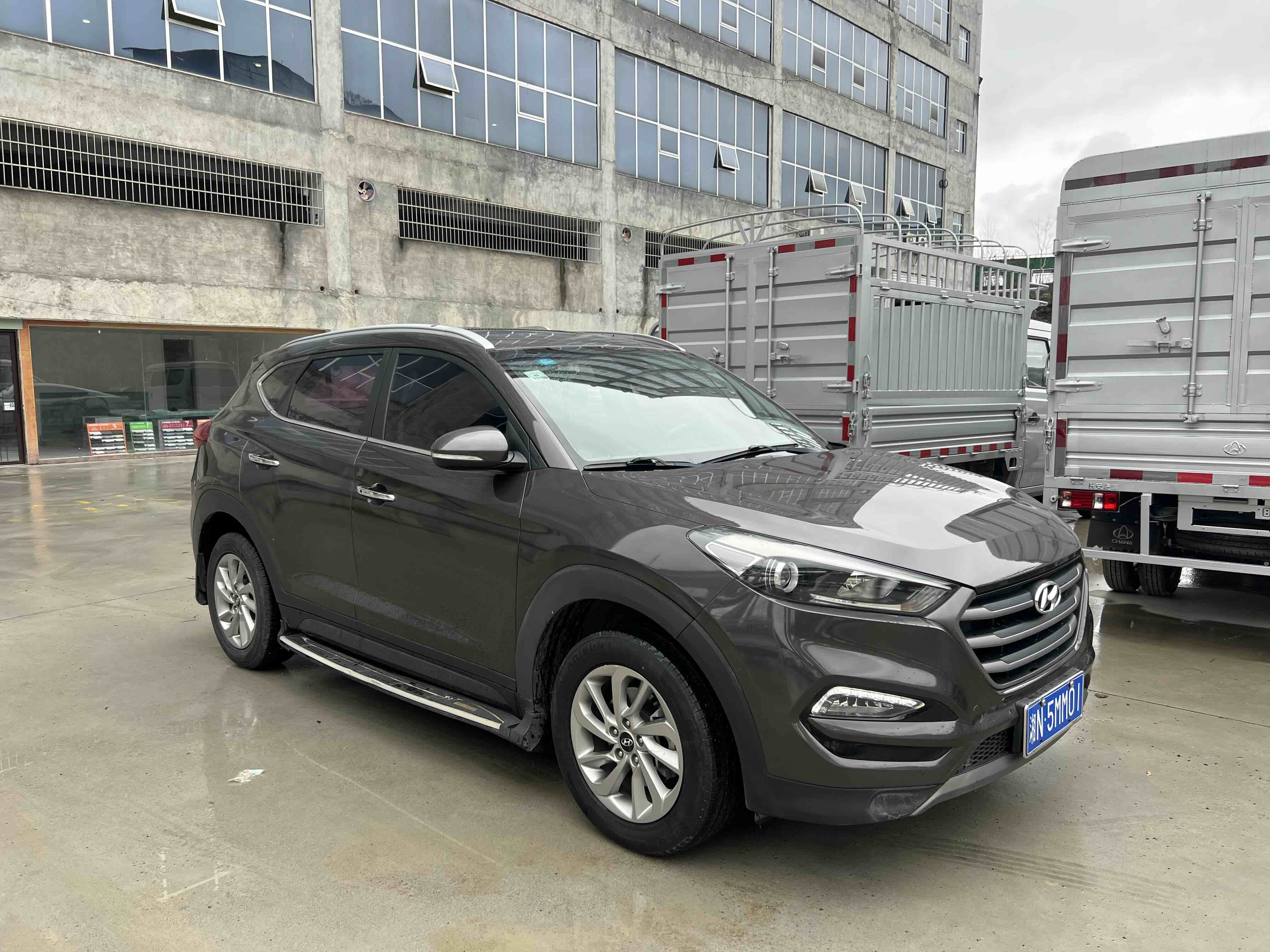
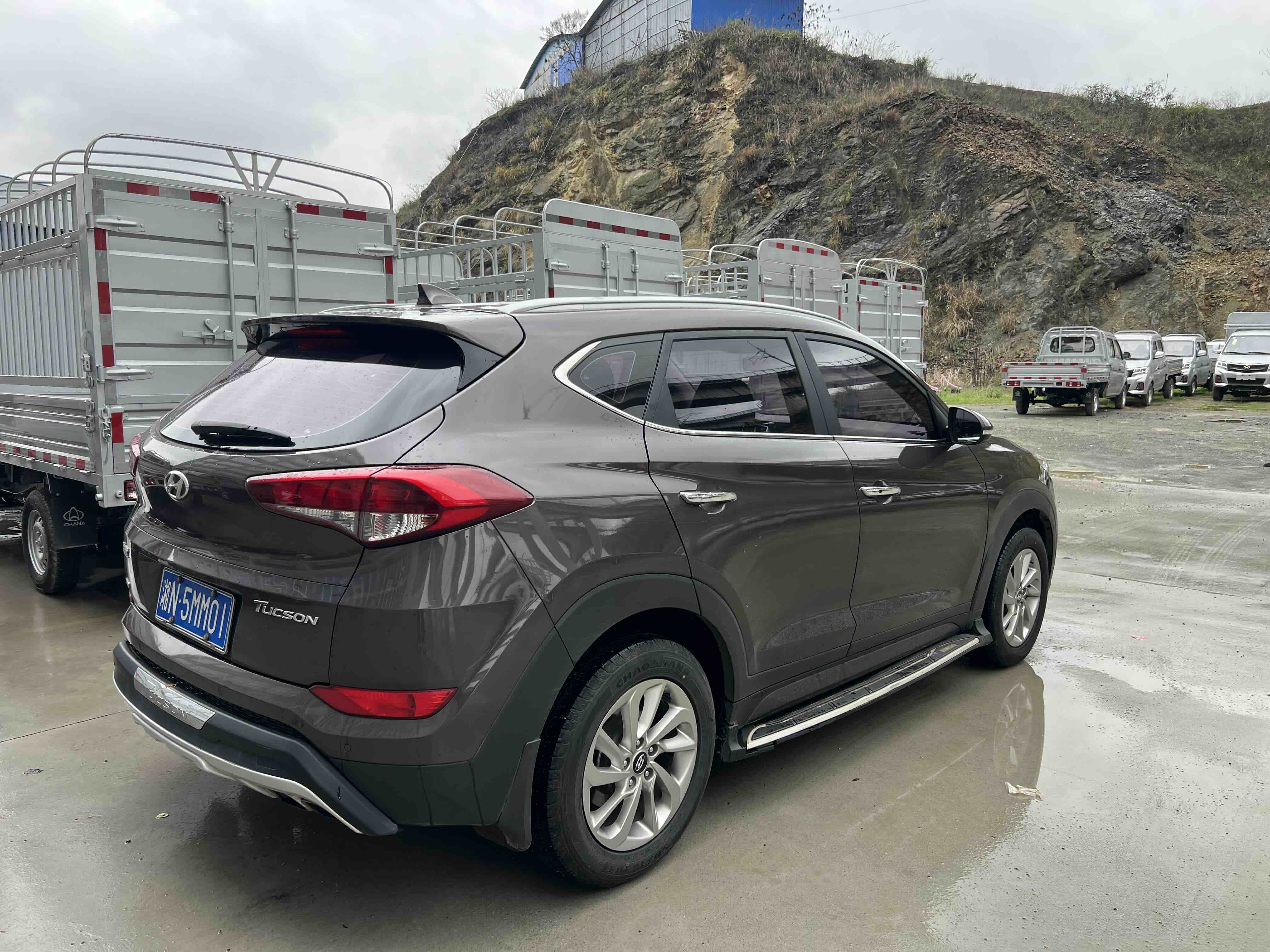
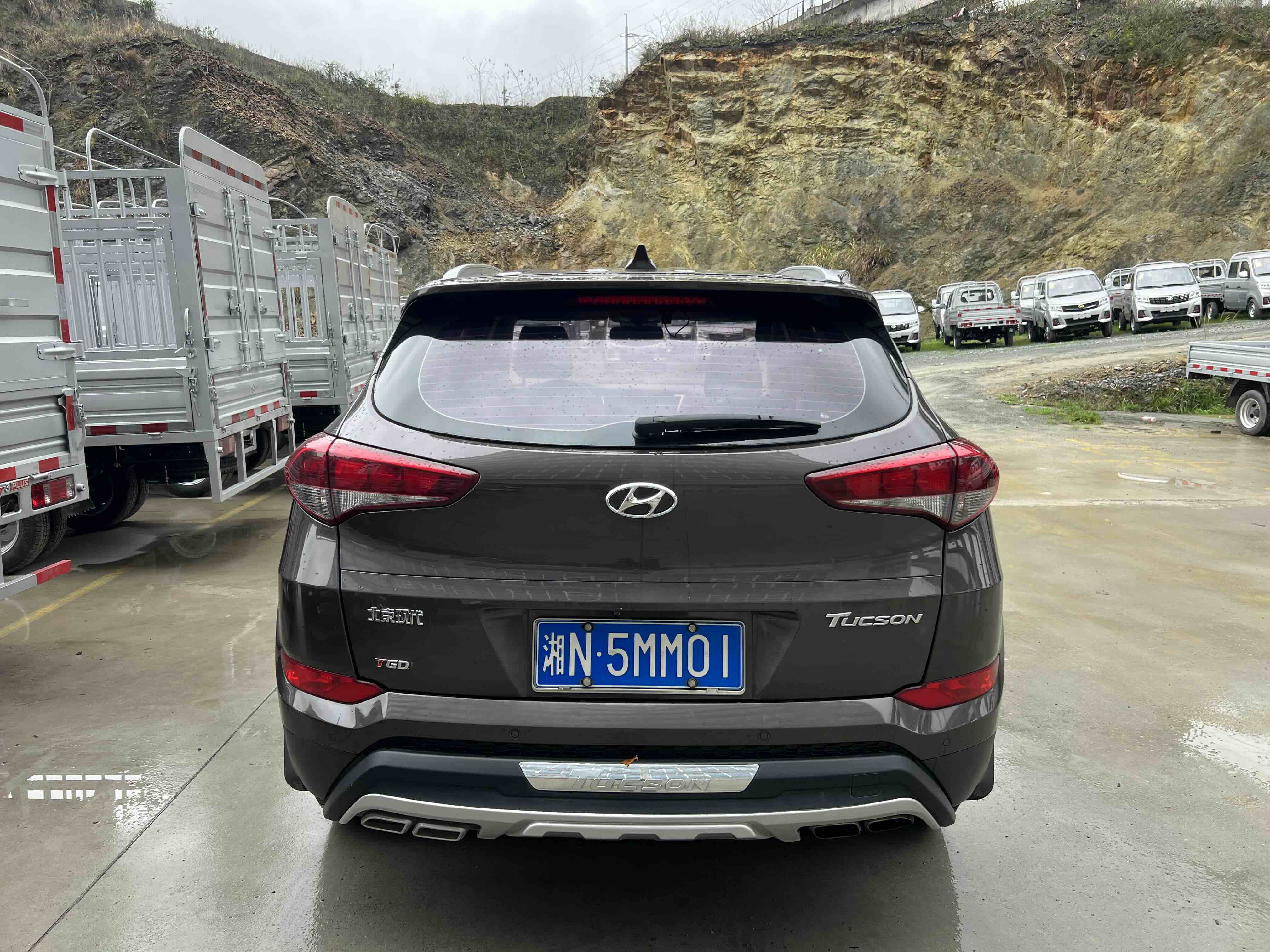
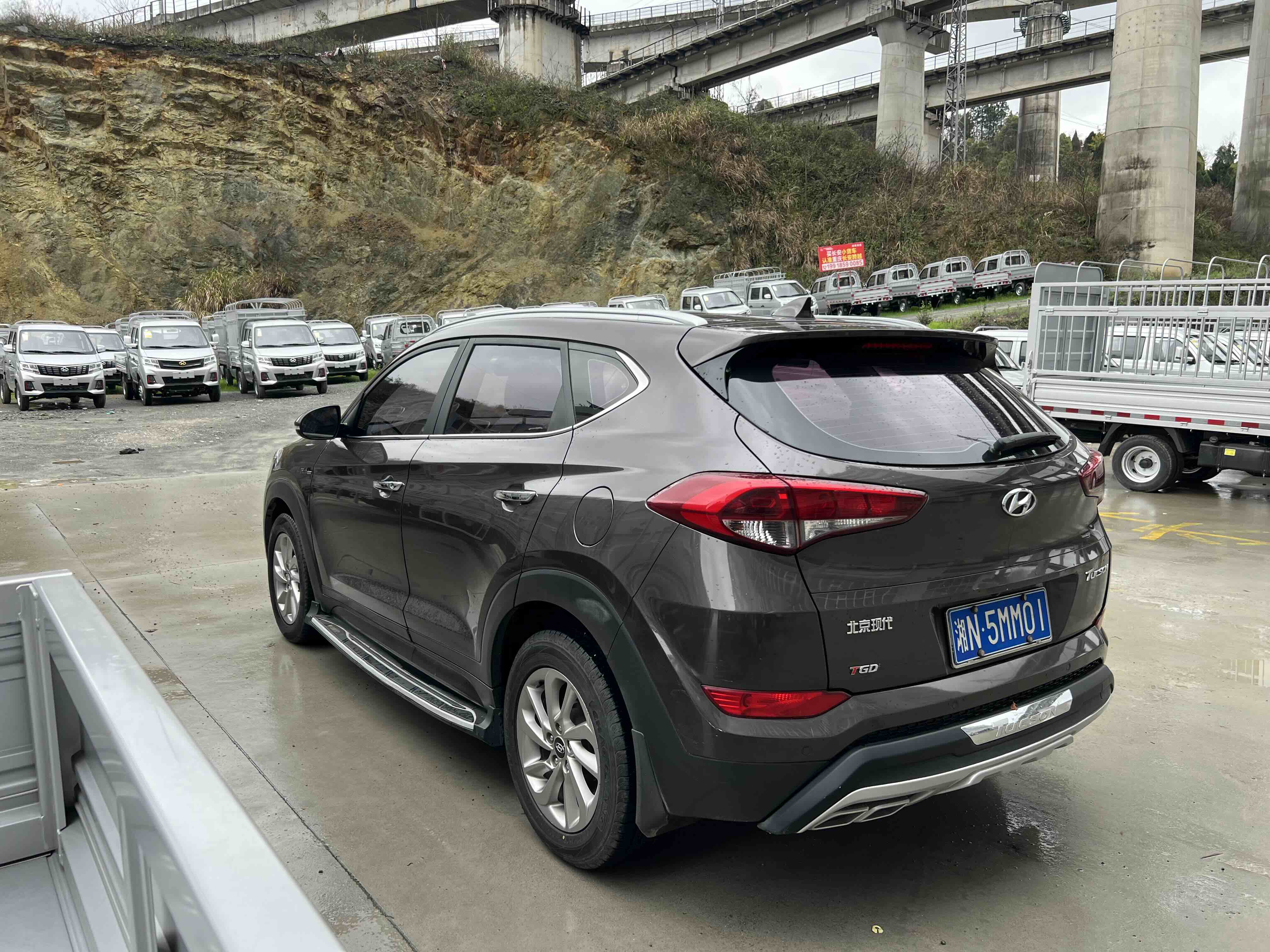
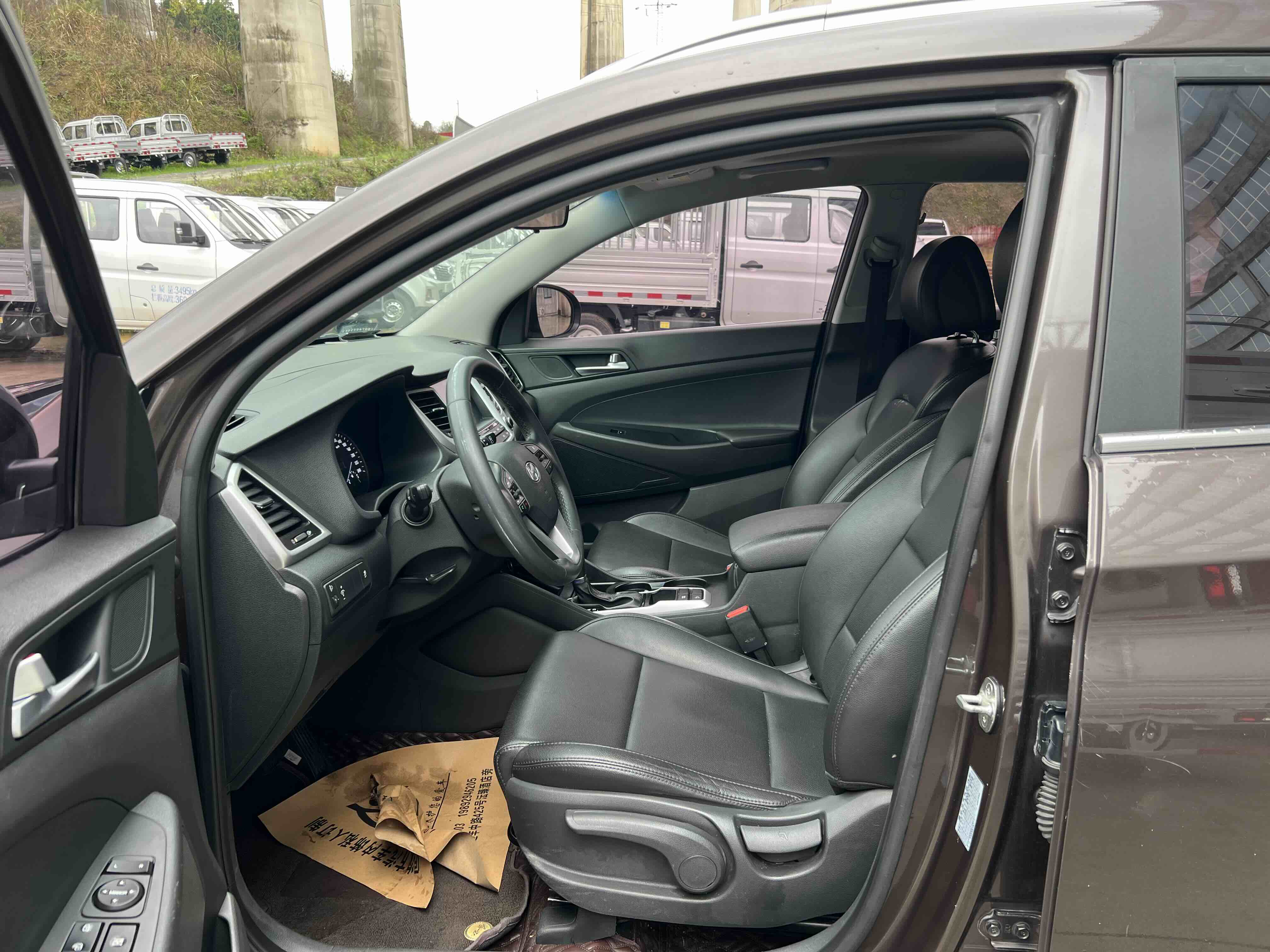
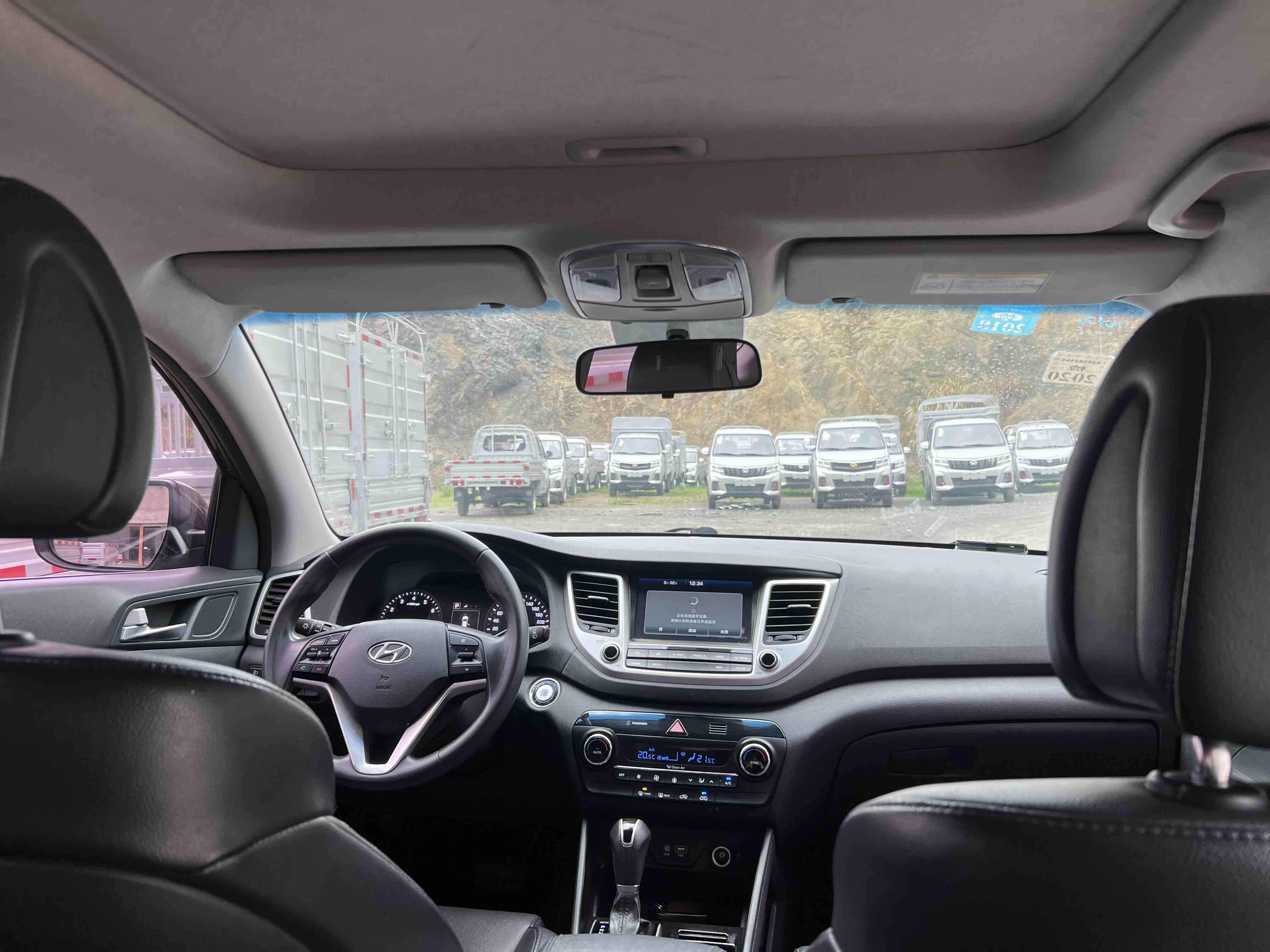
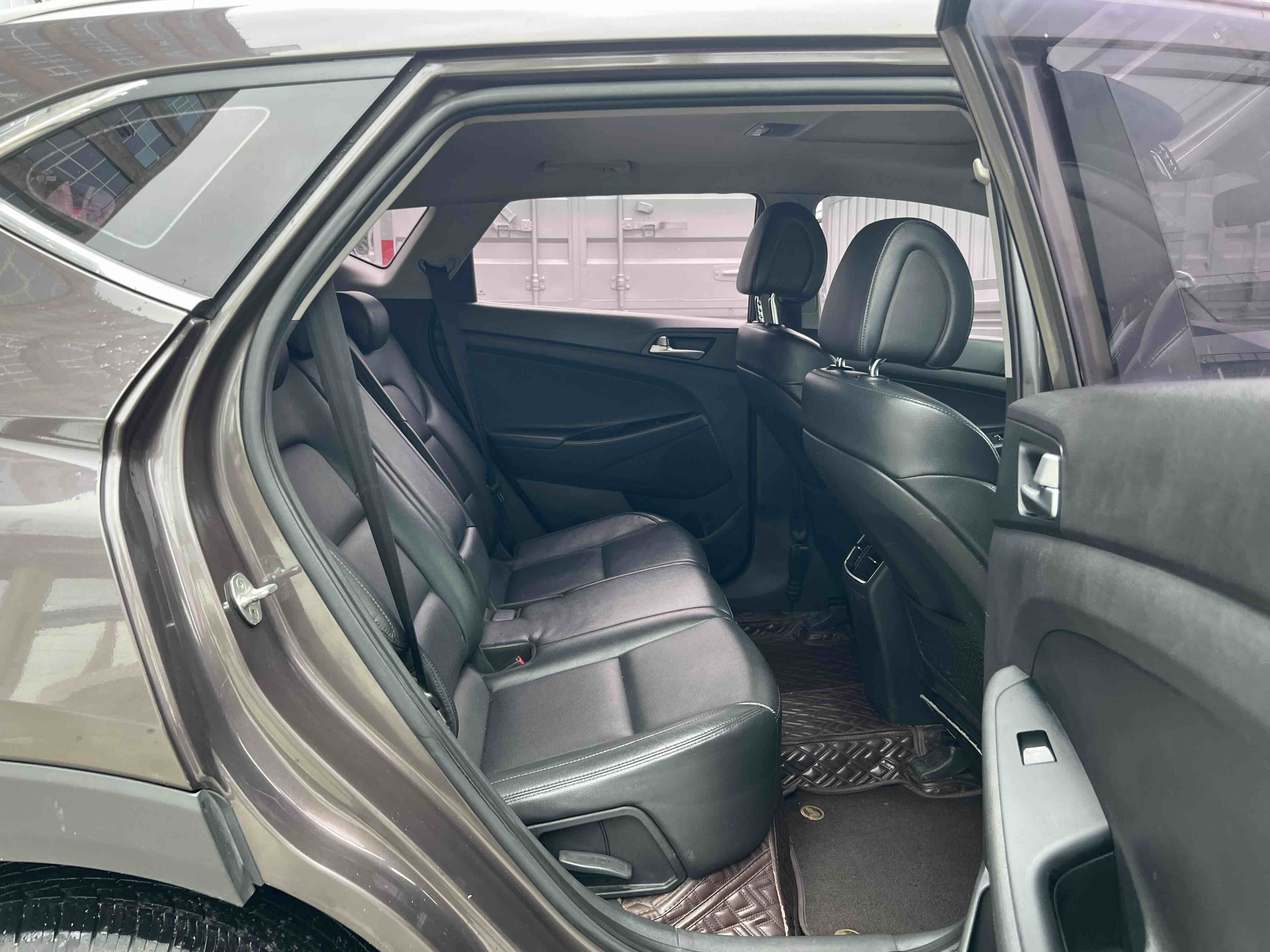
Basic Information

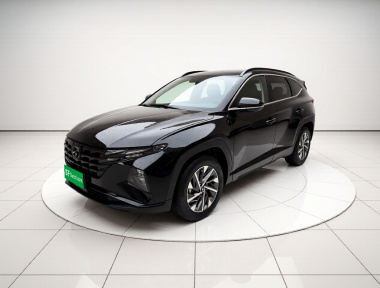
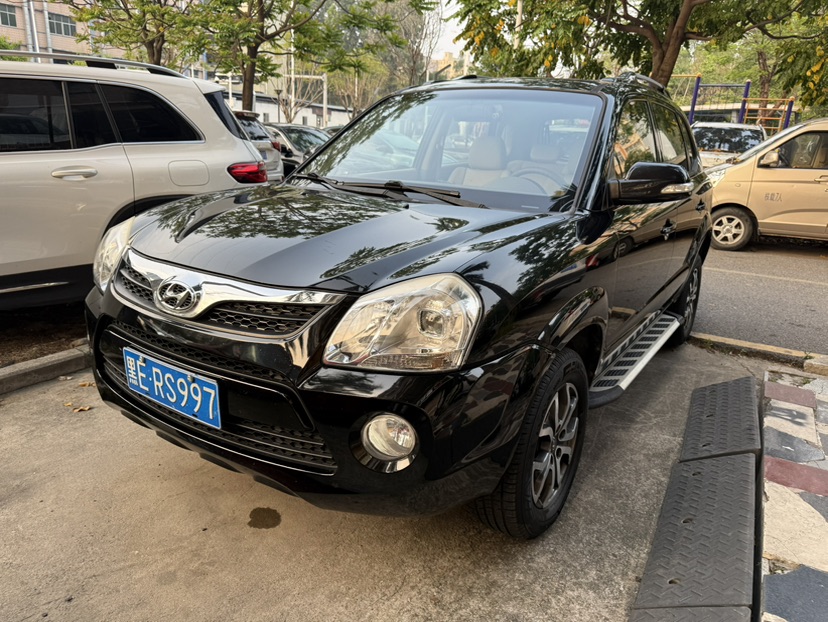
BrandHyundai
SeriesTucson
Year2016
First Registration2016/05
Mileage16.8km
Transfer Count-
FuelGasoline
TransmissionDCT
Engine1.6T 177 L4
ColorBrown
Seats-

Condition Description

Jiahao makes payment to sell his car and tags the mechanic. The car is in excellent condition.

Configuration Highlights

Driver/Passenger Airbags
Front/Rear Side Airbags
Front/Rear Curtain Airbags
ISOFIX Child Seat Anchors
Keyless Start System
Keyless Entry System
ABS Anti-lock Braking
Electronic Brake Distribution
Electronic Stability Control
Hill Start Assist
Hill Descent Control
Panoramic Sunroof
Roof Rack
Multifunction Steering Wheel
Seat Material
Rear Cupholders
Low Beam Headlights
Daytime Running Lights
Auto Headlights
Adjustable Headlight Height
Power Windows
Climate Control Type
Rear Air Vents

Q&A

More

Why is there a time difference between the production date on the vehicle nameplate and the first registration date on the registration certificate?

The nameplate date is the absolute time when the vehicle leaves the factory; the registration date is when the vehicle is registered with the traffic management department after sale. The difference represents the time the vehicle spent in the dealer's warehouse or logistics. If the time difference exceeds 6-8 months, the vehicle is considered a "stock vehicle," and we pay special attention to the natural aging of its rubber components.
Will you conduct a thorough inspection of the engine and transmission of the used car?

We will never perform blind deep disassembly unless there are clear severe fault codes or extreme noises. The sealing of the engine and transmission is crucial, and compromising the factory seals to investigate non-existent issues is unprofessional. We rely on data flow and external acoustic and fluid analysis to make judgments.

In countries with right-hand drive regulations, even if I bribe local customs to force a left-hand drive car through clearance, will I face irreversible obstacles when insuring and inspecting it later?

Absolutely. Even if you clear customs through gray channels, local commercial insurance companies will refuse to cover third-party liability insurance due to the vehicle not complying with national traffic laws; additionally, the vehicle will definitely fail the annual safety inspection at the local DMV.