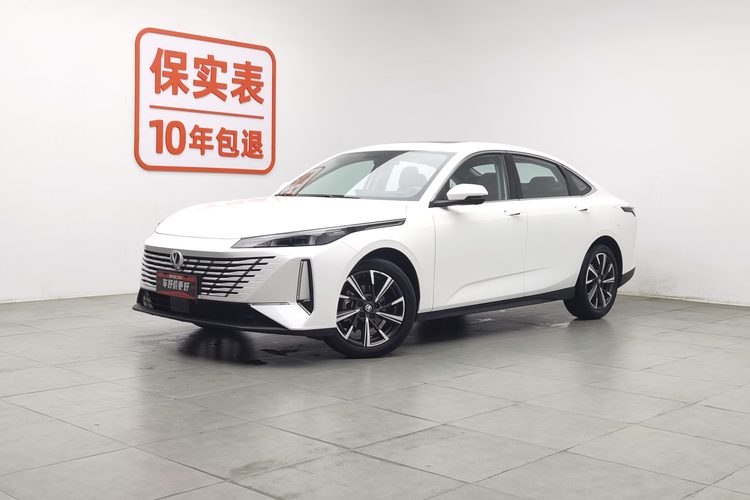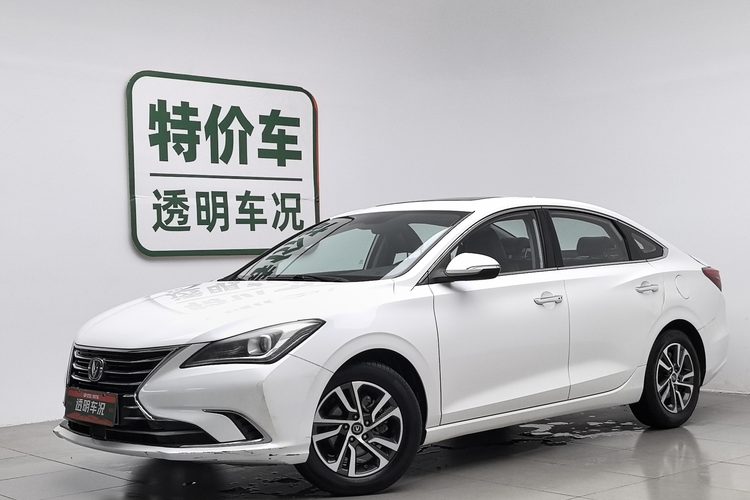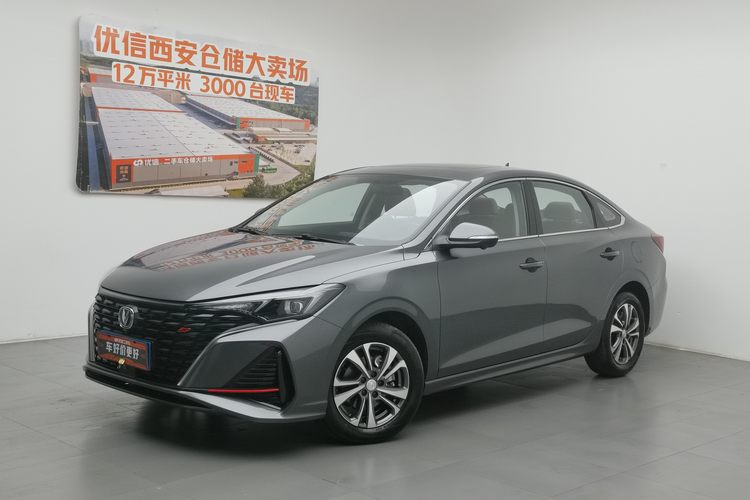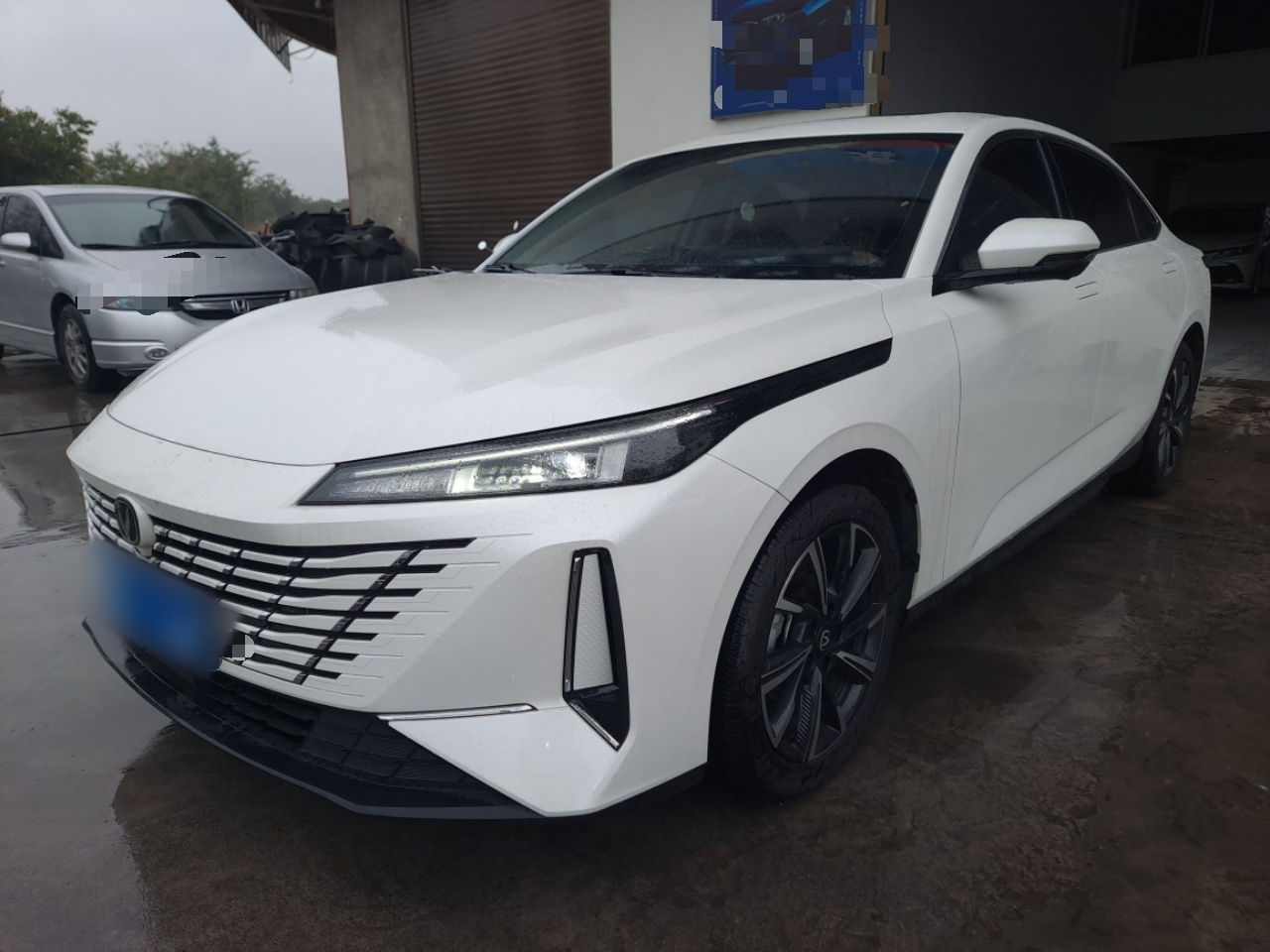
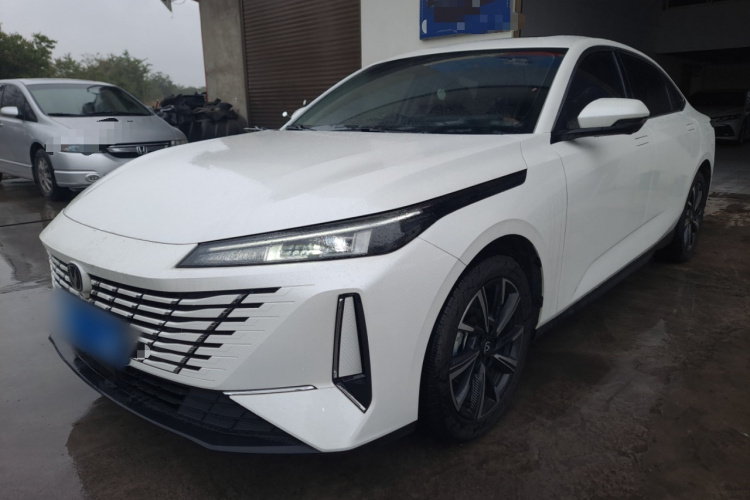
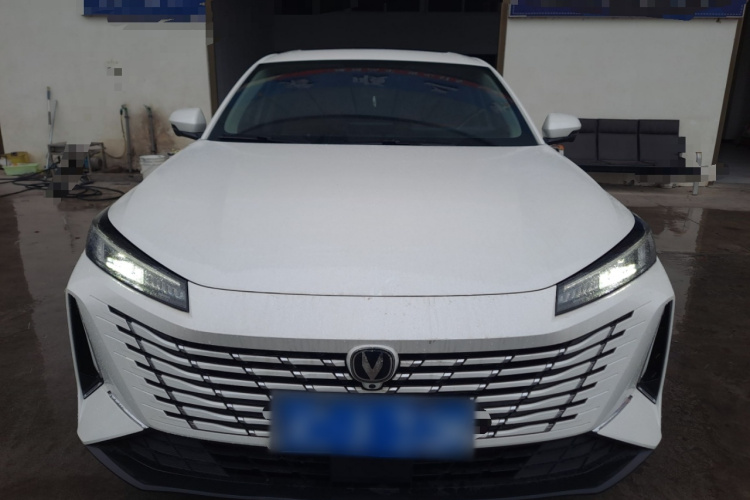
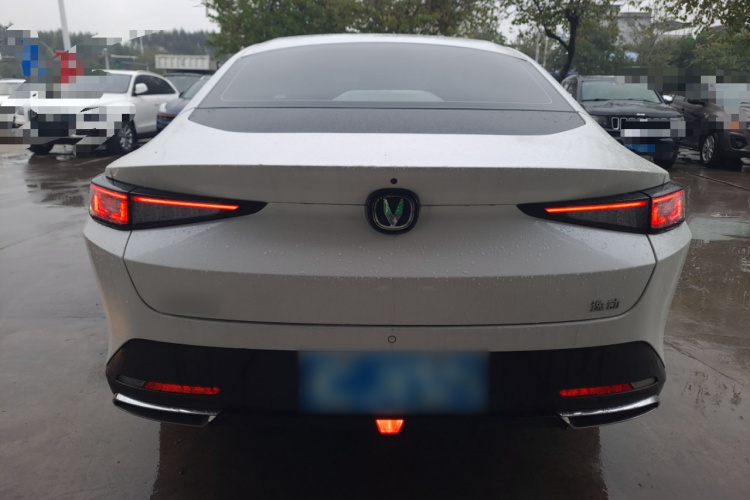
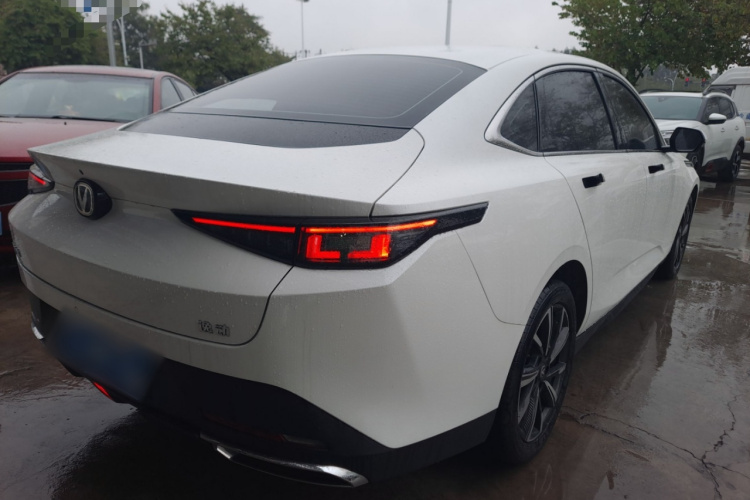
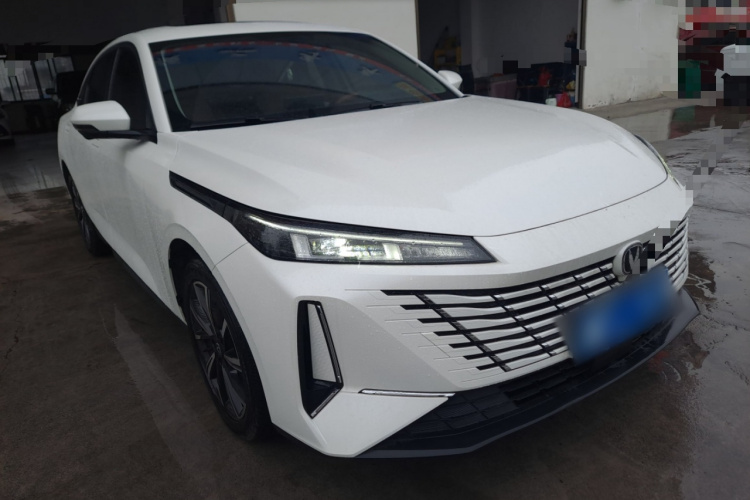
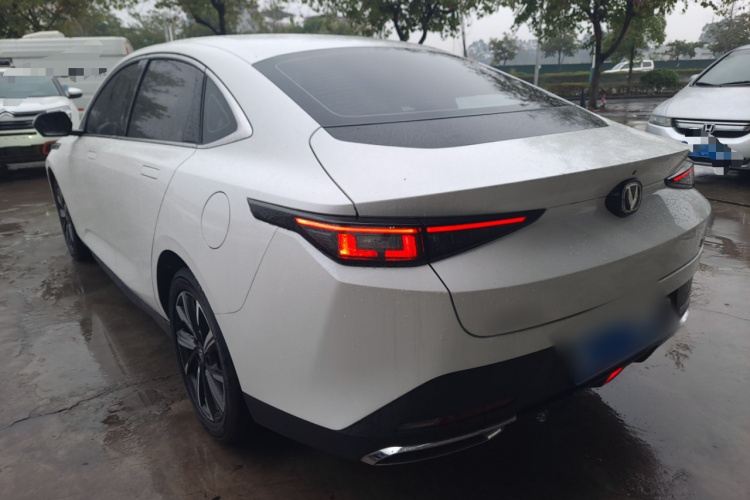
Basic Information

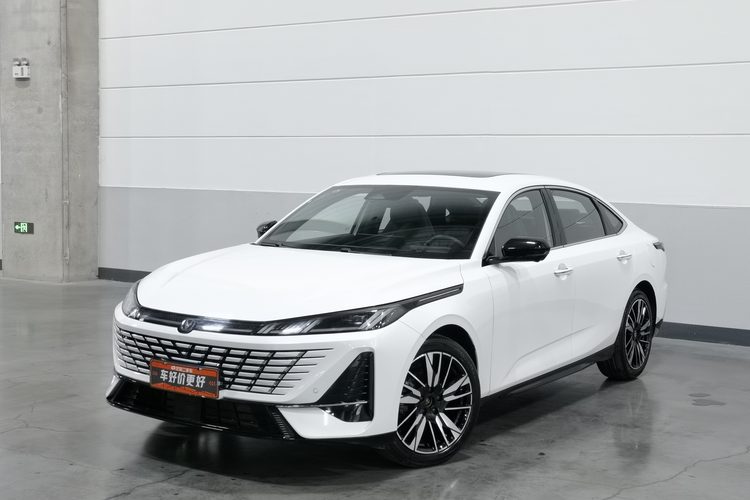
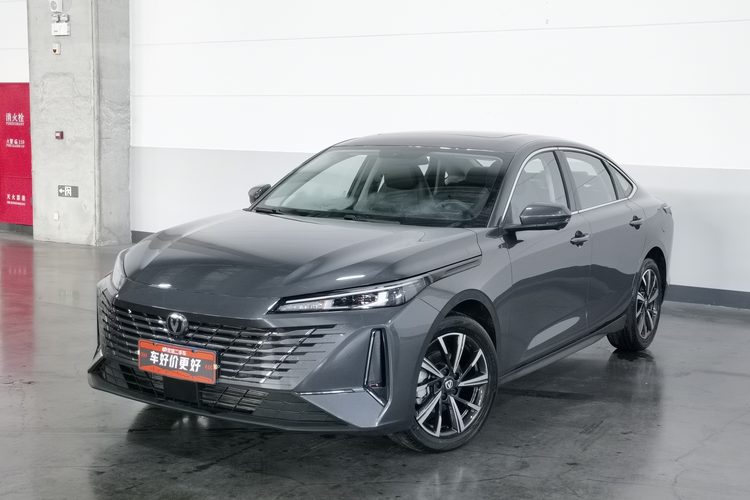
BrandChangan
SeriesEado
Year2024
First Registration2024/10
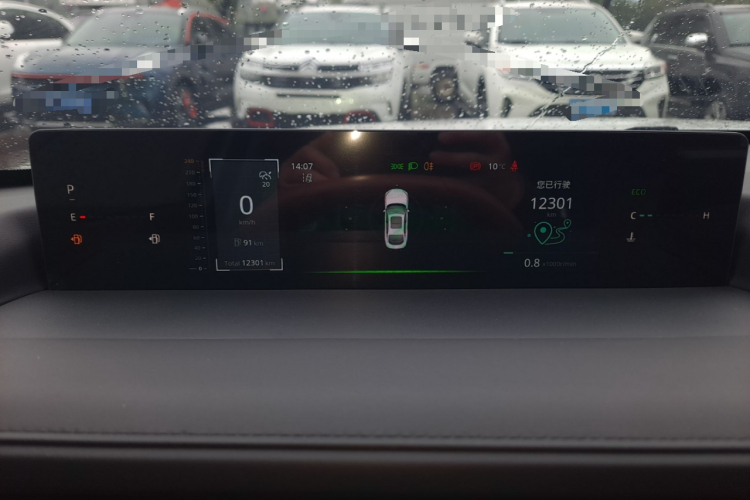
Mileage12,300km
Transfer Count1times
FuelGasoline
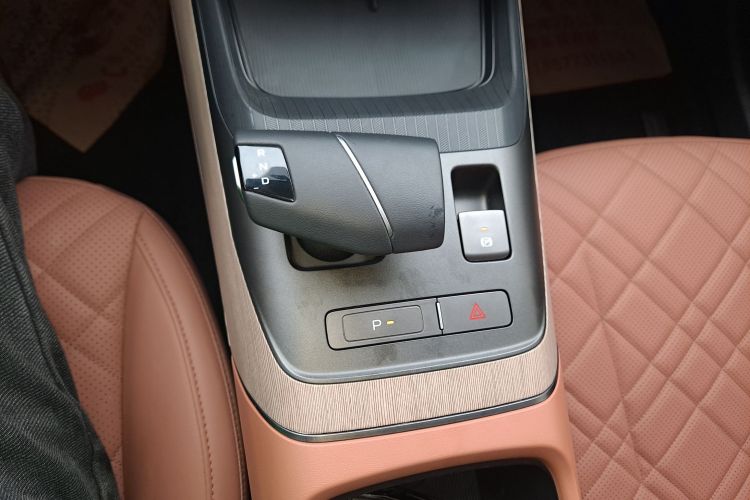
TransmissionDCT
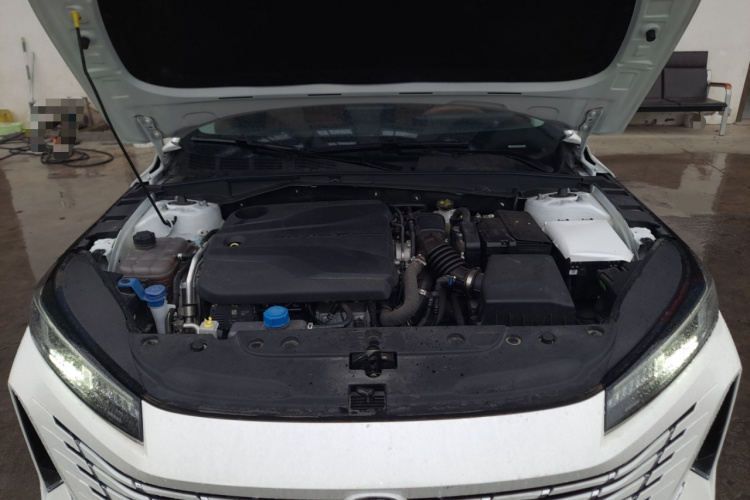
Engine1.5T 170 L4
ColorWhite
Seats5seats

Condition Description

Excellent vehicle condition, passed inspection, better than 80% of vehicles for sale, excellent condition, 0 claims, 1 ownership transfer.

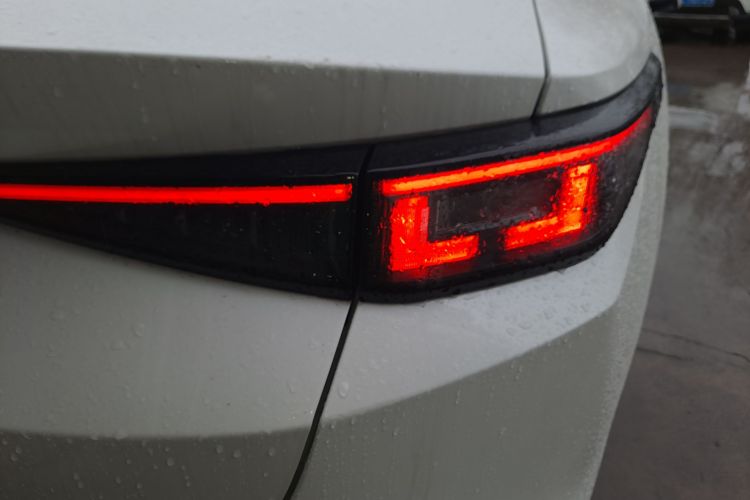
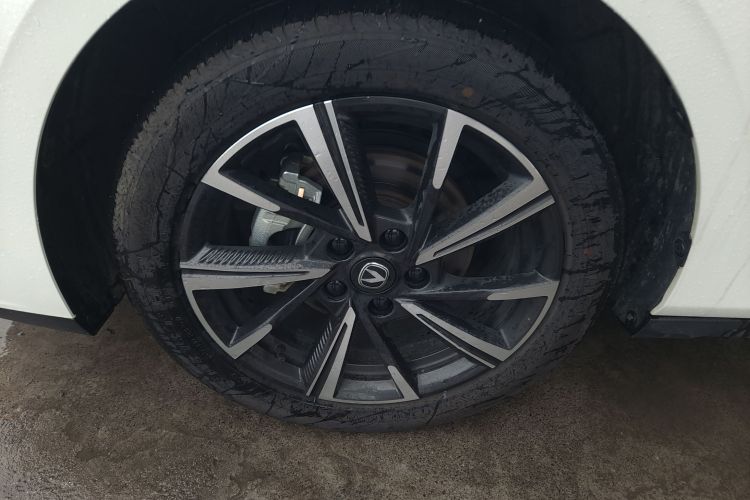
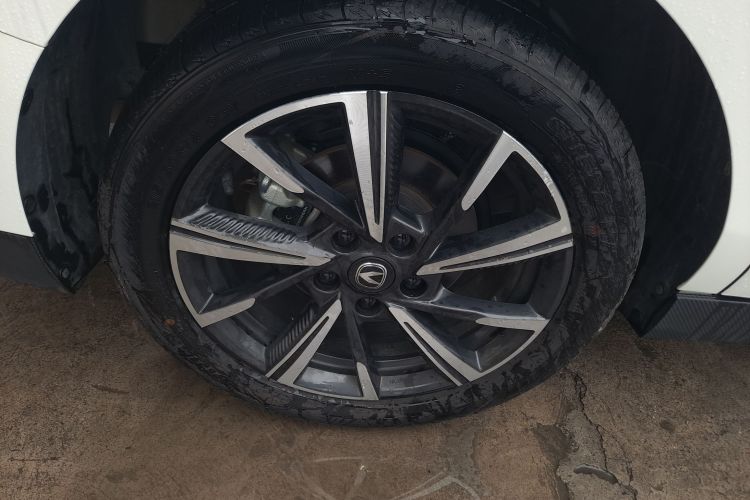
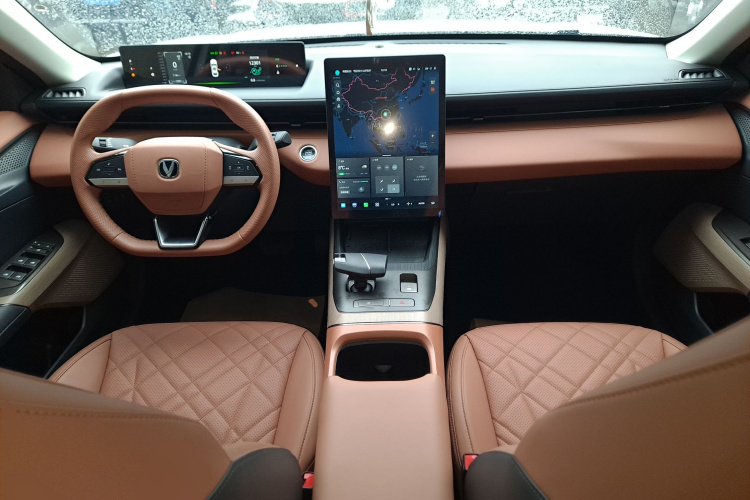
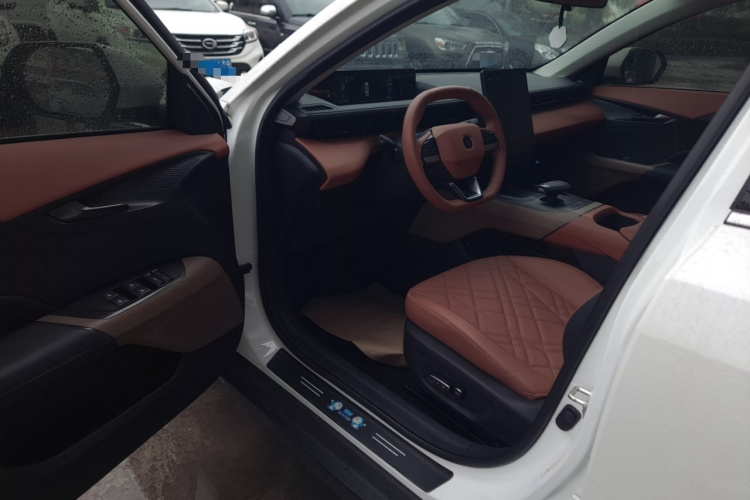
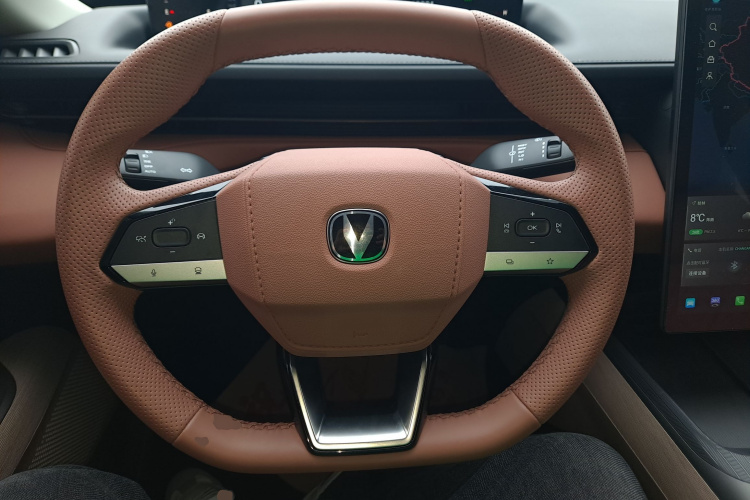
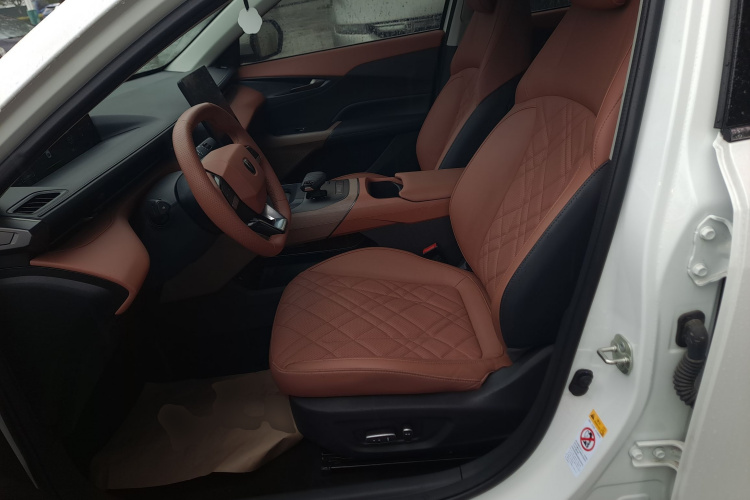
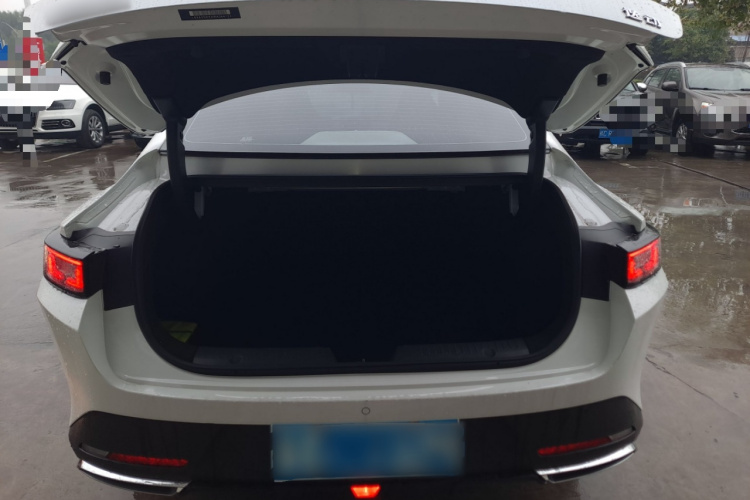
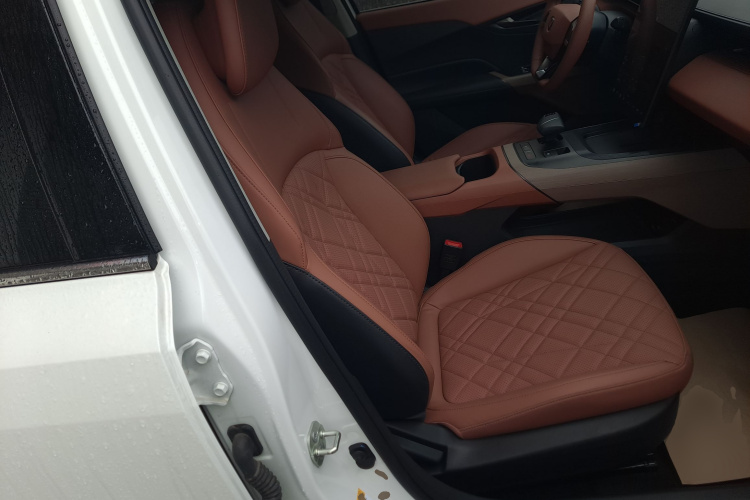
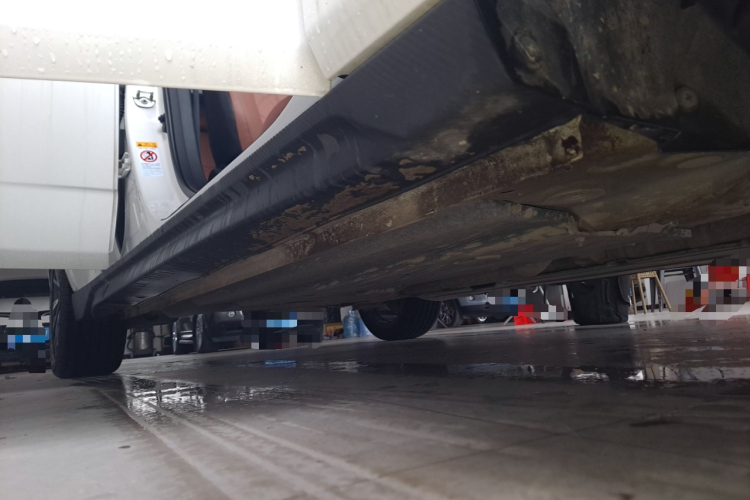
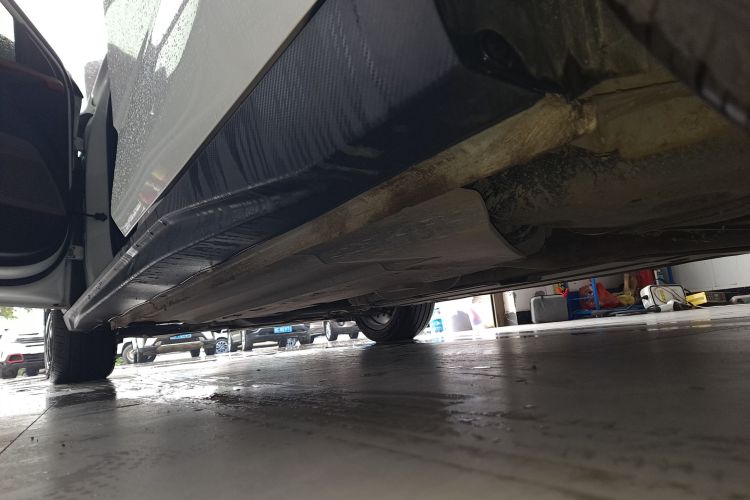
This vehicle is 2 years old, with a relatively short usage period, an average annual mileage of 6,200 kilometers, and low daily usage frequency. It has been transferred once. The exterior is in excellent condition, with a glossy paint finish but possible minor scratches. The interior is clean and tidy, with minor signs of use. The overall body frame is intact, but there are a few minor abnormalities. The fluid levels are normal, and the powertrain operates smoothly without any abnormalities.

Configuration Highlights

Kick-sensor Trunk
Adaptive Cruise Control
Surround View Camera
Lane Departure Warning
Digital Instrument Cluster
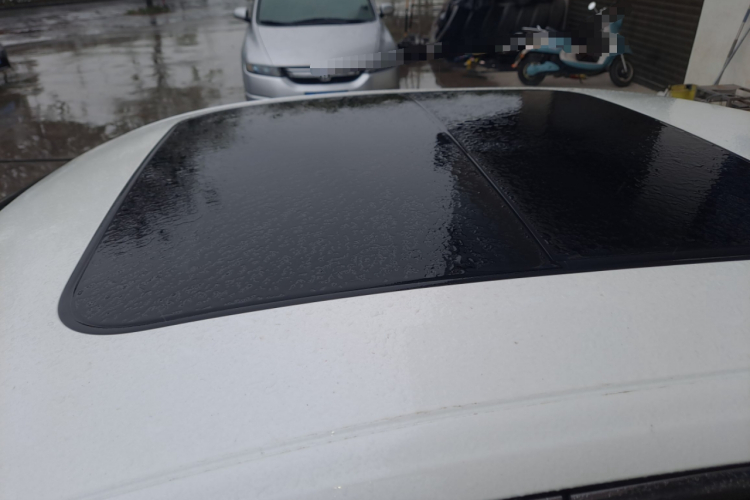
Panoramic Sunroof
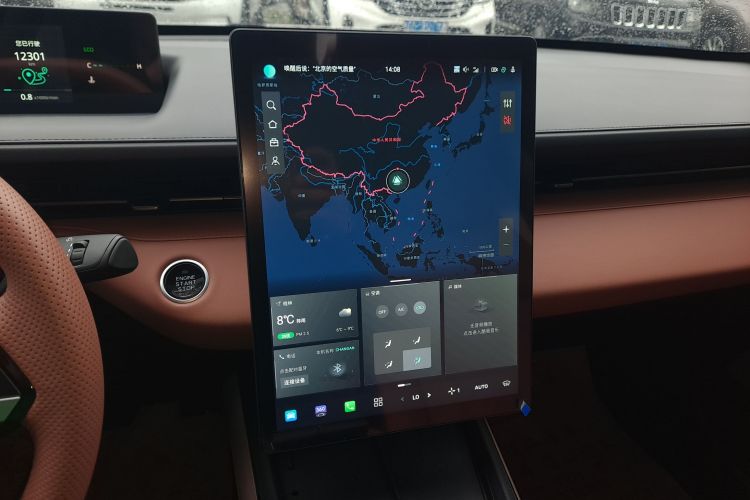
Smartphone Connectivity
High Beam Assist
Auto Hold
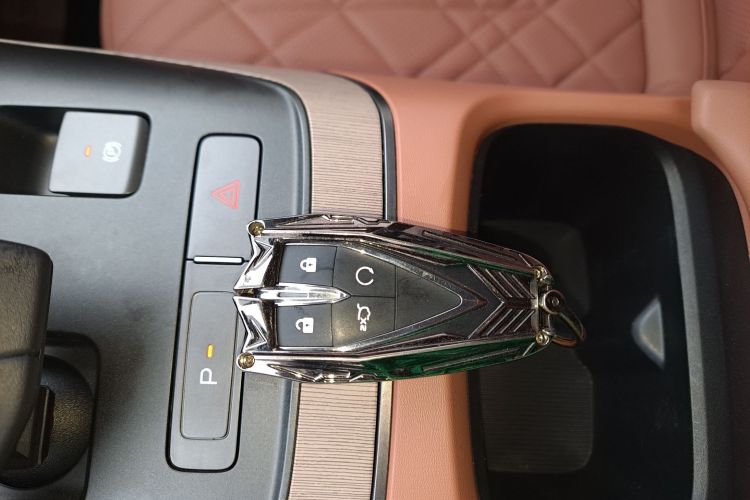
Keyless Entry
Rain-sensing Wipers
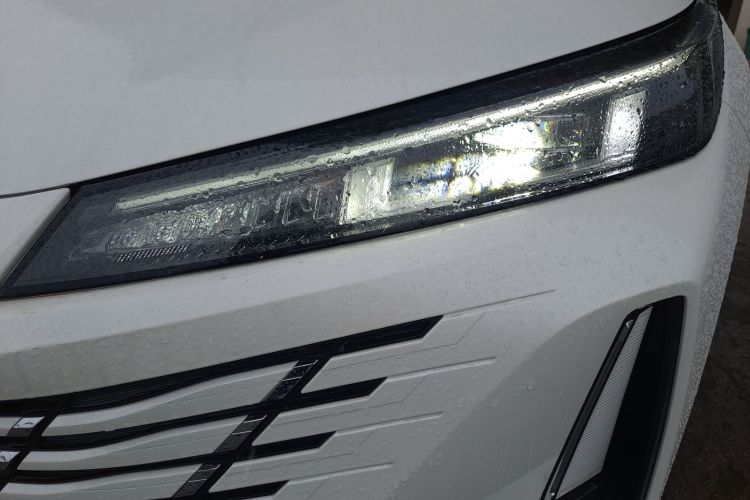
High-definition Low Beam
Power Folding Mirrors
Power Seats
Auto Headlights
Keyless Start
Rear Air Vents
Tire Pressure Monitoring
Heated Mirrors
Hill Start Assist
Rear Parking Sensors
Anti-pinch Windows

Q&A

More

Do the exported new energy vehicle battery packs have the required UN38.3 test report and MSDS certificate for maritime transport?

Our documentation department has the latest versions of UN38.3 (United Nations Transport of Dangerous Goods Test and Standards) and MSDS reports authorized or filed by major Chinese new energy brands (such as BYD, Geely, GAC), which are essential customs documents for declaring dangerous goods to the maritime authority.
Does the Chinese government provide tax rebates for used car exports? Is this subsidy reflected in the car price?

Unlike new car exports, there are currently no large national export tax rebates for used cars in China. Therefore, our FOB price is purely the vehicle's residual value plus compliant operating costs, leaving no room for price wars using subsidies.

How is the degree of wear on the interior defined? (e.g., steering wheel, seat patina or cracking)

Interior assessment is divided into three core areas: the driver's high-frequency contact area (steering wheel, gear shift, edge of the driver's seat), central control button area, and rear seats and ceiling. The natural sheen of leather surfaces (patina) is normal; however, any physical damage (such as leather tearing, fabric burn holes, or plastic breakage) will be classified as "structural interior damage" and clearly marked.