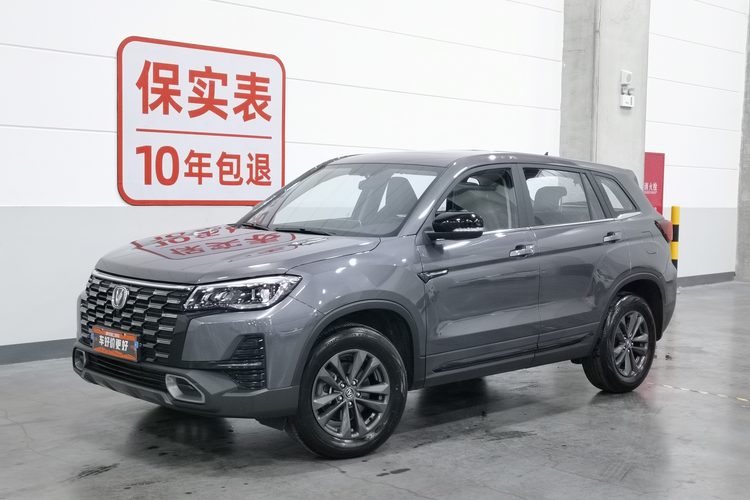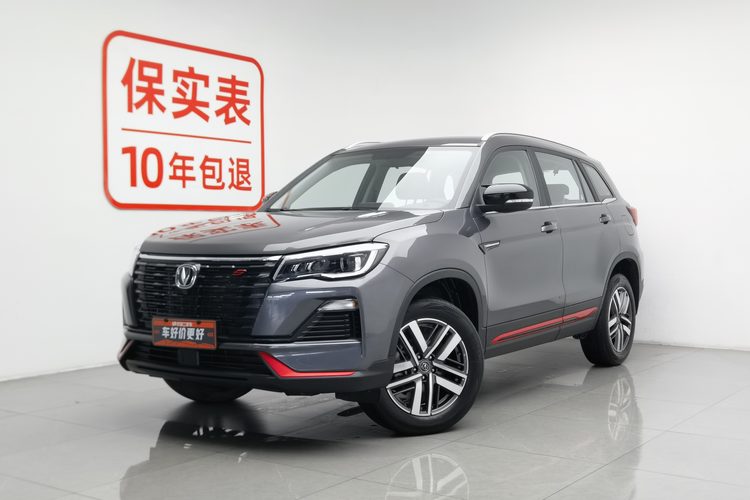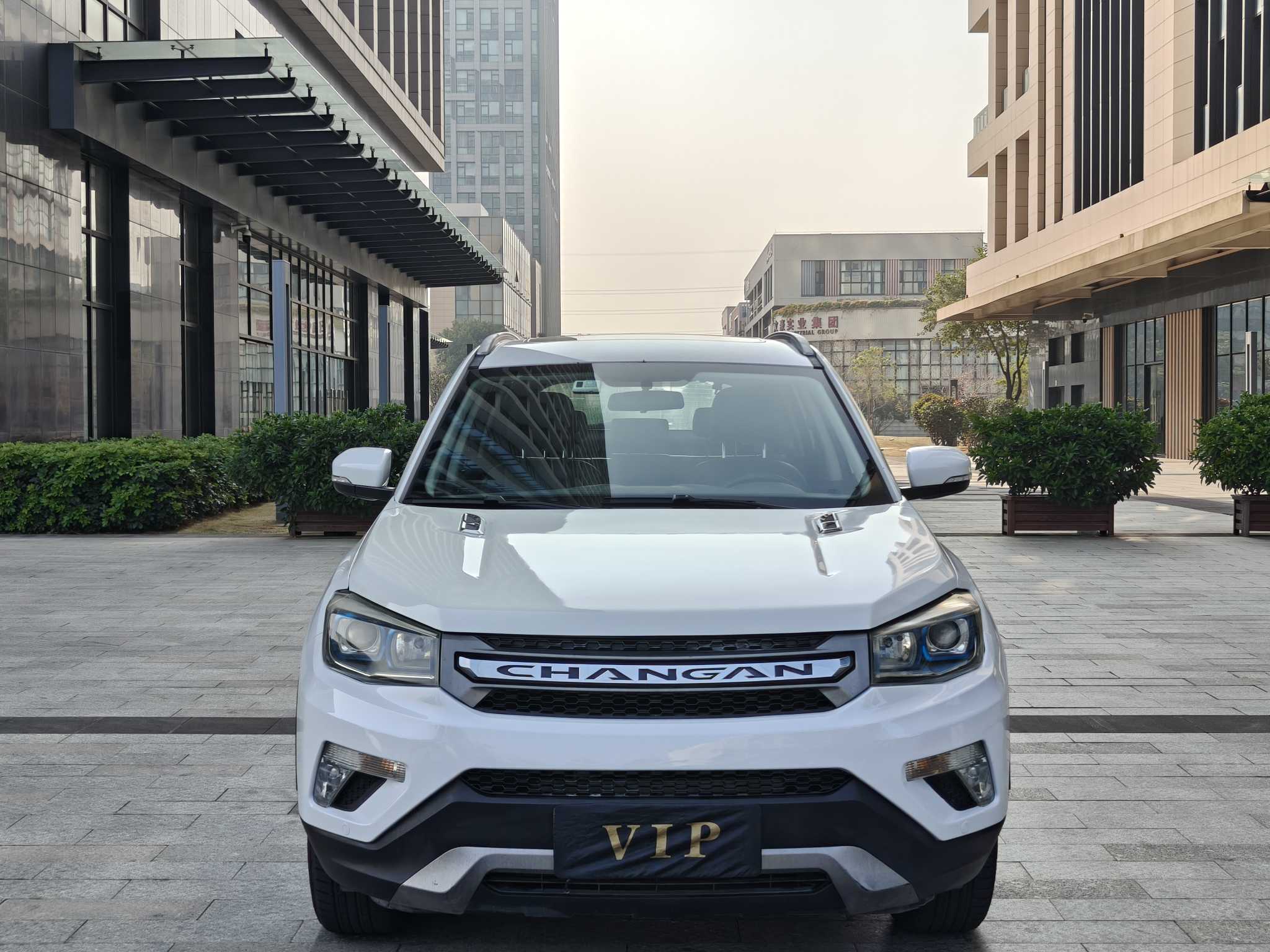

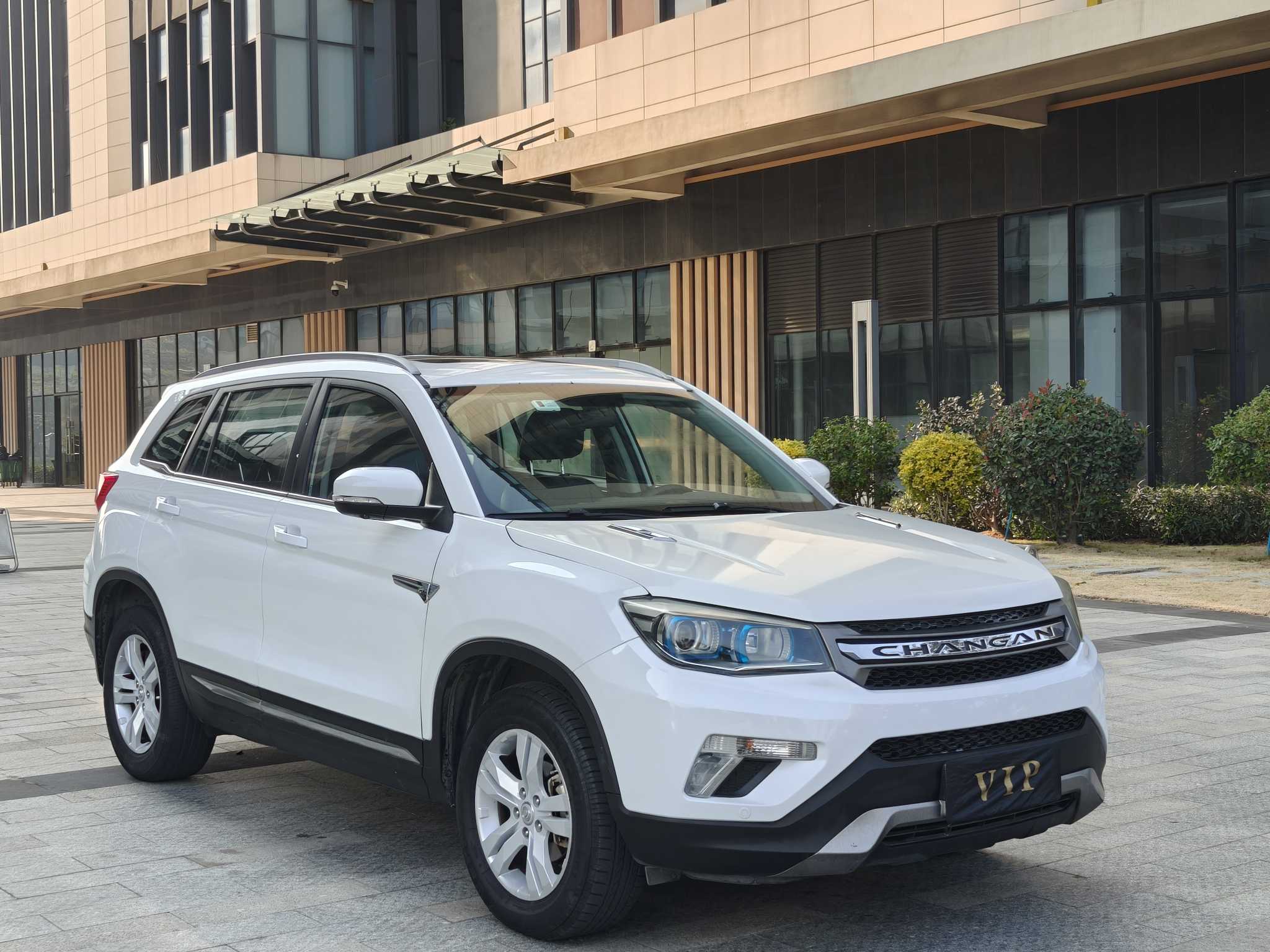
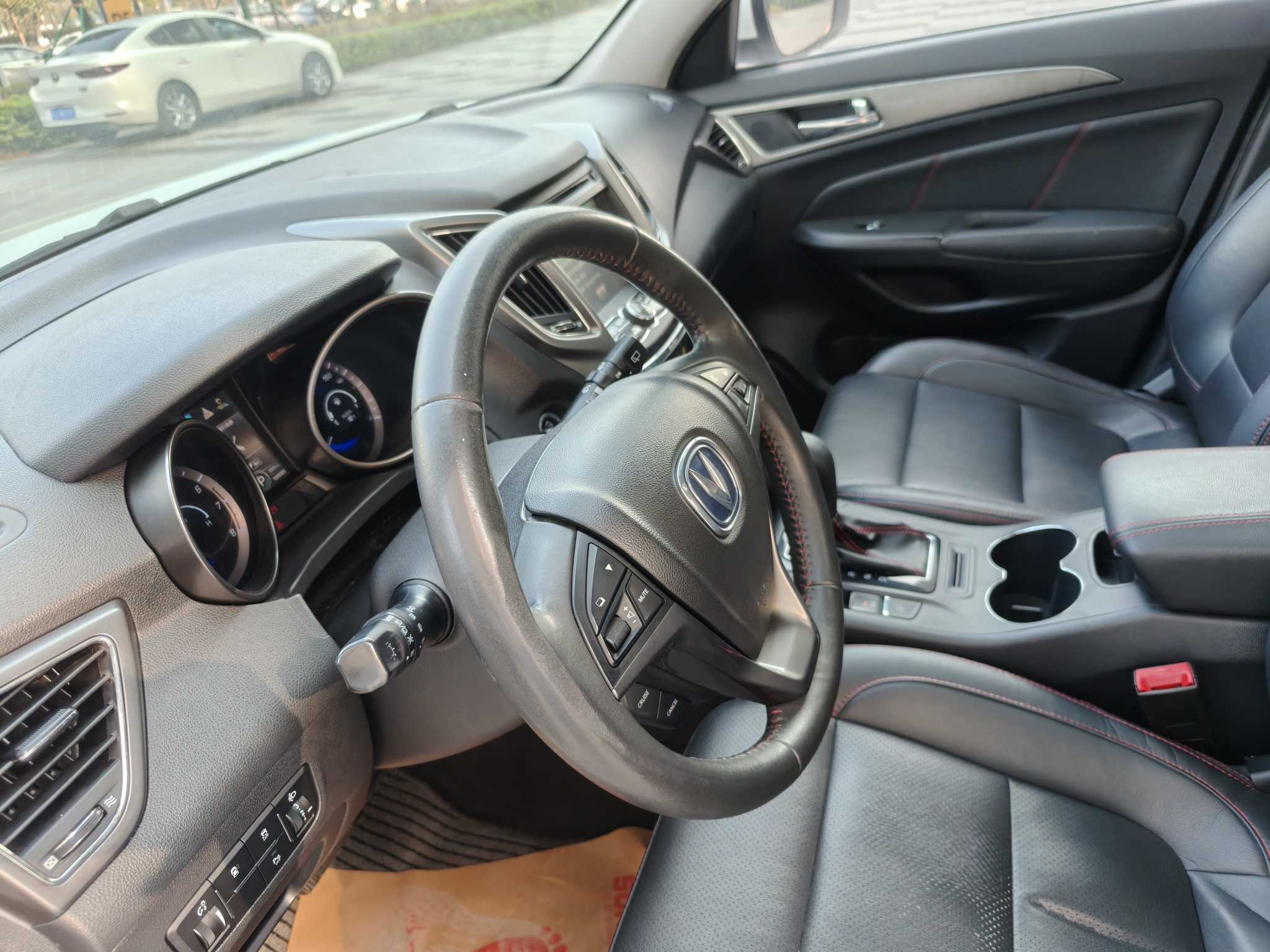
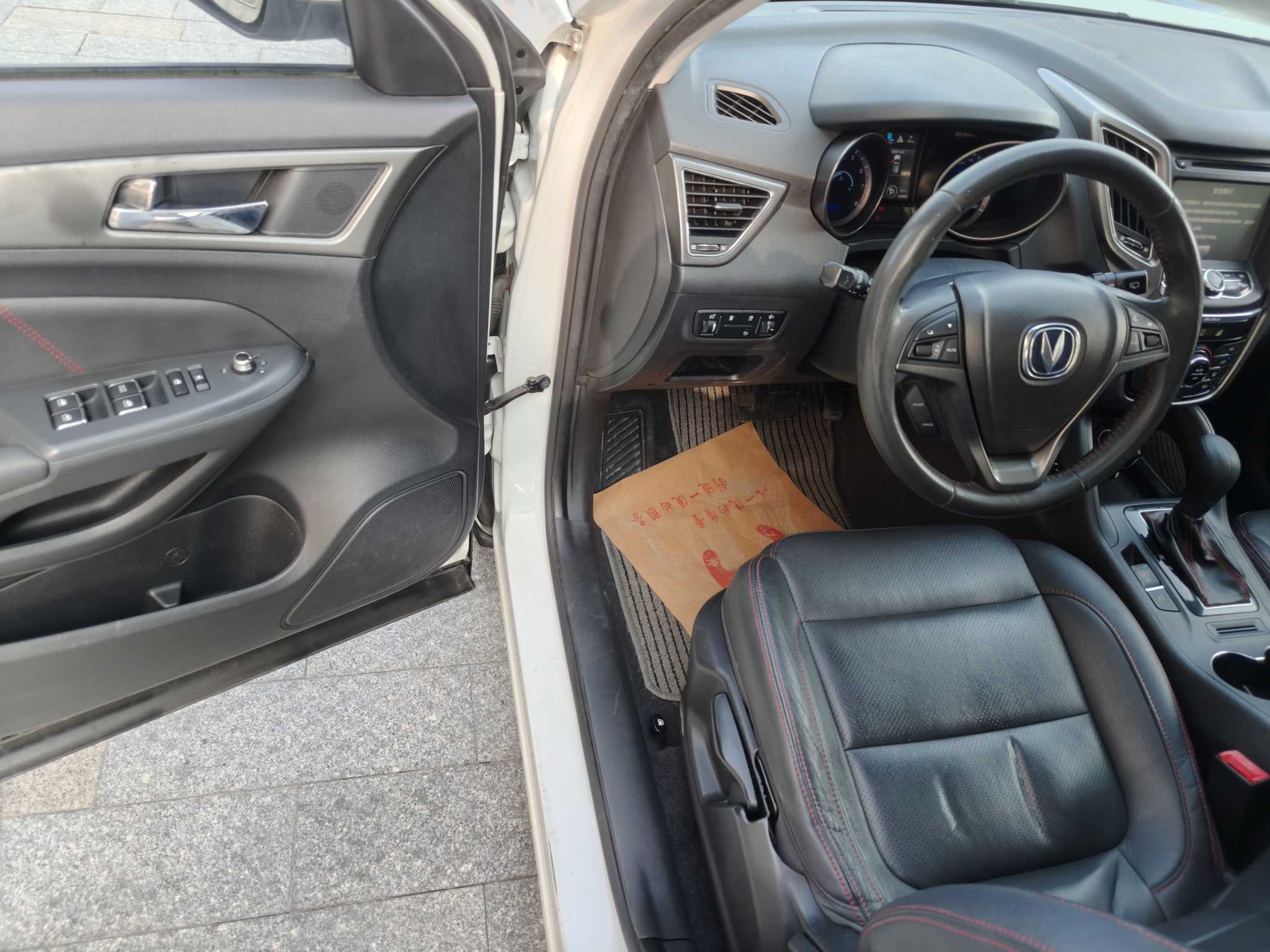
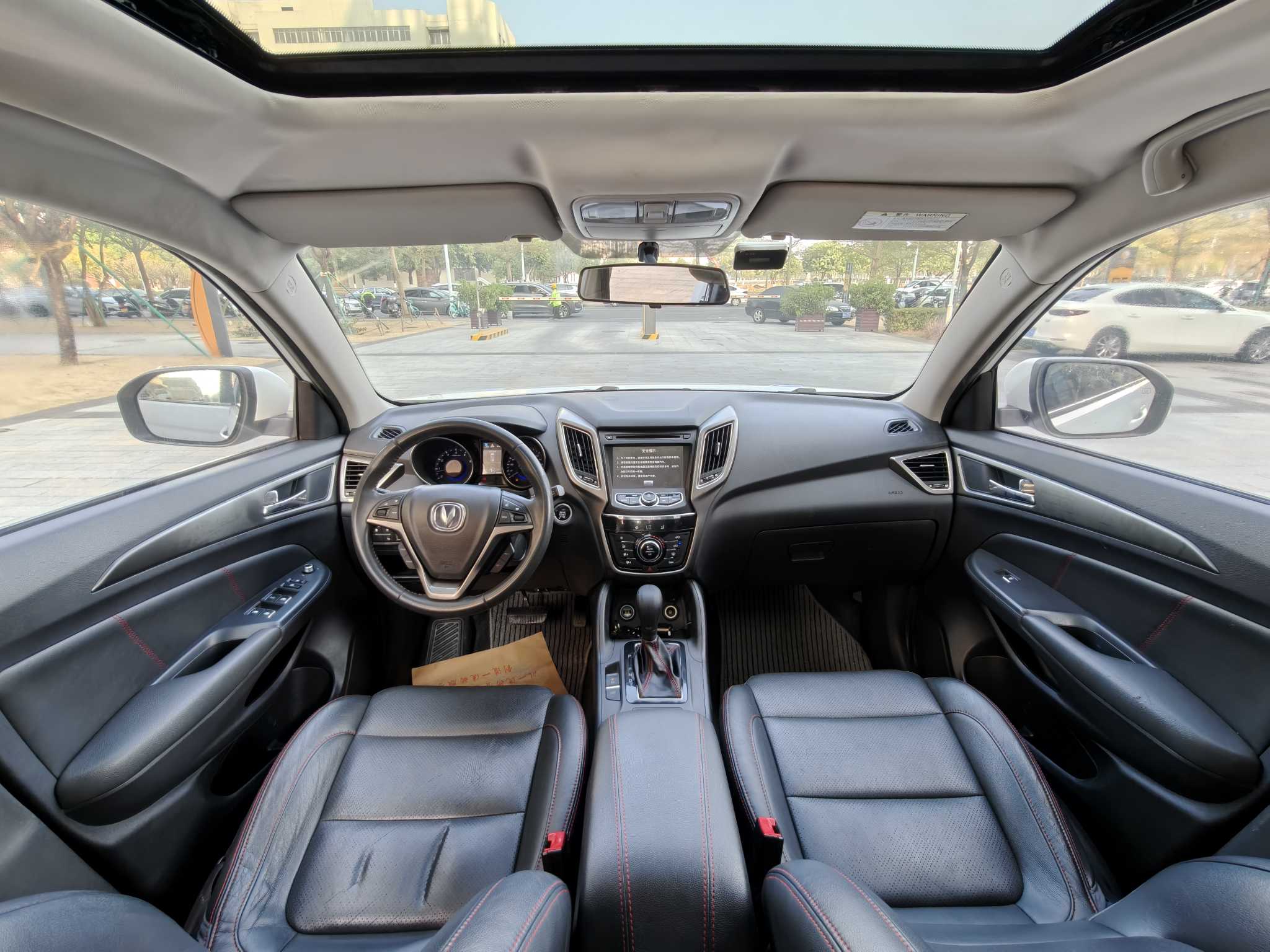
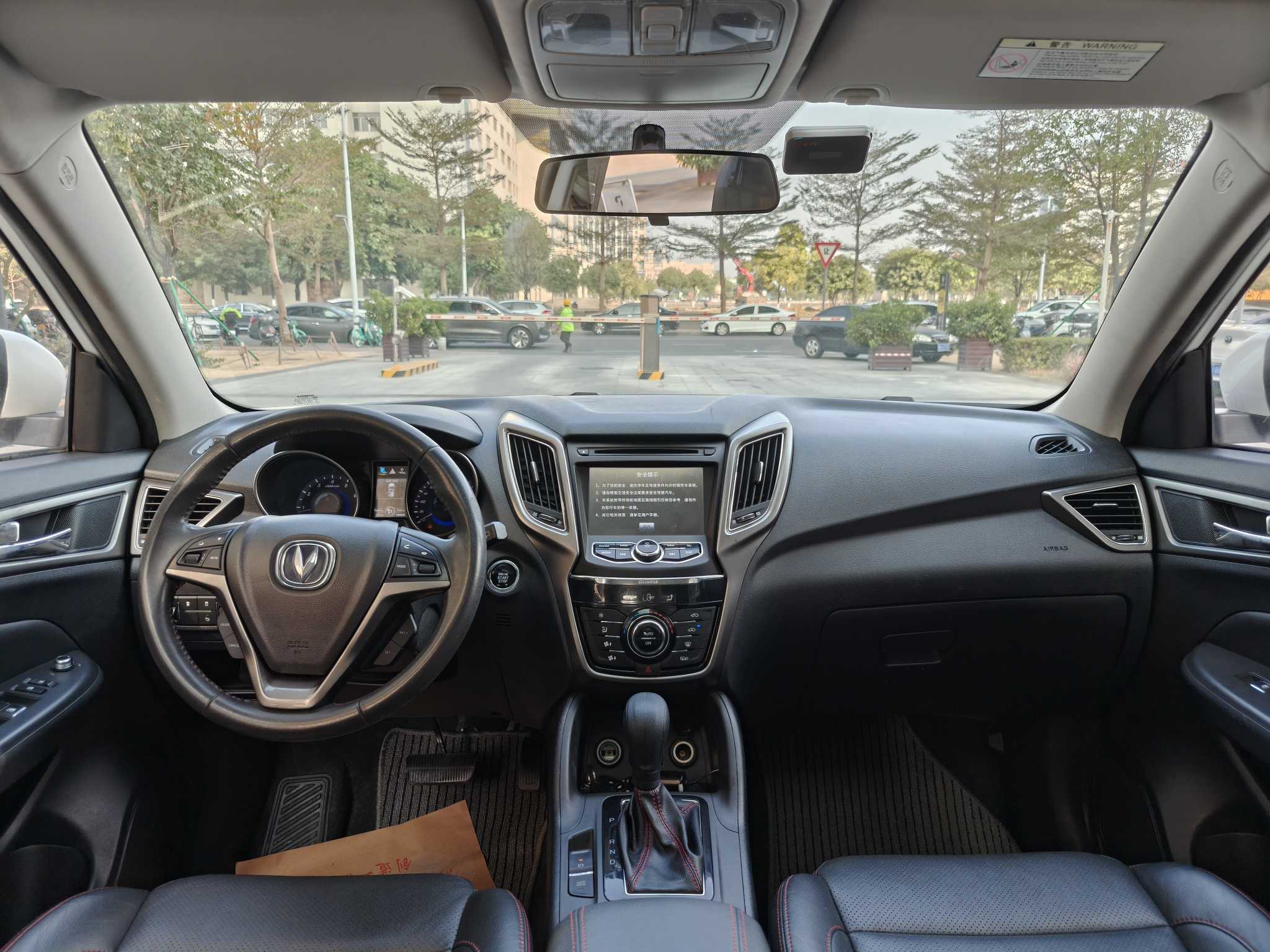
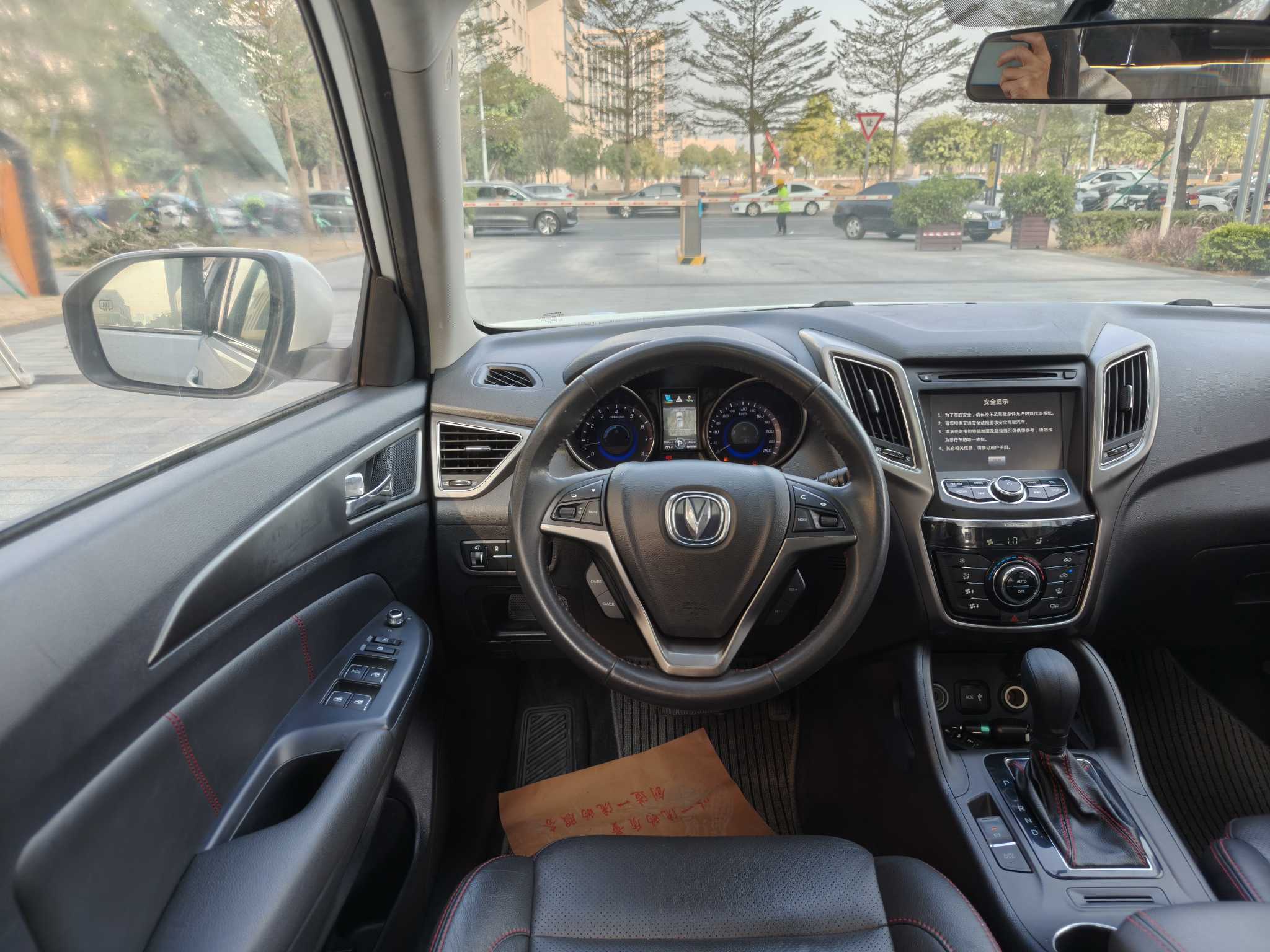
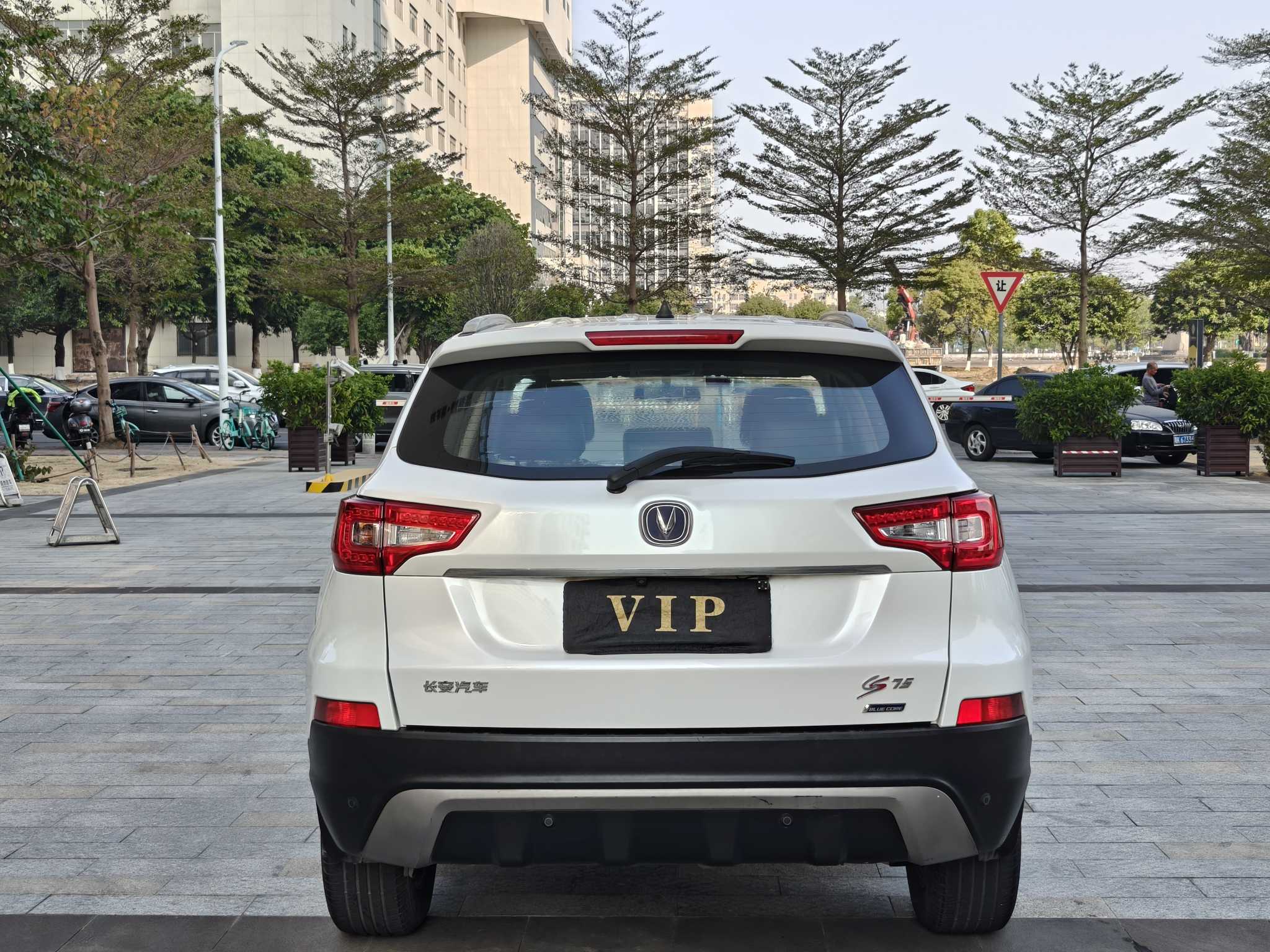
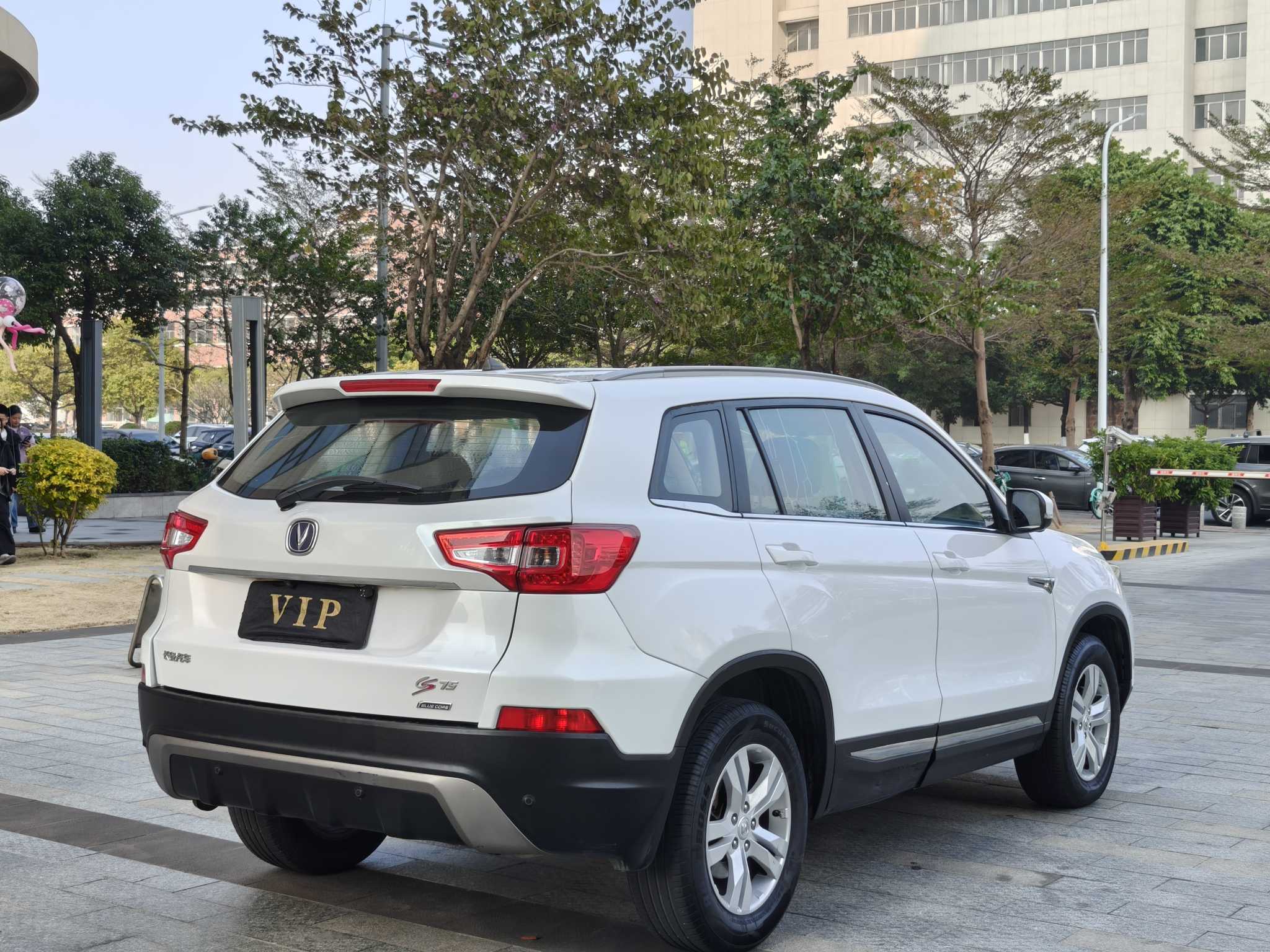
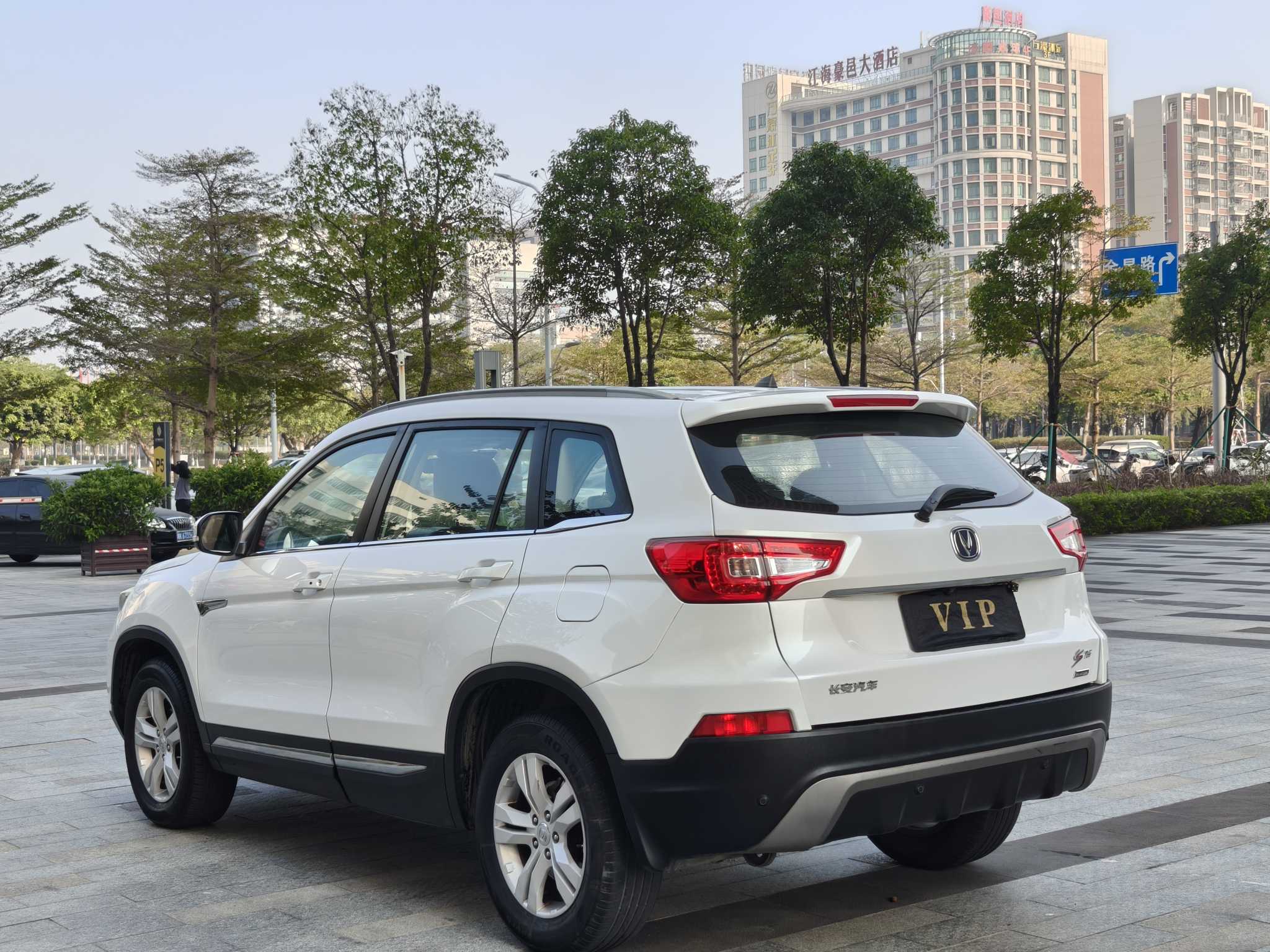
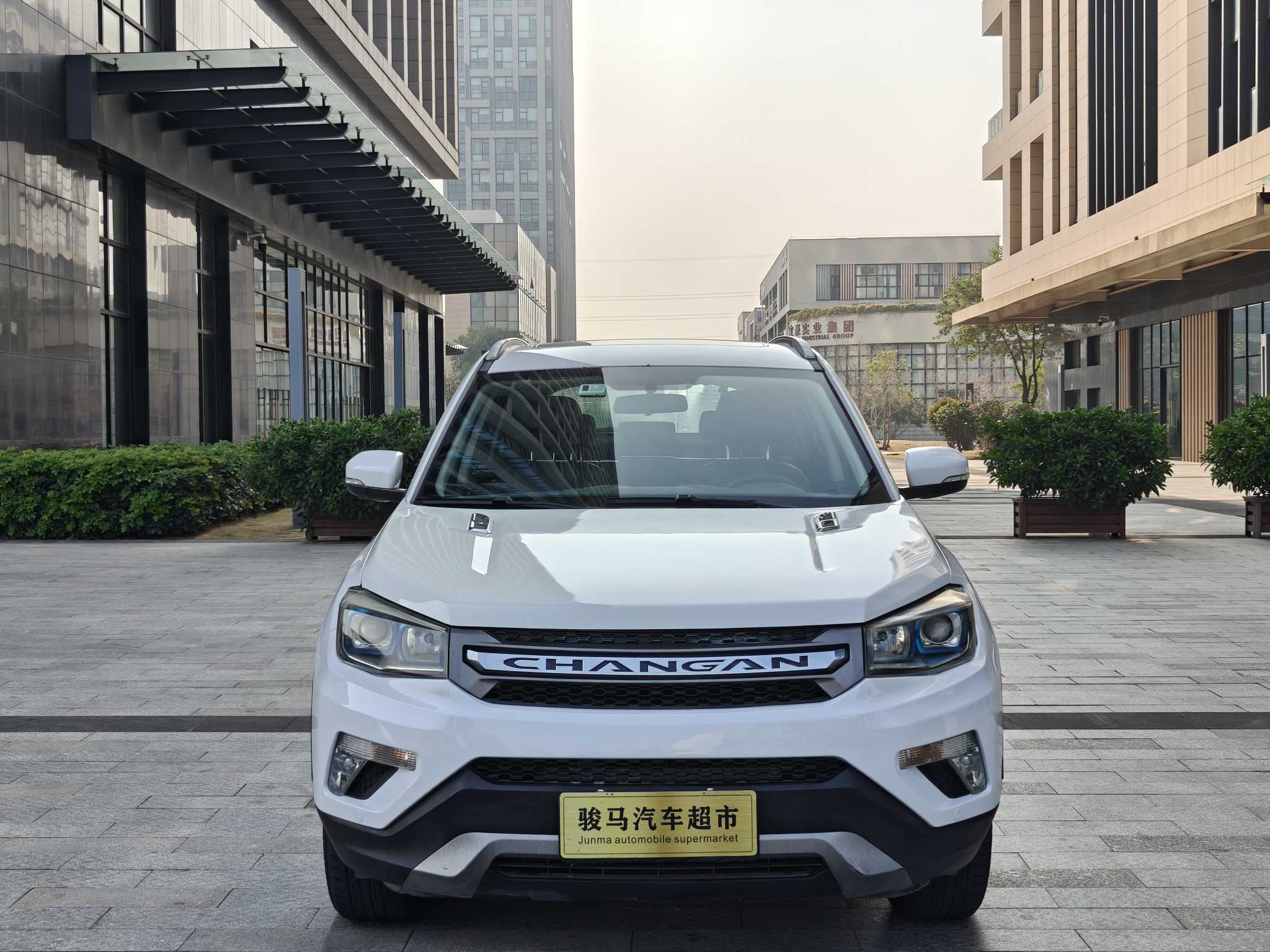
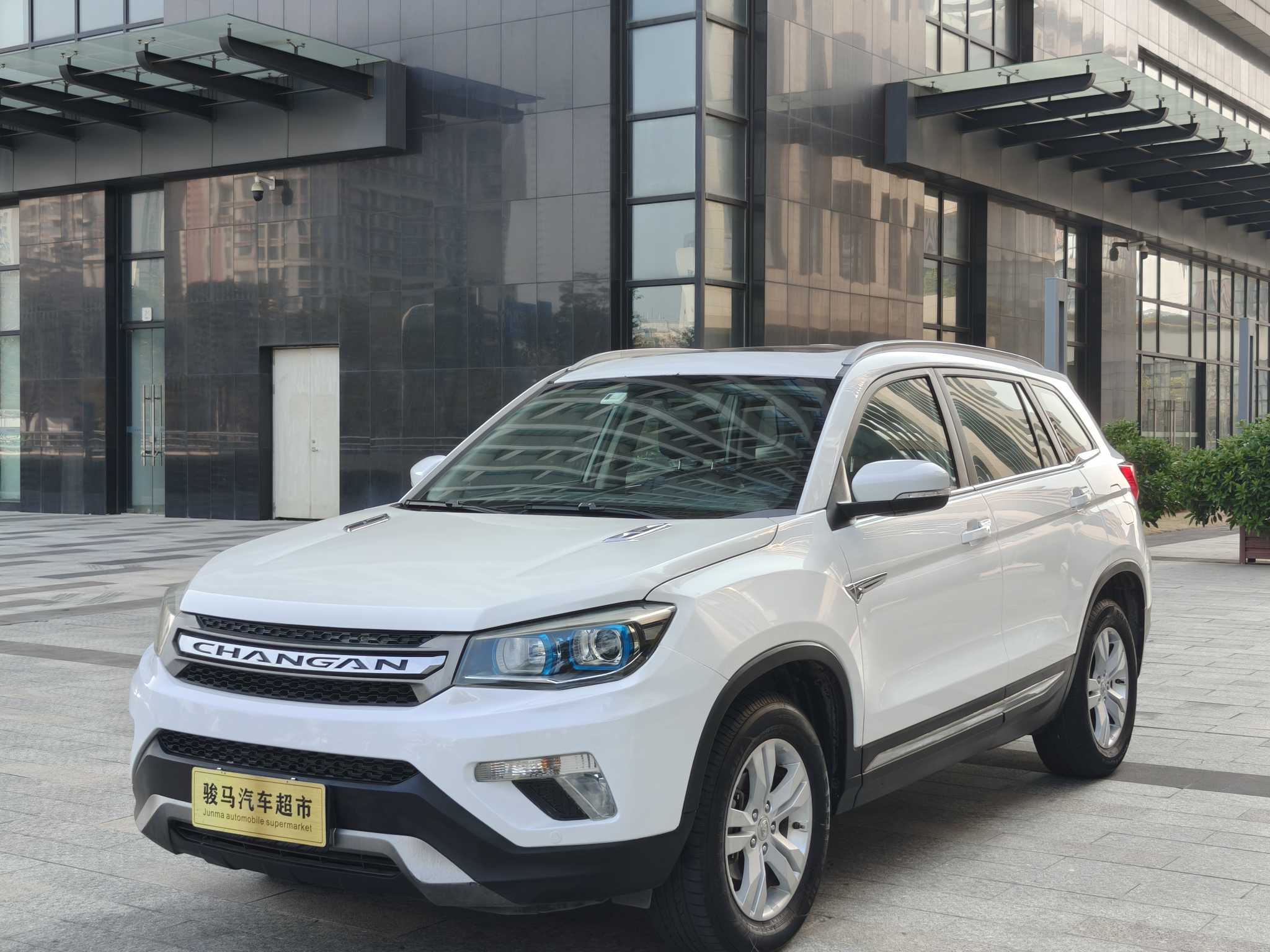
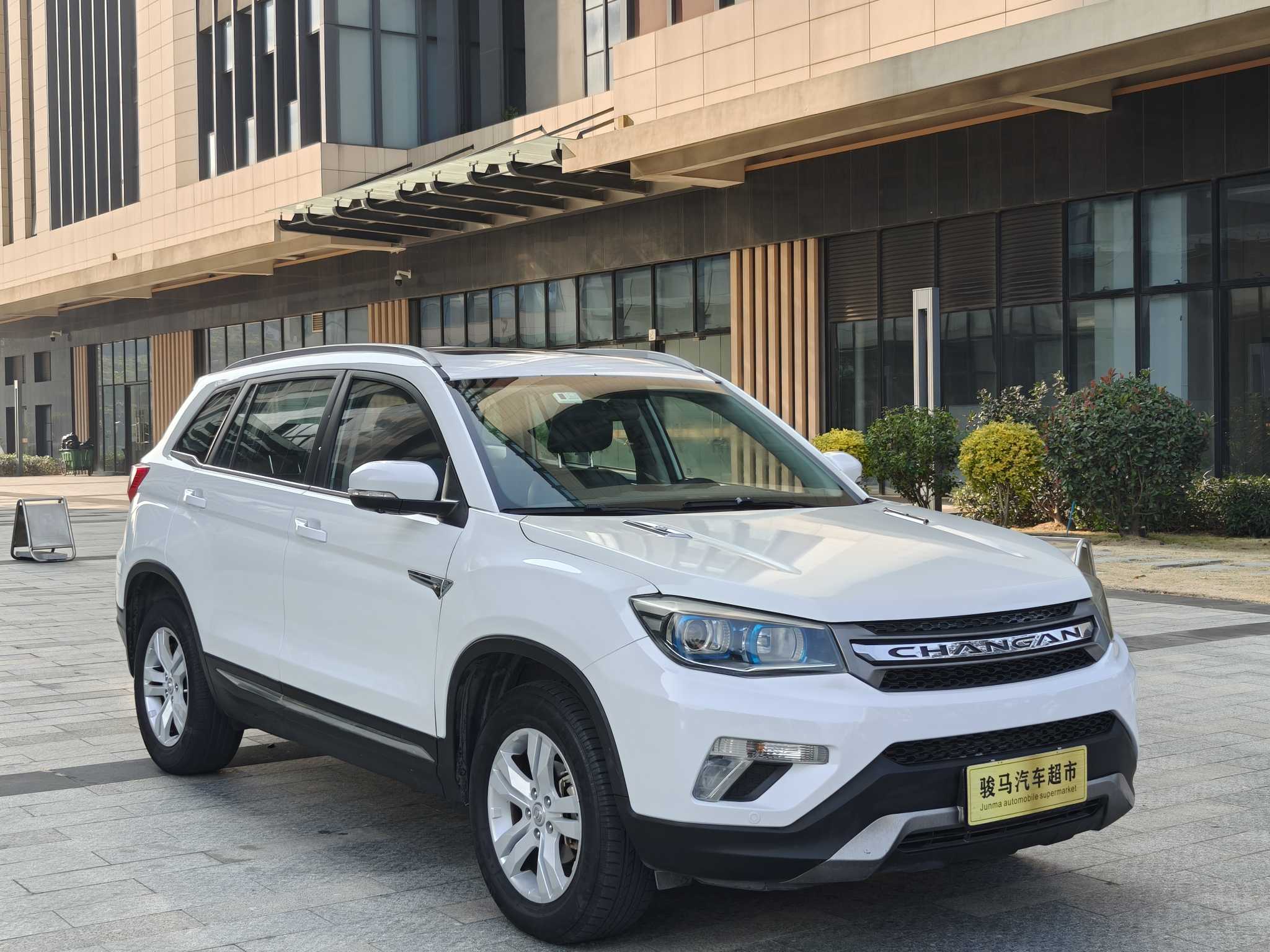
Basic Information

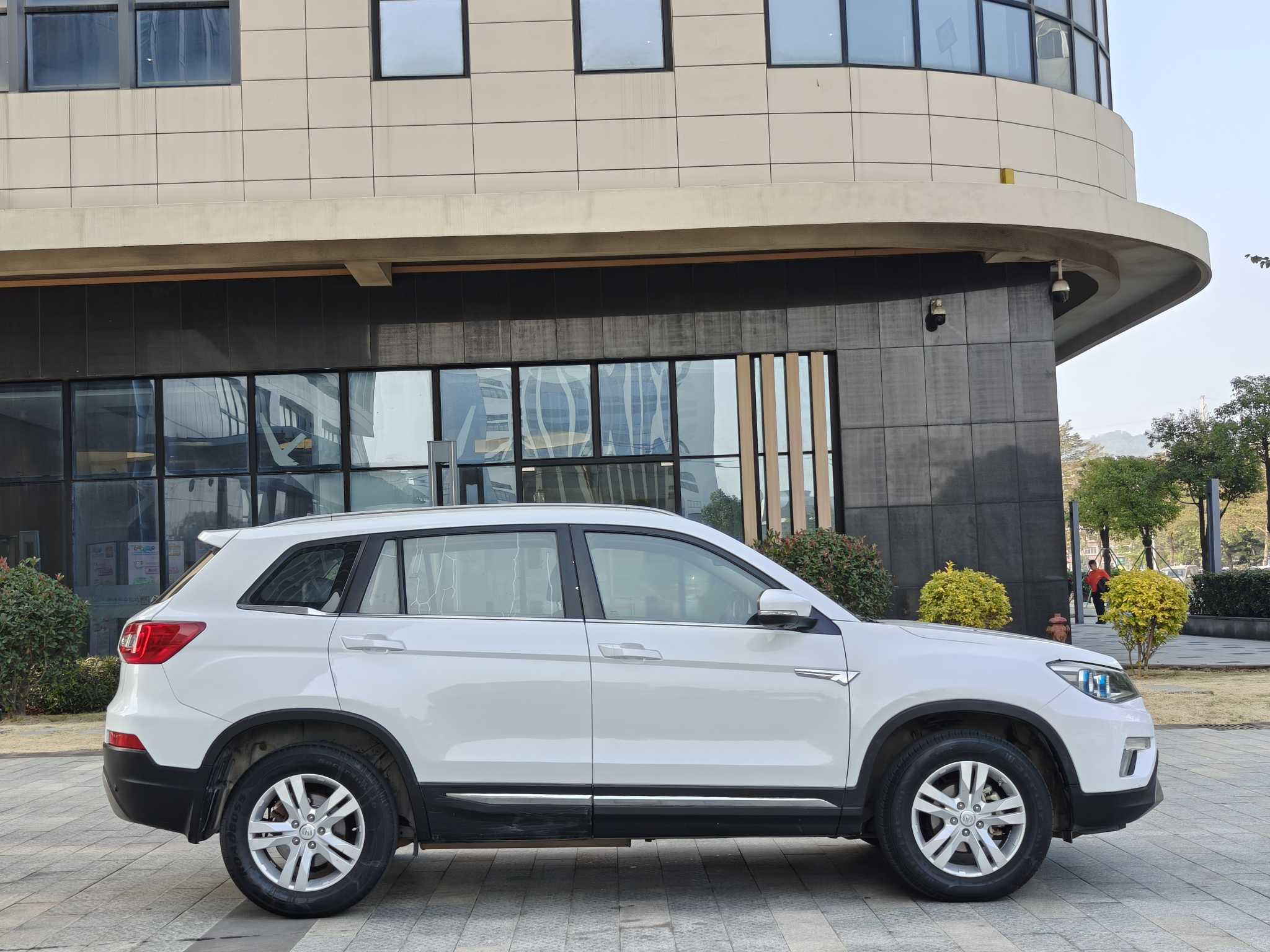
BrandChangan
SeriesCS75
Year2015
First Registration2015/09
Mileage11km
Transfer Count-
FuelGasoline
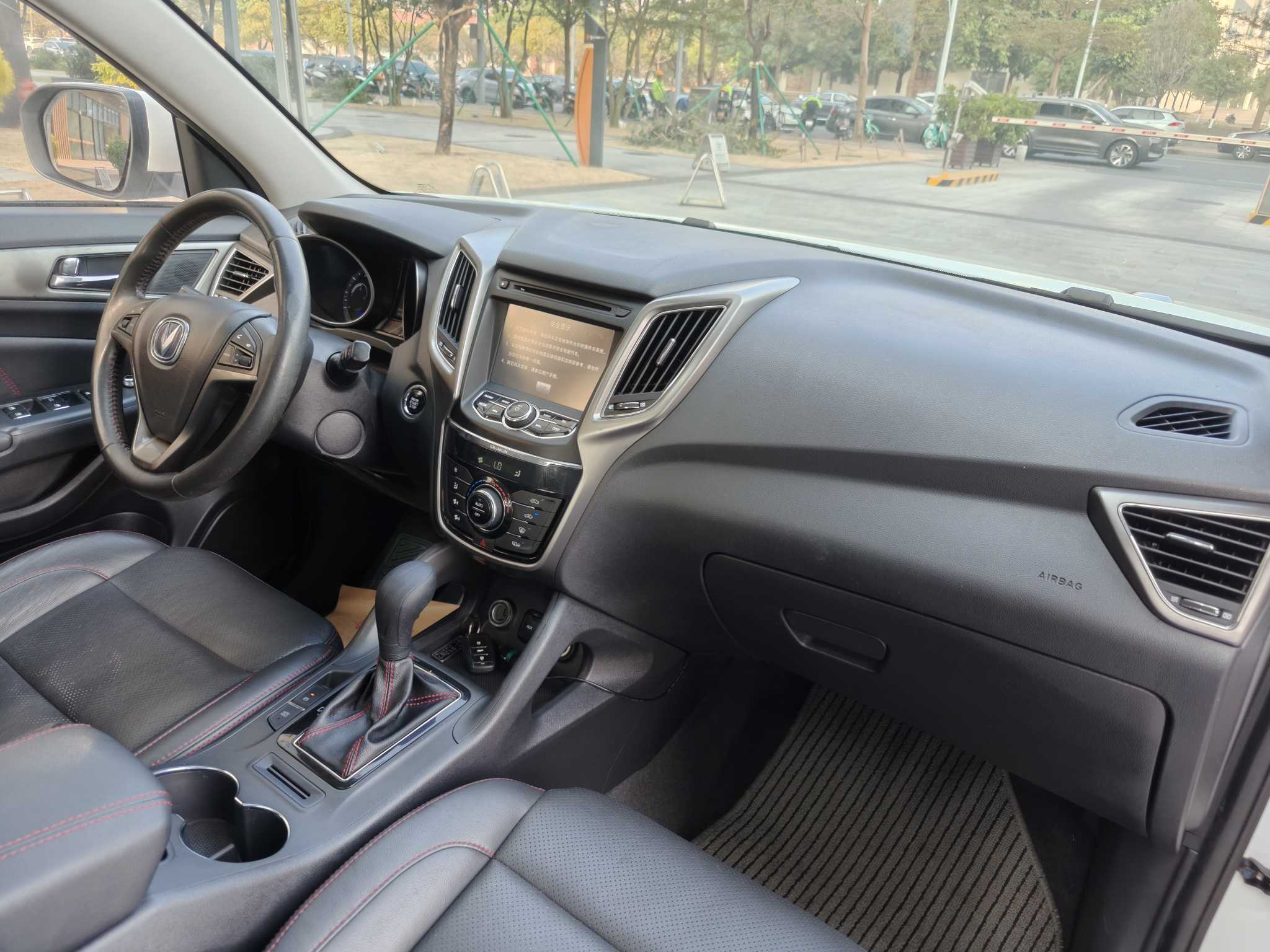
TransmissionManumatic
Engine1.8T 177 L4
ColorWhite
Seats-

Configuration Highlights

Driver/Passenger Airbags
Front/Rear Side Airbags
Front/Rear Curtain Airbags
Tire Pressure Monitoring
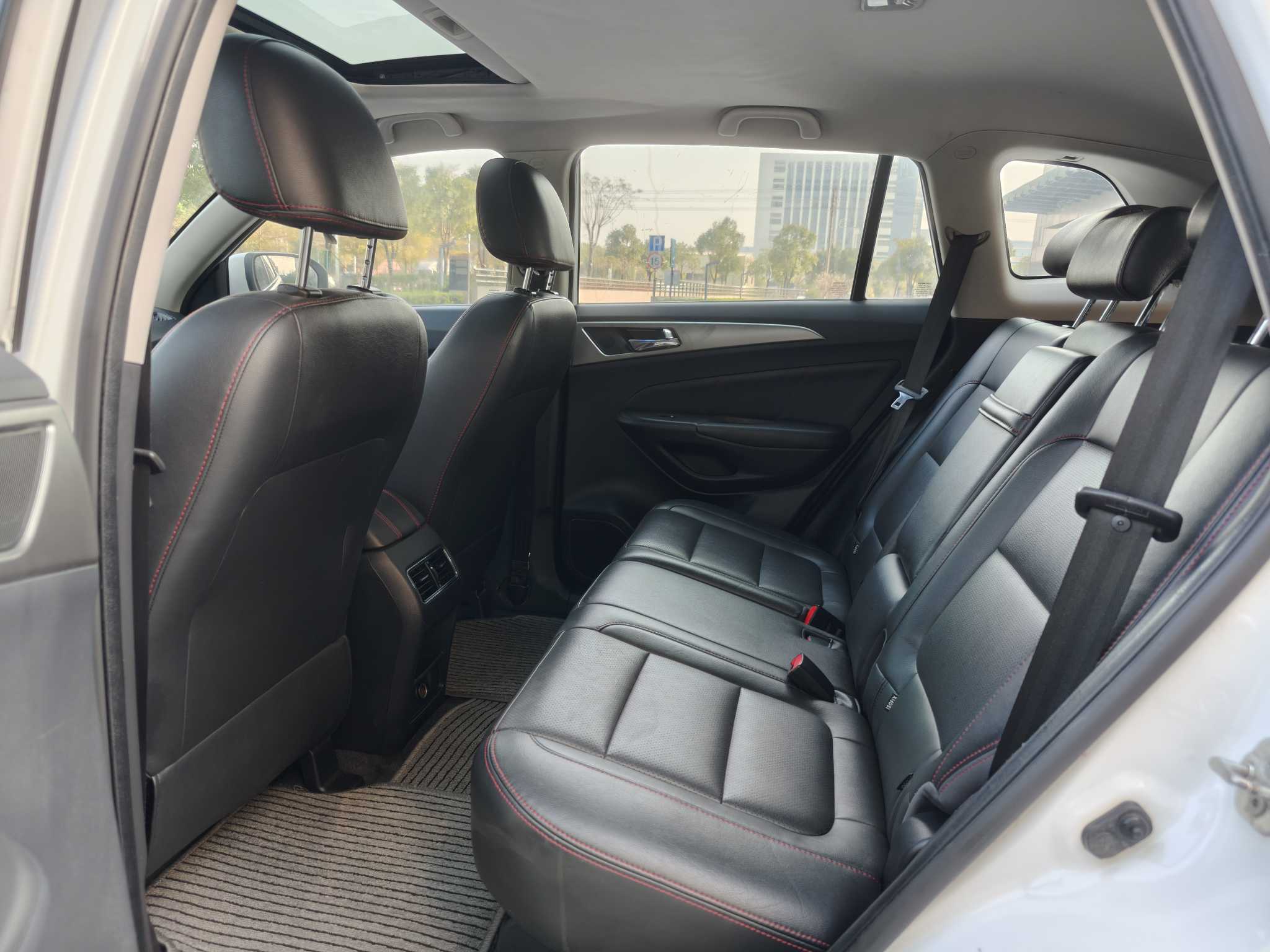
ISOFIX Child Seat Anchors
Keyless Start System
Keyless Entry System
ABS Anti-lock Braking
Electronic Brake Distribution
Electronic Stability Control
Hill Start Assist
Auto Hold
Roof Rack
Multifunction Steering Wheel
Front Parking Sensors
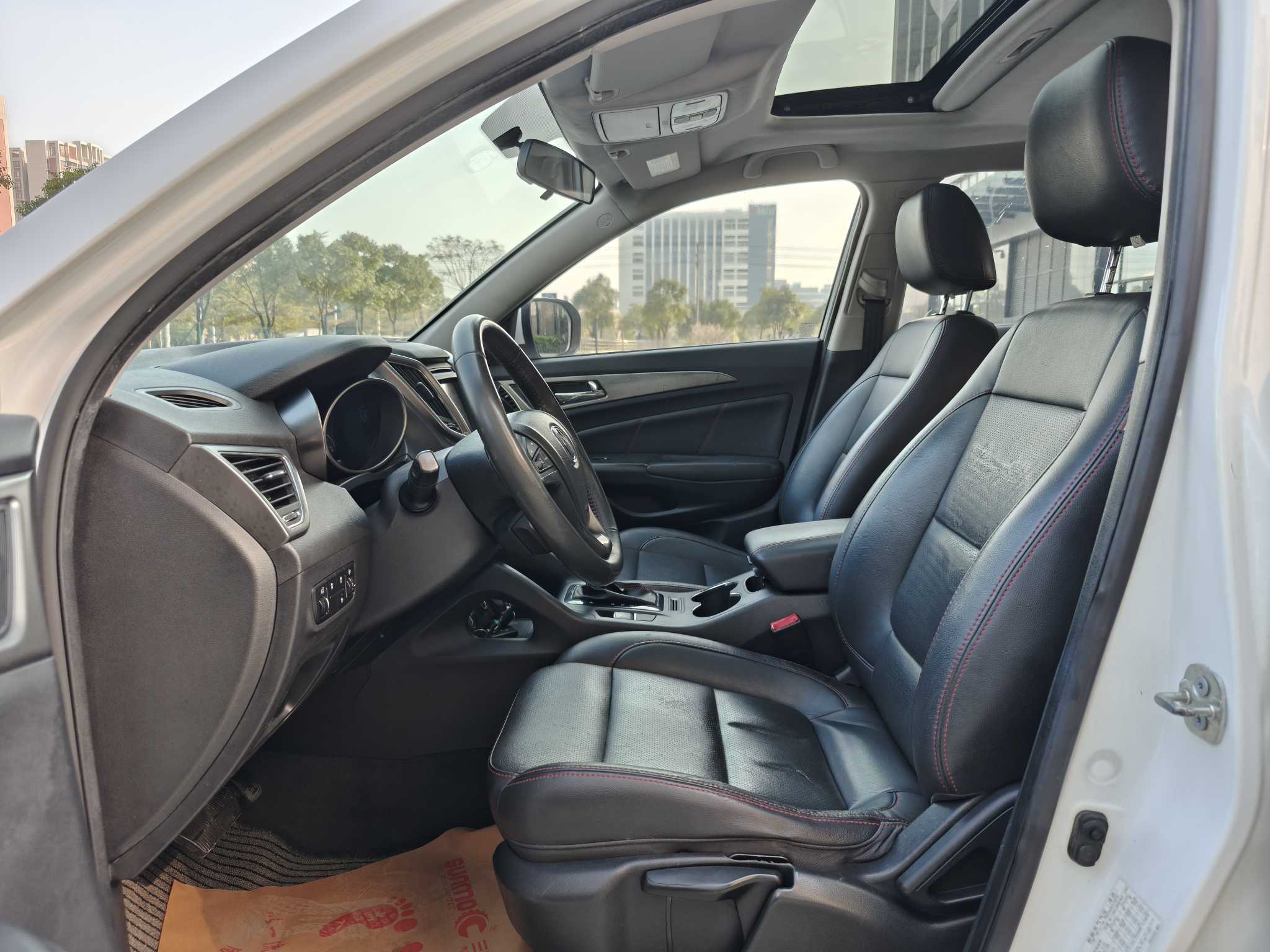
Seat Material
Driver/Passenger Power Seats
Rear Cupholders
GPS Navigation
Low Beam Headlights
Auto Headlights
Adjustable Headlight Height
Power Windows
Anti-pinch Windows
UV/Heat Insulating Glass
Climate Control Type
Rear Air Vents

Q&A

More

After the vehicle arrived at the port, it was found that the rubber parts of the chassis (such as dust covers and engine mounts) had extensive cracking. Does this fall under the compensation for "certain repair parts compensation"?

Absolutely not. The aging and cracking of rubber parts are inevitable over time and are a normal manifestation of vehicle depreciation. Our compensation only covers sudden and catastrophic mechanical failures, such as engine cylinder scoring or transmission gear breakage.

How will the high-voltage protective armor of an electric vehicle chassis be handled if there are minor scraping marks within safety tolerances?

As long as the scratches do not damage the aluminum battery pack casing and do not cause structural dents in the crash beam, we will document it in the inspection report as "Surface Scuff" and no replacement will be made.

How to ensure that the declared value on the export license matches the commercial invoice exactly to avoid allegations of underreporting for tax evasion?

Our legal red line is that the amounts on the China Customs declaration, export license, commercial invoice, and bank receipt must be consistent across all four documents. We firmly refuse to engage in the illegal act of issuing "false low-value invoices" to assist buyers in evading customs duties in the destination country.