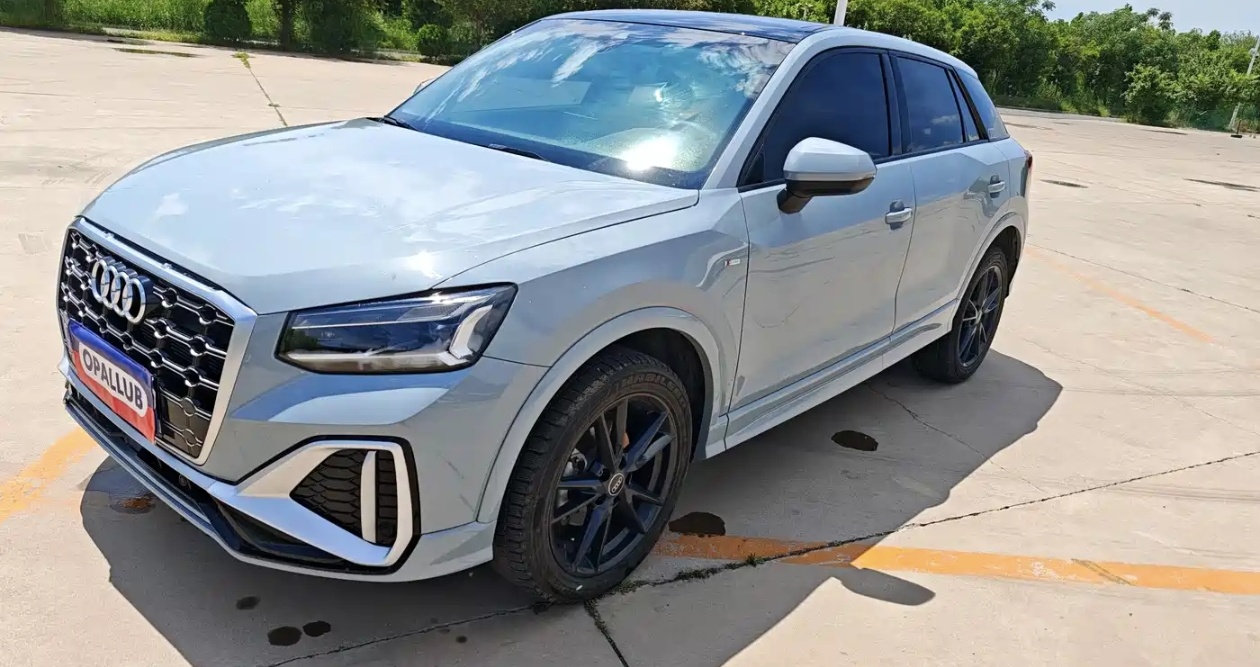

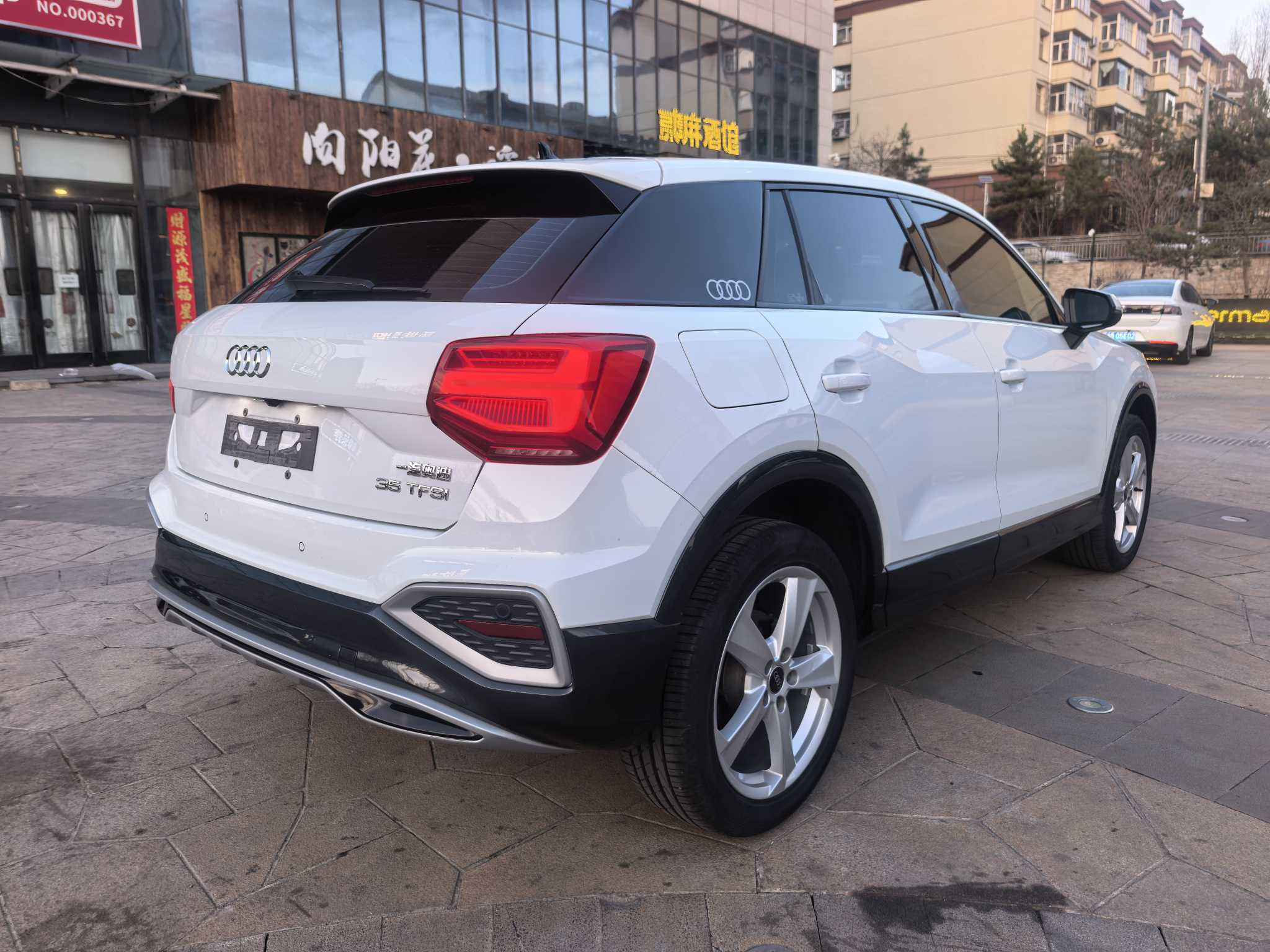
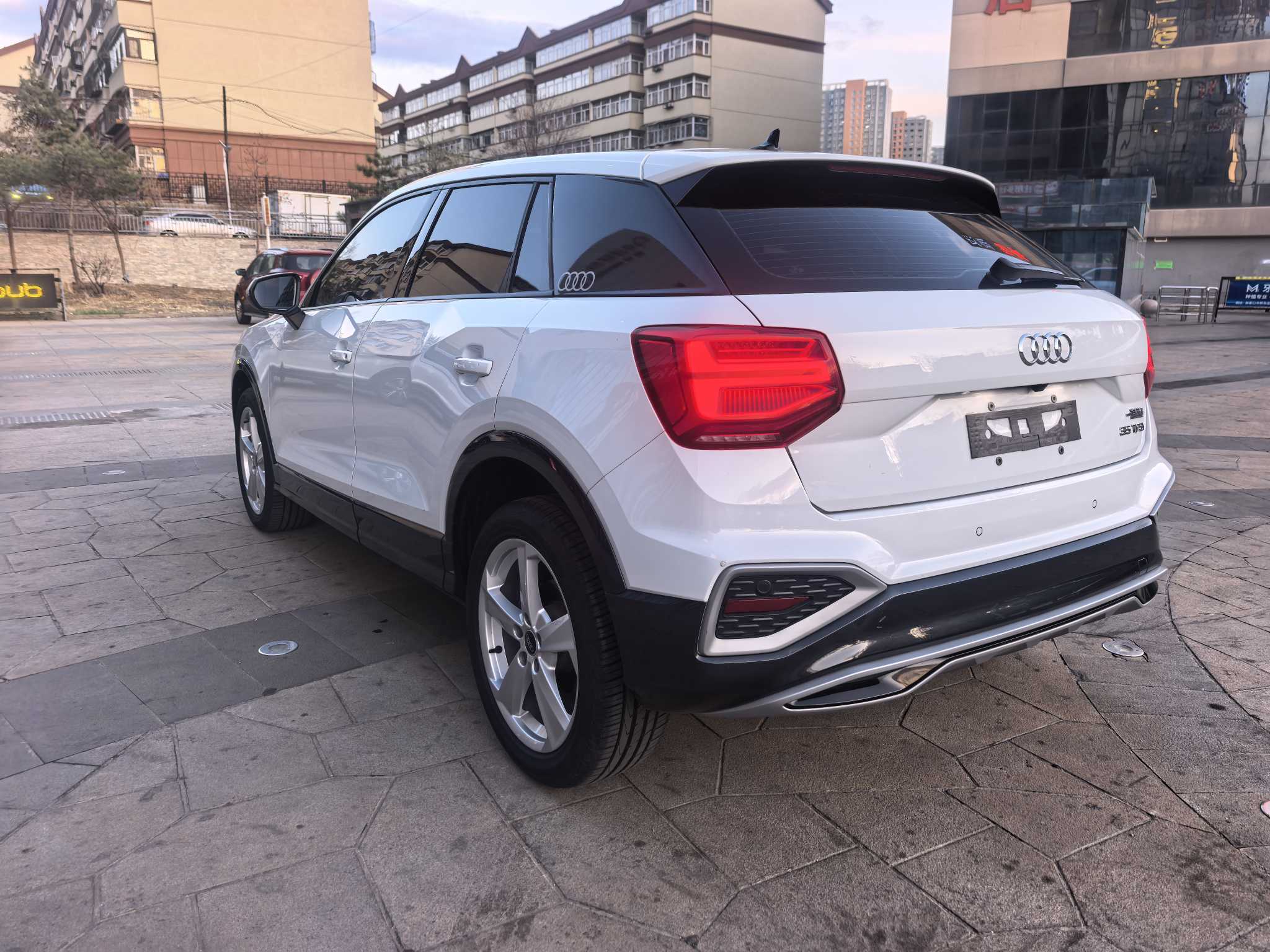
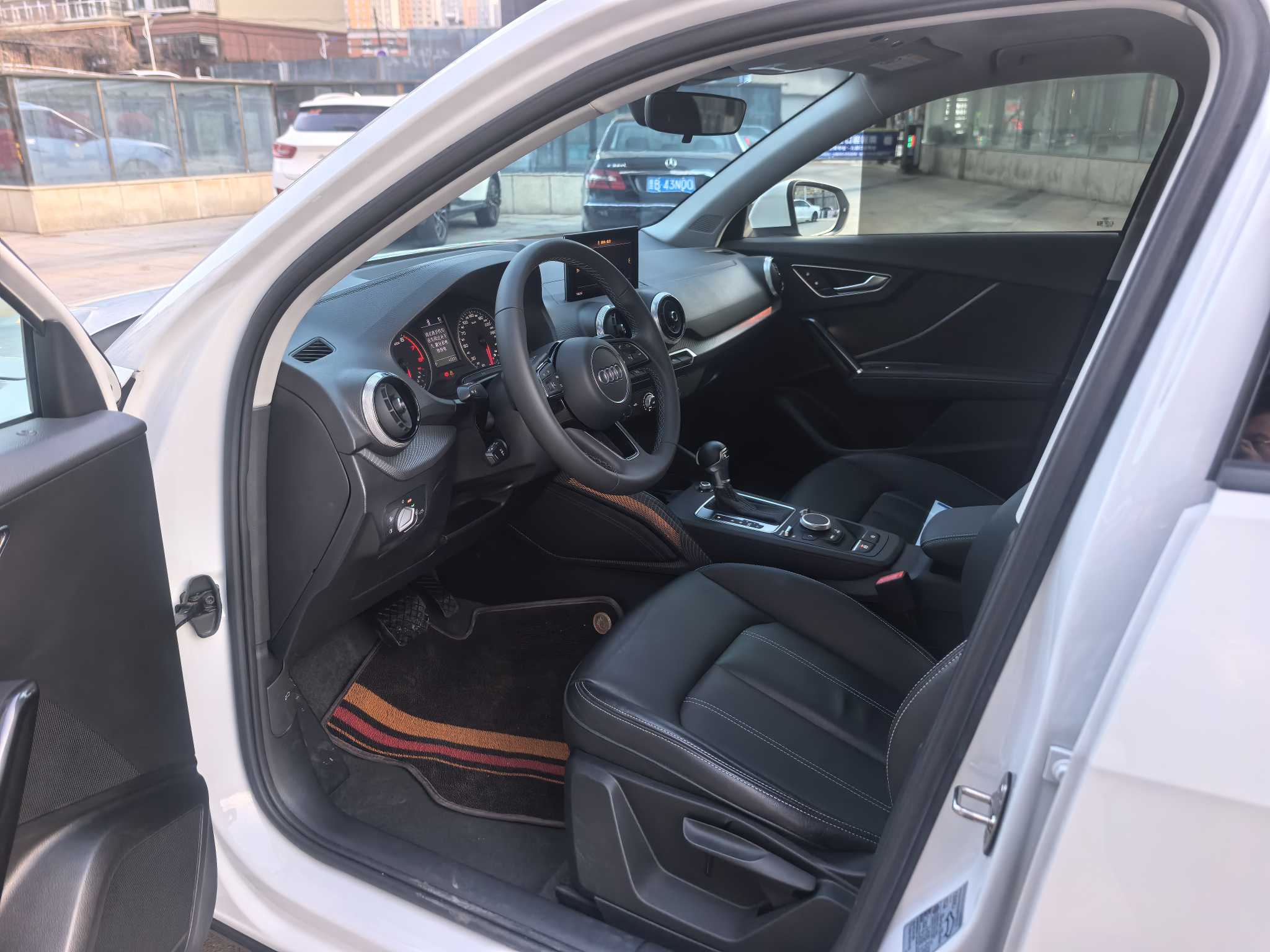
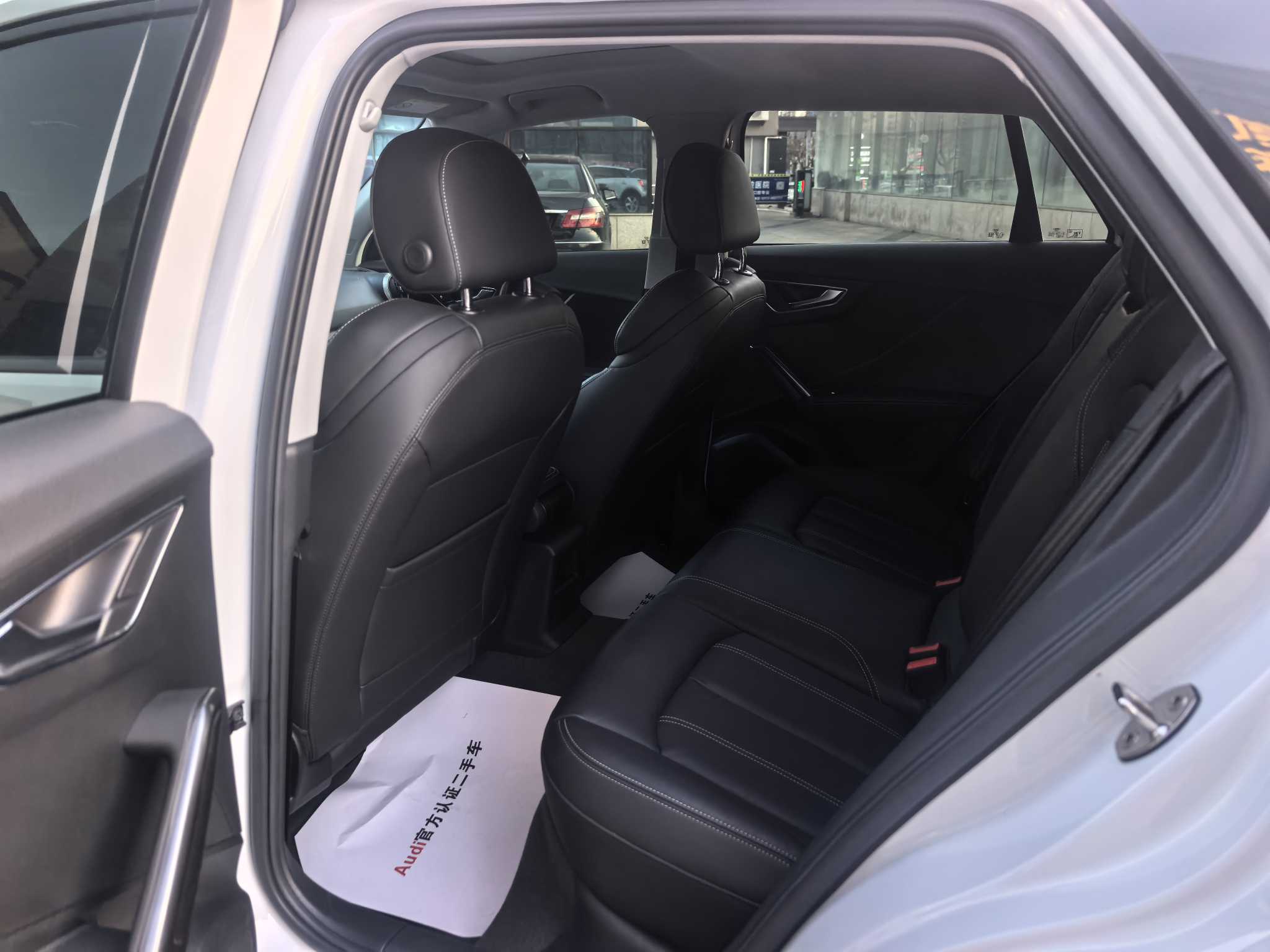
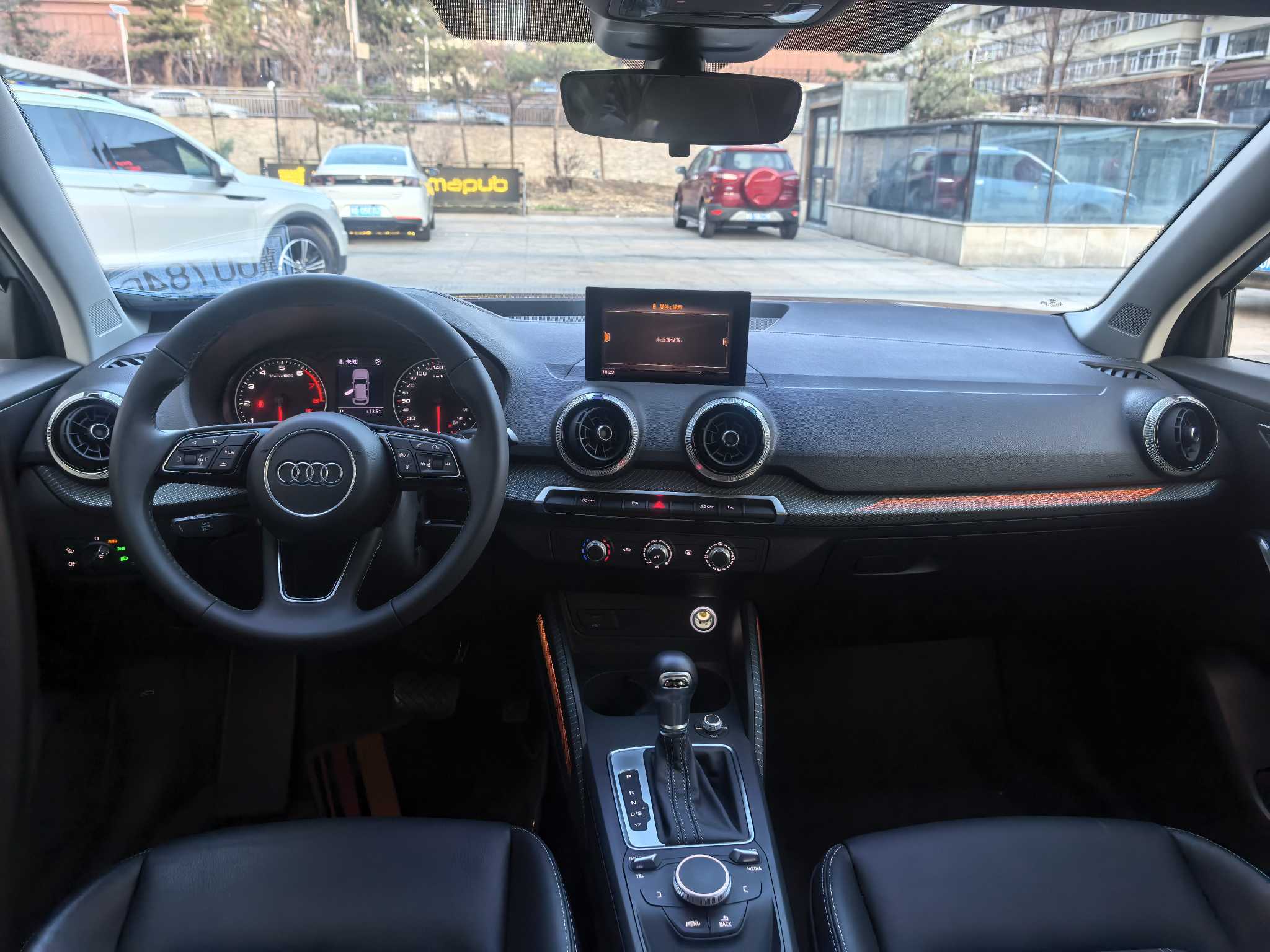
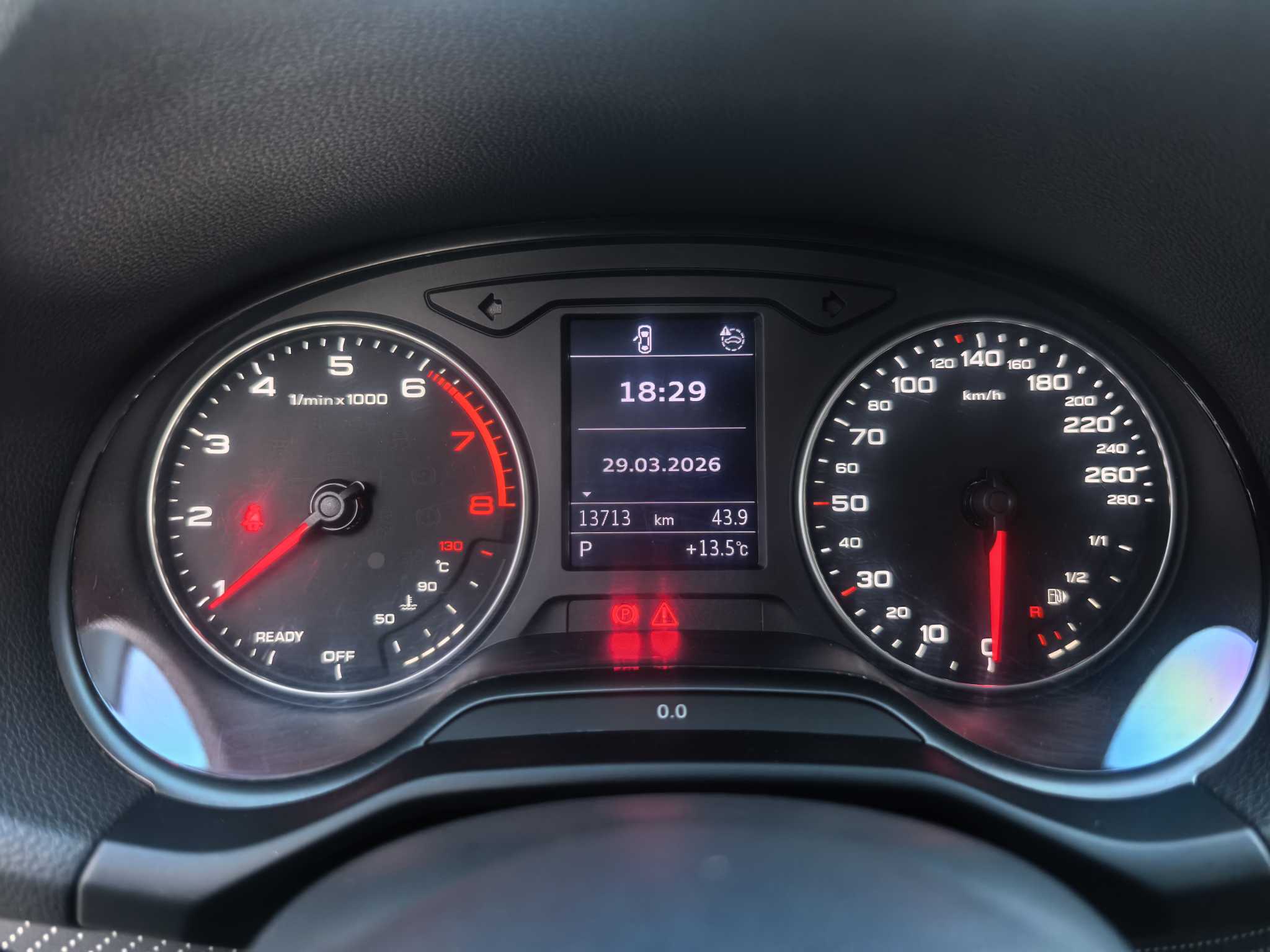



Basic Information

BrandAudi
SeriesQ2L
Year2023
First Registration2023/05
Mileage1.3km
Transfer Count1times
FuelGasoline
TransmissionDCT
Engine1.4T 150 L4
ColorWhite
Seats-

Condition Description

Metal parts with original paint applied with car wrap

Configuration Highlights

Driver/Passenger Airbags
Front/Rear Side Airbags
Front/Rear Curtain Airbags
Tire Pressure Monitoring
ISOFIX Child Seat Anchors
ABS Anti-lock Braking
Electronic Brake Distribution
Electronic Stability Control
Hill Start Assist
Auto Hold
Multifunction Steering Wheel
Paddle Shifters
Front Parking Sensors
Seat Material
Driver/Passenger Power Seats
Rear Cupholders
Low Beam Headlights
Daytime Running Lights
Auto Headlights
Adjustable Headlight Height
Power Windows
Anti-pinch Windows
Climate Control Type
Start-Stop System
Active Safety System

Q&A

More

Will there be detailed information on the vehicle's consumable parts (such as tire tread depth and remaining brake pad thickness)?

Yes. The inspection report includes a specific "consumable parts consumption list." We will measure the tire tread depth (in millimeters) and the remaining brake pad thickness using calipers. If the tire tread is below the legal wear limit of 1.6mm, we will note it as "recommended to replace immediately upon arrival."

What is the standard for natural air loss during parking if the vehicle is equipped with air suspension?

Air suspension is very delicate. If, after the vehicle has been stationary for about 12 hours, the height on one side of the vehicle drops more than 1.5 cm when measured from the wheel arch to the tire, we will determine that there is a slight air leak in the air spring or distribution valve on that side and warn you of the high subsequent repair costs.

If the record of a vehicle's first maintenance is missing from the system, how do you determine its early wear condition?

Many car owners do not have their first maintenance done at authorized dealerships, leading to gaps in early data. In such cases, we do not blindly trust the odometer; instead, we analyze the tire production dates and wear levels, as well as the depth of grooves on the brake disc edges, using the "gold standard" of physical wear to infer the intensity of early use.