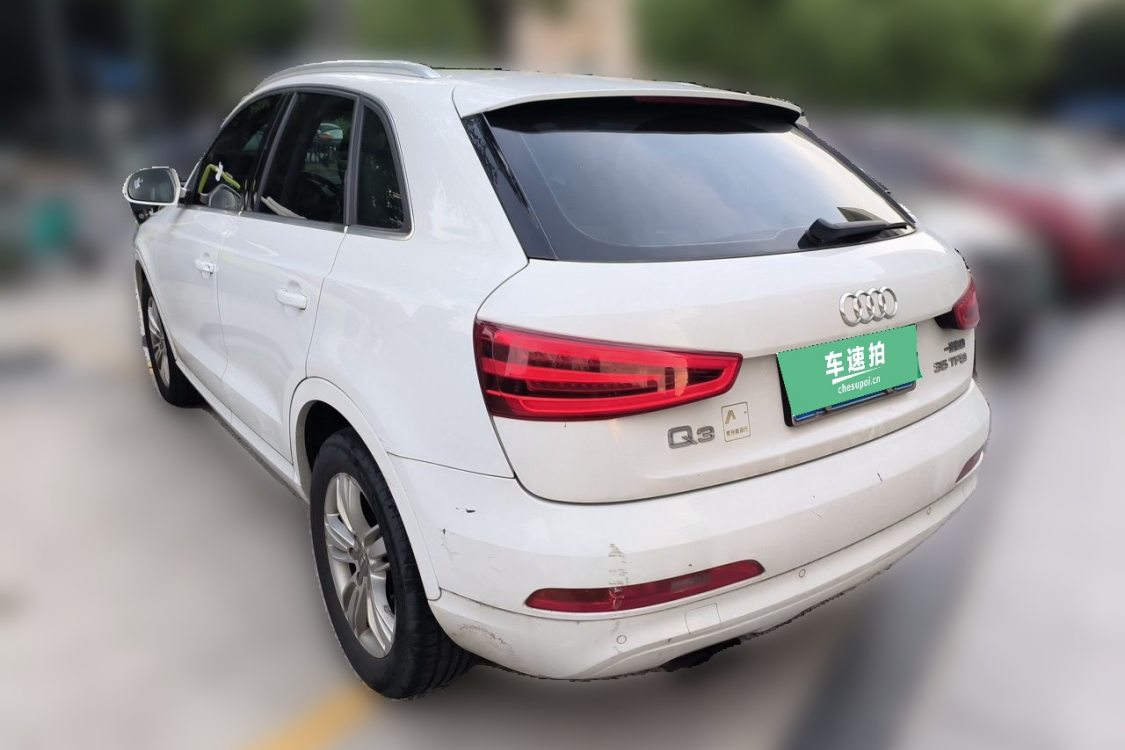
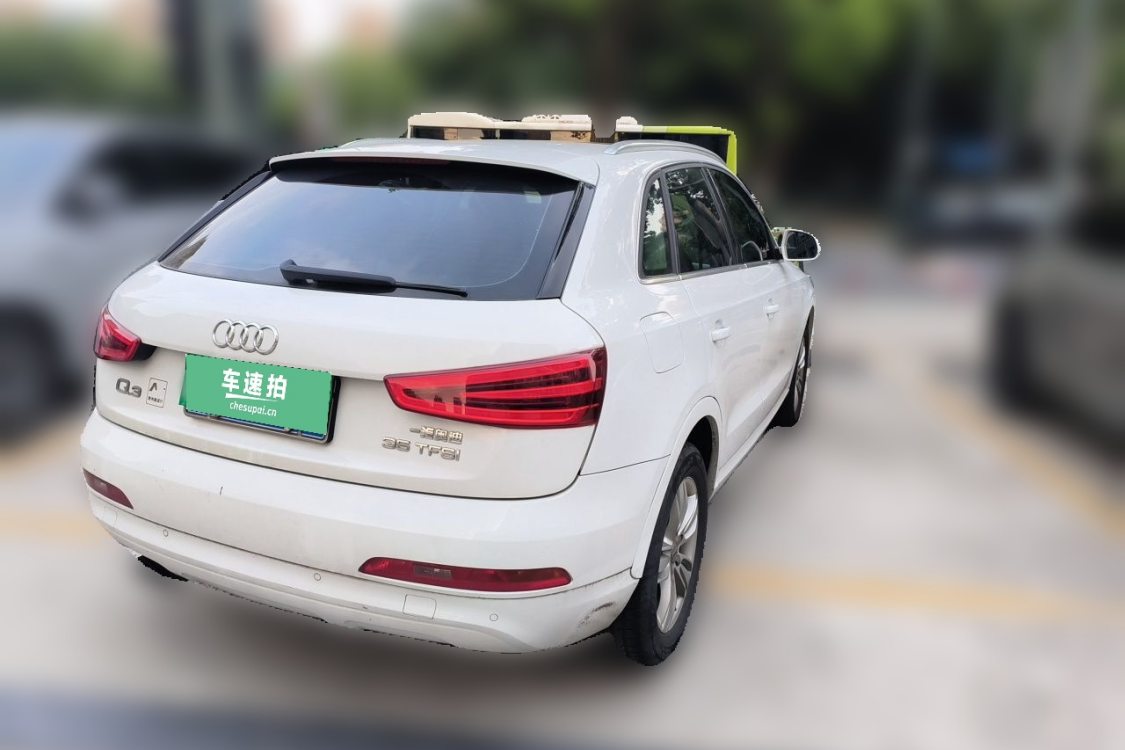
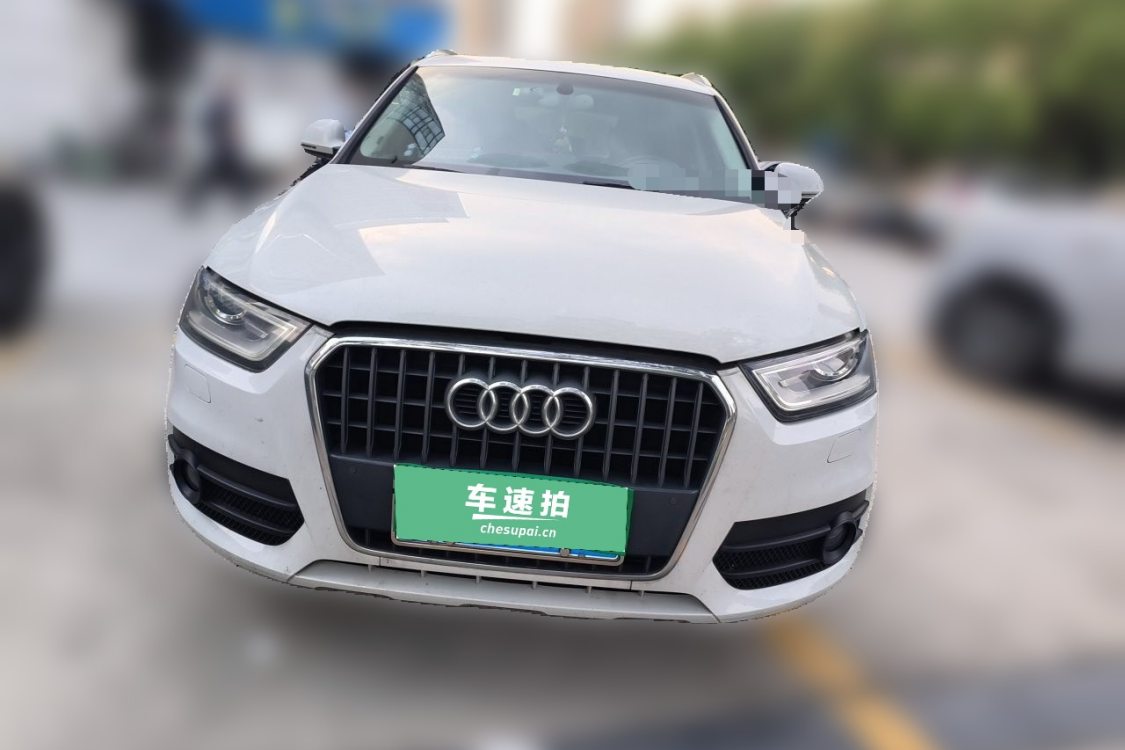
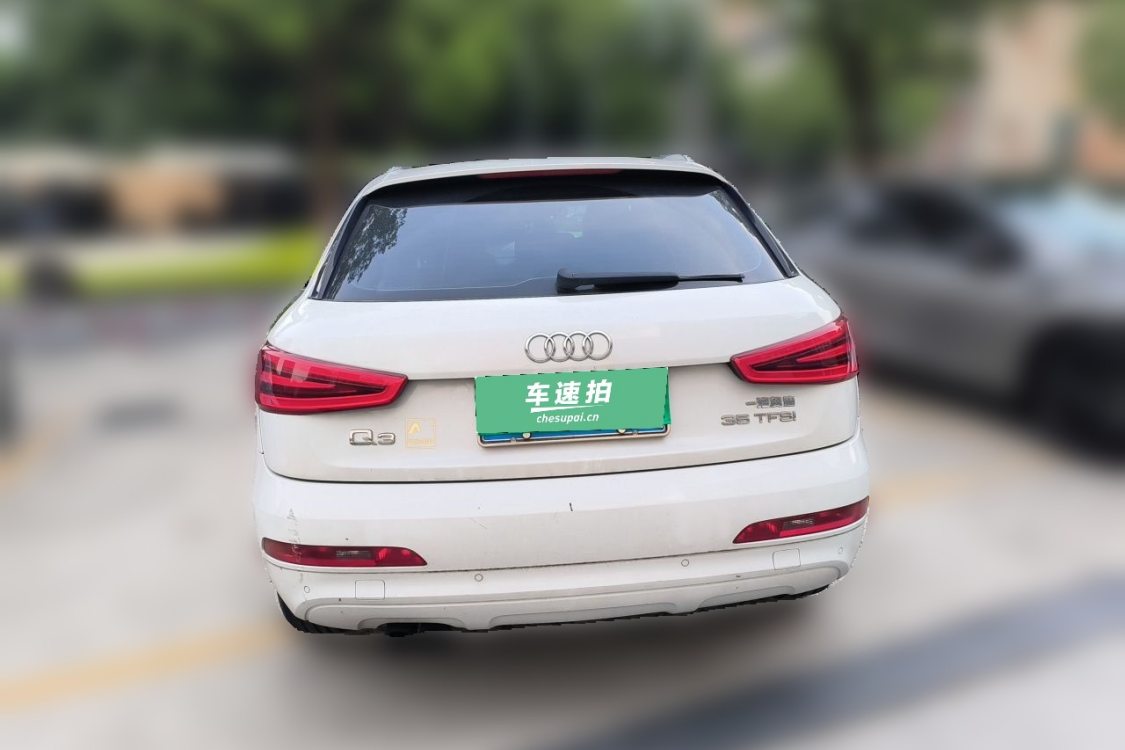
48H

Basic Information

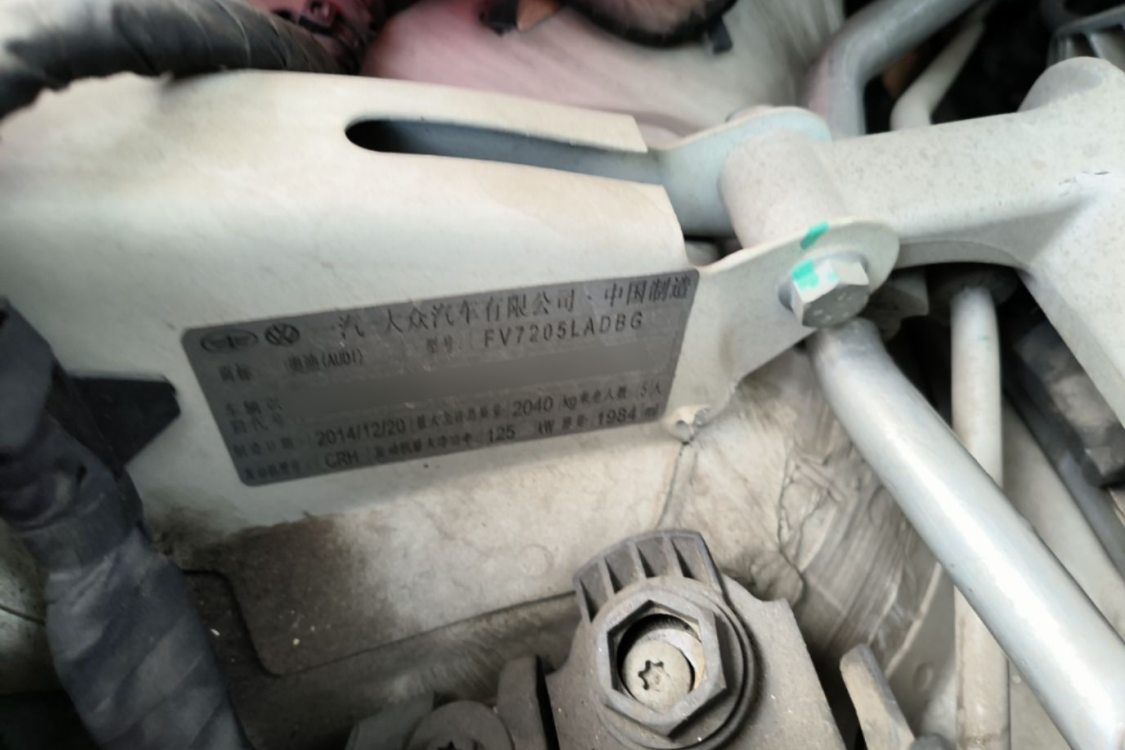
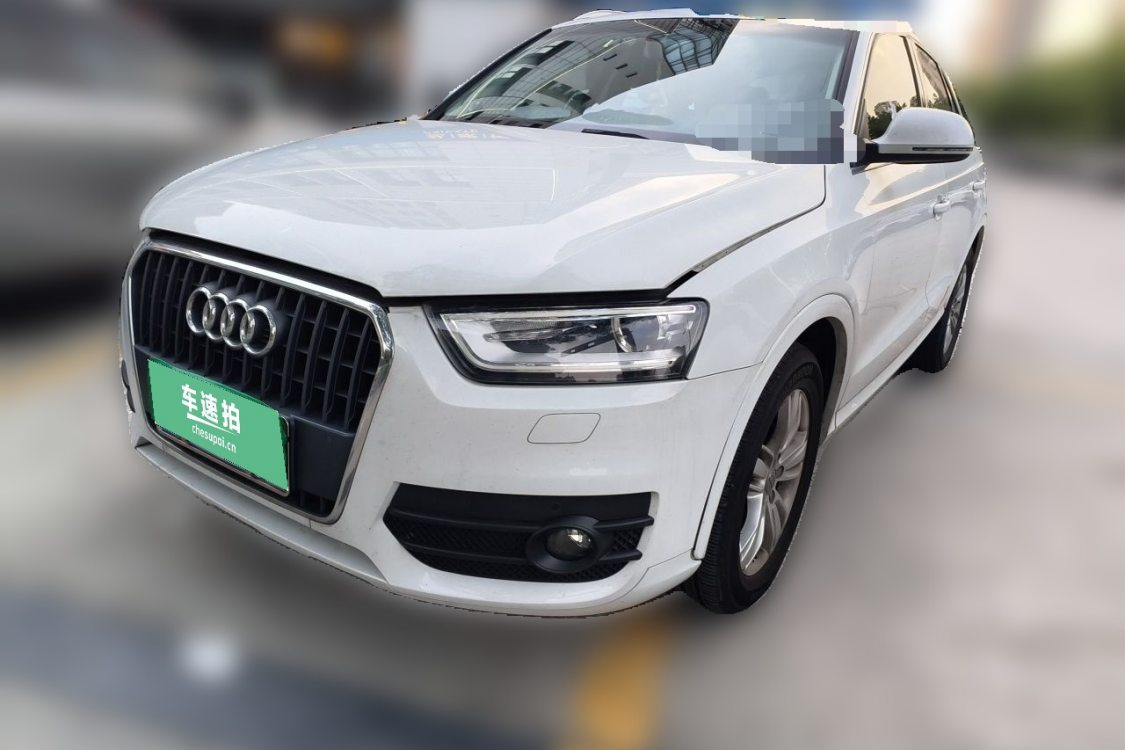
BrandAudi
SeriesQ3
Year2015
First Registration2015/02
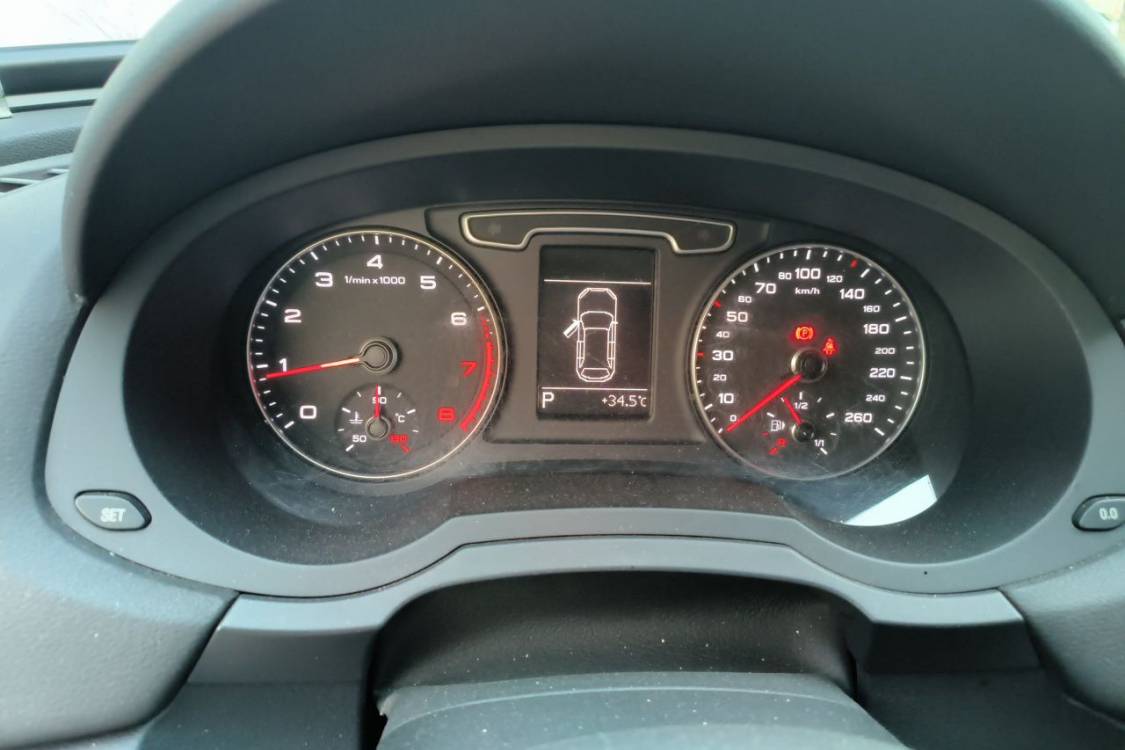
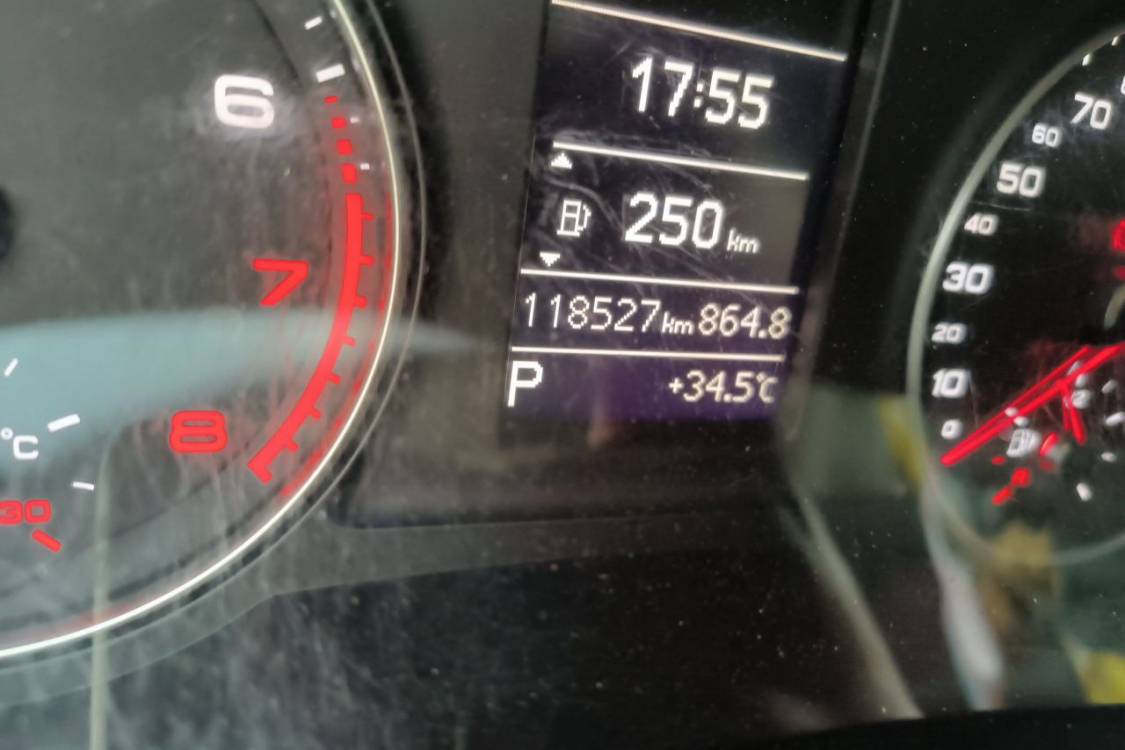
Mileage118,500km
Transfer Count1times
FuelGasoline
TransmissionDCT
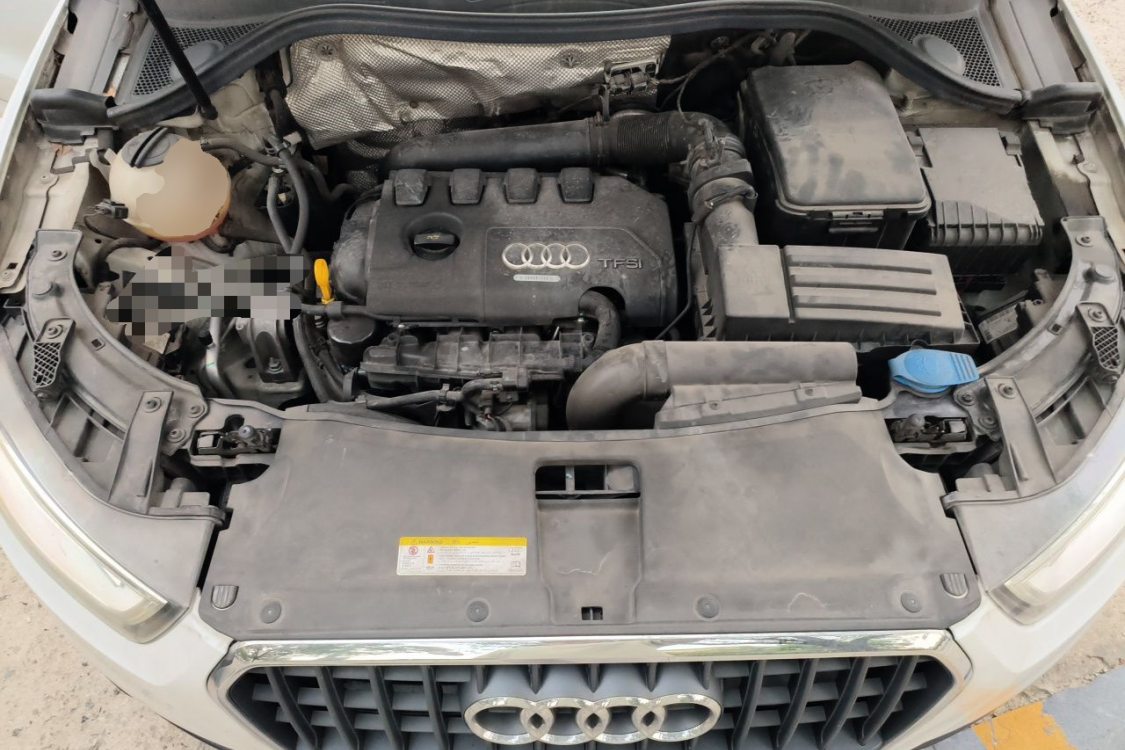
Engine2.0T 170 L4
ColorWhite
Seats-

Condition Description

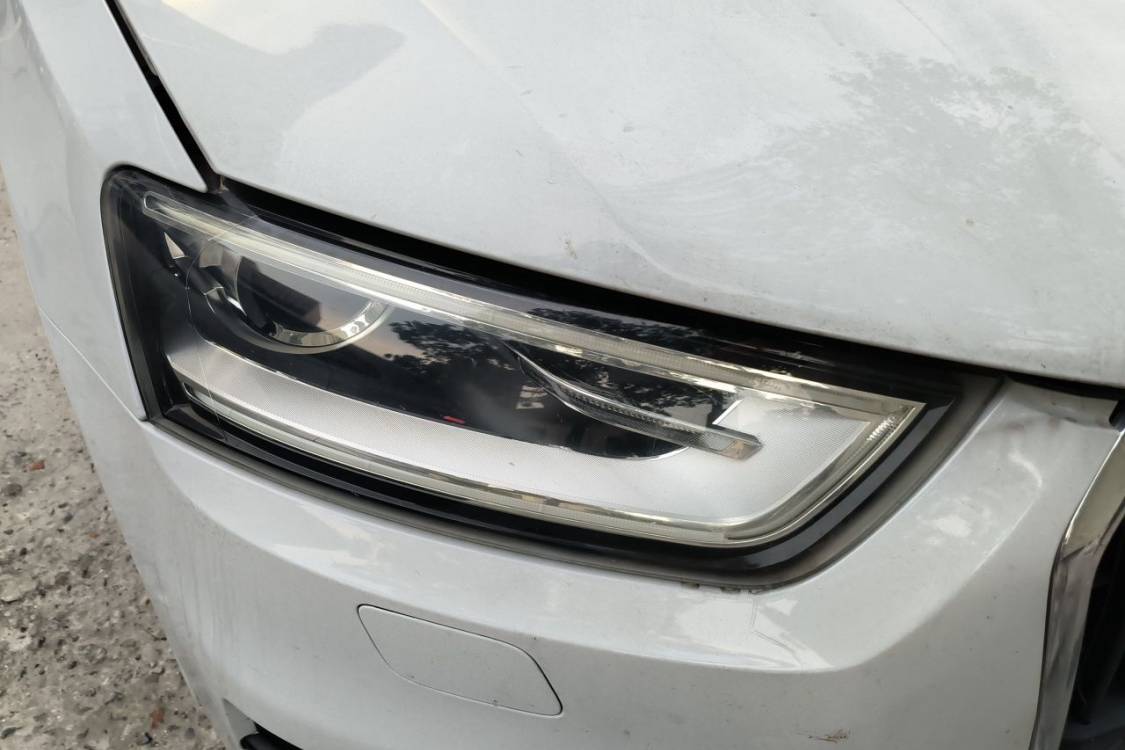
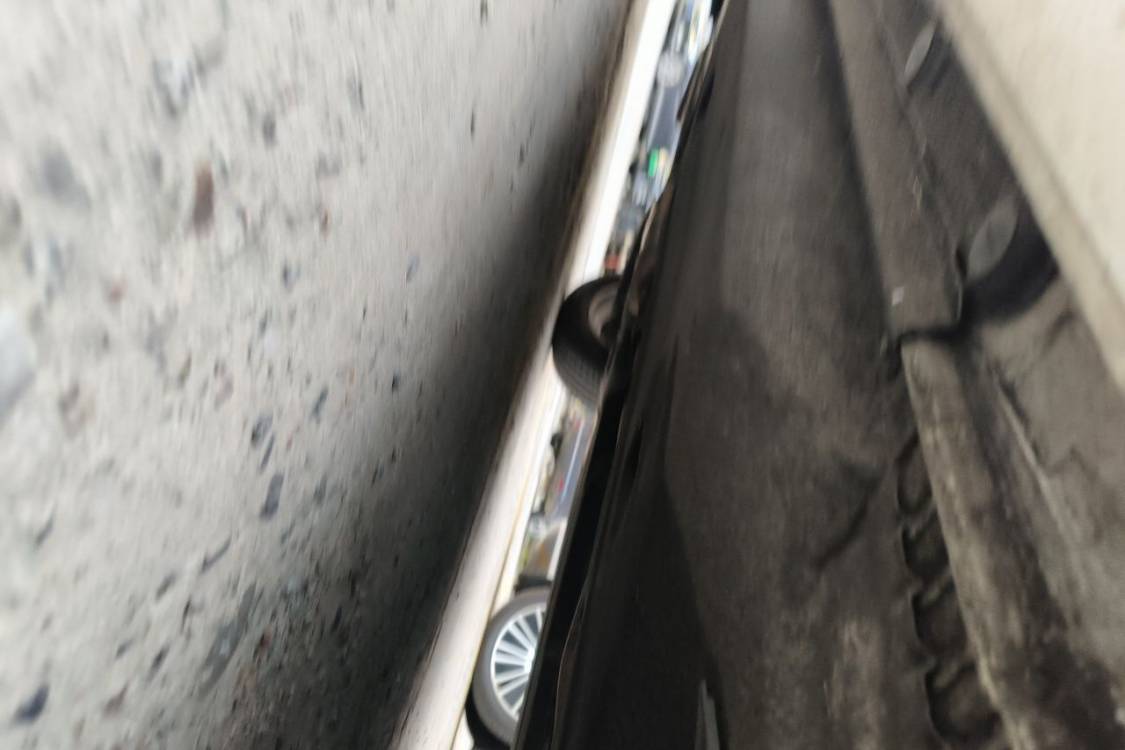
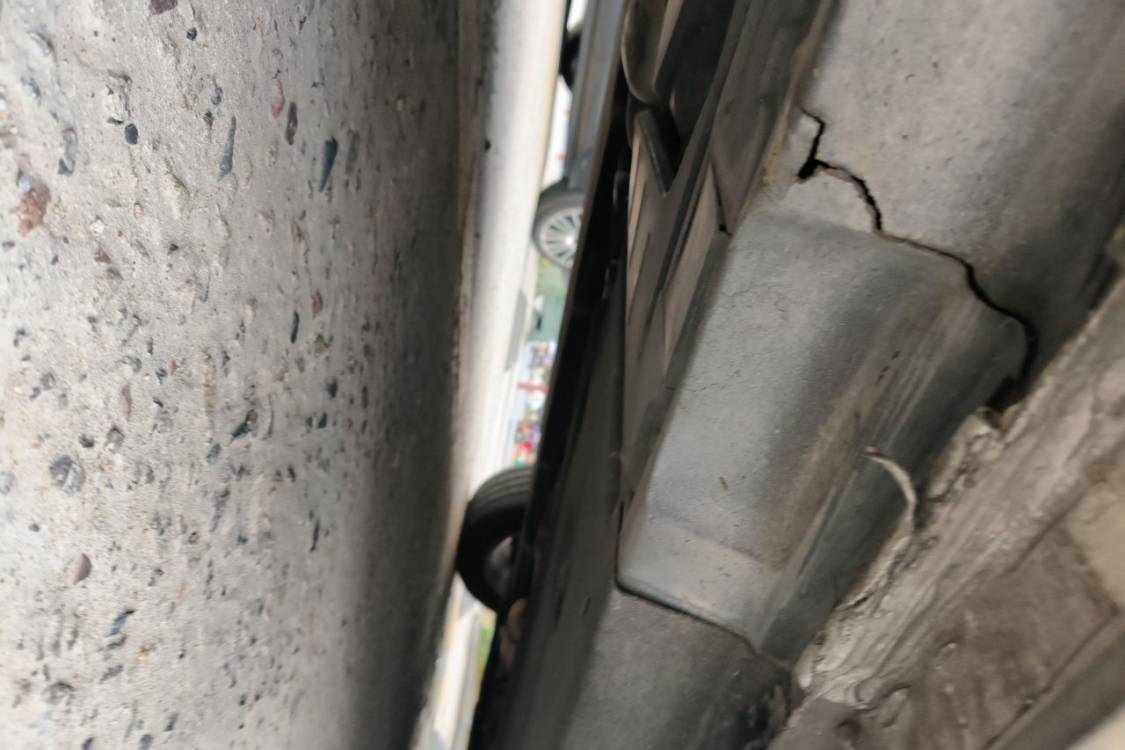
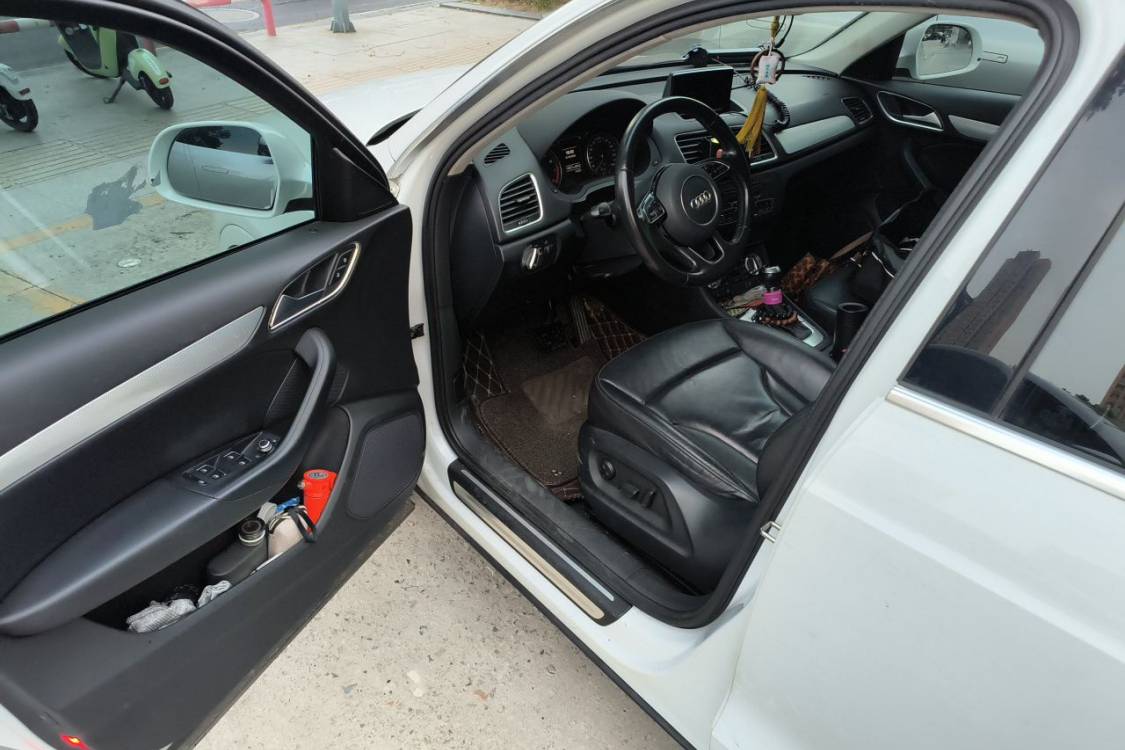
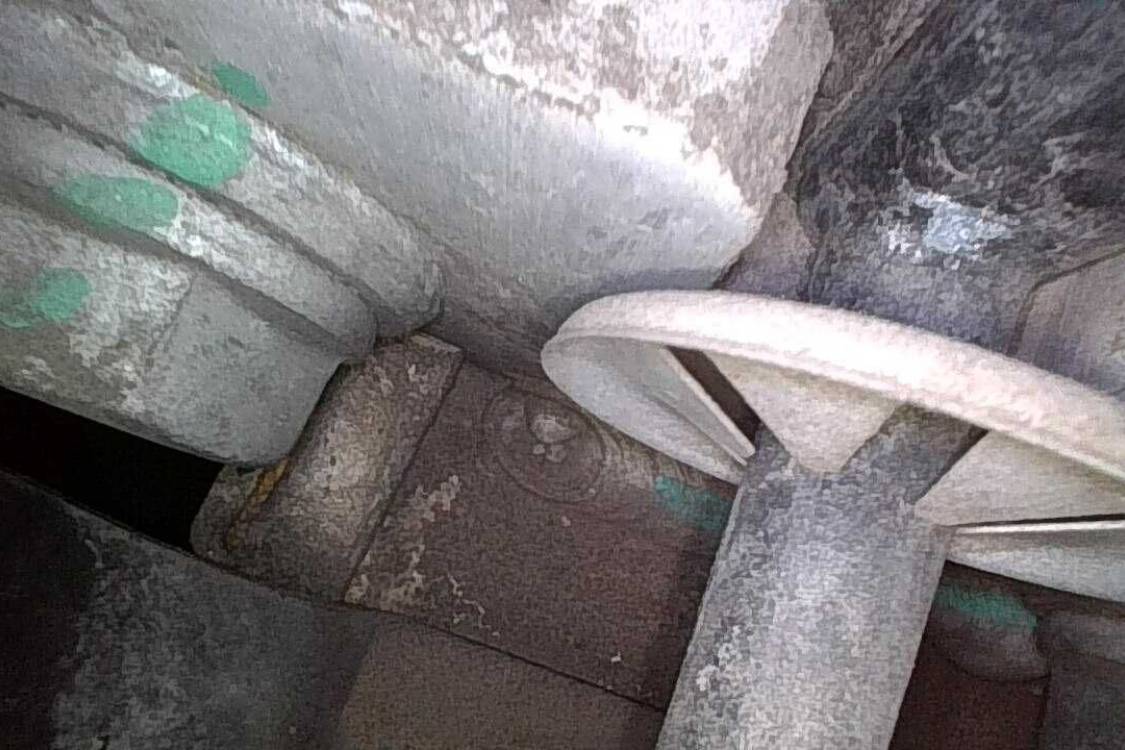
Body components (structural/reinforcing/panels) have accident-type damage; passive safety devices are defective; vehicle performance (including three-electric system) is degraded or performance remains limited after repair.

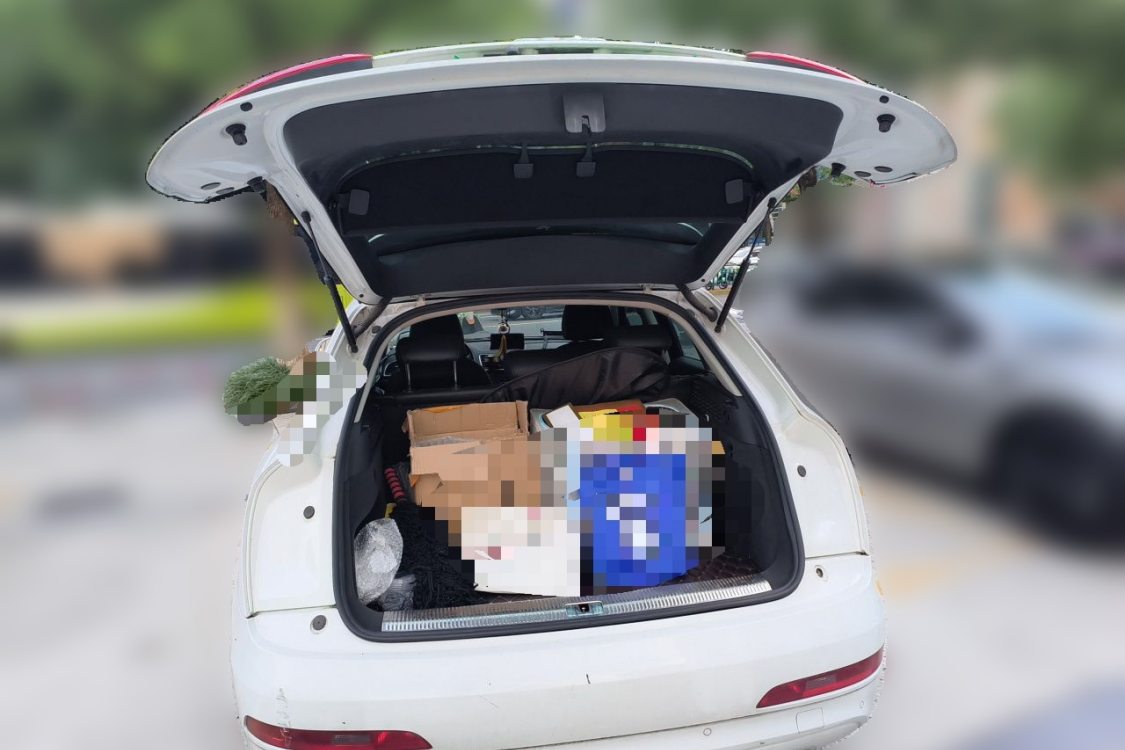
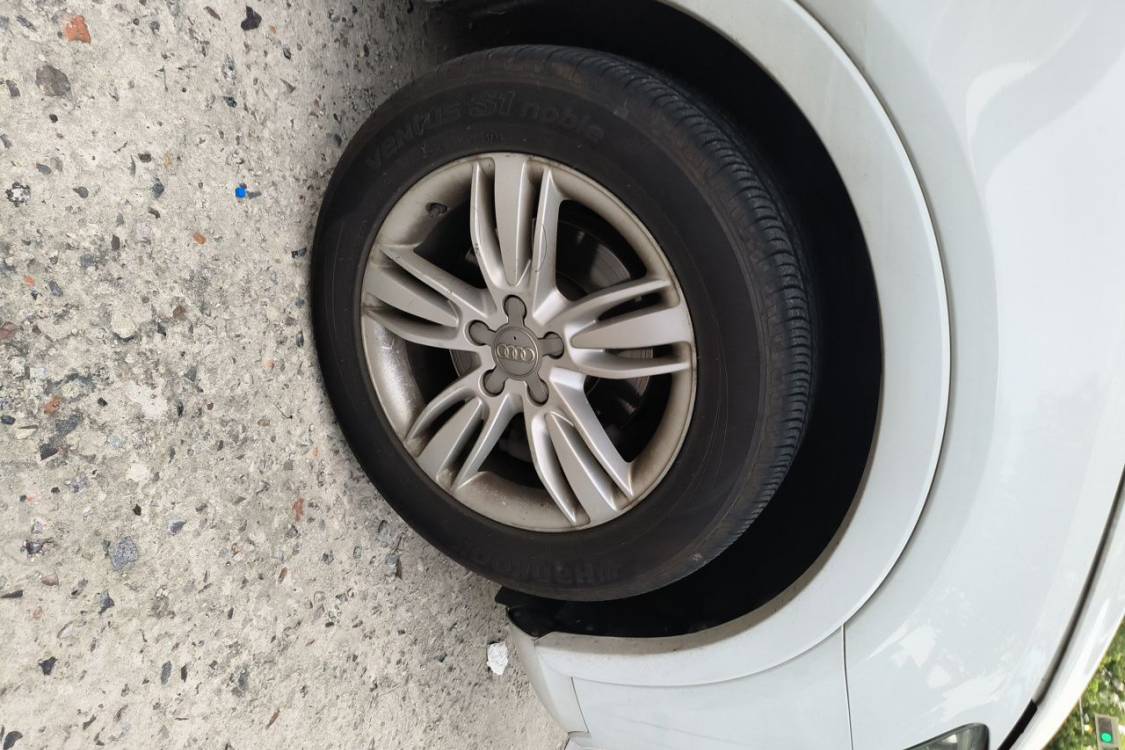
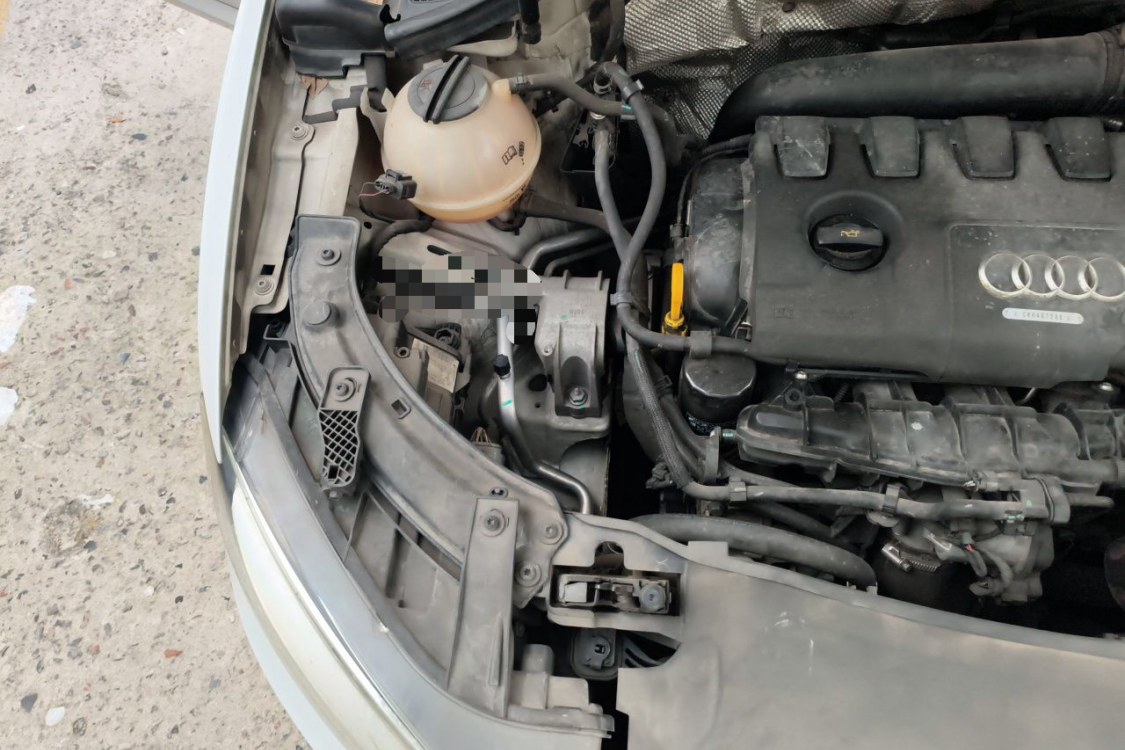
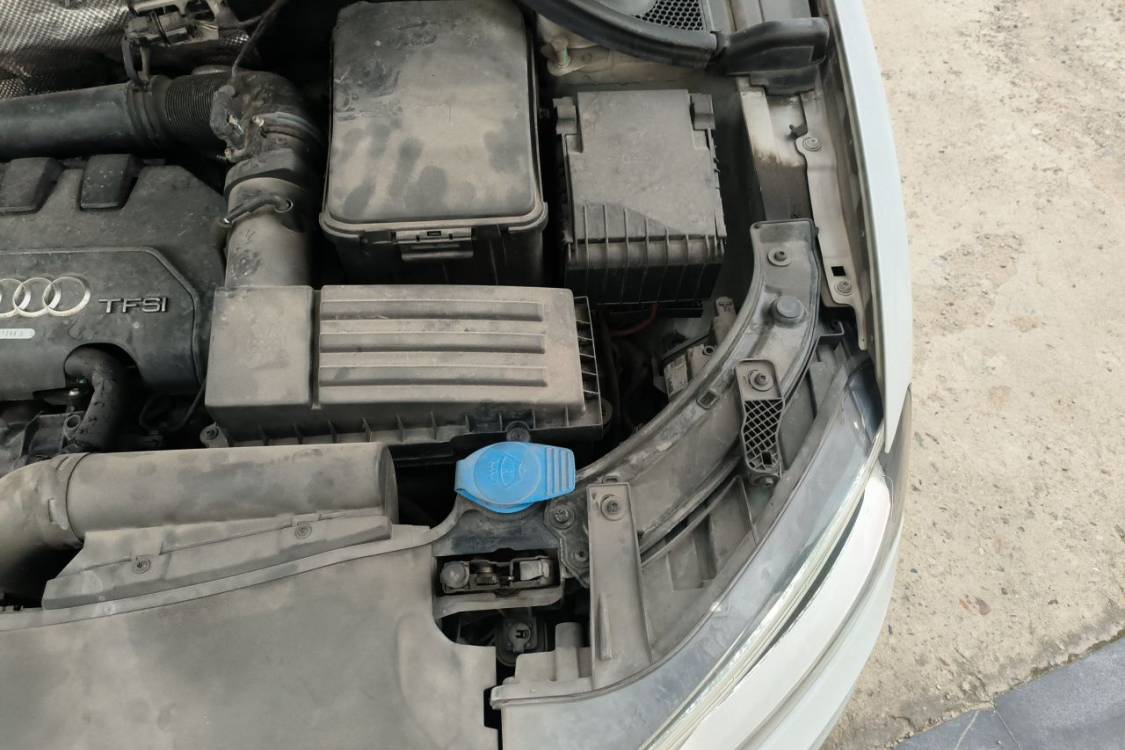
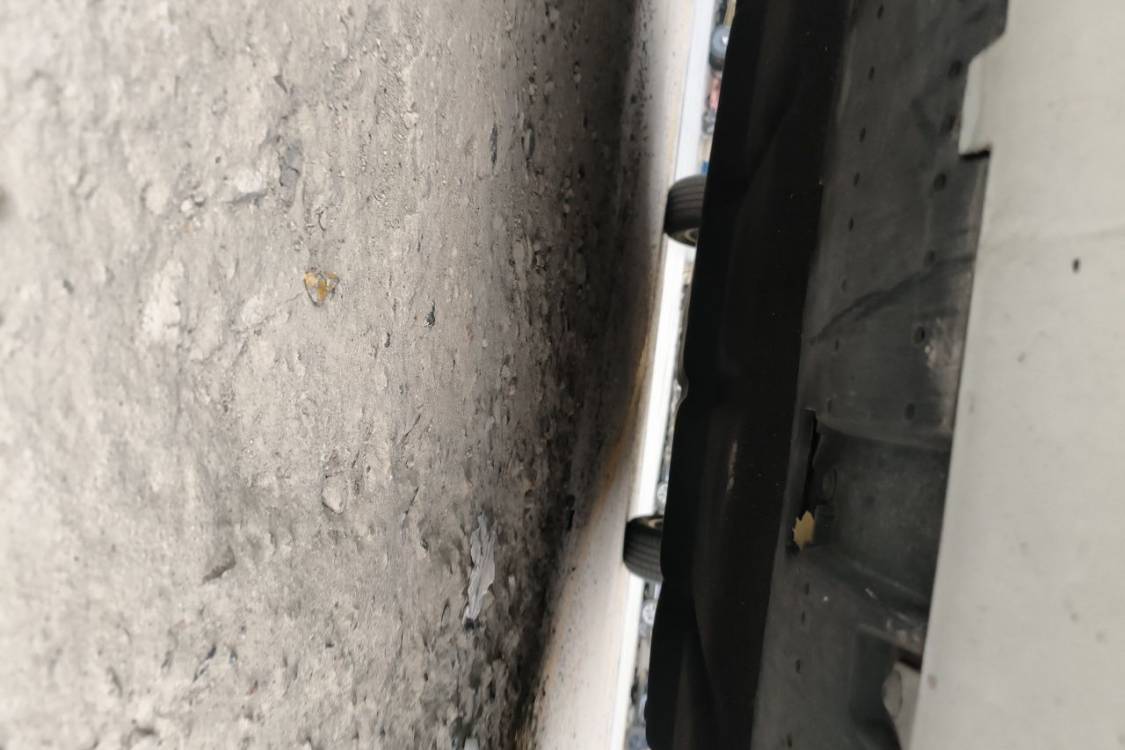
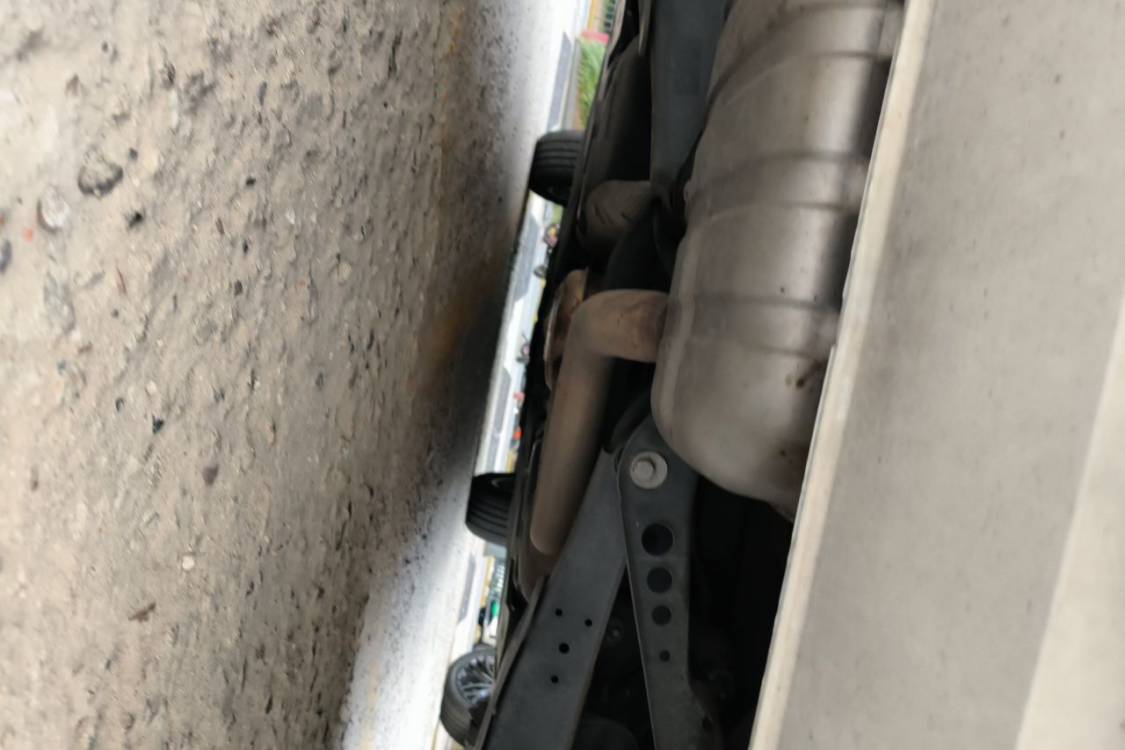
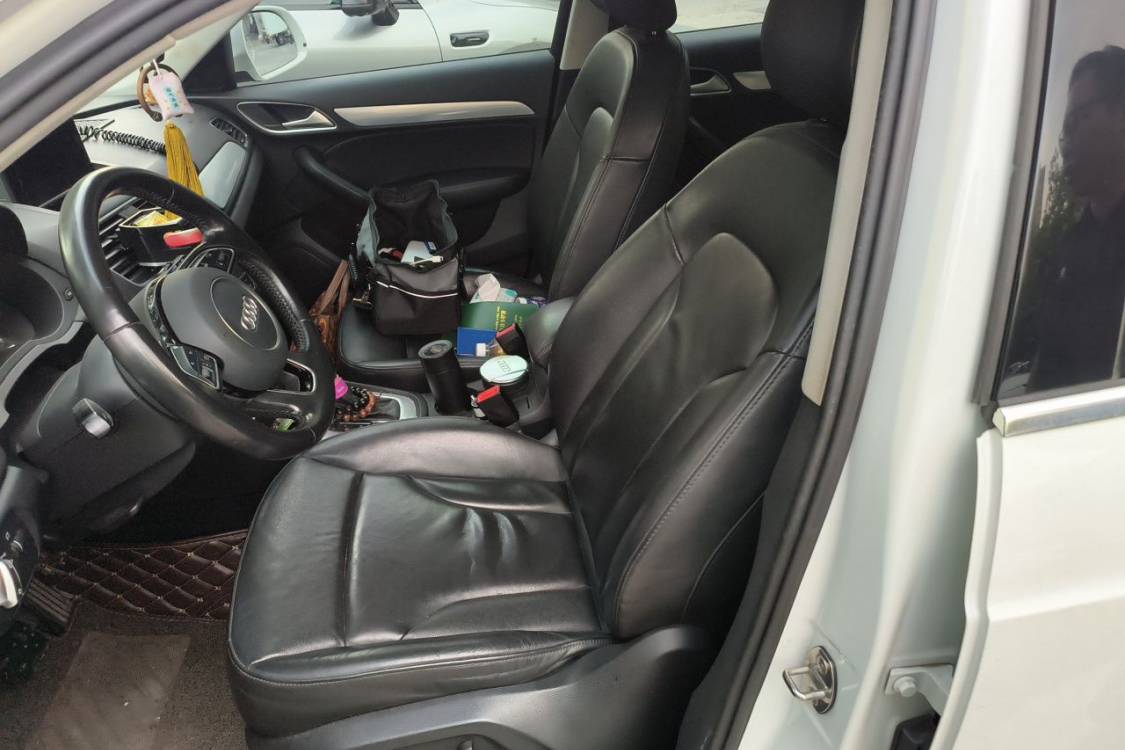
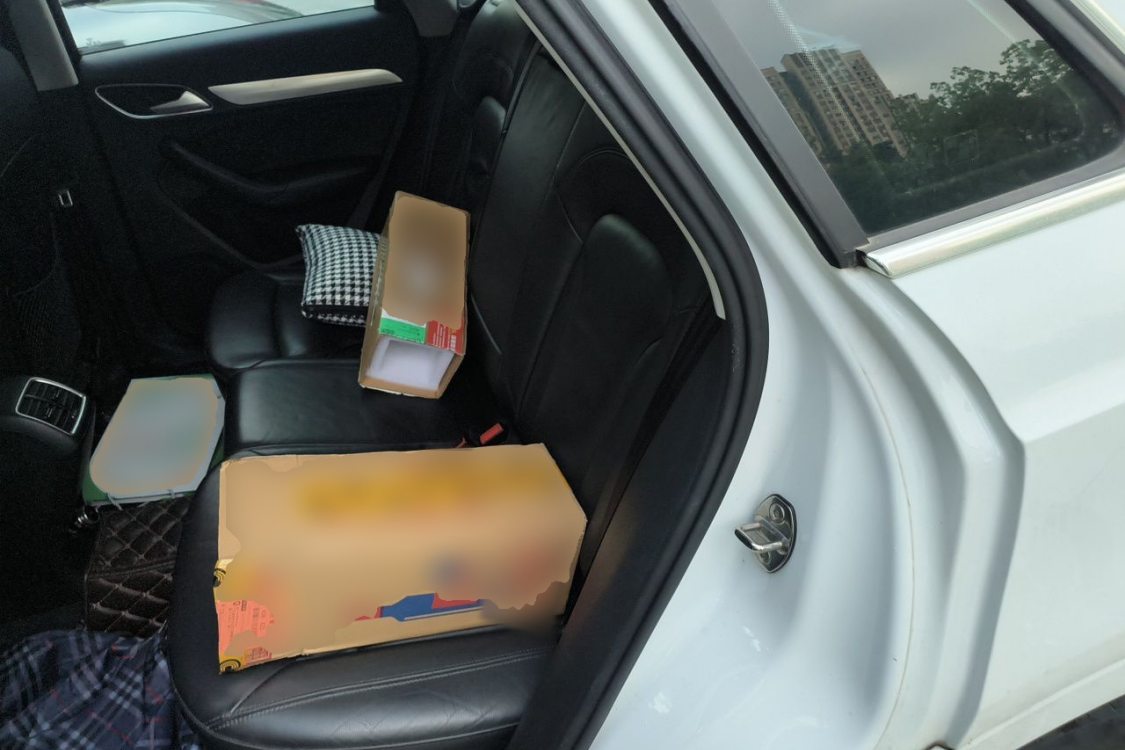
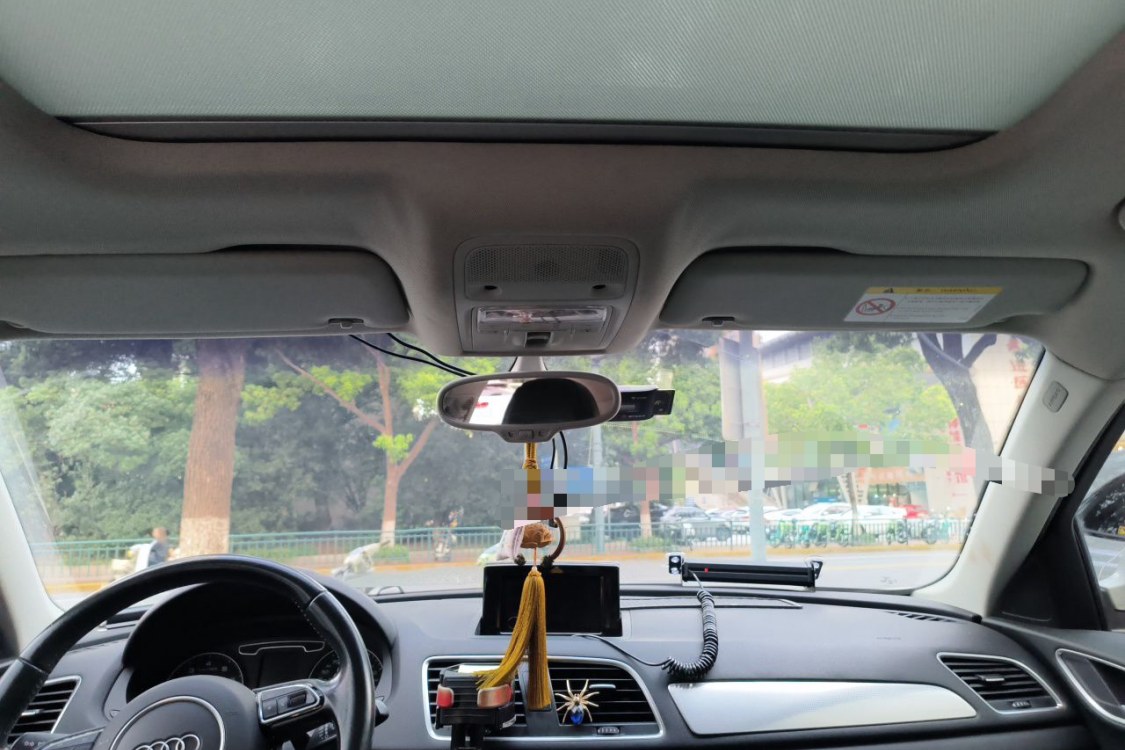
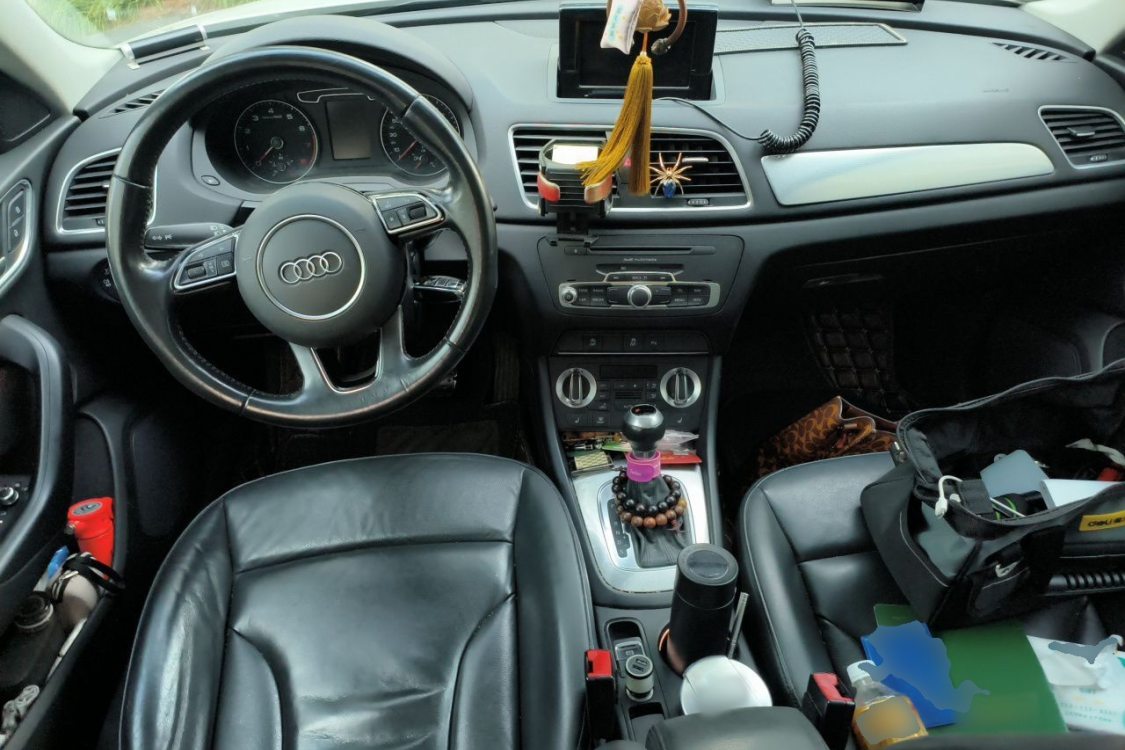
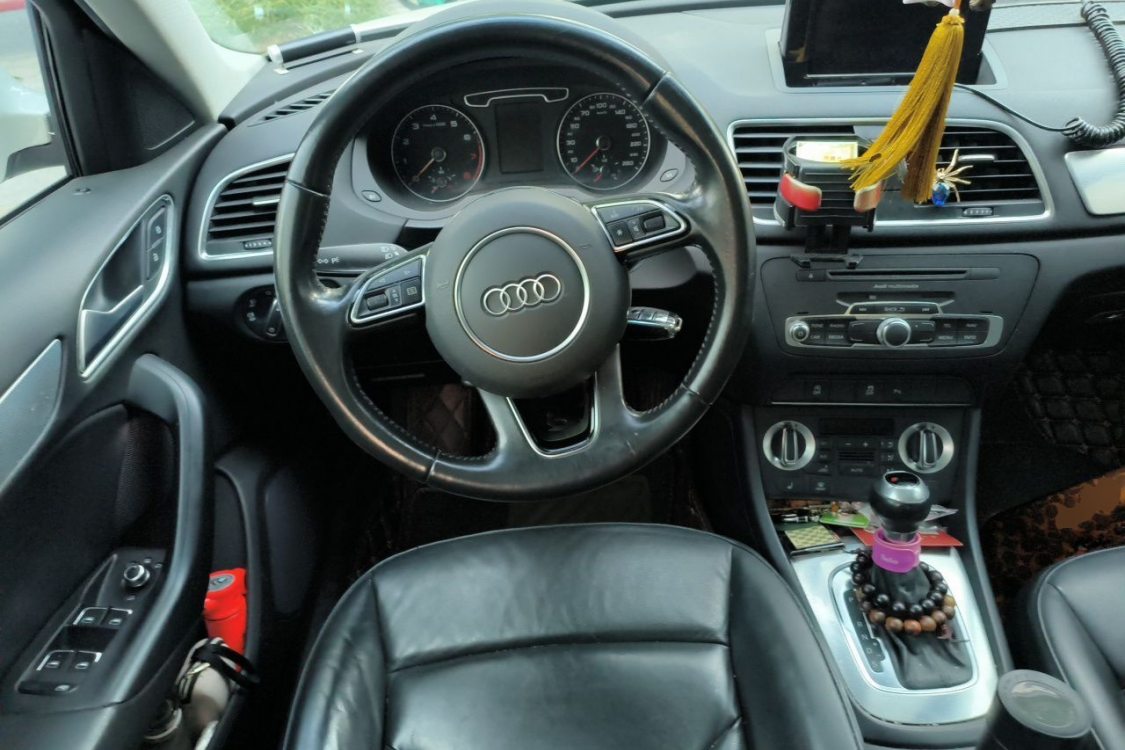
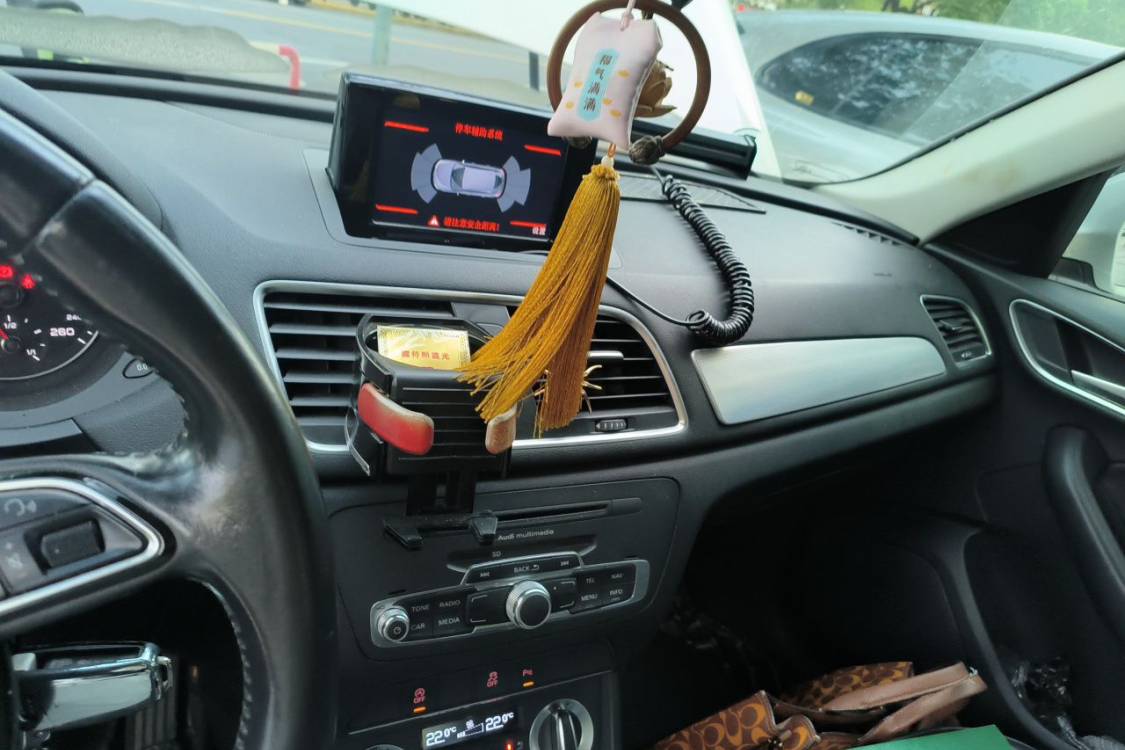
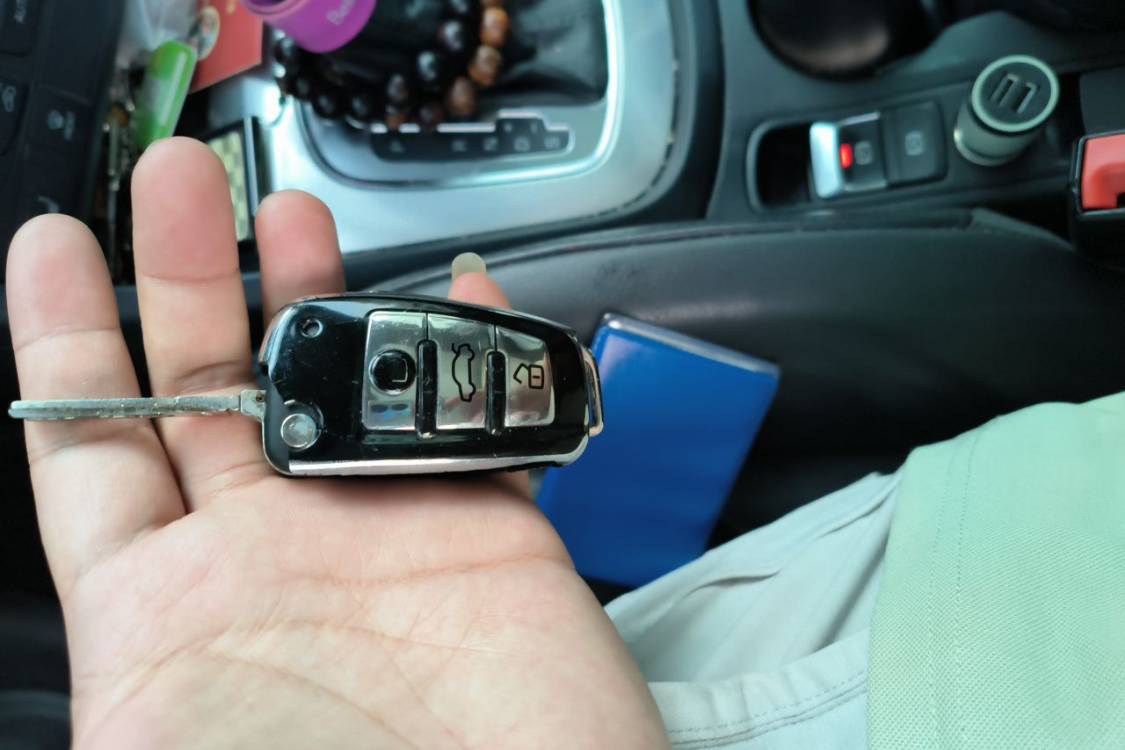
Accident inspection: main structure undamaged, reinforcing parts damaged, panels damaged, hinges abnormal; engine bay: key mechanical components normal; exterior: 2 replaced parts, 6 panel repairs, 3 paint jobs; interior: airbag inspection abnormal, left front seatbelt replaced, right front seatbelt replaced, center console disassembly marks, most features normal, lighting system normal; start-up inspection: main components normal; on-board tools: none.

电话直连
可讲价
平台物流
可转售
新检测标准升级>

Document Information

Inspection Expiry Date2027/02
Warranty Expiry Date-
Insurance Expiry Date2027/02

Q&A

More

Is the freight from port to port calculated per vehicle or by volume (CBM)?

RoRo ships usually charge based on the vehicle's volume (length x width x height, calculated in CBM) in tiers; container shipping has a fixed compartment price. We will calculate which method is the most economical for the current sailing.

After picking up the car, I found the tire pressure warning (TPMS). How can I reset the tire pressure sensor myself?

Temperature differences during sea transport can easily trigger the tire pressure warning. After inflating the tires to the standard pressure (usually 2.5 Bar), most vehicles will automatically clear the warning after driving a few kilometers; some models require manually clicking "Tire Pressure Reset" in the "Vehicle Settings" on the central screen.

Will you provide photos of the loading site as soon as the vehicles are loaded (On Board)?

Unauthorized personnel are prohibited from entering and taking photos inside the roll-on/roll-off ship, but we will provide photos of the vehicles parked in the loading area with the ship in the background. The bill of lading marked "Shipped on board" with the date is the most essential legal proof of loading.