48H

Basic Information

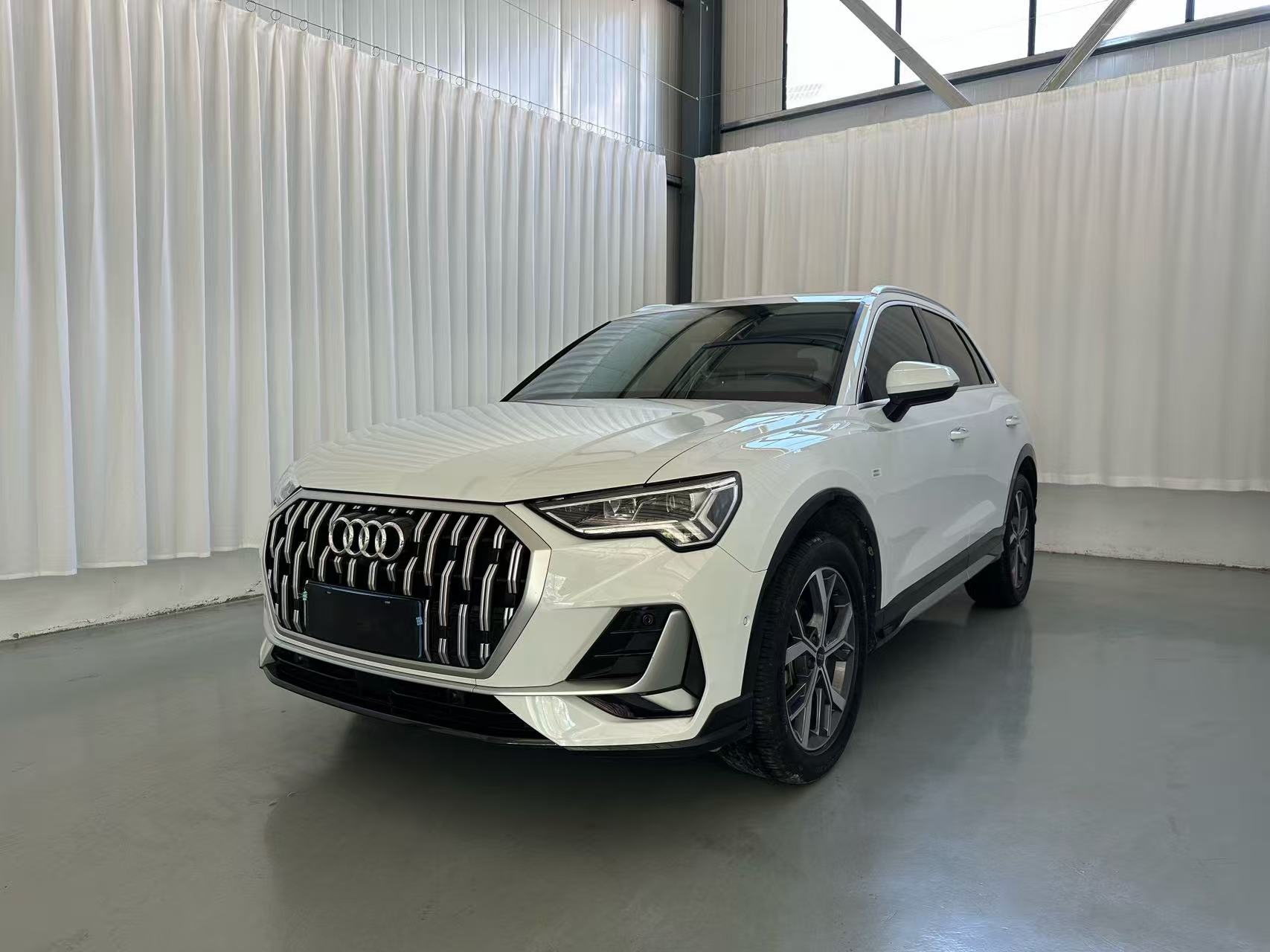
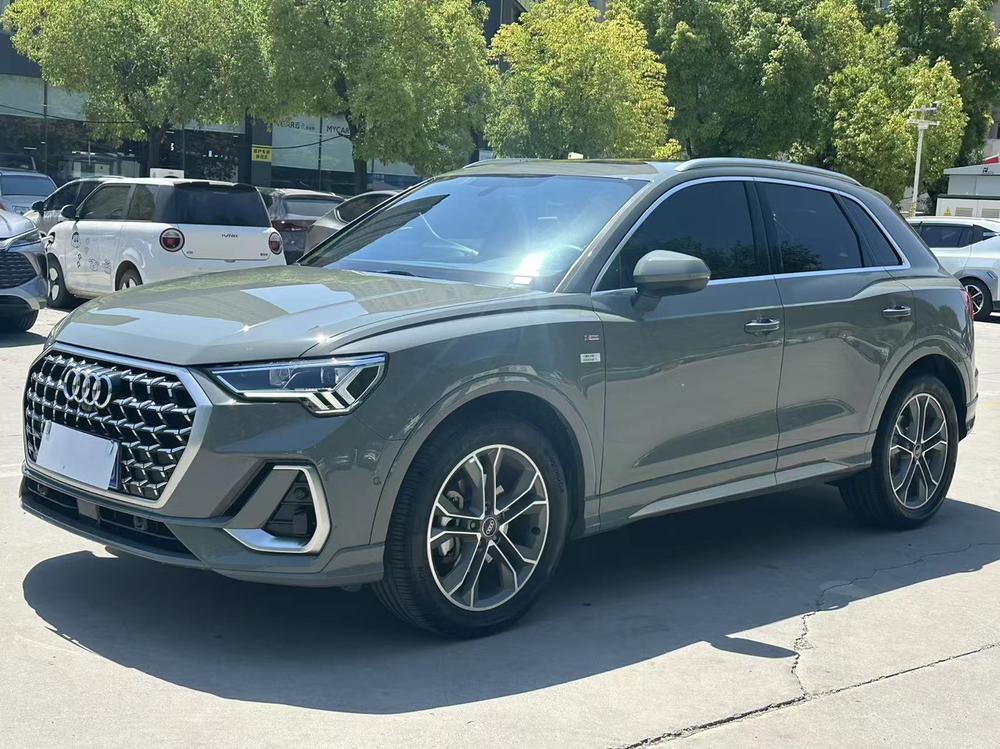
BrandAudi
SeriesQ3
Year2018
First Registration2018/07
Mileage98,900km
Transfer Count1times
FuelGasoline
TransmissionDCT
Engine1.4T 150 L4
ColorWhite
Seats-

Condition Description

Body components (structural/reinforcing/panels) have accident-related damage, passive safety devices are defective, vehicle performance (including three-electric system) is degraded or performance remains limited after repair.

Accident inspection: main structure no damage, reinforcing parts damaged, panels no damage, hinges normal; engine bay: valve cover gasket oil leak; exterior: 1 panel repair, 2 paint repairs; interior: most features normal, airbag normal, seatbelt normal, dashboard normal, instrument check normal, lighting system normal; start check: main components normal; tool kit: absent.

电话直连
可讲价
平台物流
可转售
车主降价

Document Information

Inspection Expiry Date2028/07
Warranty Expiry Date-
Insurance Expiry Date2027/07

Q&A

More

How long can you hold this car for me after the deposit is paid?

Our standard holding period is 3 business days after the deposit is paid (based on the timestamp of the payment slip). The domestic used car market in China moves very quickly, and if we do not receive the bank message confirming the deposit within the specified time, the system will automatically release the hold, and the vehicle will be re-listed for public sale.

Is there a mechanical emergency switch if the hidden door handle cannot pop out due to extreme cold?

Almost all compliant models with hidden door handles have a mechanical emergency pull cable designed inside the car or under the vehicle. If the target country's climate is extreme, we will record a practical emergency door opening tutorial video for you before shipping.

Is China's "National VI B" emission standard equivalent to Europe's Euro VI standard?

From a technical perspective, China's "National VI B (China VI-b)" is one of the strictest emission standards globally, with limits on carbon monoxide, nitrogen oxides, and particulate matter that are even stricter than some of Europe's Euro VI standards. However, the two are not legally recognized by each other, depending on your country's import regulations.