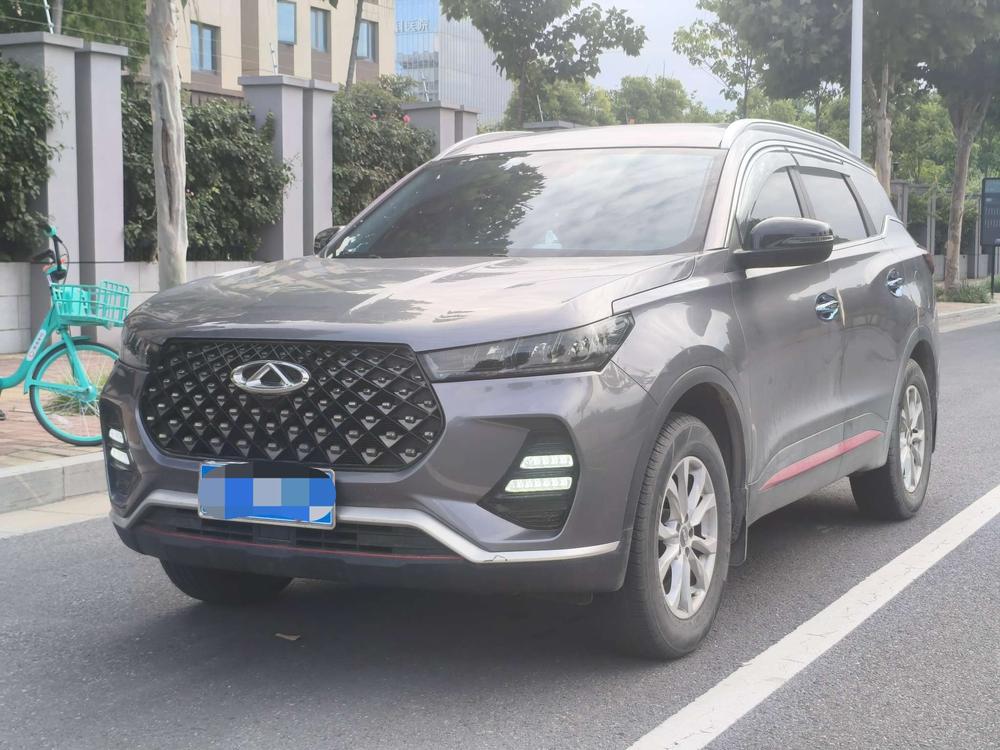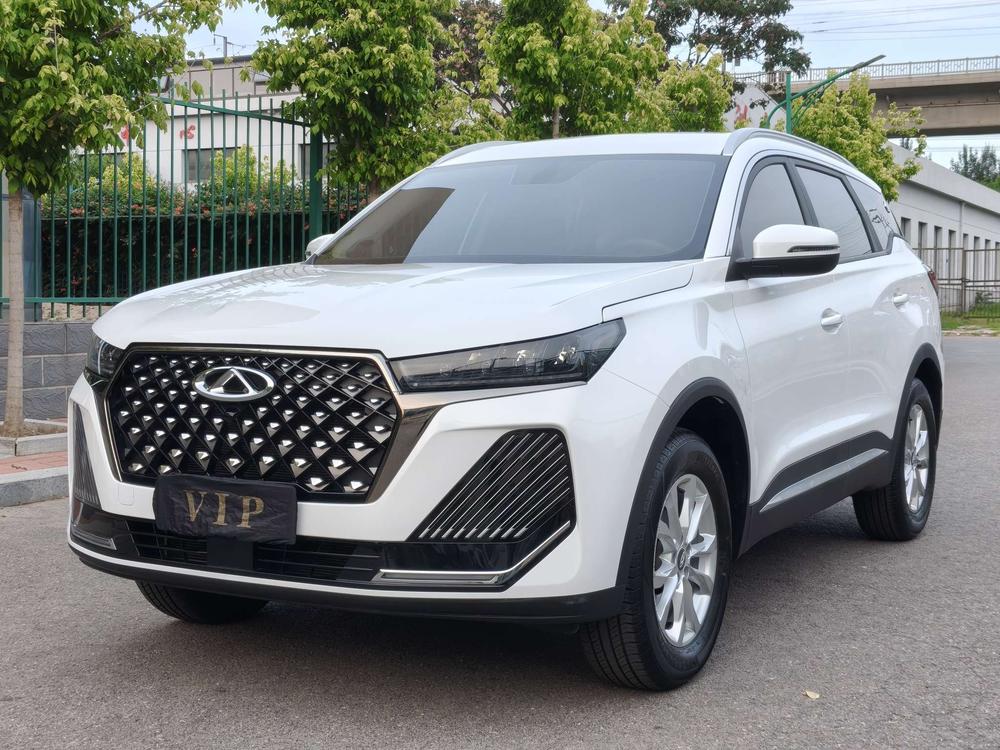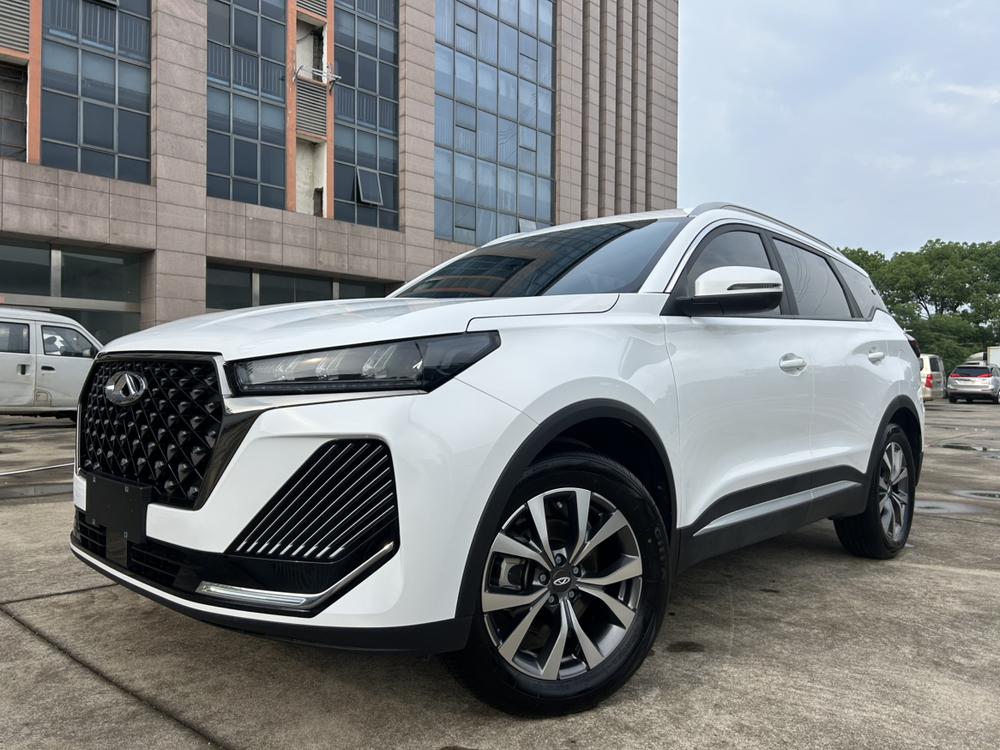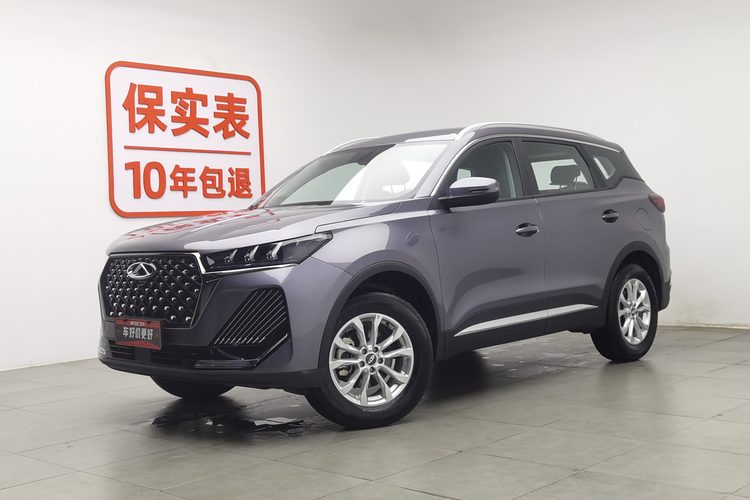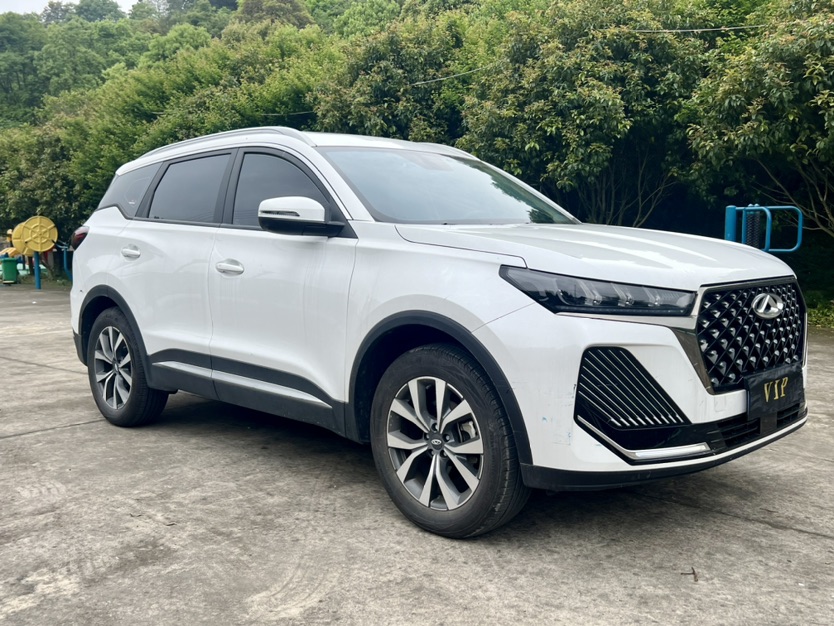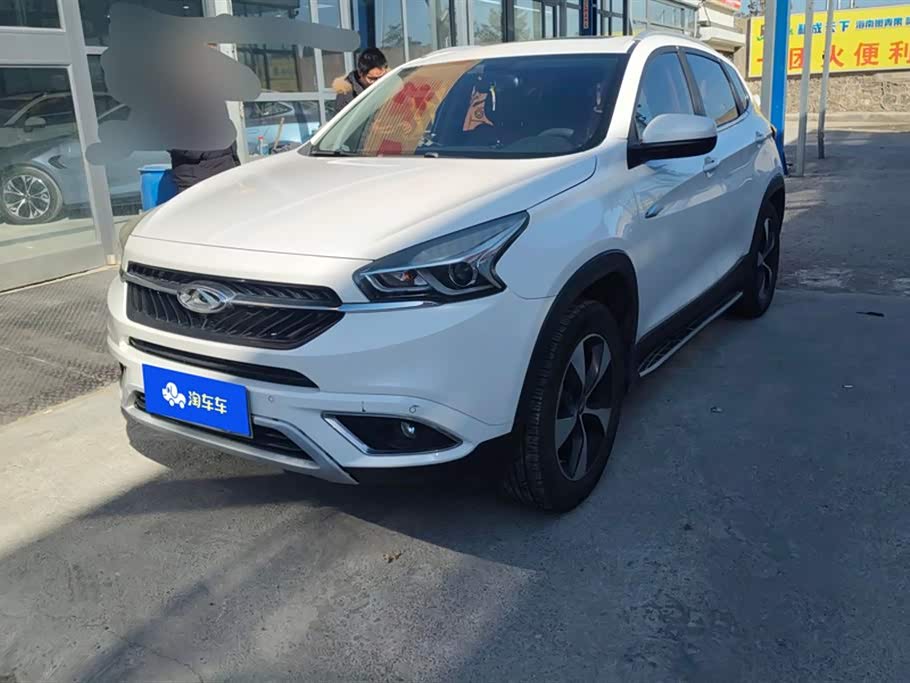
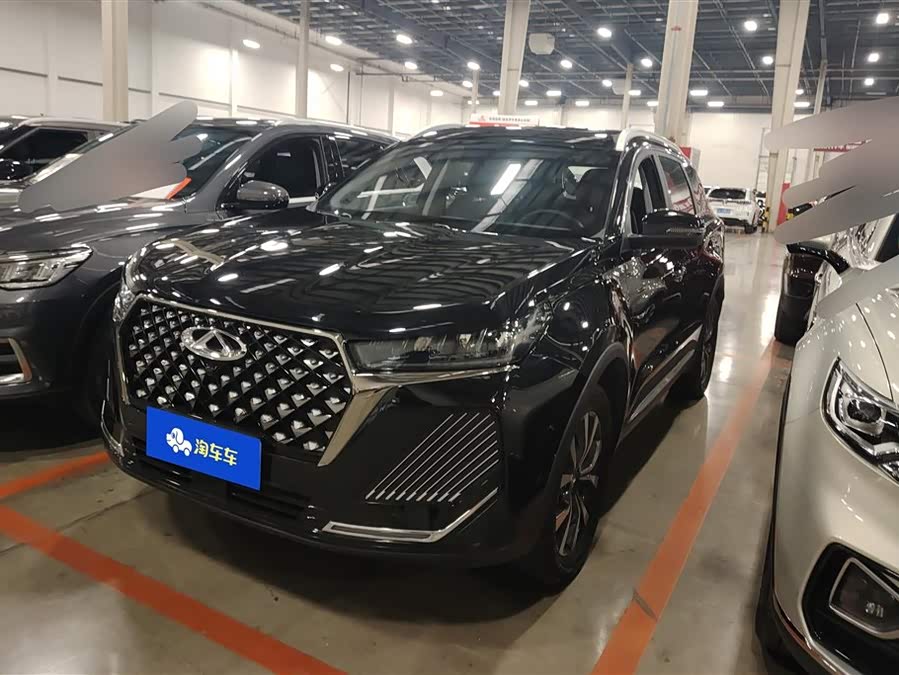
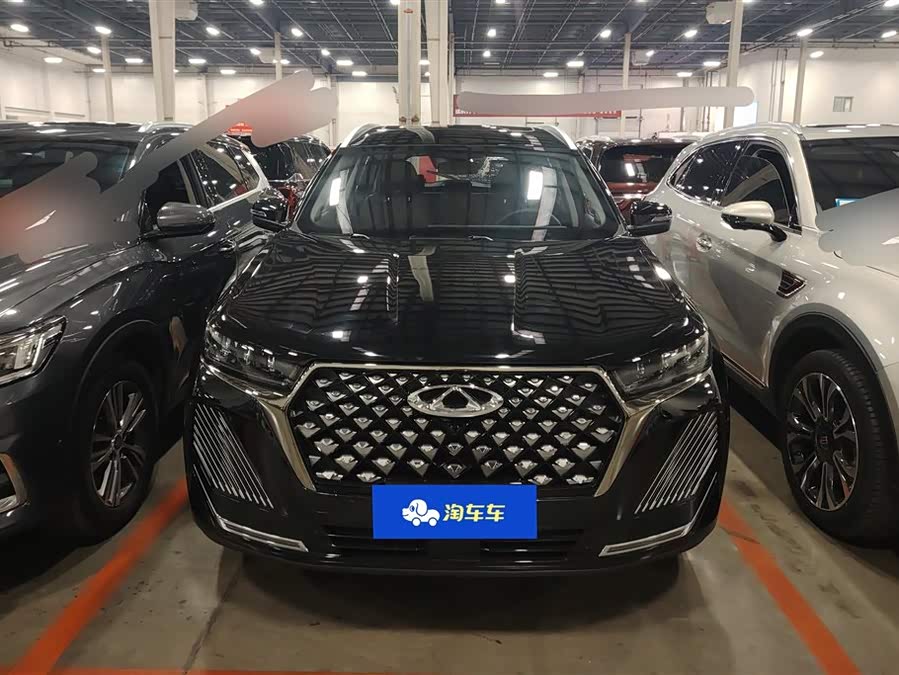
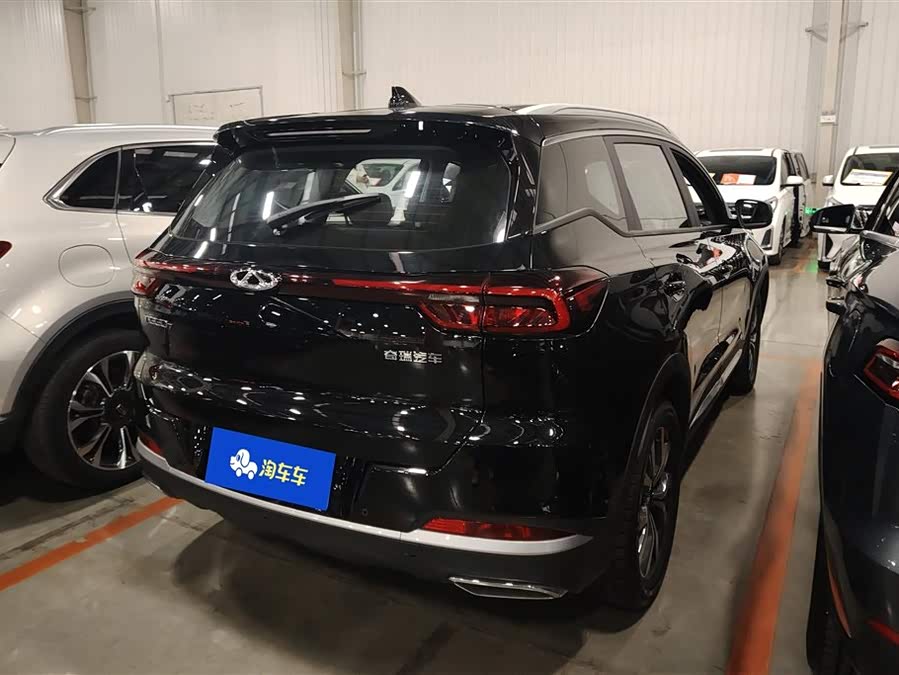
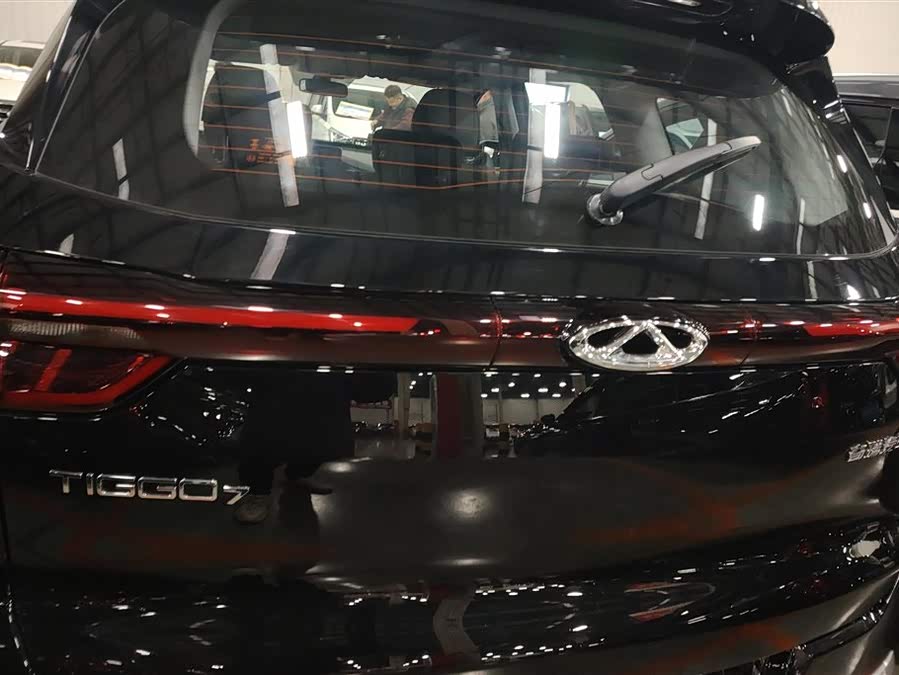
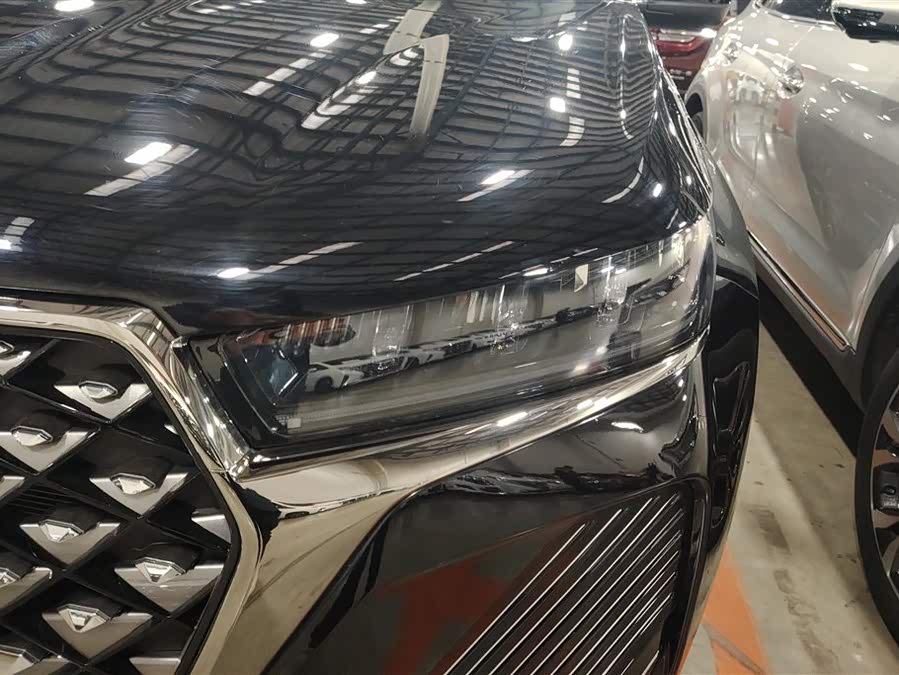
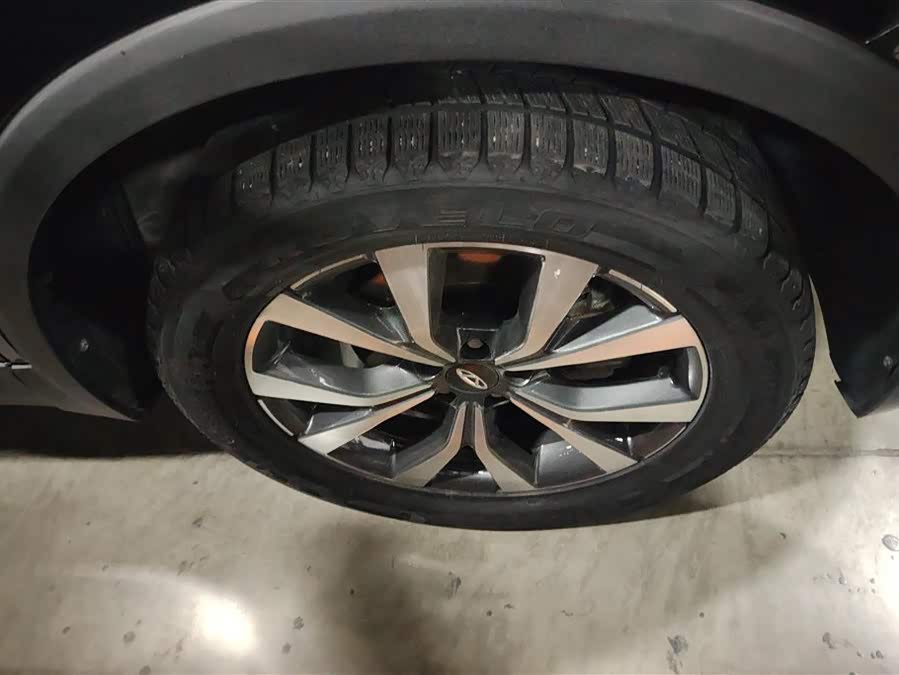
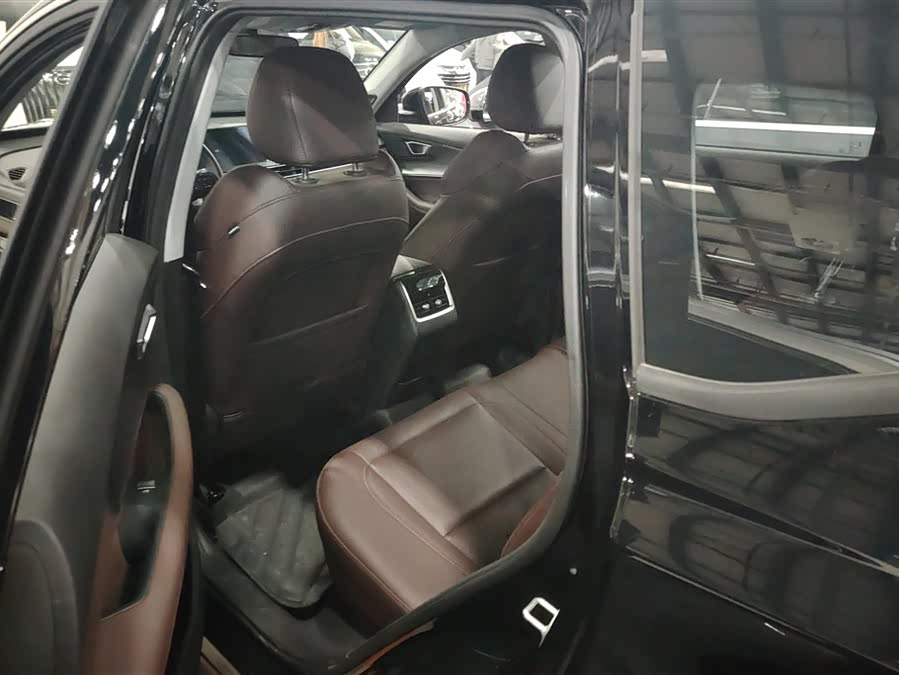
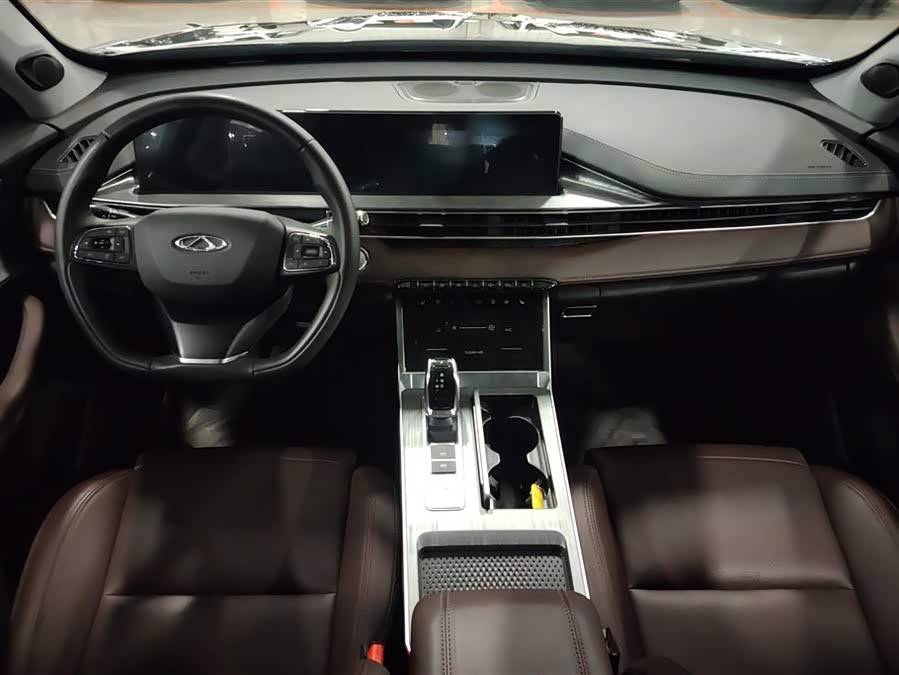
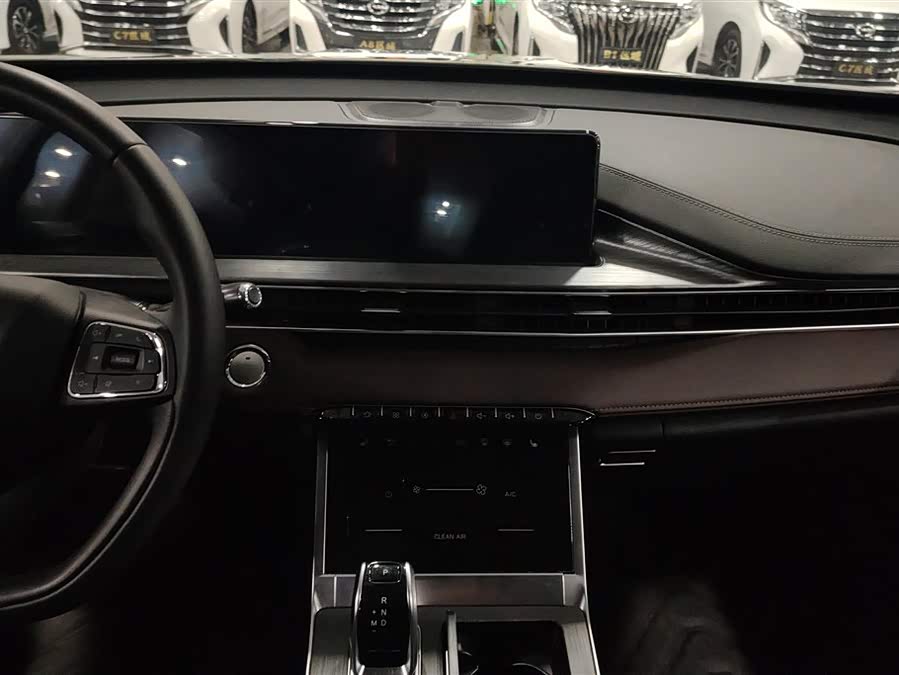
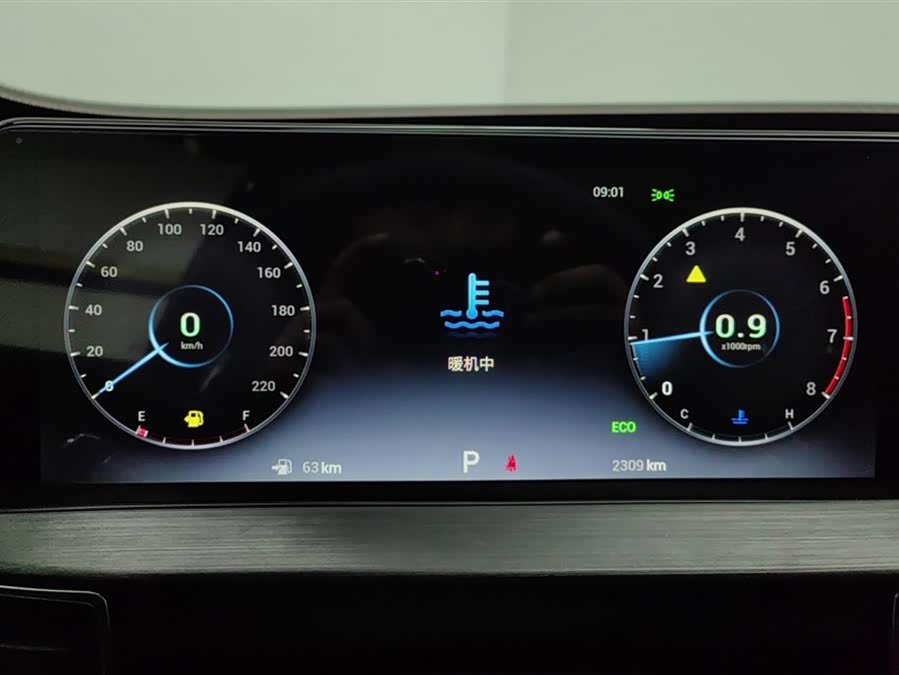
Basic Information

BrandChery
SeriesTiggo 7
Year2017
First Registration2017/08
Mileage104,000km
Transfer Count-
FuelGasoline
TransmissionCVT
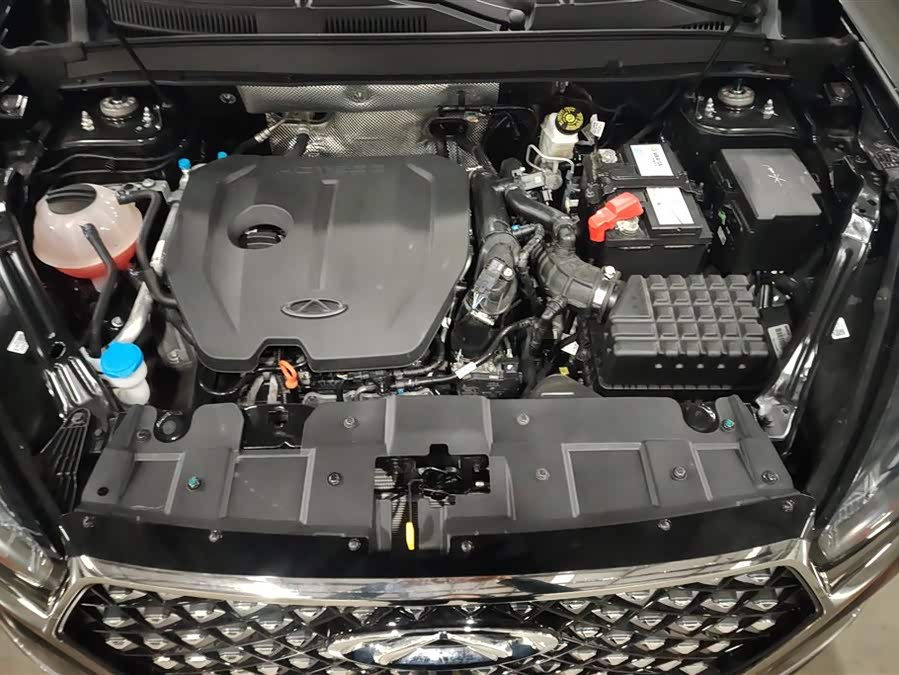
Engine2.0L 122 L4
ColorWhite
Seats-

Condition Description

very good

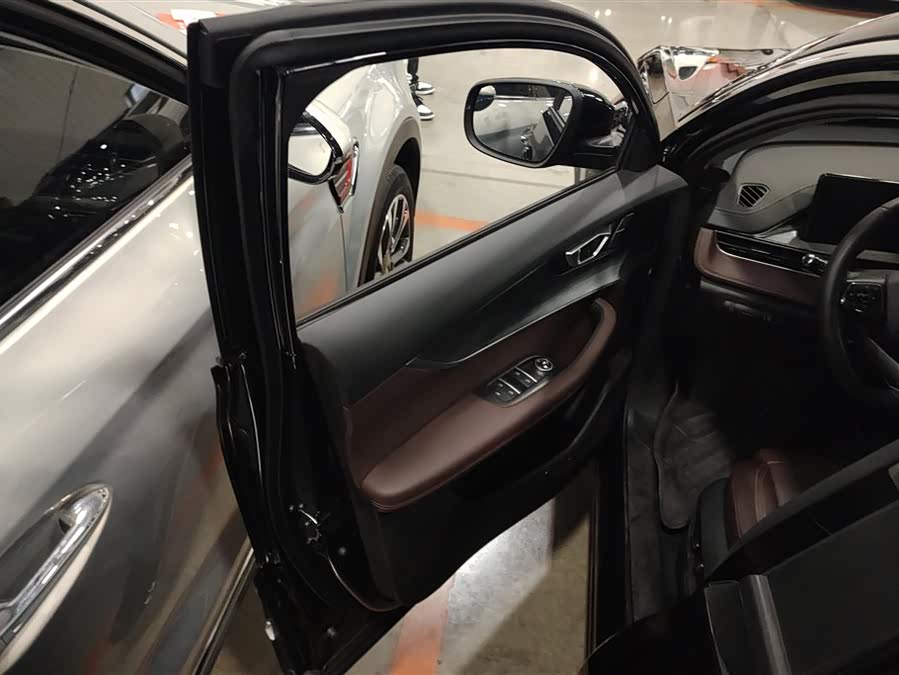
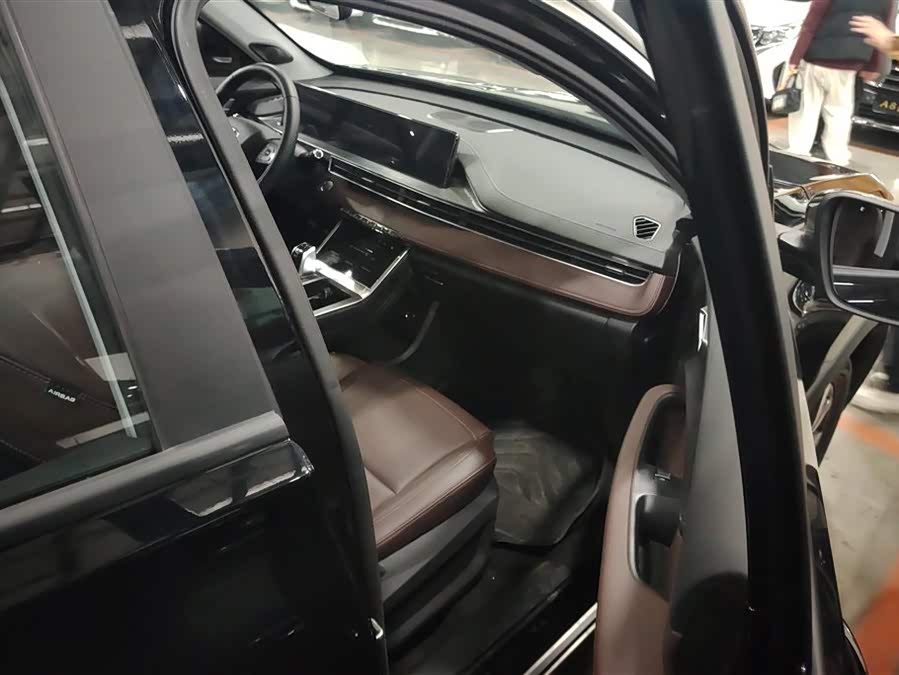
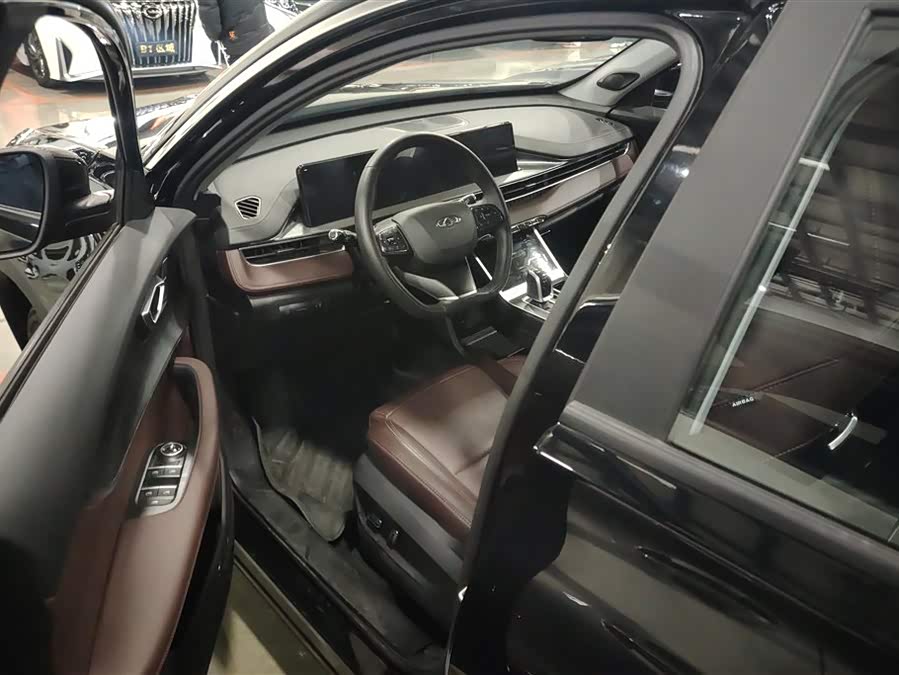
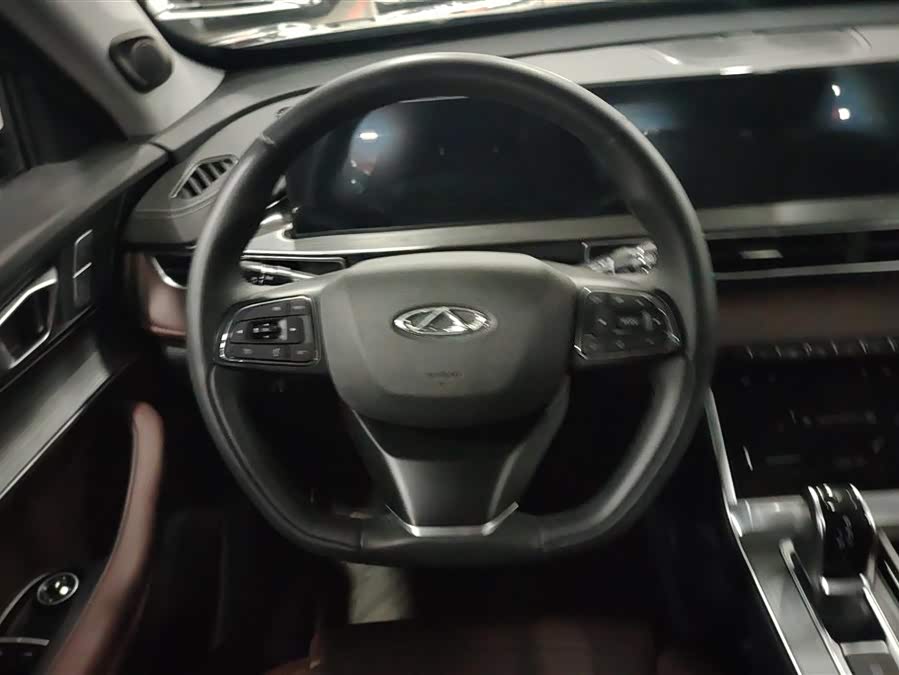
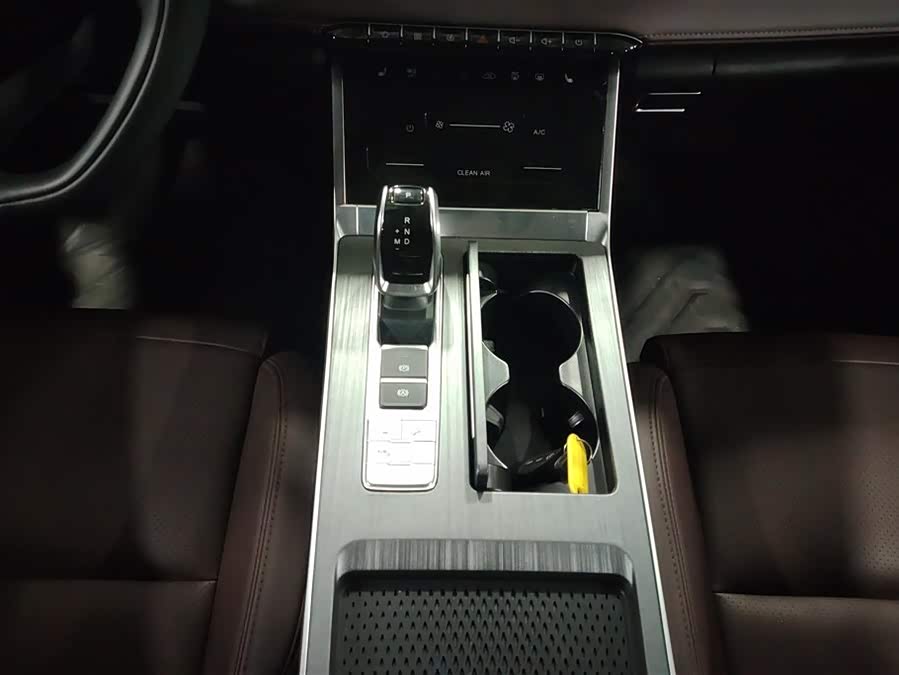
Vehicle Code: 136626347 Vehicle Information: Vehicle Name: Chery Tiggo 7 2016 2.0L CVT Brilliant Edition Vehicle Color: White Exterior | Dark Interior Registration Date: 2017|8 - Mileage: 104,000 km Annual Inspection Expiry: 2027|8 - Compulsory Traffic Insurance Expiry: 2026|8 Purpose: Private Use Vehicle Documents: Vehicle and Vessel Tax, Registration Certificate, Purchase Tax Vehicle Overview: Exterior: Paint in good condition, high curb weight, ensuring aesthetics while improving paint durability; Interior: Interior thoroughly cleaned, removing signs of use and repairing wear. Ensures electric adjustment devices, audio, navigation, air conditioning, and other electrical equipment are functioning properly; Performance: Ensures vehicle stability and smooth driving, smooth engine operation, stable power transmission from the transmission, and effective braking and suspension; Safety: Vehicle structural components are intact;

0 transfers

Accident & Maintenance Records

Accident Record

🔗 Open Link

Maintenance Record

🔗 Open Link

Document Information

Inspection Expiry Date2027/08
Warranty Expiry Date-
Insurance Expiry Date2026/08

Q&A

More

When B2B buyers make bulk purchases, can they request to combine the accessory costs and vehicle price on the same commercial invoice to reduce overall tariffs?

No, this is a serious customs violation. Complete vehicles (HS Code 8703) and auto parts (HS Code 8708, etc.) are subject to completely different import tax rates. Combining them on one invoice could lead to the invoice being returned by customs and may expose you to tax fraud accusations at the destination port.

After long-distance sea transport, does the vehicle's air conditioning refrigerant (Freon) need to be vacuumed and recharged?

If there is a minor leak in the lines due to bumps, it is possible that the cooling may not work upon arrival. This is a normal physical loss. The cost of vacuuming, pressure testing, and recharging refrigerant at a local auto repair shop is low and is the buyer's responsibility.

What are "fire-damaged" or "flood-damaged" cars? How do you completely rule them out?

We thoroughly rule them out by checking if the cabin wiring harness is melted, if the seat belts have water stains or mold, if there is unusual rust or debris in the seat tracks and cigarette lighter, and by verifying with the insurance company for any "total loss claims." These two types of cars are an absolute sales ban for us.