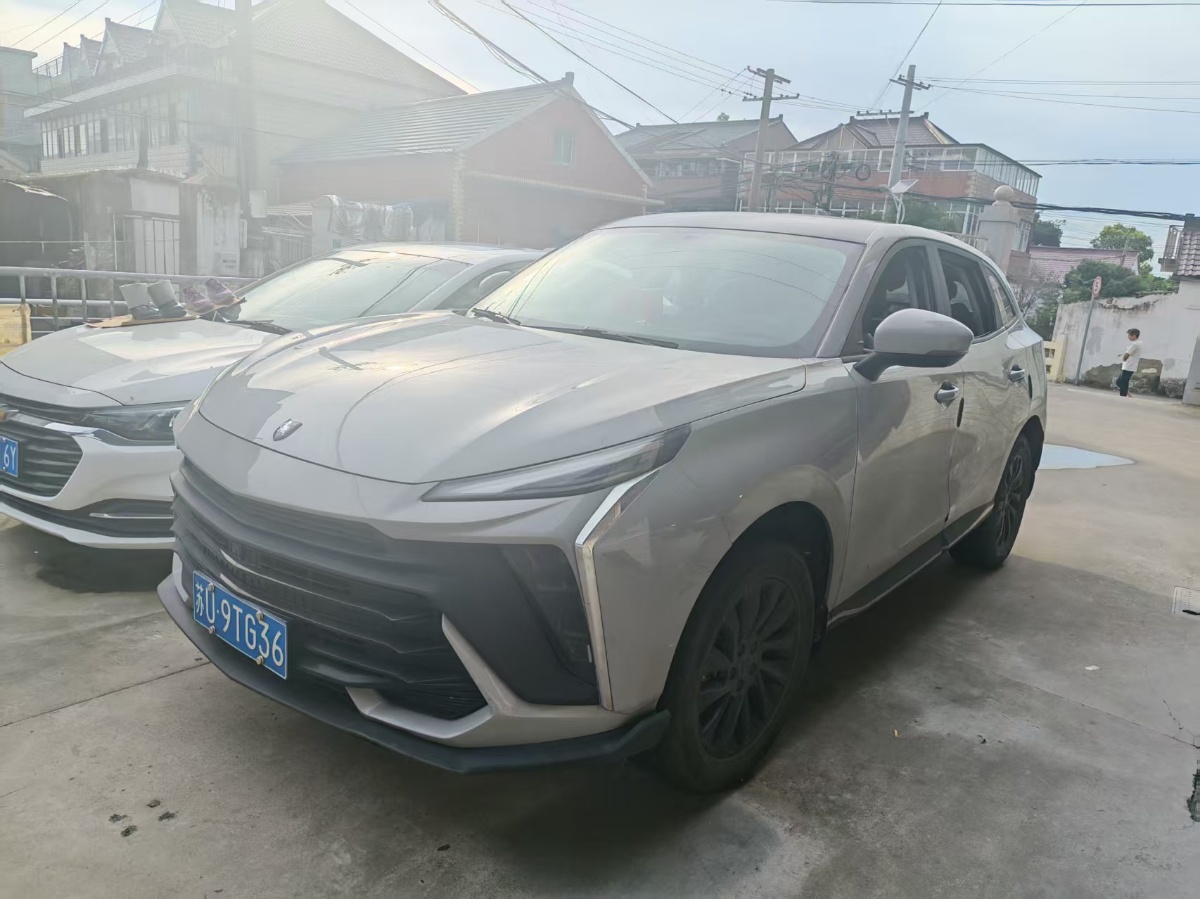
Basic Information

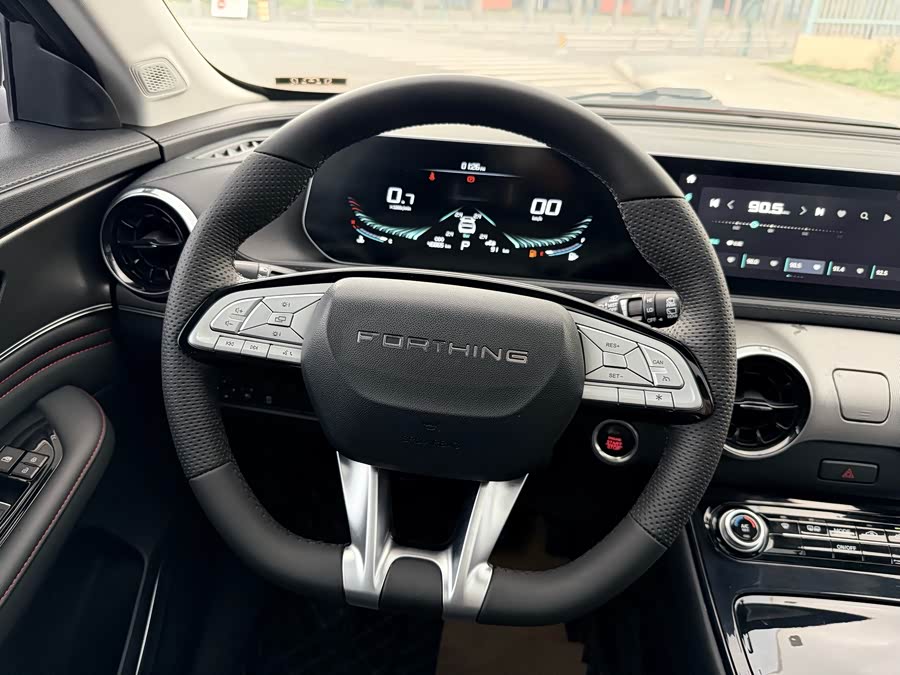
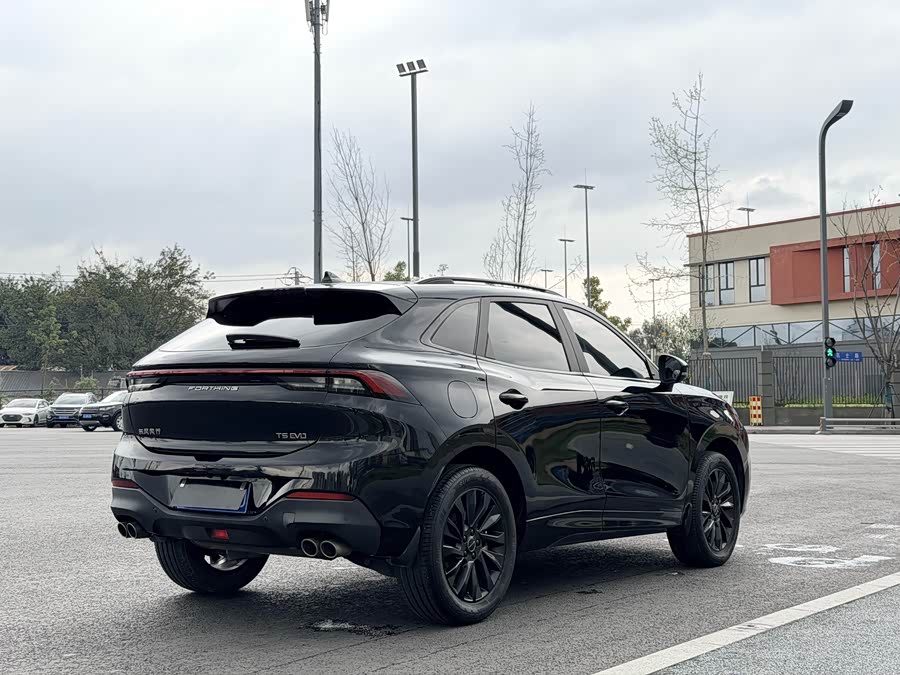
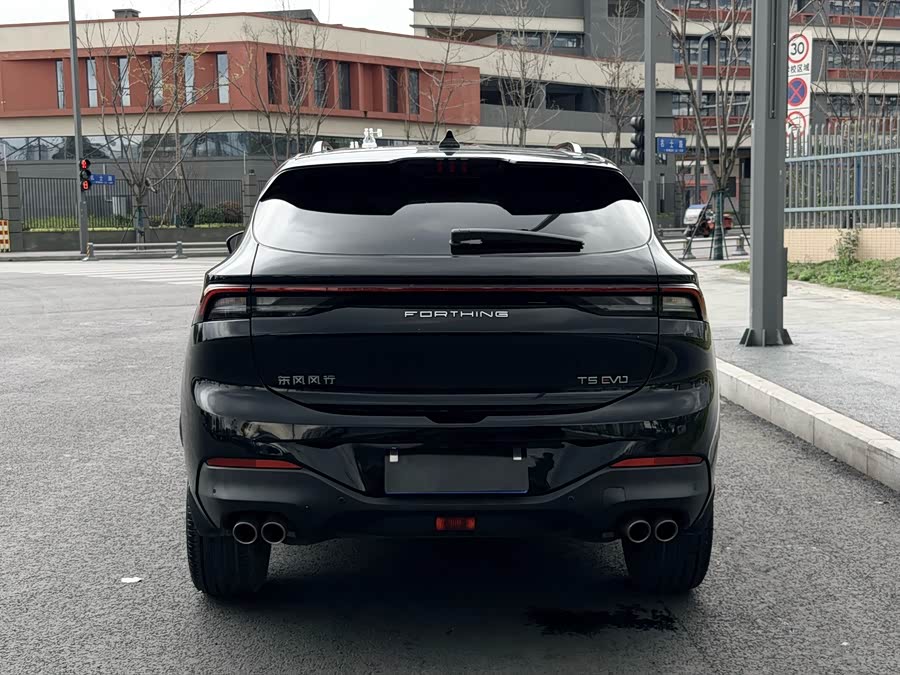
BrandForthing
SeriesT5 EVO
Year2021
First Registration2021/05
Mileage46,000km
Transfer Count-
FuelGasoline
TransmissionDCT
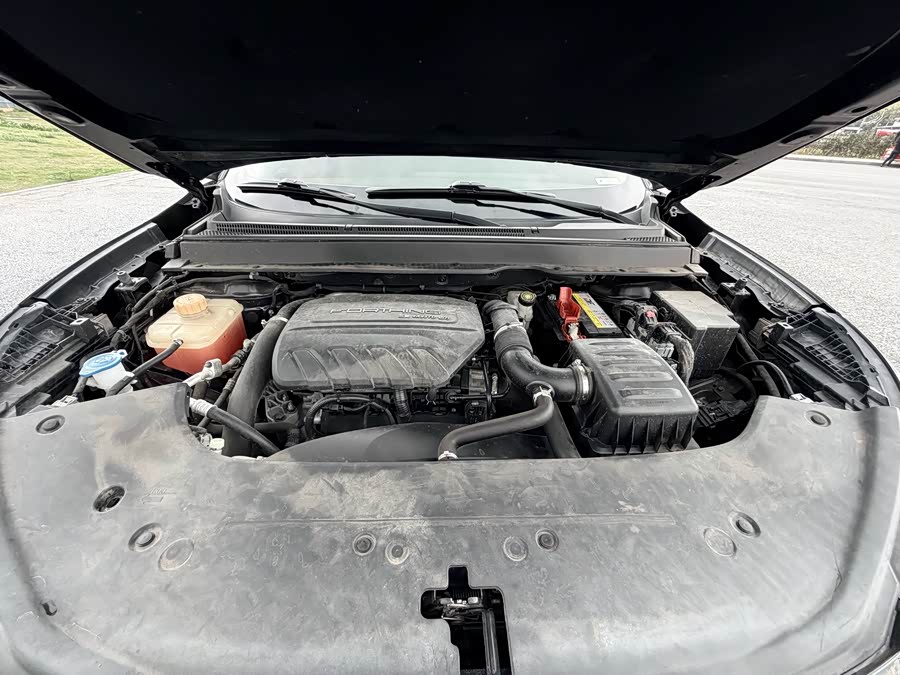
Engine1.5T 197 L4
ColorBlack
Seats-

Condition Description

very good

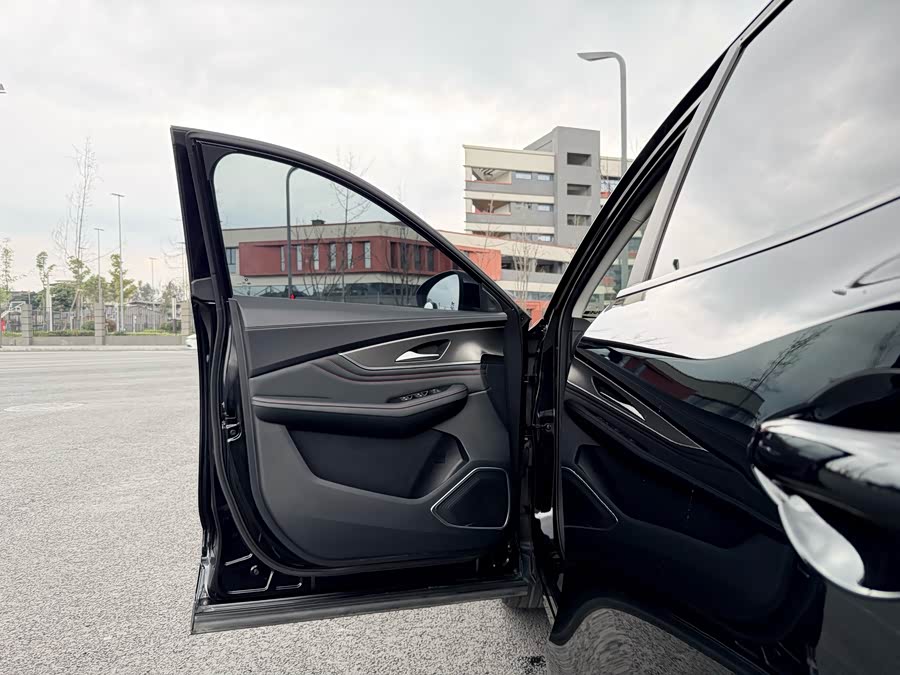
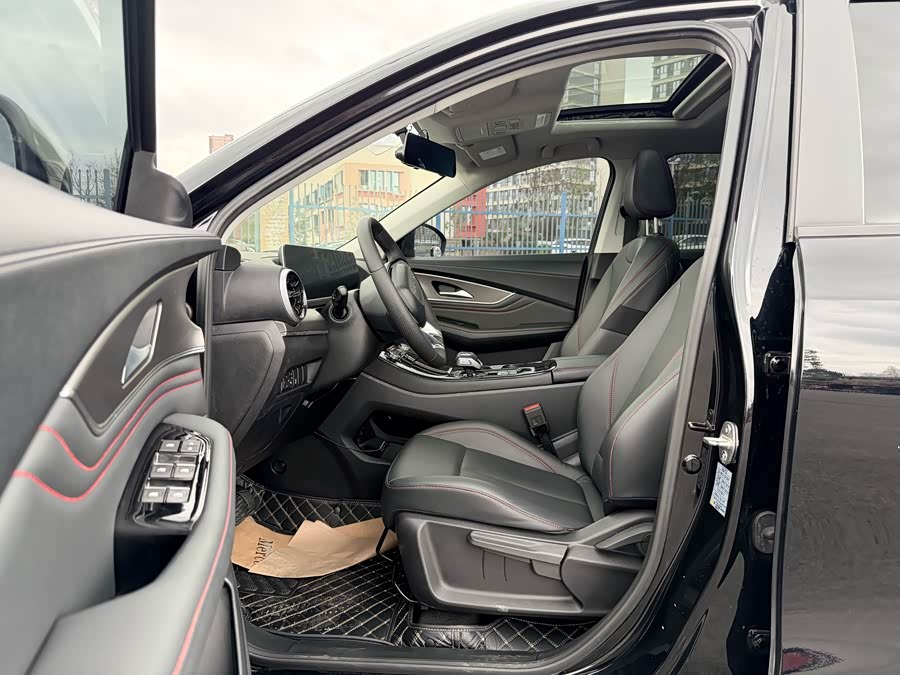
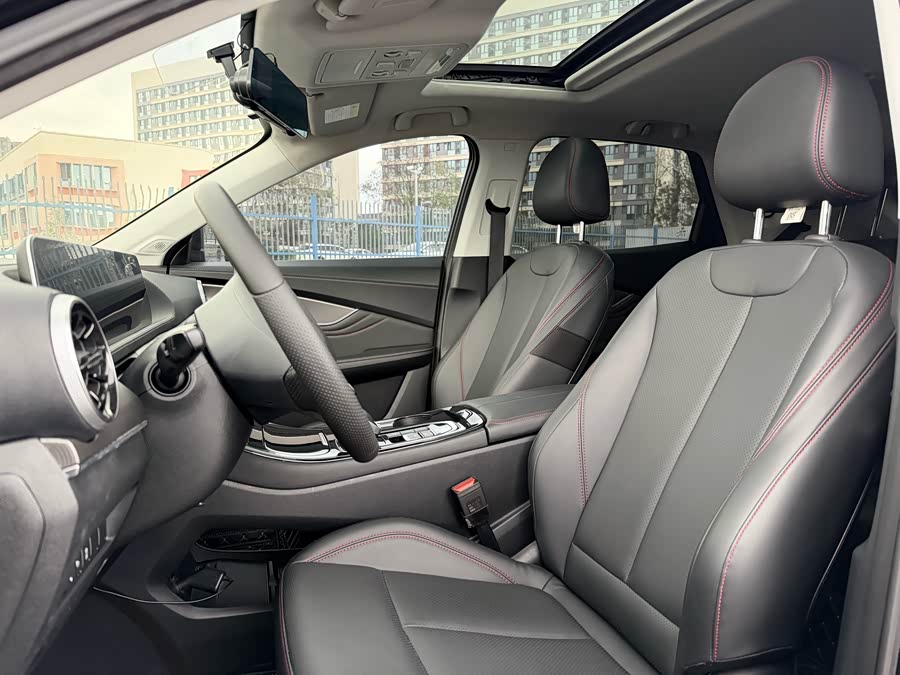
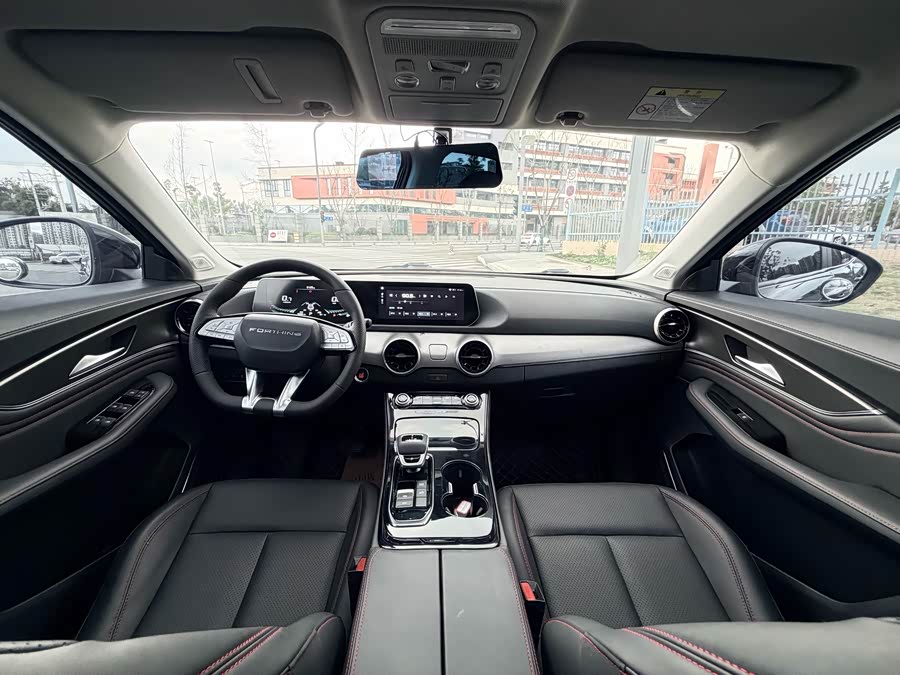
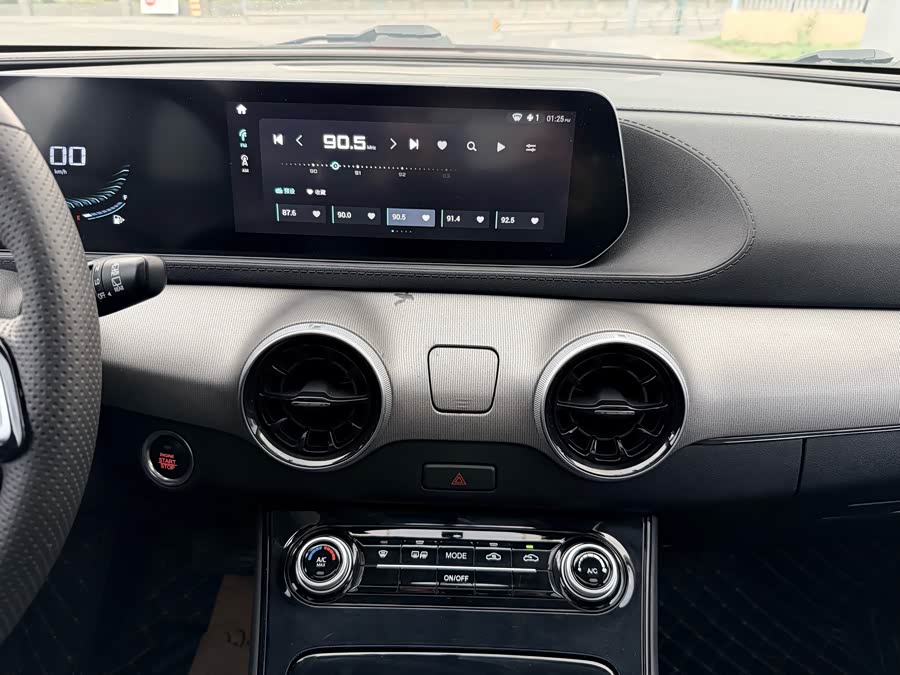
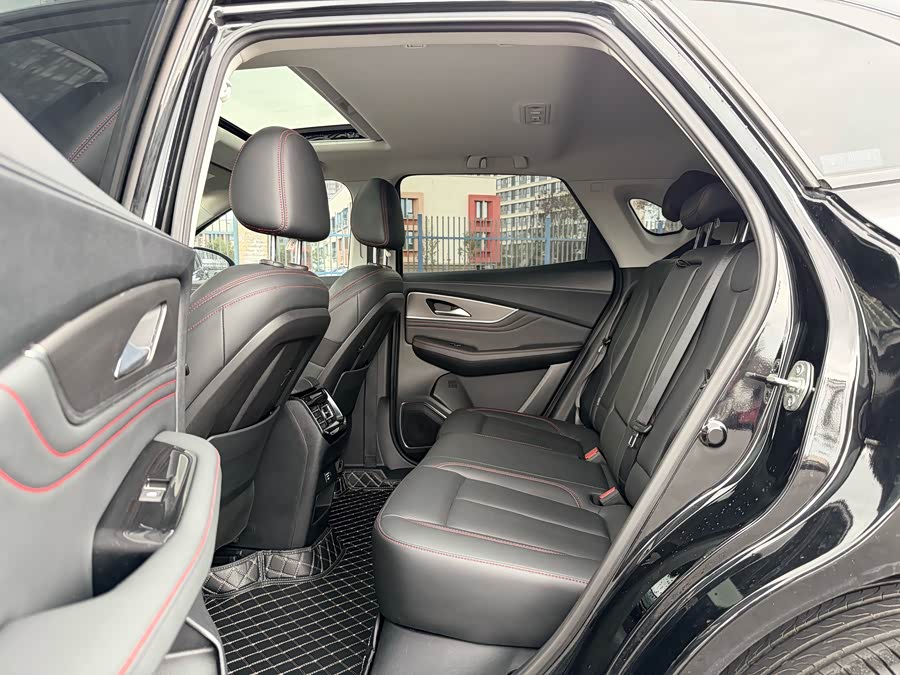
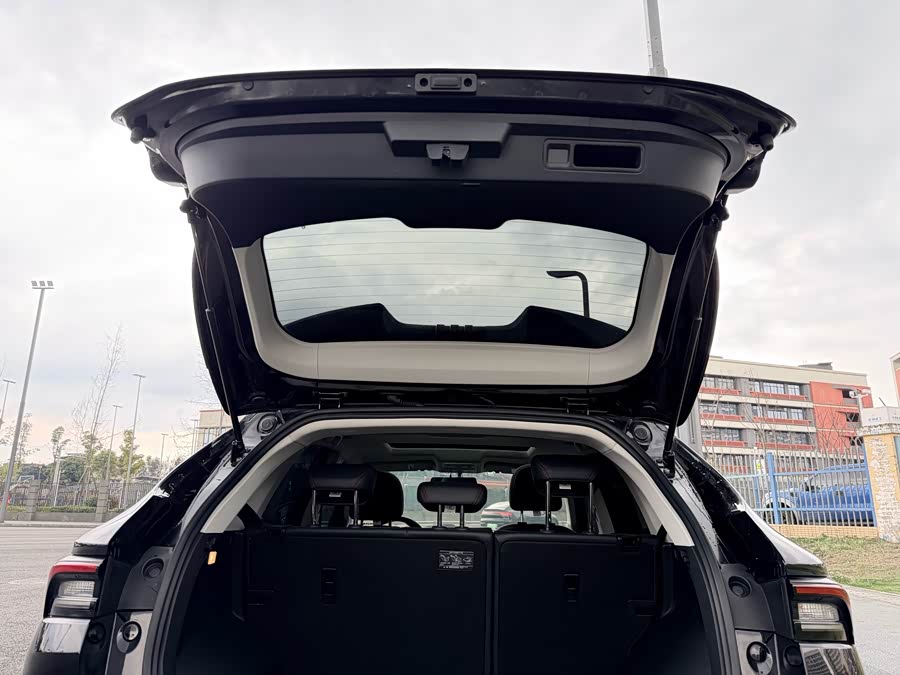
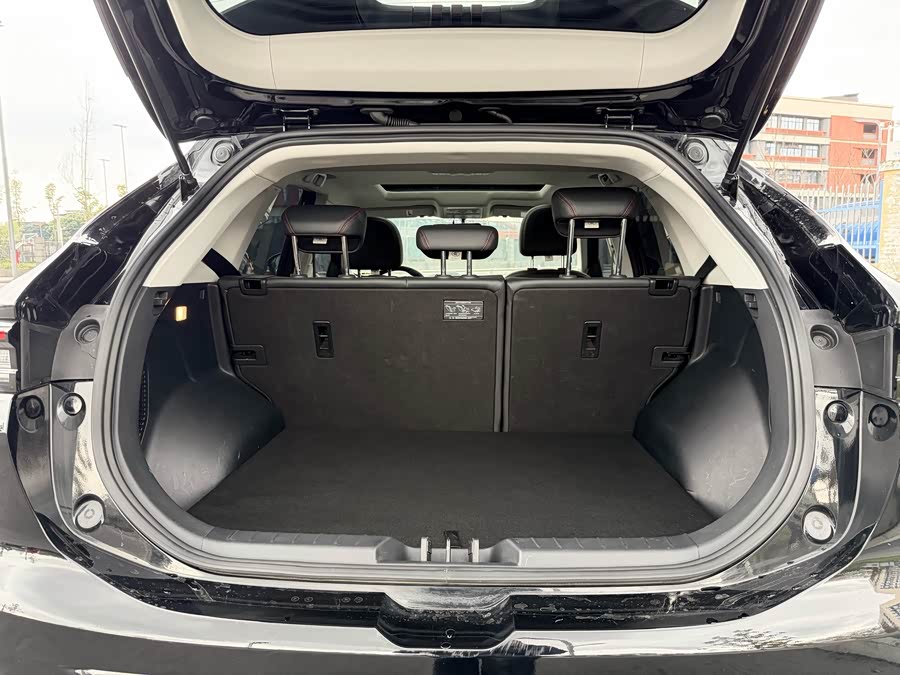
Exterior: Paintwork is well-maintained; body structure shows no signs of repair; no major accidents. Interior: Clean and tidy. Safety indicator lights are normal; airbags and other passive safety features are functioning correctly; vehicle electronics are in good working order; static and dynamic equipment is complete. Driving: Ignition, starting, acceleration, cornering, deceleration, and braking are all smooth; acceleration is rapid, power output is smooth and comfortable, and there is no idling vibration. Overall: Overall vehicle condition is average. The body frame structure shows no deformation or twisting, and there are no signs of fire or water damage. There are signs of repainting, but the overall paintwork is good, ruling out major accidents. Wide field of vision, suitable for beginners; spacious, bright, and well-ventilated interior, suitable for family commuting.


0 transfers
Original factory warranty

Configuration Highlights

✓ISOFIX Child Seat Anchors
✓Auto Hold
✓Keyless Start System
✓Bluetooth/Hands-free
✓Air Purifier
✓Rear Air Vents

Accident & Maintenance Records

Accident Record

🔗 Open Link

Maintenance Record

🔗 Open Link

Document Information

Inspection Expiry Date2027/05
Warranty Expiry Date-
Insurance Expiry Date2026/05

Q&A

More

How do you detect carbon buildup and wear inside the engine using technology without deep disassembly?

We use two steps: 1. Insert a medical-grade endoscope through the spark plug hole to visually inspect cylinder wall scratches and carbon buildup on the piston top; 2. Extract an engine oil sample to check for large metal debris or emulsification (caused by coolant leakage).

How to assess wind noise and aging of sealing strips for coupe models with frameless doors at high speeds?

The lifespan of rubber sealing strips for frameless doors is usually only 4-5 years. We carefully press the sealing strip at the edge of the roof to check for loss of elasticity and use a high-pressure water gun to wash the seams of the windows to check for direct water leakage due to aging.

When checking the history records, can you distinguish whether the vehicle was involved in a "single-vehicle accident (like hitting a wall)" or a "multi-vehicle rear-end collision"?

If insurance claims records are accessed, there will usually be notes like "the insured vehicle is fully responsible for hitting a fixed object" or "third-party liability insurance payment." We can roughly reconstruct the accident scene based on this and cross-verify the stress points on the vehicle's frame with paint thickness gauge data.