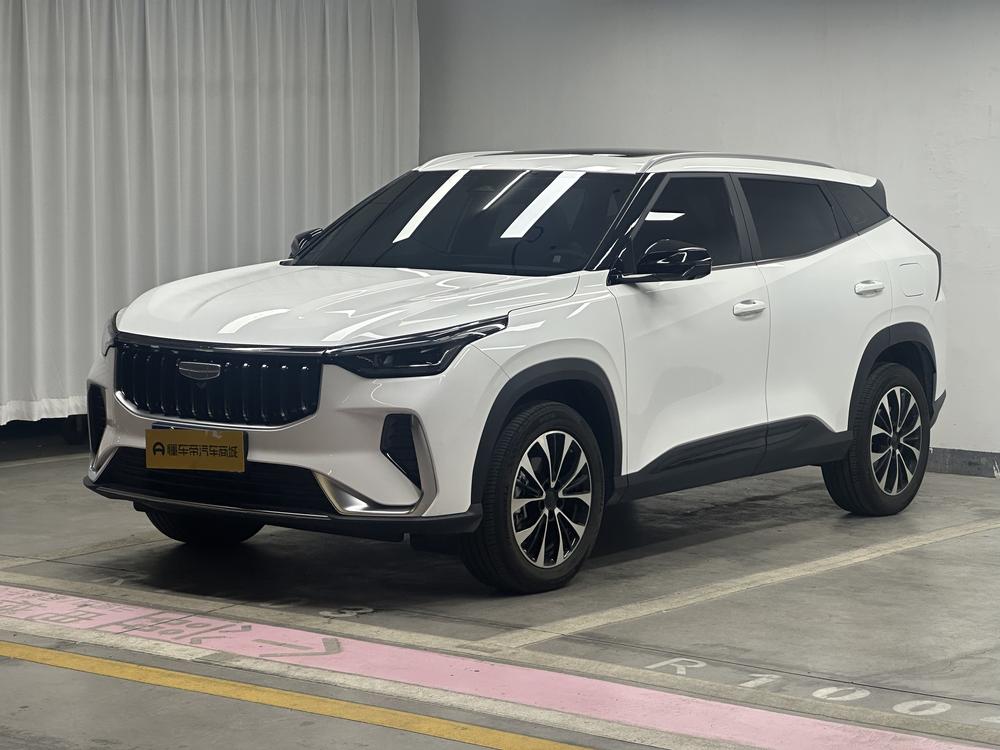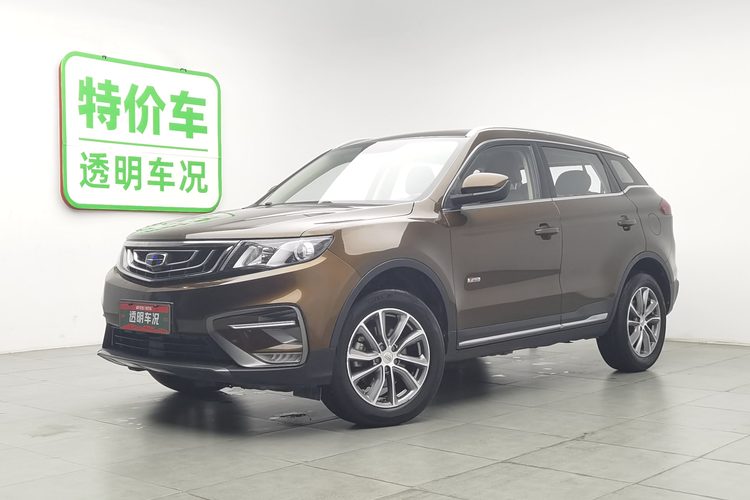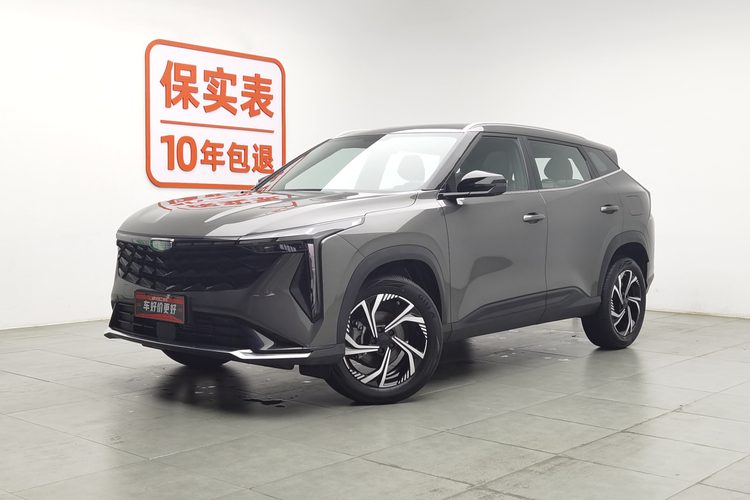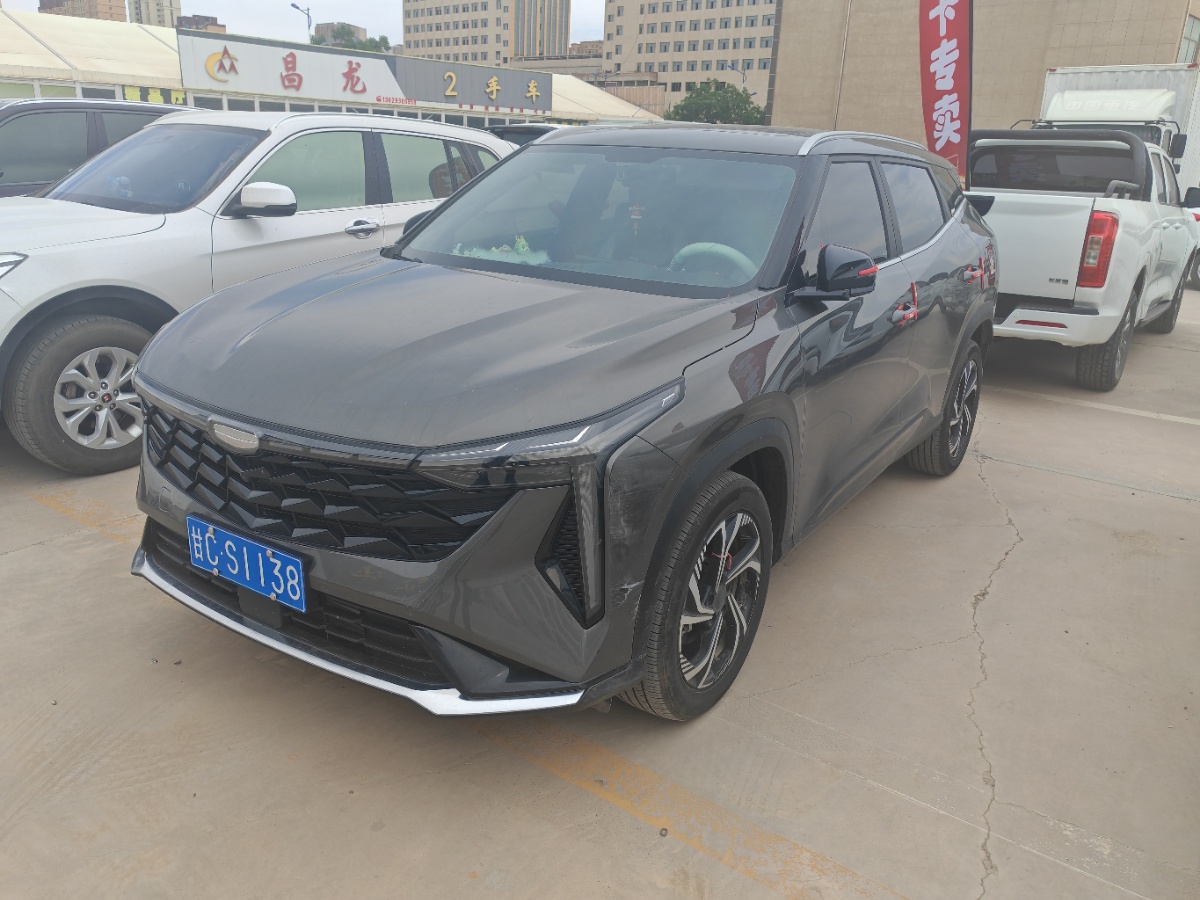
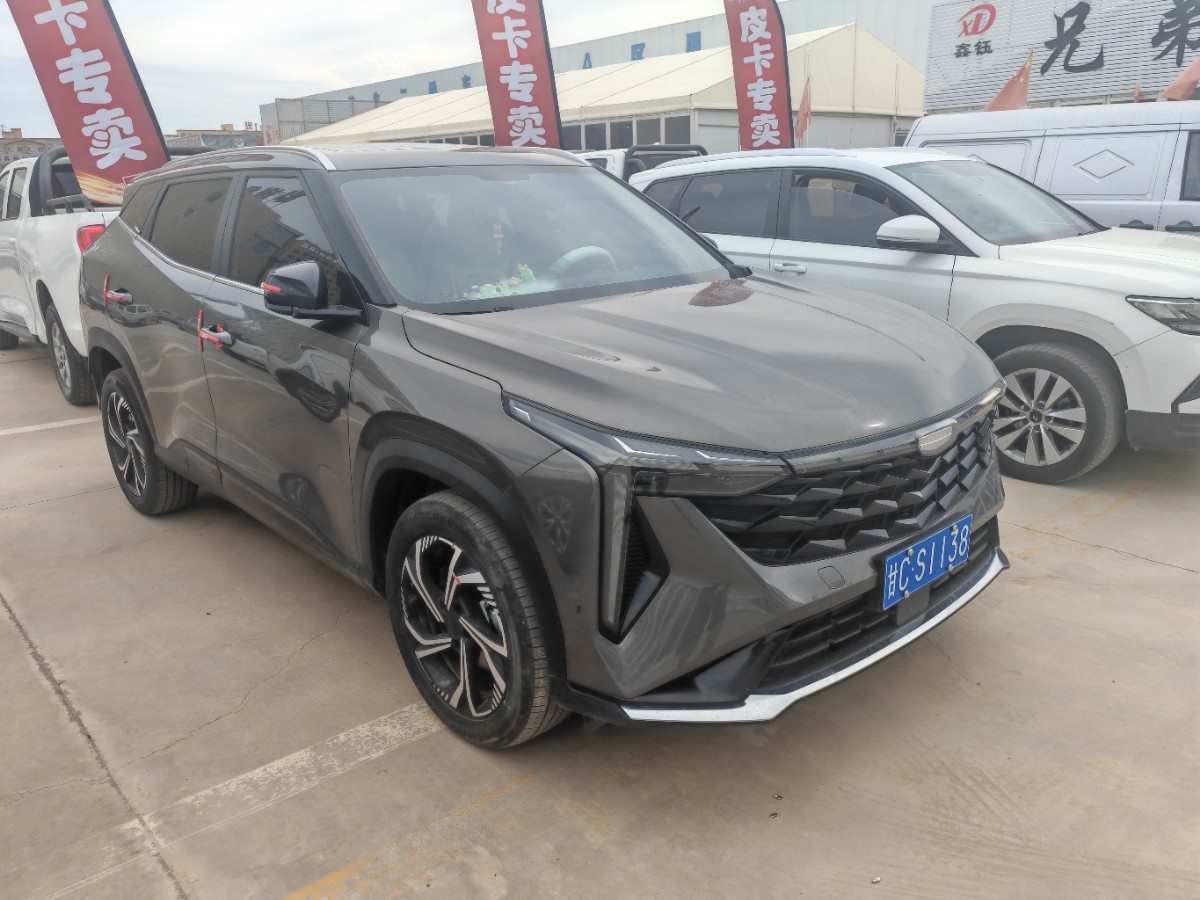
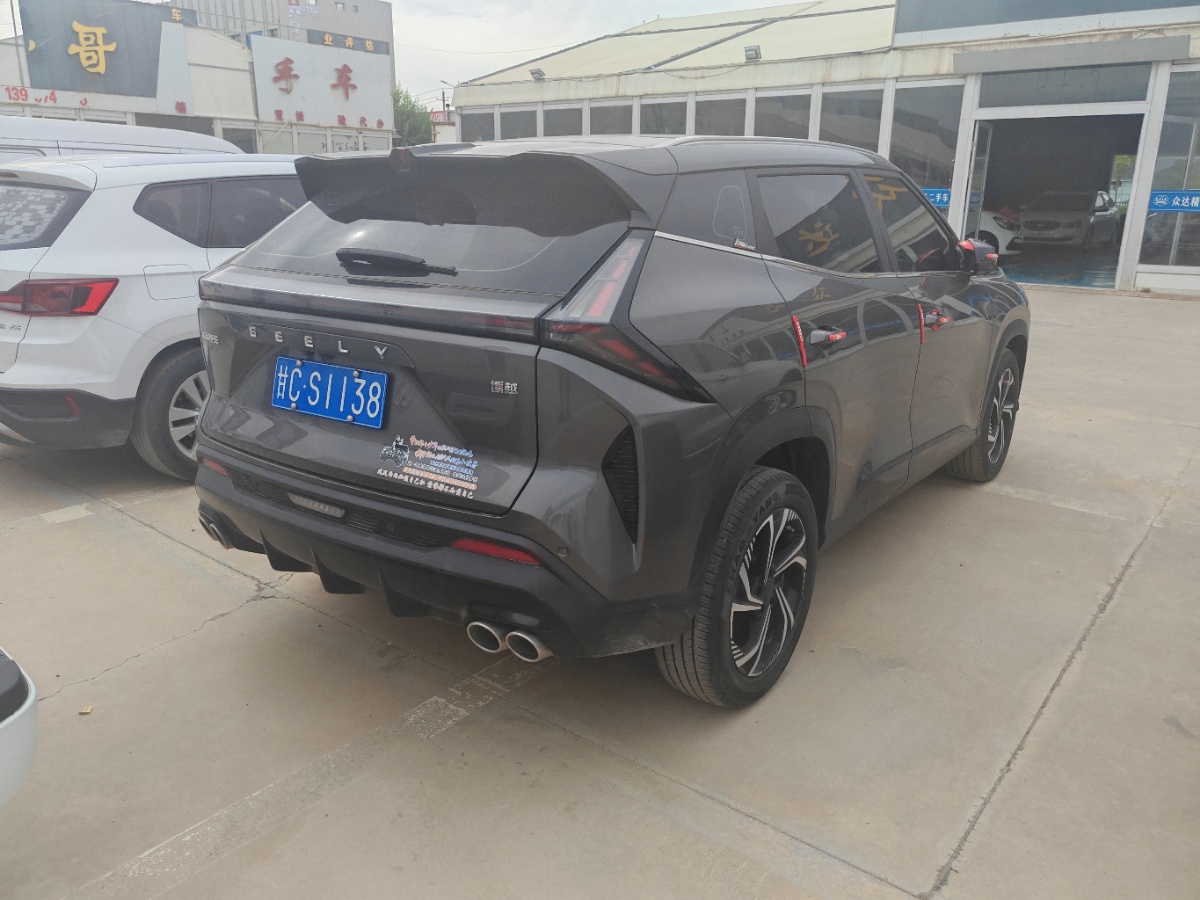
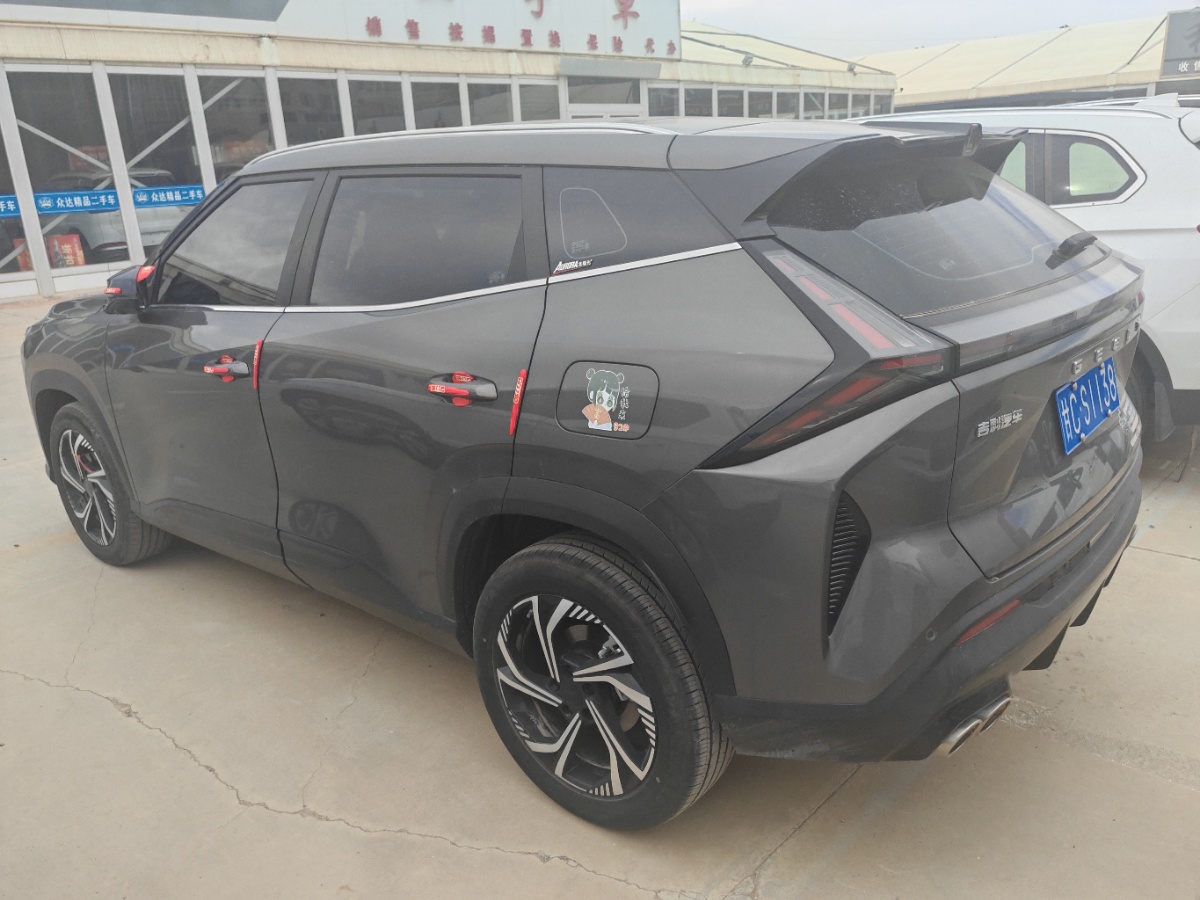
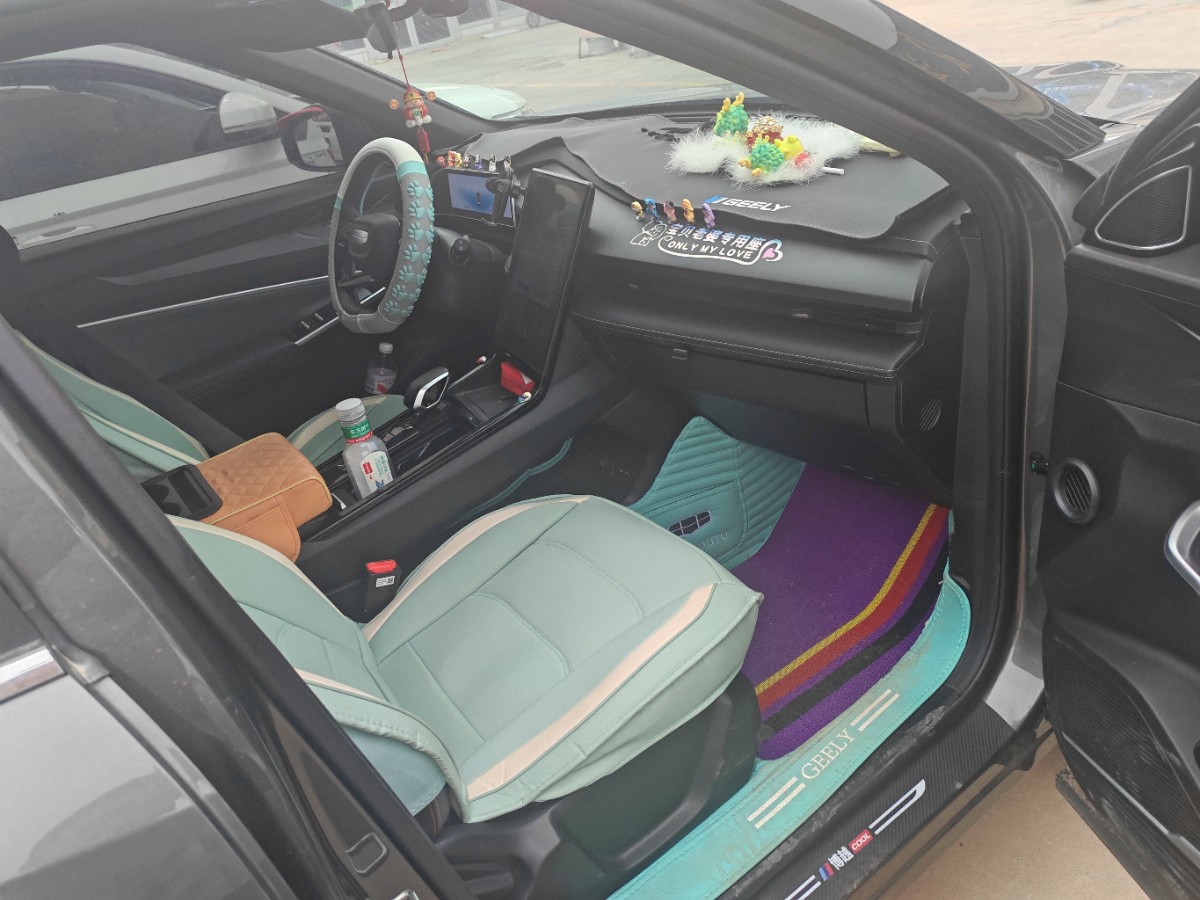
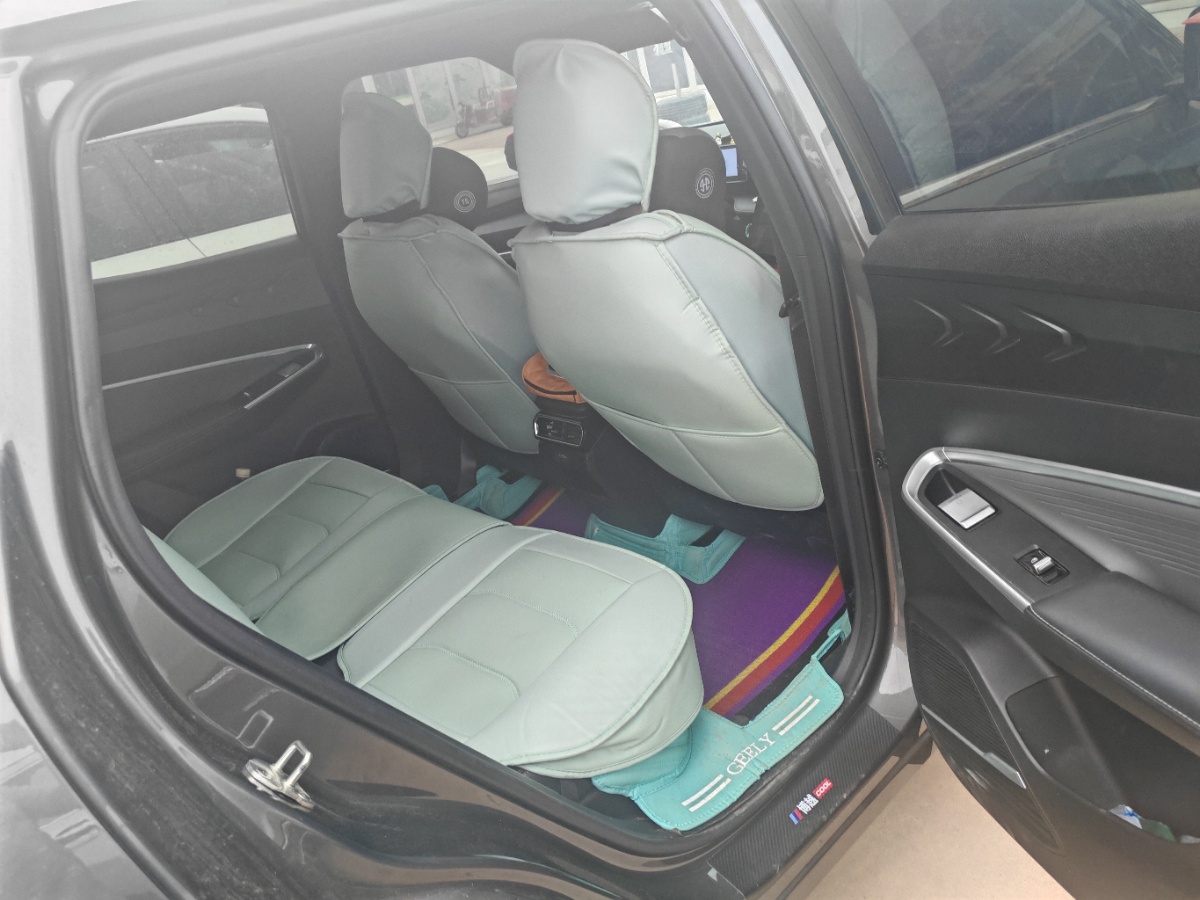
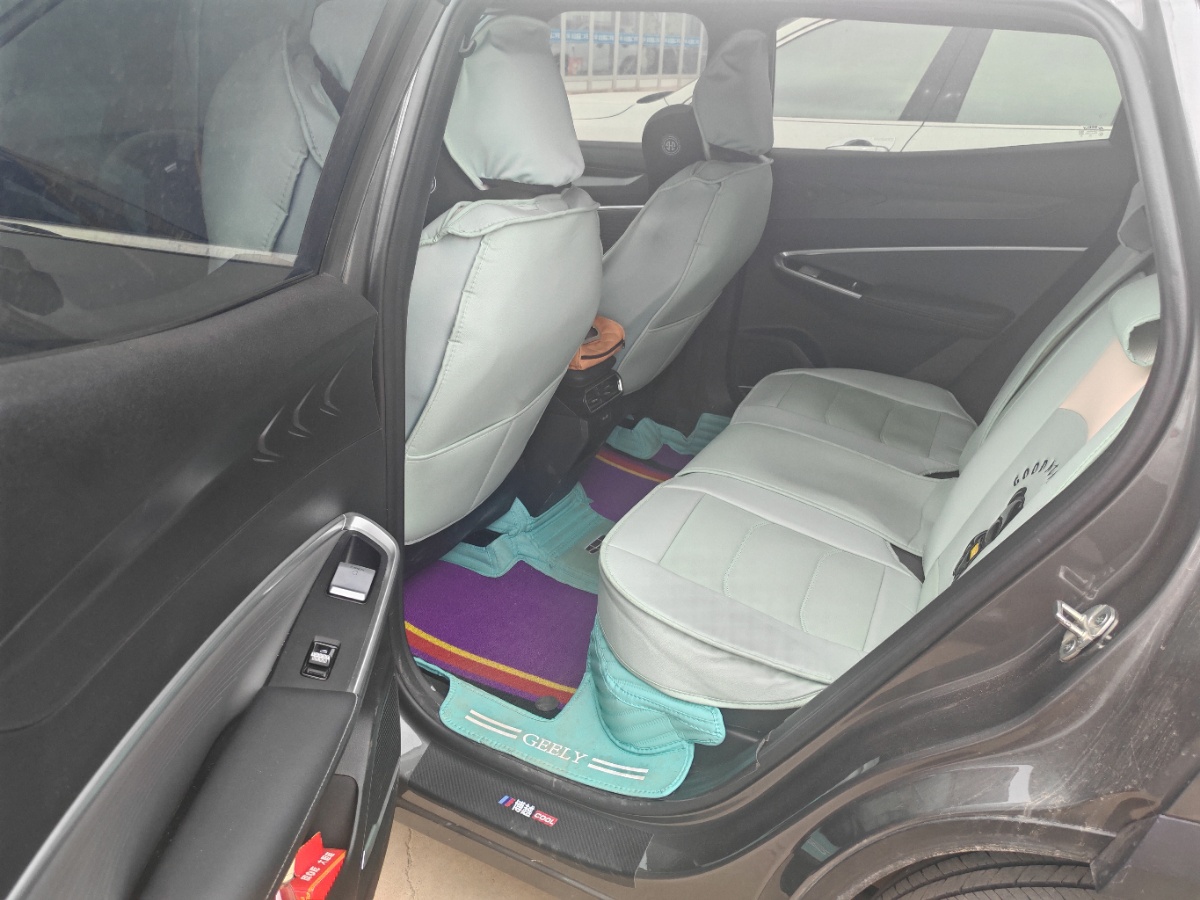
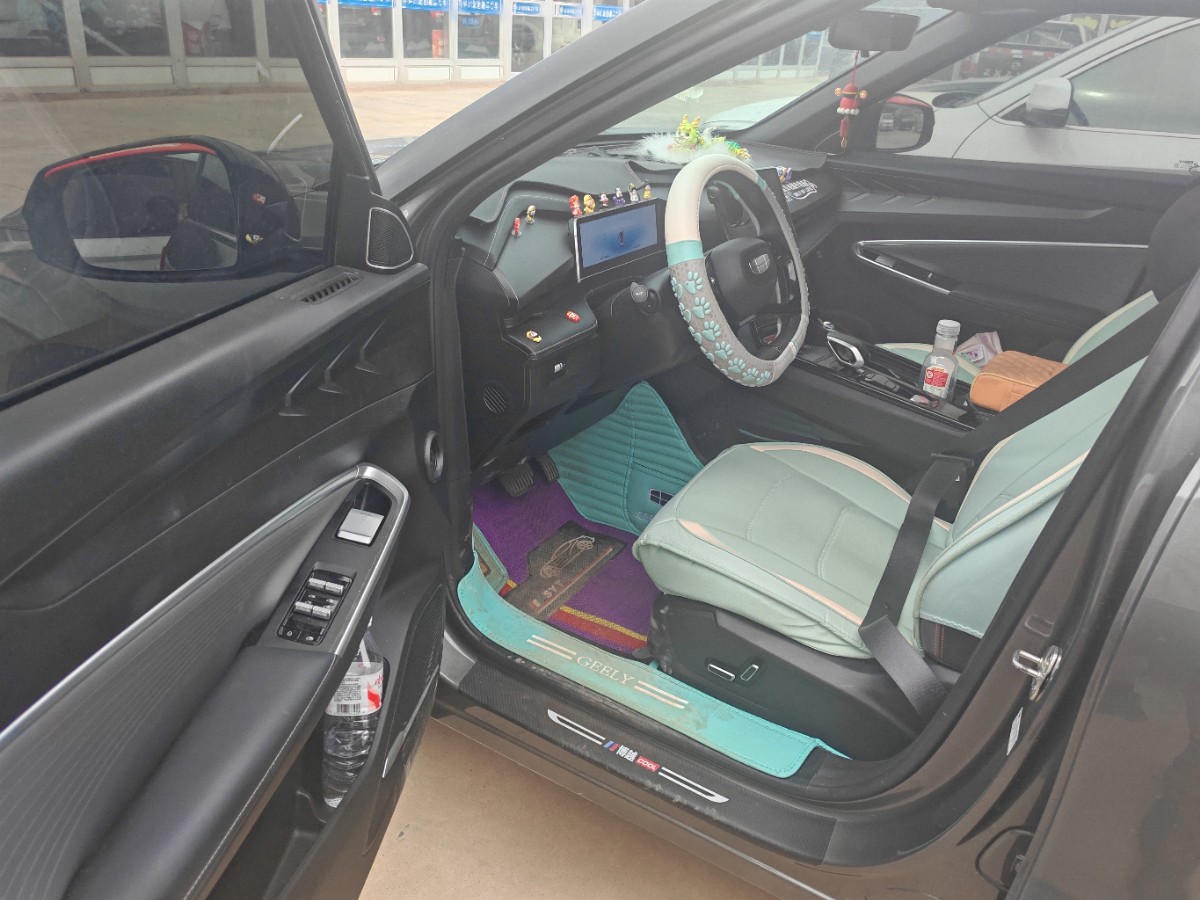
Basic Information

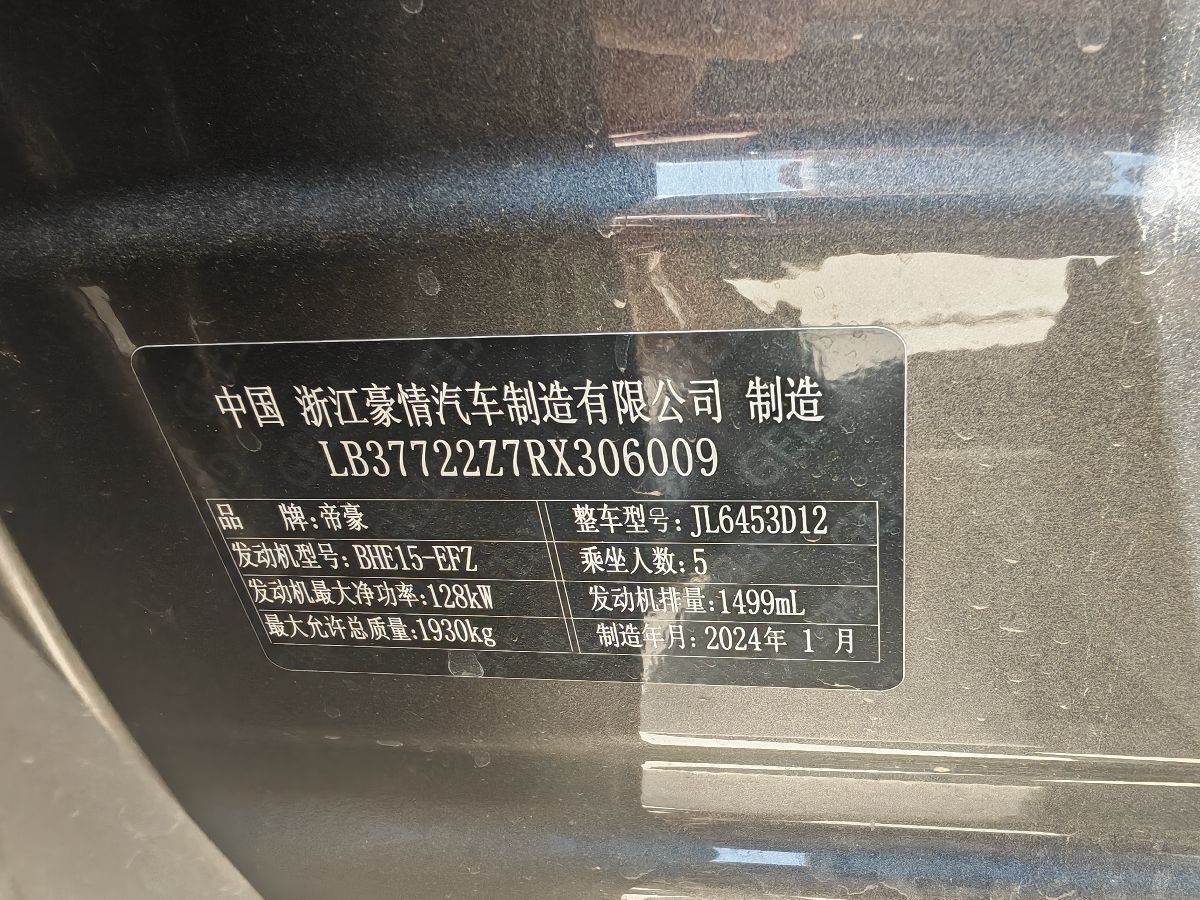
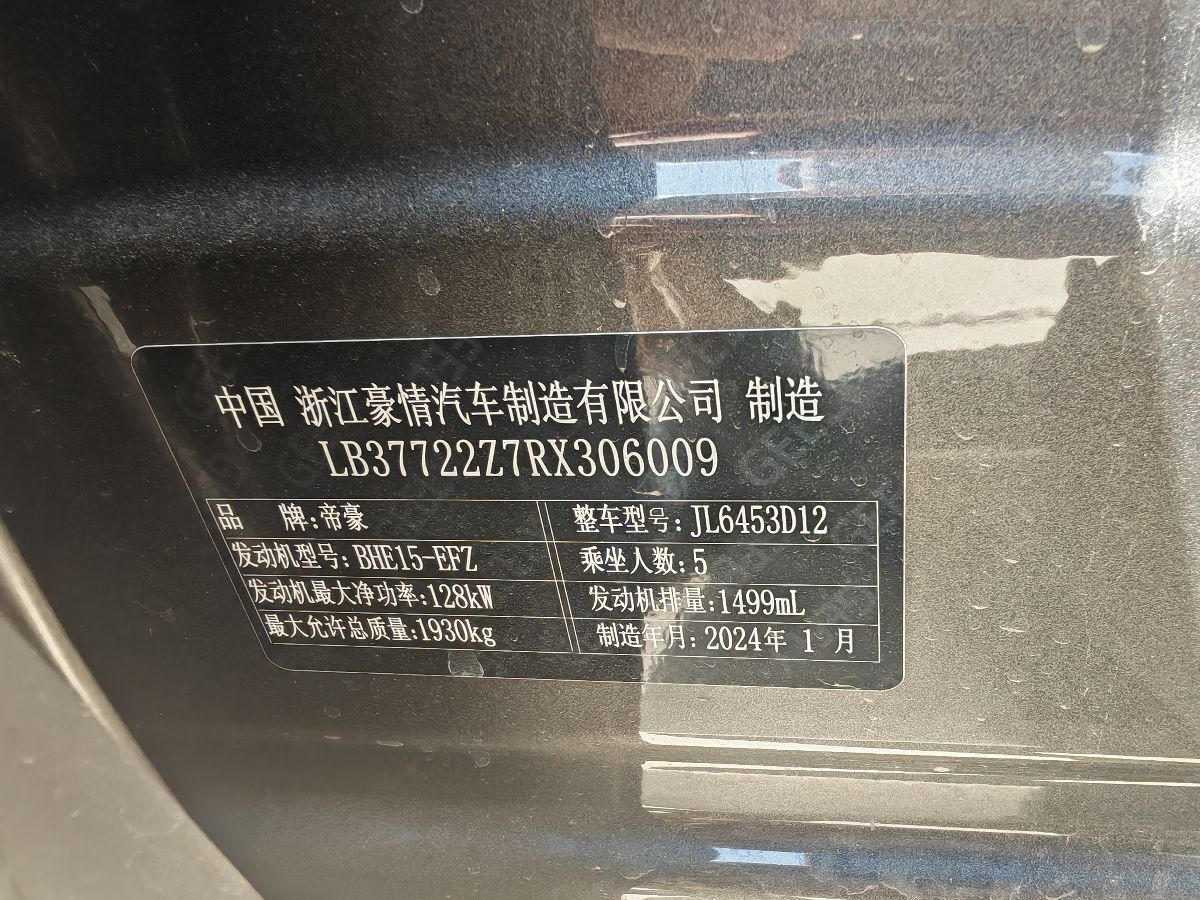
BrandGEELY
SeriesBoyue
Year2024
First Registration2024/04
Mileage16,000km
Transfer Count1times
FuelGasoline
TransmissionDCT
Engine1.5T 181 L4
ColorGrey
Seats-

Condition Description

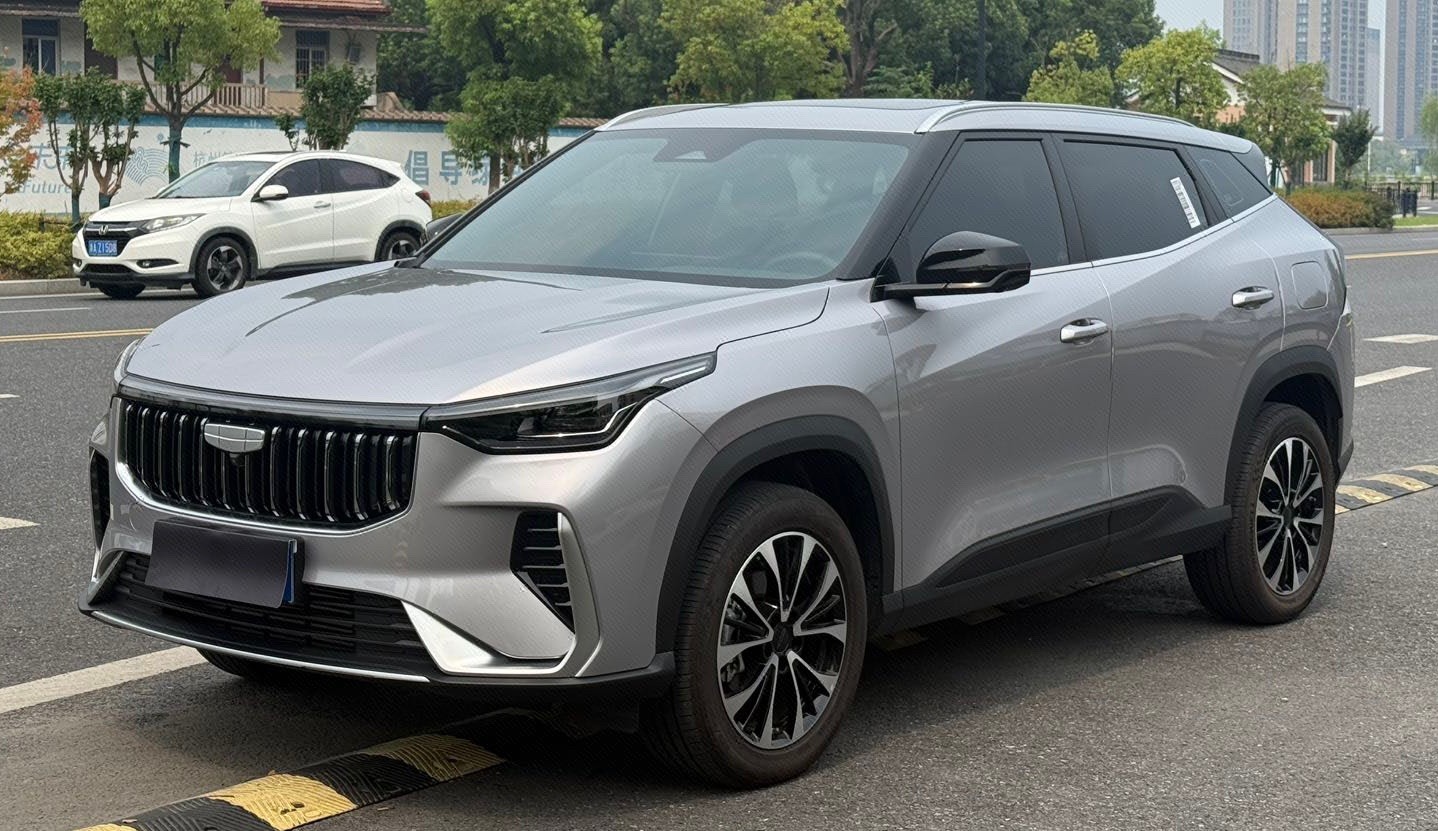
Locally owned first-hand car, original paint, 16,000 km, nearly new condition.

燃油车
SUV
自动
维保开放
事故开放
查验开放

Configuration Highlights

品牌: 吉利汽车
车系: 博越
车型: 2023款 博越COOL 1.5TD 智联+
车身类型: SUV
座位数: 5
排量: 1.5T
变速箱: 自动
能源类型: 燃油车
VIN: LB37722Z7RX306009
搜索关键词: 吉利汽车博越 2023款博越博越COOL1.5TD智联+

Document Information

Inspection Expiry Date2030/04
Warranty Expiry Date-
Insurance Expiry Date2027/04

Q&A

More

Will there be detailed information on the vehicle's consumable parts (such as tire tread depth and remaining brake pad thickness)?

Yes. The inspection report includes a specific "consumable parts consumption list." We will measure the tire tread depth (in millimeters) and the remaining brake pad thickness using calipers. If the tire tread is below the legal wear limit of 1.6mm, we will note it as "recommended to replace immediately upon arrival."
When checking the history records, can you distinguish whether the vehicle was involved in a "single-vehicle accident (like hitting a wall)" or a "multi-vehicle rear-end collision"?

If insurance claims records are accessed, there will usually be notes like "the insured vehicle is fully responsible for hitting a fixed object" or "third-party liability insurance payment." We can roughly reconstruct the accident scene based on this and cross-verify the stress points on the vehicle's frame with paint thickness gauge data.

Why are the shipping costs for used electric vehicles (EVs) usually higher than for internal combustion engine vehicles (ICEs)?

Pure electric vehicles are classified as Class 9 Dangerous Goods due to their large lithium batteries, leading to strict shipping regulations. Shipping companies have high requirements for the loading position and fire isolation measures for dangerous goods, and some roll-on/roll-off ships refuse to accept used EVs. As a result, EVs often require more expensive special container shipping and incur additional handling fees for hazardous materials.