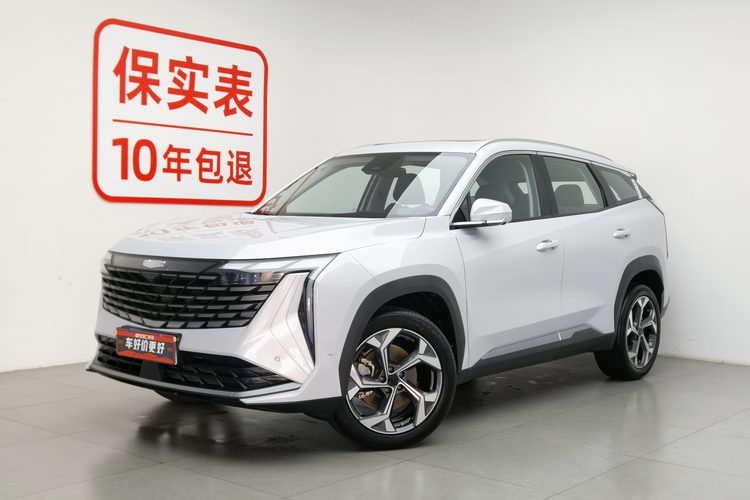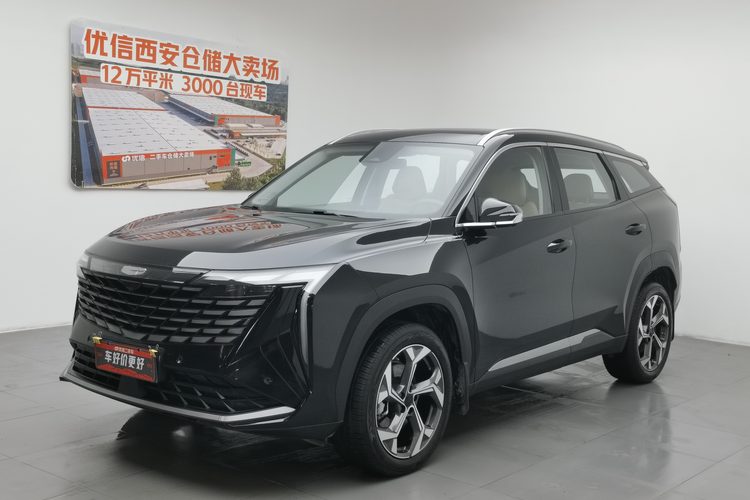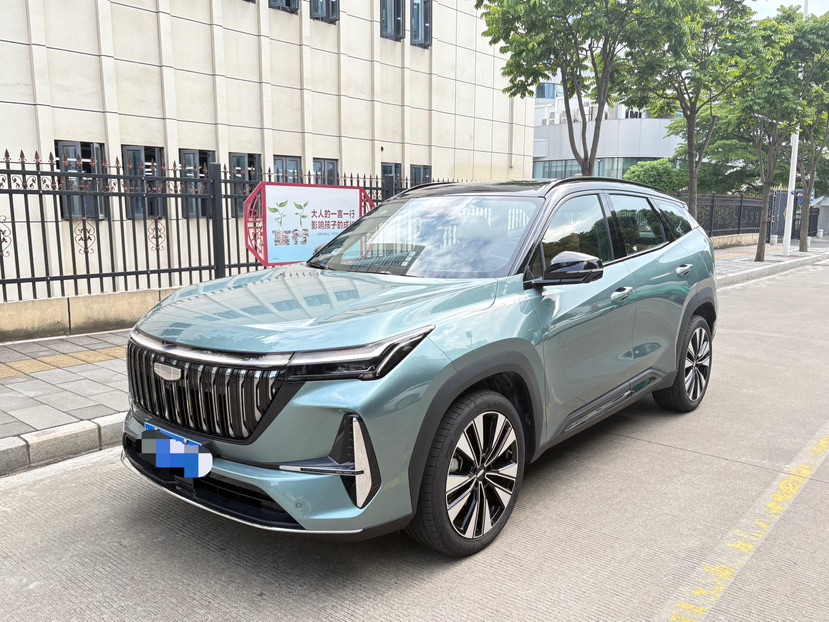
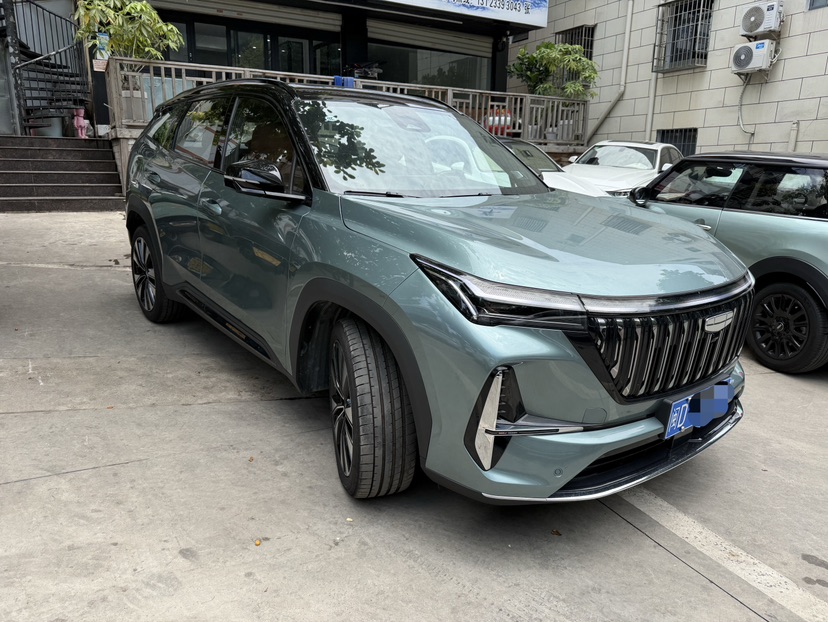
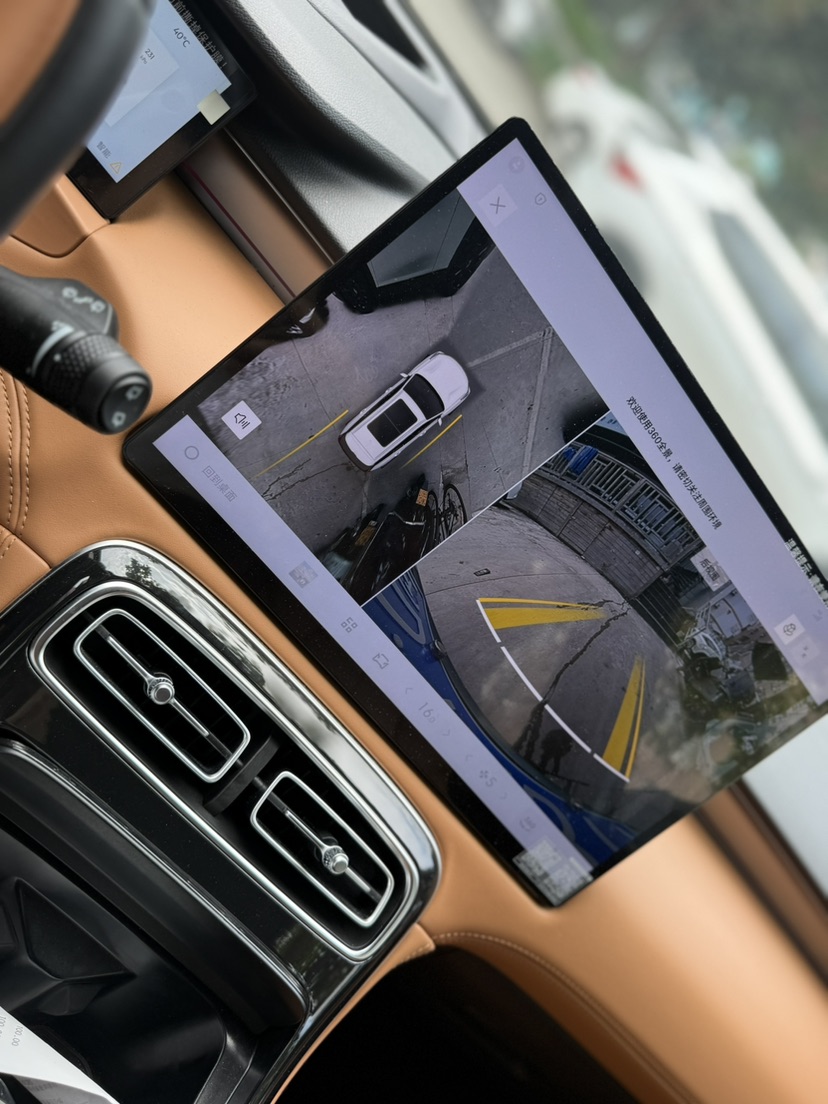
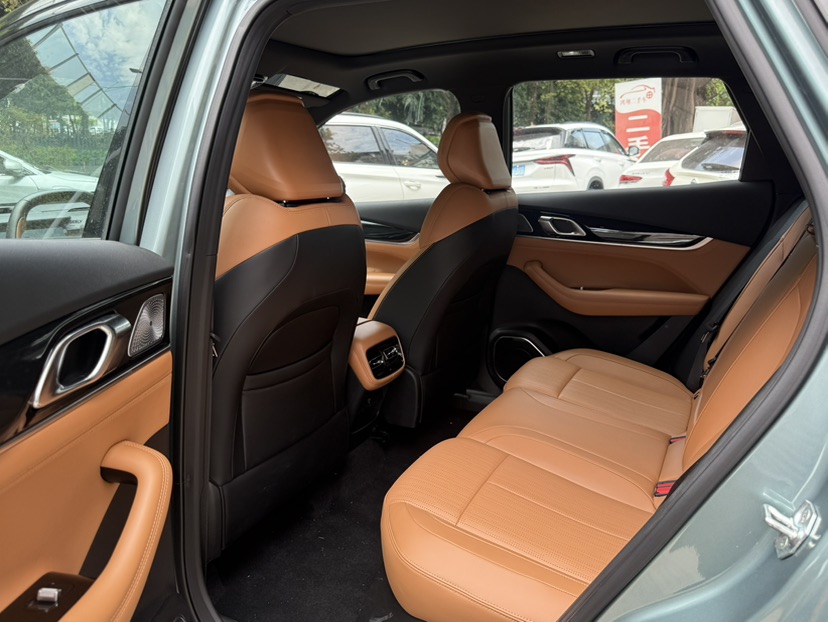
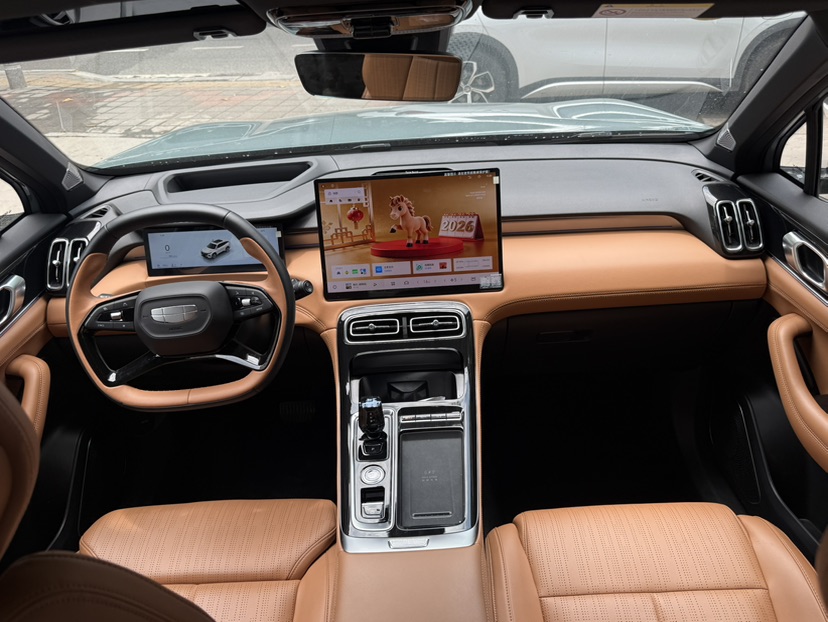
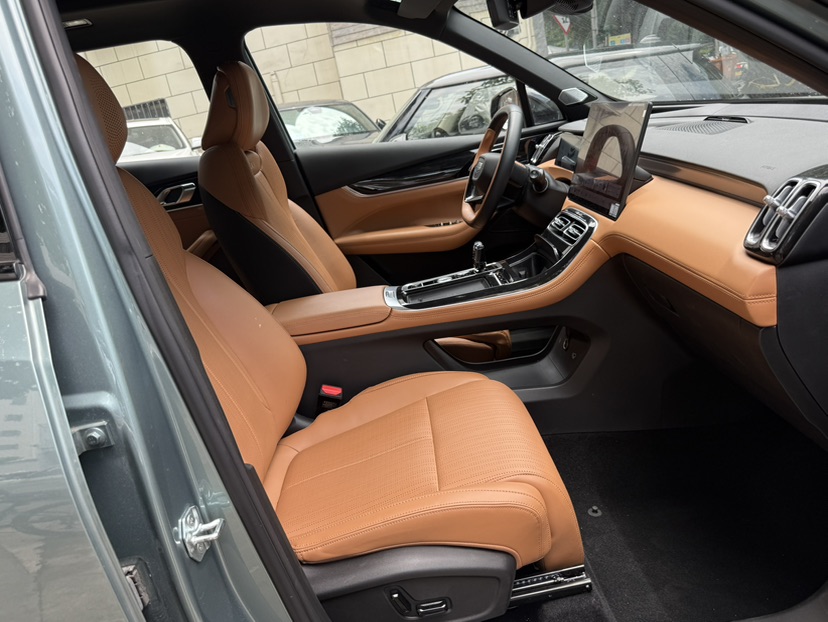
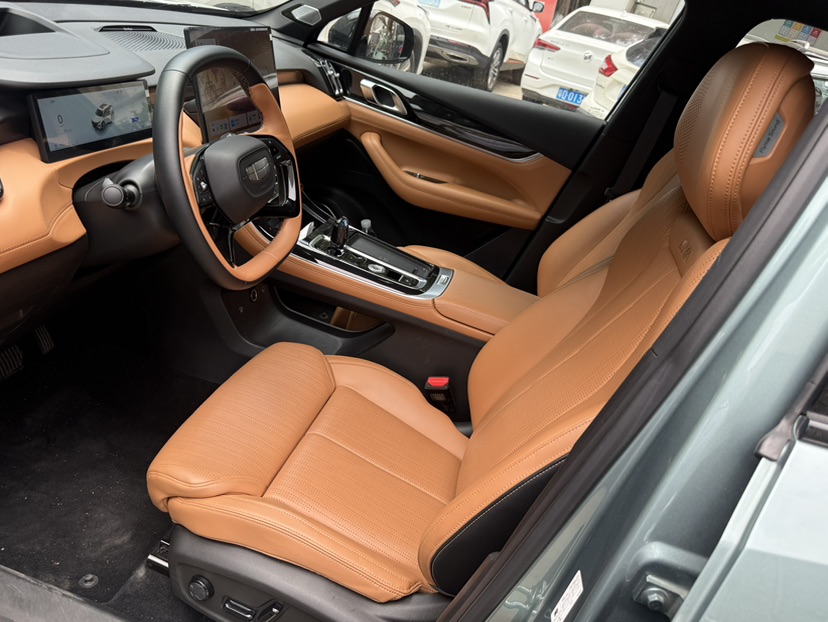
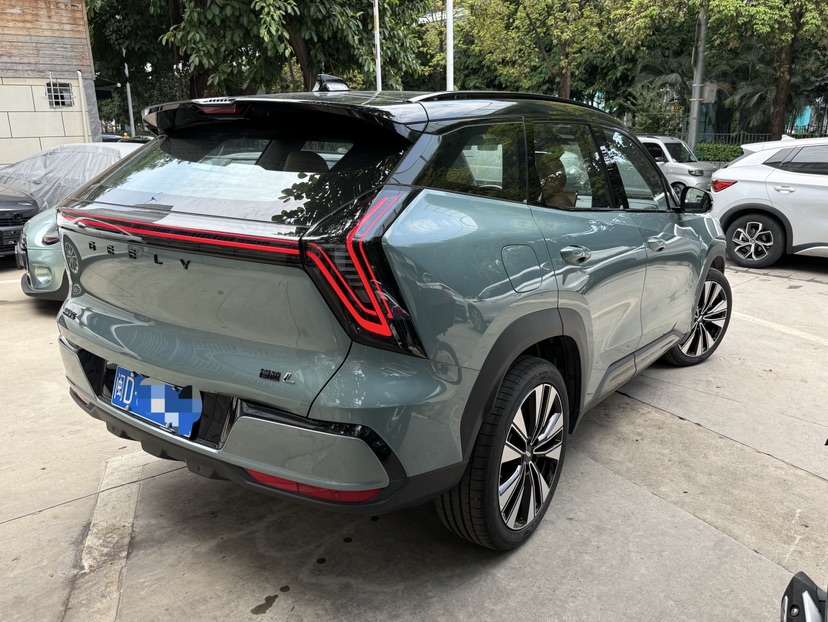
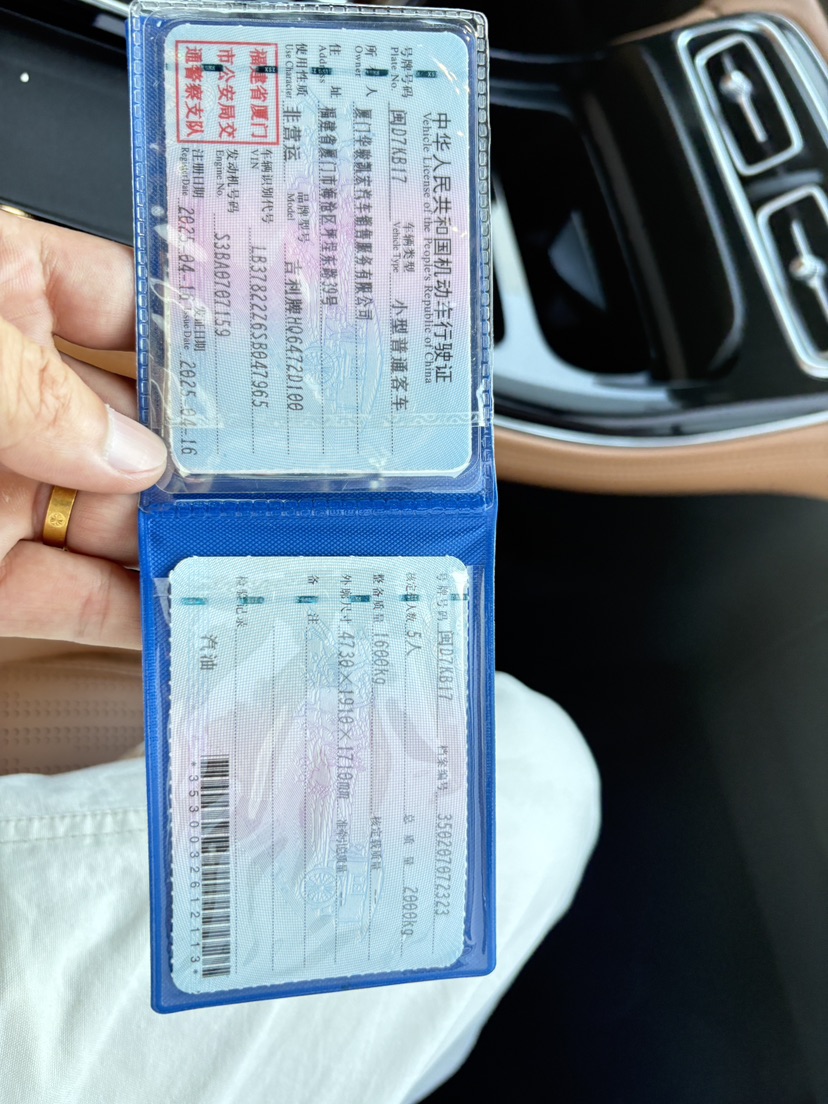
Basic Information

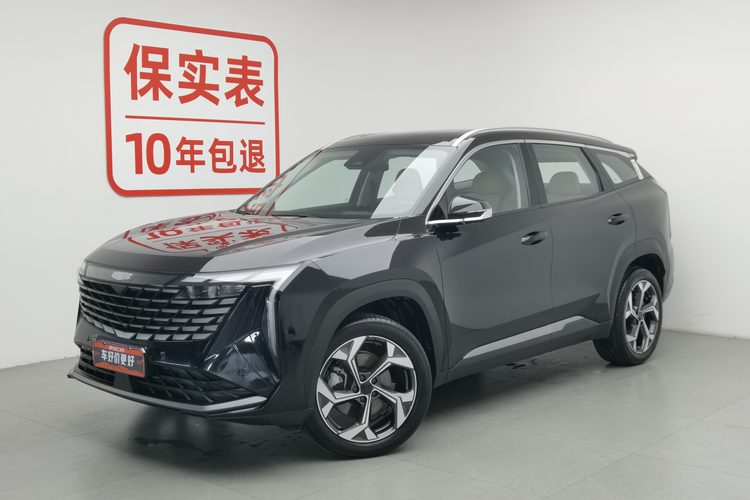
BrandGEELY
SeriesBoyue L
Year2025
First Registration2025/04
Mileage6,000km
Transfer Count1times
FuelGasoline
TransmissionDCT
Engine1.5T 181 L4
ColorGreen
Seats5seats

Condition Description

燃油车
SUV
自动
维保开放
事故开放
查验开放

Configuration Highlights

品牌: 吉利汽车
车系: 博越L
车型: 2025款 第四代 1.5TD DCT 锦绣
车身类型: SUV
座位数: 5
排量: 1.5T
变速箱: 自动
能源类型: 燃油车
VIN: LB37822Z6SB047965
搜索关键词: 吉利汽车博越L 2025款博越L第四代1.5TDDCT锦绣

Document Information

Inspection Expiry Date2027/04
Warranty Expiry Date-
Insurance Expiry Date2027/04

Q&A

More

Can you convert mainstream left-hand drive (LHD) cars in China to right-hand drive (RHD) and then export them?

We maintain an extremely cautious and firm denial. Some platforms may cater to such demands for orders, but converting left-hand drive to right-hand drive involves complex steering column cutting, firewall structure changes, and wiring harness reorganization. This non-factory deep modification poses significant safety risks and is very difficult to pass vehicle safety inspections in developed countries (such as Japan's earthquake test and the UK's IVA test). Out of responsibility for safety and long-term reputation, we refuse to provide any steering conversion services that damage the vehicle's underlying structure.

If a car frequently transfers between extremely cold areas (like Northeast China) and extremely hot areas (like Hainan), would you provide special risk warnings?

Absolutely. The extreme temperature fluctuations will significantly accelerate the aging of chassis rubber parts, oil seals, and interior plastics. For vehicles frequently dispatched across such latitudes, we will conduct fatigue resistance checks on chassis rubber parts that are twice as stringent as those for vehicles in temperate regions.

Why are the shipping costs for used electric vehicles (EVs) usually higher than for internal combustion engine vehicles (ICEs)?

Pure electric vehicles are classified as Class 9 Dangerous Goods due to their large lithium batteries, leading to strict shipping regulations. Shipping companies have high requirements for the loading position and fire isolation measures for dangerous goods, and some roll-on/roll-off ships refuse to accept used EVs. As a result, EVs often require more expensive special container shipping and incur additional handling fees for hazardous materials.