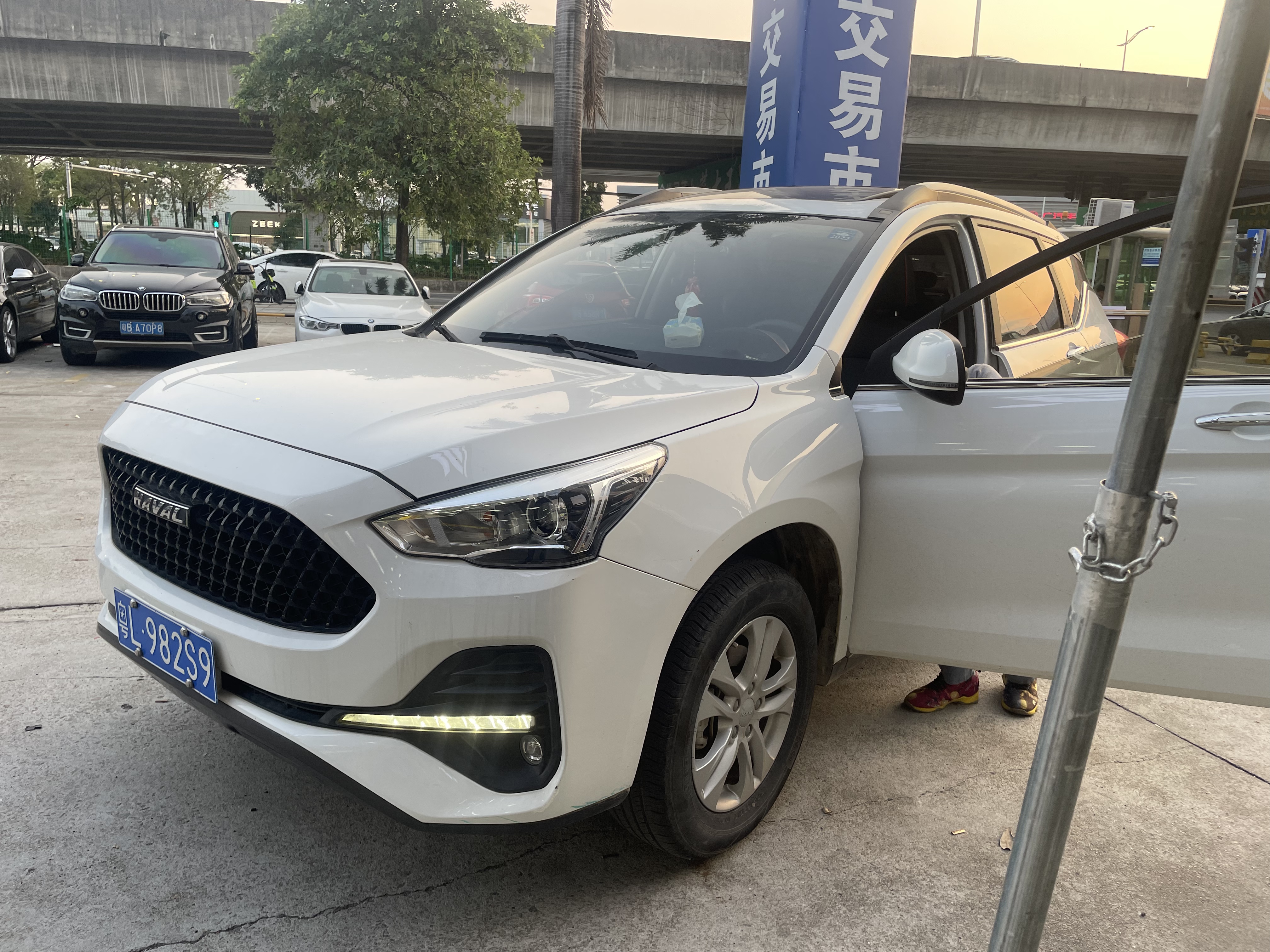
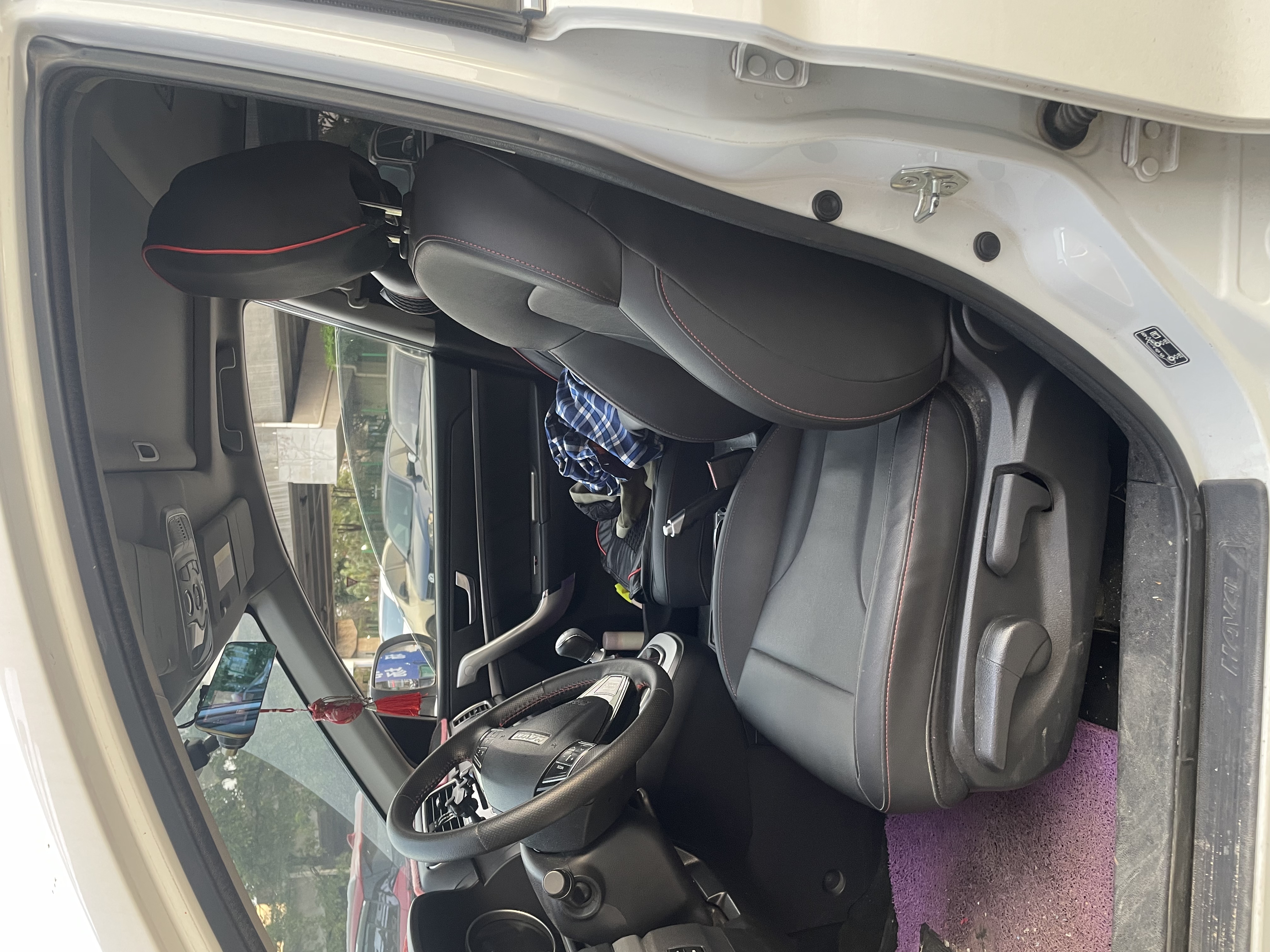
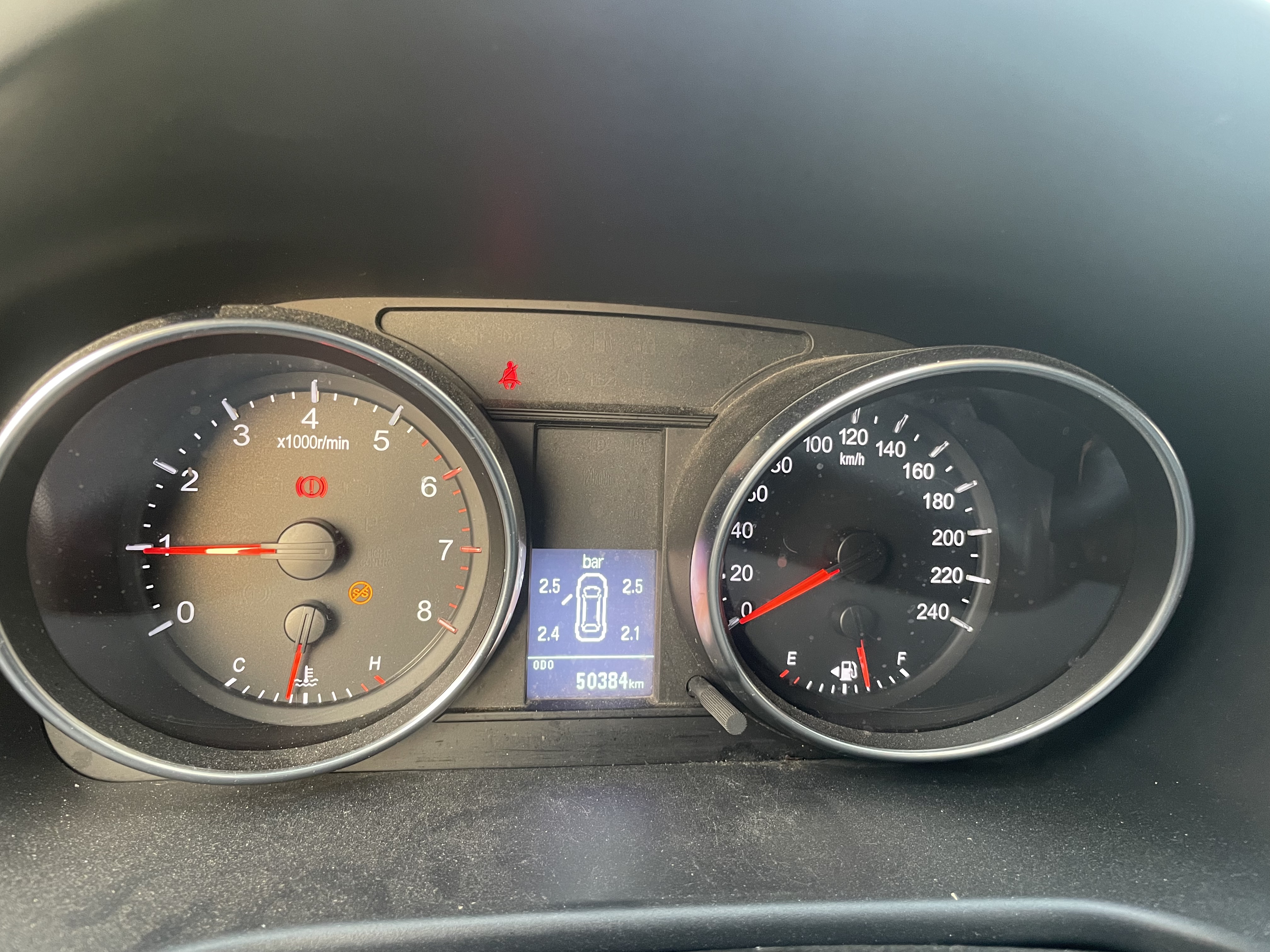
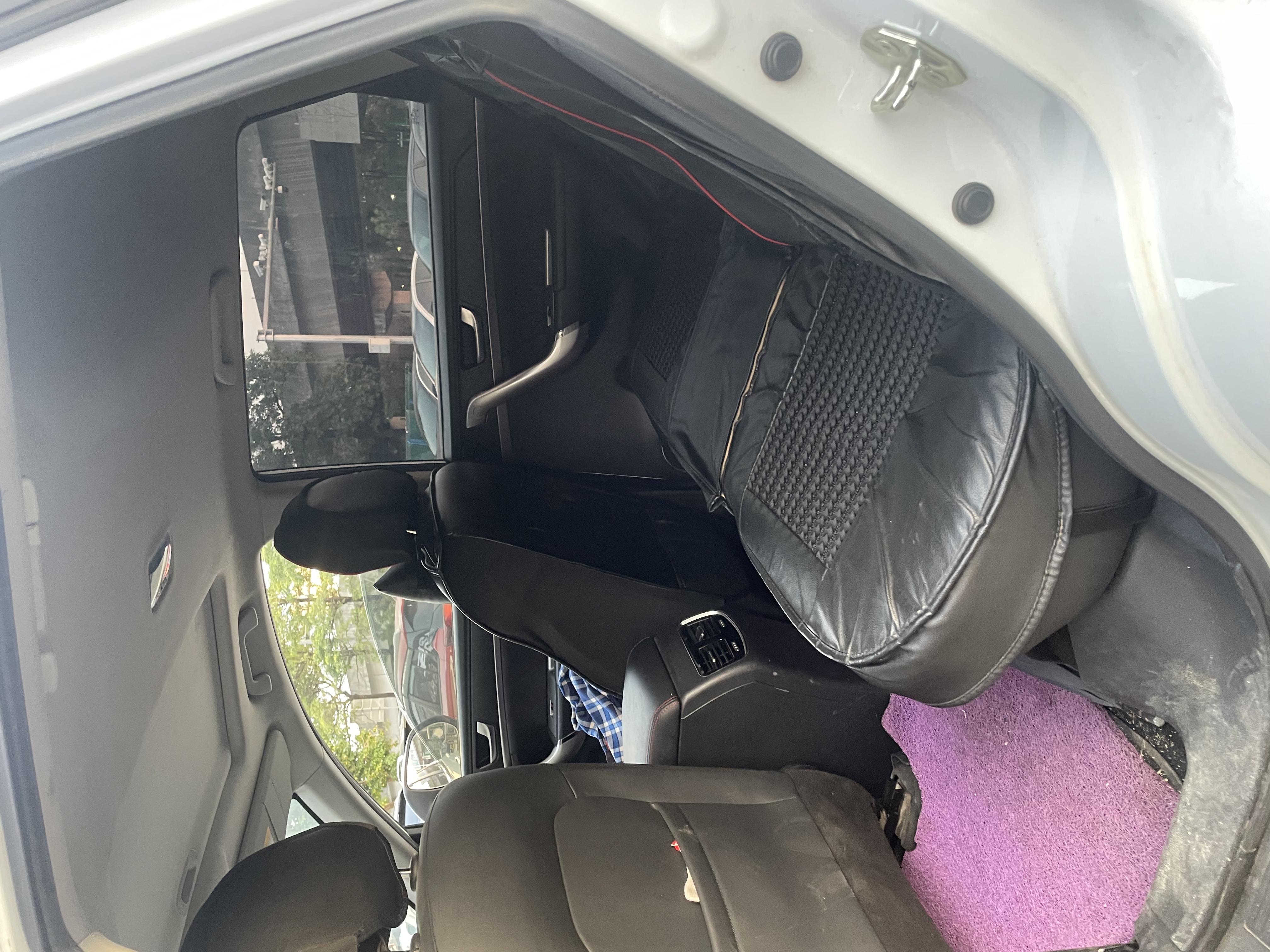
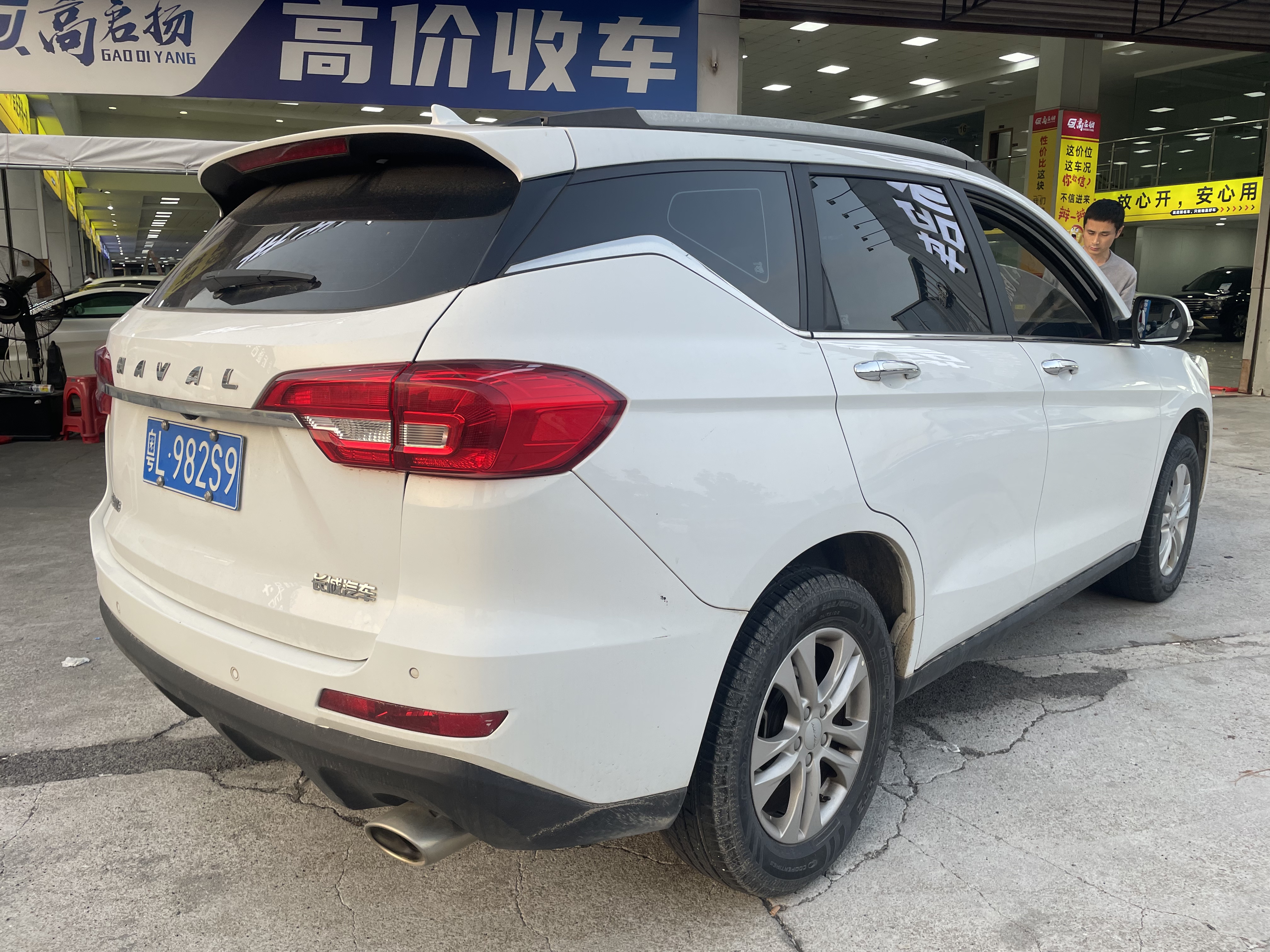
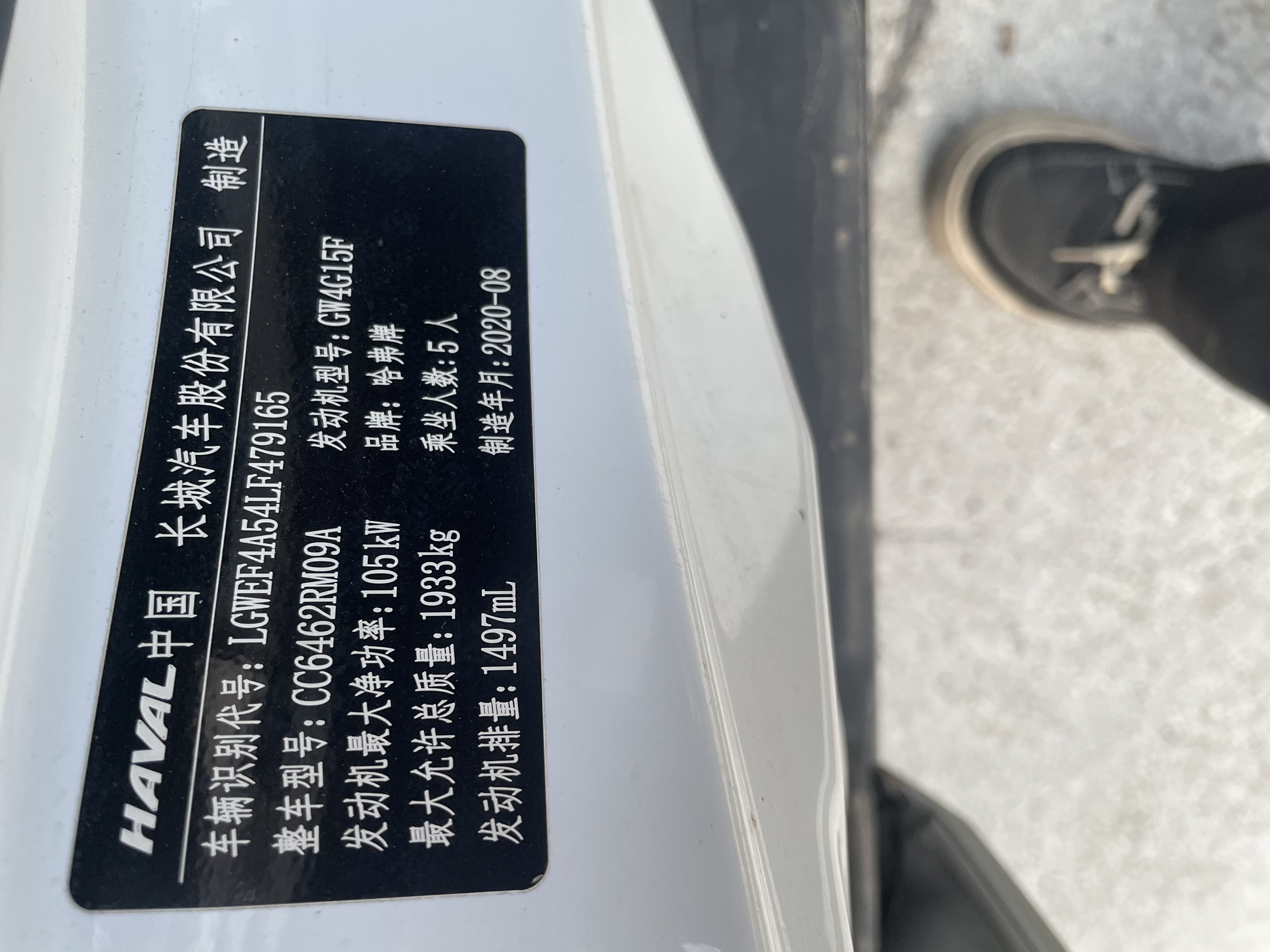
Basic Information

BrandHaval
SeriesM6
Year2020
First Registration2020/06
Mileage5km
Transfer Count-
FuelGasoline
TransmissionManual
Engine1.5T 150 L4
ColorWhite
Seats-

Condition Description

1. Vehicle Condition Description: Original metal finish, rear bumper replaced. 2. Mileage: 50,000 km 3. Modifications: No 4. Keys: 2 5. Insurance: 26.8 6. Paid or Financing: Paid 7. Third-Party Ownership: Yes 8. Number of Ownership Changes: 1 owner (Special Notes):

Configuration Highlights

Driver/Passenger Airbags
Tire Pressure Monitoring
ISOFIX Child Seat Anchors
Keyless Start System
Keyless Entry System
ABS Anti-lock Braking
Electronic Brake Distribution
Electronic Stability Control
Hill Start Assist
Roof Rack
Multifunction Steering Wheel
Seat Material
Low Beam Headlights
Daytime Running Lights
Adjustable Headlight Height
Power Windows
Anti-pinch Windows
Climate Control Type
Rear Air Vents
Start-Stop System

Q&A

More

Will you conduct a thorough inspection of the engine and transmission of the used car?

We will never perform blind deep disassembly unless there are clear severe fault codes or extreme noises. The sealing of the engine and transmission is crucial, and compromising the factory seals to investigate non-existent issues is unprofessional. We rely on data flow and external acoustic and fluid analysis to make judgments.

How to confirm that the bank mortgage status of a vehicle in China has been completely lifted and the ownership is clear?

The vehicle's "Motor Vehicle Registration Certificate" will clearly print the records of the mortgage and its release. Our legal and documentation team will strictly review during the vehicle collection process to ensure that the ownership is completely free and clear, preventing any future ownership disputes.

When B2B buyers make bulk purchases, can they request to combine the accessory costs and vehicle price on the same commercial invoice to reduce overall tariffs?

No, this is a serious customs violation. Complete vehicles (HS Code 8703) and auto parts (HS Code 8708, etc.) are subject to completely different import tax rates. Combining them on one invoice could lead to the invoice being returned by customs and may expose you to tax fraud accusations at the destination port.