







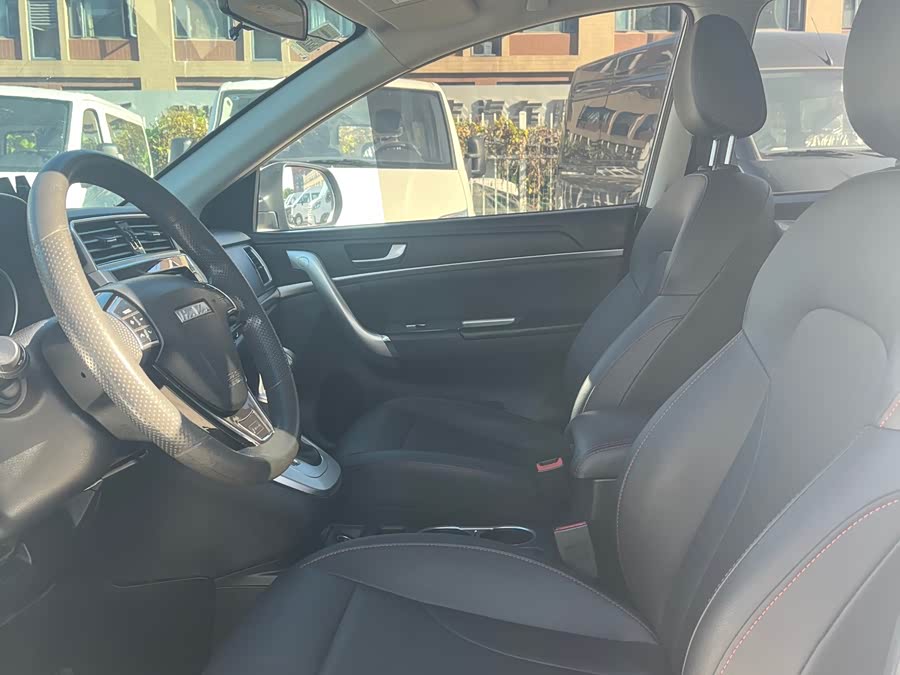
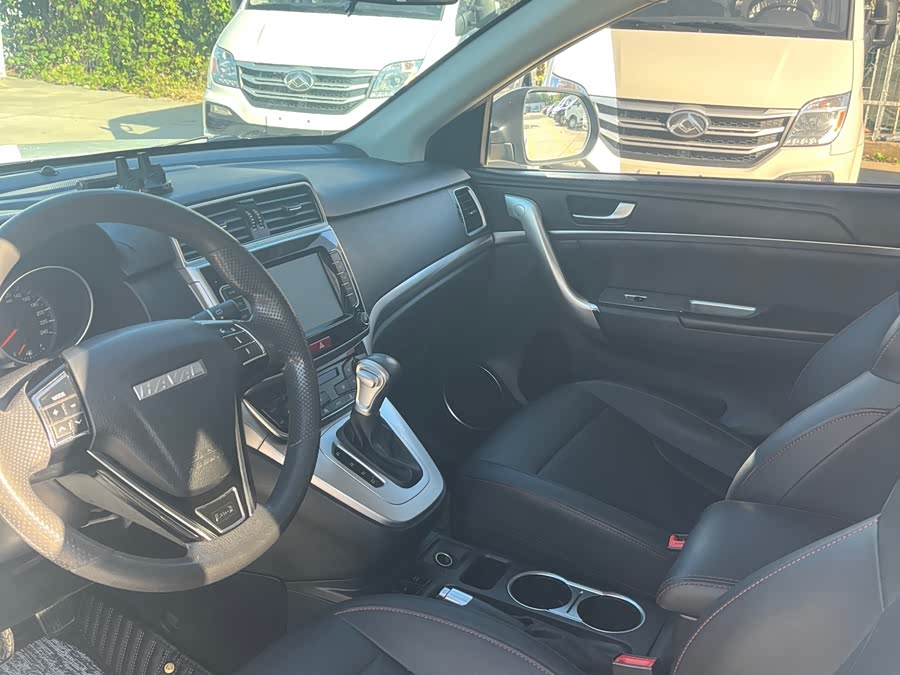
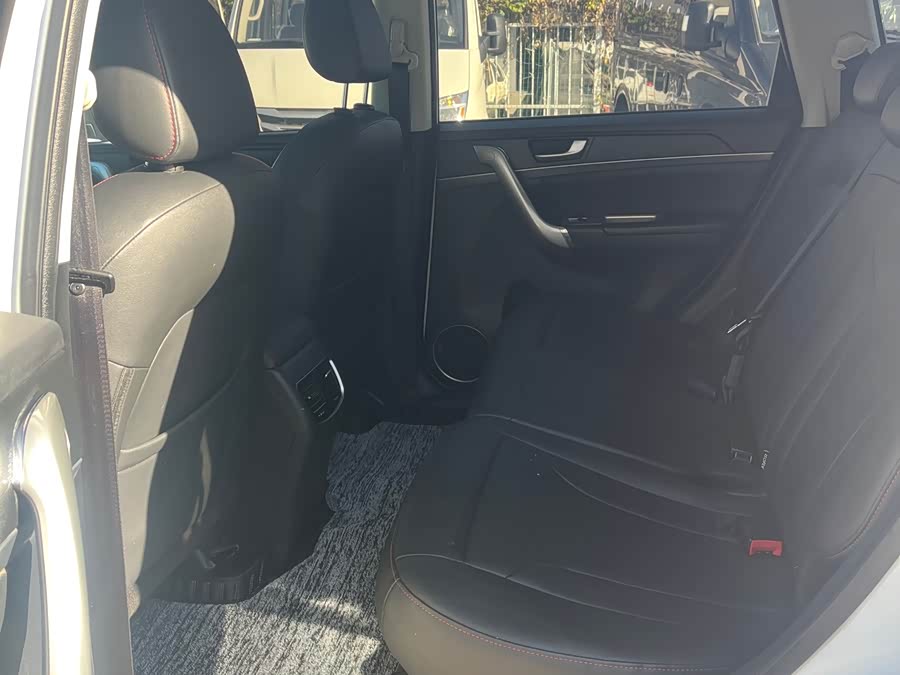
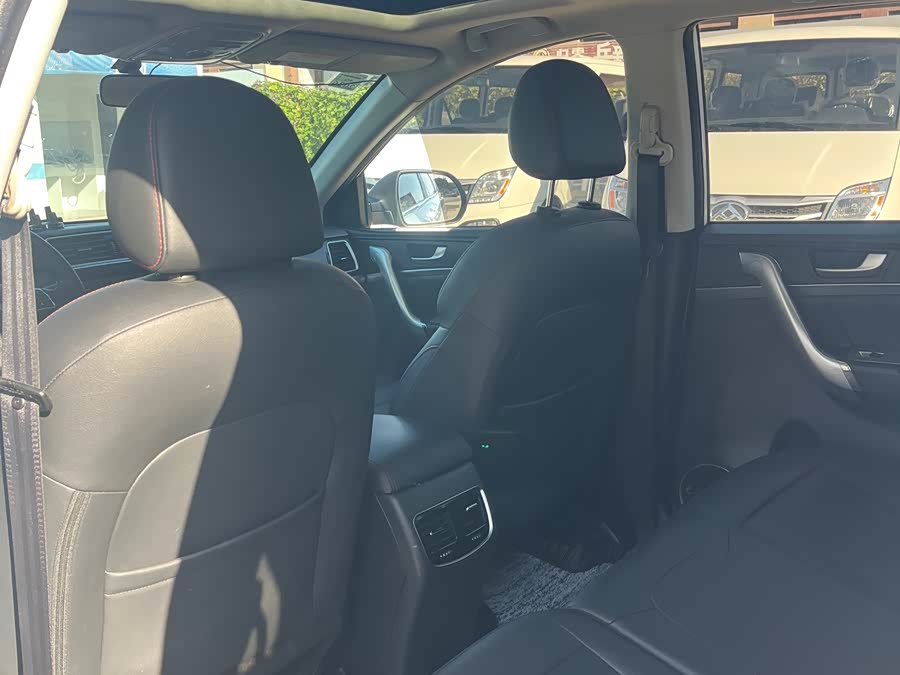
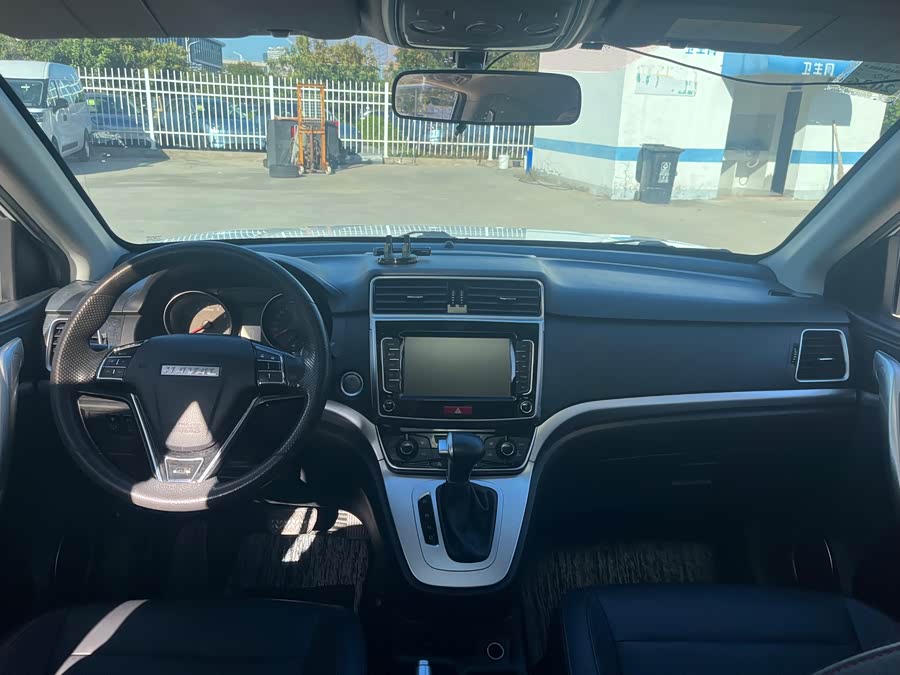
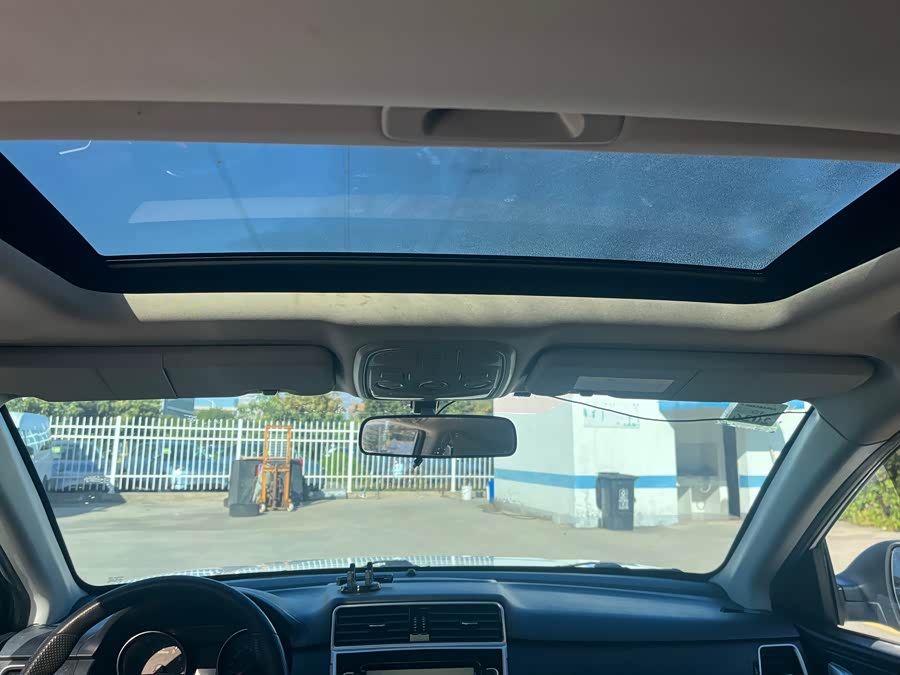
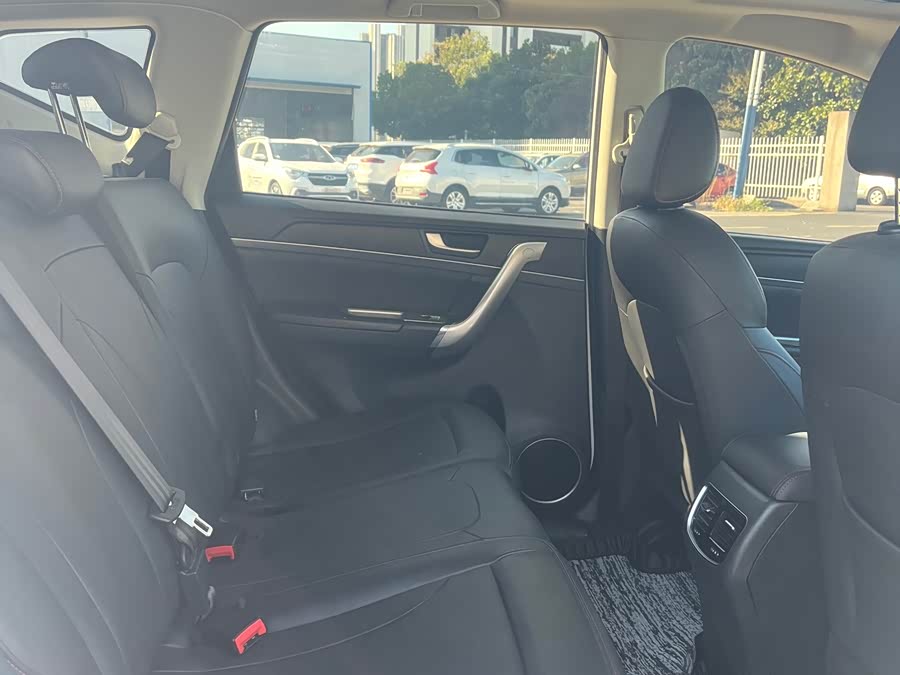
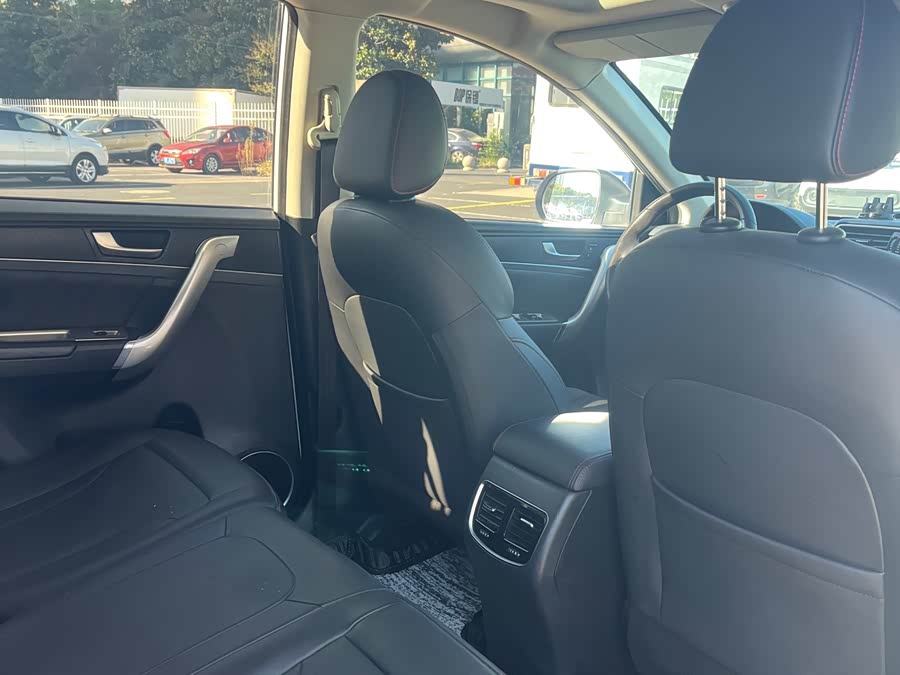
Basic Information

BrandHaval
SeriesM6
Year2020
First Registration2020/03
Mileage90,000km
Transfer Count-
FuelGasoline
TransmissionDCT
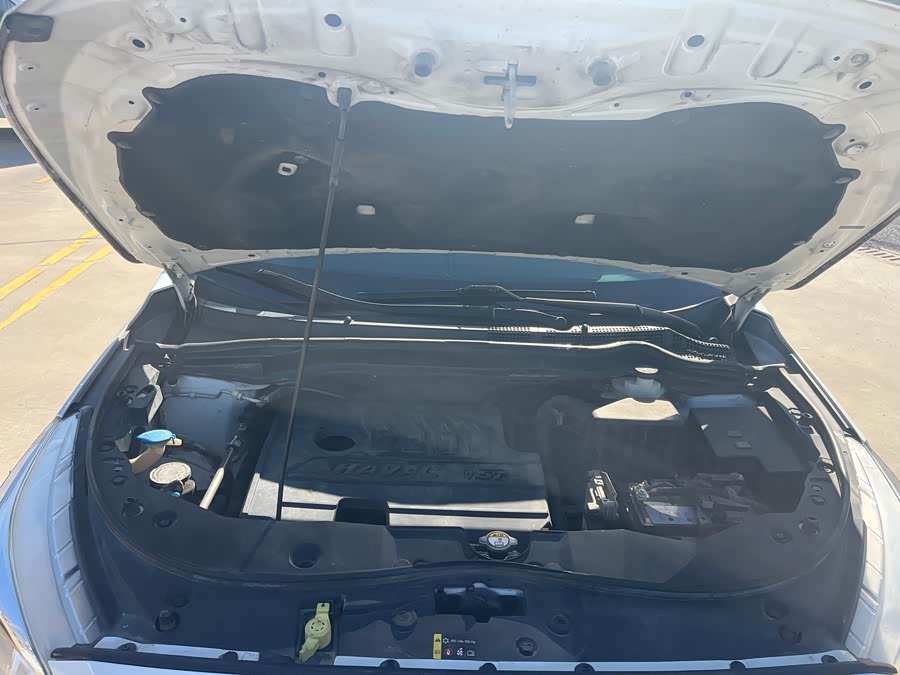
Engine1.5T 150 L4
ColorWhite
Seats-

Condition Description

very good

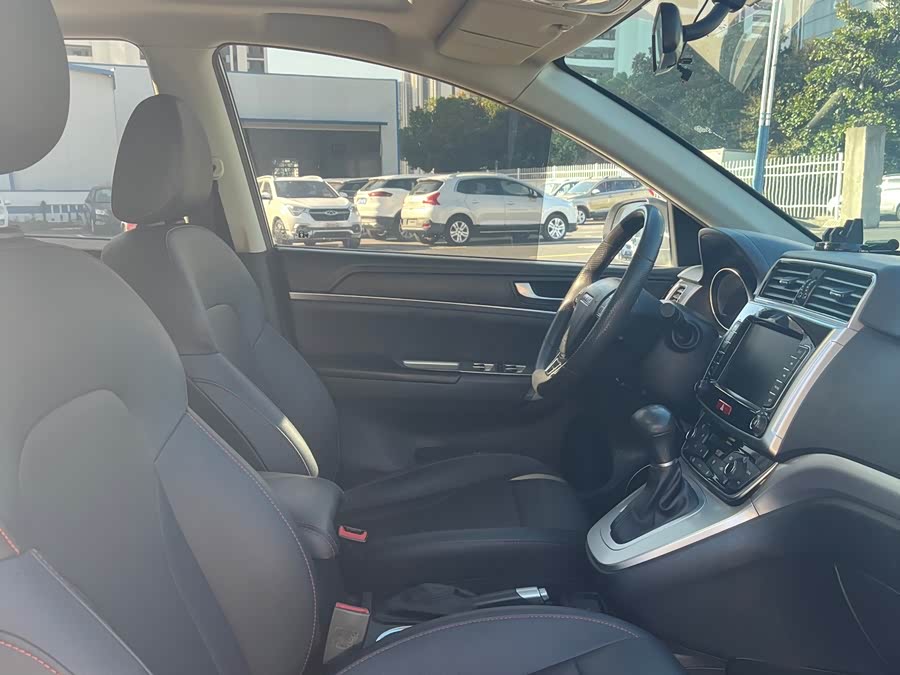
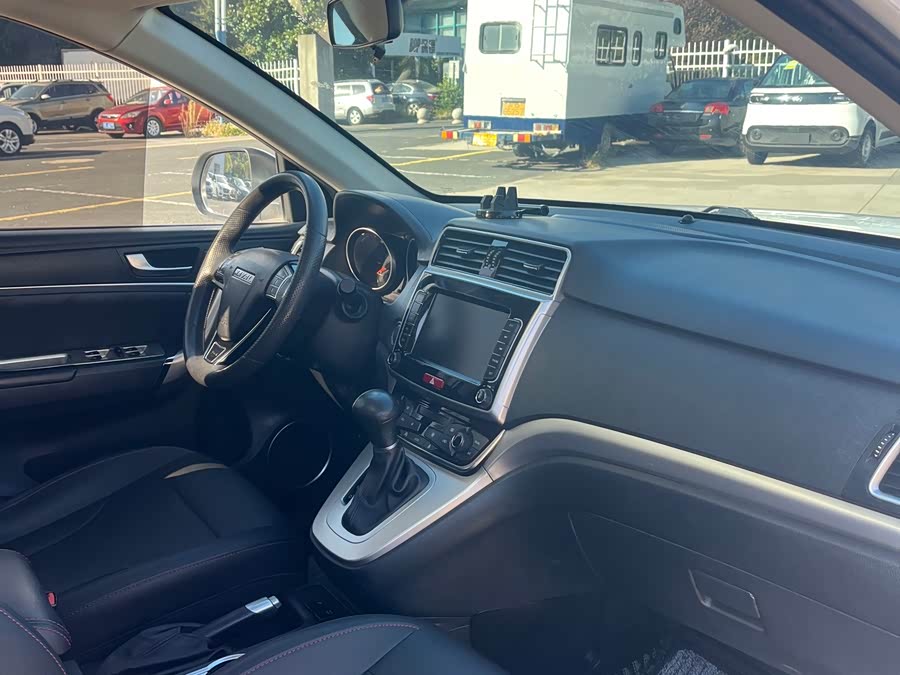
2020 Haval M6, 1.5T engine, automatic transmission, sunroof, leather seats, navigation system, keyless start, keyless entry, multi-function steering wheel with full buttons, black interior, one owner, excellent condition, zero claims history. Please note that this is a one-owner vehicle; do not compare prices with vehicles that have changed hands multiple times or are in poor condition.

0 transfers

Configuration Highlights

ISOFIX Child Seat Anchors
Keyless Start System
Bluetooth/Hands-free
Rear Air Vents

Accident & Maintenance Records

Accident Record

🔗 Open Link

Maintenance Record

🔗 Open Link

Document Information

Inspection Expiry Date2026/03
Warranty Expiry Date-
Insurance Expiry Date2026/03

Q&A

More

Will the type of refrigerant in the vehicle (such as R134a or R1234yf) be indicated on the export documents for environmental customs clearance?

Europe and some developed countries have very strict regulations on greenhouse gases. If required by customs, we will specify the exact refrigerant type and charge amount according to the vehicle's air conditioning compressor nameplate in the remarks section of the packing list and commercial invoice.

What qualifications do the third-party testing organizations have? Are they internationally recognized (e.g., SGS)?

We mainly collaborate with professional organizations certified by China's national CMA (Certification of Inspection and Testing Institutions). If you need the highest level of international endorsement, we can arrange for independent inspection agencies like SGS or TÜV to conduct Pre-Shipment Inspections (PSI) before loading at the port.

If the customs of the destination country values the vehicle higher than your commercial invoice amount, leading to a surge in duties, who is responsible?

The customs of the destination country has the right to disregard the commercial invoice and reassess the value based on its internal database (such as the customs valuation red book). Any additional duties incurred are a result of the importing country's policy and are fully borne by the buyer (importer).