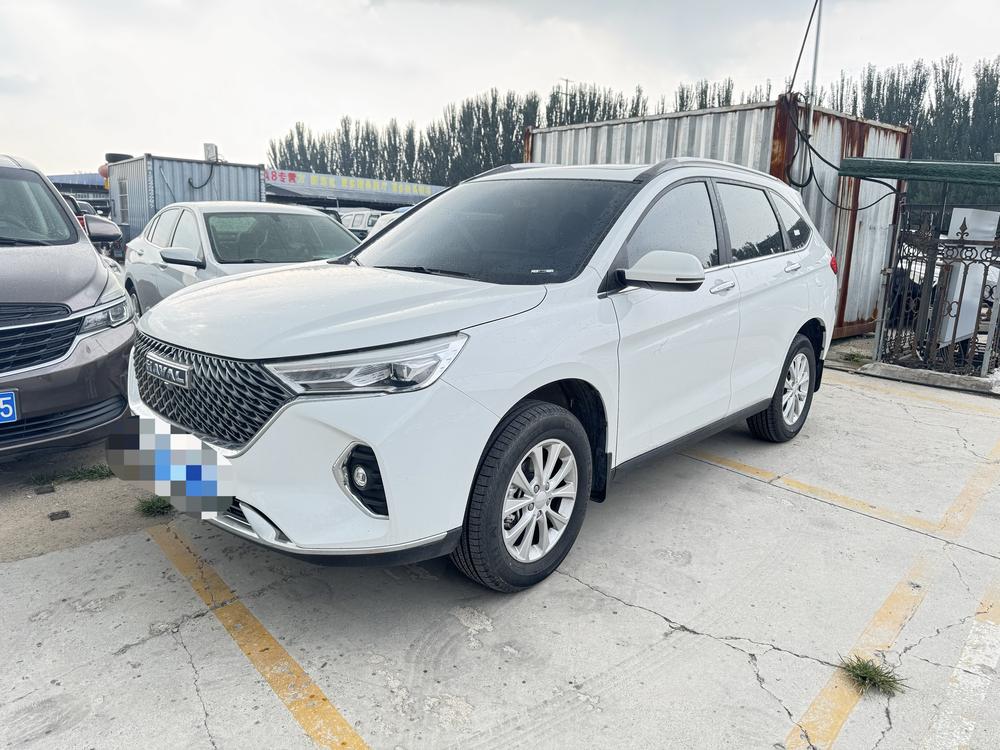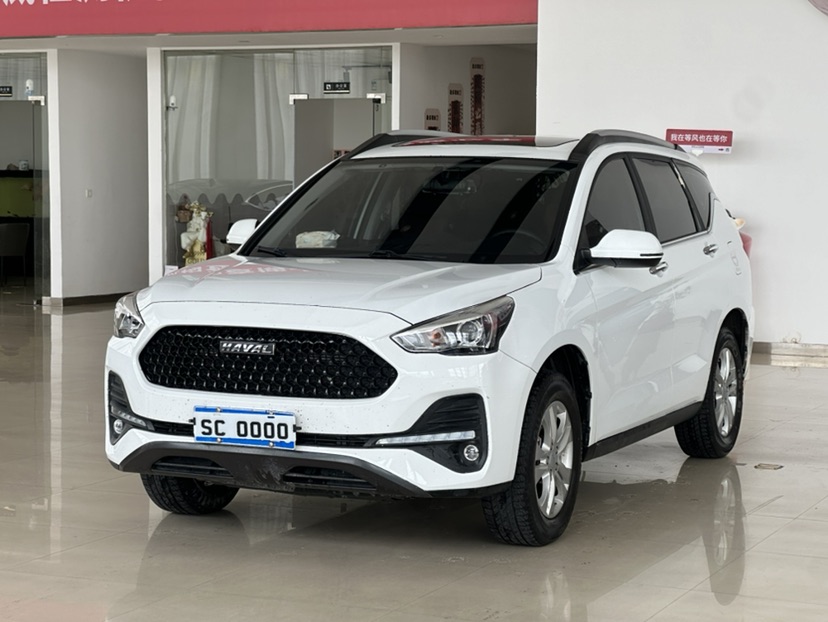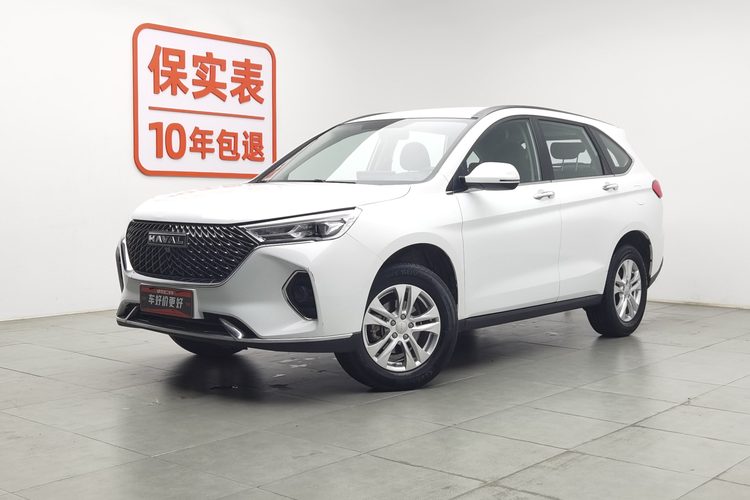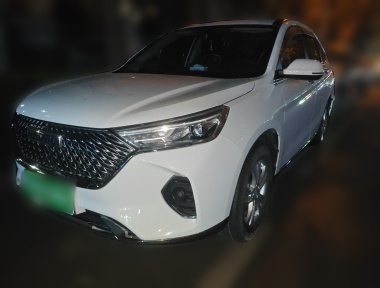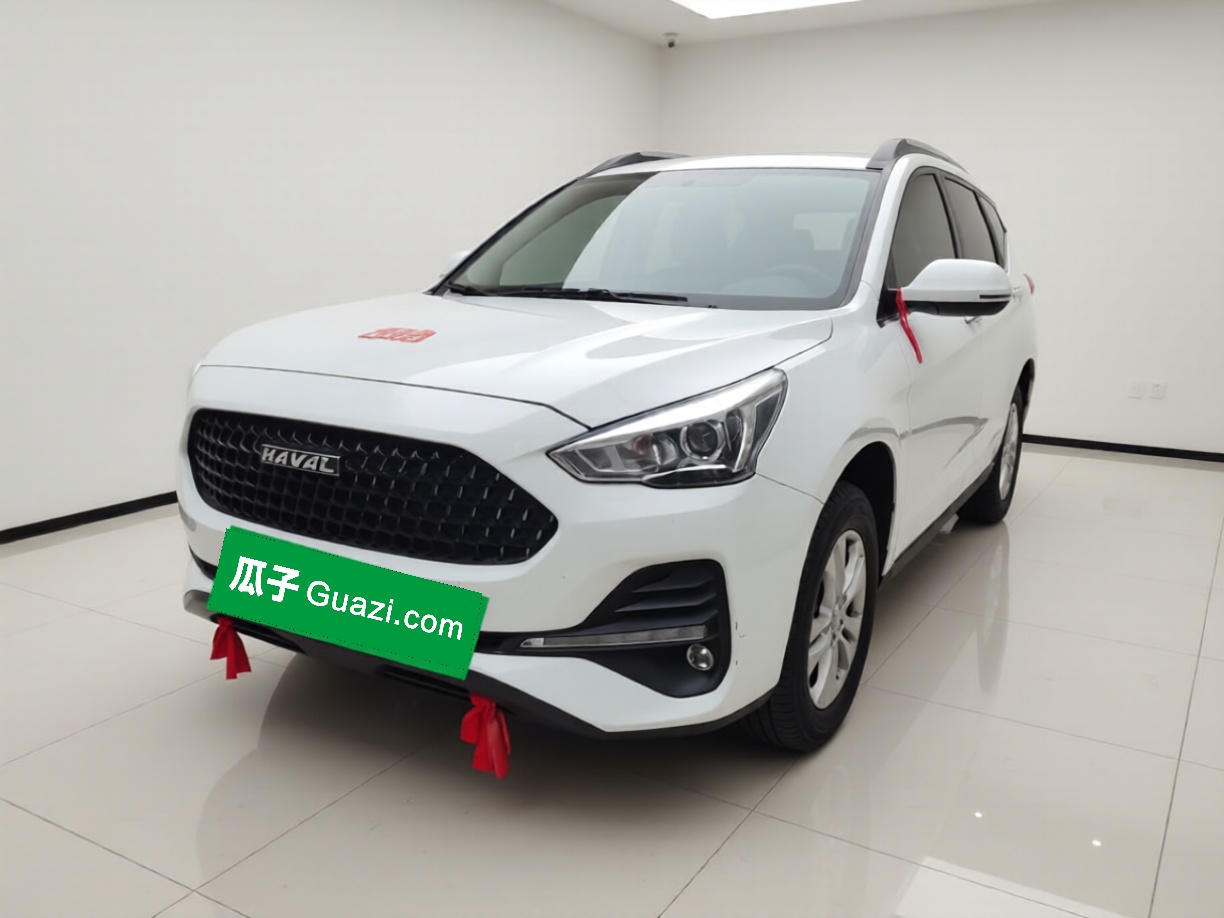
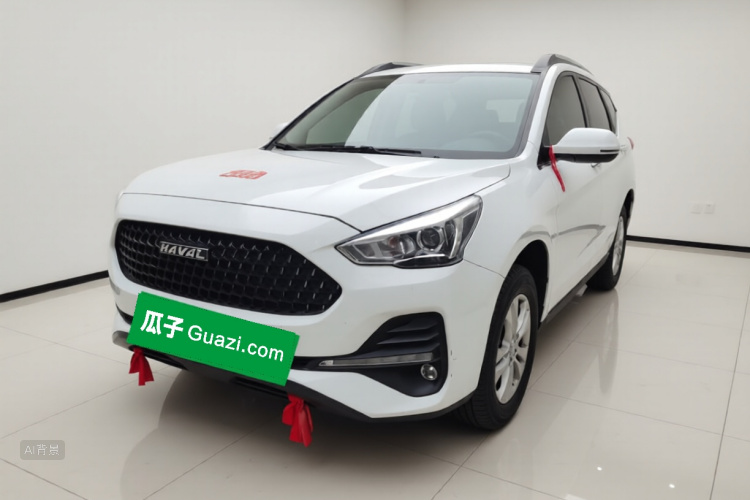
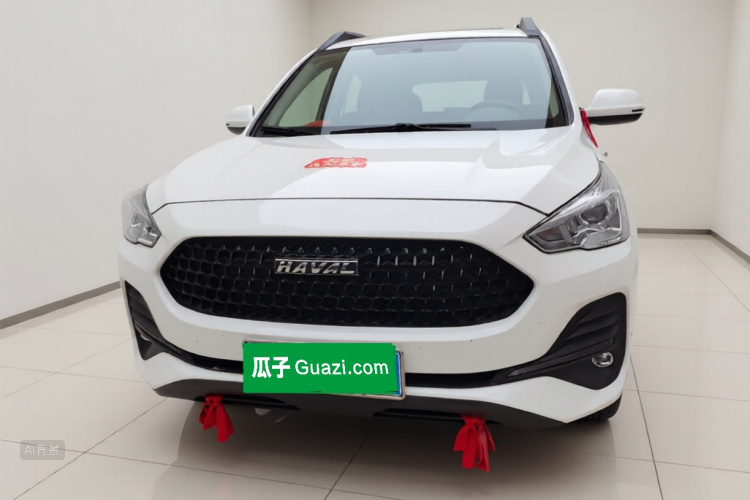
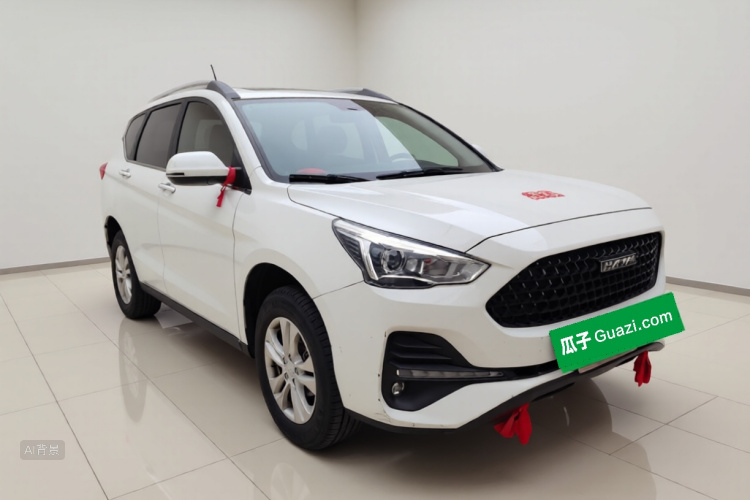
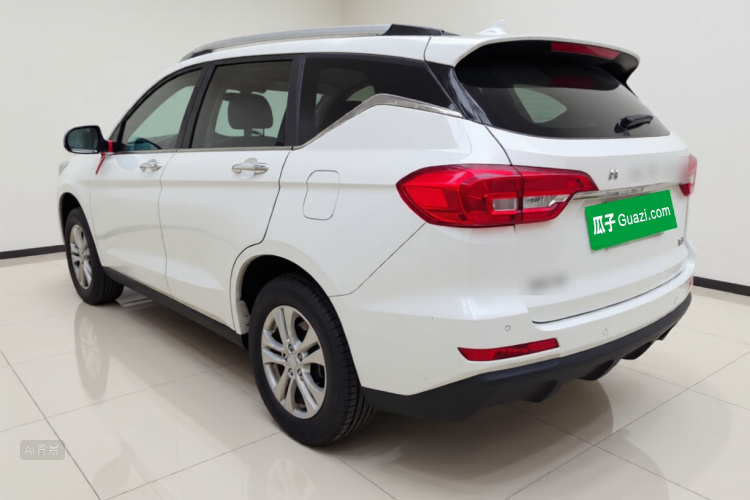
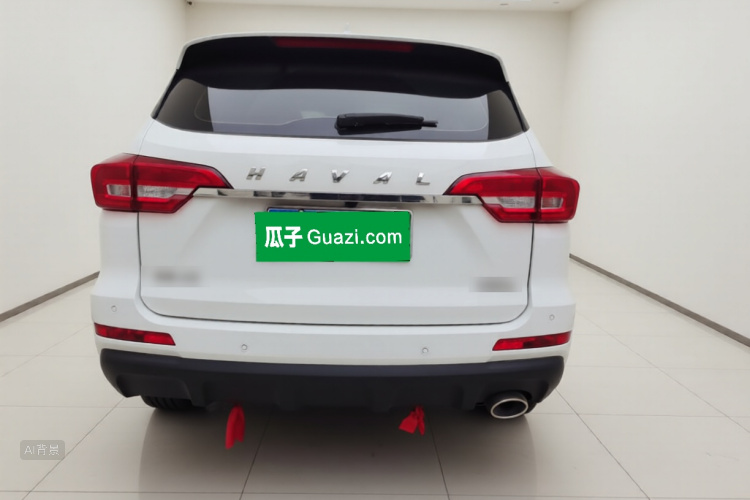
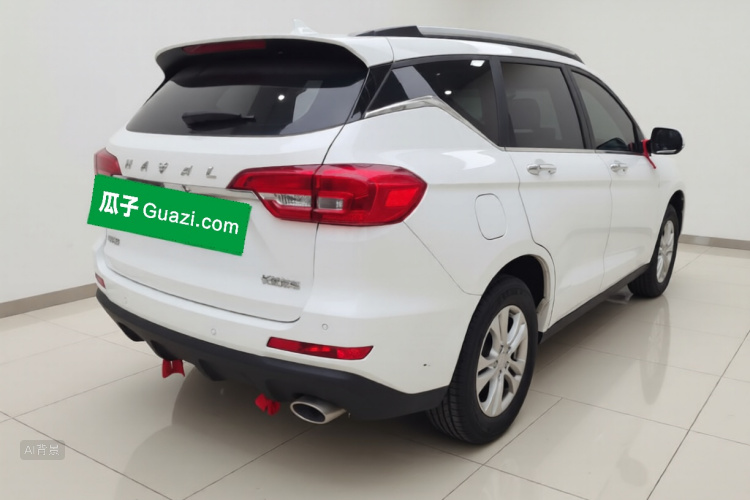

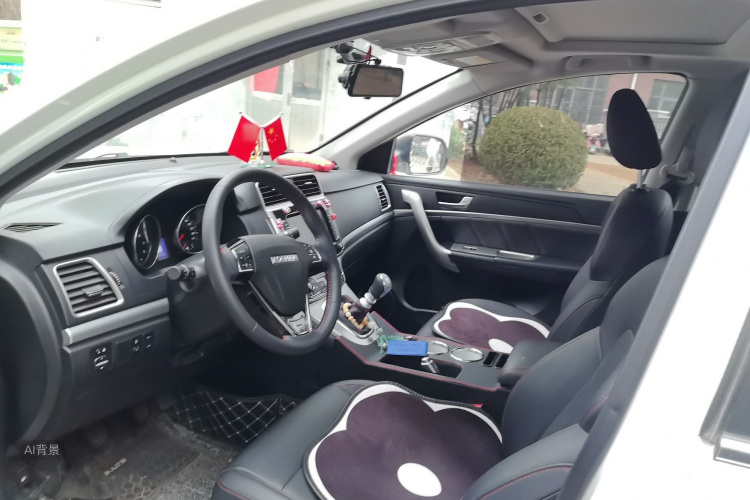
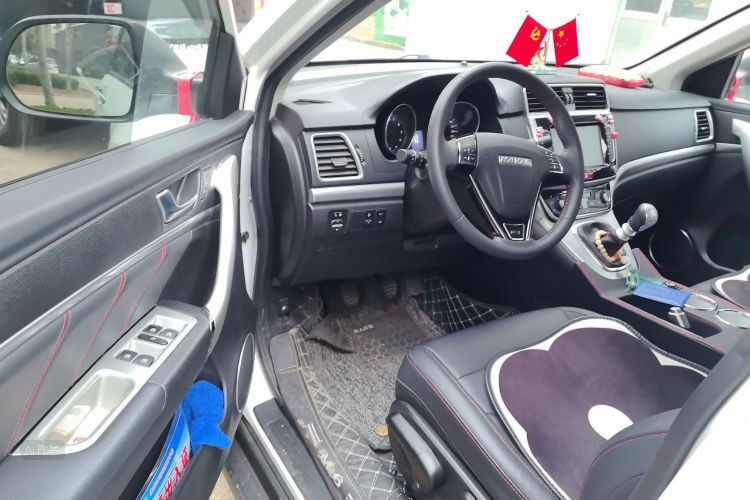
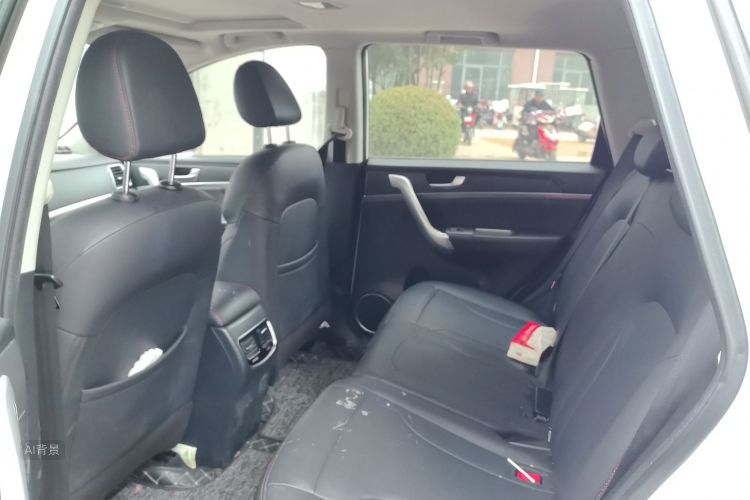

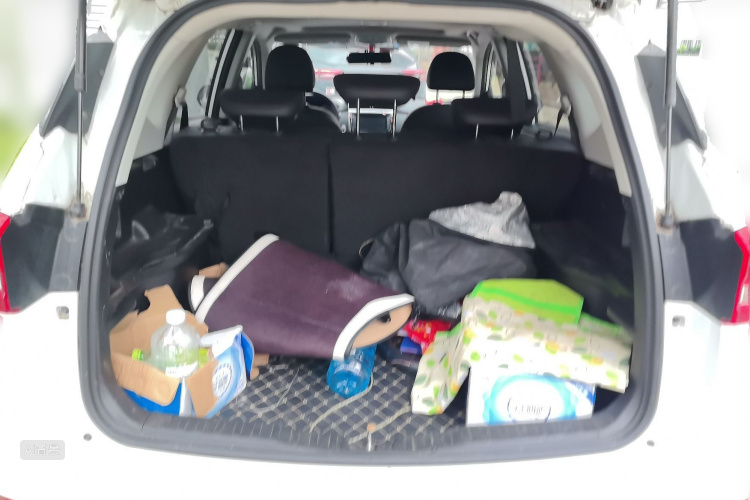
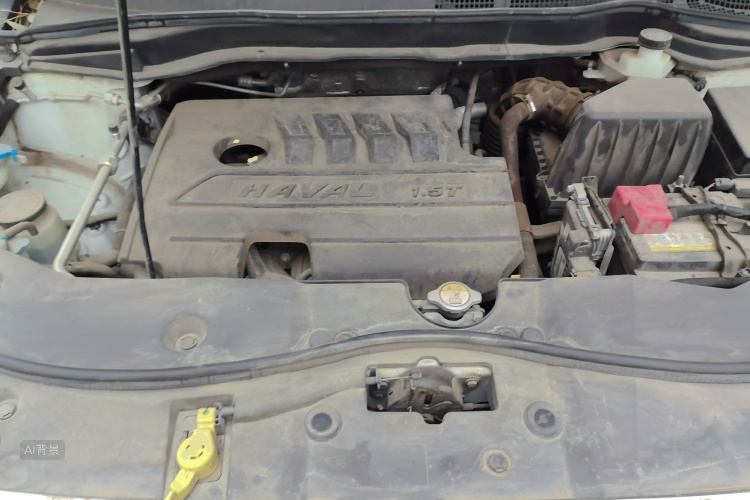



Basic Information

BrandHaval
SeriesM6
Year2021
First Registration2021/01
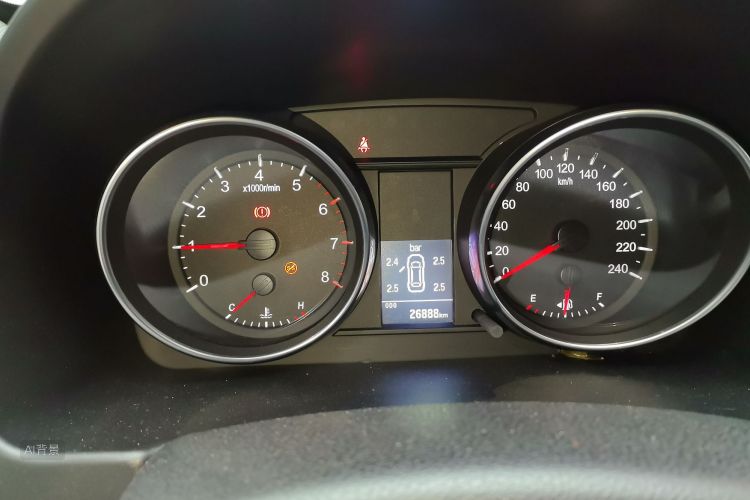
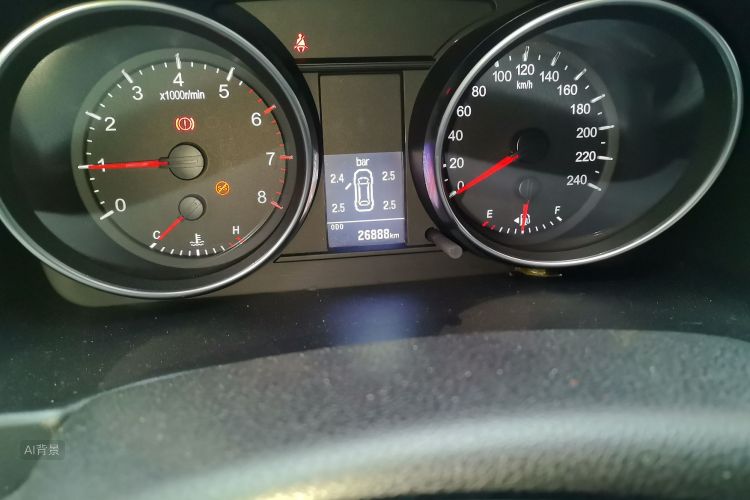
Mileage26,800km
Transfer Count-
FuelGasoline
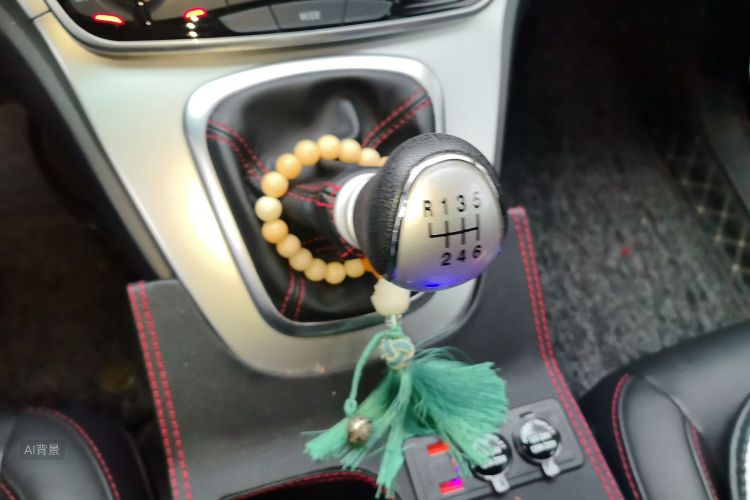
TransmissionManual
Engine1.5T 150 L4
ColorWhite
Seats-

Condition Description

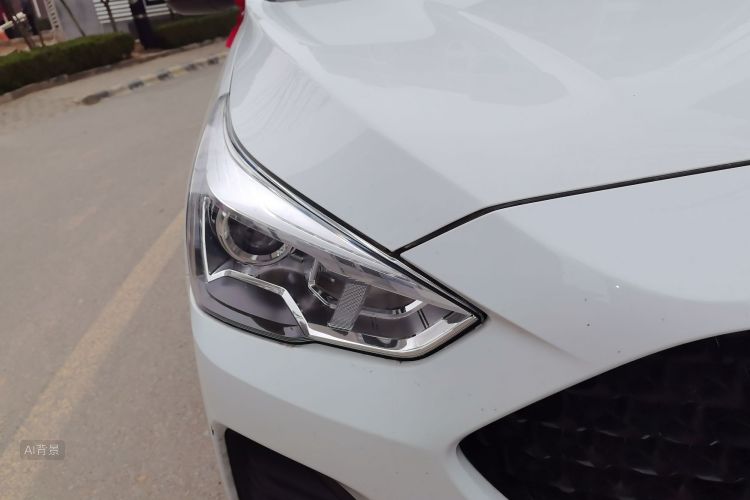
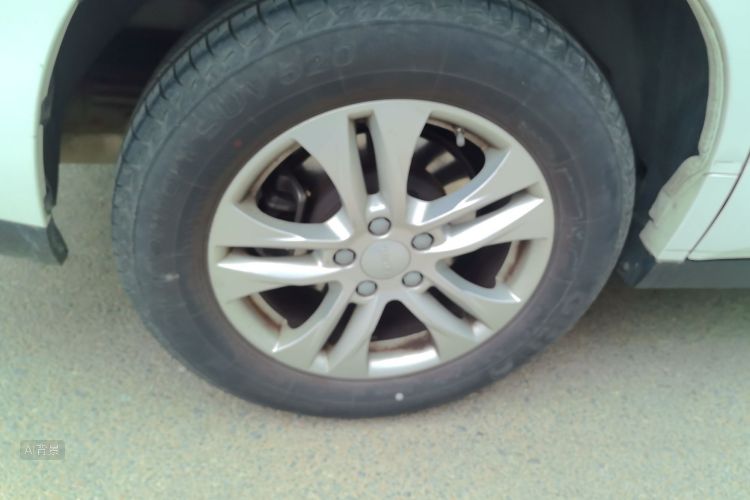
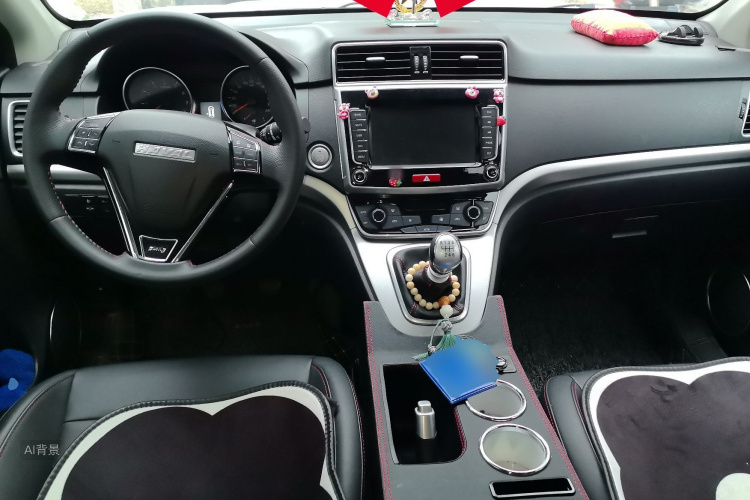
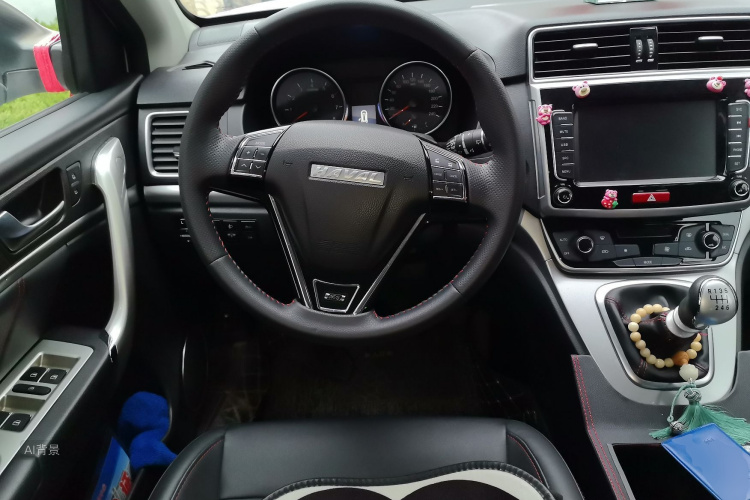
Excellent vehicle condition, passed inspection, better than 80% of vehicles for sale, top-quality condition, 1 claim, 0 ownership transfers.

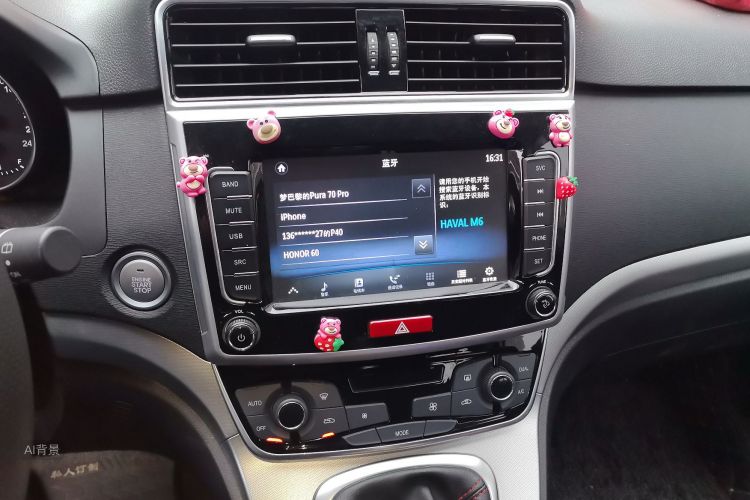
This vehicle is 5 years old, with an average annual mileage of 5,400 kilometers. It has been used infrequently and has never been transferred to another owner, making it a good first-hand vehicle. The exterior is in excellent condition, with a glossy paint finish but possibly minor scratches. The interior is clean and tidy, with minor signs of use. The overall body frame is intact and without any abnormalities. Fluids are normal, and the powertrain operates smoothly without any issues.

Configuration Highlights

Smartphone Connectivity
Keyless Entry
Backup Camera
Engine Start-Stop
Cruise Control
Keyless Start
Rear Air Vents
Tire Pressure Monitoring
Hill Start Assist
Rear Parking Sensors
Anti-pinch Windows

Q&A

More

Can you export newer Chinese cars to the U.S. market (which requires vehicles to be at least 25 years old to be exempt from FMVSS)?

Absolutely not. The U.S. DOT and EPA have strict import restrictions on non-compliant vehicles. Any Chinese used car that is not 25 years old and not produced to U.S. standards will face mandatory crushing and destruction upon arrival at U.S. ports. We directly reject such non-compliant orders.

If our country has a Free Trade Agreement (FTA) with China, can you provide a specific certificate of origin?

Yes. We will apply to customs or the trade promotion agency for a specific version of the certificate of origin (such as ASEAN Form E, China-ASEAN FTA certificate, etc.) to assist you in legally enjoying significant or even zero tariff treatment at the destination port.

Why are the shipping costs for used electric vehicles (EVs) usually higher than for internal combustion engine vehicles (ICEs)?

Pure electric vehicles are classified as Class 9 Dangerous Goods due to their large lithium batteries, leading to strict shipping regulations. Shipping companies have high requirements for the loading position and fire isolation measures for dangerous goods, and some roll-on/roll-off ships refuse to accept used EVs. As a result, EVs often require more expensive special container shipping and incur additional handling fees for hazardous materials.