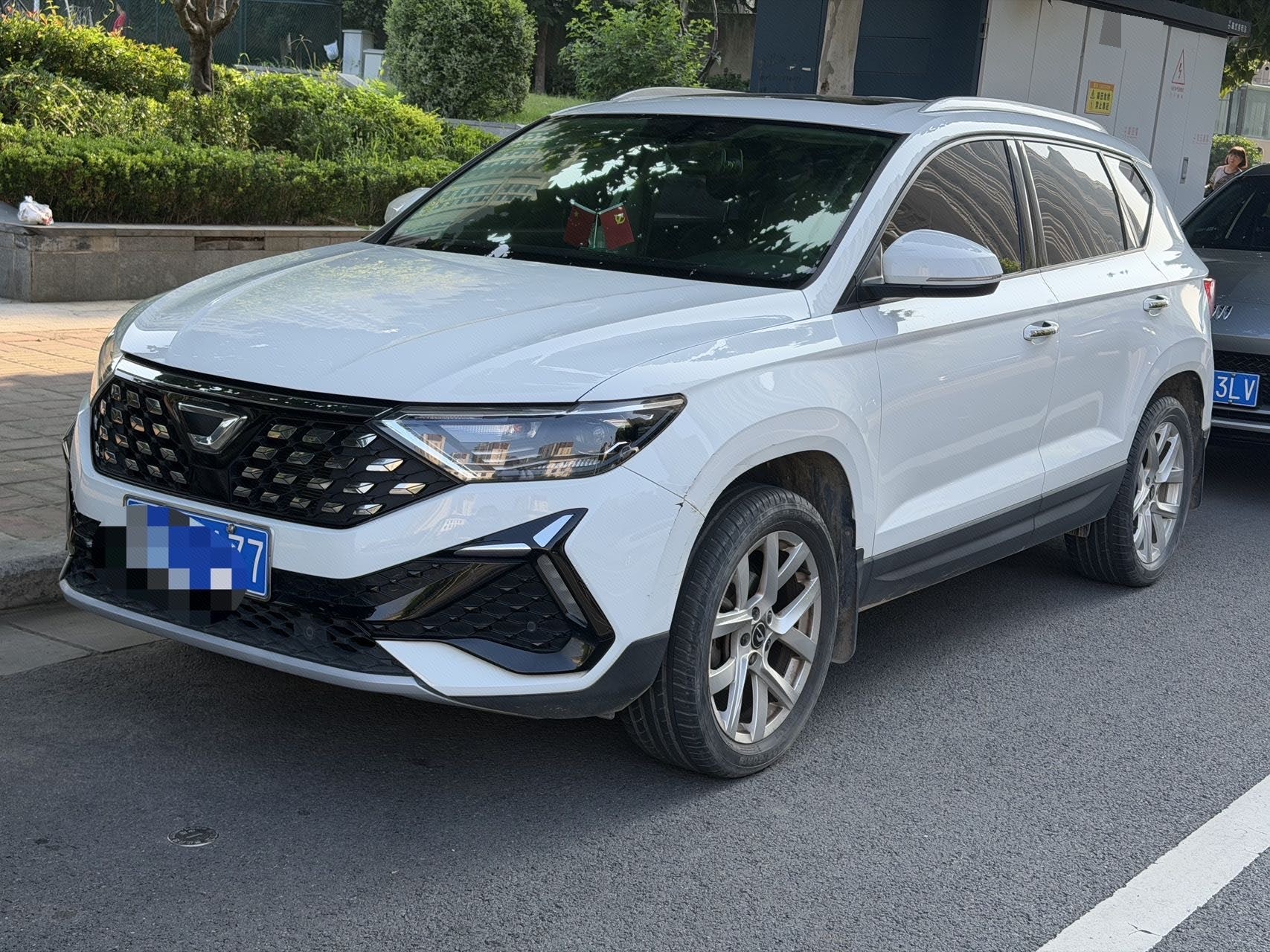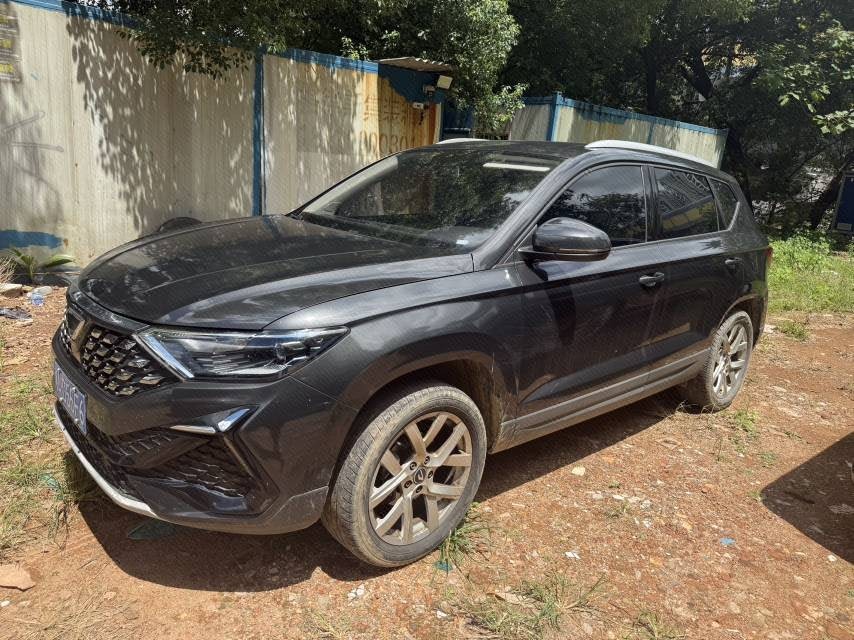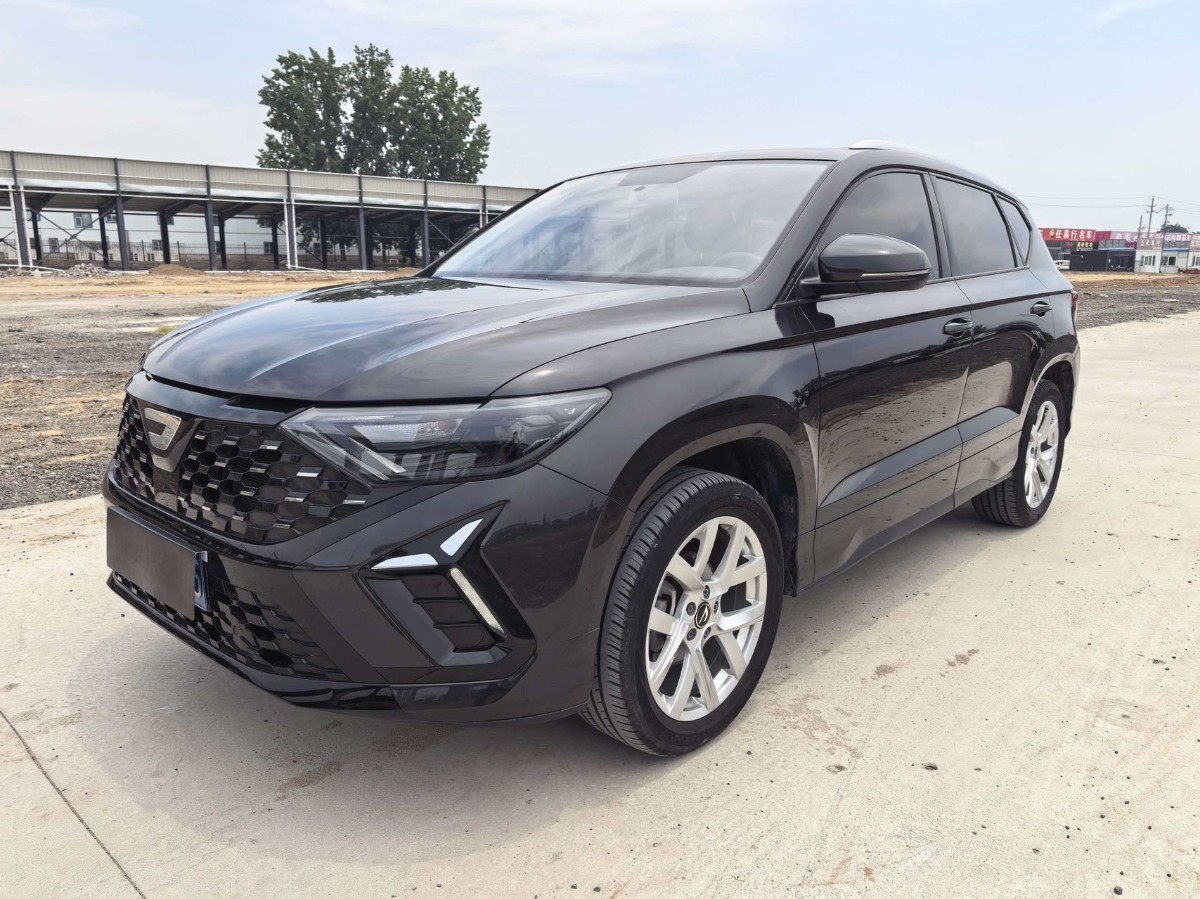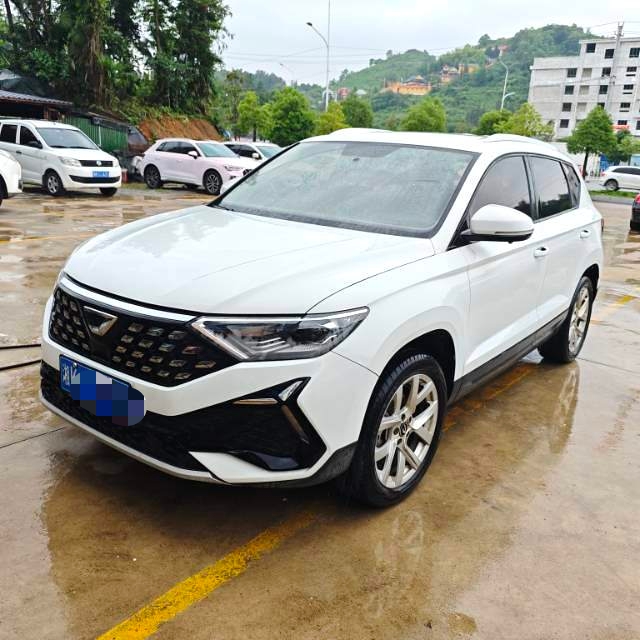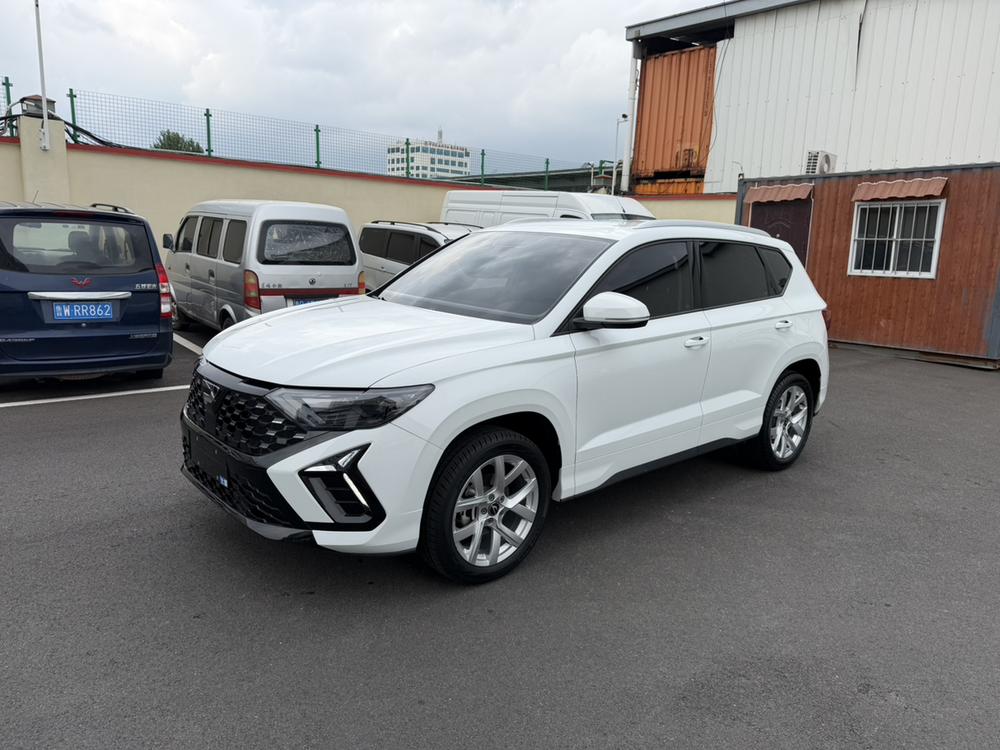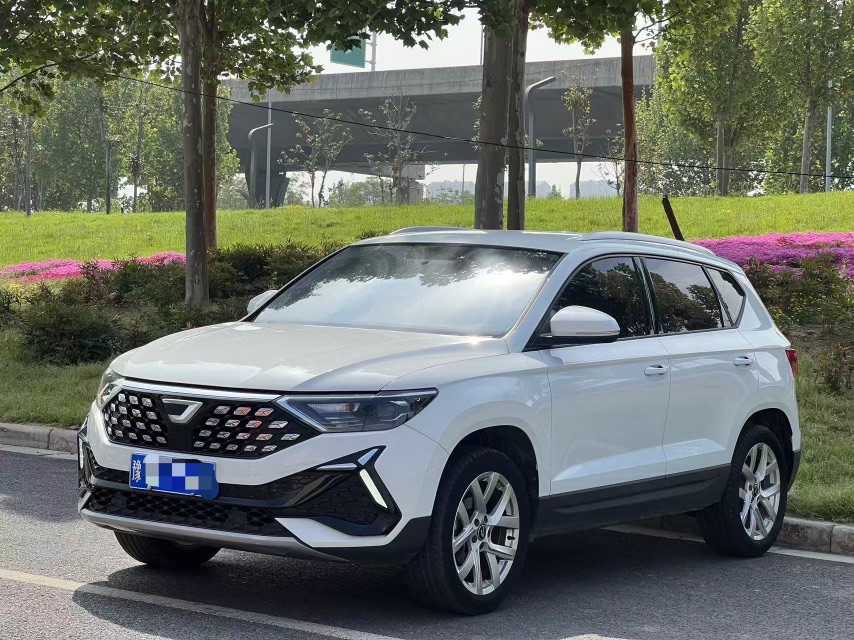
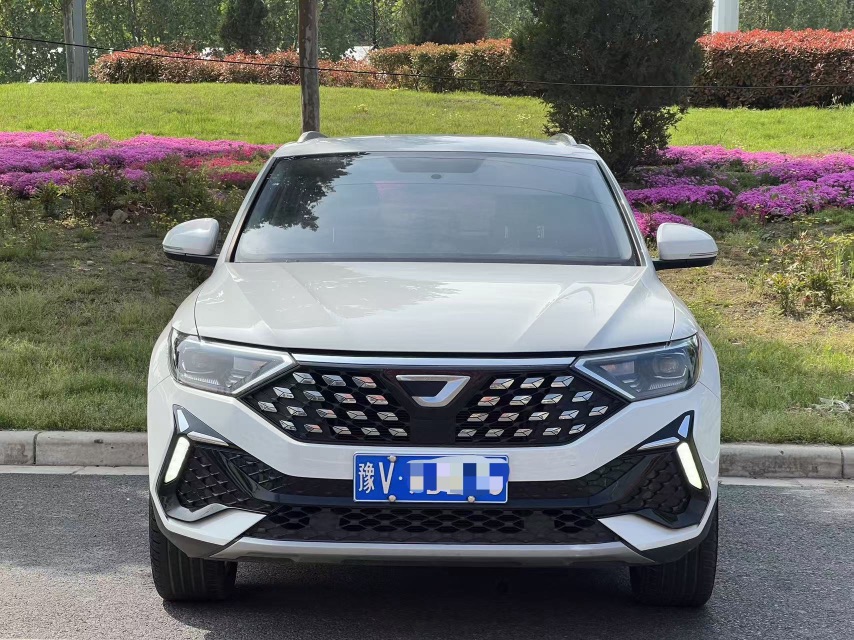
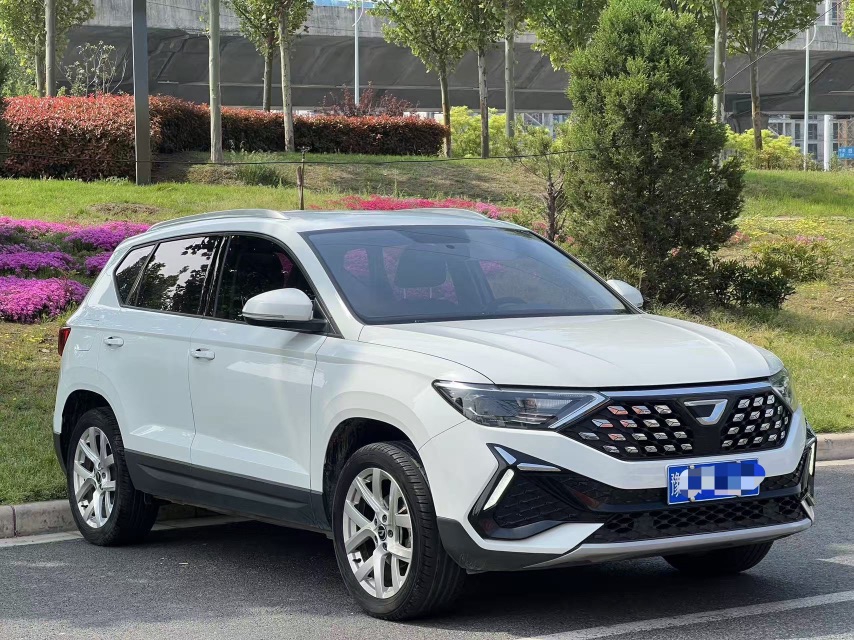
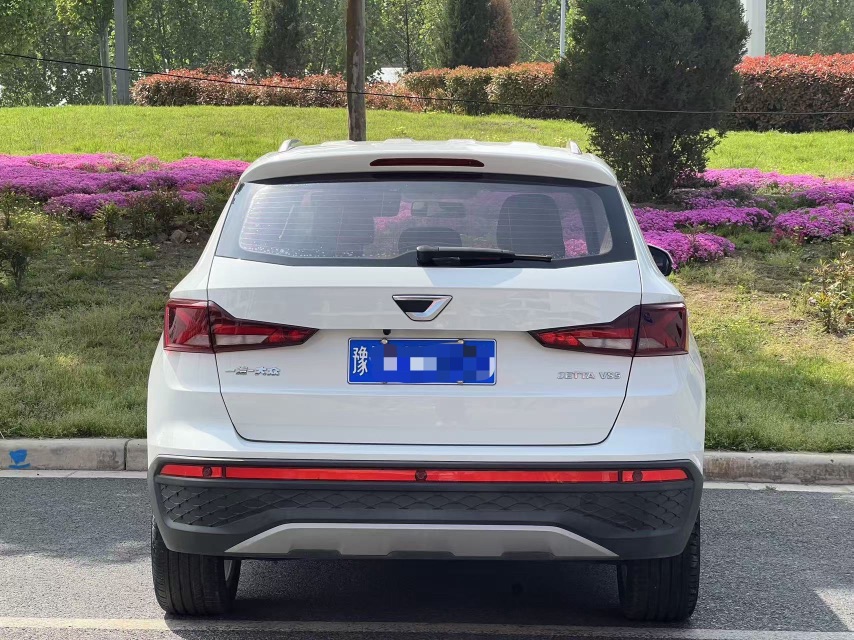
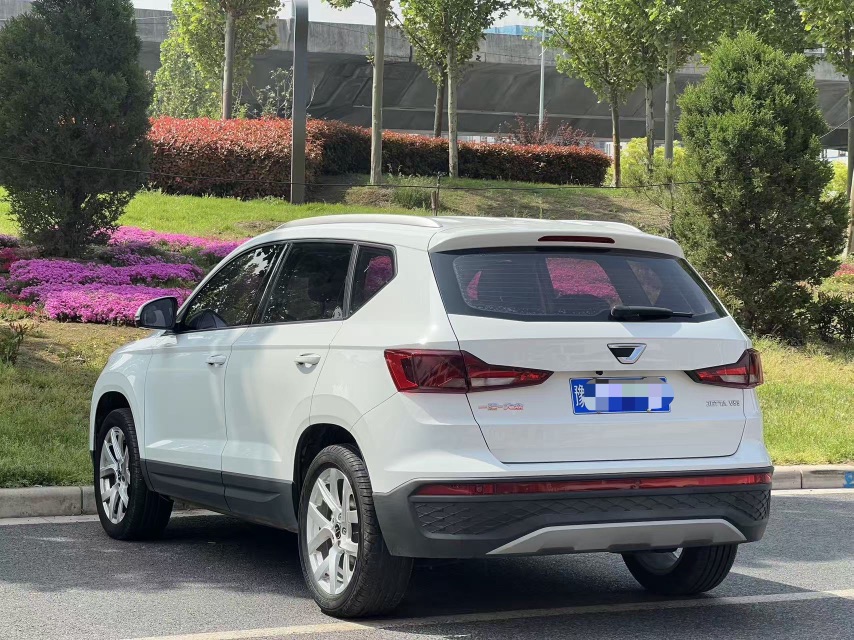
Stock

Basic Information

BrandJetta
SeriesVS5
Year2023
First Registration2023/06
Mileage80,000km
Transfer Count1times
FuelGasoline
TransmissionManumatic
Engine1.4T 150 L4
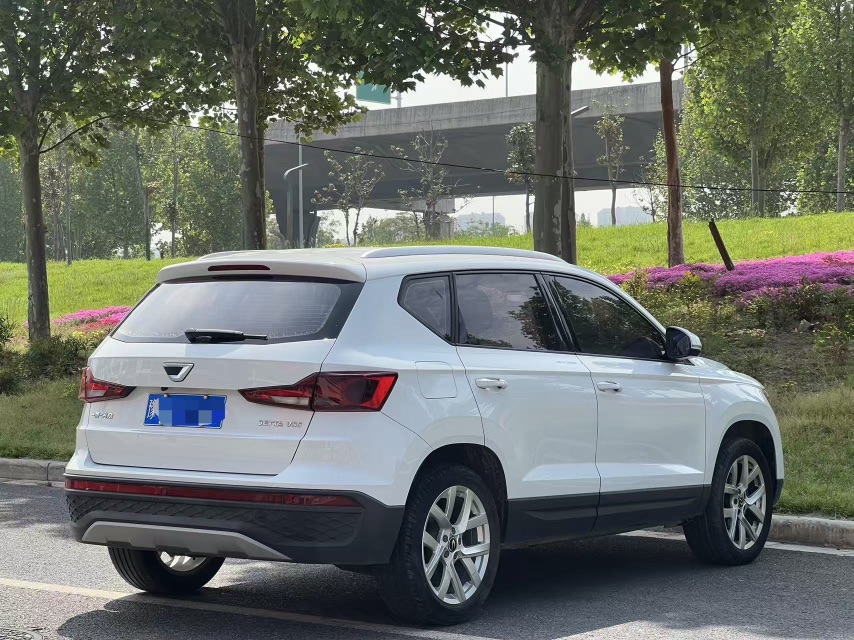
ColorWhite
Seats-

Condition Description

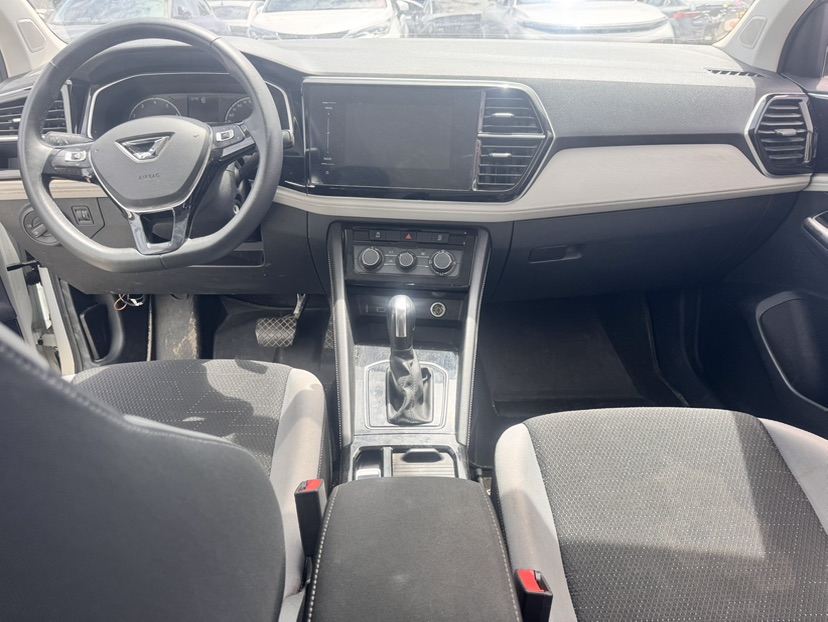
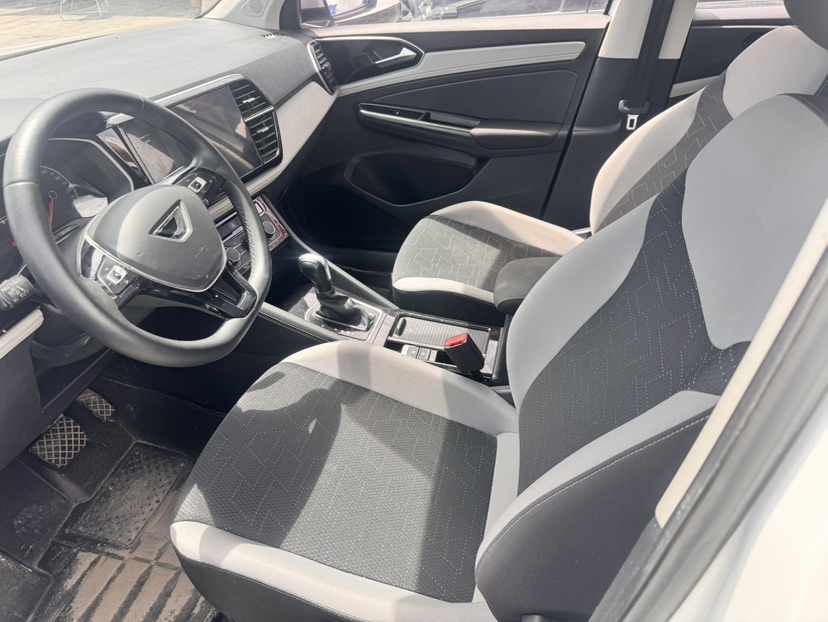
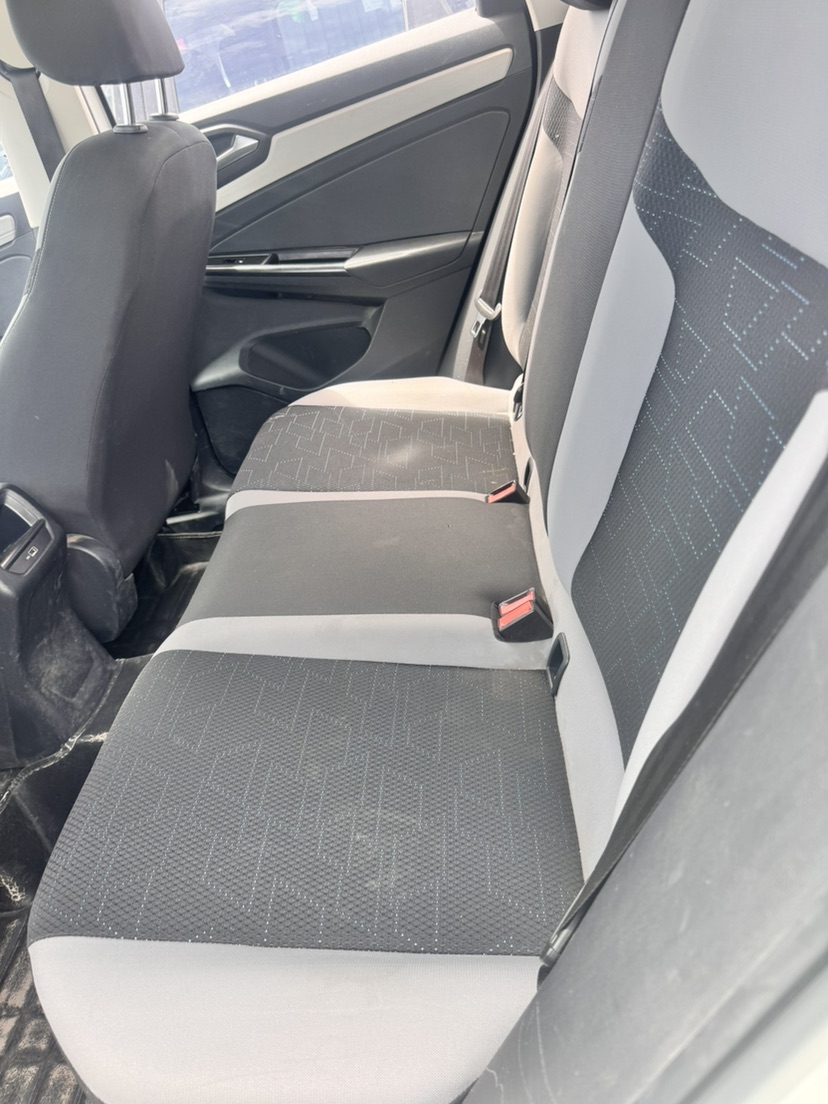
Original paint, verified mileage with a report from a certified source.

燃油车
SUV
自动
维保开放
事故开放
查验开放

Configuration Highlights

品牌: 捷达
车系: 捷达VS5
车型: 2023款 280TSI 自动悦享型
车身类型: SUV
座位数: 5
排量: 1.4T
变速箱: 自动
能源类型: 燃油车
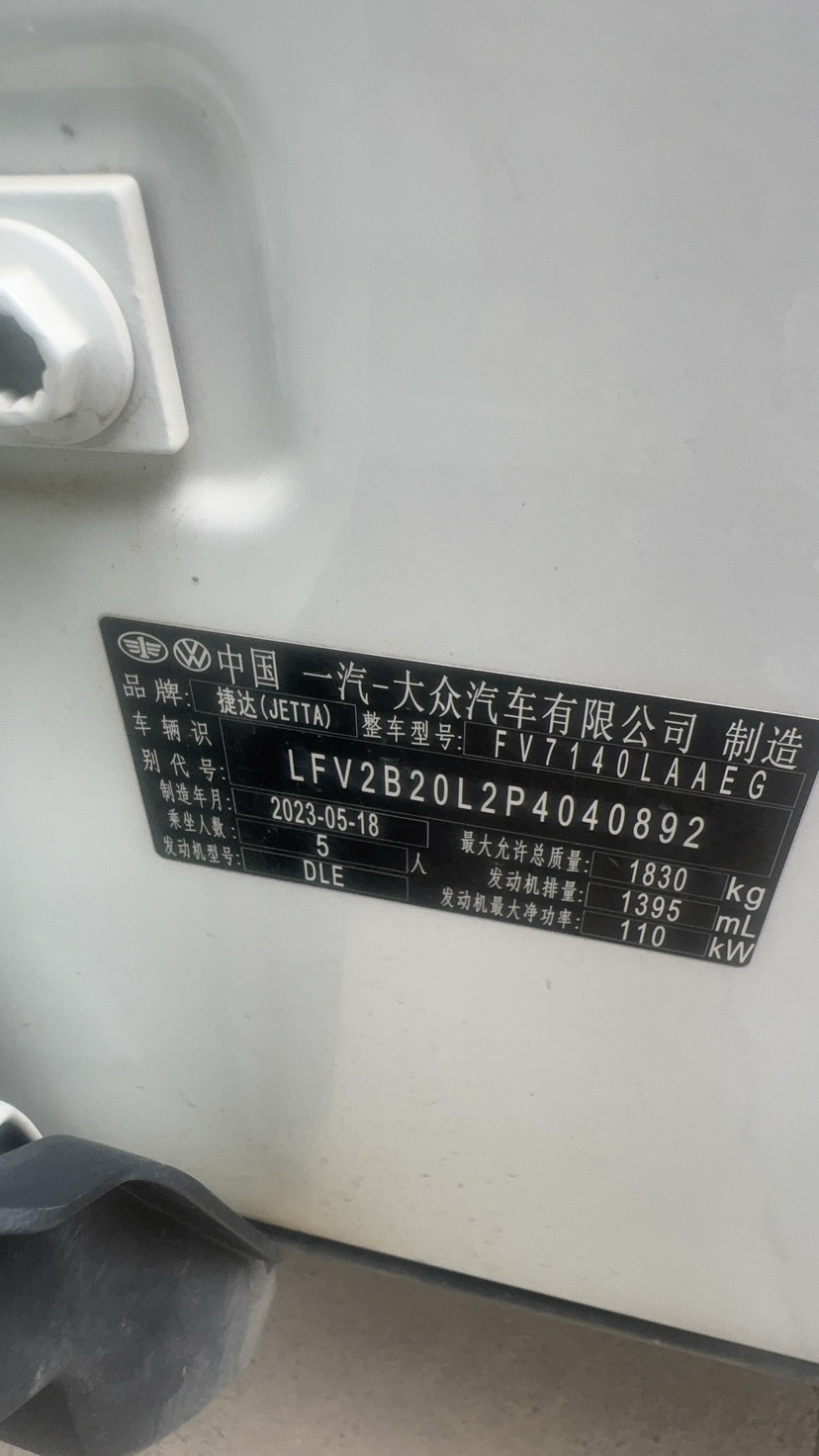
VIN: LFV2B20L2P4040892
搜索关键词: 捷达捷达VS5 2023款捷达VS5280TSI自动悦享型

Document Information

Inspection Expiry Date2027/06
Warranty Expiry Date-
Insurance Expiry Date2026/07

Q&A

More

Why is there a time difference between the production date on the vehicle nameplate and the first registration date on the registration certificate?

The nameplate date is the absolute time when the vehicle leaves the factory; the registration date is when the vehicle is registered with the traffic management department after sale. The difference represents the time the vehicle spent in the dealer's warehouse or logistics. If the time difference exceeds 6-8 months, the vehicle is considered a "stock vehicle," and we pay special attention to the natural aging of its rubber components.

What should I do if a hardware recall for my vehicle model is announced in China while it is being used overseas?

Unfortunately, cross-border used cars are not covered by the manufacturer's free recall. If a physical recall occurs involving safety issues (like brake pump defects), we will notify you and offer improved new batch parts at cost price, but you will need to cover the labor costs for the replacement.

Why are the shipping costs for used electric vehicles (EVs) usually higher than for internal combustion engine vehicles (ICEs)?

Pure electric vehicles are classified as Class 9 Dangerous Goods due to their large lithium batteries, leading to strict shipping regulations. Shipping companies have high requirements for the loading position and fire isolation measures for dangerous goods, and some roll-on/roll-off ships refuse to accept used EVs. As a result, EVs often require more expensive special container shipping and incur additional handling fees for hazardous materials.