Has the vehicle's VIN (chassis number) been polished or altered?
We will carefully check if the chassis number on the windshield, chassis, and door frame matches.
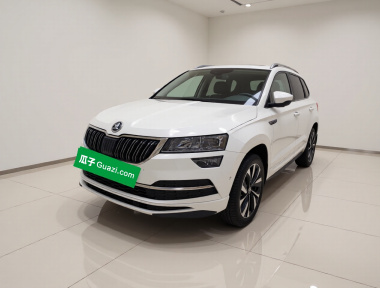
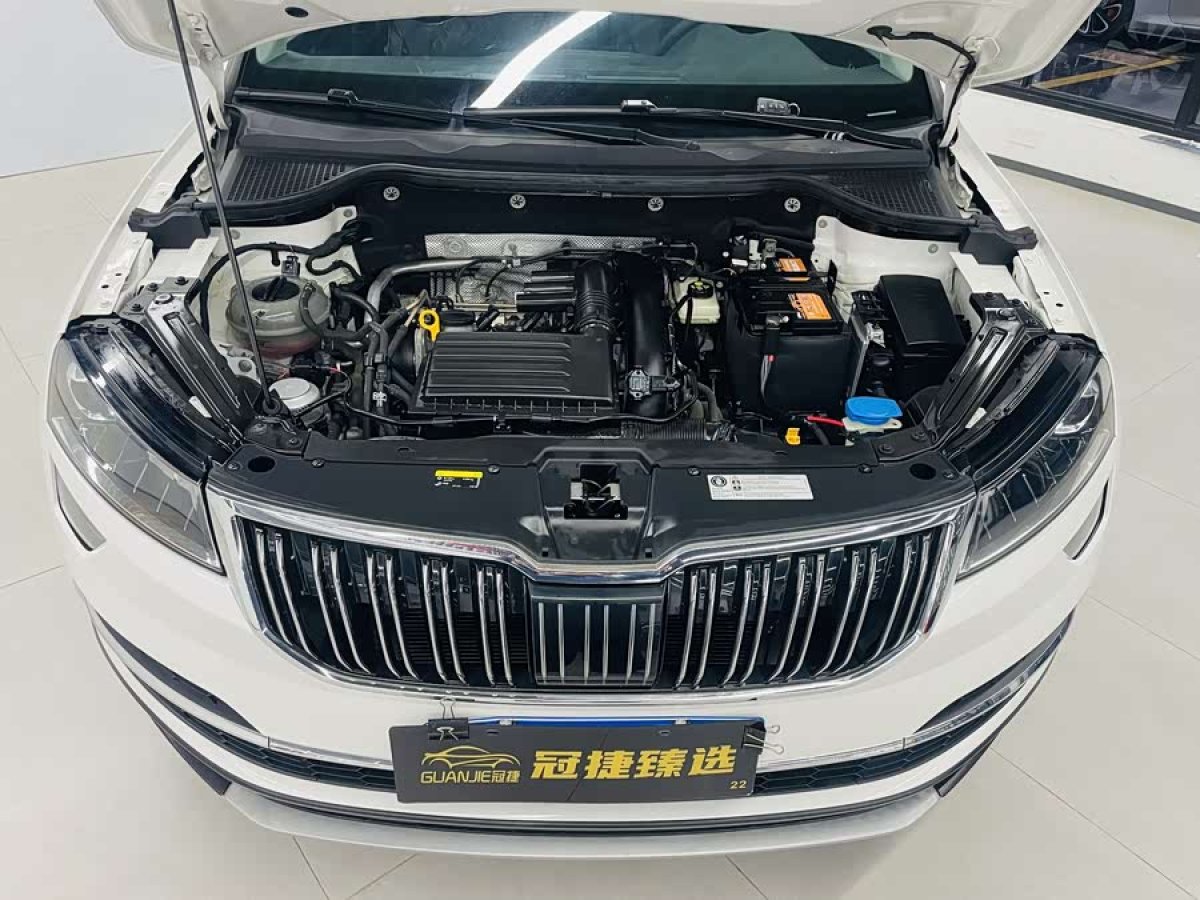
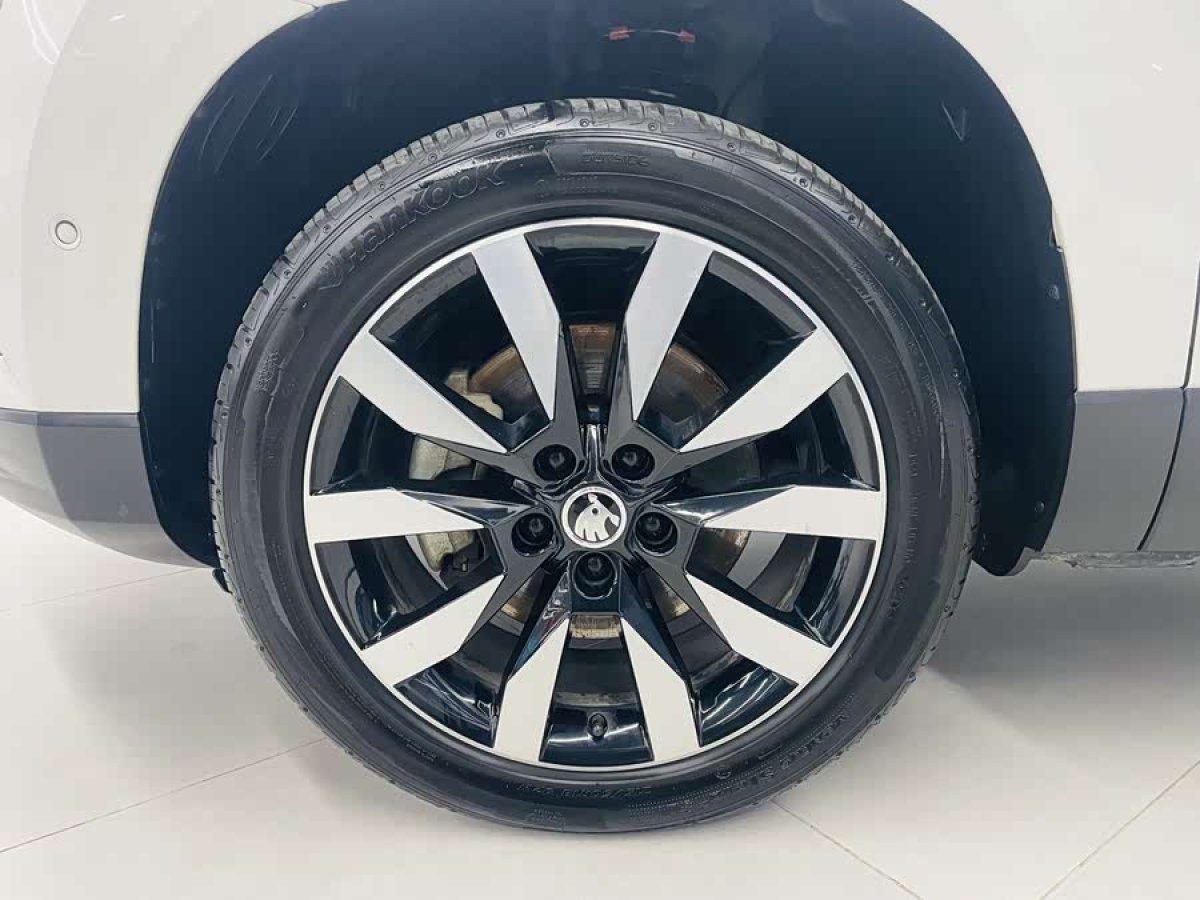
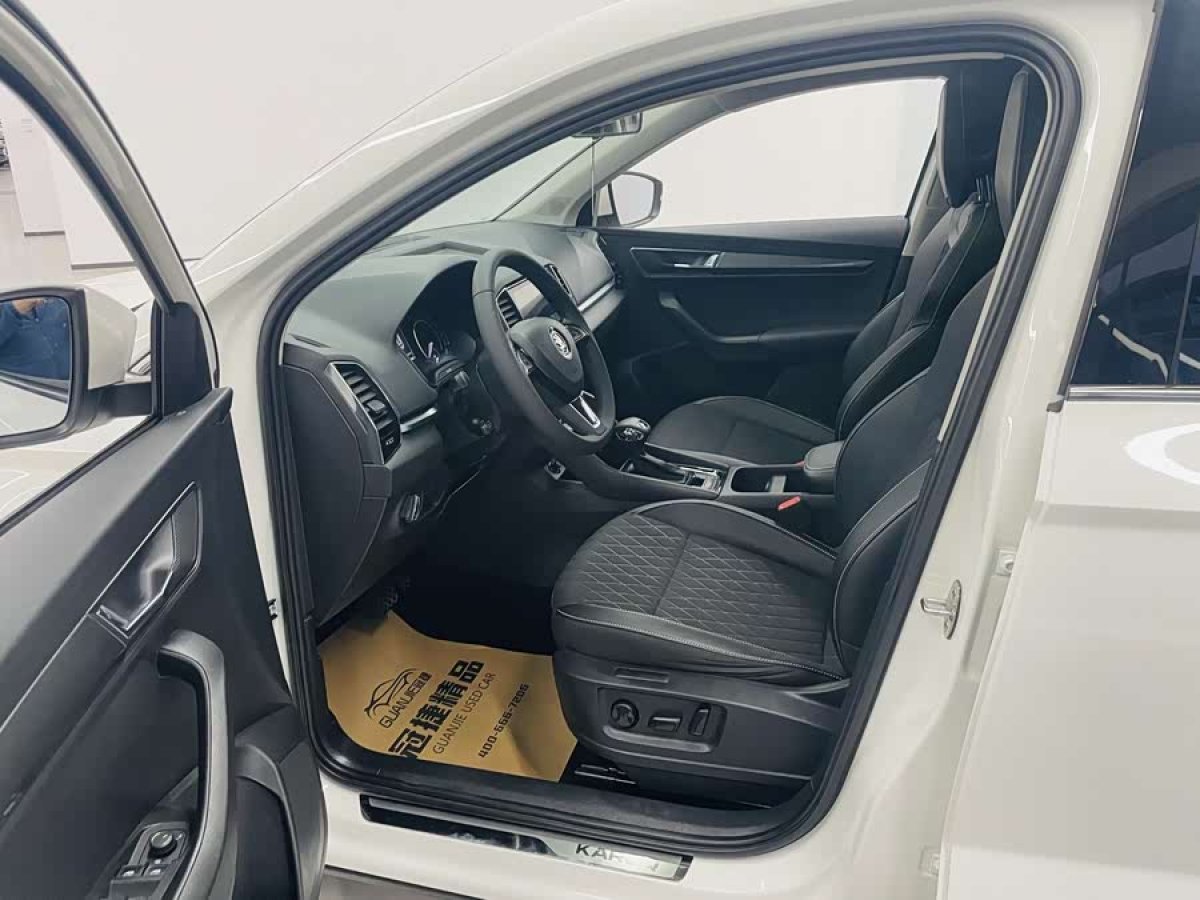
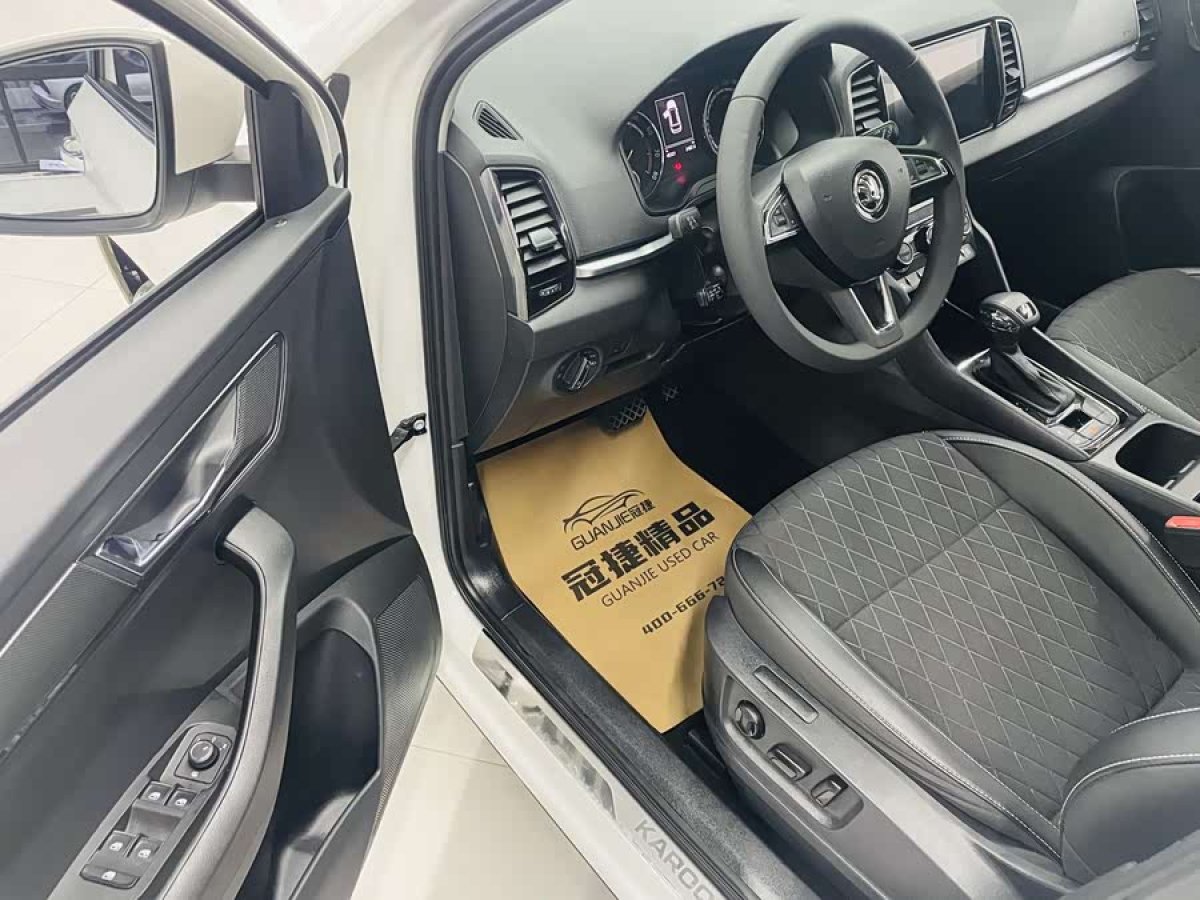
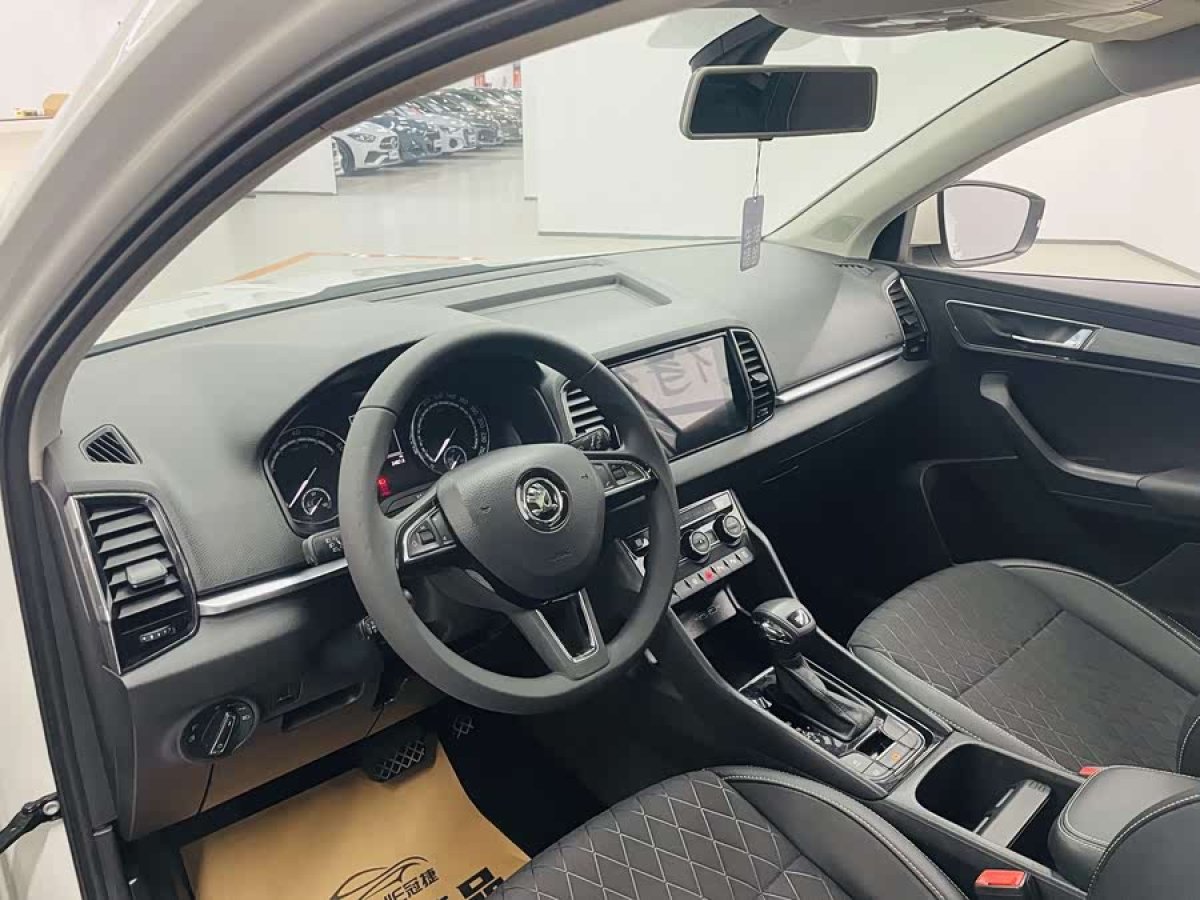
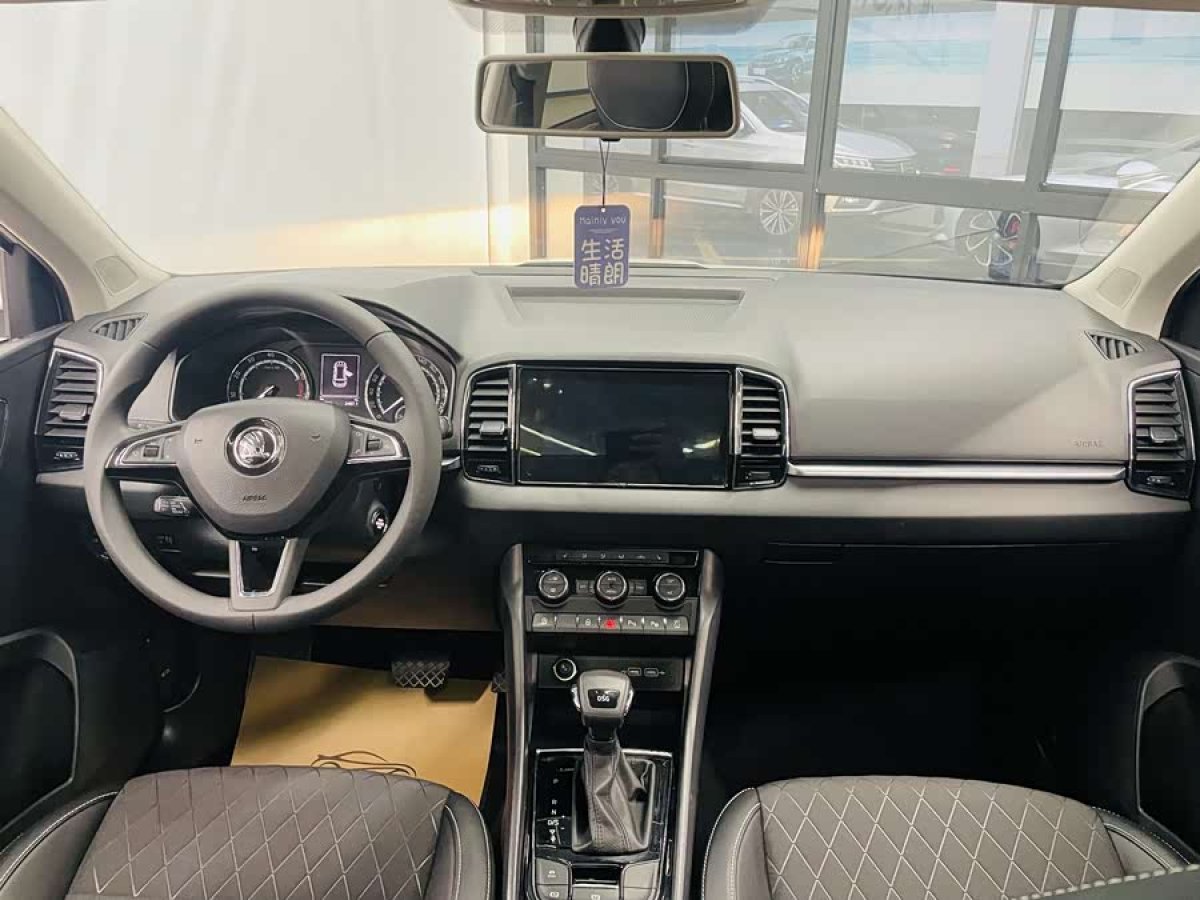
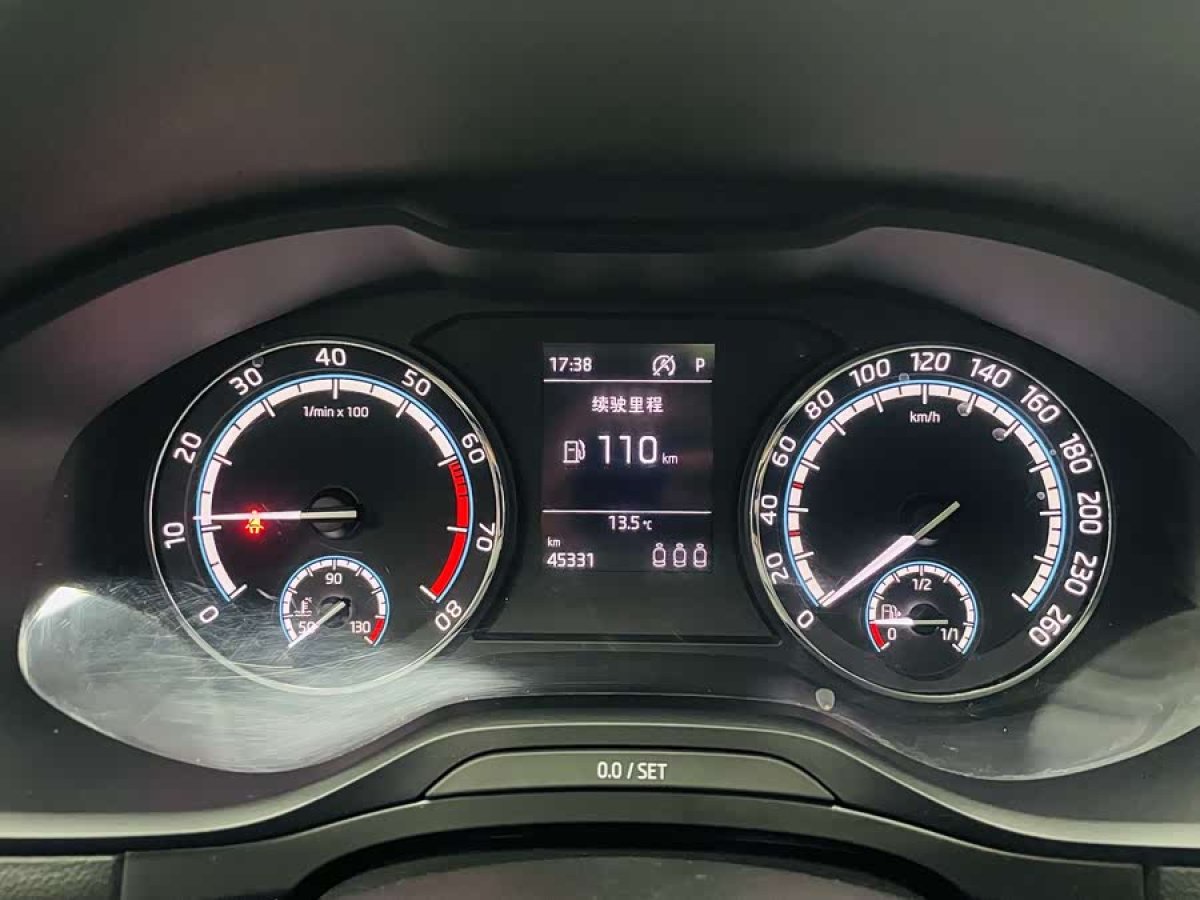
The exterior paint is well-maintained; the body structure shows no signs of repair or major accidents. The interior is clean and tidy. Safety indicator lights are normal; passive safety features such as airbags are in good working order; all electronic components are functioning properly; and both static and dynamic equipment are complete. Driving the vehicle is smooth and efficient, with no issues with ignition, starting, acceleration, cornering, deceleration, or braking. Acceleration is rapid, and power output is smooth and comfortable, with no idling vibration. Overall, the vehicle's condition is fair. The body frame structure shows no deformation or twisting, and there are no signs of fire or water damage. There are signs of repainting, but the overall paint is in good condition, ruling out major accidents. It offers good visibility, a spacious, bright, and well-ventilated interior, making it suitable for family use.
We will carefully check if the chassis number on the windshield, chassis, and door frame matches.
Chinese passenger cars produced after 2005 have fully transitioned to asbestos-free brake pads, clutch plates, and gaskets. However, for export to countries with strict regulations, buyers must pay for sampling and testing by a NATA-accredited laboratory before shipment, and obtain an asbestos-free certificate.
From a technical perspective, China's "National VI B (China VI-b)" is one of the strictest emission standards globally, with limits on carbon monoxide, nitrogen oxides, and particulate matter that are even stricter than some of Europe's Euro VI standards. However, the two are not legally recognized by each other, depending on your country's import regulations.