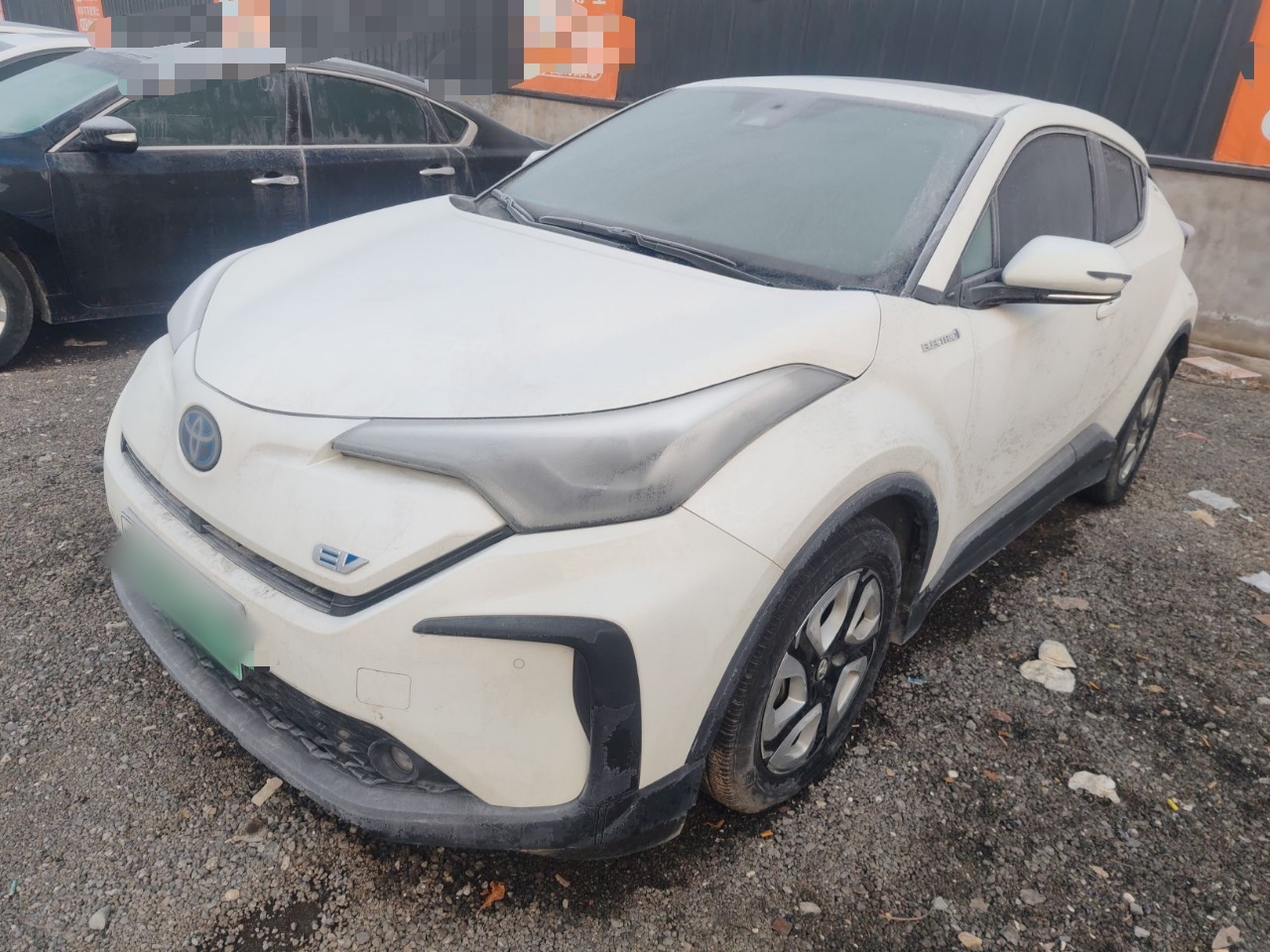
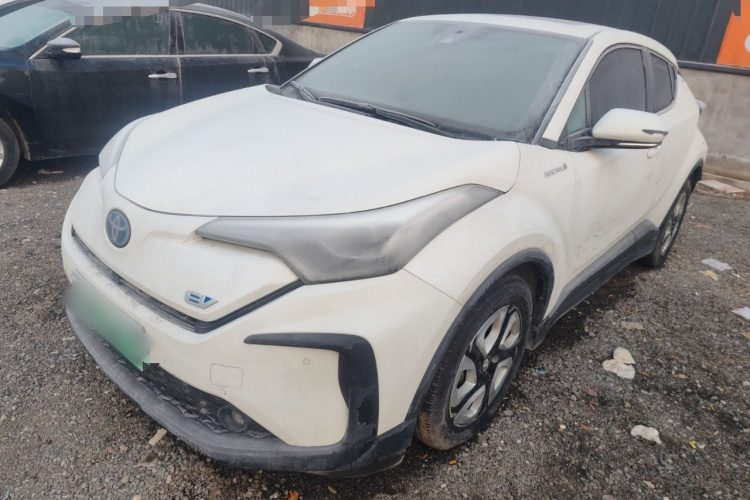
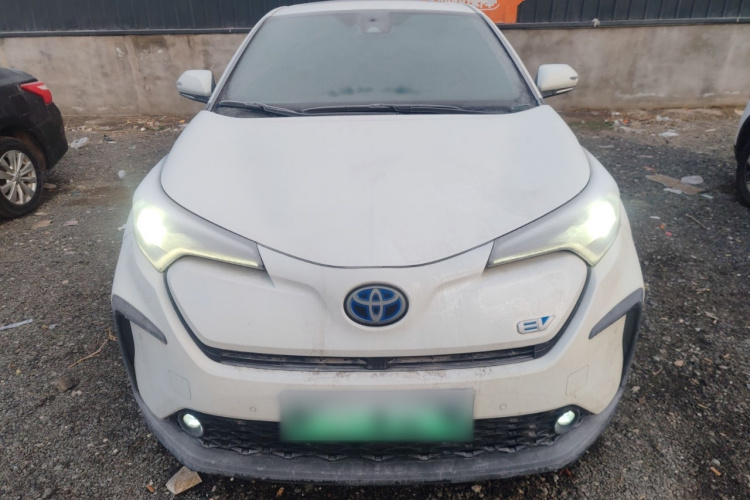
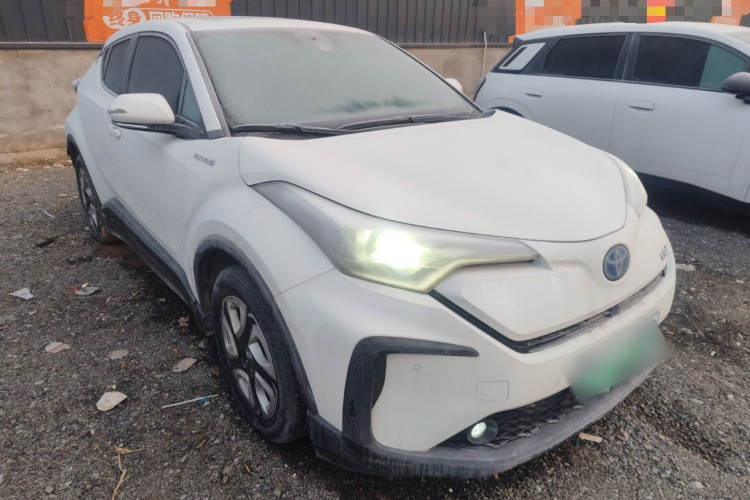
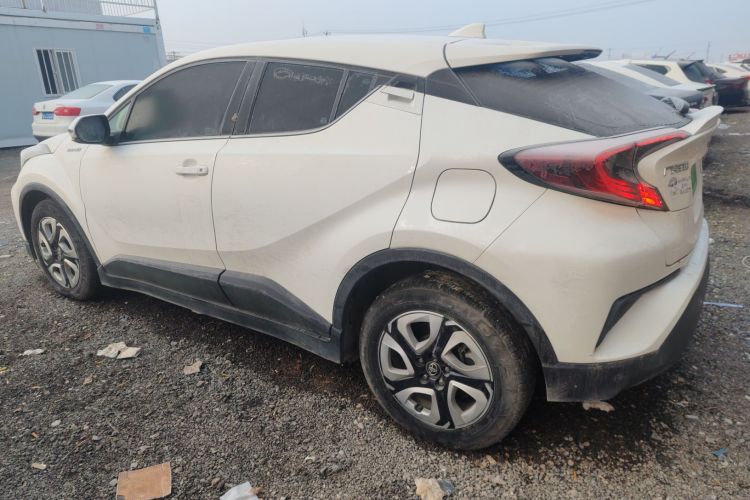
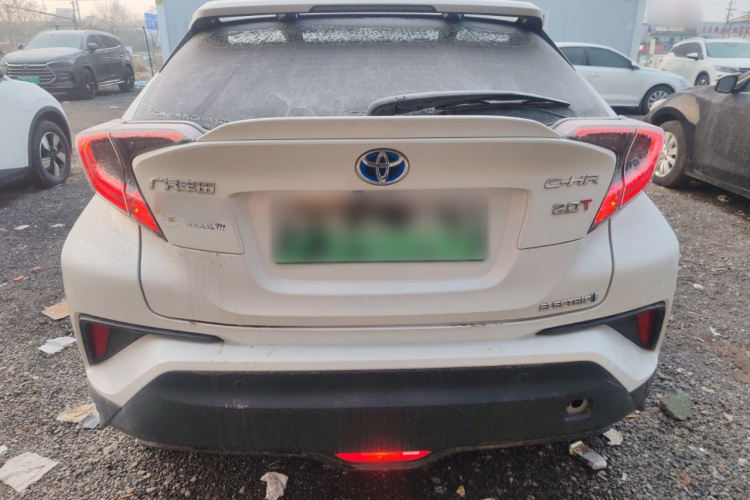
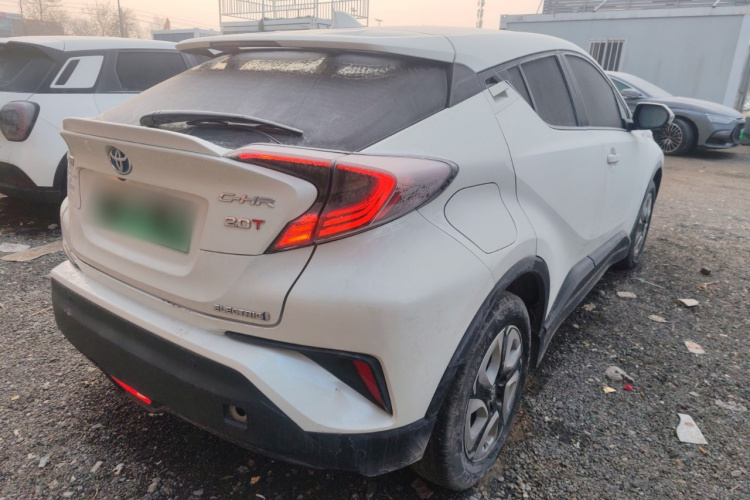
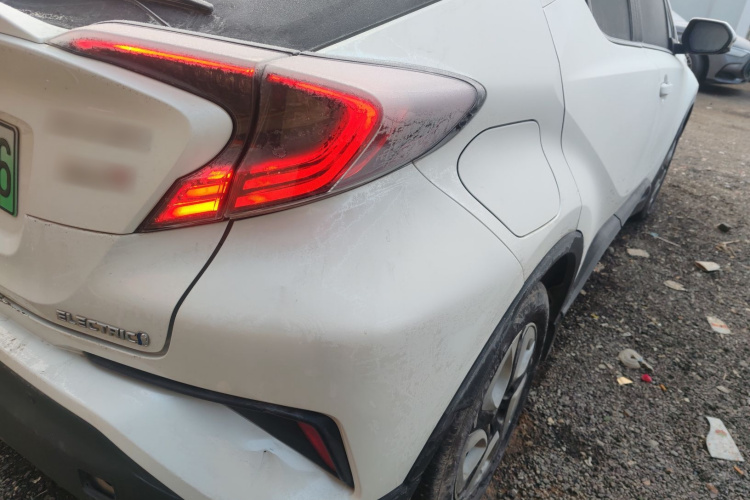
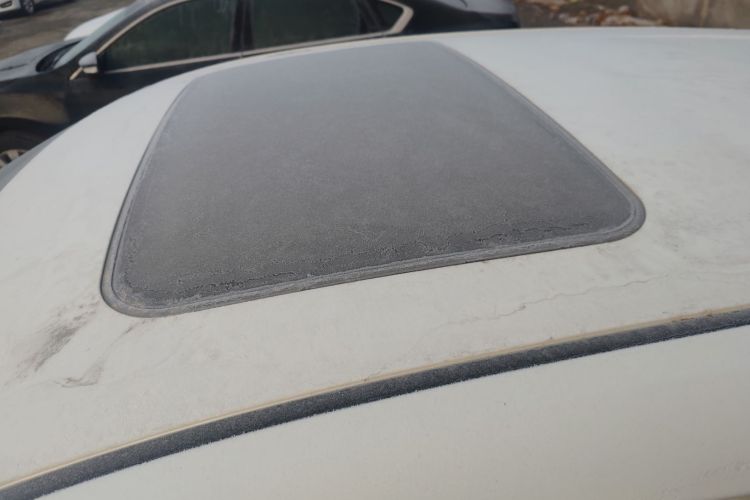
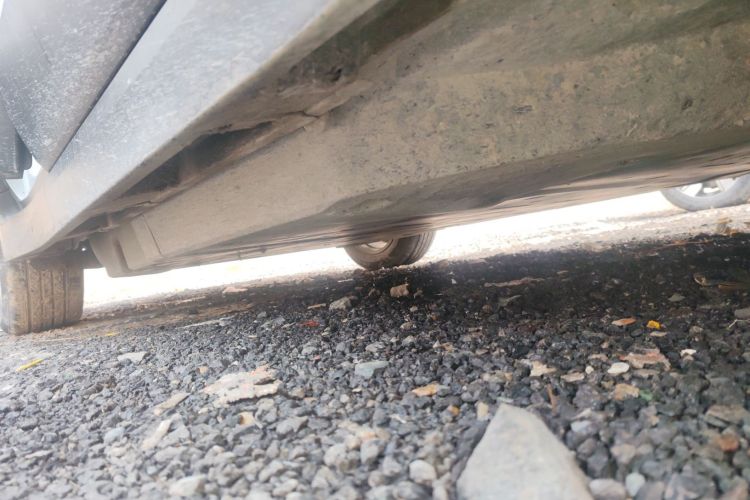
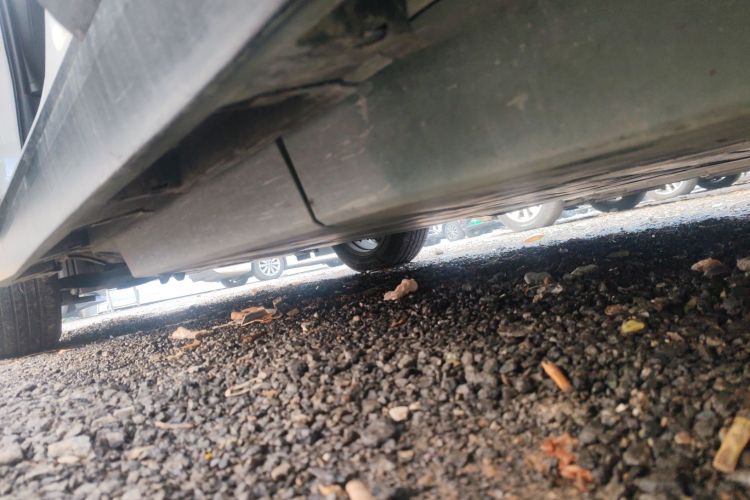
Basic Information

BrandToyota
SeriesC-HR EV
Year2020
First Registration2020/05
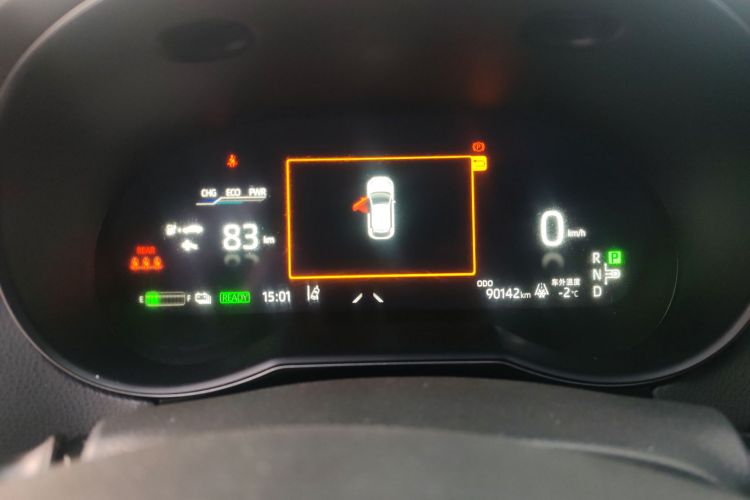
Mileage90,100km
Transfer Count1times
FuelElectric
TransmissionOther
Engine-
ColorWhite
Seats5seats

Condition Description

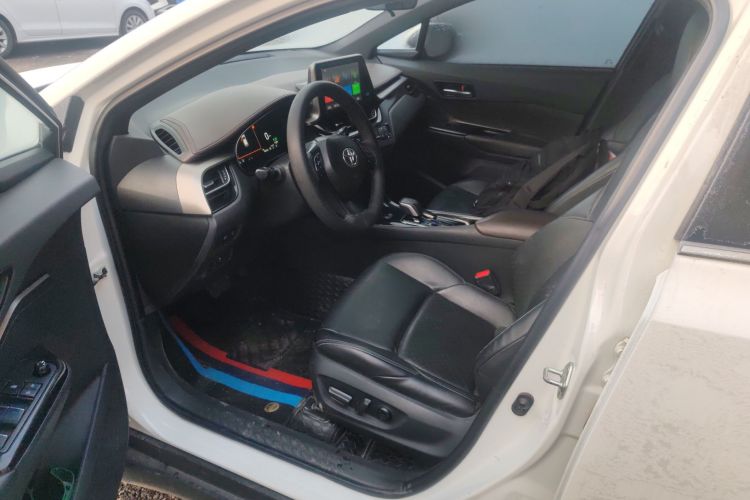
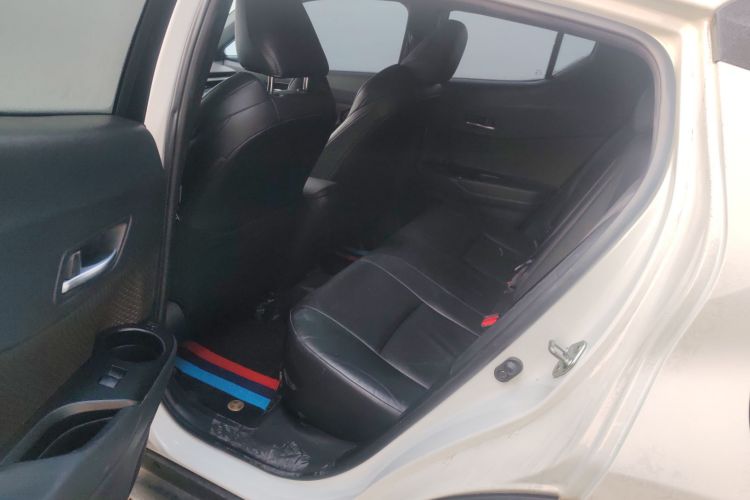
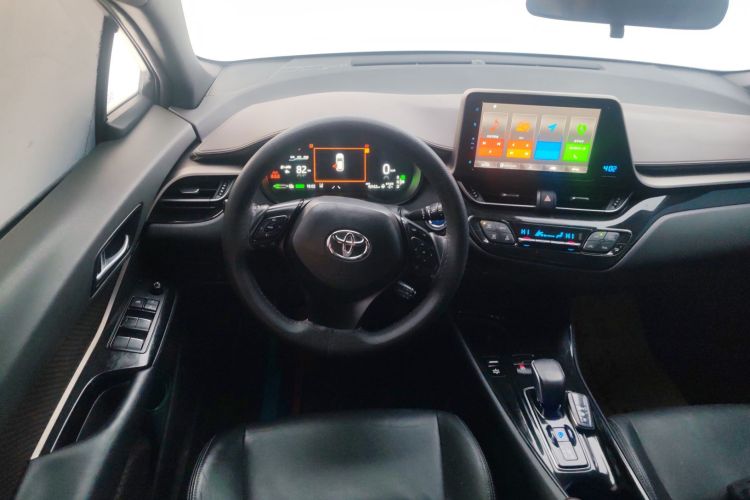
Vehicle condition meets standards; inspection passed; vehicle condition meets standards; 1 claim filed; 1 ownership transfer completed.

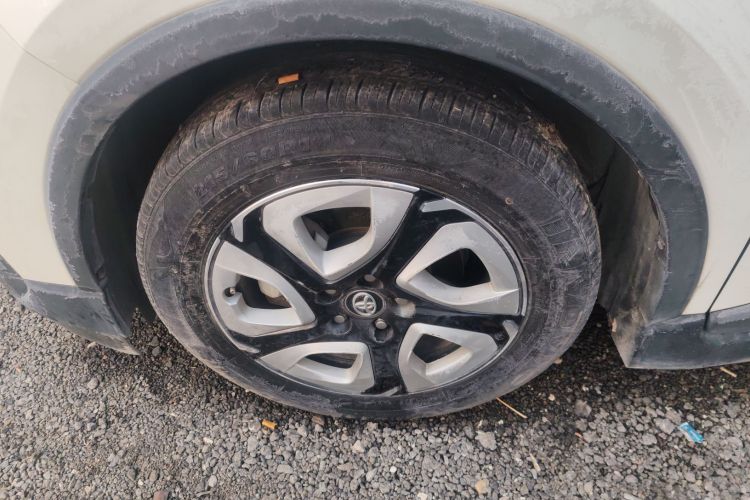
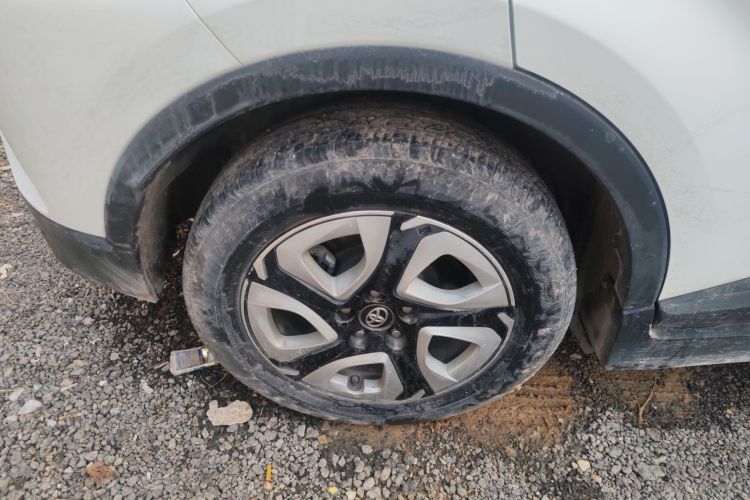
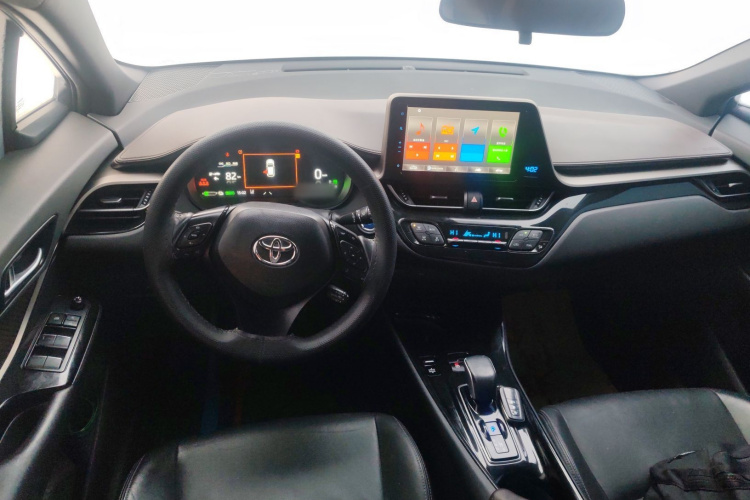
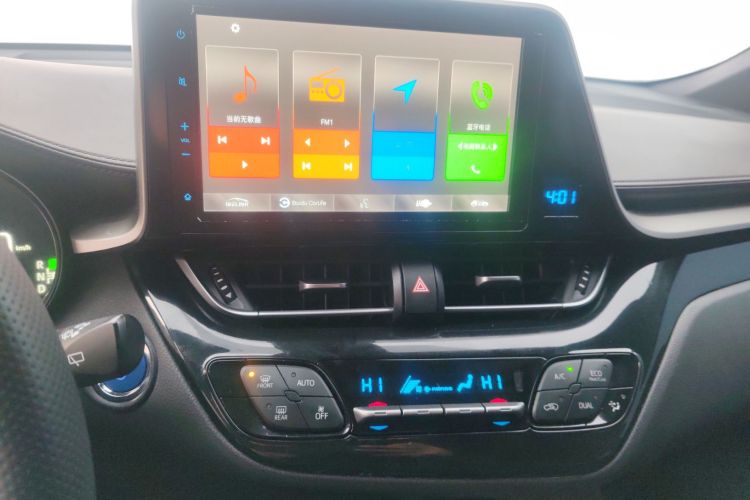
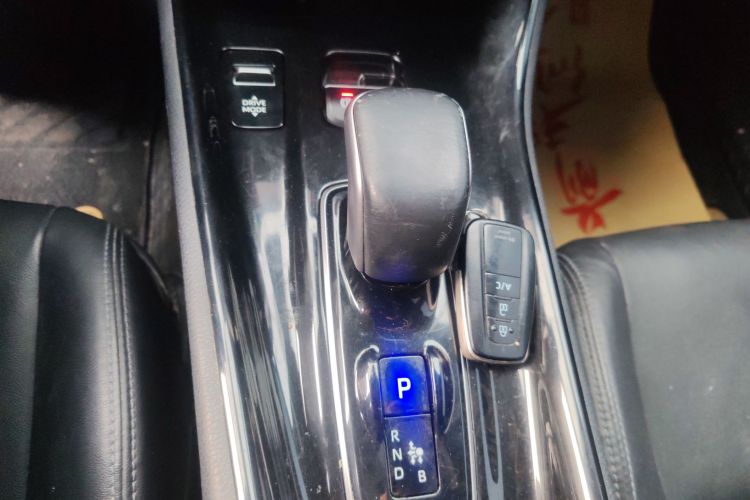
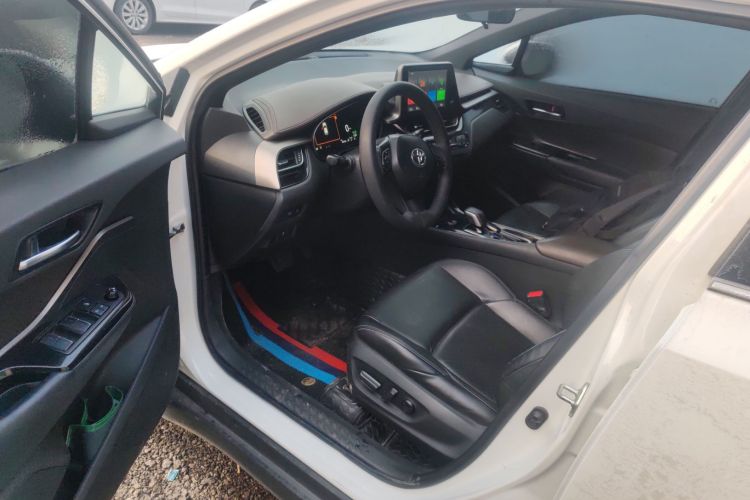
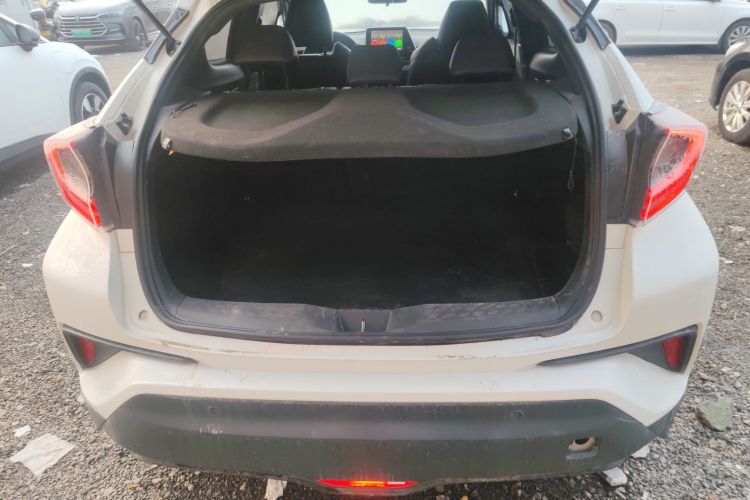
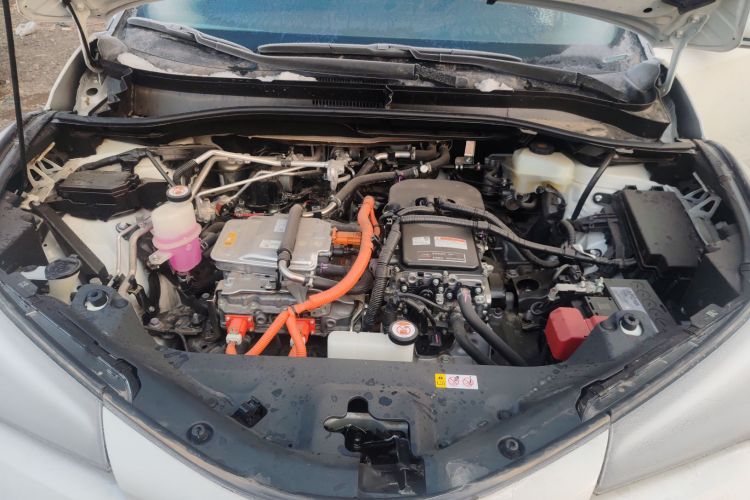
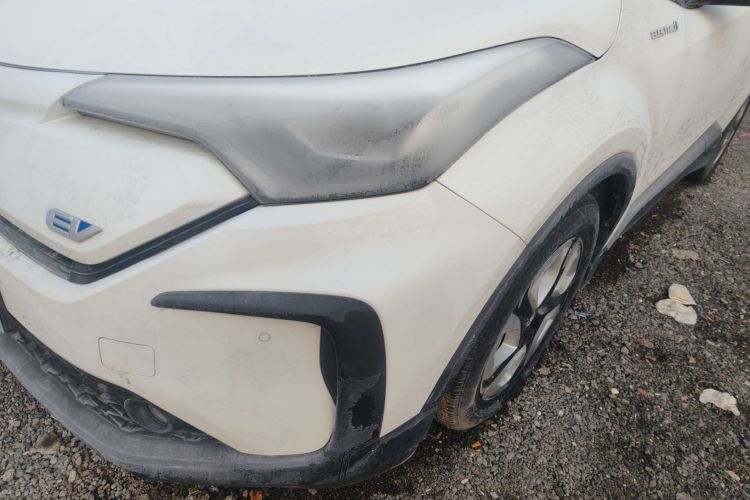
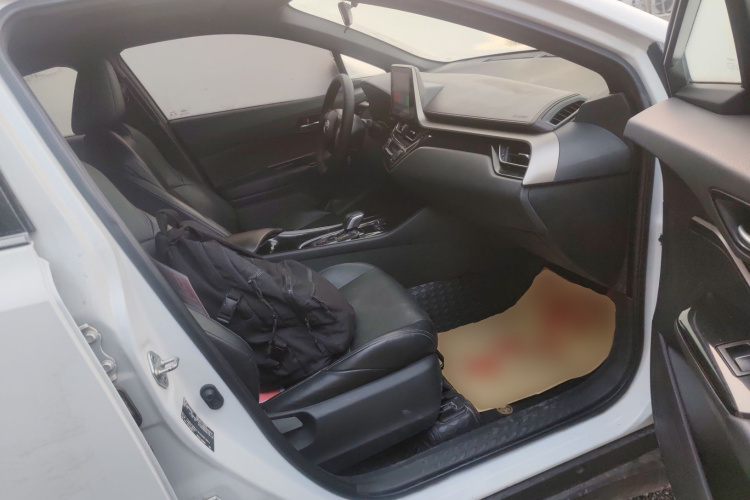
This vehicle is 6 years old, with an average annual mileage of 15,000 kilometers, typical daily family use, and has been transferred once. The exterior may have noticeable signs of wear and tear; the interior shows obvious signs of use or dirt; the overall body frame is intact, but there are a few abnormal issues; the powertrain is functioning normally.

Configuration Highlights

Adaptive Cruise Control
Adaptive Headlights
Lane Departure Warning
Digital Instrument Cluster
Knee Airbags
Smartphone Connectivity
High Beam Assist
Front Radar
Auto Hold
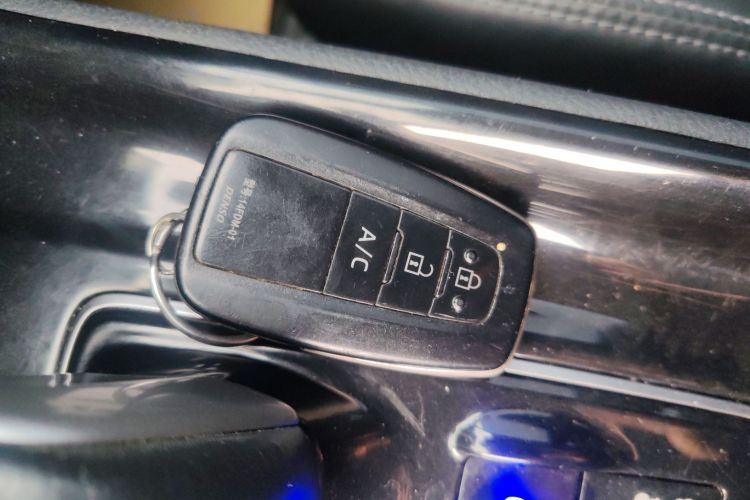
Keyless Entry
Backup Camera
High-definition Low Beam
Power Seats
Auto Headlights
Keyless Start
Tire Pressure Monitoring
Hill Start Assist
Rear Parking Sensors
Anti-pinch Windows

Q&A

More

How to confirm that the car windows are all original factory parts and not replaced due to an accident?

The technician will check the production date codes and brand logos in the lower left corner of all the car's glass (including the windshield, four doors, and rear window) to see if they match the vehicle's factory date on the nameplate. If any glass is found to have a date later than the vehicle's production date, it will be recorded as evidence of a "previous damage replacement."

How is the degree of wear on the interior defined? (e.g., steering wheel, seat patina or cracking)

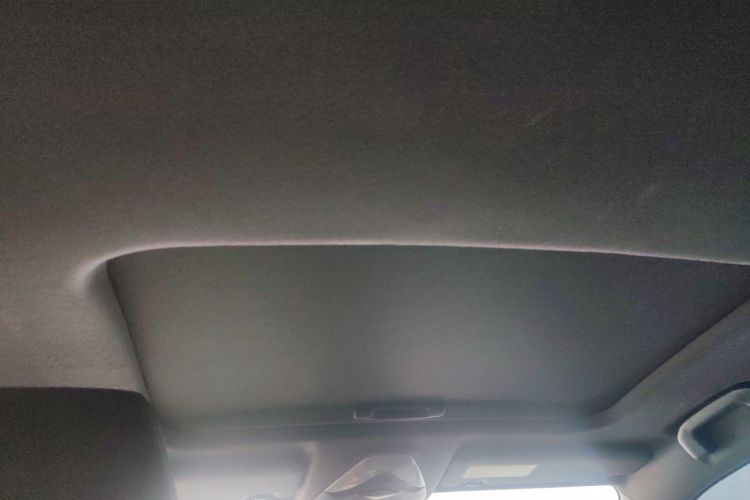
Interior assessment is divided into three core areas: the driver's high-frequency contact area (steering wheel, gear shift, edge of the driver's seat), central control button area, and rear seats and ceiling. The natural sheen of leather surfaces (patina) is normal; however, any physical damage (such as leather tearing, fabric burn holes, or plastic breakage) will be classified as "structural interior damage" and clearly marked.

When shipping by RoRo vessel, is the "Terminal Handling Charge (THC)" at the destination port prepaid by your freight forwarder or paid by the buyer upon arrival?

Under international practices and our standard CIF/FOB terms, the THC at the port of origin (China) is borne by the seller; all THC and port miscellaneous charges incurred at the destination port during unloading are to be paid by the buyer (consignee) upon local customs clearance and pickup.

Toyota C-HR EV

丰田C-HR EV 2020款 尊贵天窗版

EXW: $10,388
Car CodeSWA1591784
Publish Date