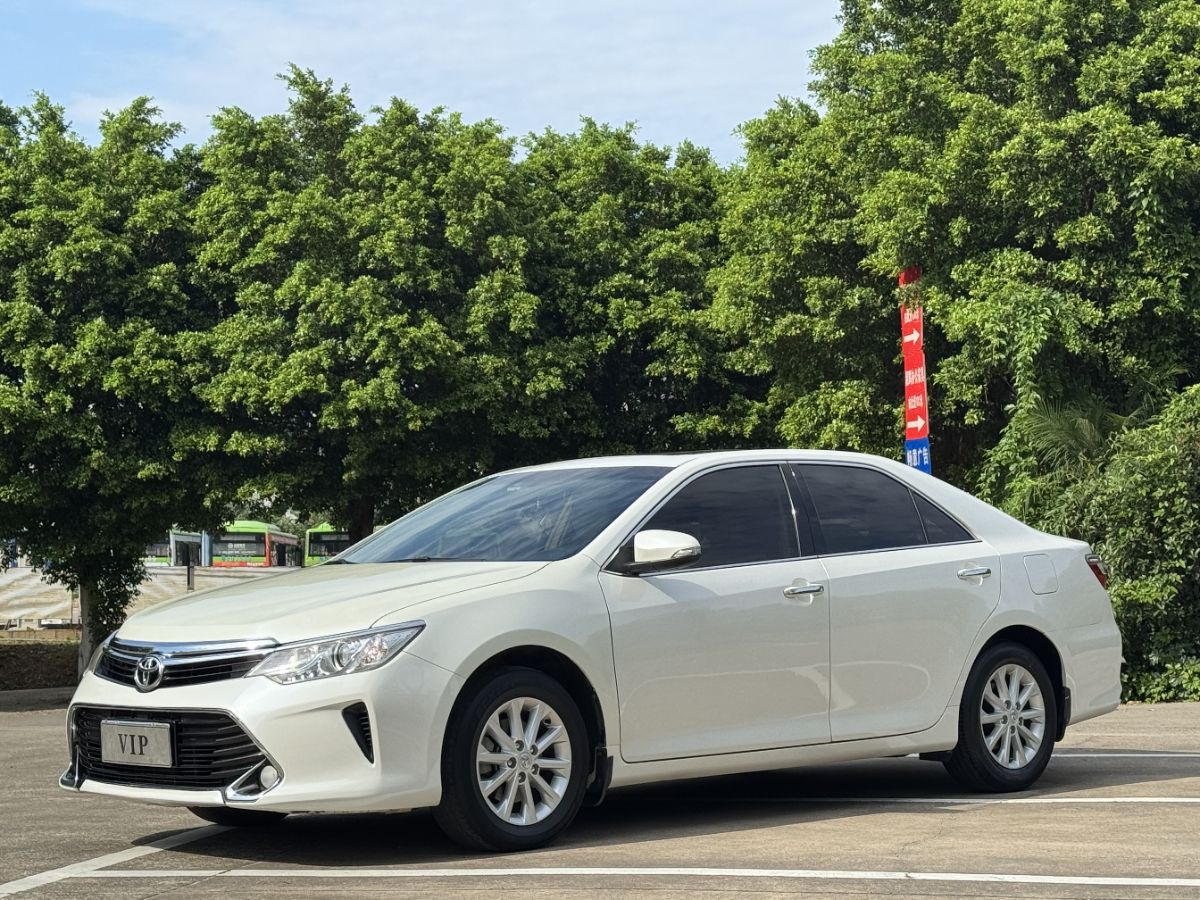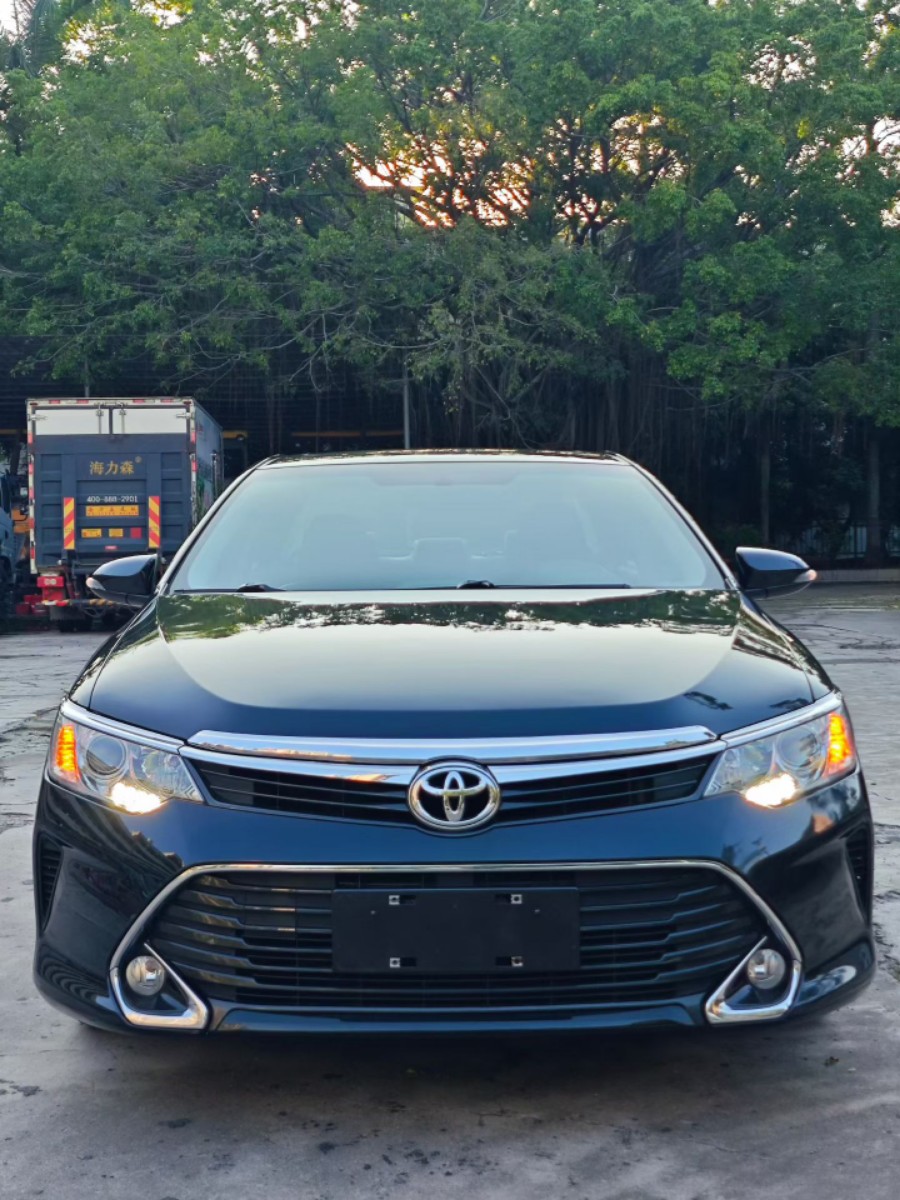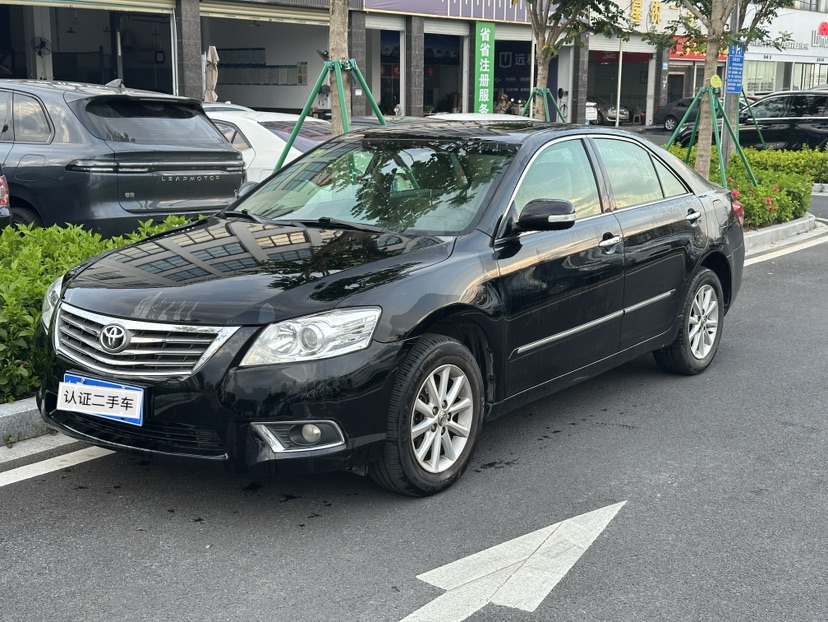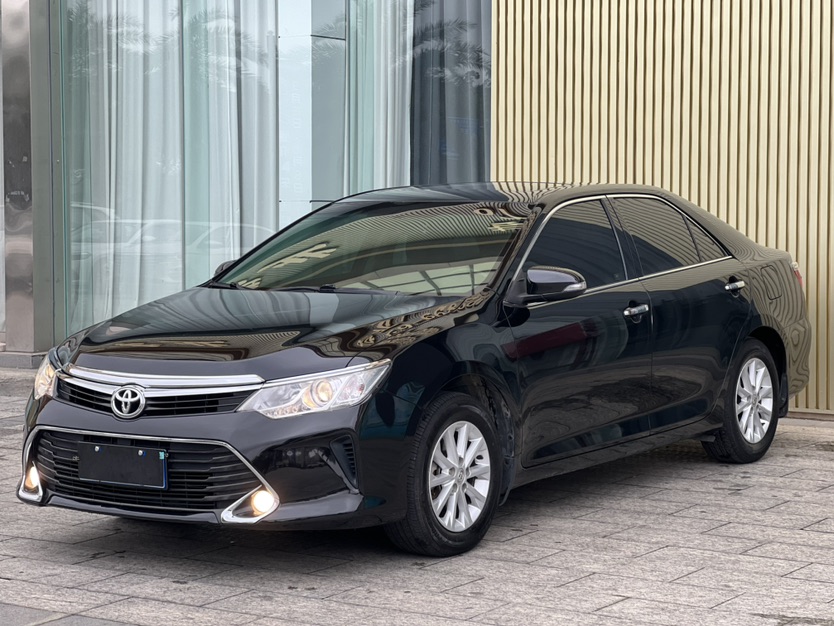
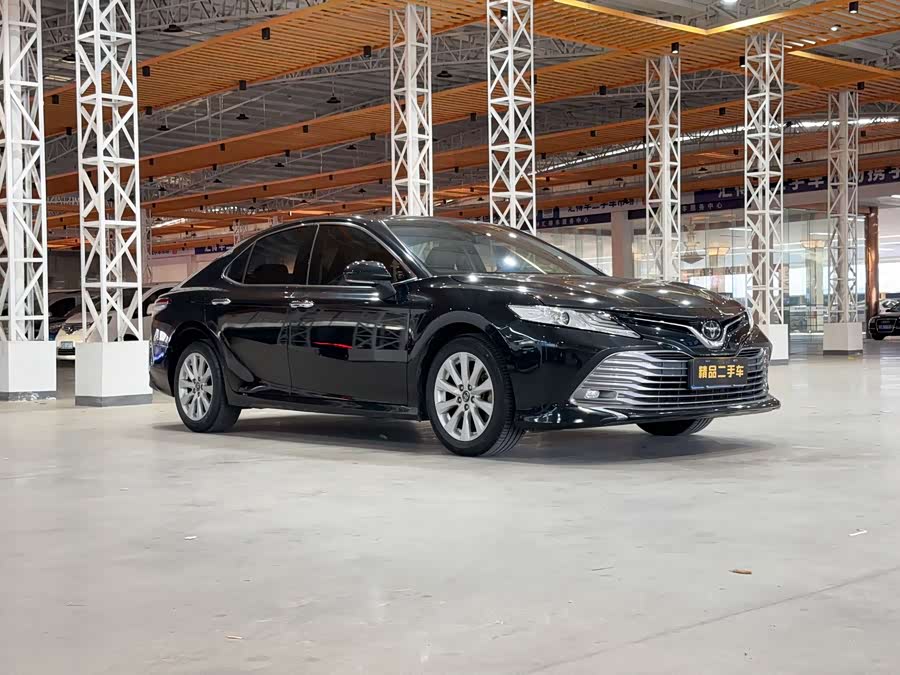

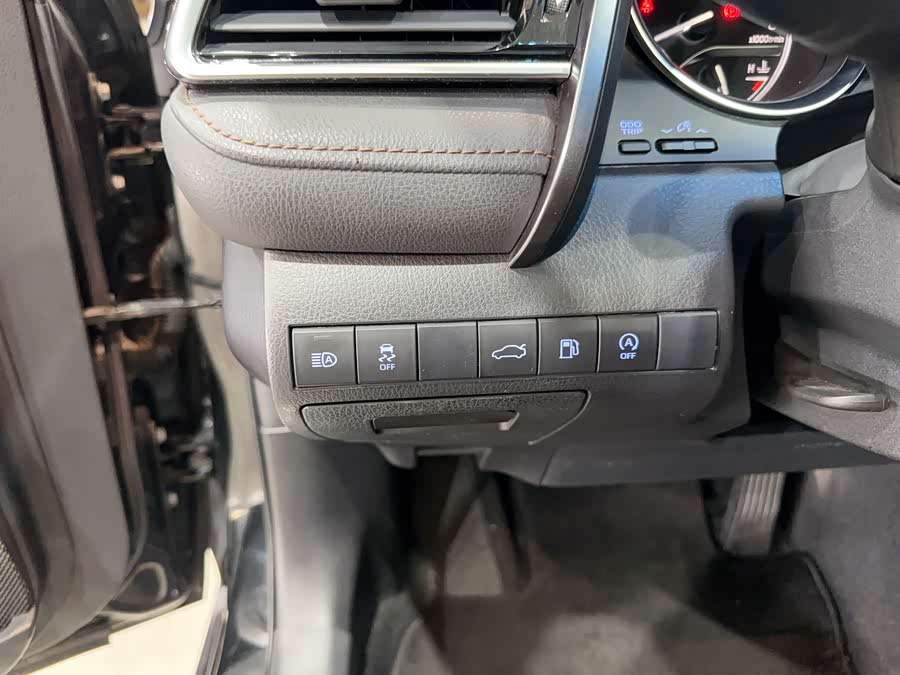
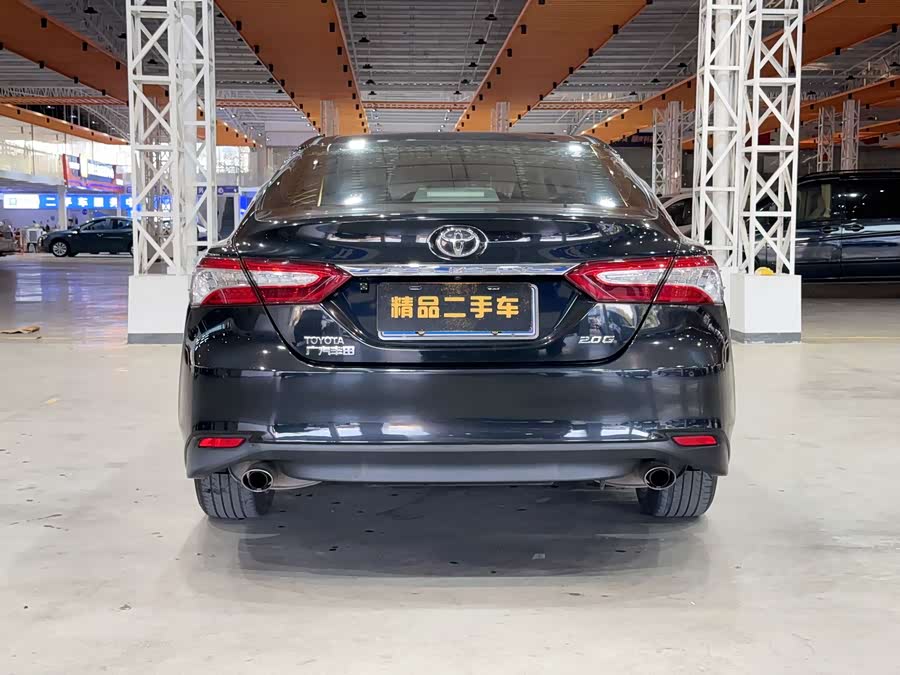

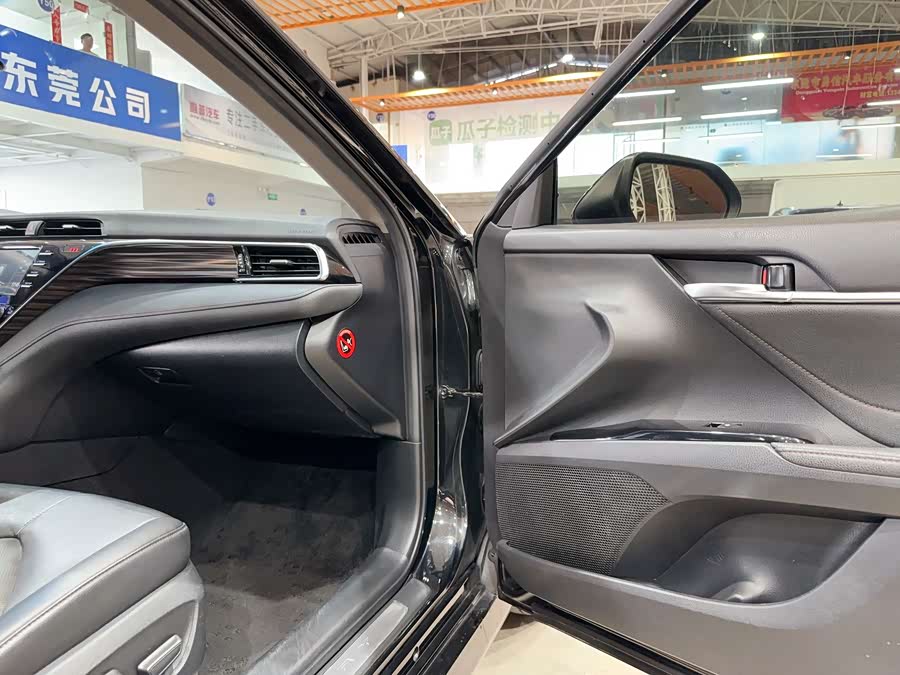
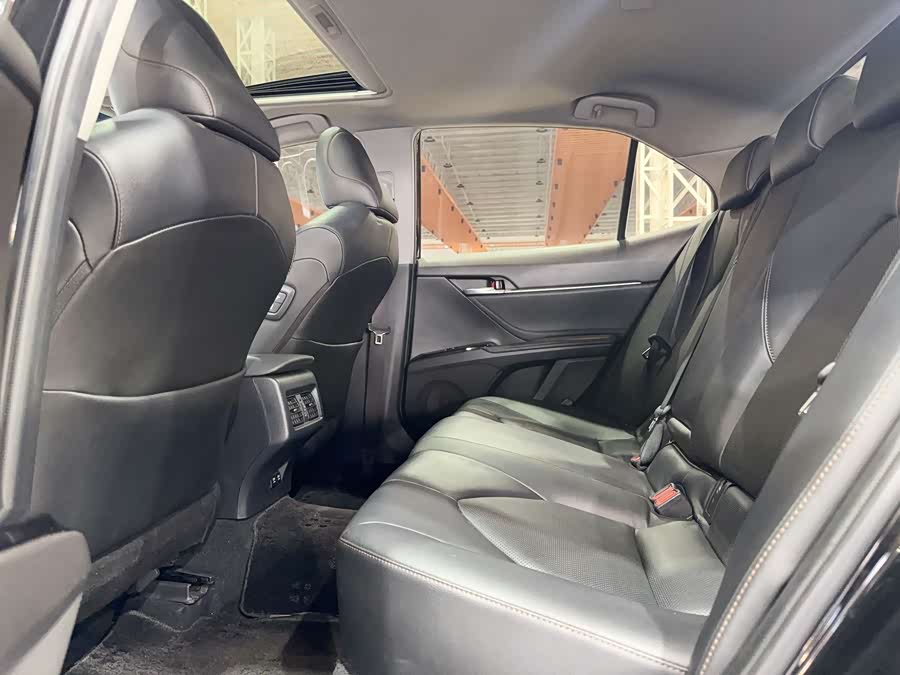
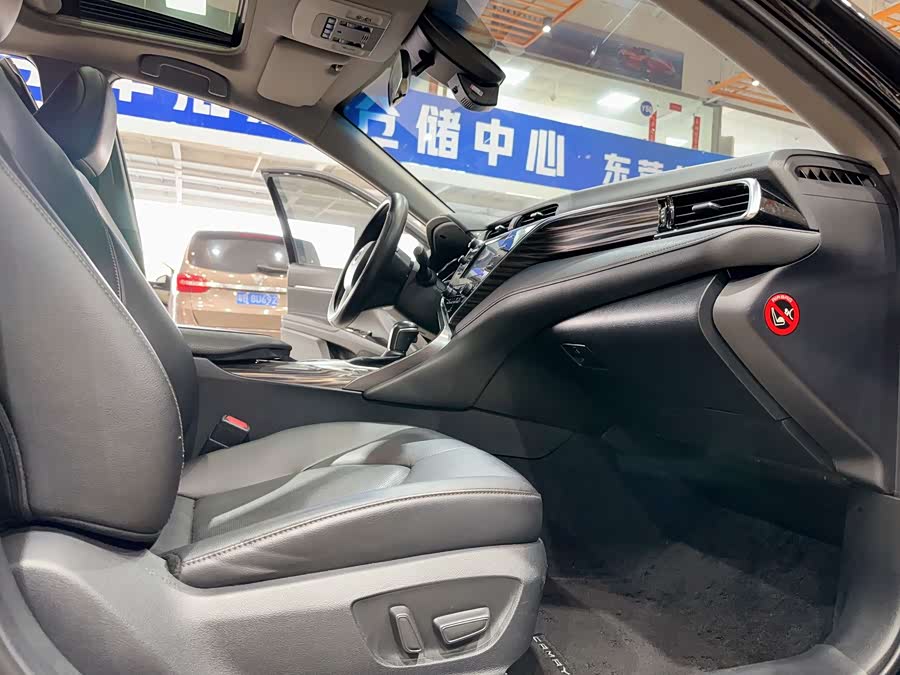
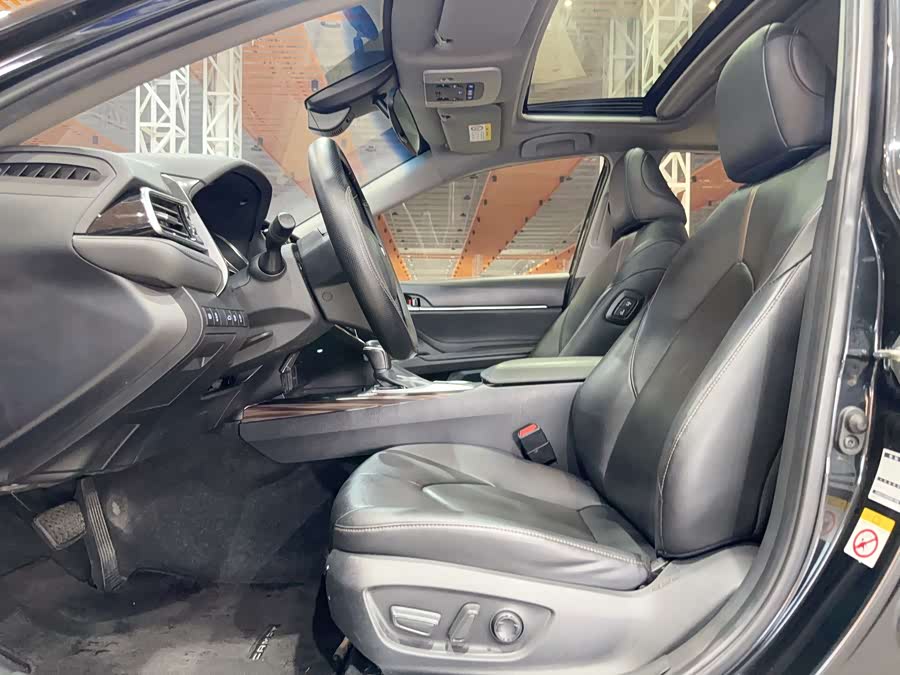
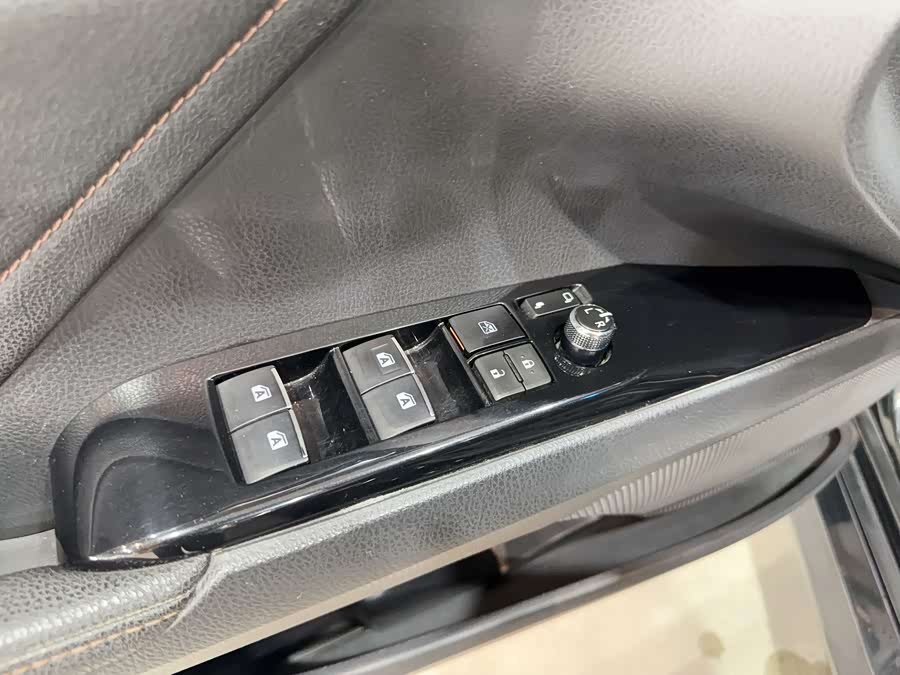
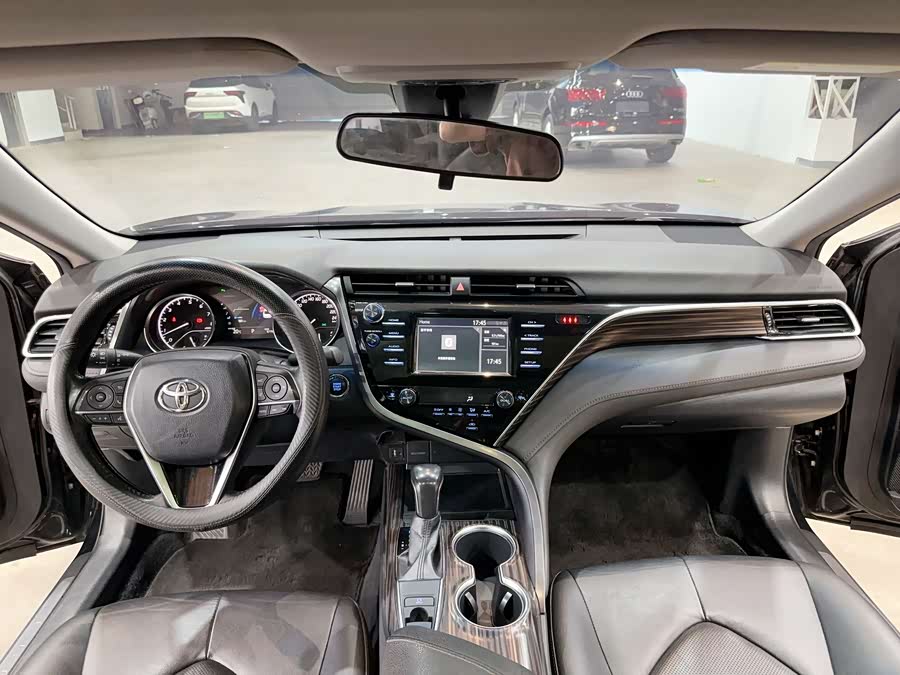
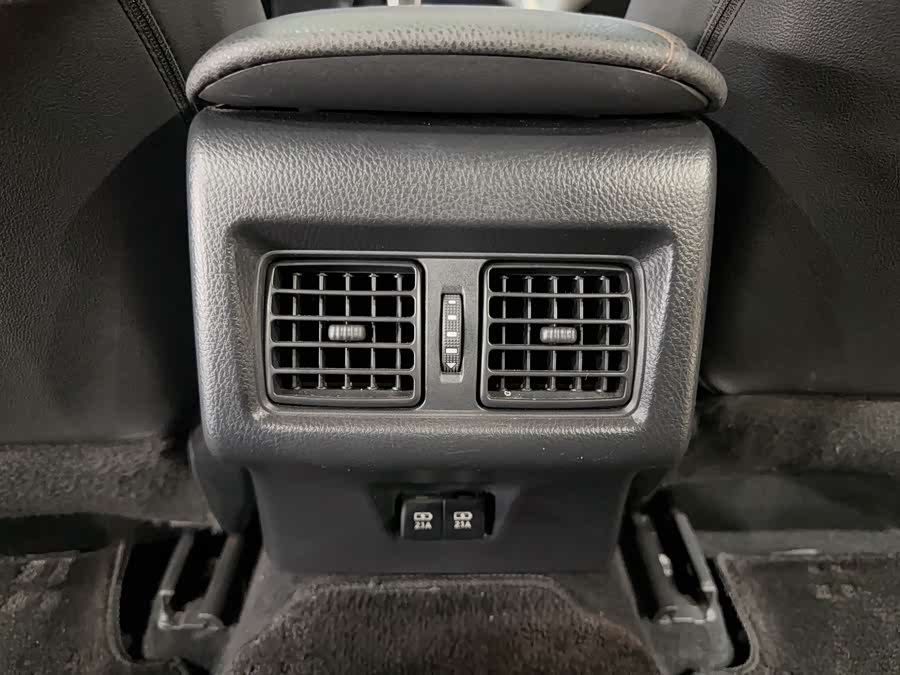
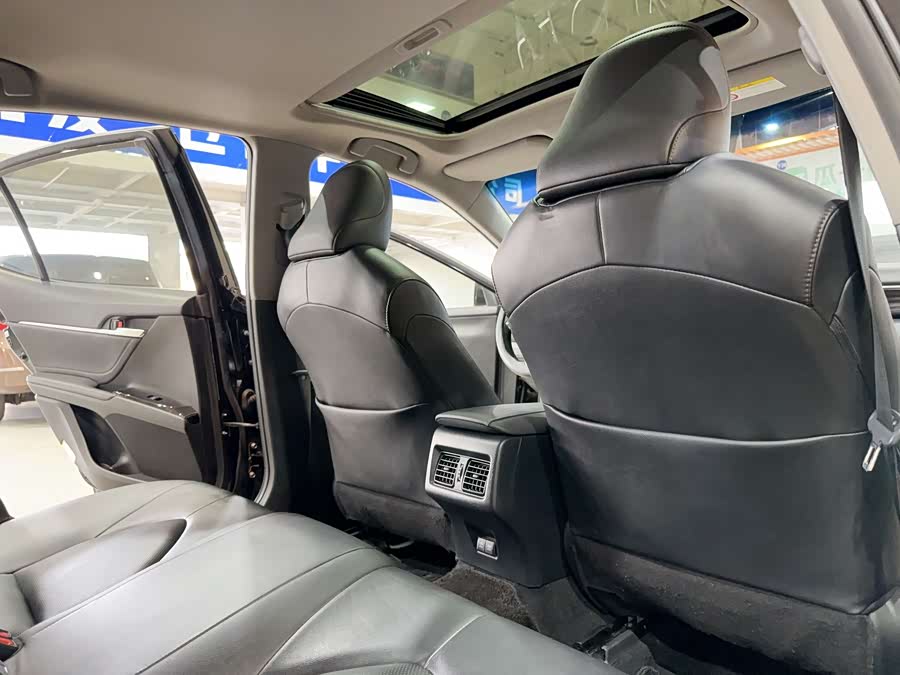
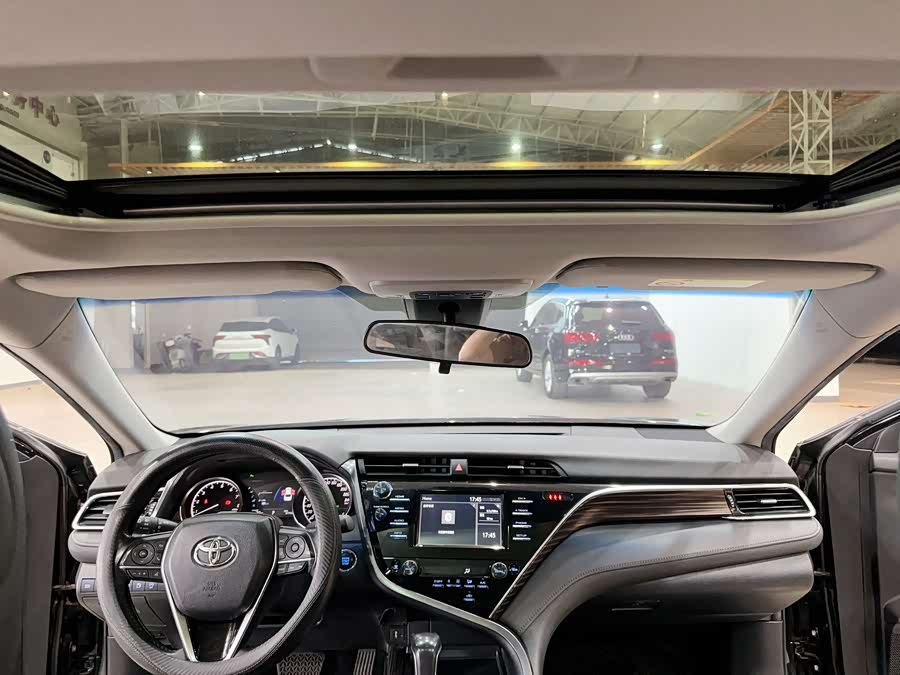
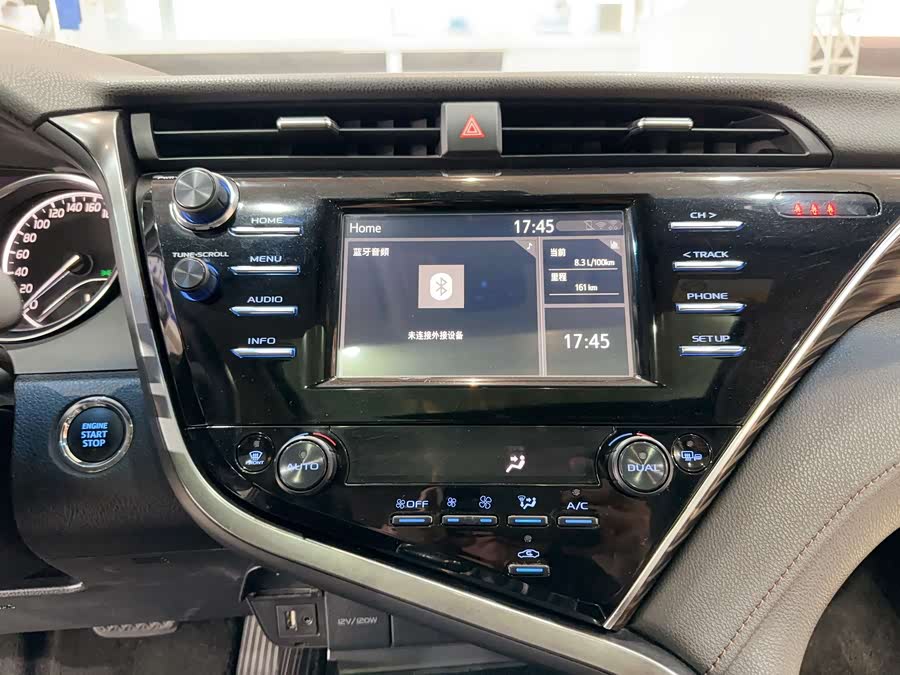
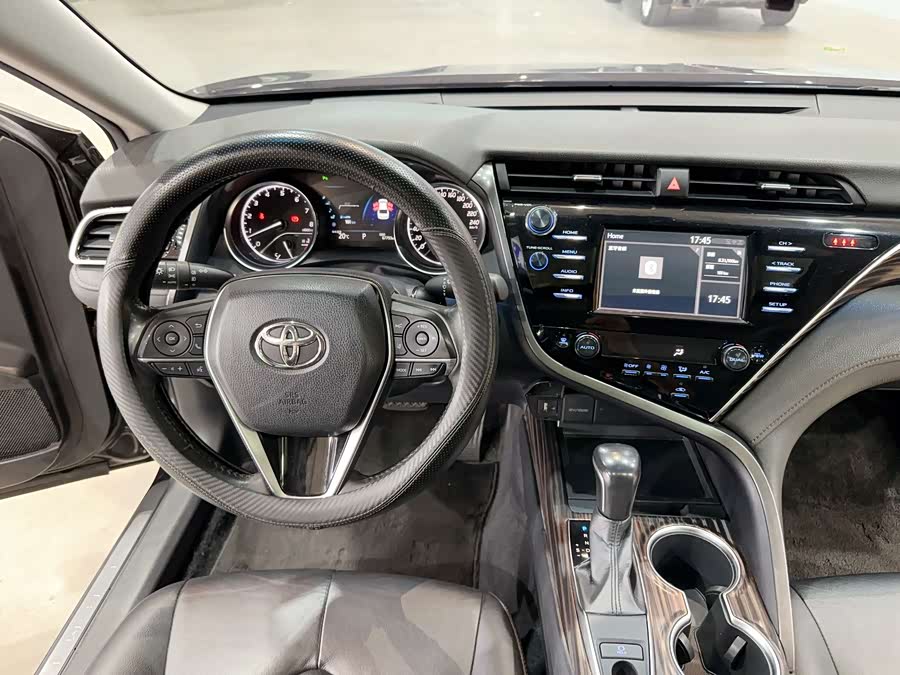
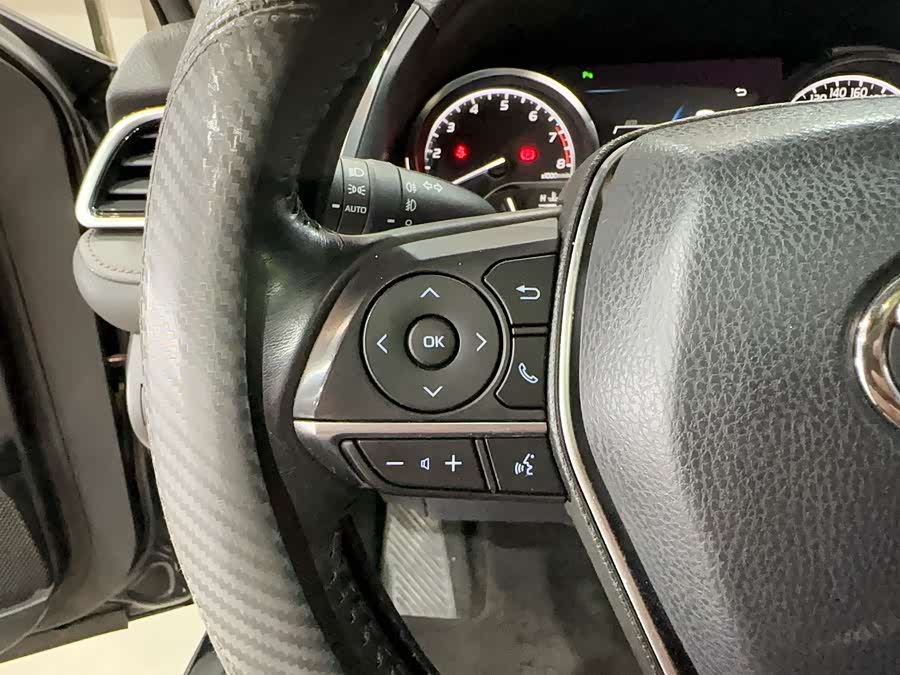
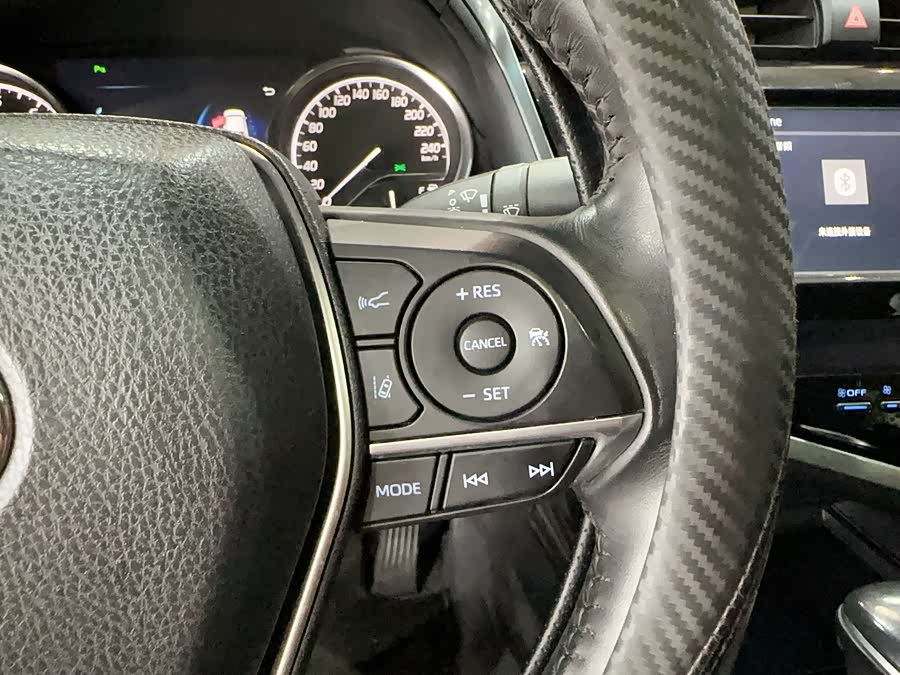
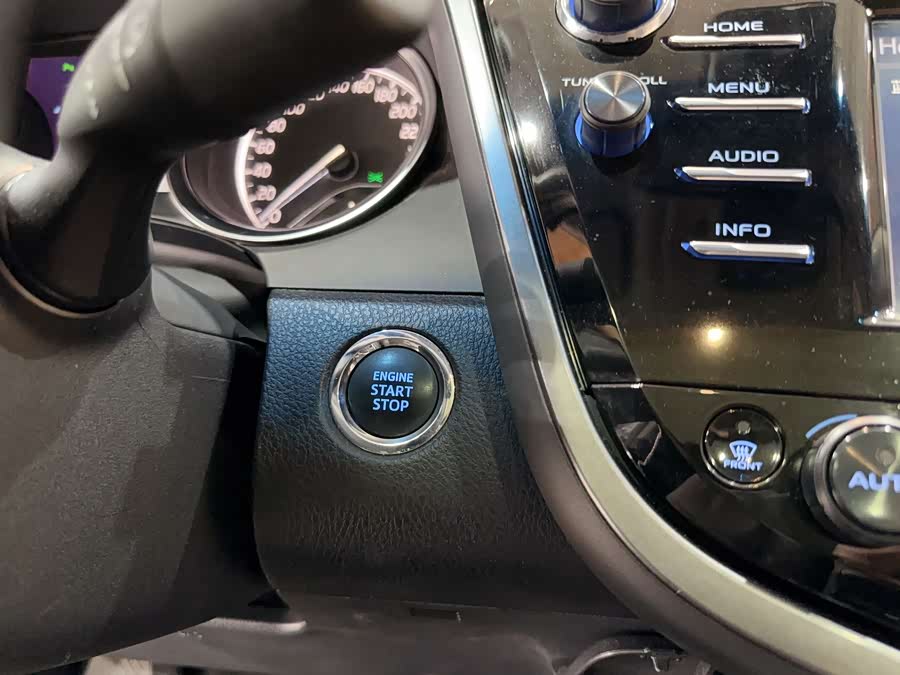
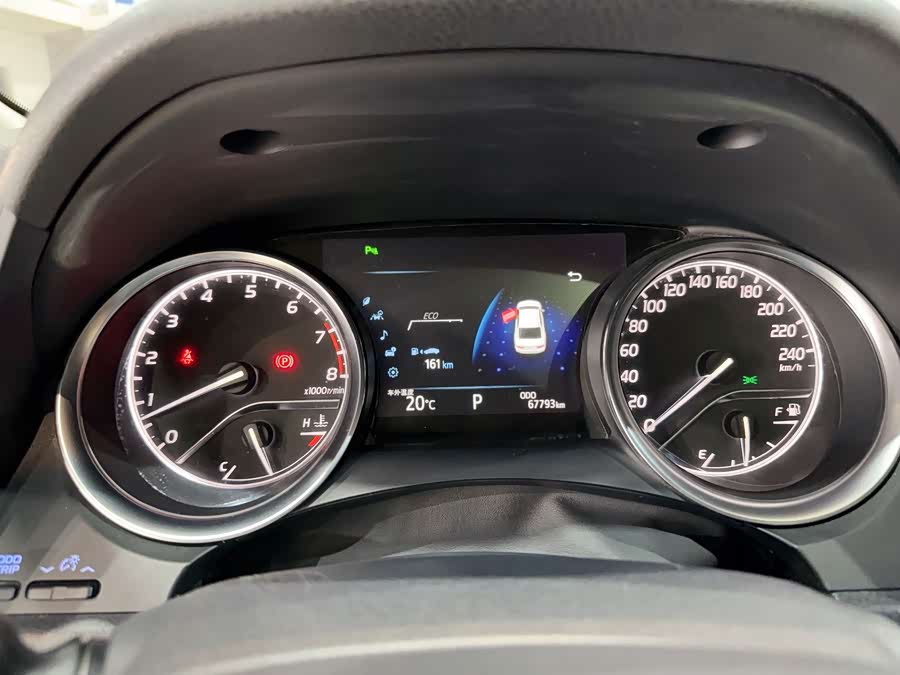
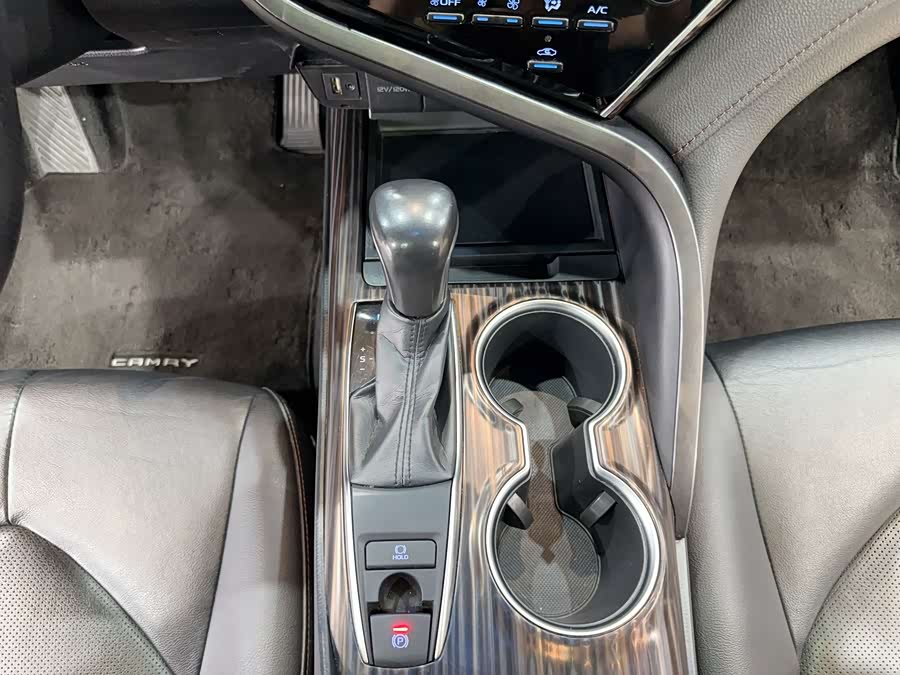
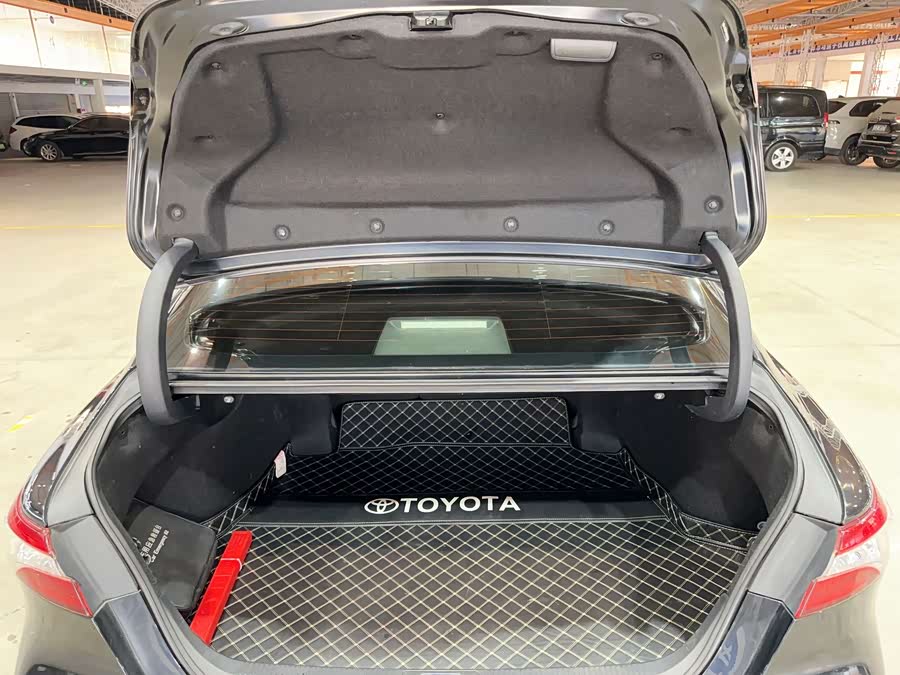
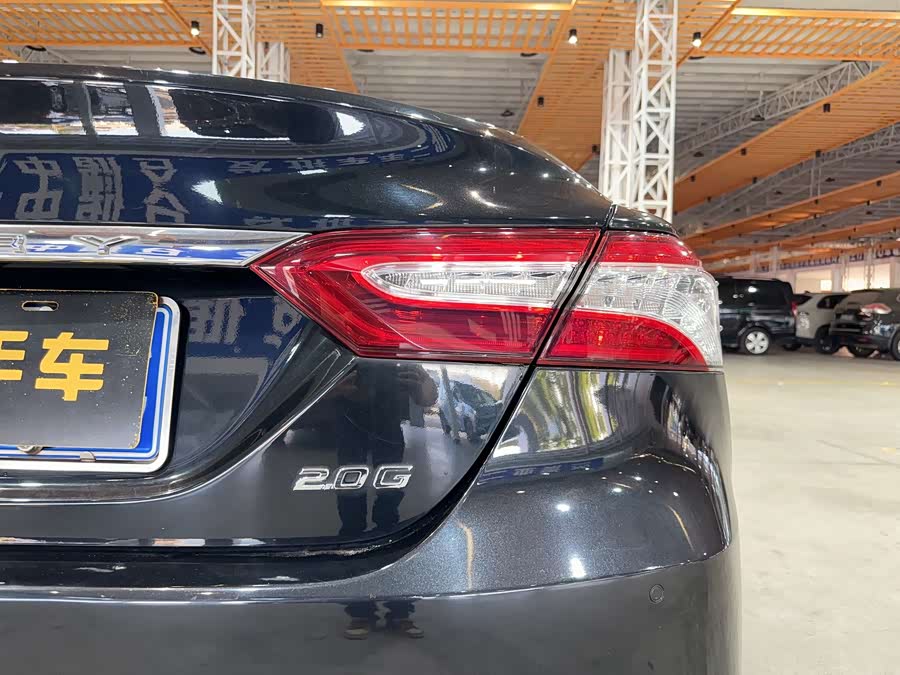
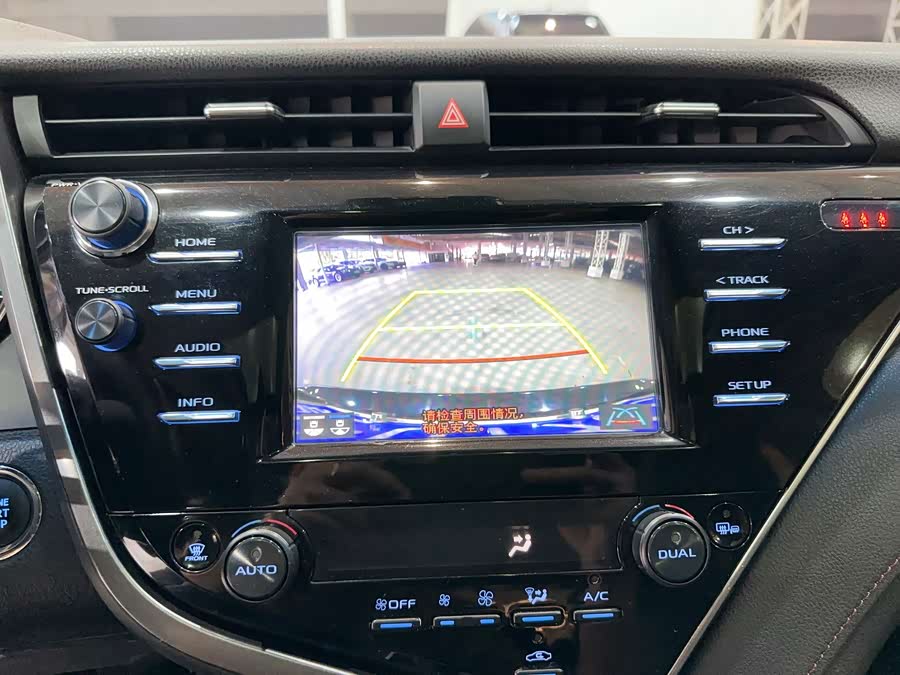
Basic Information

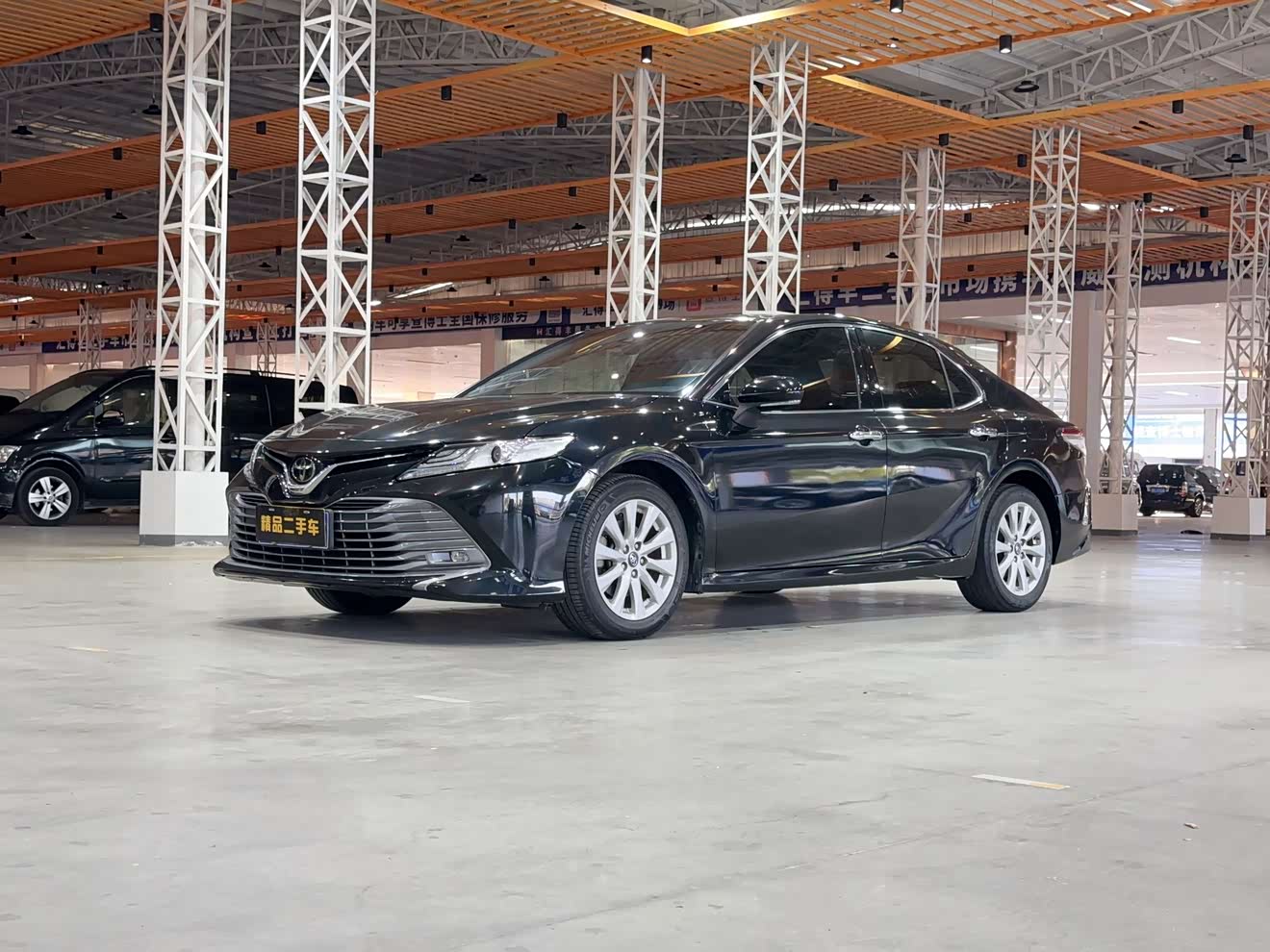
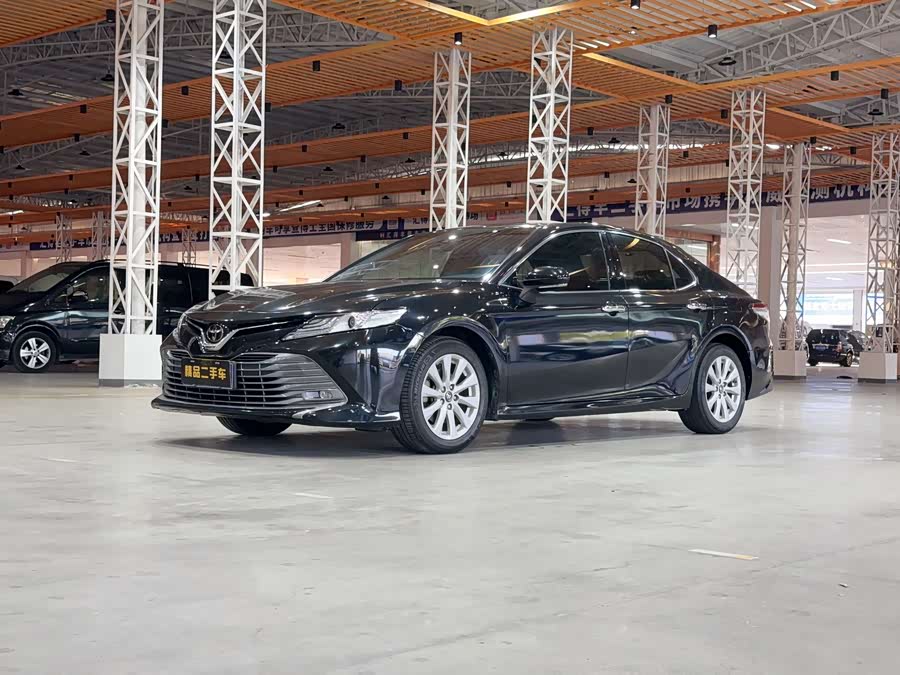
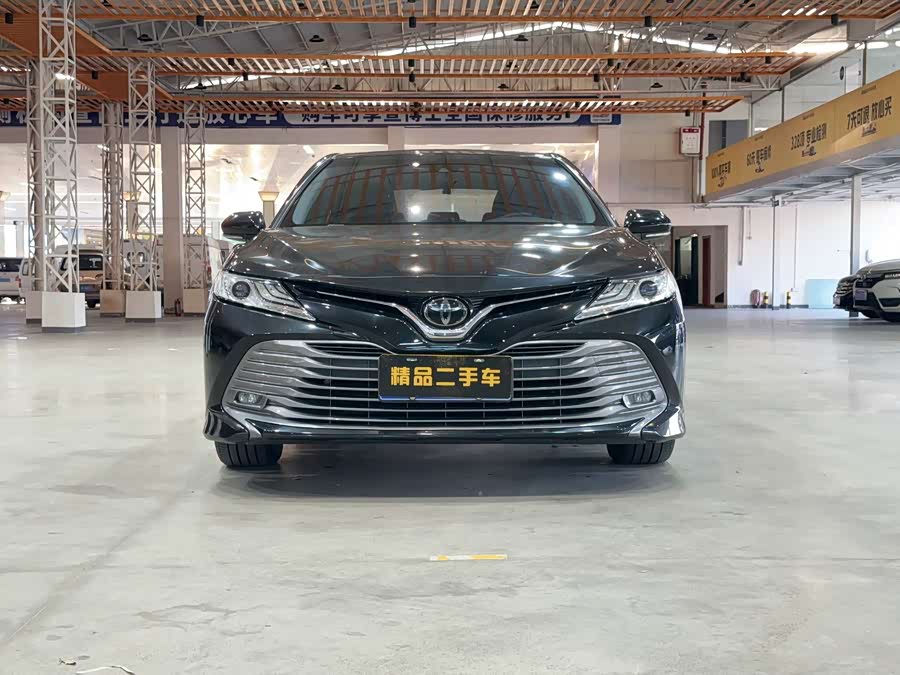
BrandToyota
SeriesCamry
Year2019
First Registration2019/01
Mileage67,000km
Transfer Count-
FuelGasoline
TransmissionManumatic
Engine2.0L 169 L4
ColorBlack
Seats-

Condition Description

very good

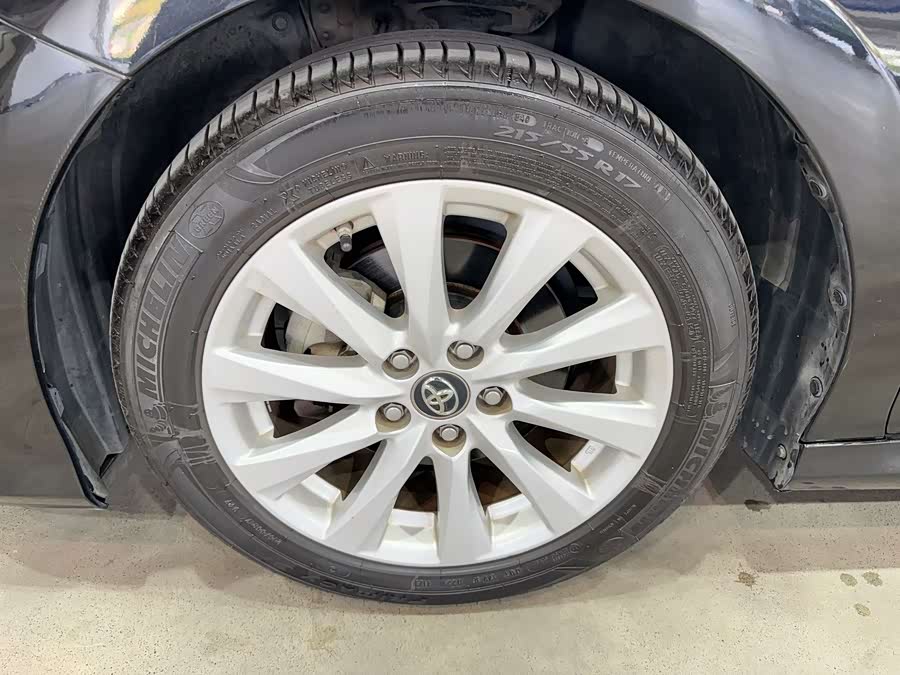
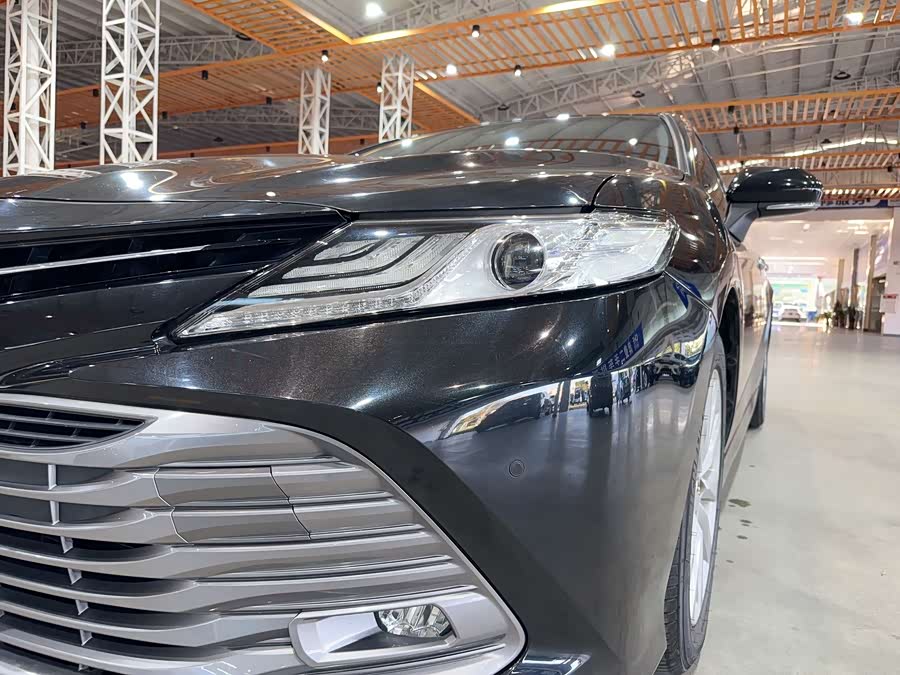
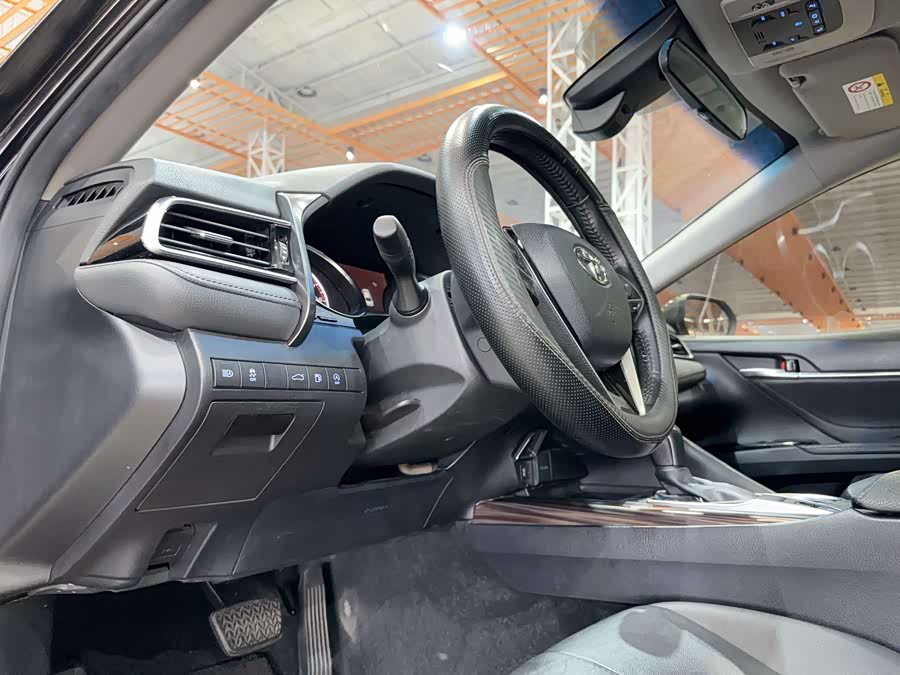
Excellent vehicle condition, no major accidents, no fire or water damage, no aftermarket modifications. Buy with confidence, peace of mind, and satisfaction. Chassis structure: No obvious wear. Engine compartment: In good working order. Exterior: No structural damage to the body. Interior: Clean and tidy. Paint: Well maintained.

0 transfers

Configuration Highlights

Tire Pressure Monitoring
Lane Departure Warning
Active Safety System
ISOFIX Child Seat Anchors
Auto Hold
Keyless Start System
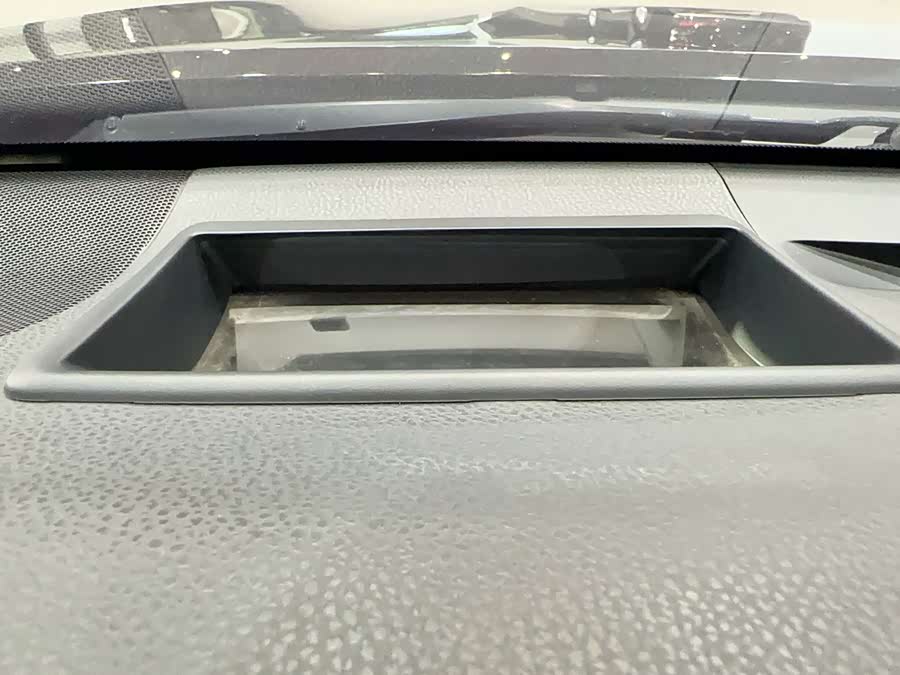
Head-Up Display
Bluetooth/Hands-free
Adaptive Headlights
PM2.5 Air Filter
Air Purifier
Rear Air Vents

Accident & Maintenance Records

Accident Record

🔗 Open Link

Maintenance Record

🔗 Open Link

Document Information

Inspection Expiry Date2027/01
Warranty Expiry Date-
Insurance Expiry Date2027/01

Q&A

More

Who bears the intermediary bank fees incurred by bank wire transfers (T/T)?

International wire transfers generally follow "shared (SHA)" or "sender pays all (OUR)" principles. To ensure we receive the full remaining payment to release the bill of lading, we require all buyers to choose the "OUR" option when remitting, covering all intermediary bank fees.

Will there be detailed information on the vehicle's consumable parts (such as tire tread depth and remaining brake pad thickness)?

Yes. The inspection report includes a specific "consumable parts consumption list." We will measure the tire tread depth (in millimeters) and the remaining brake pad thickness using calipers. If the tire tread is below the legal wear limit of 1.6mm, we will note it as "recommended to replace immediately upon arrival."

How to check the condition of the turbocharger (oil leaks, unusual noises, insufficient pressure) for turbocharged vehicles?

Experience turbo lag and power surge during road tests; check for significant oil accumulation at the turbo intake and intercooler connections (slight oil vapor is normal); and use OBD to read the real-time boost pressure peak to see if it meets factory settings.