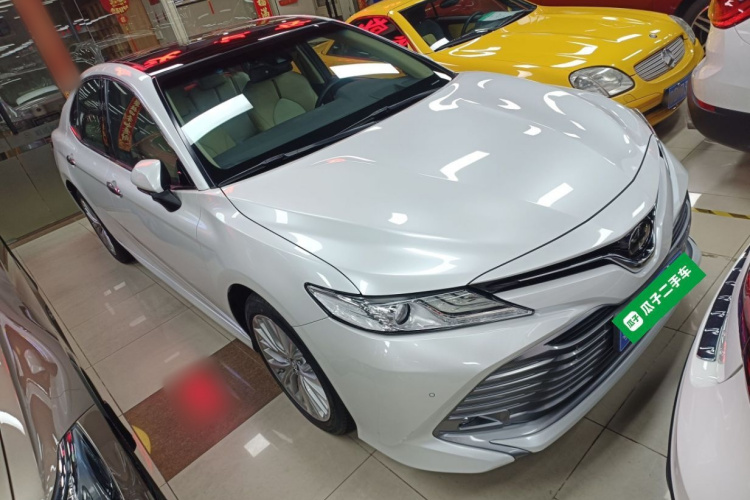

Basic Information

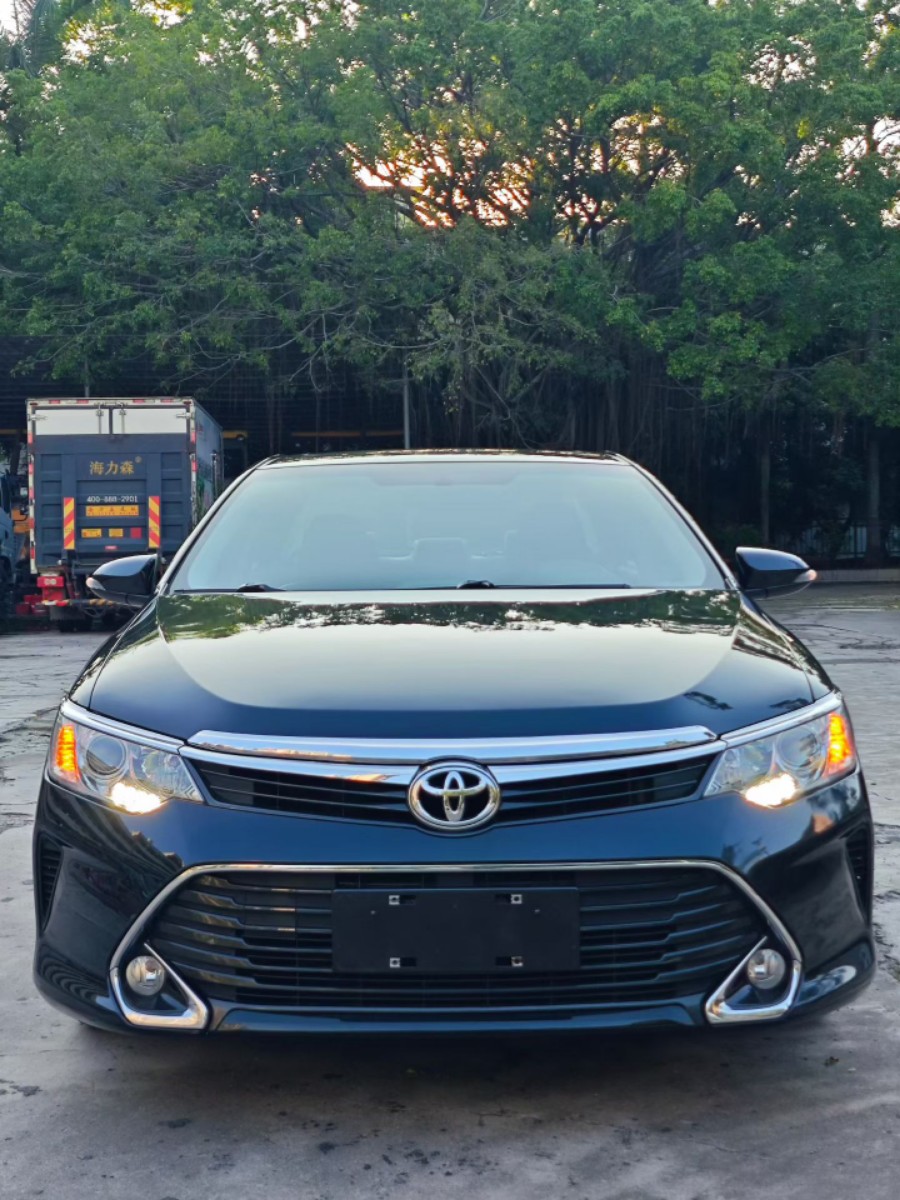
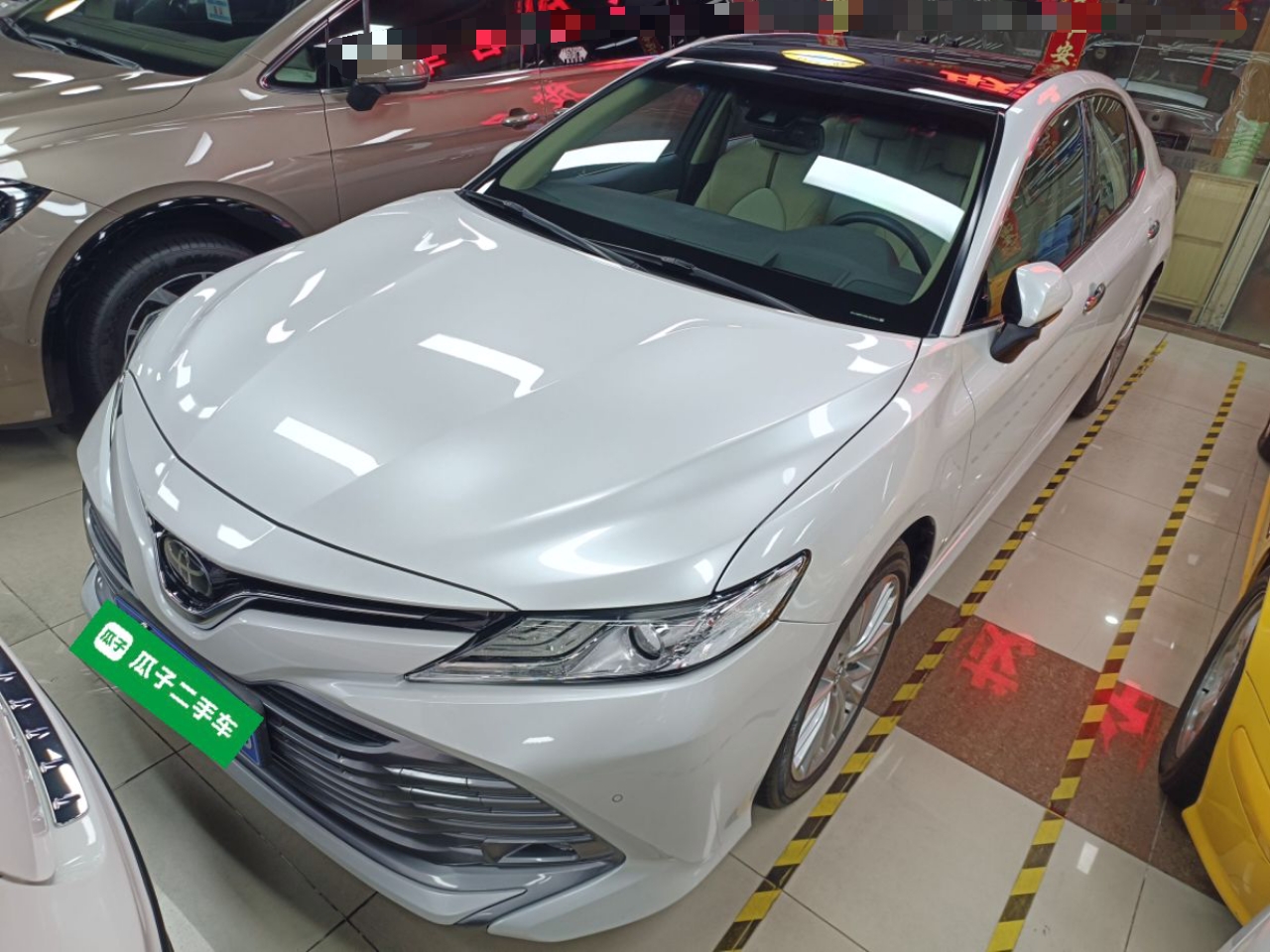
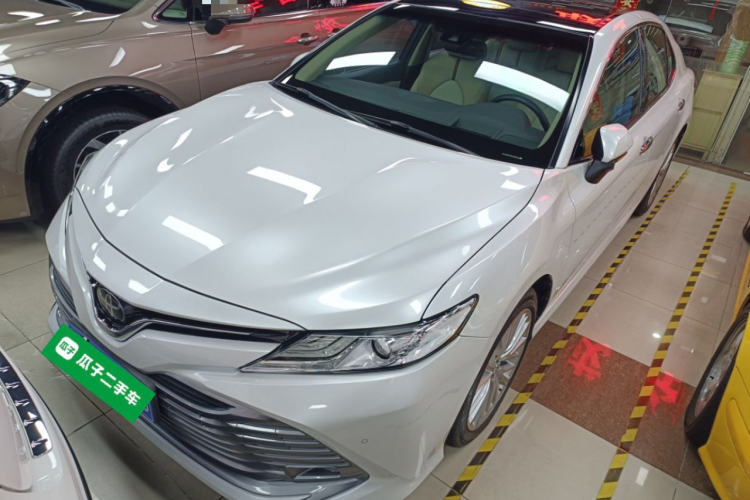
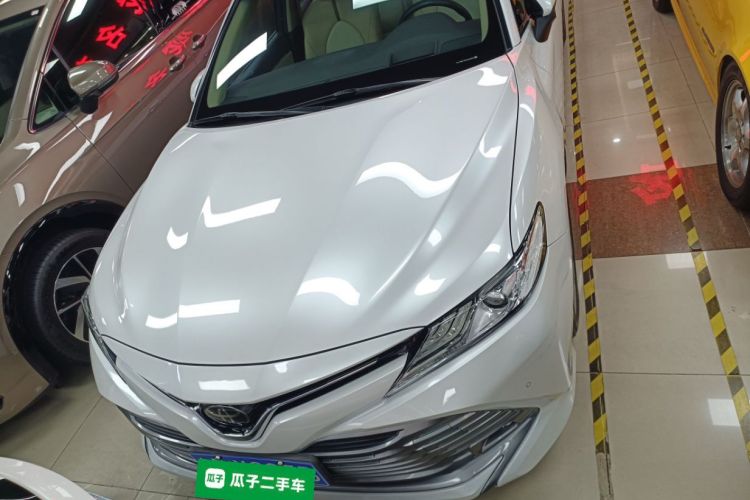
BrandToyota
SeriesCamry
Year2020
First Registration2020/06
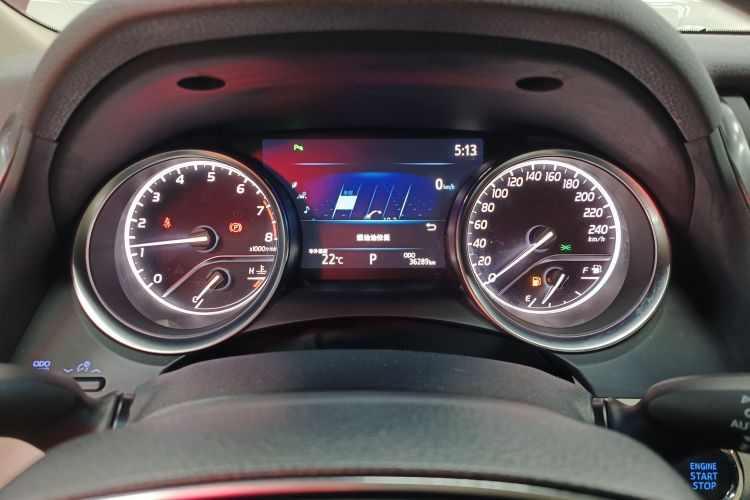
Mileage36,200km
Transfer Count3times
FuelGasoline
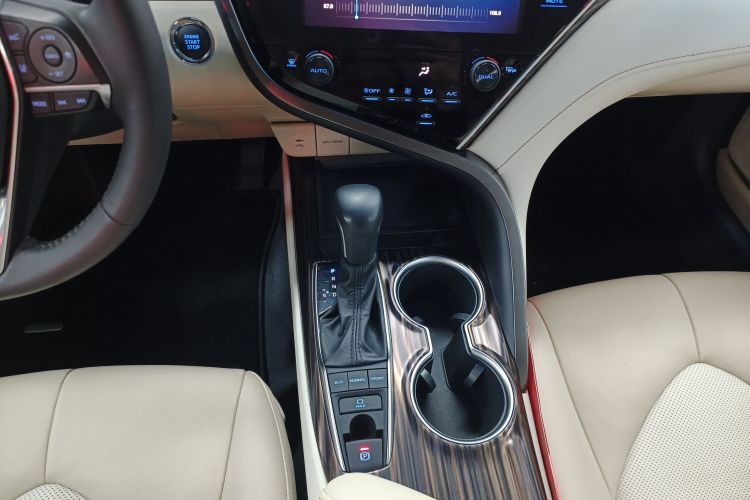
TransmissionManumatic
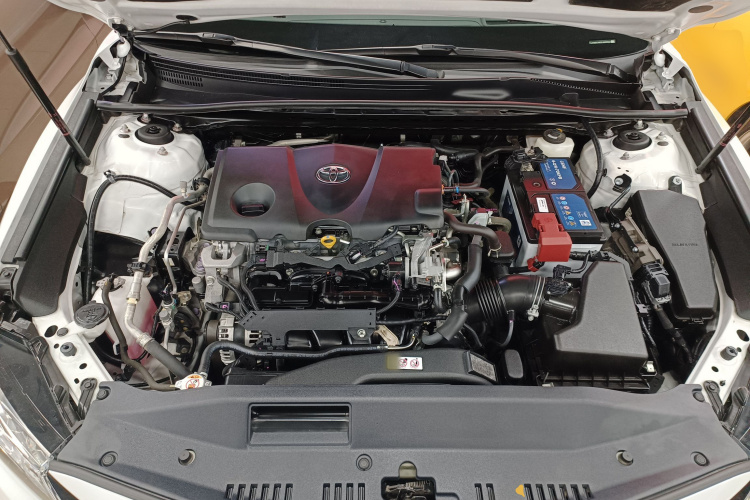
Engine2.5L 209 L4
ColorWhite
Seats-

Condition Description

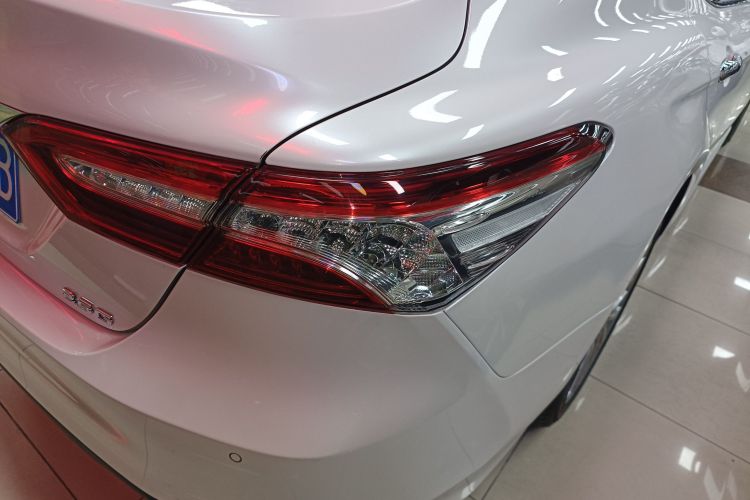
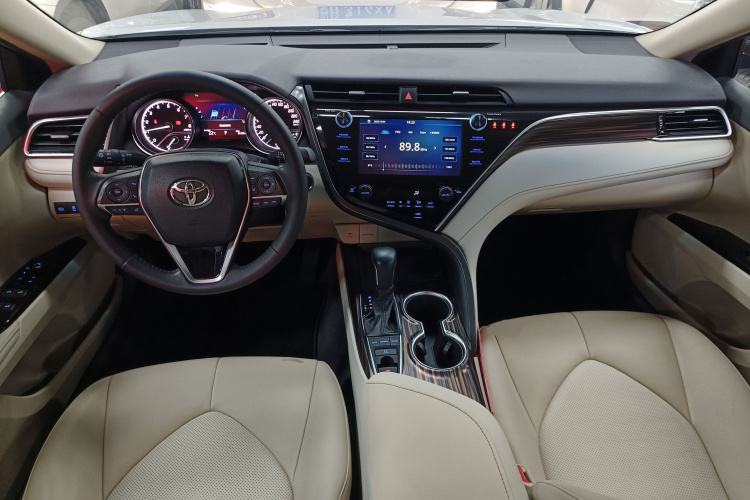
Vehicle in good condition, passed inspection, vehicle in good condition, 1 claim filed, 3 ownership transfers.

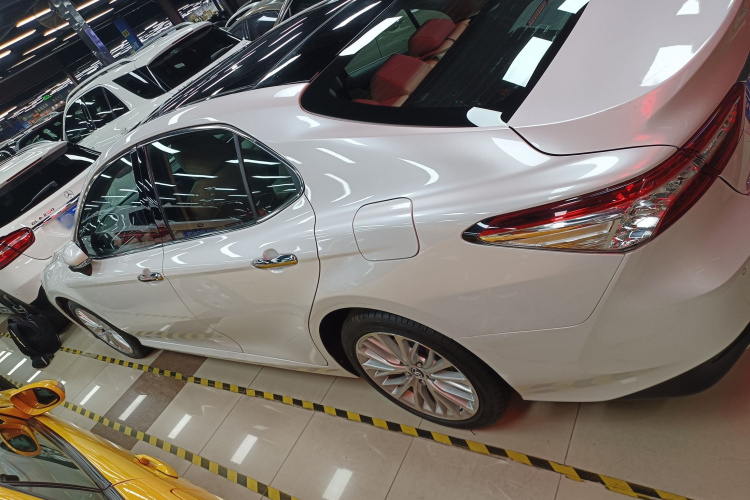
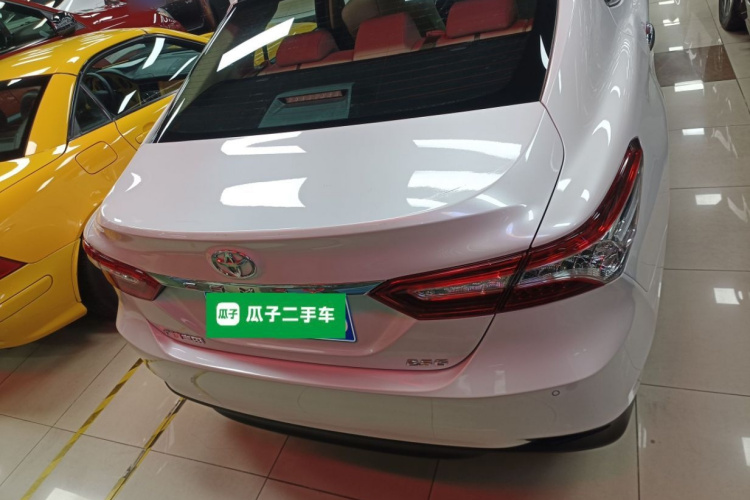
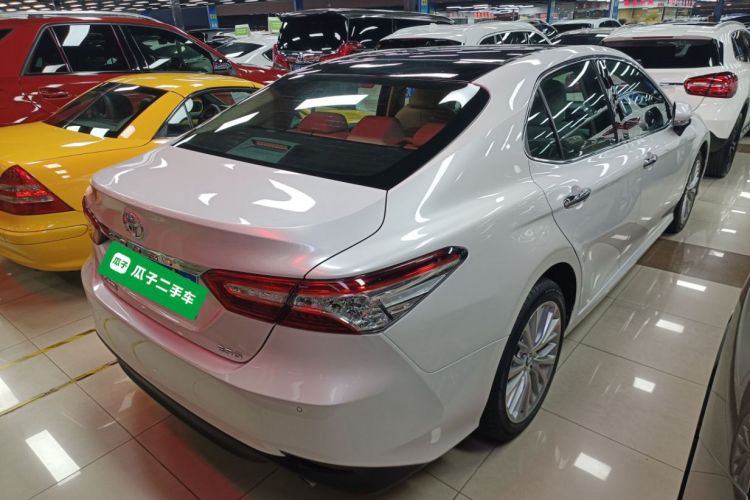
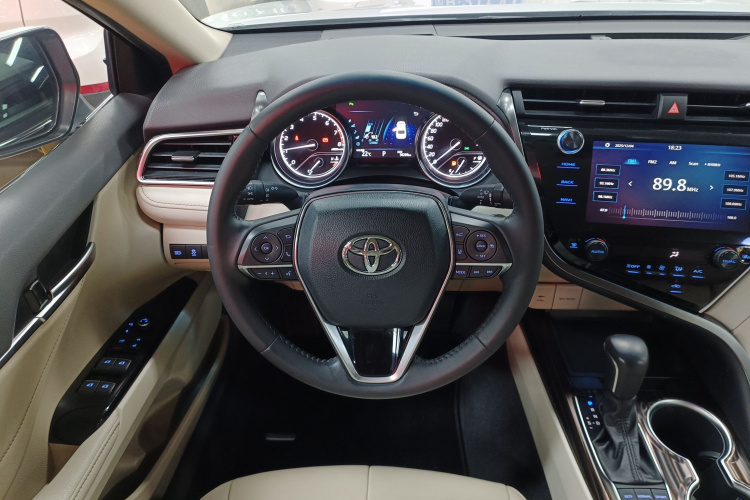
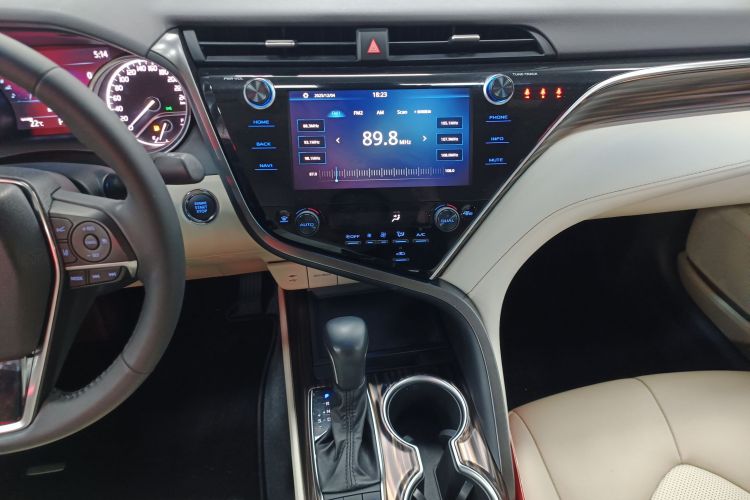
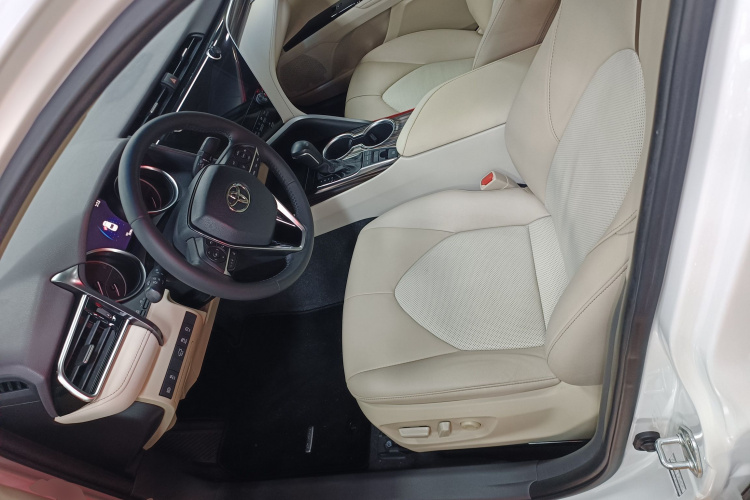
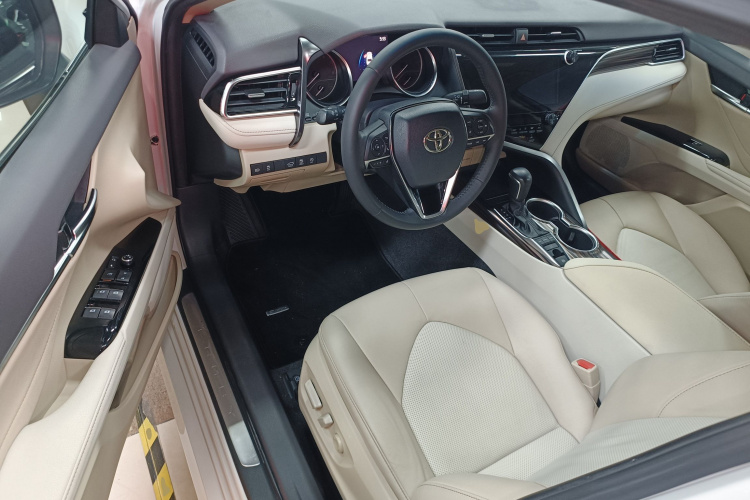
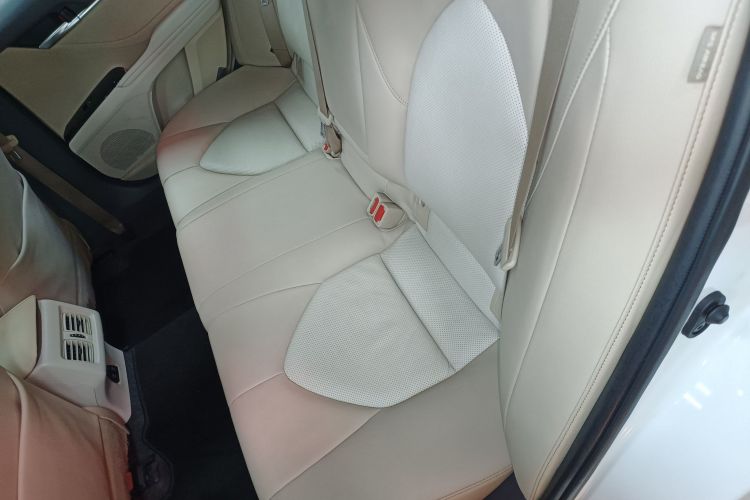
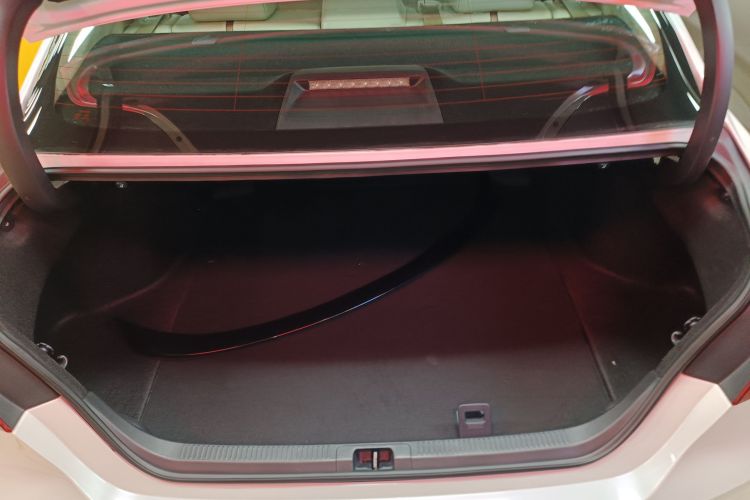
This vehicle is 6 years old, with an average annual mileage of 6,000 kilometers. It has been used infrequently and has been transferred three times. The exterior paint is in good condition, although there may be minor scratches. The interior is in good condition with normal signs of use. The overall body frame is intact and without any abnormalities. Fluids are normal, and the powertrain is functioning well.

Configuration Highlights

Rear Control Passenger Seat
Adaptive Cruise Control
Adaptive Headlights
Lane Departure Warning
Panoramic Sunroof
Knee Airbags
Smartphone Connectivity
High Beam Assist
Front Radar
Auto Hold
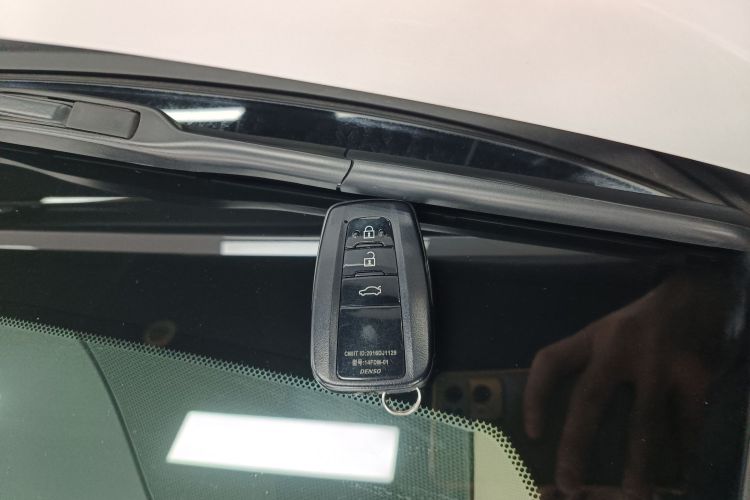
Keyless Entry
Rain-sensing Wipers
Backup Camera
High-definition Low Beam
Power Folding Mirrors
Engine Start-Stop
Power Seats
Auto Headlights
Keyless Start
Rear Air Vents
Tire Pressure Monitoring
Heated Mirrors
Hill Start Assist
Rear Parking Sensors
Anti-pinch Windows

Q&A

More

When calculating the total cost of a used car, what percentage of the car price do you recommend setting aside for "unforeseen local preparation costs"?

Based on practical risk assessment, we strongly recommend setting aside 3% to 5% of the car price as a buffer fund for even the highest-rated used cars, to cover oil changes, new tires, minor shipping scratches, and local inspection labor costs.


Why is there a time difference between the production date on the vehicle nameplate and the first registration date on the registration certificate?

The nameplate date is the absolute time when the vehicle leaves the factory; the registration date is when the vehicle is registered with the traffic management department after sale. The difference represents the time the vehicle spent in the dealer's warehouse or logistics. If the time difference exceeds 6-8 months, the vehicle is considered a "stock vehicle," and we pay special attention to the natural aging of its rubber components.

How long will the seat heating and ventilation features undergo continuous power testing before export?

To prevent intermittent failures due to aging of the resistance wire, we will start the engine and set the seat heating/ventilation to maximum for at least 5 minutes, confirming significant temperature changes or airflow output in the cushion and backrest using an infrared thermometer or body sensor.