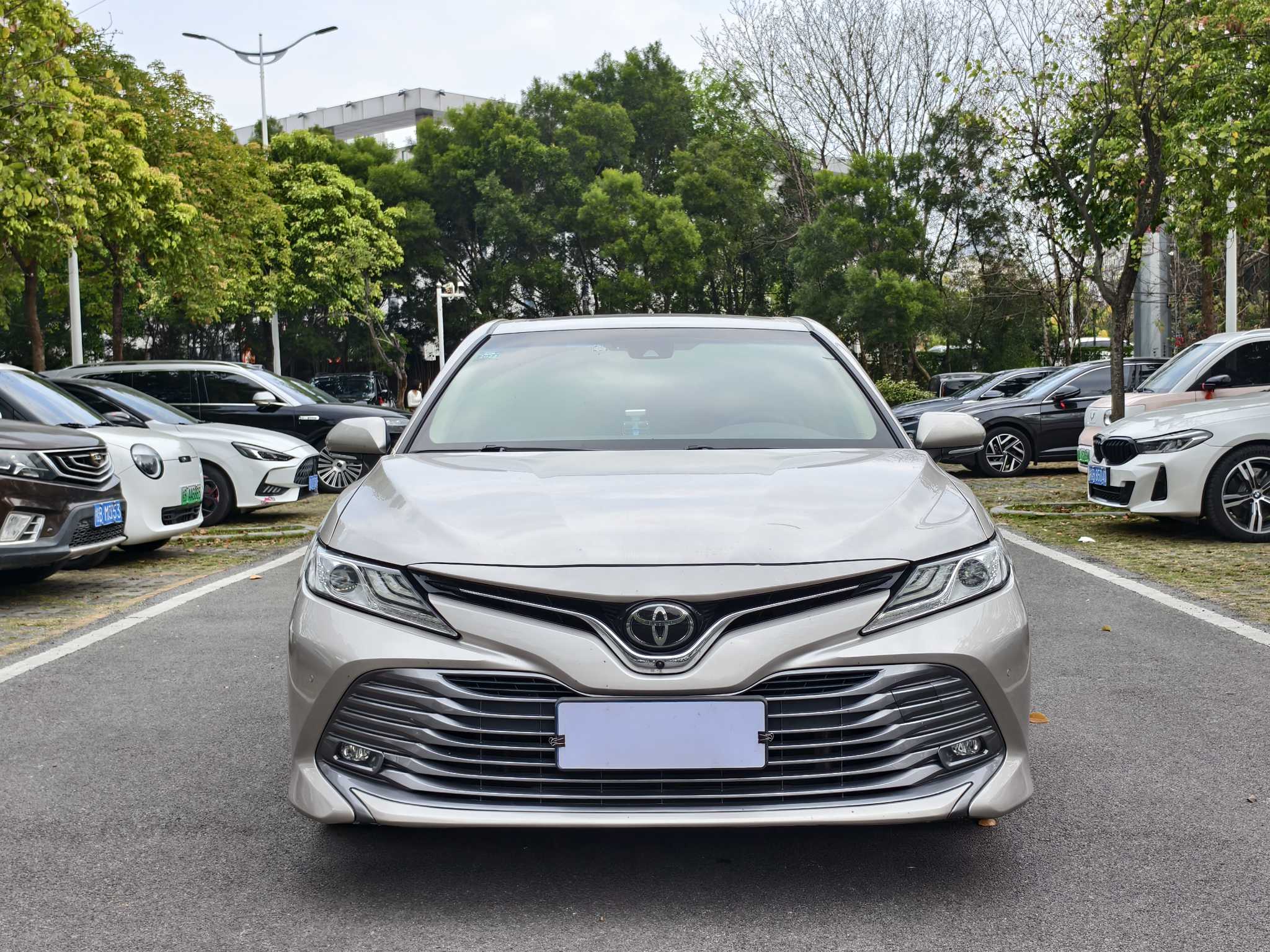
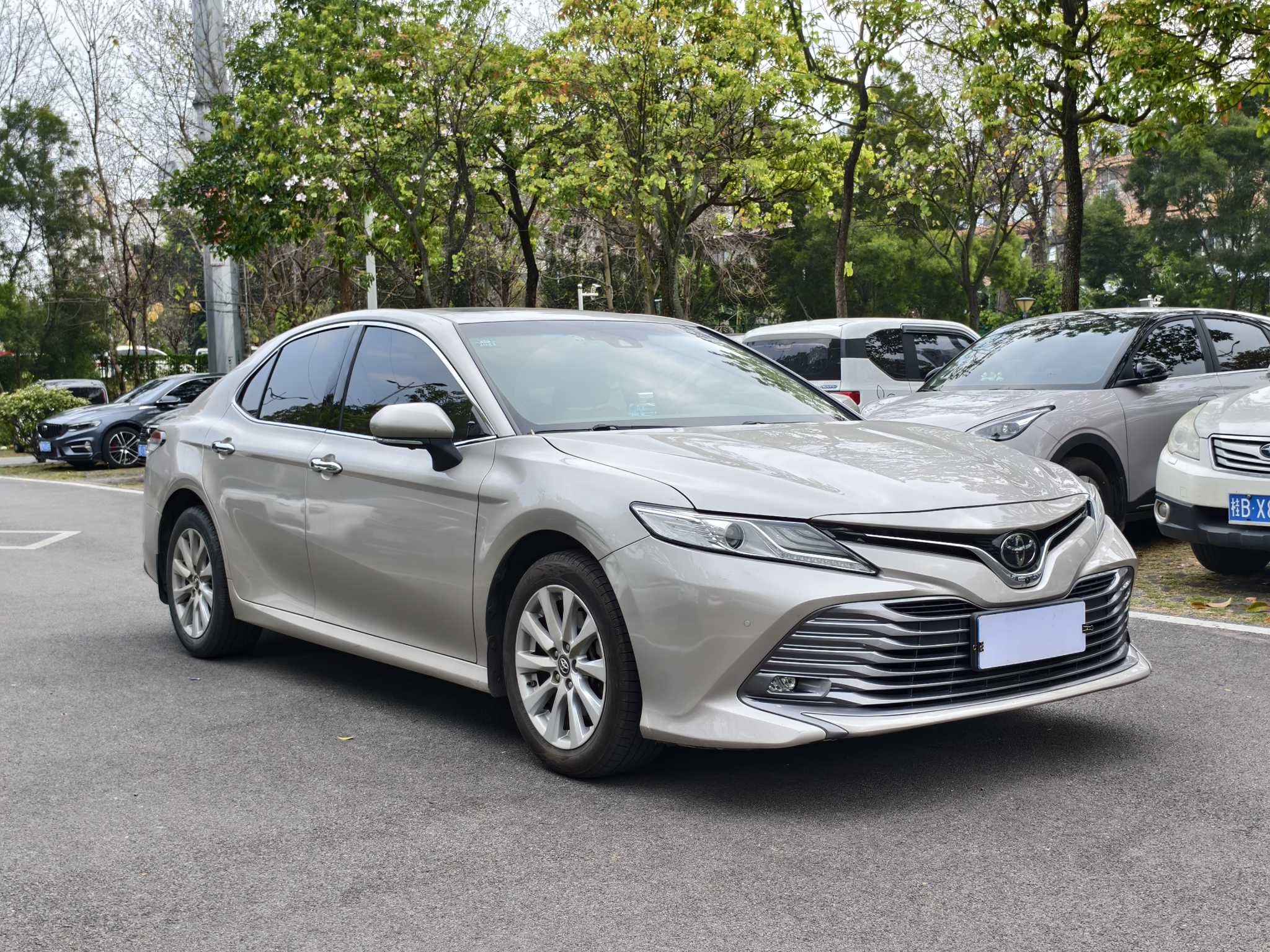
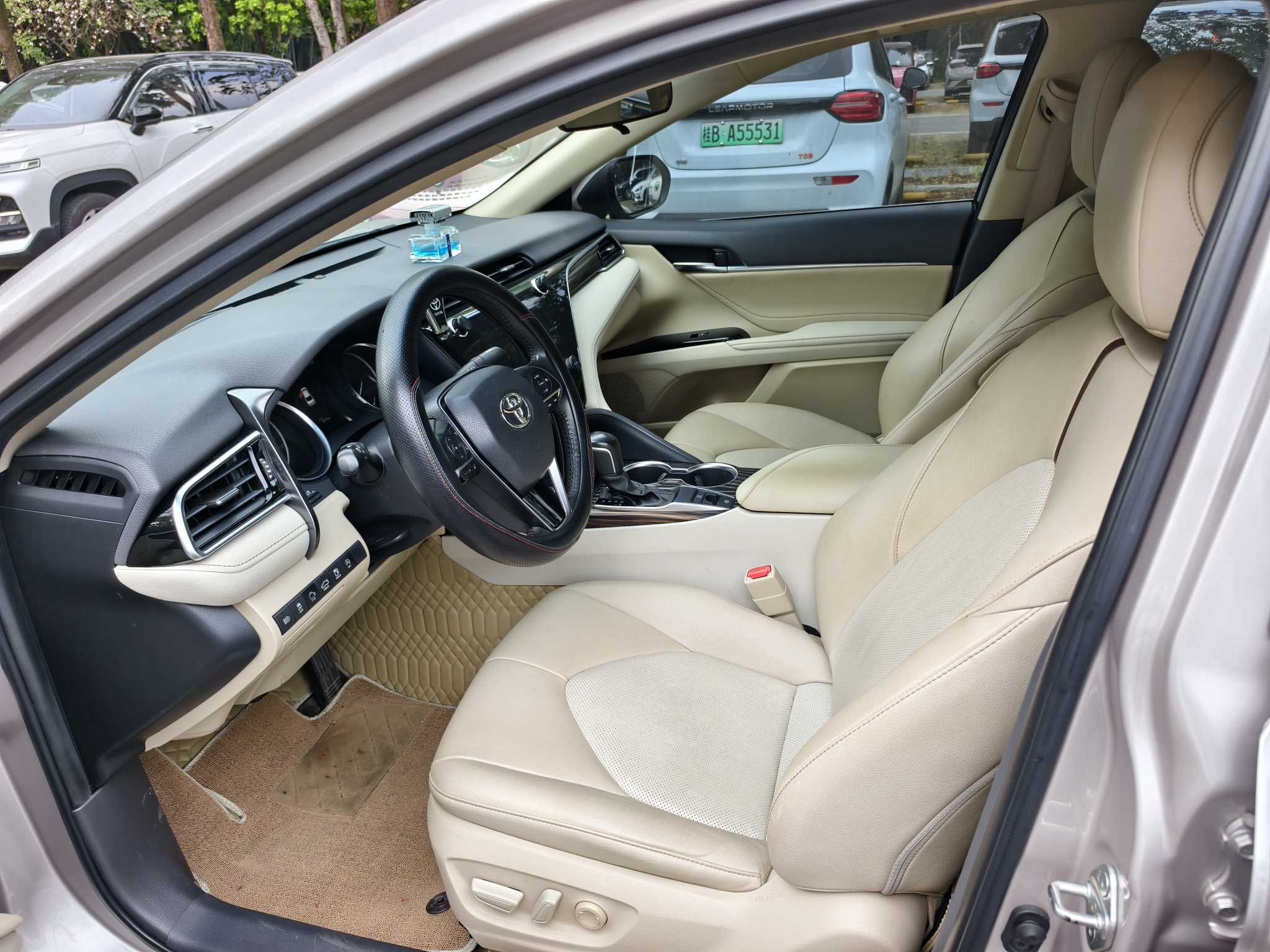
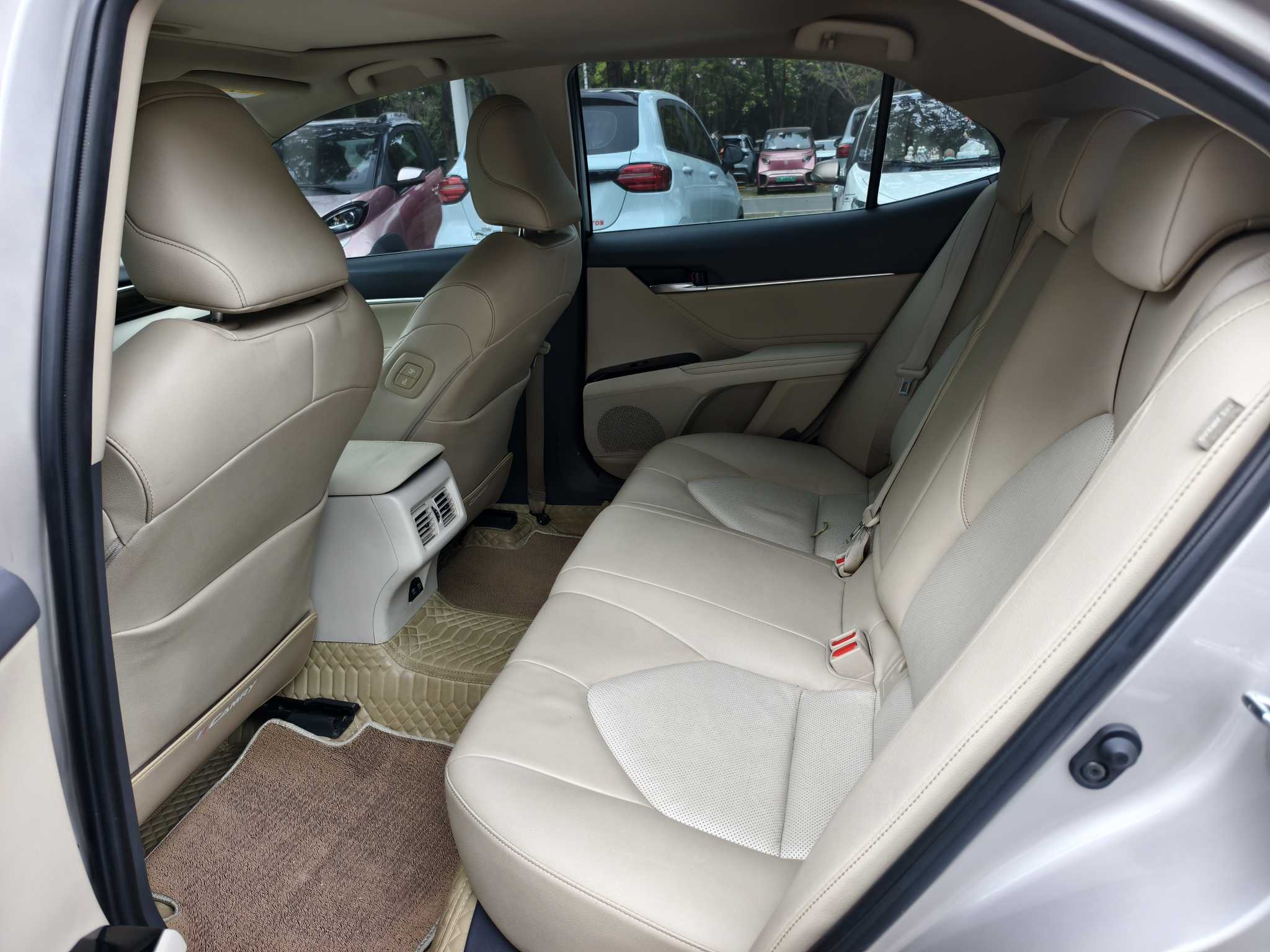
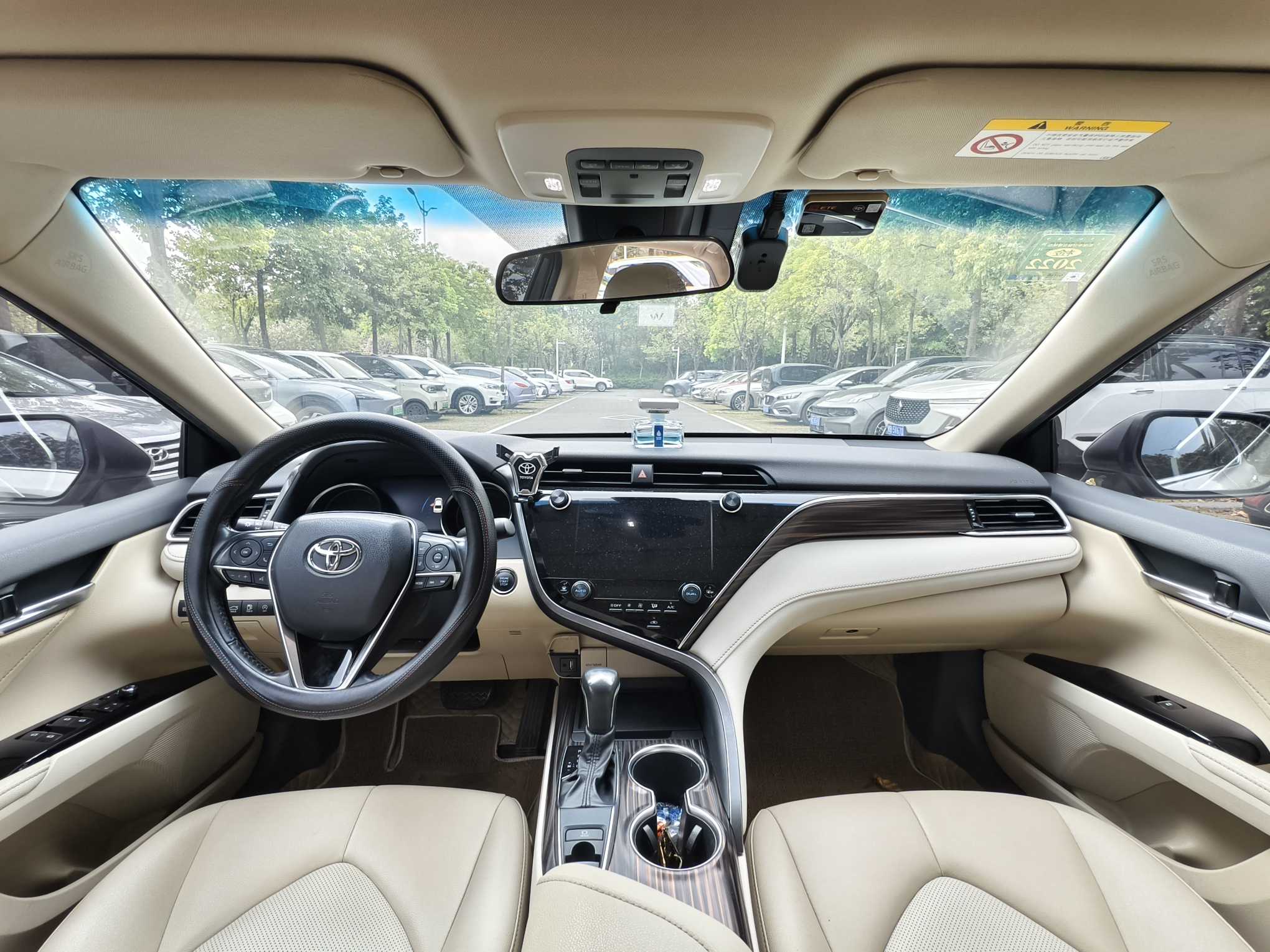
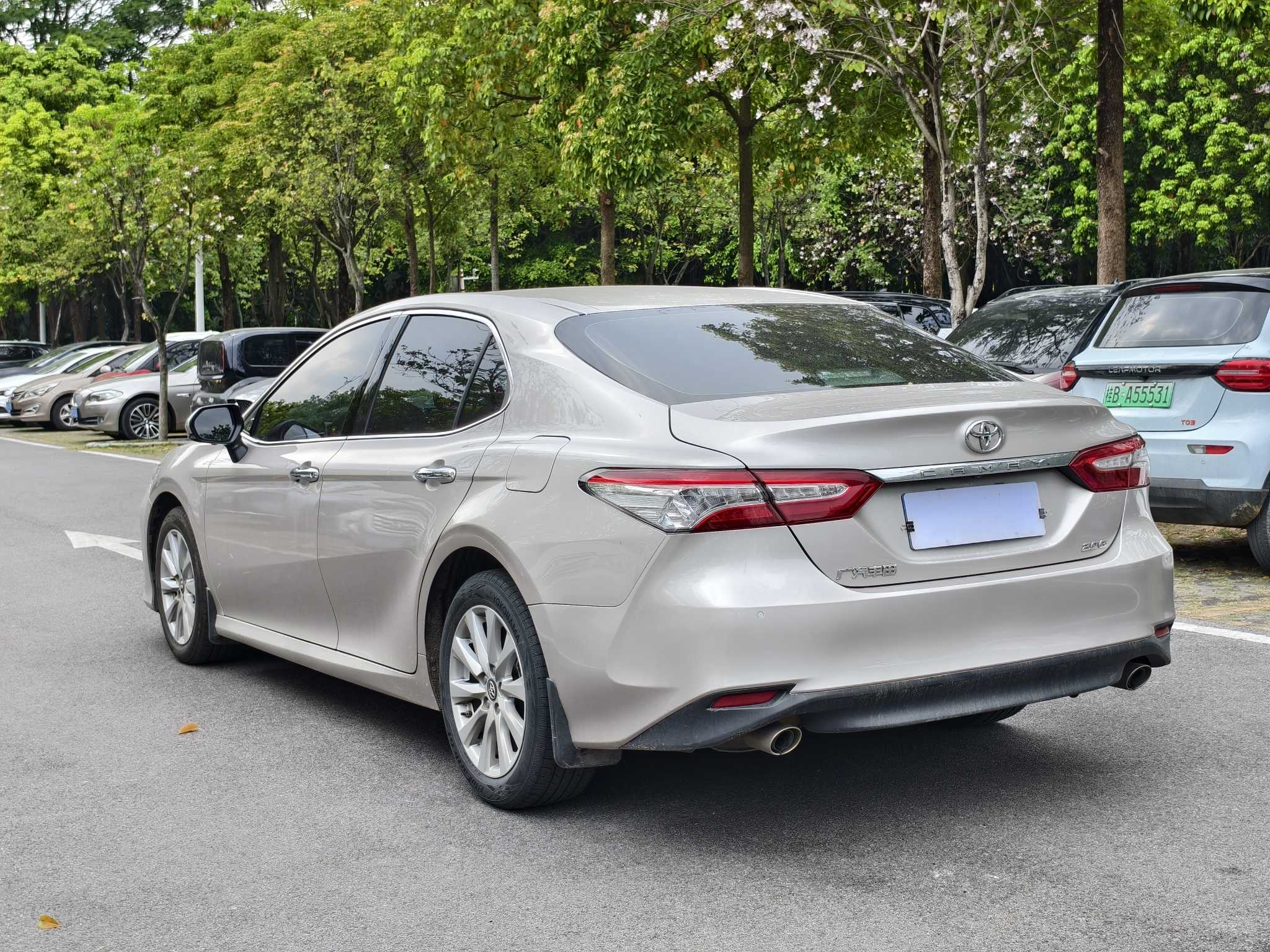
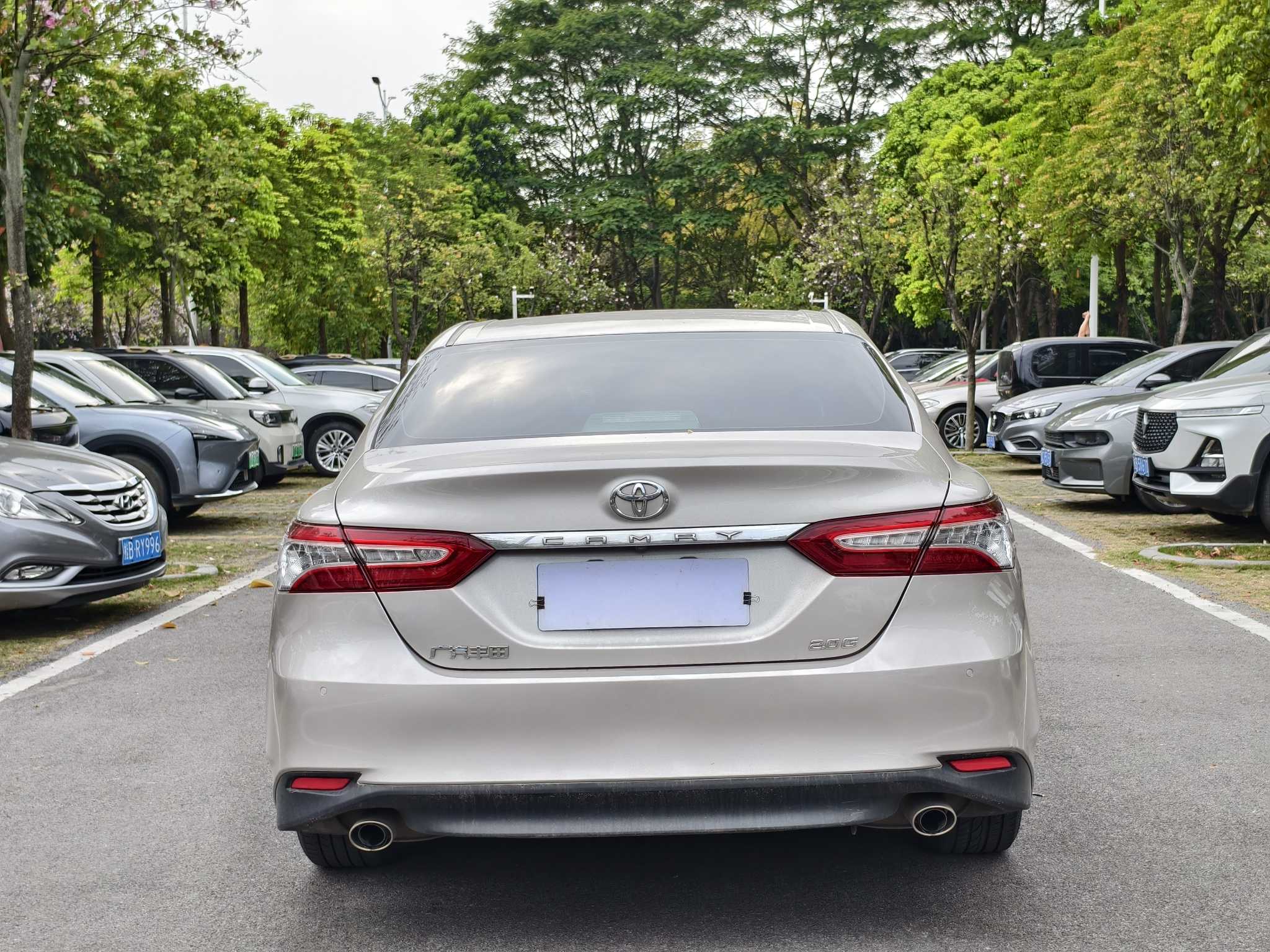
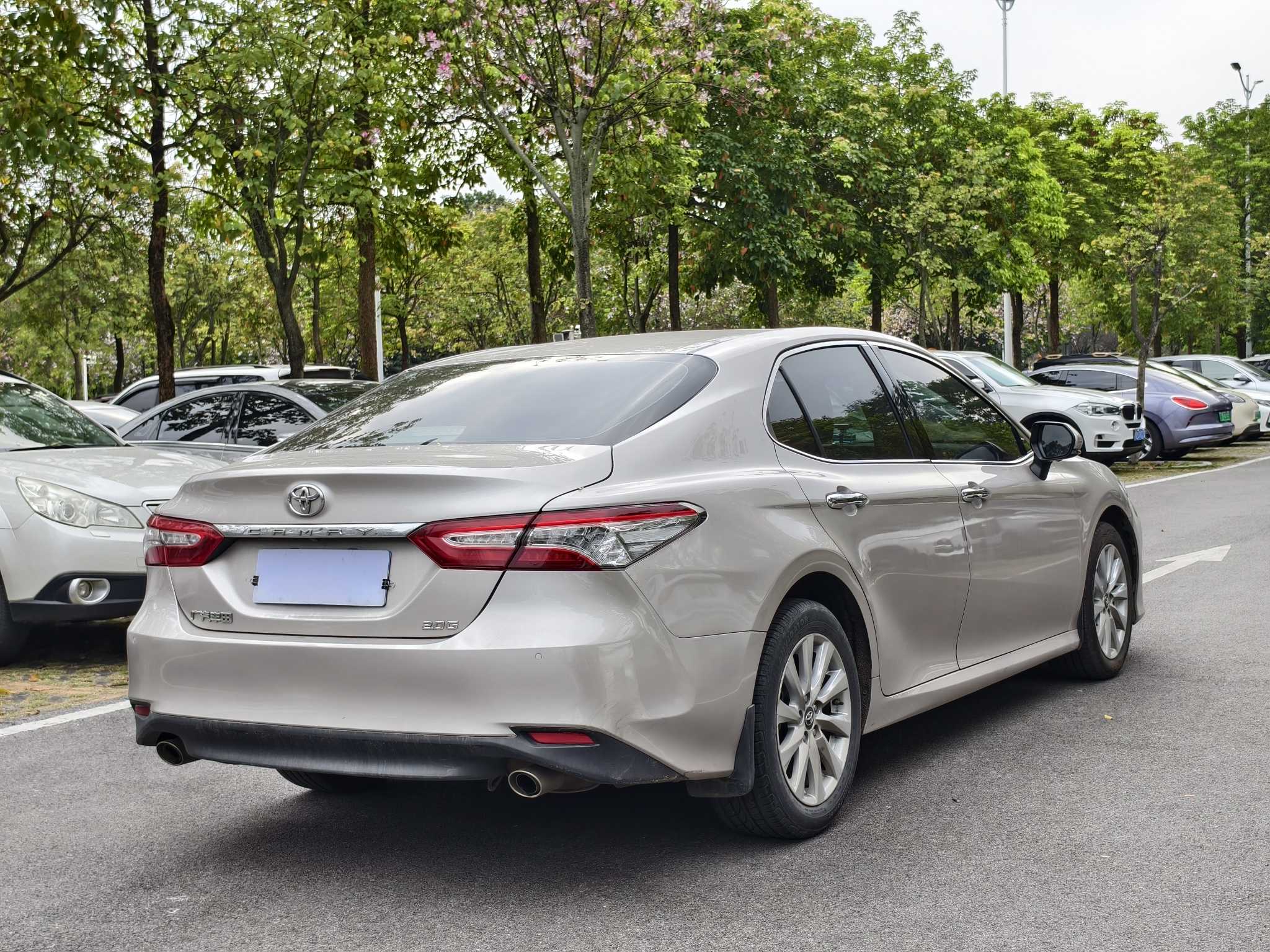
Basic Information

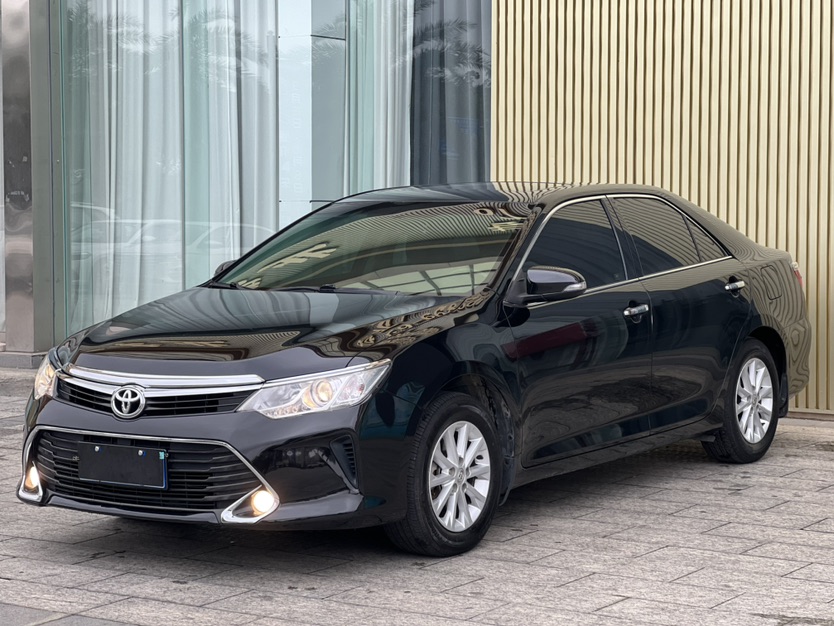
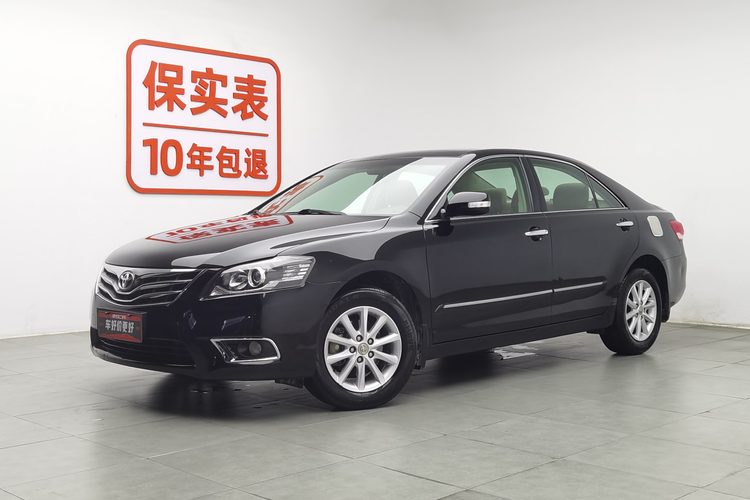
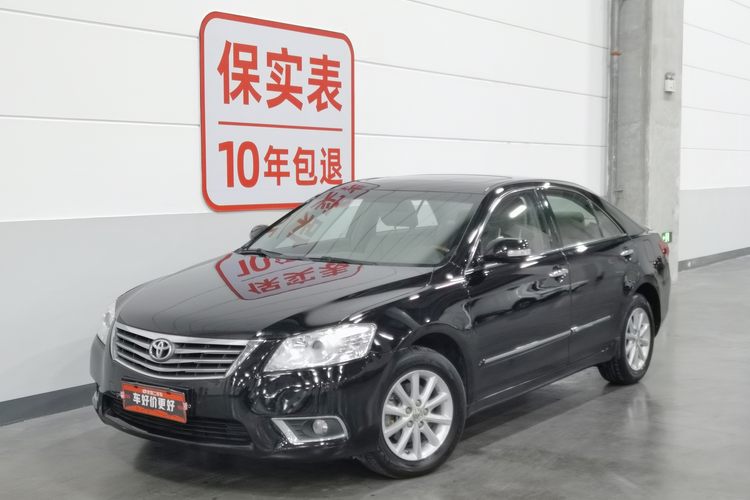
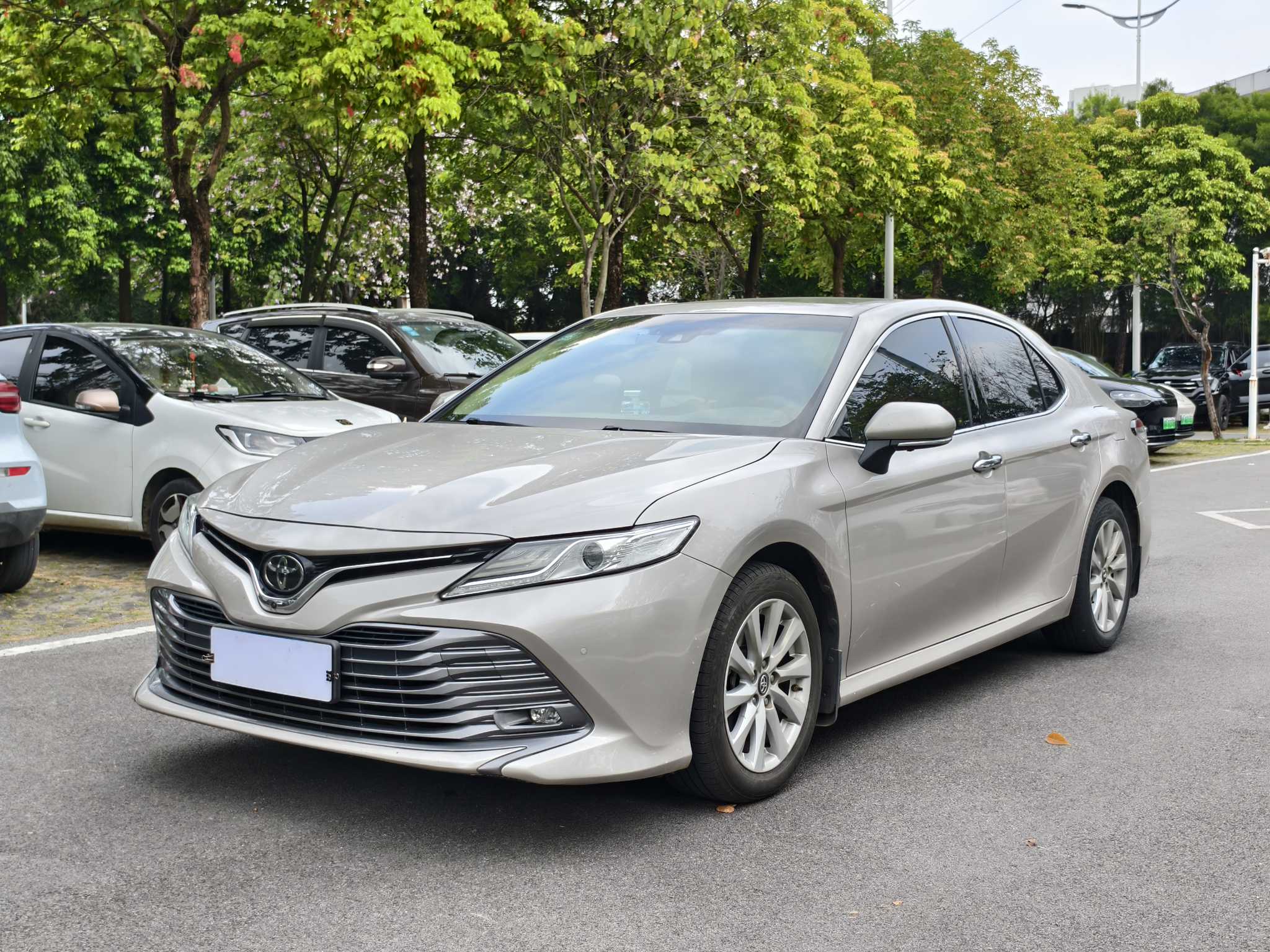
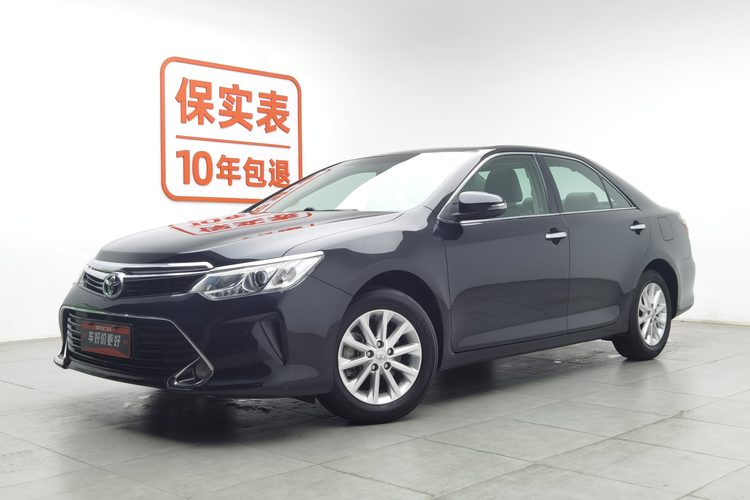
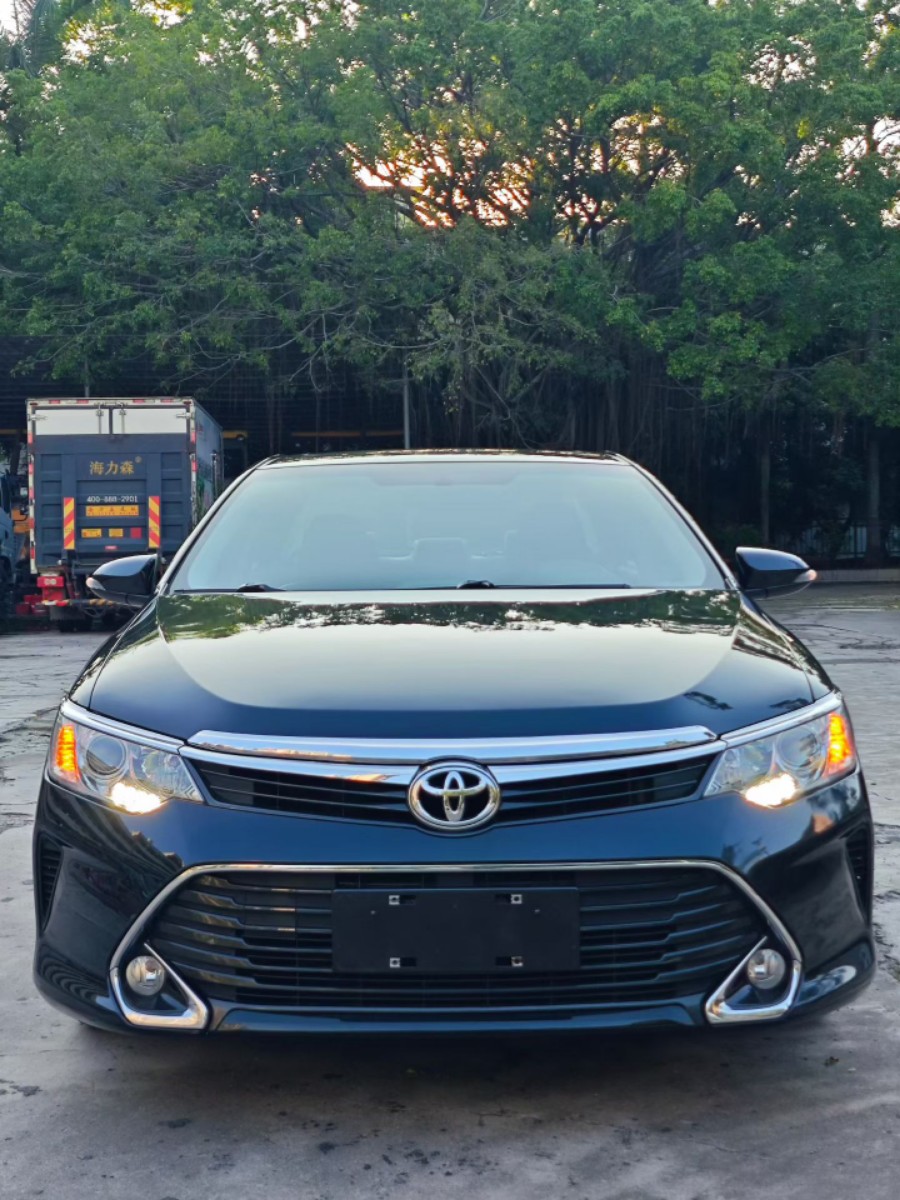
BrandToyota
SeriesCamry
Year2020
First Registration2020/05
Mileage8.1km
Transfer Count-
FuelGasoline
TransmissionCVT
Engine2.0L 178 L4
ColorGrey
Seats-

Condition Description

Two keys in installments, 9.8% off.

Configuration Highlights

Driver/Passenger Airbags
Front/Rear Side Airbags
Front/Rear Curtain Airbags
Knee Airbags
Tire Pressure Monitoring
ISOFIX Child Seat Anchors
Keyless Start System
Keyless Entry System
ABS Anti-lock Braking
Electronic Brake Distribution
Electronic Stability Control
Hill Start Assist
Auto Hold
Multifunction Steering Wheel
Front Parking Sensors
Head-Up Display
Seat Material
Driver/Passenger Power Seats
Rear Cupholders
GPS Navigation
Low Beam Headlights
Daytime Running Lights
Auto Headlights
Adjustable Headlight Height
Power Windows
Anti-pinch Windows
Climate Control Type
Rear Air Vents
Start-Stop System
Lane Departure Warning
Active Safety System

Q&A

More

Will there be a thorough inspection of the aging and damaged wiring harness of older vehicles to prevent spontaneous combustion?

For older vehicles or those used in high temperature and humidity areas, we will focus on opening the hood to check if the insulation of the wiring harness in the high-temperature area of the engine compartment is cracked or brittle, to identify potential short circuit risks that could lead to spontaneous combustion.
Will protective measures against rain or sun be taken for vehicles parked outdoors while waiting to be loaded at the port?

The storage area at the roll-on/roll-off terminal is entirely outdoors, which is standard practice at ports worldwide. During the few days vehicles wait to be loaded, they will inevitably be exposed to sun and rain and accumulate dust. We will not provide custom car covers as this would significantly hinder the efficiency of dock workers moving vehicles.

Is China's "National VI B" emission standard equivalent to Europe's Euro VI standard?

From a technical perspective, China's "National VI B (China VI-b)" is one of the strictest emission standards globally, with limits on carbon monoxide, nitrogen oxides, and particulate matter that are even stricter than some of Europe's Euro VI standards. However, the two are not legally recognized by each other, depending on your country's import regulations.