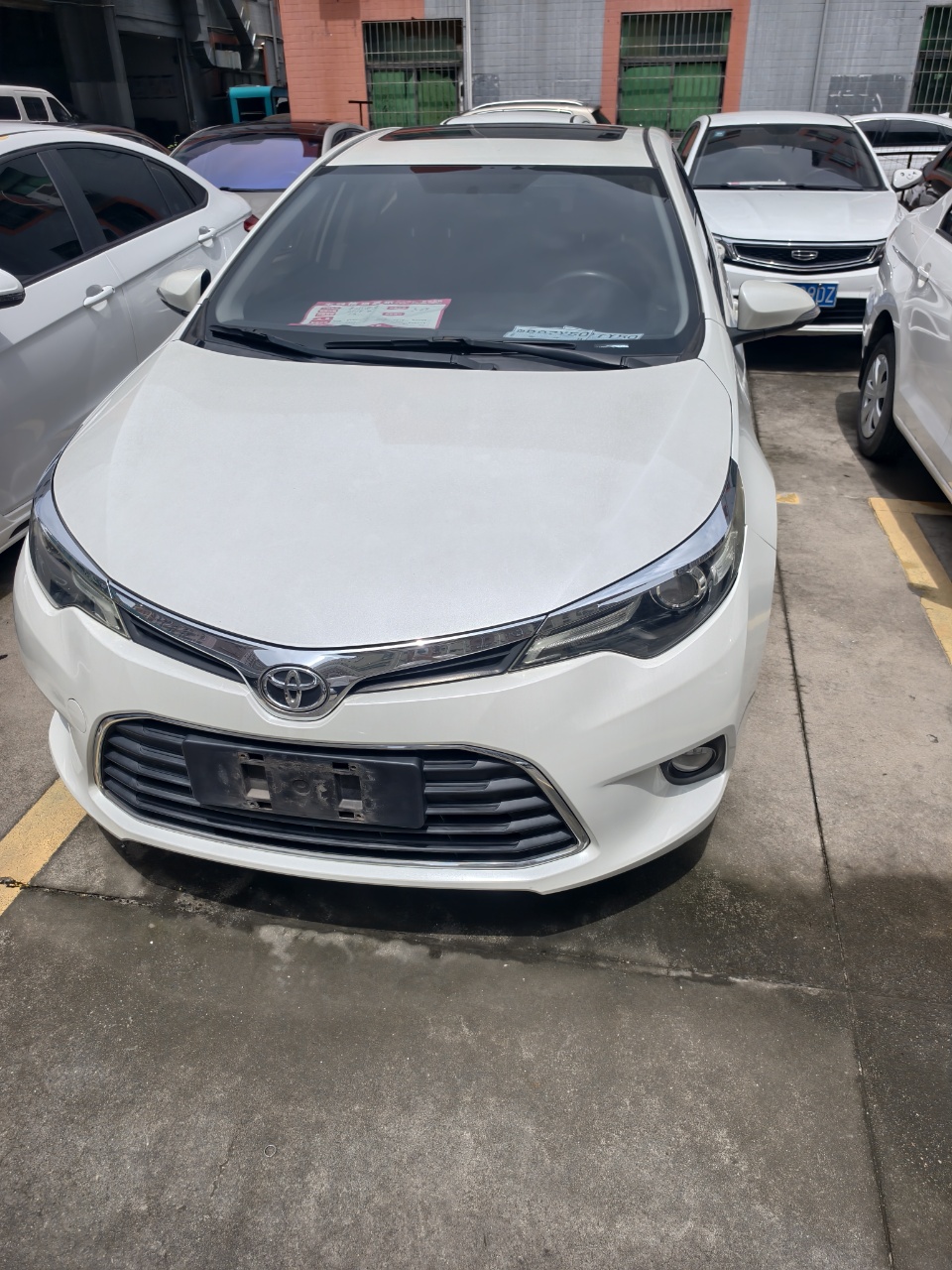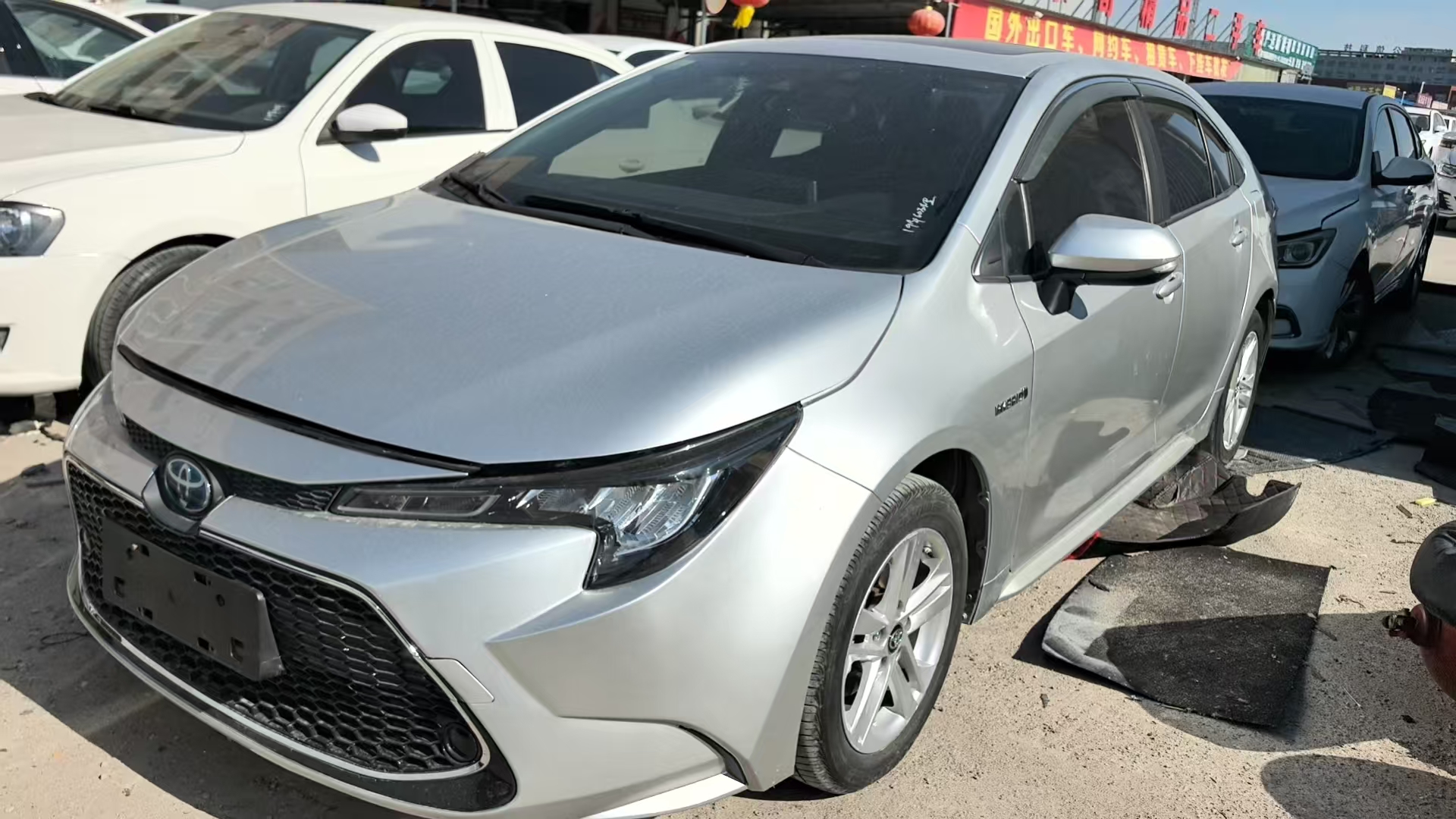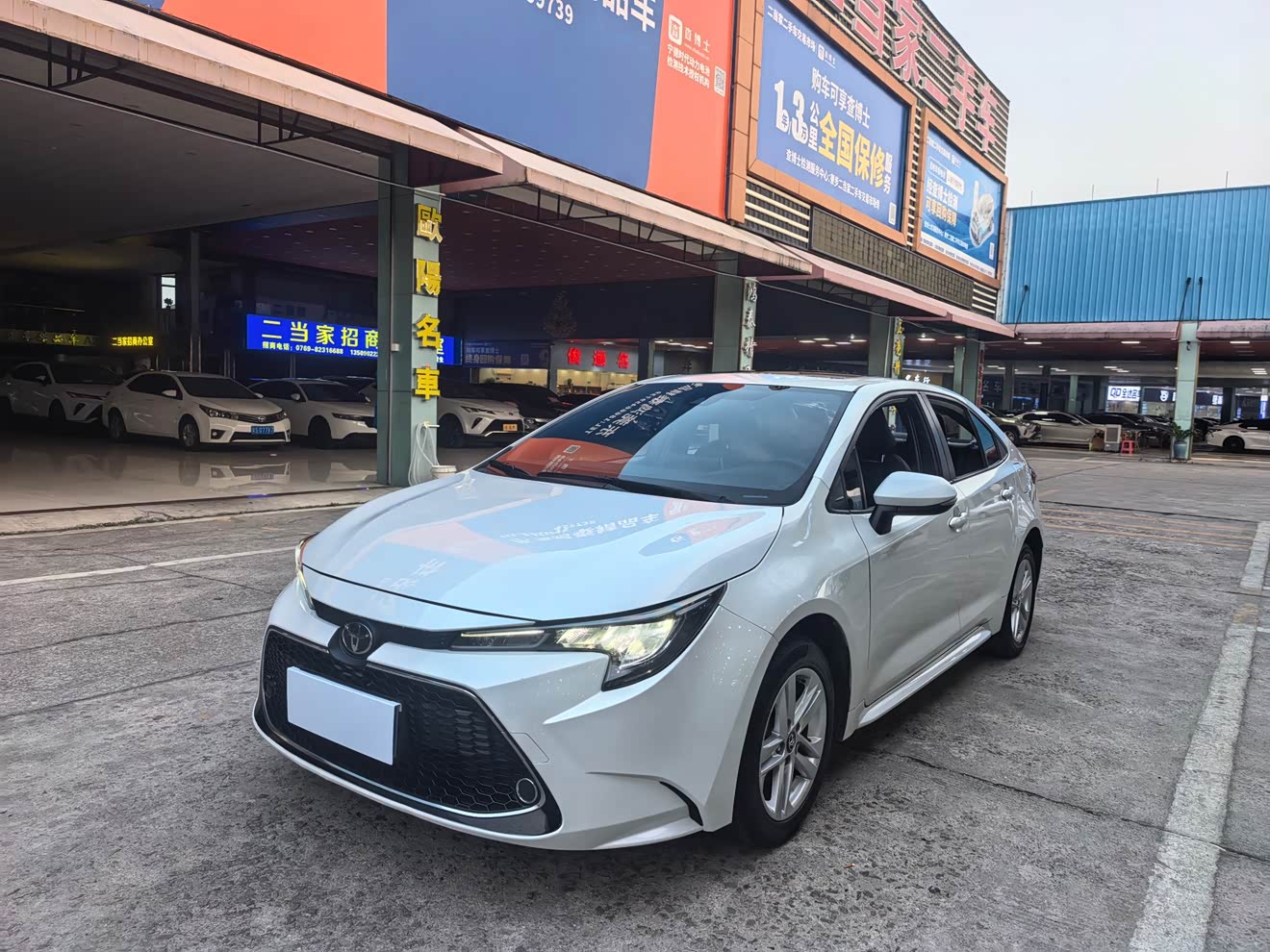
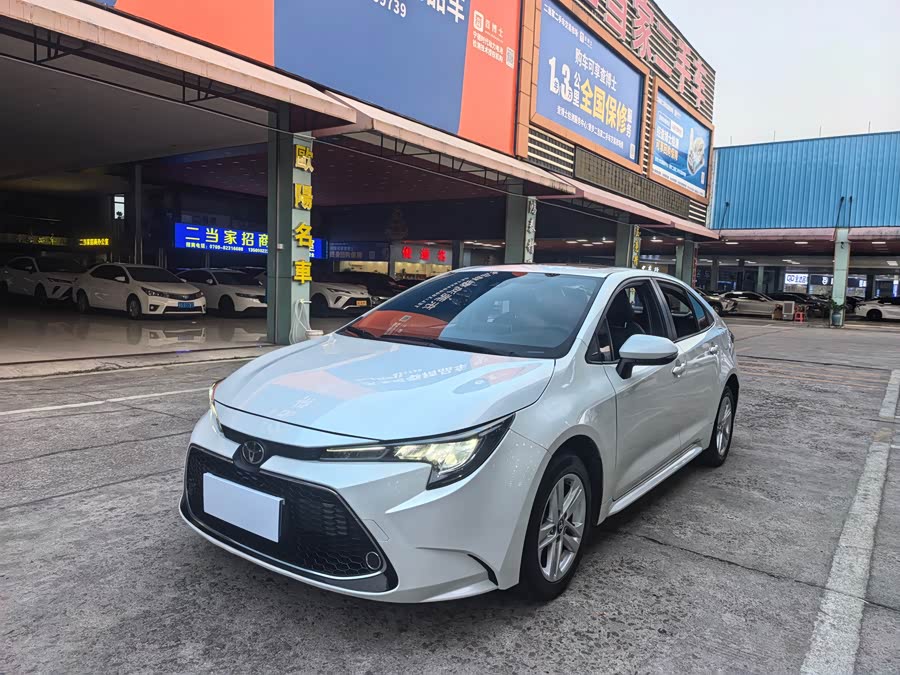
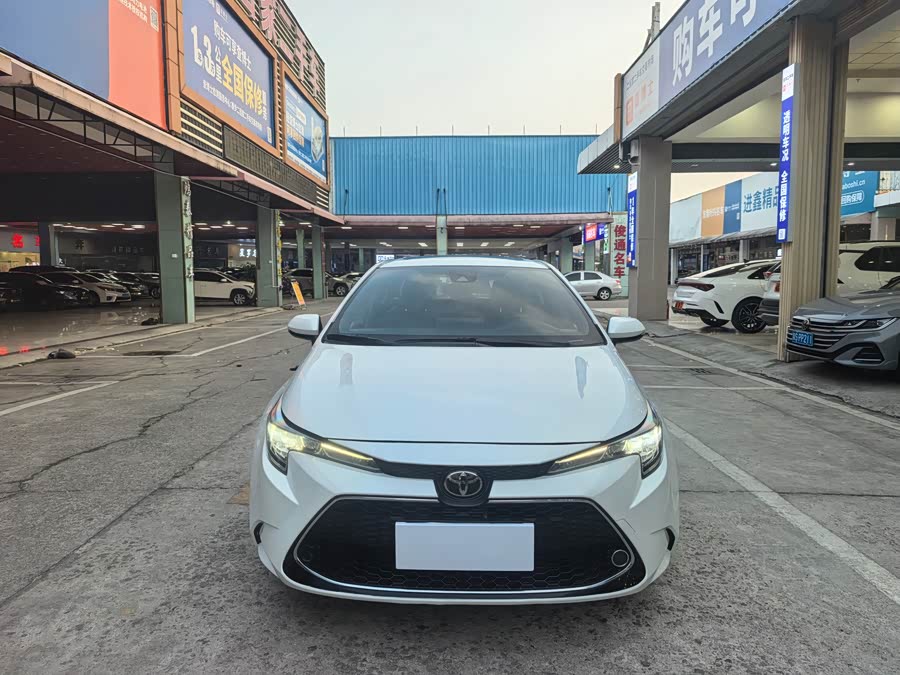
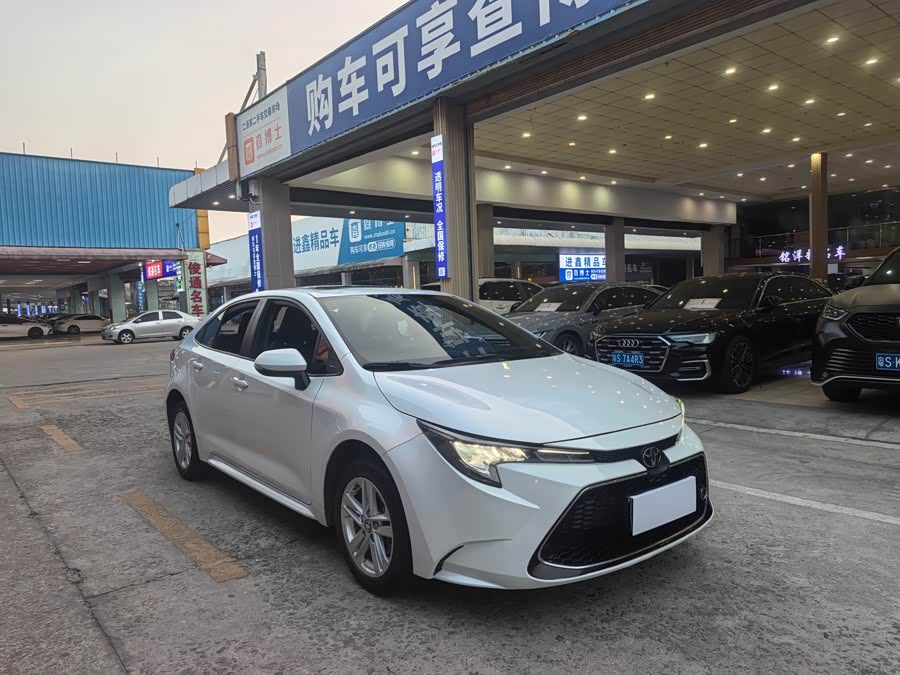
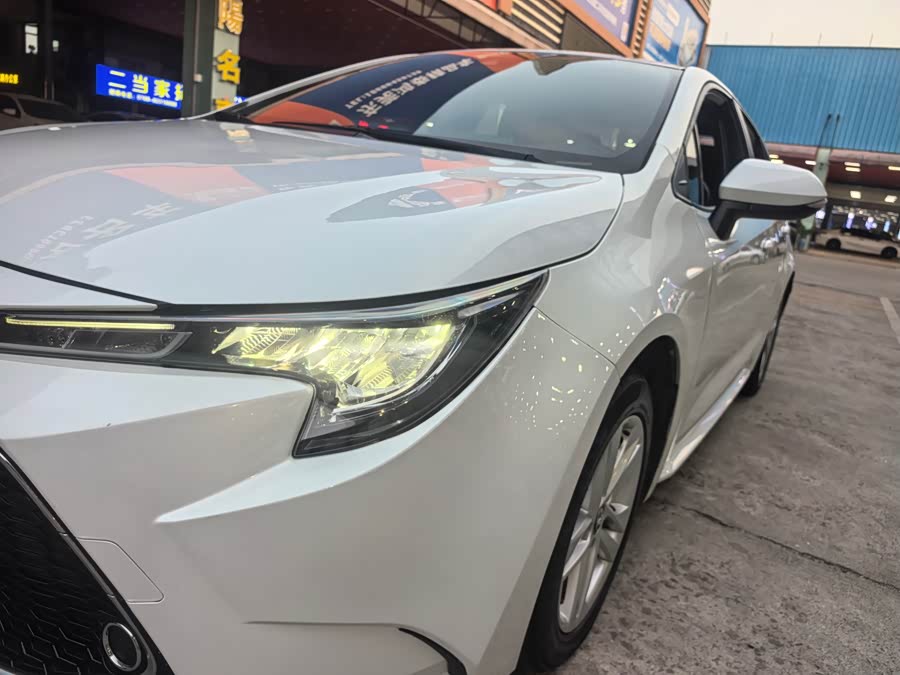
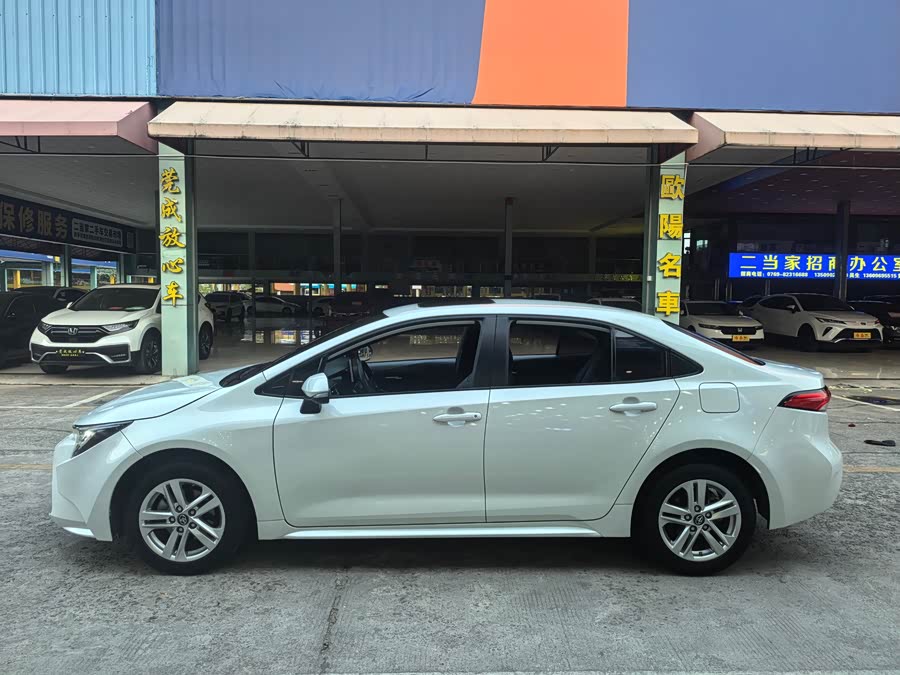
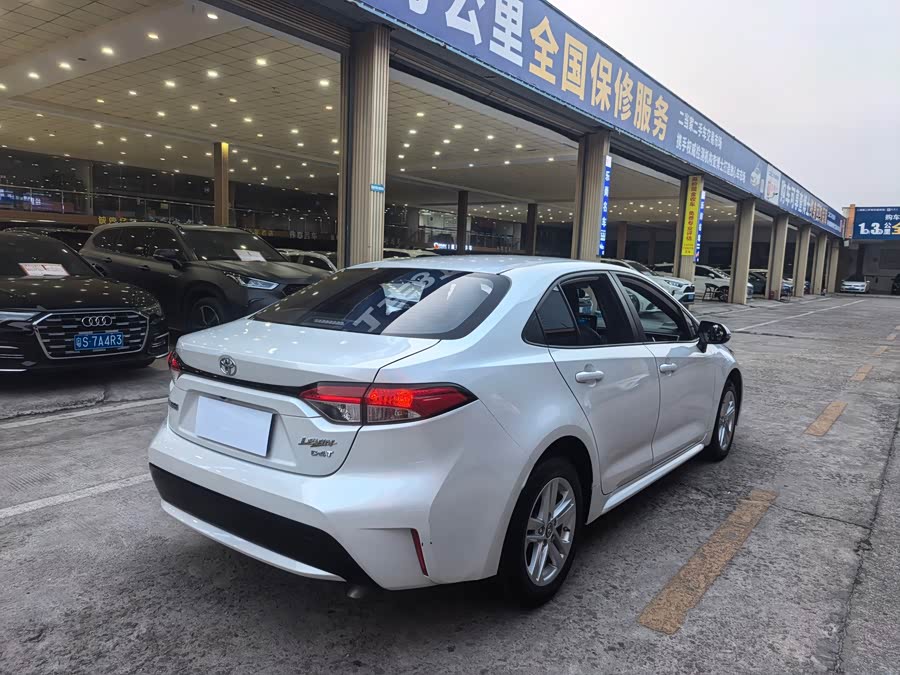
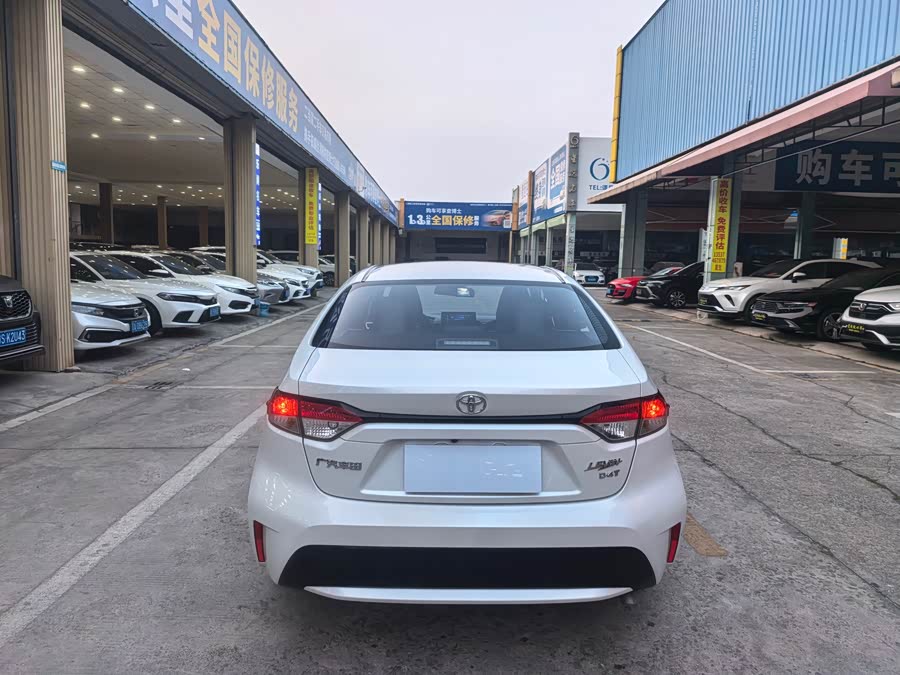
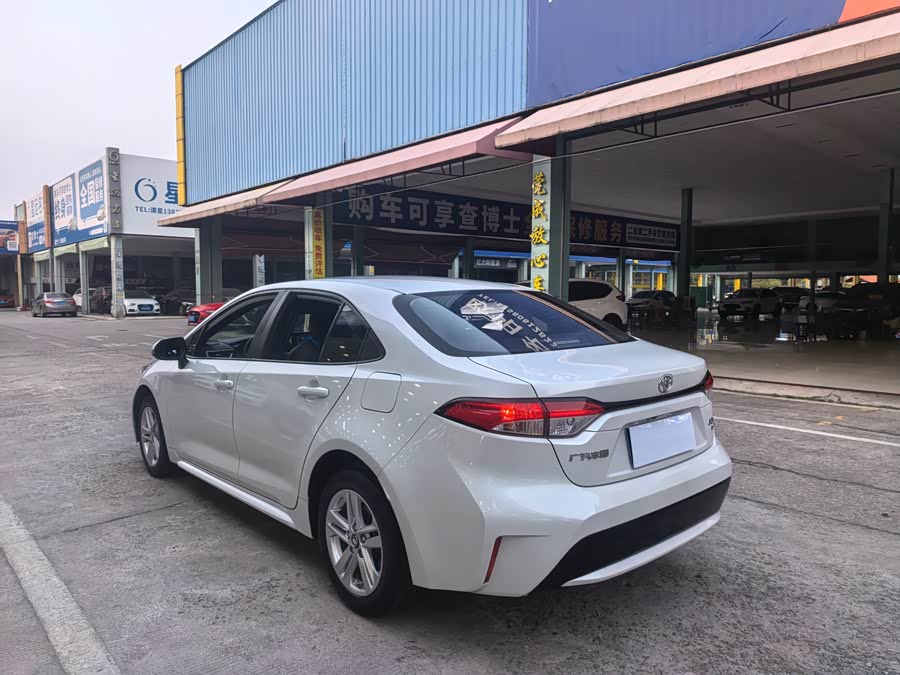
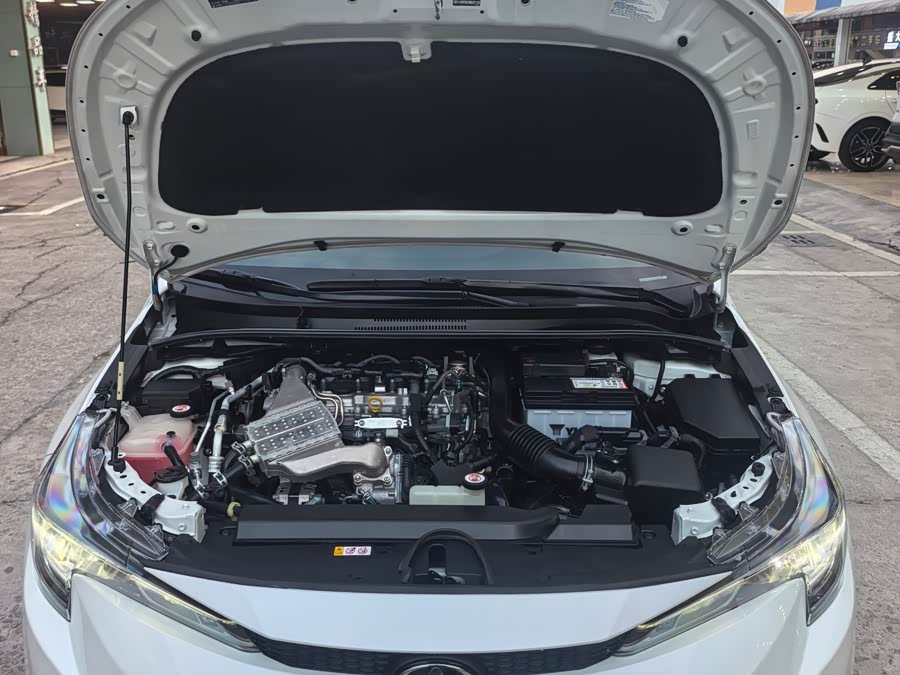
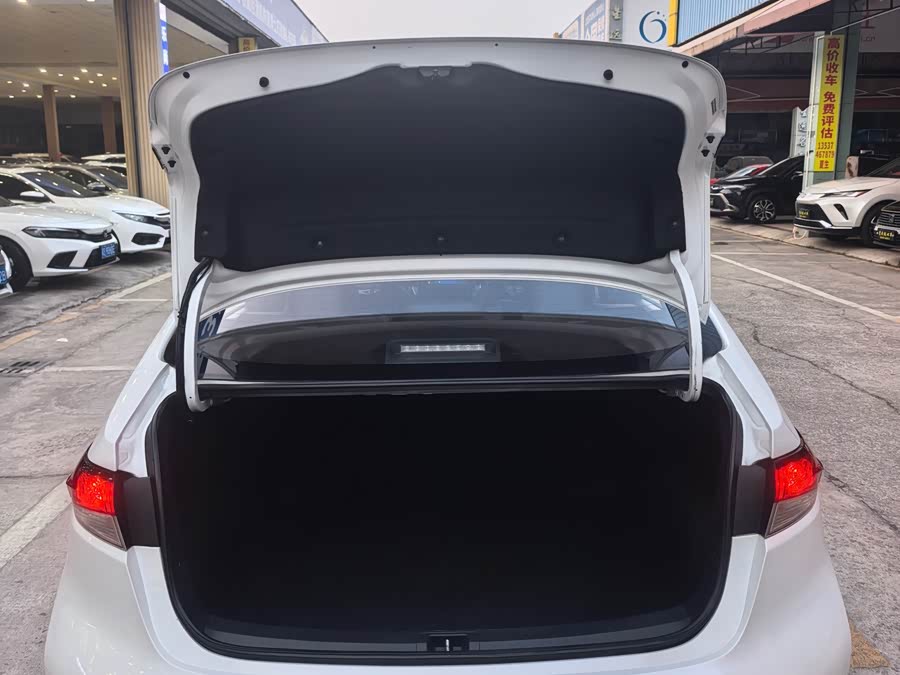
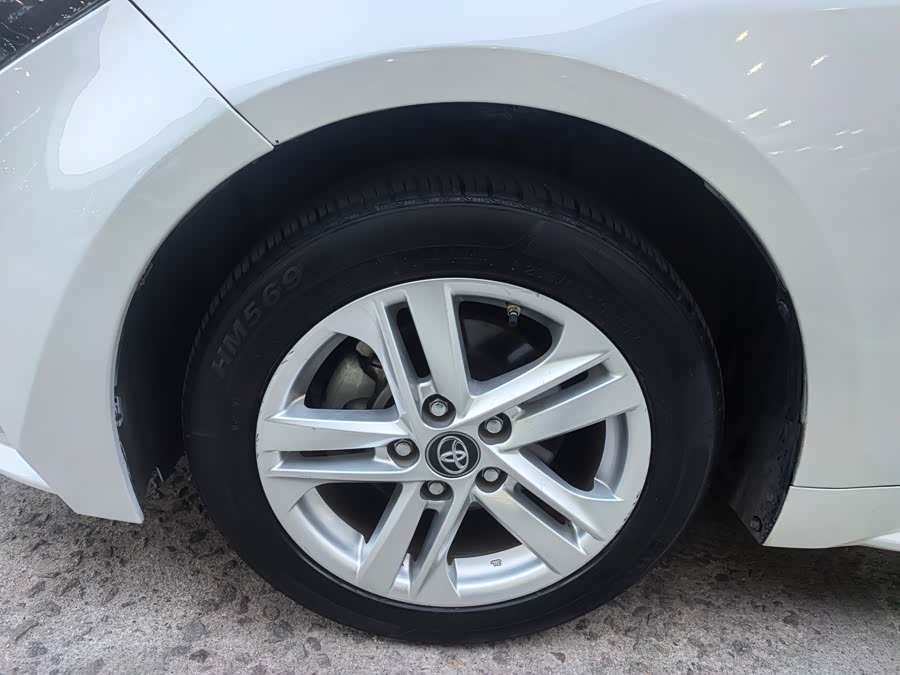
Basic Information

BrandToyota
SeriesLevin
Year2021
First Registration2021/08
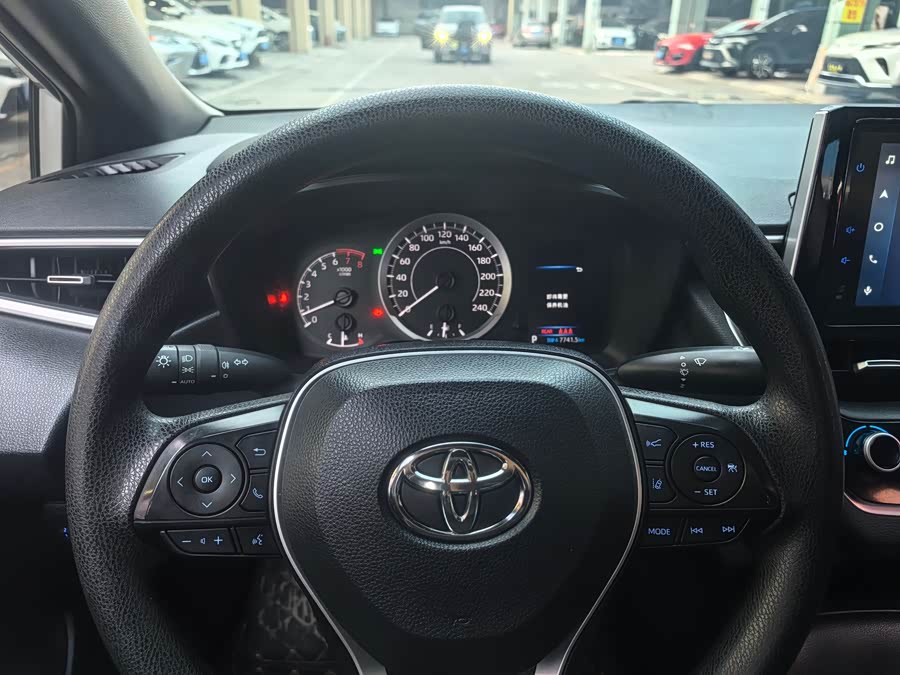
Mileage70,000km
Transfer Count-
FuelGasoline
TransmissionCVT
Engine1.2T 116 L4
ColorWhite
Seats-

Condition Description

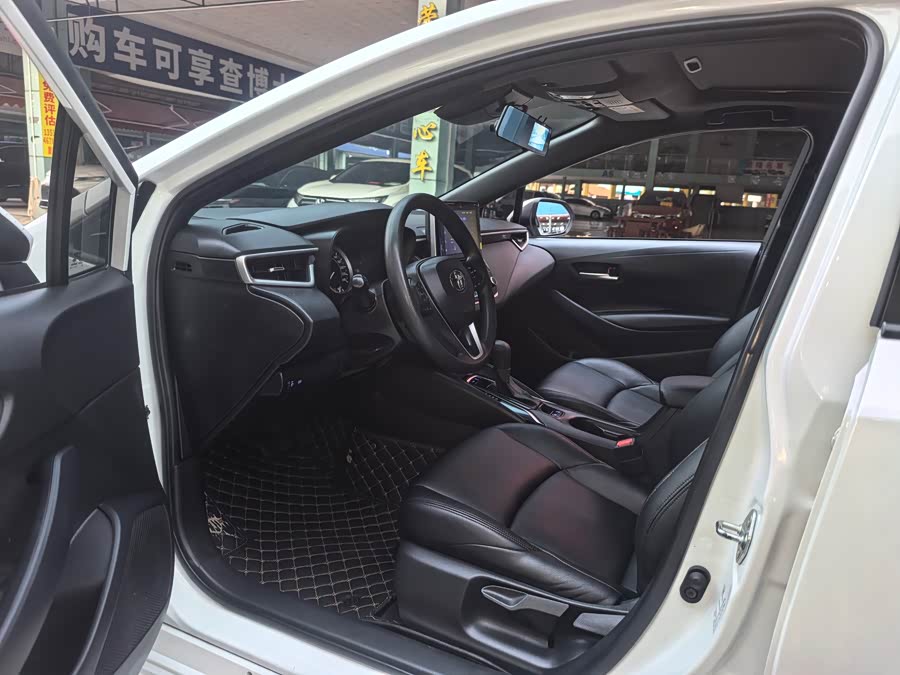
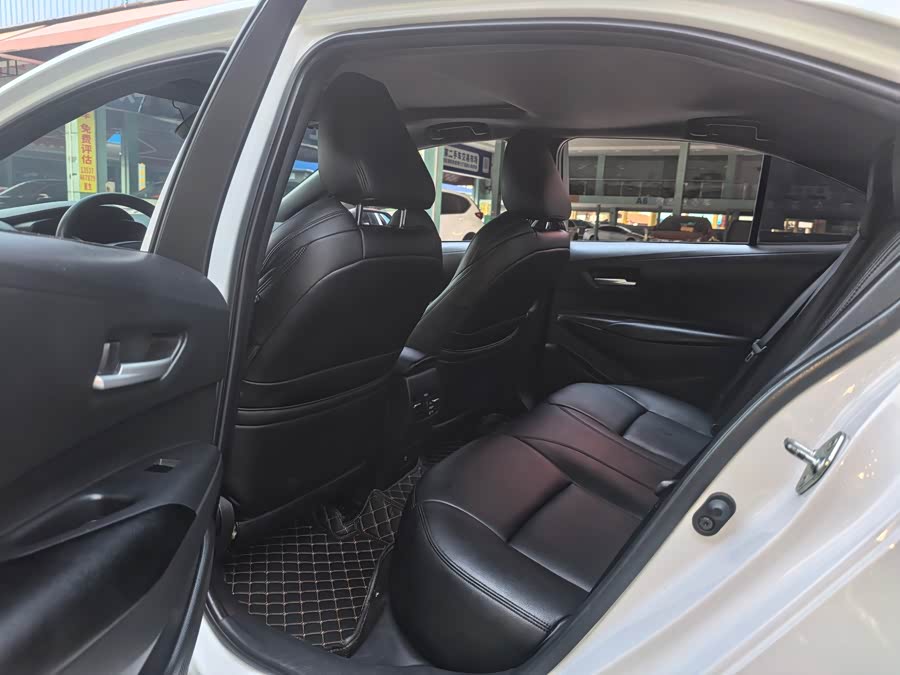
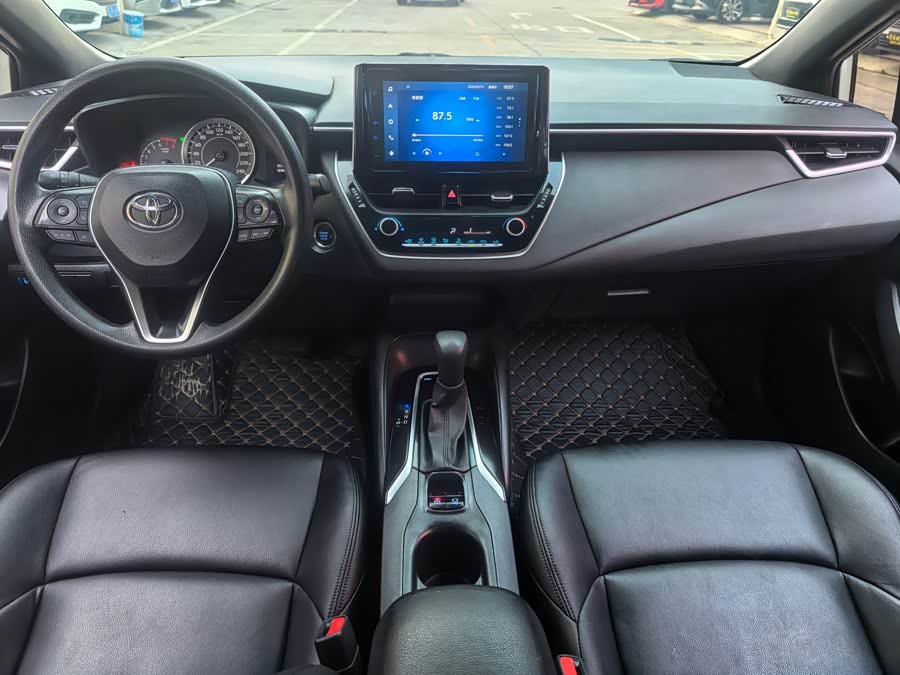
very good

One-owner, privately owned, high-quality car, Dr. Cha S-Class, no accidents, no water damage, no fire damage, no odometer tampering, supports inspection anywhere, comes with a 1-year or 30,000-kilometer warranty.

90-day repurchase guarantee

Configuration Highlights

Tire Pressure Monitoring
Lane Keep Assist
Lane Departure Warning
Active Safety System
ISOFIX Child Seat Anchors
Auto Hold
Keyless Start System
Bluetooth/Hands-free
Connected Car
Adaptive Headlights
PM2.5 Air Filter
Rear Air Vents

Accident & Maintenance Records

Accident Record

🔗 Open Link

Maintenance Record

🔗 Open Link

Document Information

Inspection Expiry Date2027/08
Warranty Expiry Date-
Insurance Expiry Date2026/08

Q&A

More

Why is there a time difference between the production date on the vehicle nameplate and the first registration date on the registration certificate?

The nameplate date is the absolute time when the vehicle leaves the factory; the registration date is when the vehicle is registered with the traffic management department after sale. The difference represents the time the vehicle spent in the dealer's warehouse or logistics. If the time difference exceeds 6-8 months, the vehicle is considered a "stock vehicle," and we pay special attention to the natural aging of its rubber components.
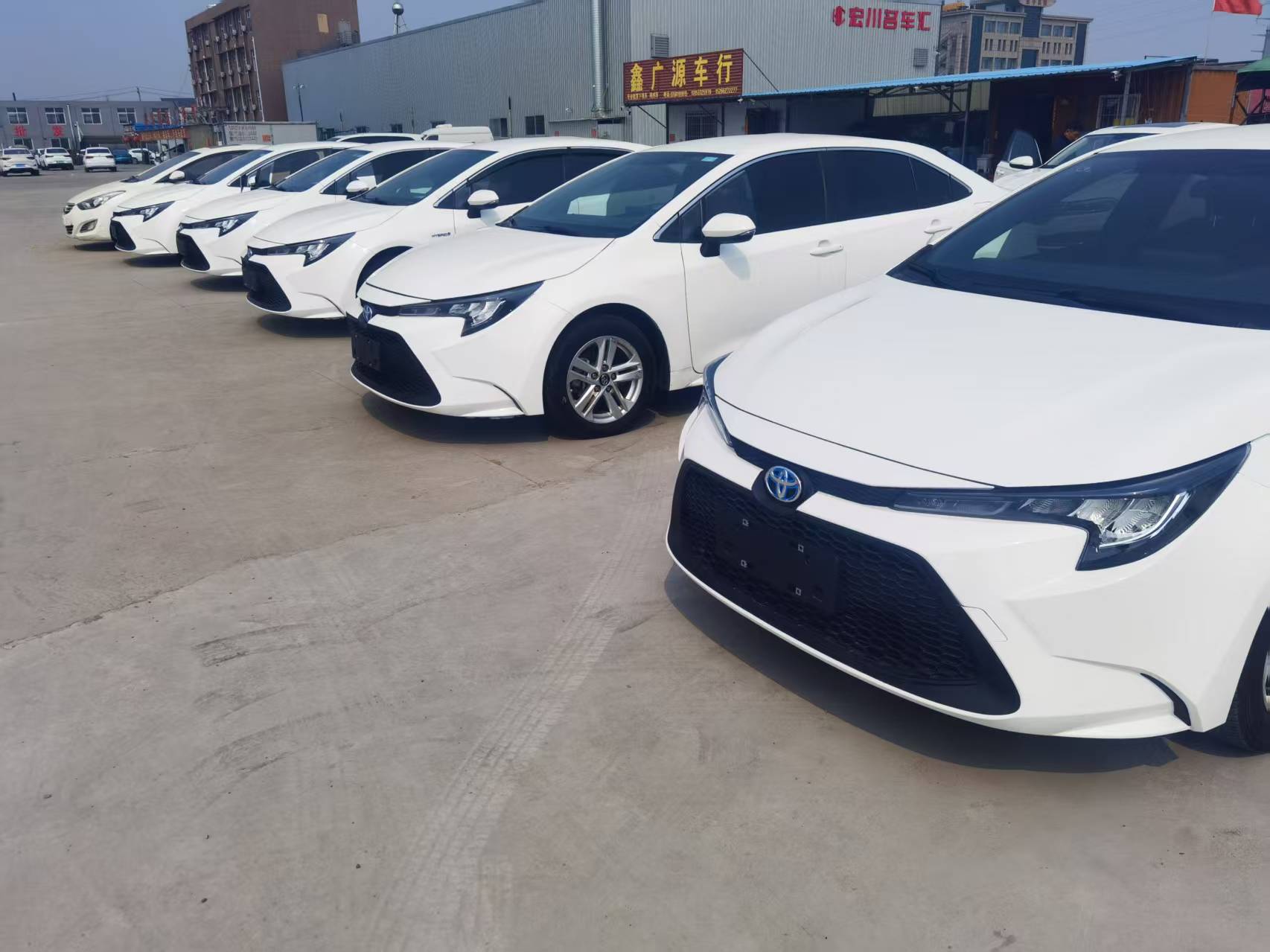
If our country has a free trade agreement (FTA) with China, can you provide specific certificates of origin to reduce tariffs?

Yes. If your country (such as Chile, Peru, ASEAN countries, etc.) has signed a bilateral free trade agreement with China, our documentation center will apply to Chinese customs or the trade promotion agency for specific versions of the certificate of origin (such as Form E, Form F, etc.), which can help you legally apply for significant tariff reductions at the destination port.

How is the degree of wear on the interior defined? (e.g., steering wheel, seat patina or cracking)

Interior assessment is divided into three core areas: the driver's high-frequency contact area (steering wheel, gear shift, edge of the driver's seat), central control button area, and rear seats and ceiling. The natural sheen of leather surfaces (patina) is normal; however, any physical damage (such as leather tearing, fabric burn holes, or plastic breakage) will be classified as "structural interior damage" and clearly marked.