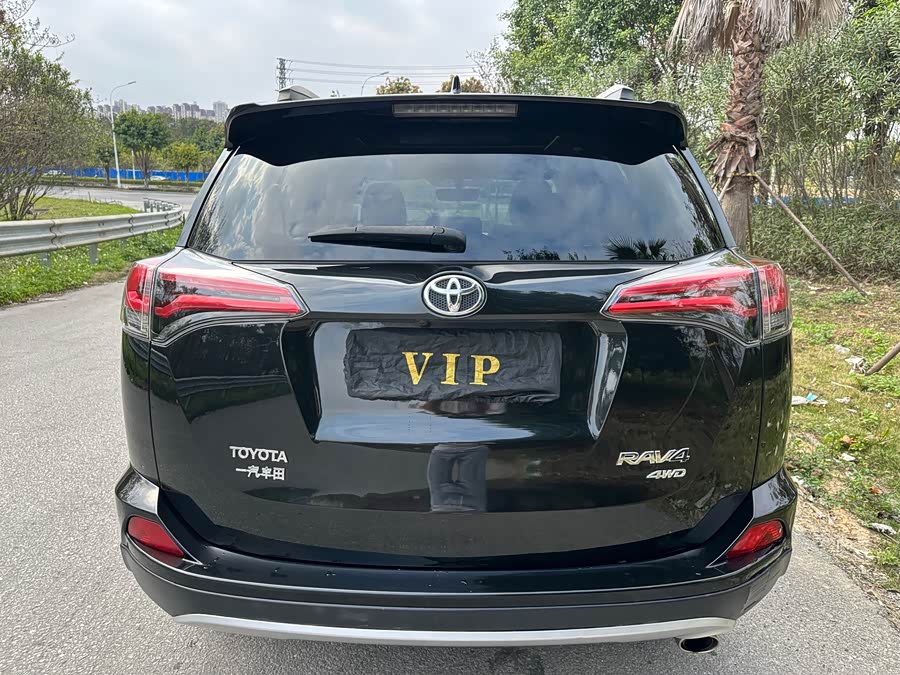
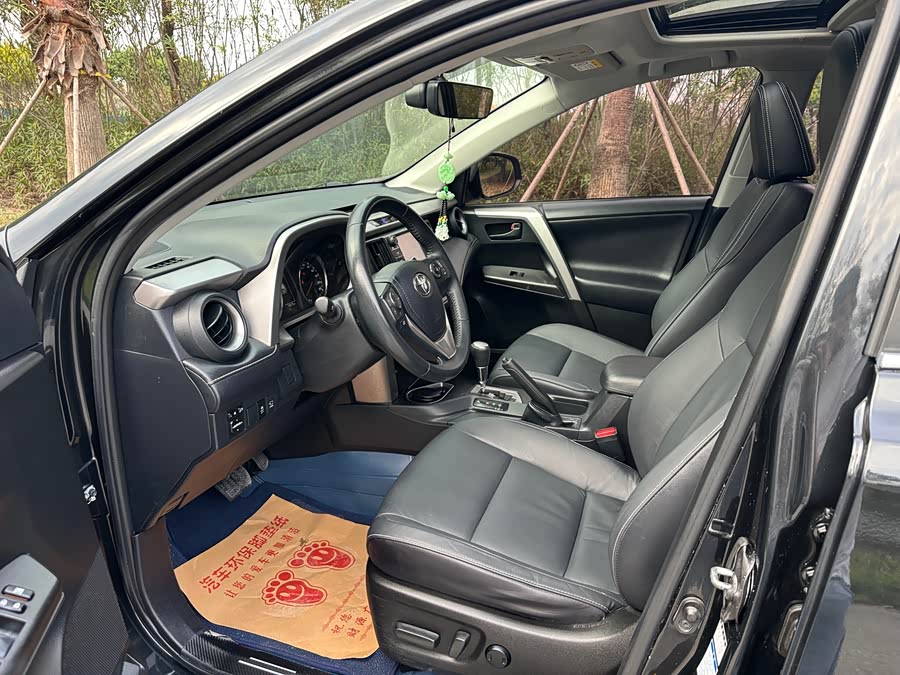
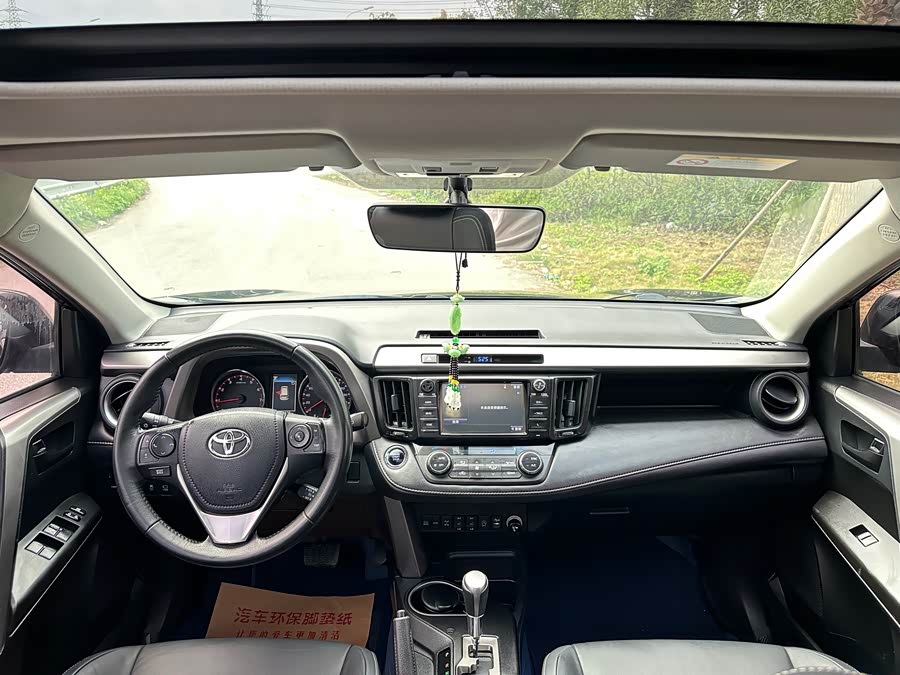
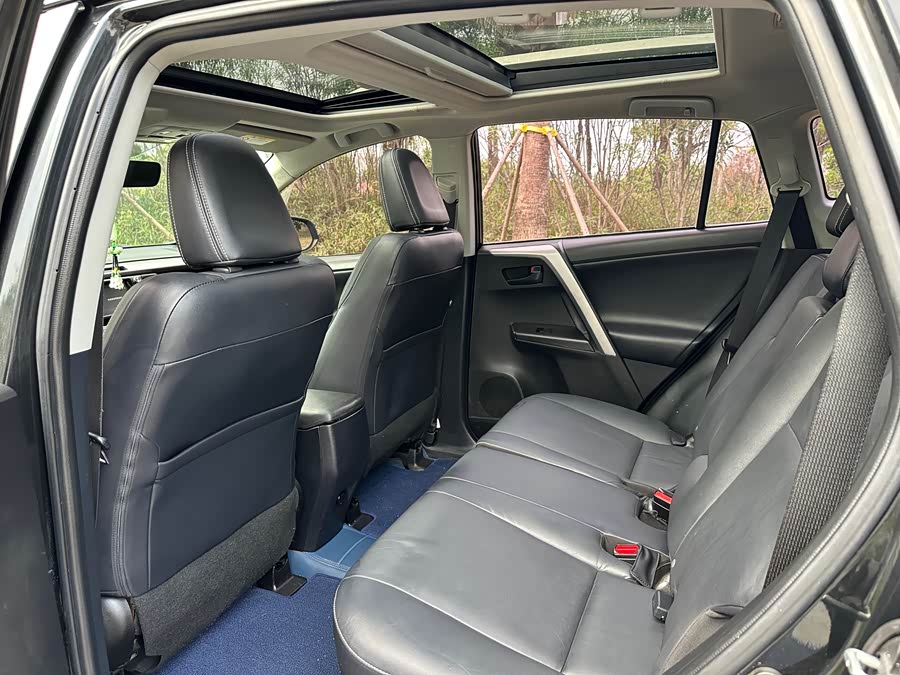
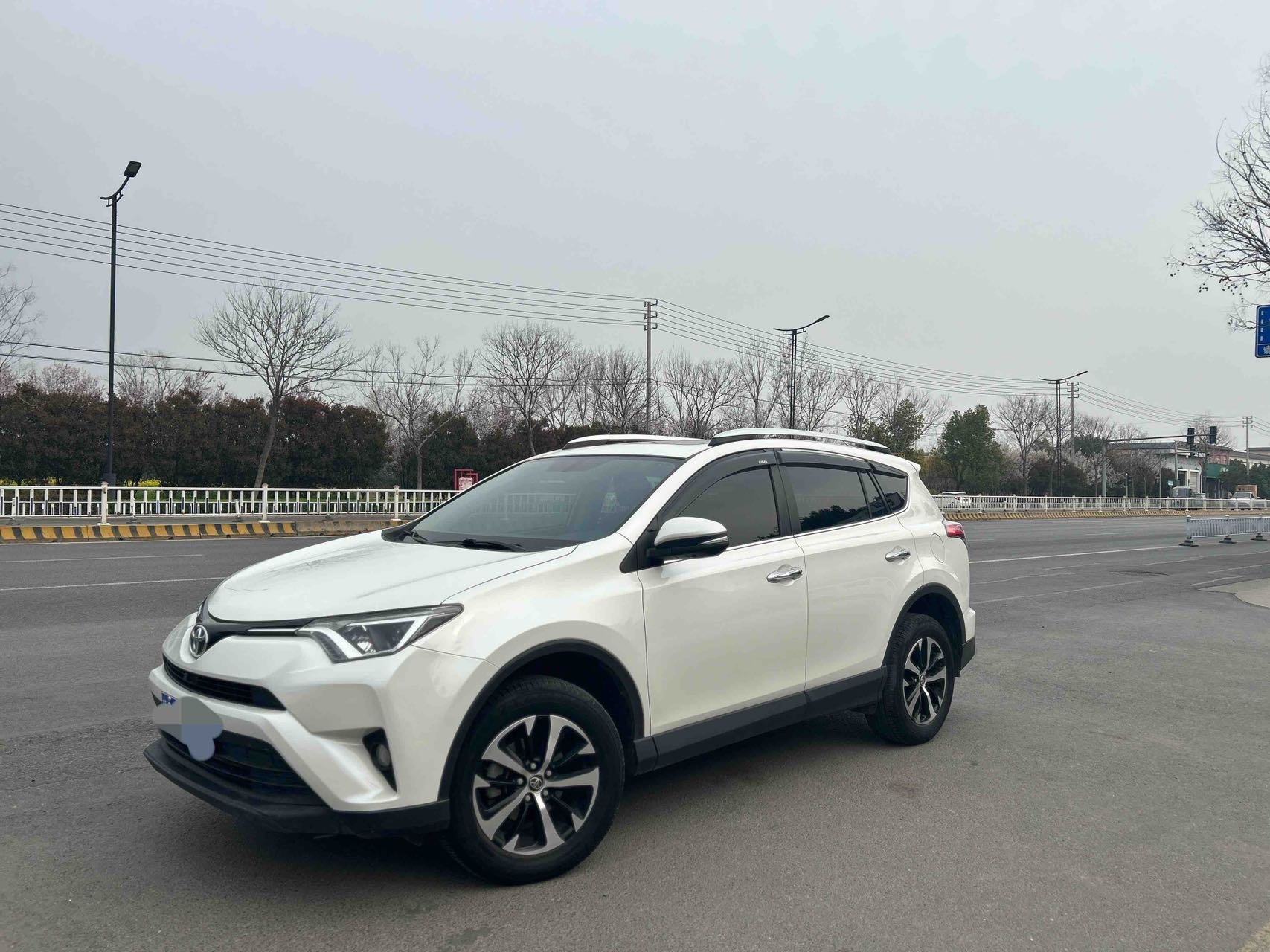
Basic Information

BrandToyota
SeriesRAV4
Year2018
First Registration2018/01
Mileage75,000km
Transfer Count-
FuelGasoline
TransmissionManumatic
Engine2.5L 180 L4
ColorBlack
Seats-

Condition Description

good

Exterior: Paintwork is well-maintained; body structure shows no signs of repair; no major accidents. Interior: Clean and tidy. Safety indicator lights are normal; airbags and other passive safety features are functioning correctly; vehicle electronics are in good working order; static and dynamic equipment is complete. Driving: Ignition, starting, acceleration, cornering, deceleration, and braking are all smooth; acceleration is rapid, power output is smooth and comfortable, and there is no idling vibration. Overall: Overall vehicle condition is average. The body frame structure shows no deformation or twisting, and there are no signs of fire or water damage. There are signs of repainting, but the overall paintwork is good, ruling out major accidents. Wide field of vision, suitable for beginners; spacious, bright, and well-ventilated interior, suitable for family commuting.


90-day repurchase guarantee

Configuration Highlights

Tire Pressure Monitoring
ISOFIX Child Seat Anchors
Center Differential Lock
Keyless Start System
Bluetooth/Hands-free
Adaptive Headlights

Accident & Maintenance Records

Accident Record

🔗 Open Link

Maintenance Record

🔗 Open Link

Document Information

Inspection Expiry Date2027/01
Warranty Expiry Date-
Insurance Expiry Date2027/01

Q&A

More

Will both smart keys that came with the vehicle be sent along with it?

Our delivery standard is 'As-Is'. If the original owner only hands over one key at the time of collection, the report will clearly state 'Keys: 1'. Do not assume that all used cars come with two keys, as the cost of reprogramming smart keys overseas is very high.

How are the refrigerant pressure, compressor operation, and heating effect of the air conditioning system deeply tested?

The technician will start the vehicle and turn on the air conditioning system, measuring the actual temperature at the vents at the lowest and highest settings with a thermometer; at the same time, they will connect a manifold pressure gauge to check if the refrigerant pressure in the high and low pressure lines is within the normal range, determining if there is a chronic refrigerant leak.

How to check the condition of the turbocharger (oil leaks, unusual noises, insufficient pressure) for turbocharged vehicles?

Experience turbo lag and power surge during road tests; check for significant oil accumulation at the turbo intake and intercooler connections (slight oil vapor is normal); and use OBD to read the real-time boost pressure peak to see if it meets factory settings.