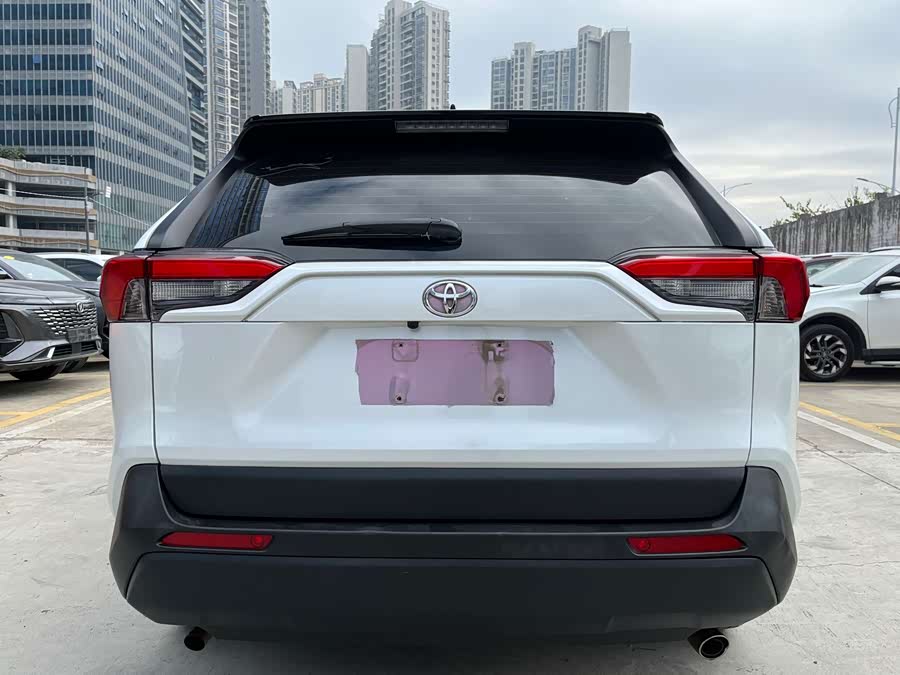
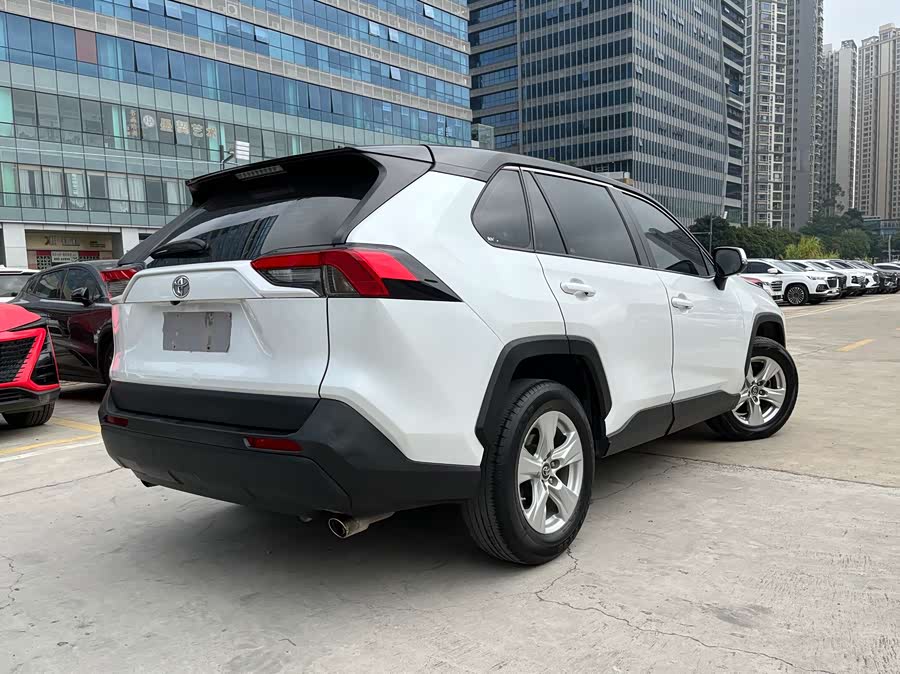
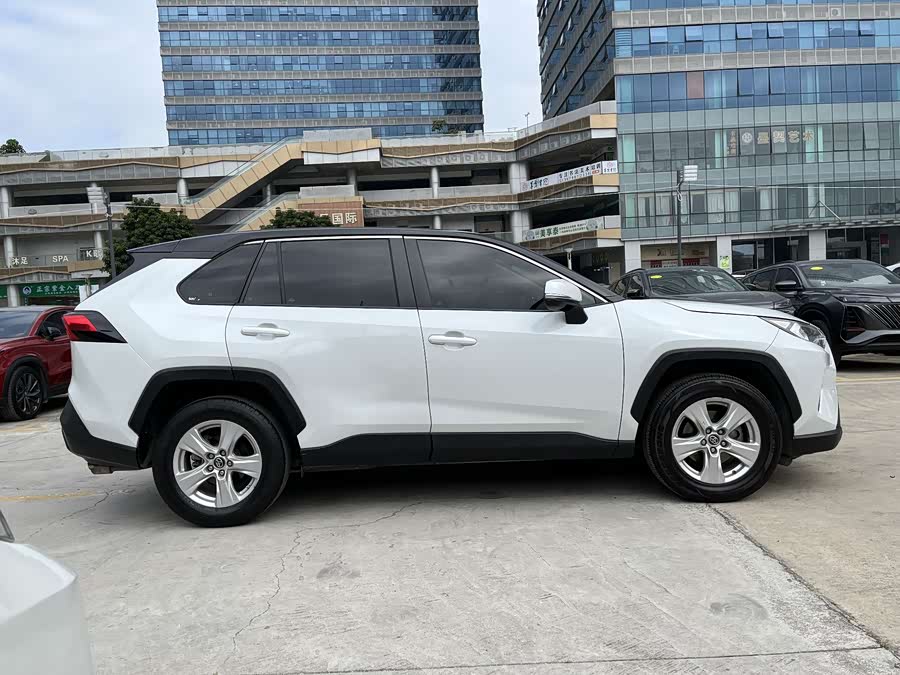
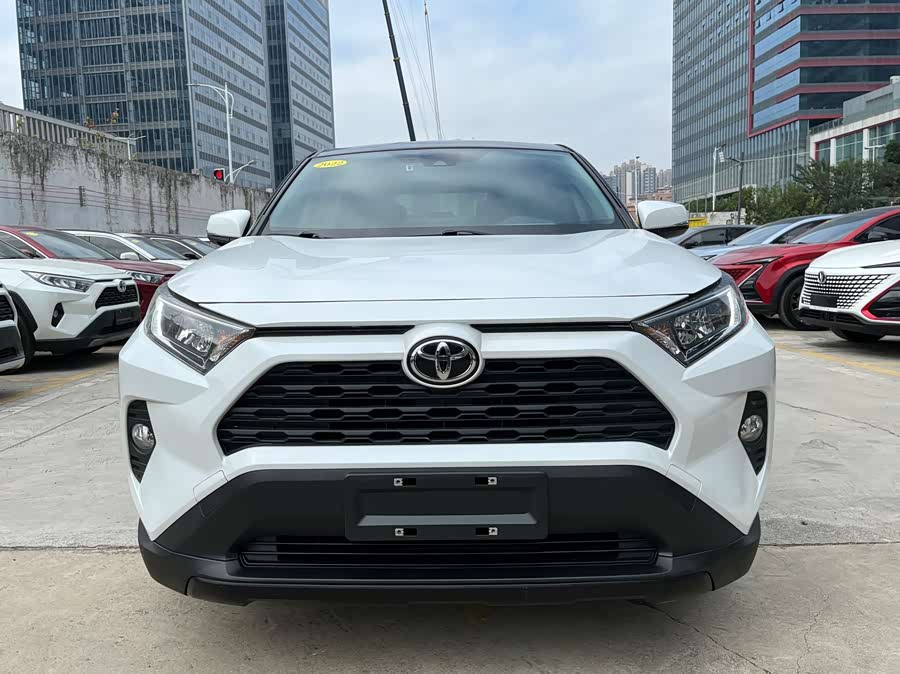
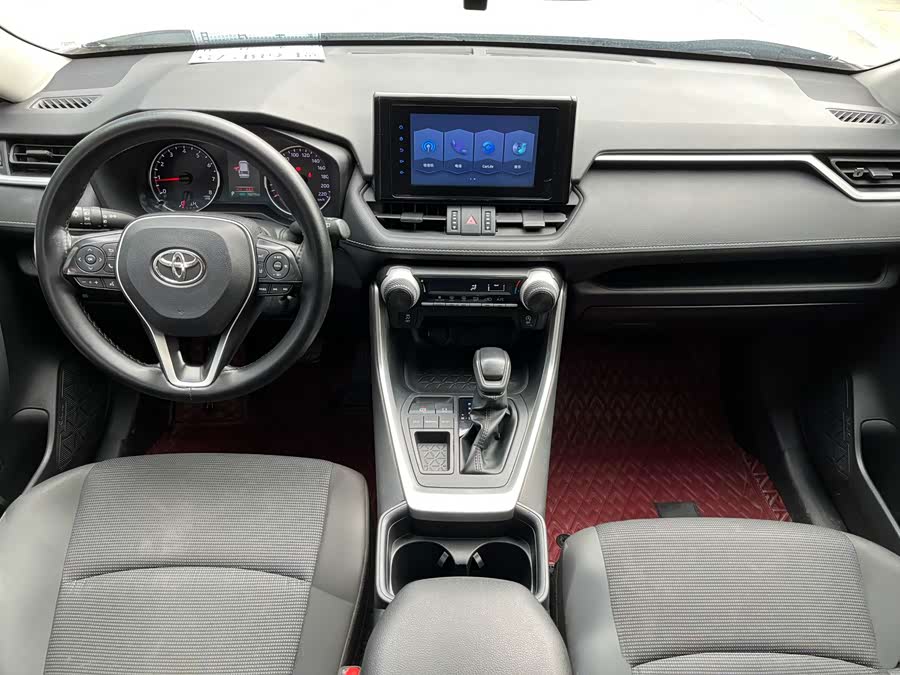
Basic Information

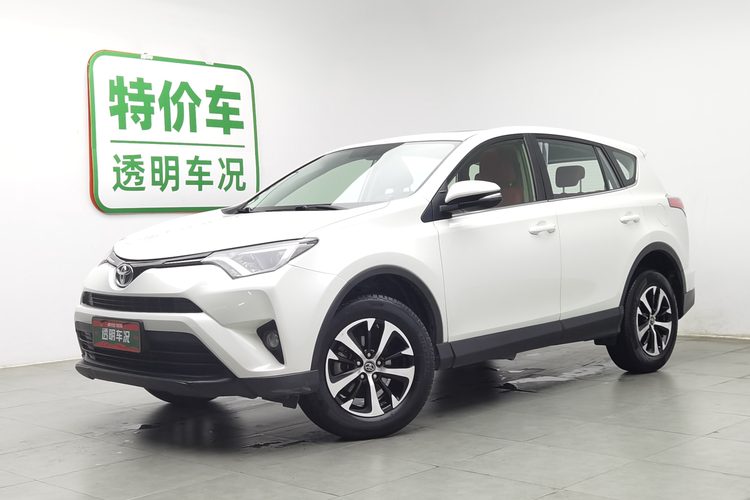
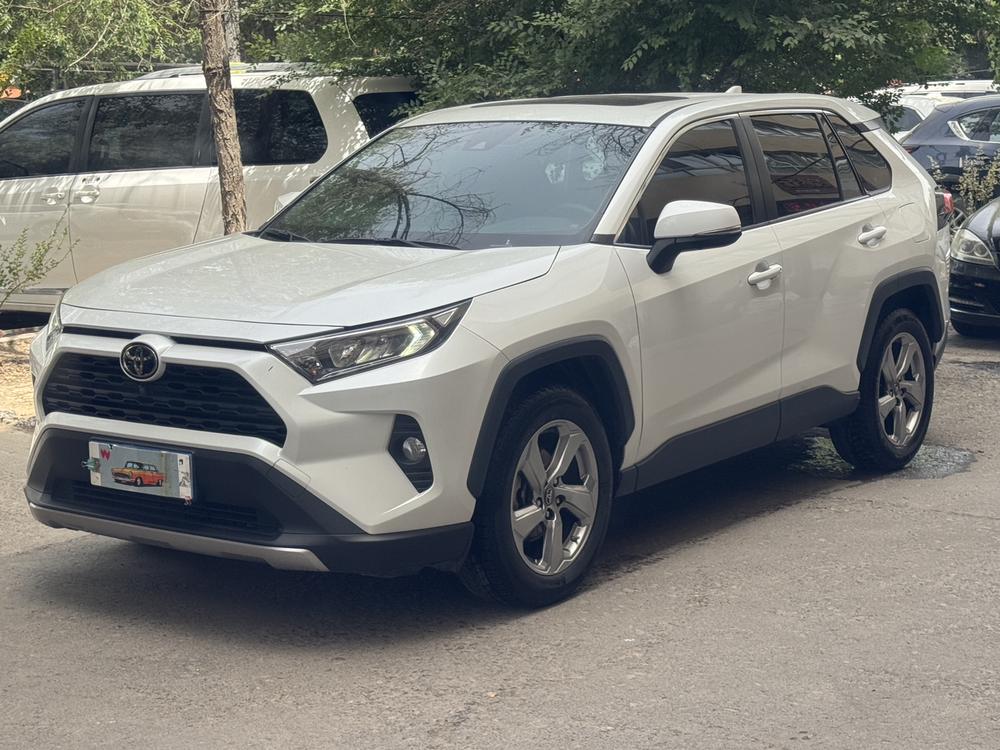
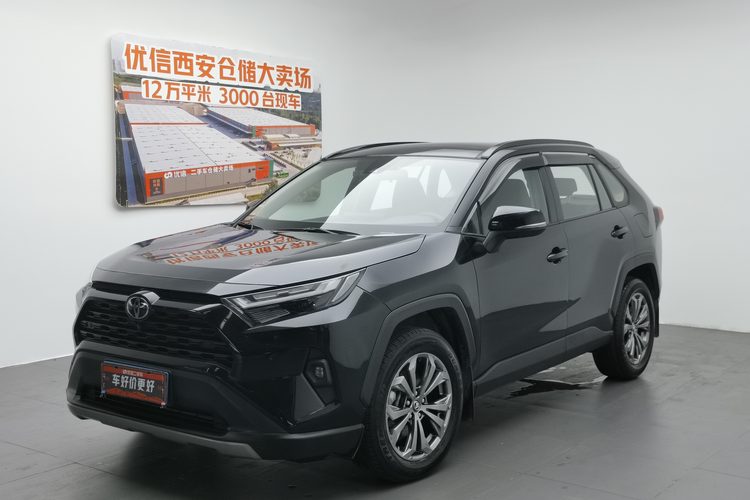
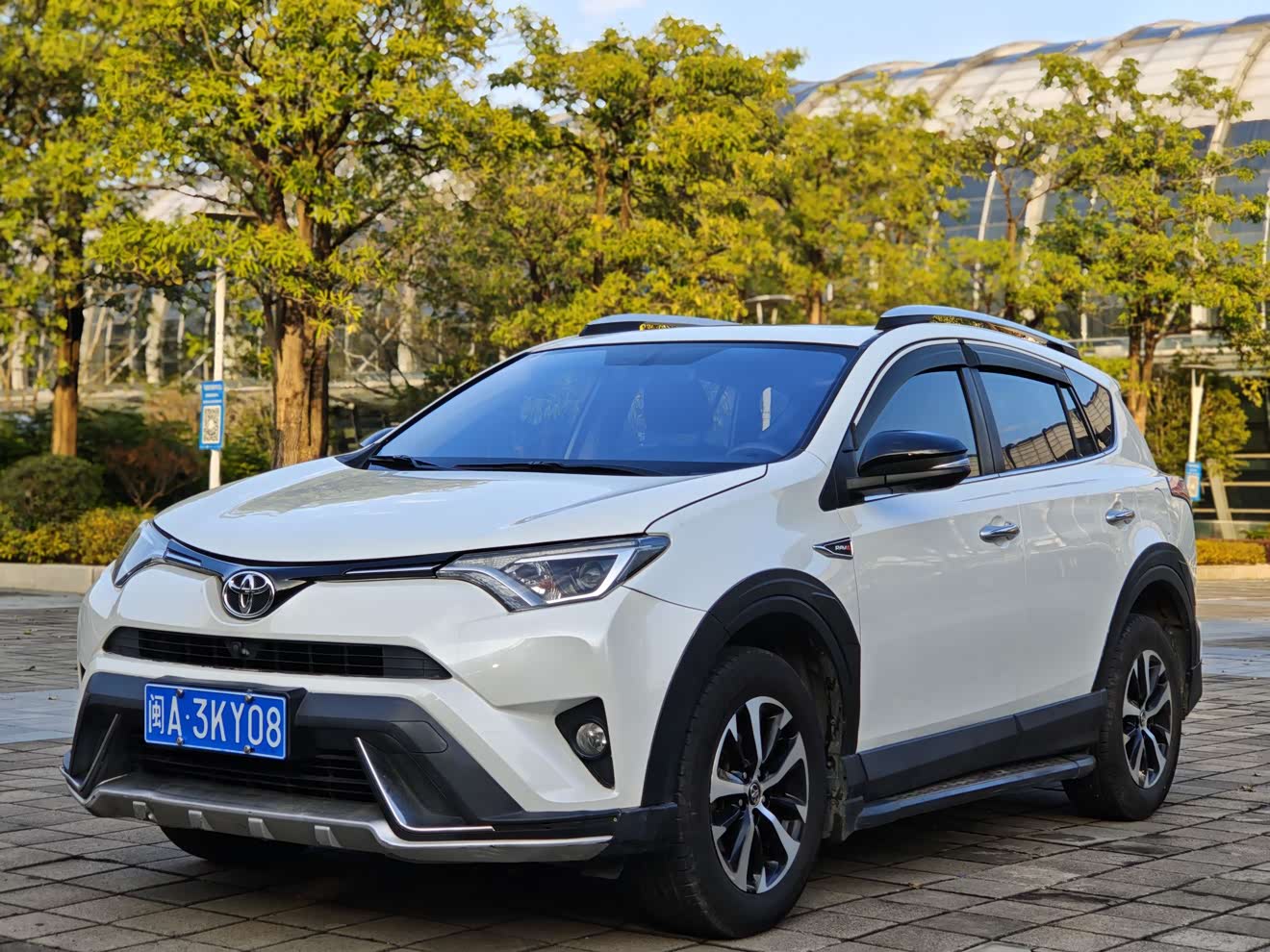
BrandToyota
SeriesRAV4
Year2018
First Registration2018/06
Mileage132,000km
Transfer Count-
FuelGasoline
TransmissionCVT
Engine2.0L 151 L4
ColorWhite
Seats-

Condition Description

very good

This 2018 RAV4 2.0L CVT 2WD Fashion X Edition was first registered in June 2018 and currently has 132,000 kilometers on the odometer. In terms of features, it is equipped with ISOFIX child seat anchors, keyless start system, Bluetooth/hands-free calling, and an in-car PM2.5 filter. The vehicle is in good condition and suitable for family use.

0 transfers

Configuration Highlights

ISOFIX Child Seat Anchors
Keyless Start System
Bluetooth/Hands-free
PM2.5 Air Filter

Accident & Maintenance Records

Accident Record

🔗 Open Link

Maintenance Record

🔗 Open Link

Document Information

Inspection Expiry Date2026/06
Warranty Expiry Date-
Insurance Expiry Date2026/06

Q&A

More

Can I find the official 4S shop maintenance records for this car in China?

If the car has been maintained at an authorized dealer, we can extract the desensitized official maintenance history (including entry time, mileage, and maintenance items) through a paid third-party data provider and provide it to you. If some year records are missing, we will honestly inform you that the "records are incomplete."
If I accidentally lose my only smart key while overseas, can you provide the key code remotely?

It's extremely difficult. The security level of Chinese brand immobilizers is very high, and you must connect a specialized factory computer to the vehicle's OBD and be online with the domestic server to match it. Losing all keys usually means you need to replace the entire lock cylinder and anti-theft control module while overseas.

Why are the shipping costs for used electric vehicles (EVs) usually higher than for internal combustion engine vehicles (ICEs)?

Pure electric vehicles are classified as Class 9 Dangerous Goods due to their large lithium batteries, leading to strict shipping regulations. Shipping companies have high requirements for the loading position and fire isolation measures for dangerous goods, and some roll-on/roll-off ships refuse to accept used EVs. As a result, EVs often require more expensive special container shipping and incur additional handling fees for hazardous materials.