24H

Basic Information

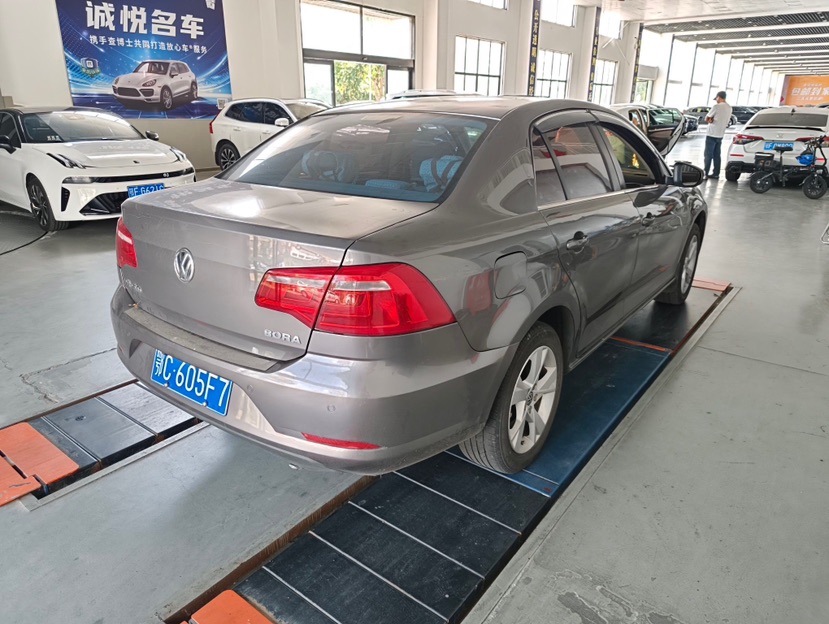
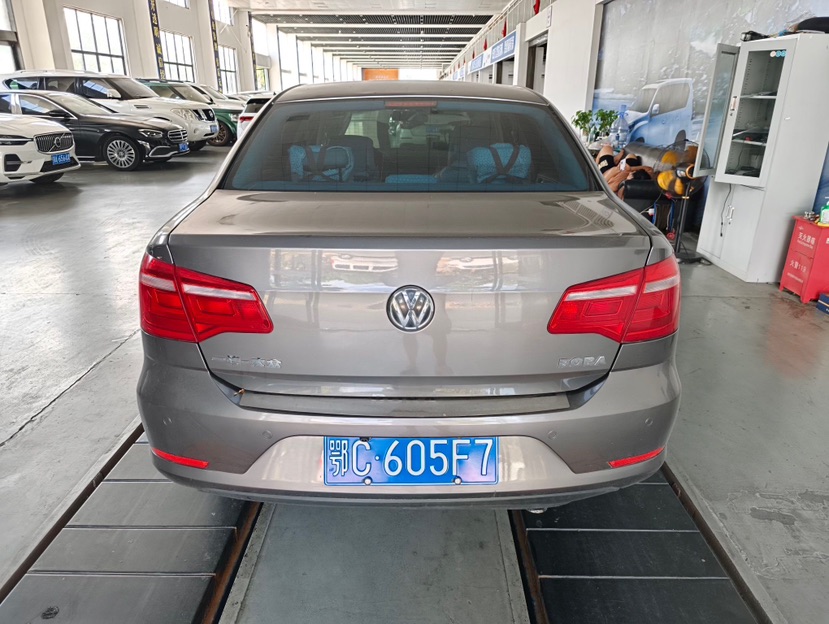
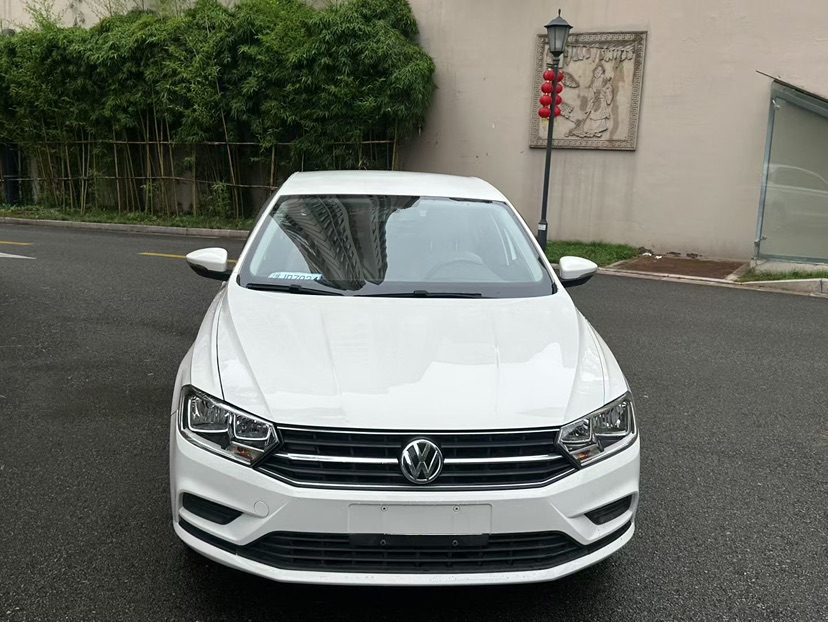
BrandVolkswagen
SeriesBora
Year2013
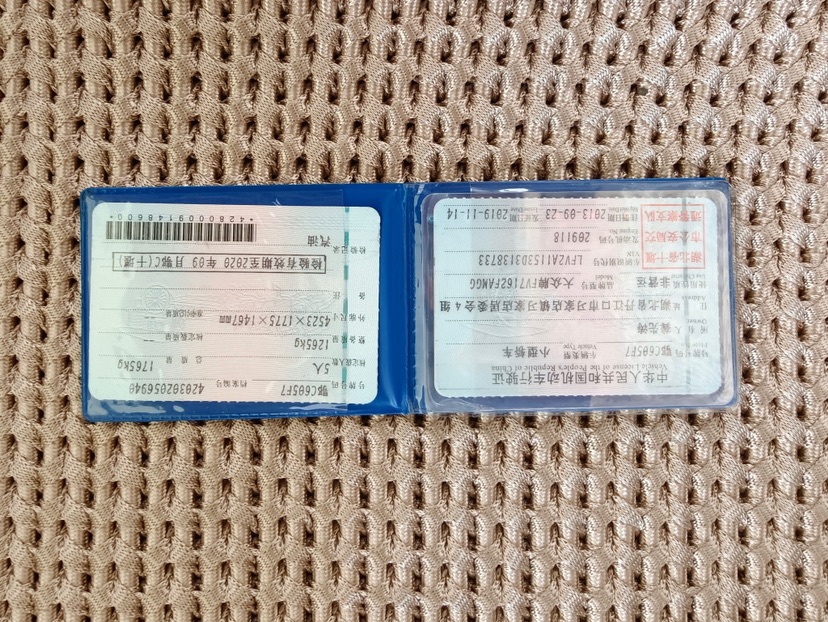
First Registration2013/09
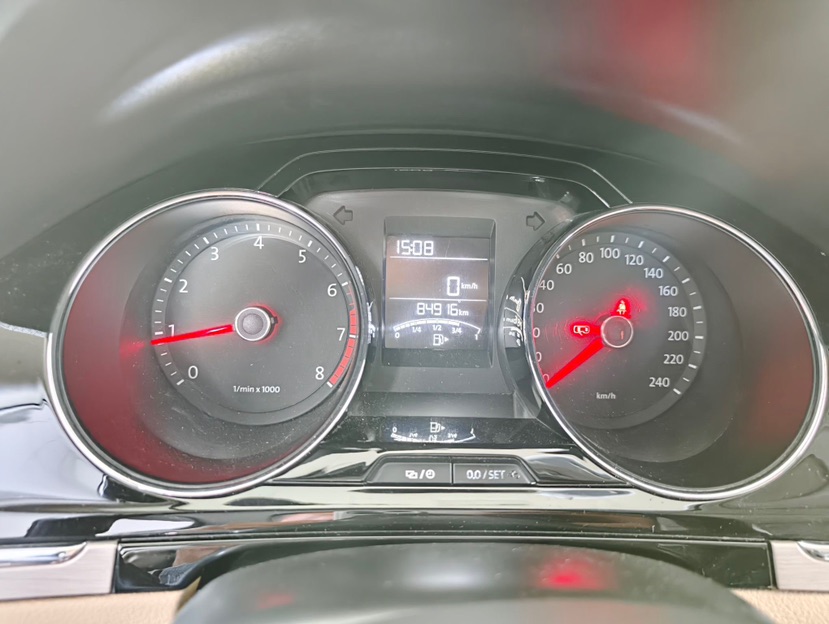
Mileage84,000km
Transfer Count1times
FuelGasoline
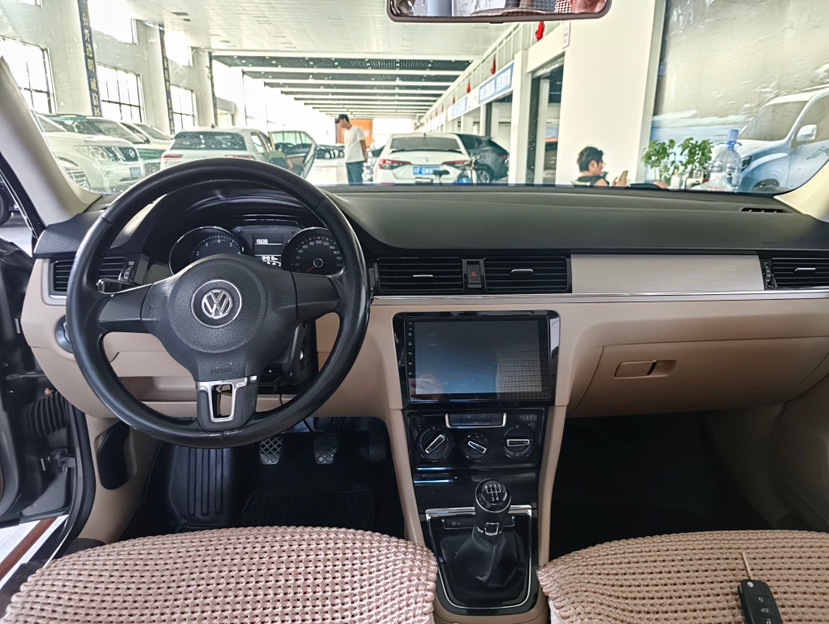
TransmissionManual
Engine1.6L 105 L4
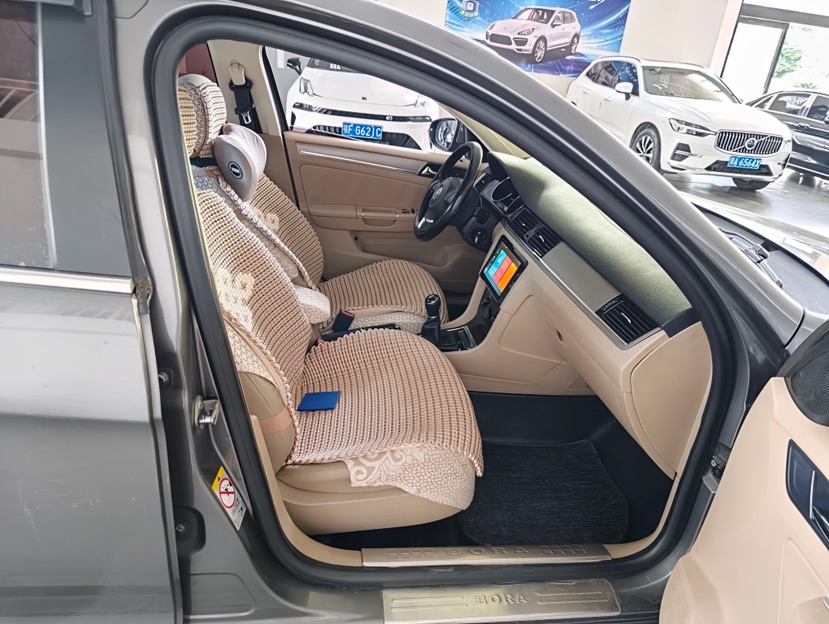
ColorOther
Seats-

Condition Description

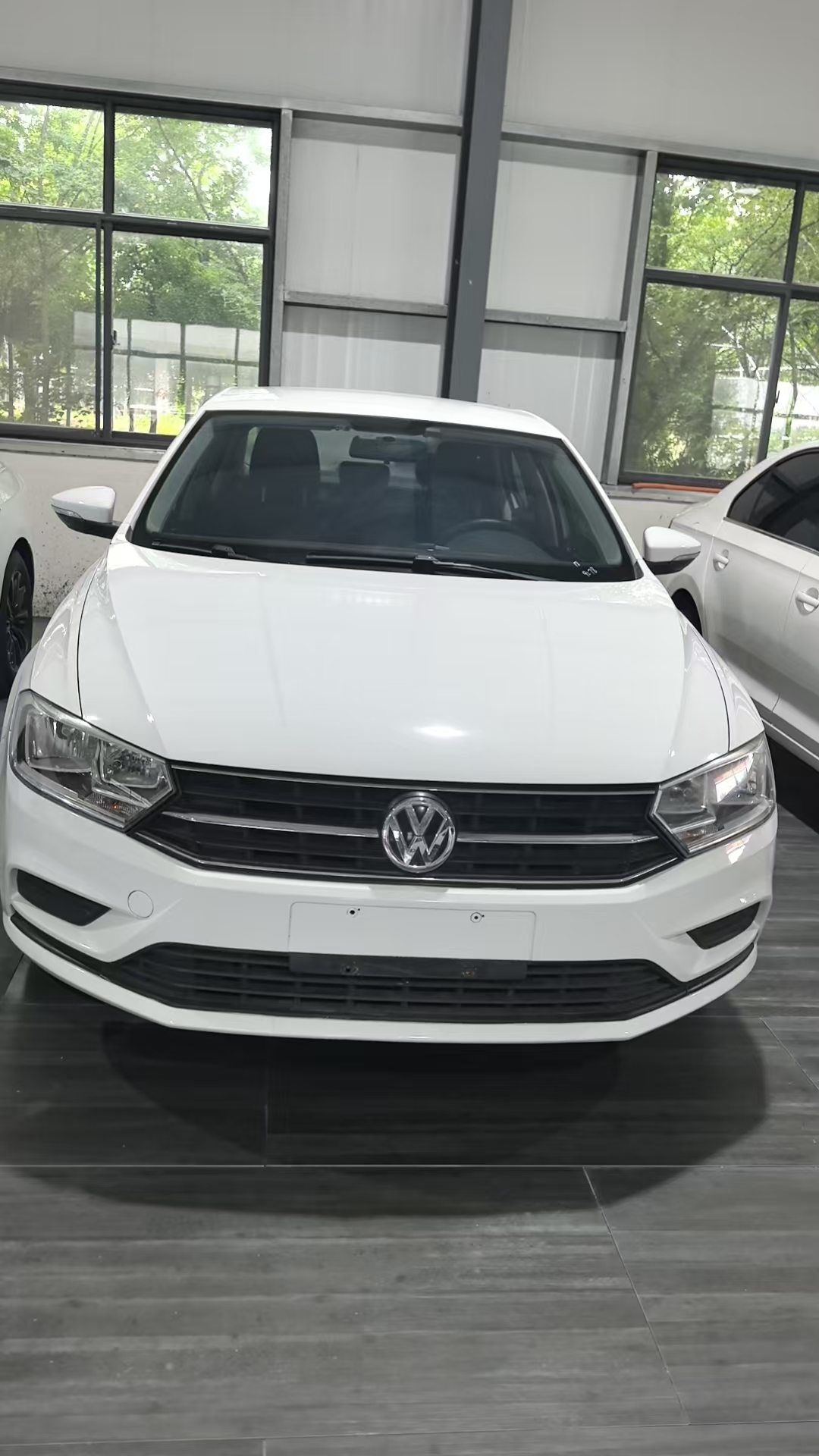
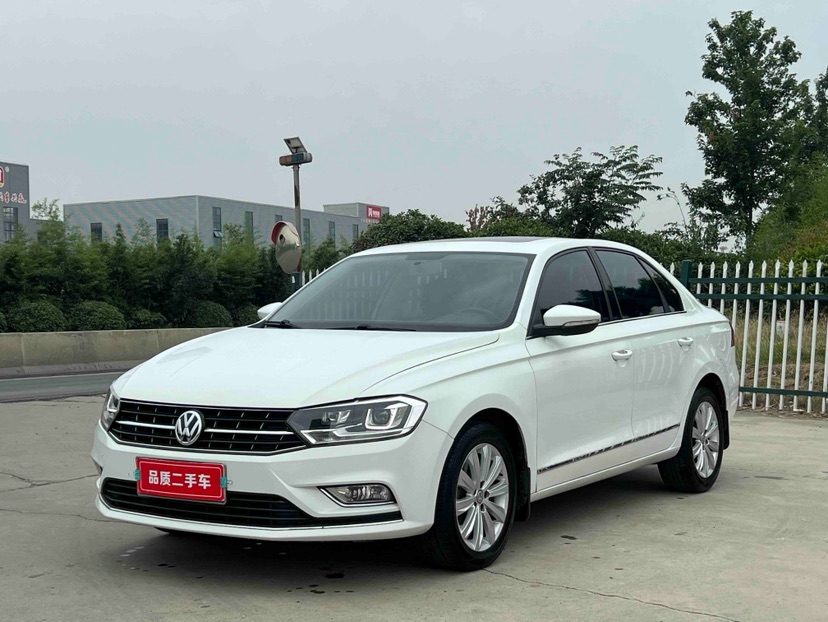
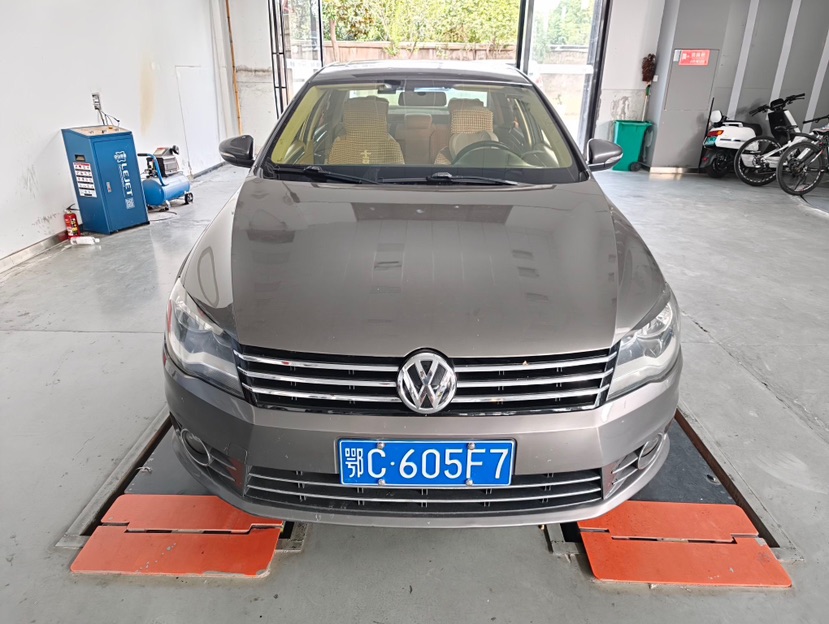
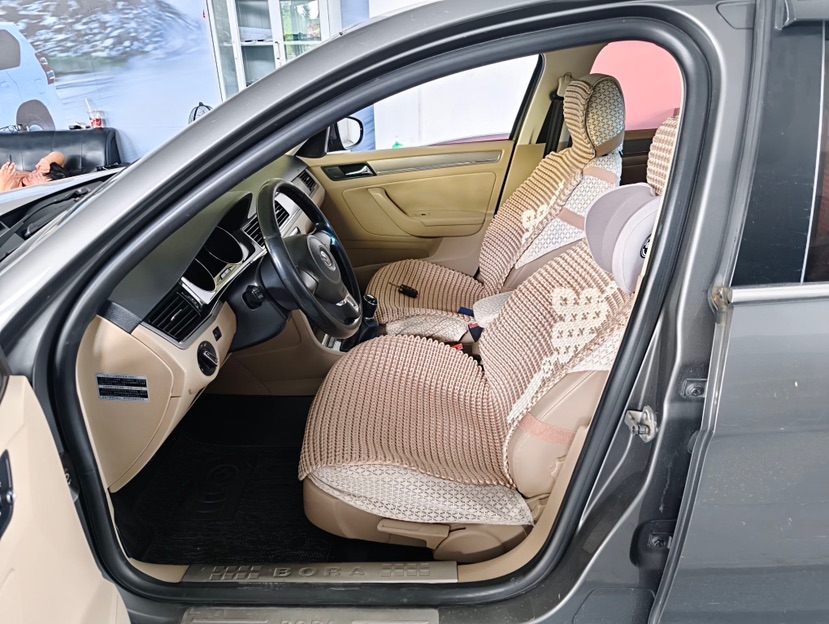
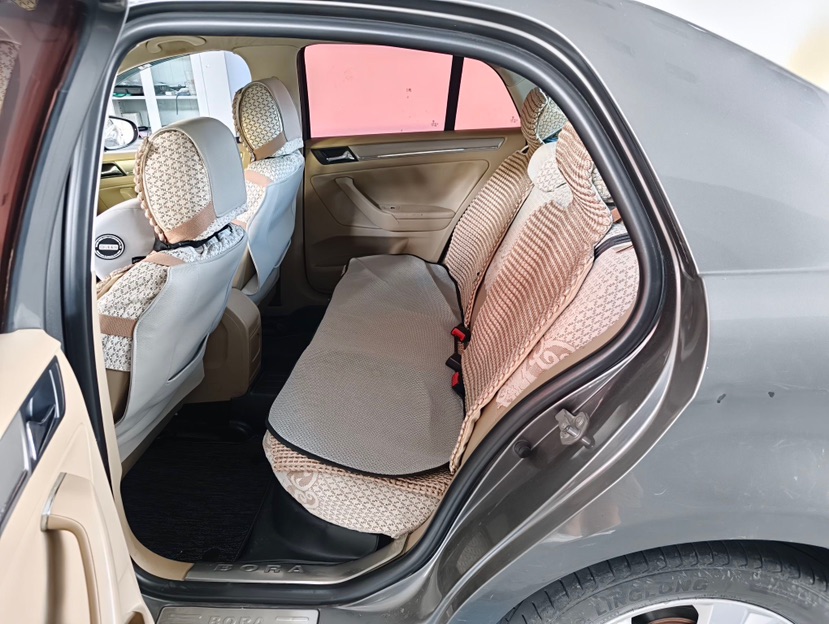
Left front fender and hood have been repaired with bodywork (sheet metal repair). Other metal panels retain original paint. Rear bulkhead deformed, right rear longitudinal beam connecting plate deformed.

燃油车
轿车
手动
维保开放
事故开放
查验开放

Configuration Highlights

品牌: 大众
车系: 宝来
车型: 2013款 1.6L 手动舒适型
车身类型: 轿车
座位数: 5
排量: 1.6L
变速箱: 手动
能源类型: 燃油车
VIN: LFV2A1153D3138733
搜索关键词: 大众宝来 2013款宝来1.6L手动舒适型

Document Information

Inspection Expiry Date2027/09
Warranty Expiry Date-
Insurance Expiry Date2026/09

Q&A

More

What is the standard for natural air loss during parking if the vehicle is equipped with air suspension?

Air suspension is very delicate. If, after the vehicle has been stationary for about 12 hours, the height on one side of the vehicle drops more than 1.5 cm when measured from the wheel arch to the tire, we will determine that there is a slight air leak in the air spring or distribution valve on that side and warn you of the high subsequent repair costs.
If a third-party inspection report misses significant technical defects and they are discovered upon arrival at the destination port, how is liability determined?

This is a key legal issue. If the inspection is conducted by a third party appointed by us, we will be the primary responsible party and provide limited compensation to you, after which we will seek reimbursement from the inspection agency; if the inspection agency is designated by you personally (such as SGS), you will need to file a claim directly with that agency according to its service terms.

If the record of a vehicle's first maintenance is missing from the system, how do you determine its early wear condition?

Many car owners do not have their first maintenance done at authorized dealerships, leading to gaps in early data. In such cases, we do not blindly trust the odometer; instead, we analyze the tire production dates and wear levels, as well as the depth of grooves on the brake disc edges, using the "gold standard" of physical wear to infer the intensity of early use.