24H

Basic Information

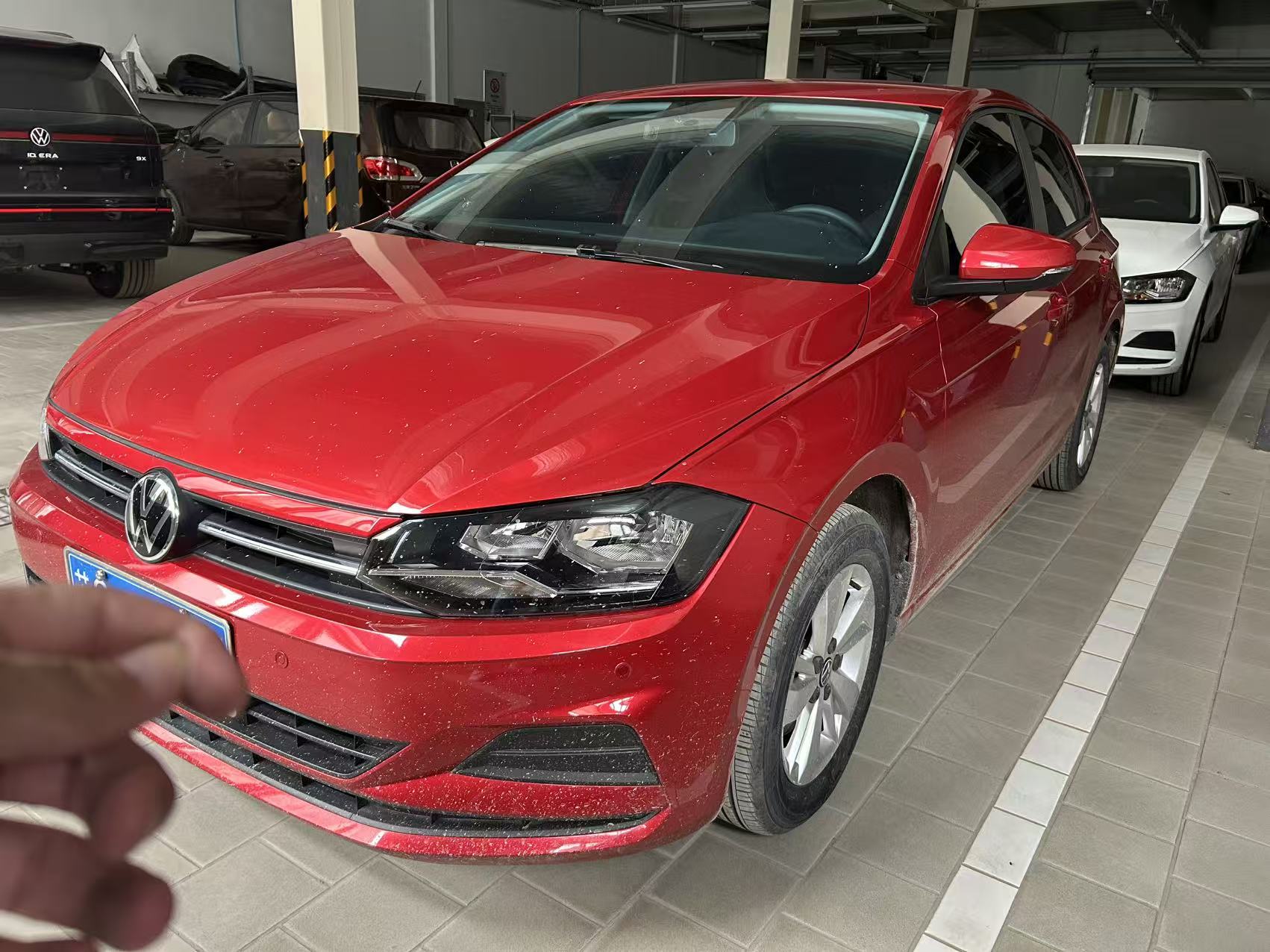
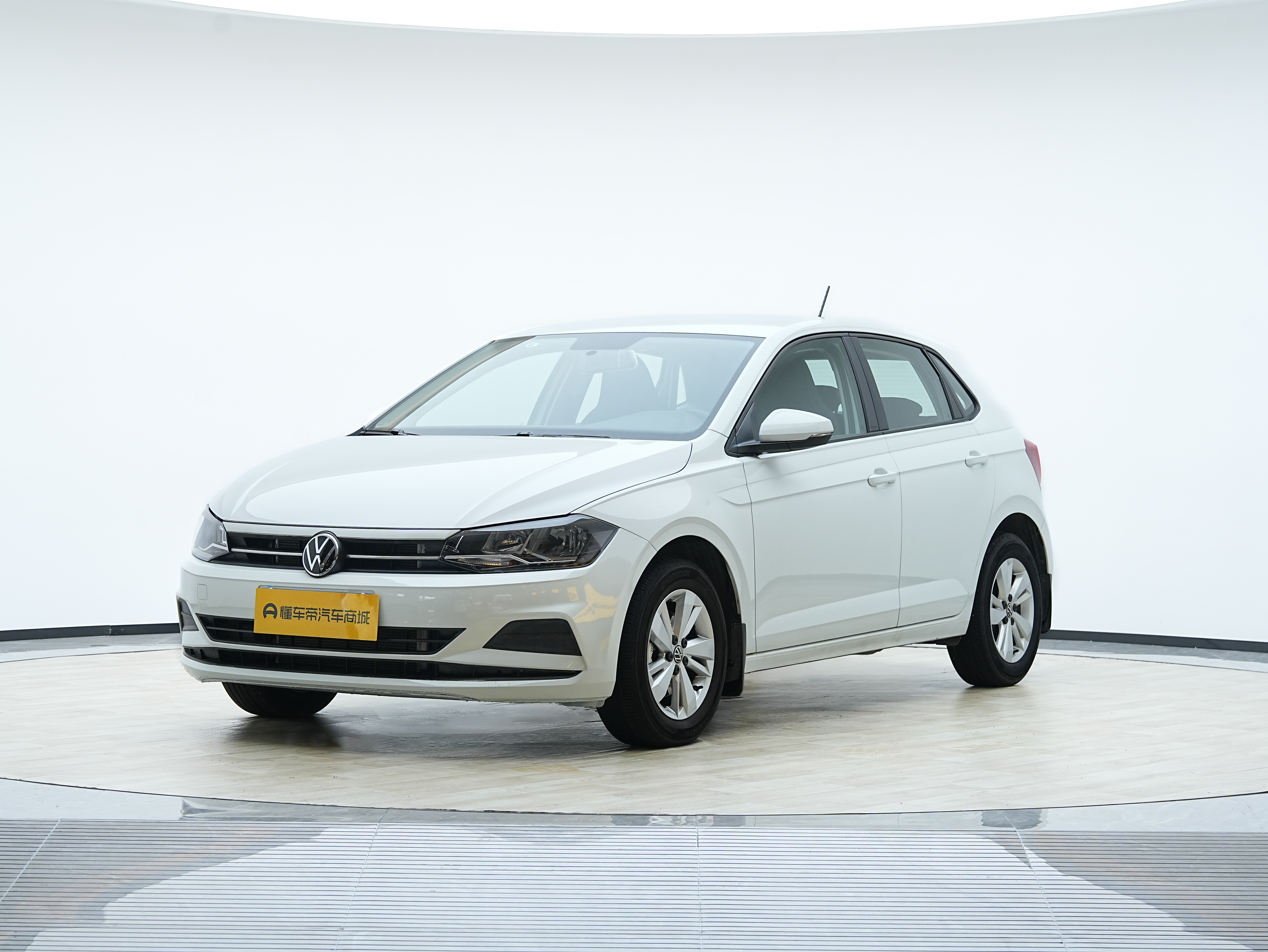
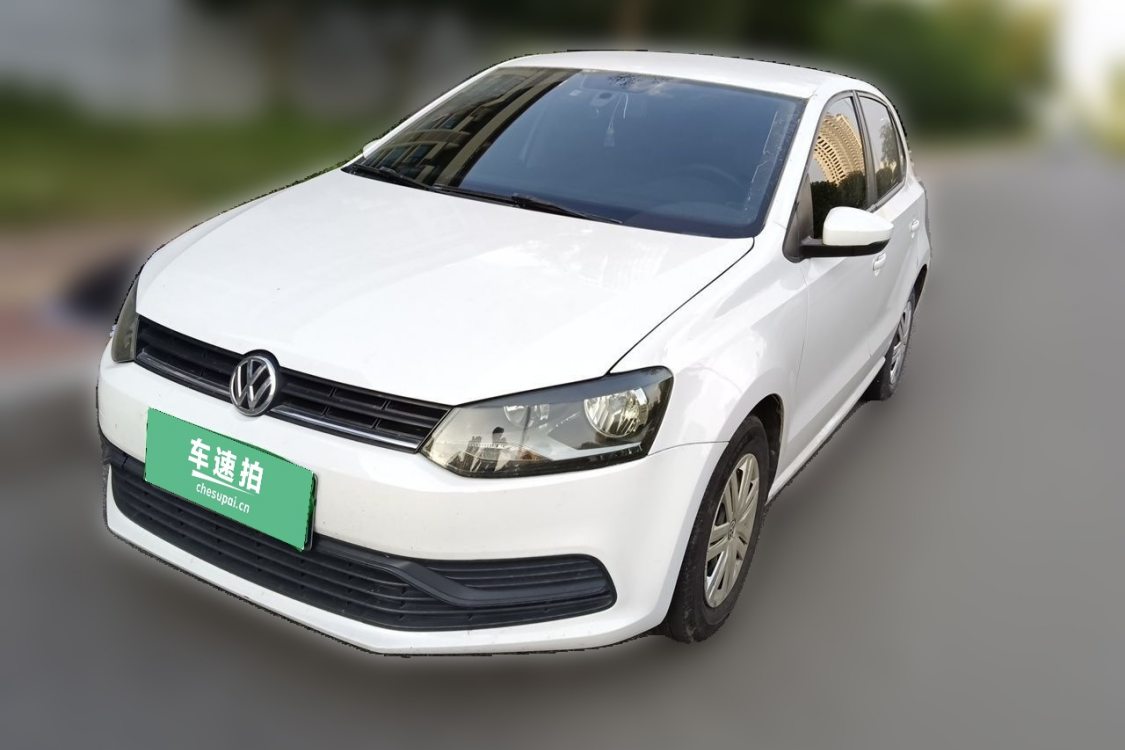
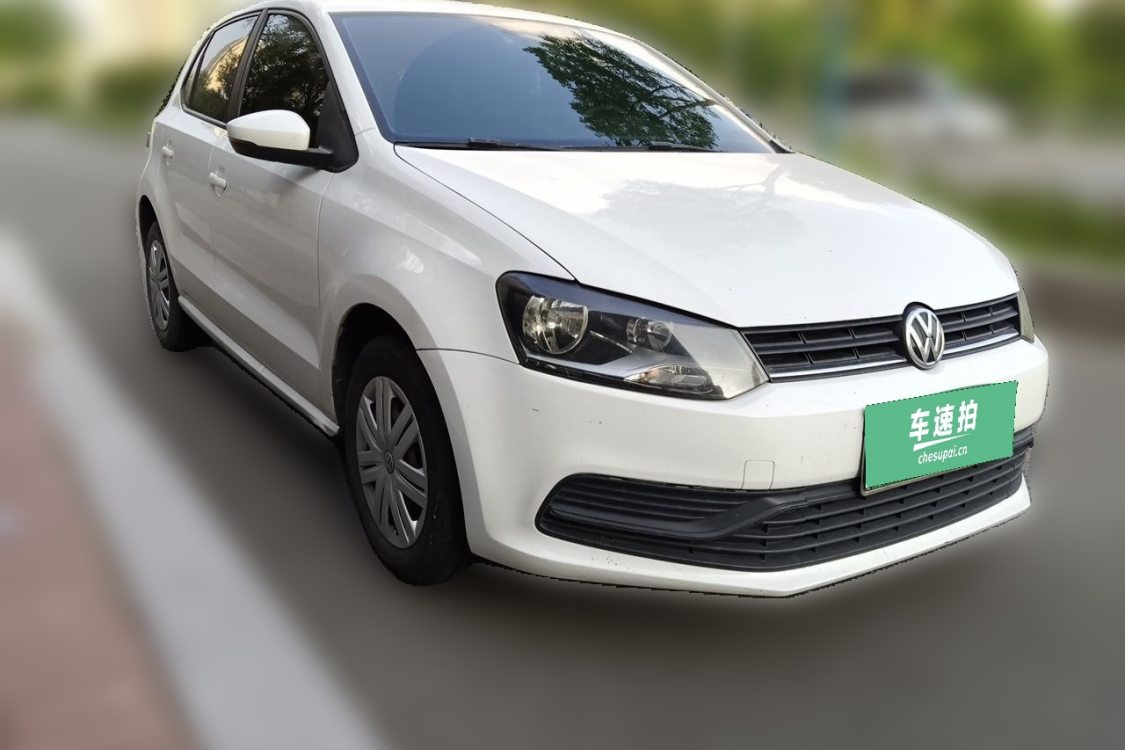
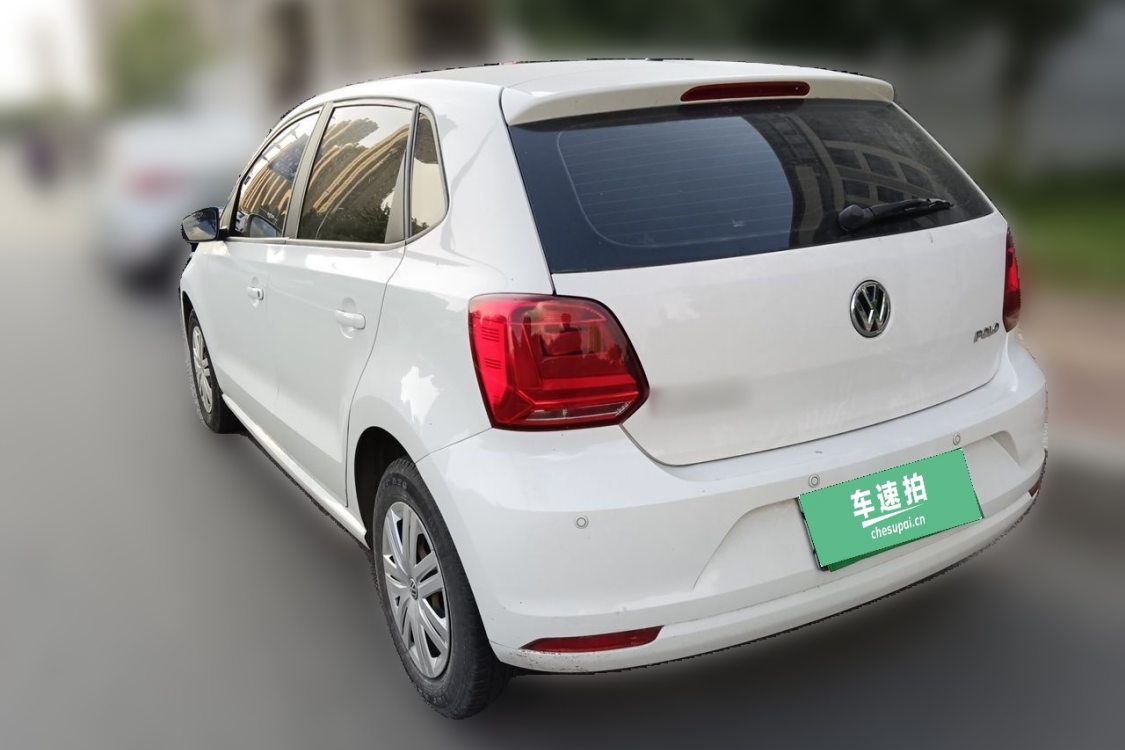
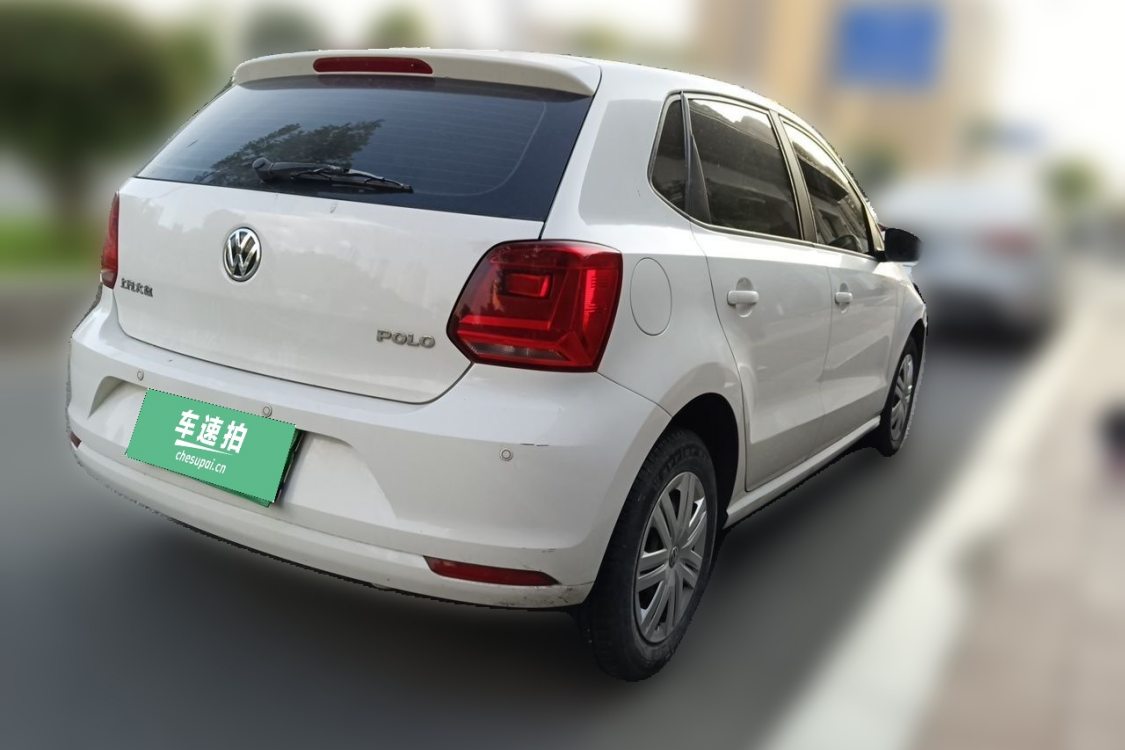
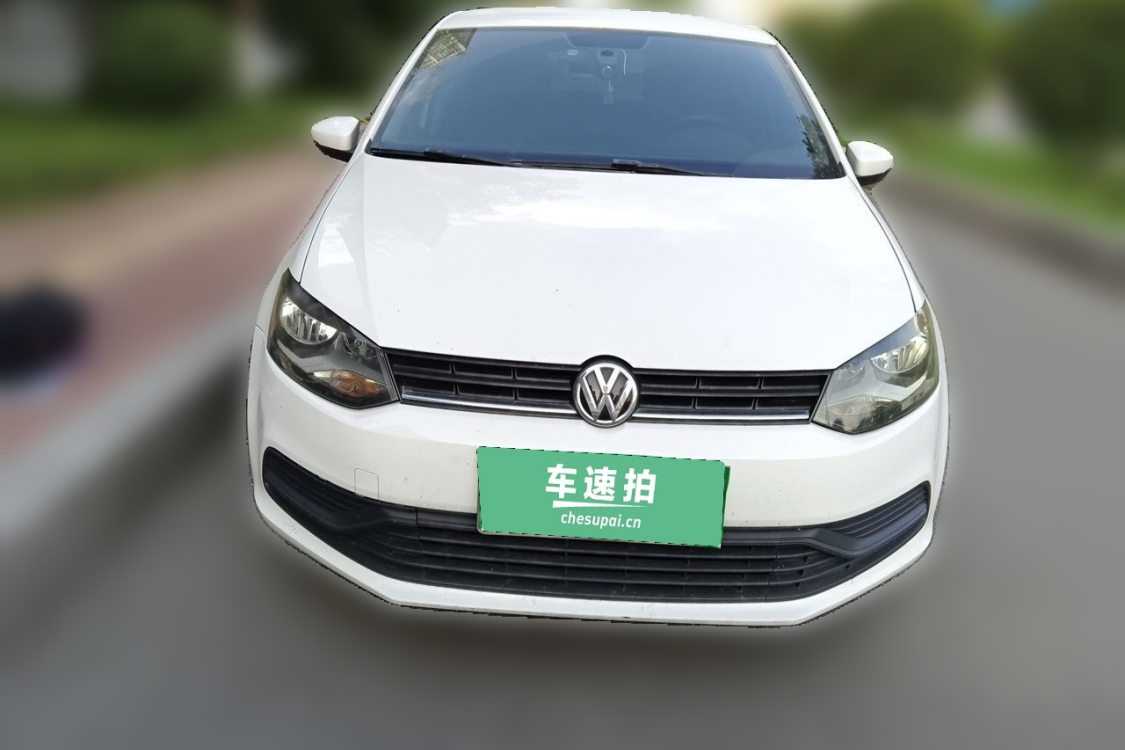
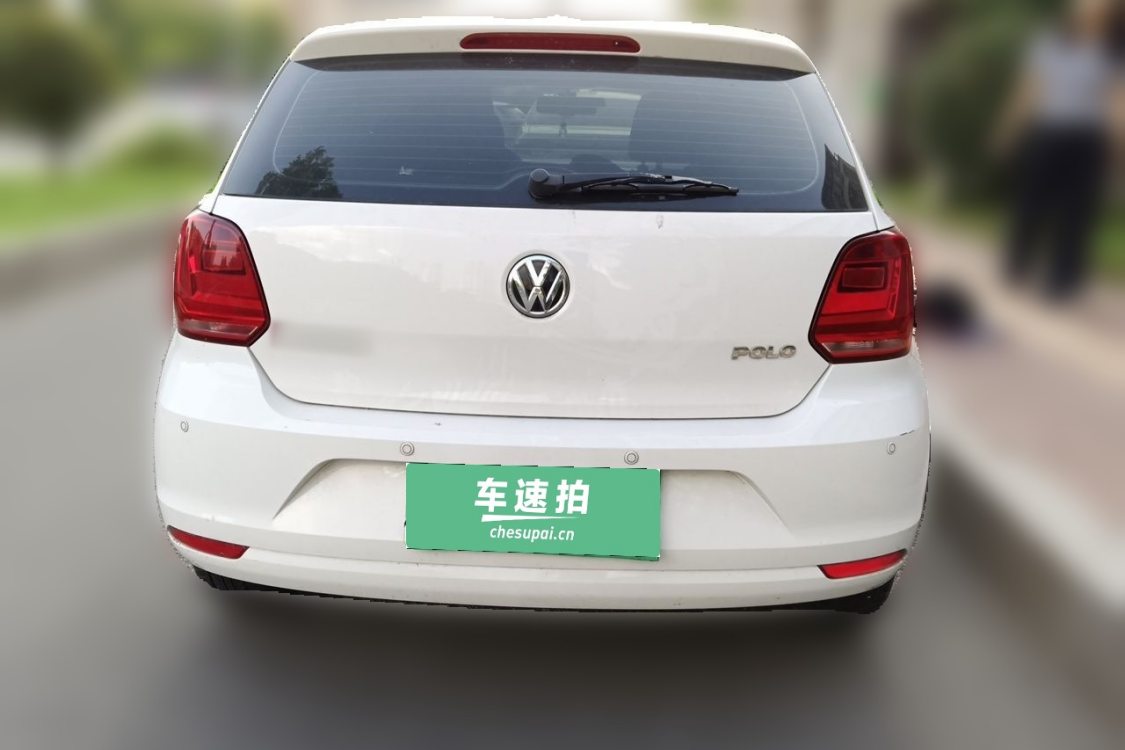
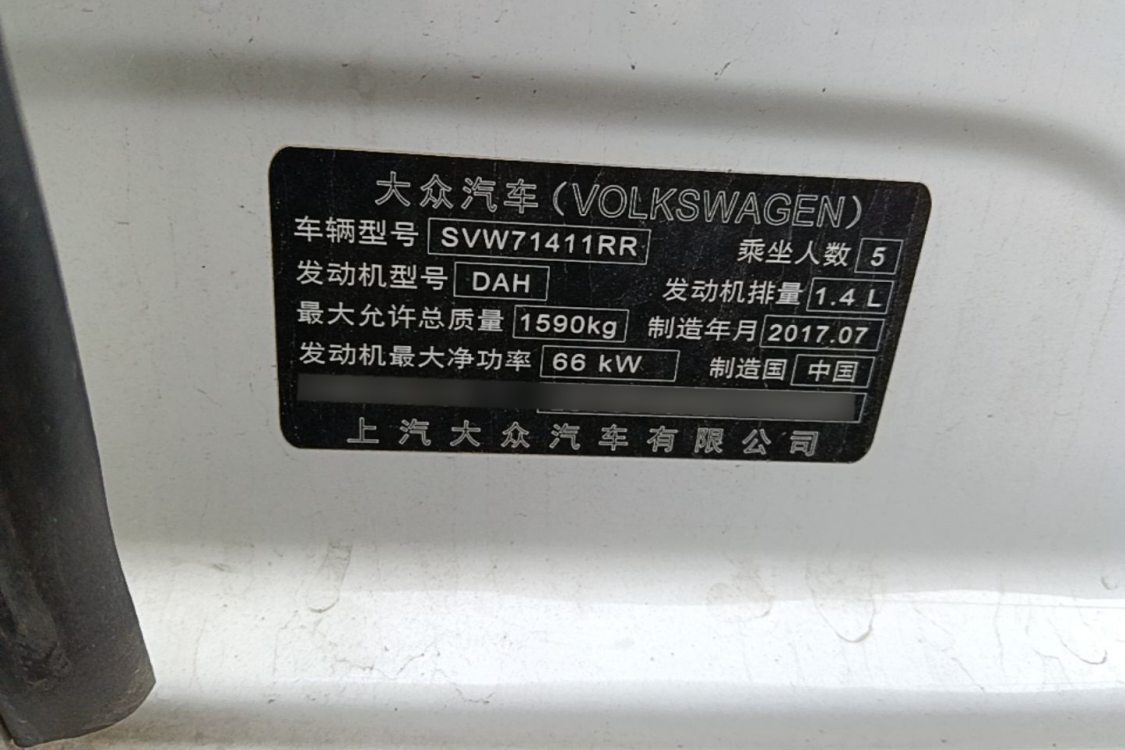
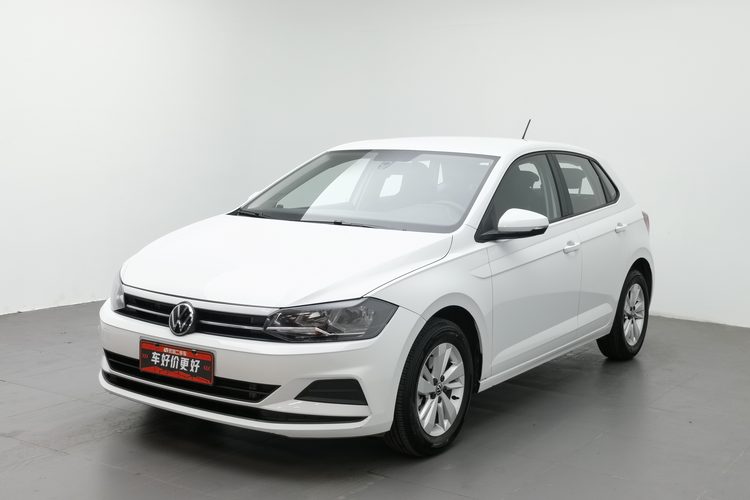
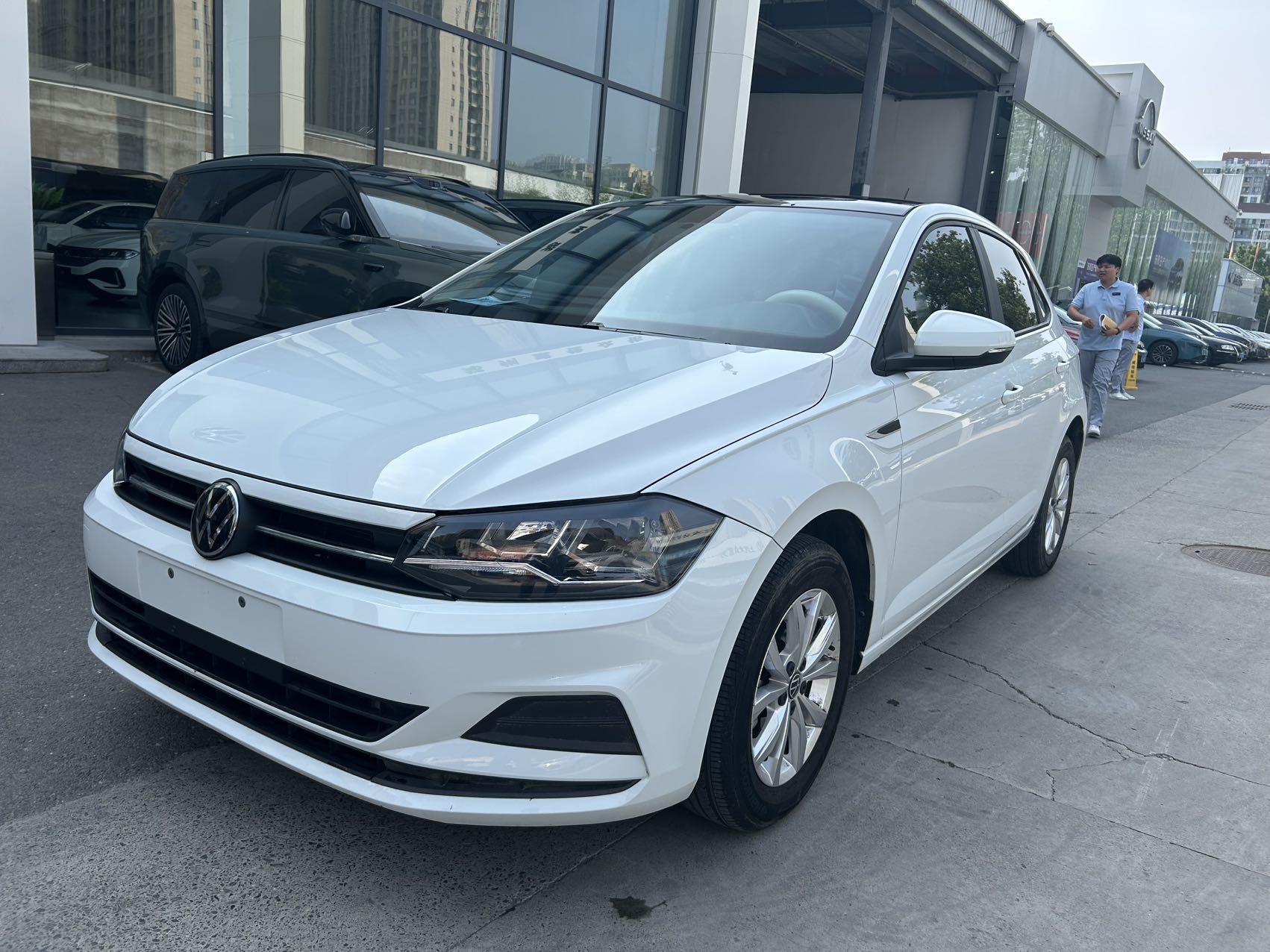
BrandVolkswagen
SeriesPolo
Year2017
First Registration2017/07
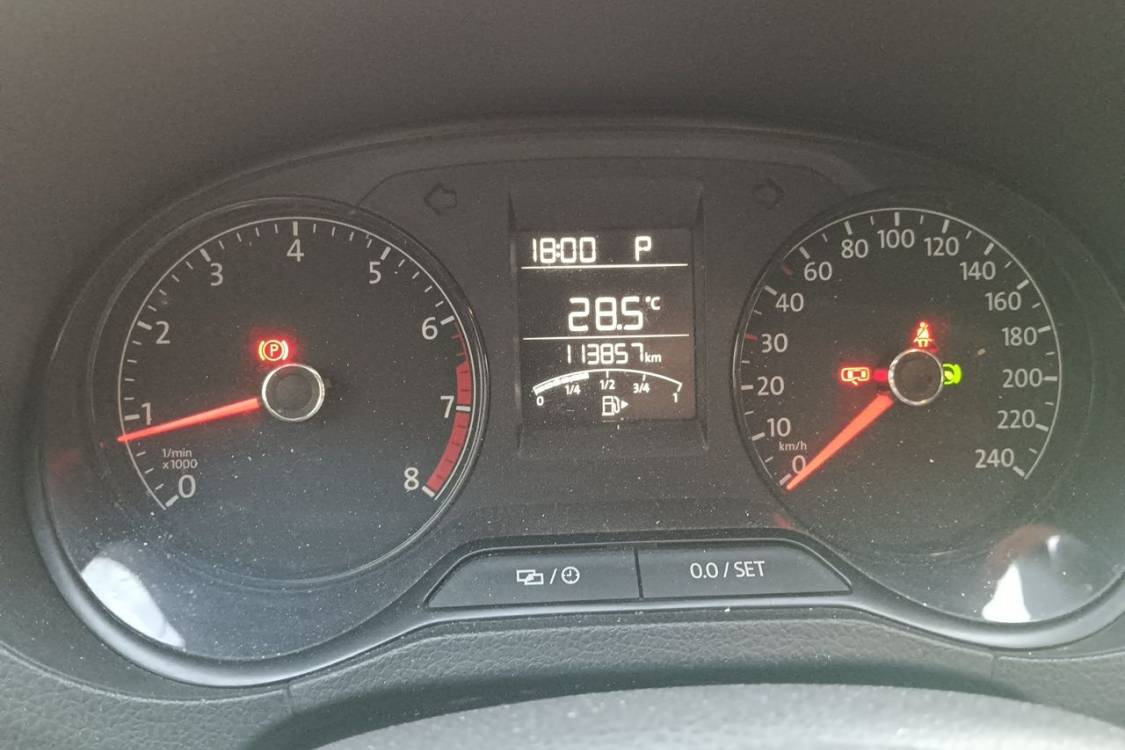
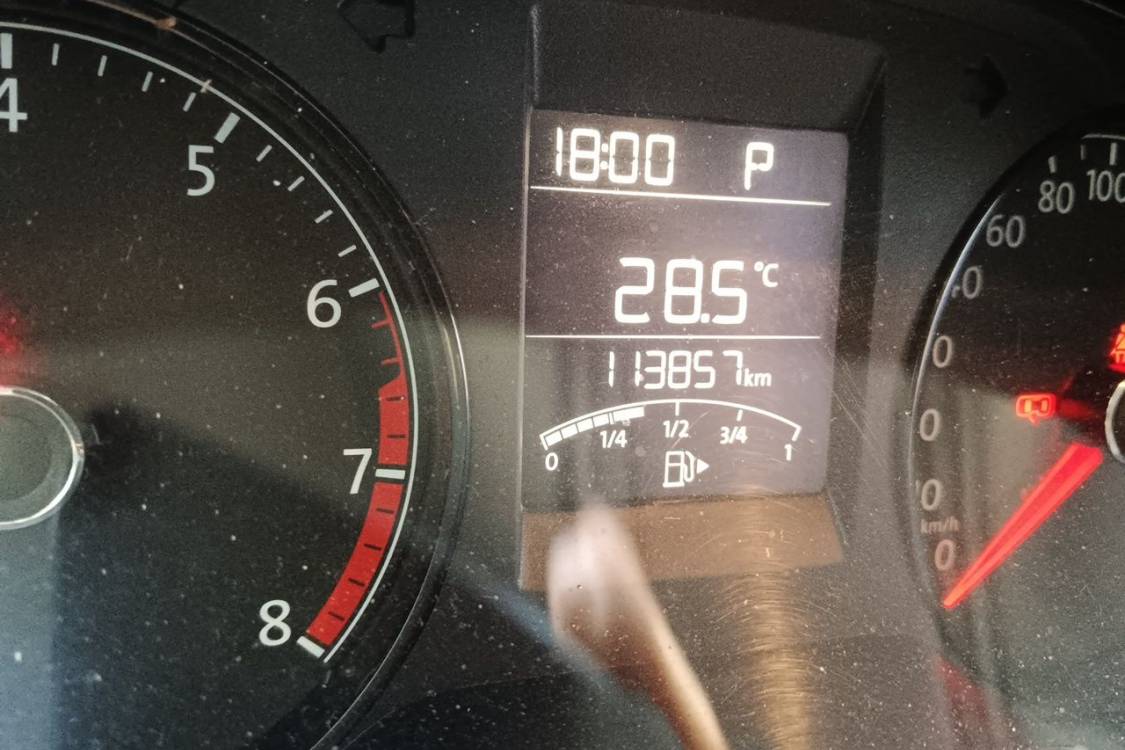
Mileage113,800km
Transfer Count-
FuelGasoline
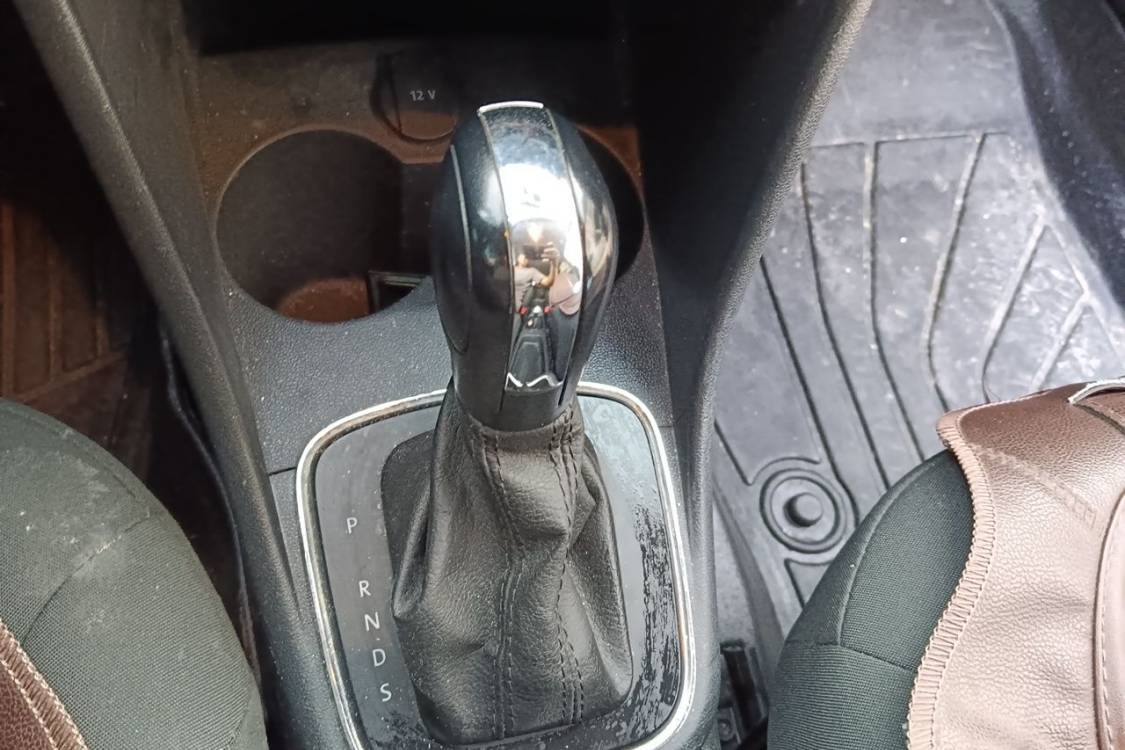
TransmissionAutomatic
Engine1.4L 90 L4
ColorWhite
Seats-

Condition Description

Vehicle has major accident/fire/flood damage or major defects in power battery components (structural/reinforcing/panel parts), repaired or unrepaired, still affecting body structural strength or safe use, with hidden fault risks.

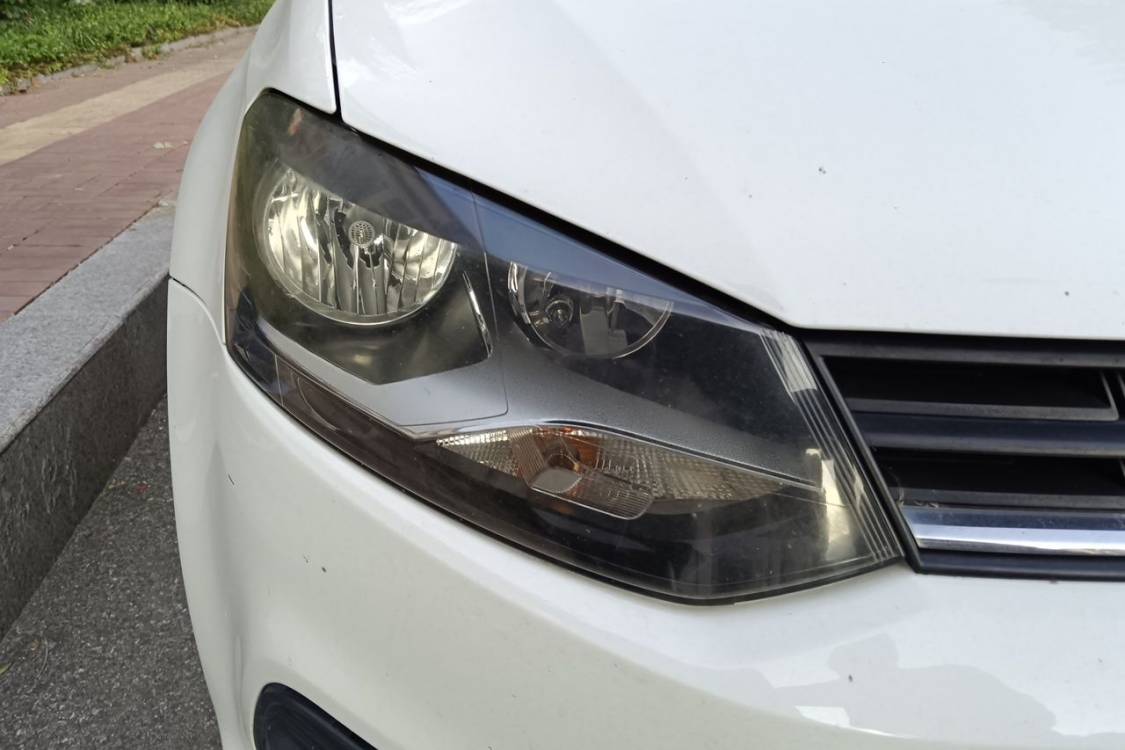
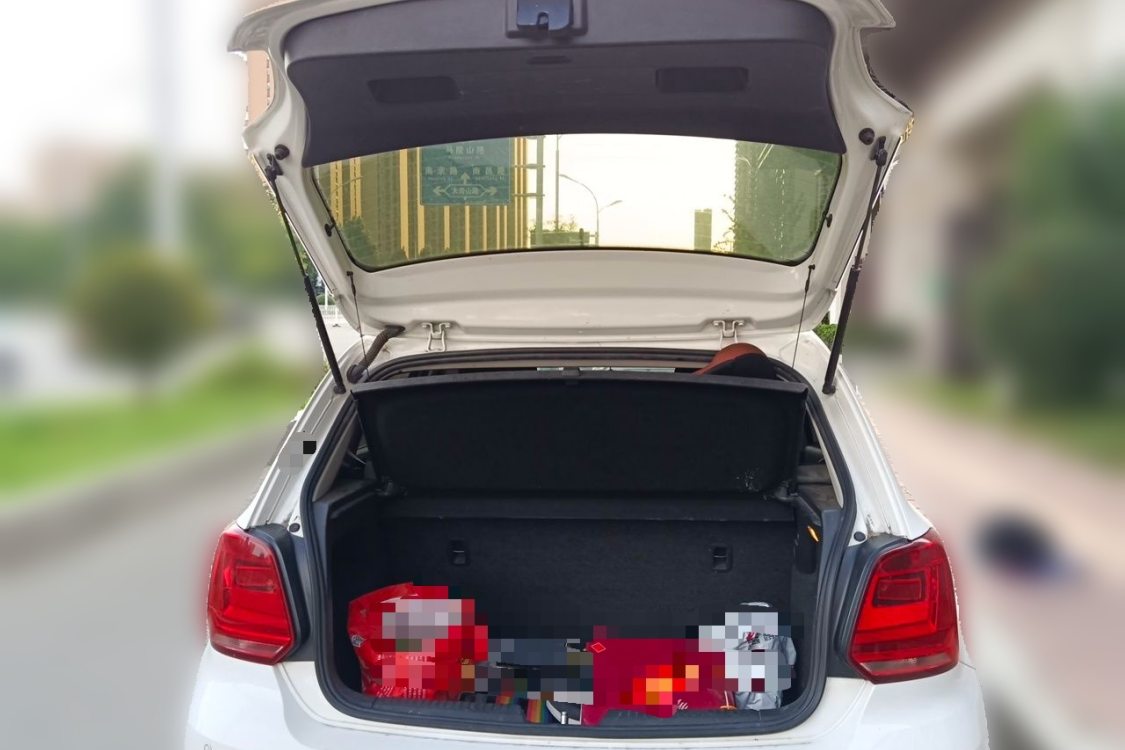
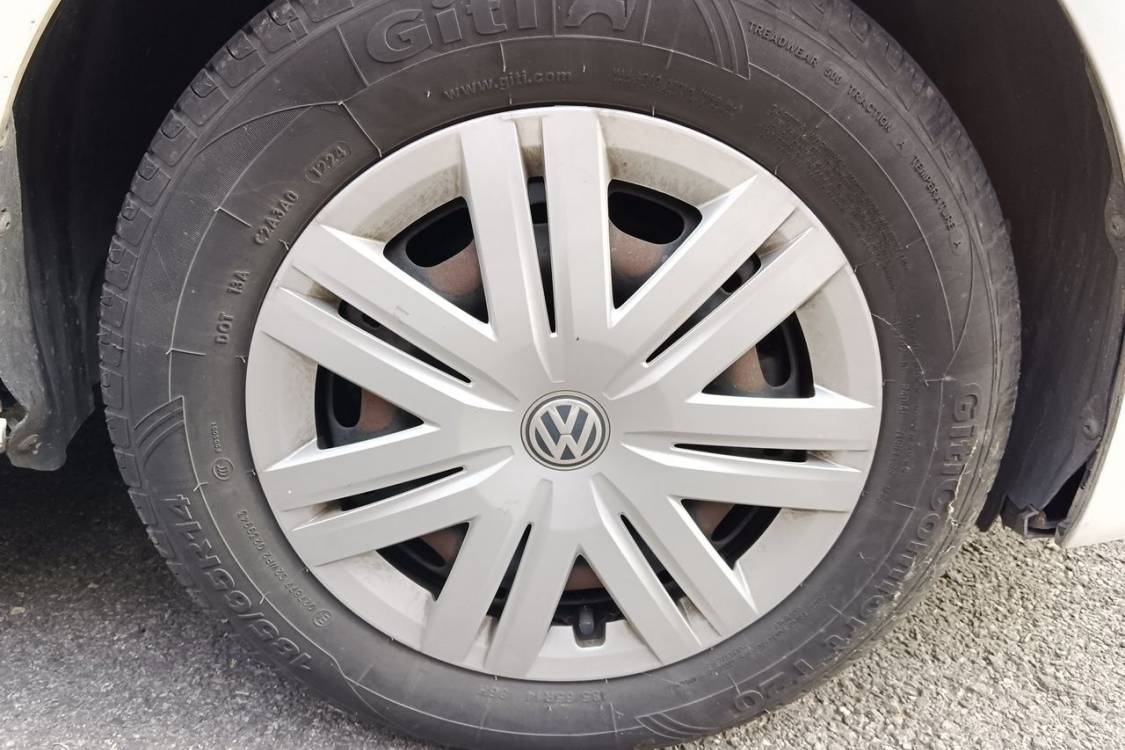
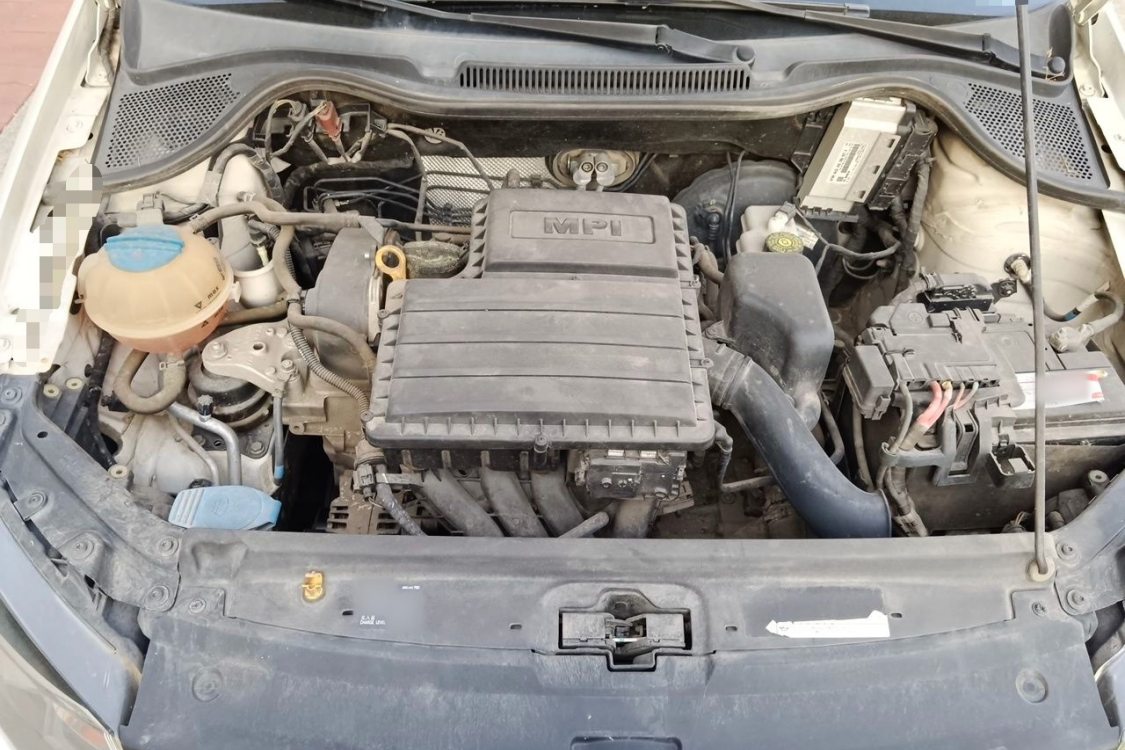
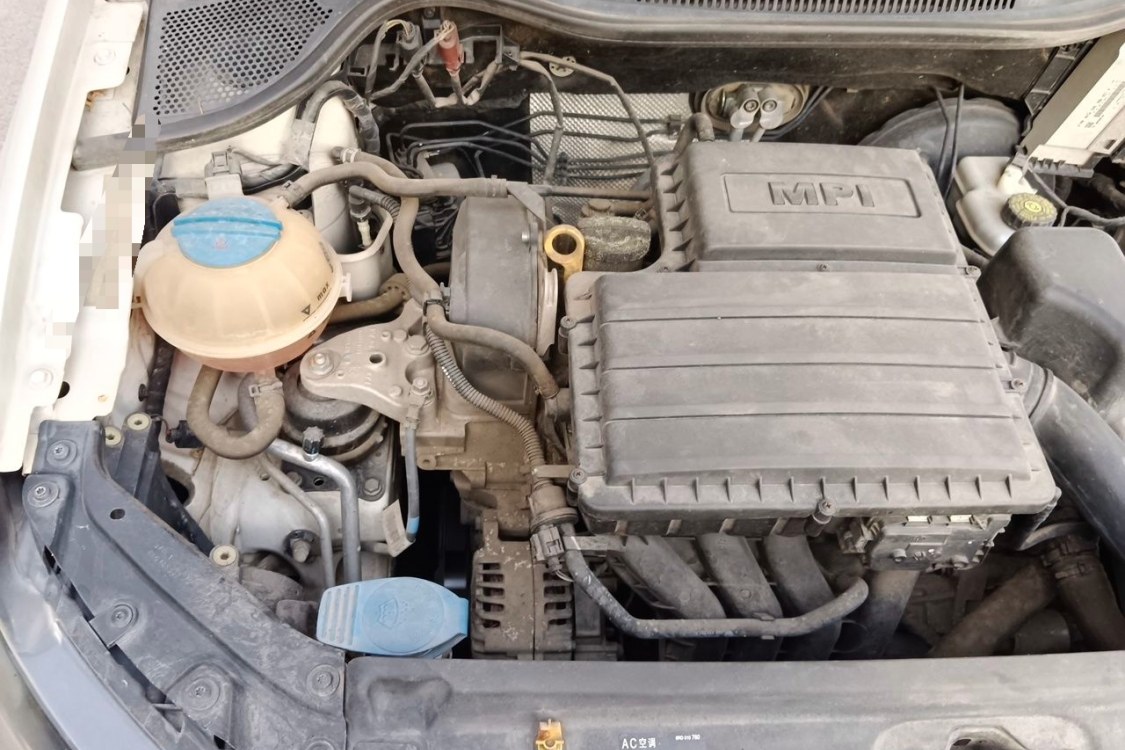
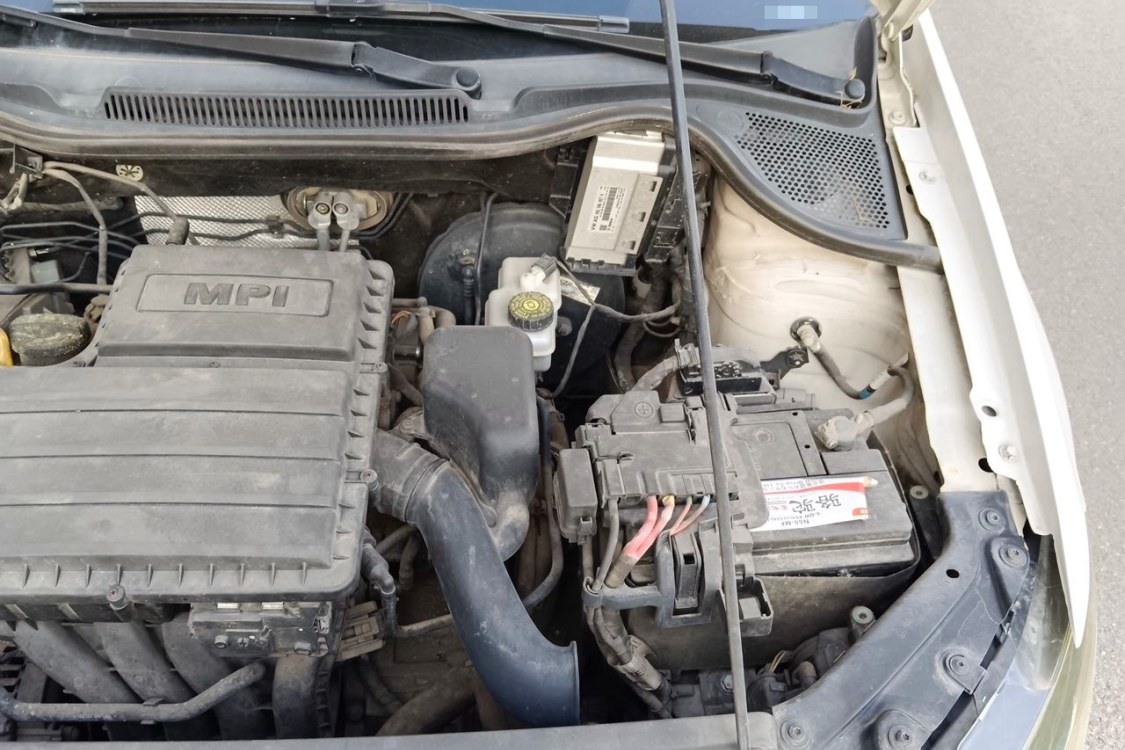
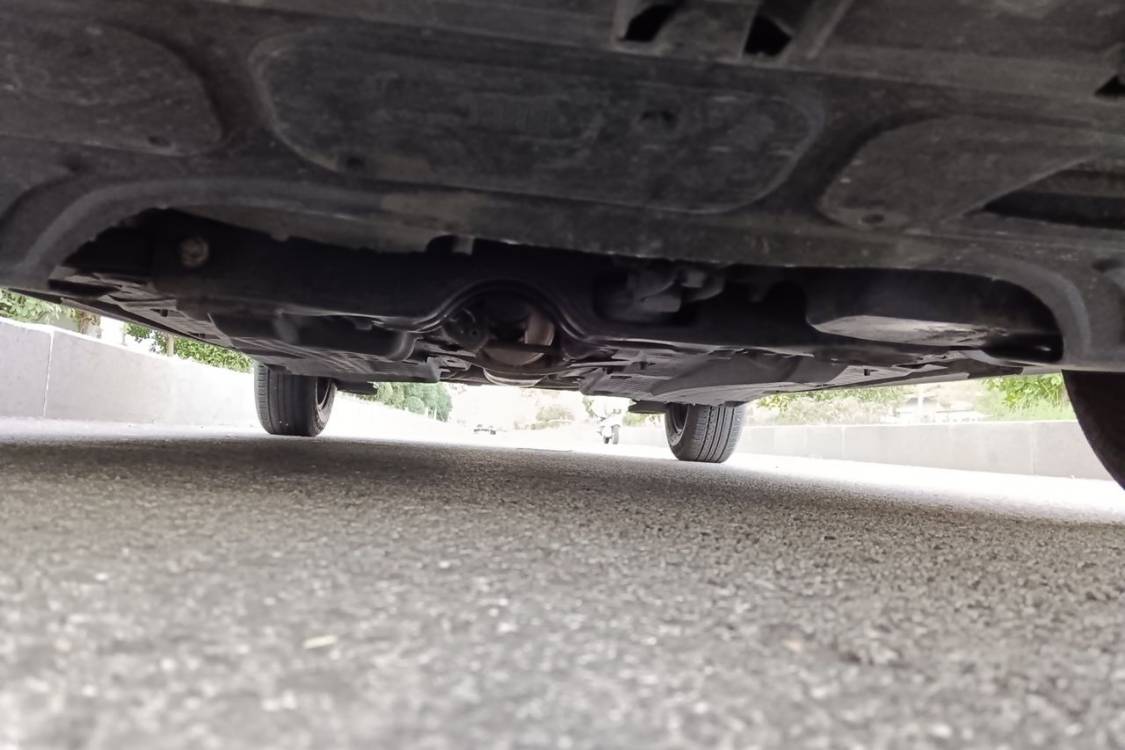
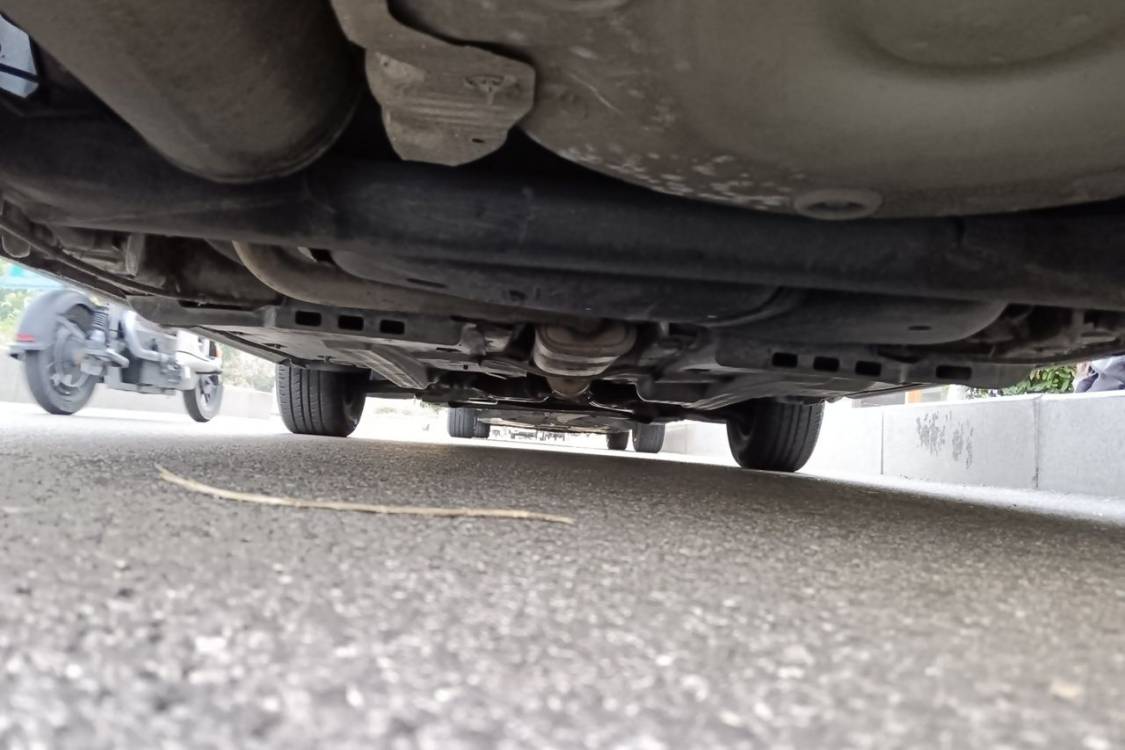
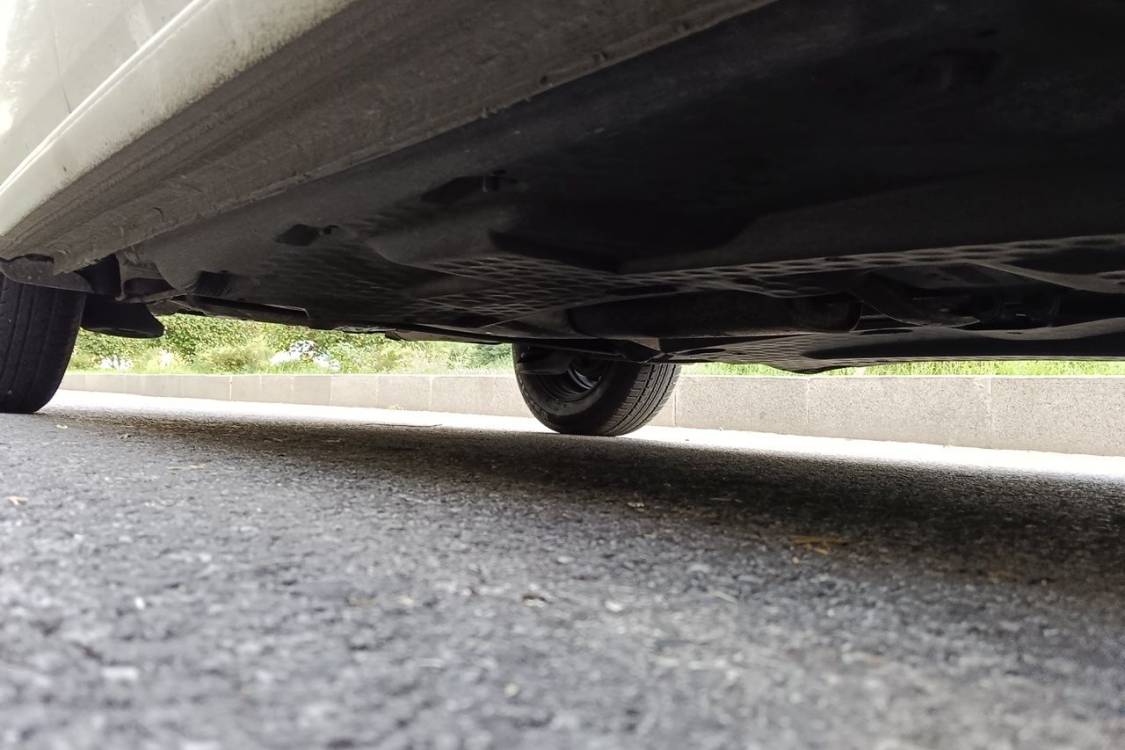
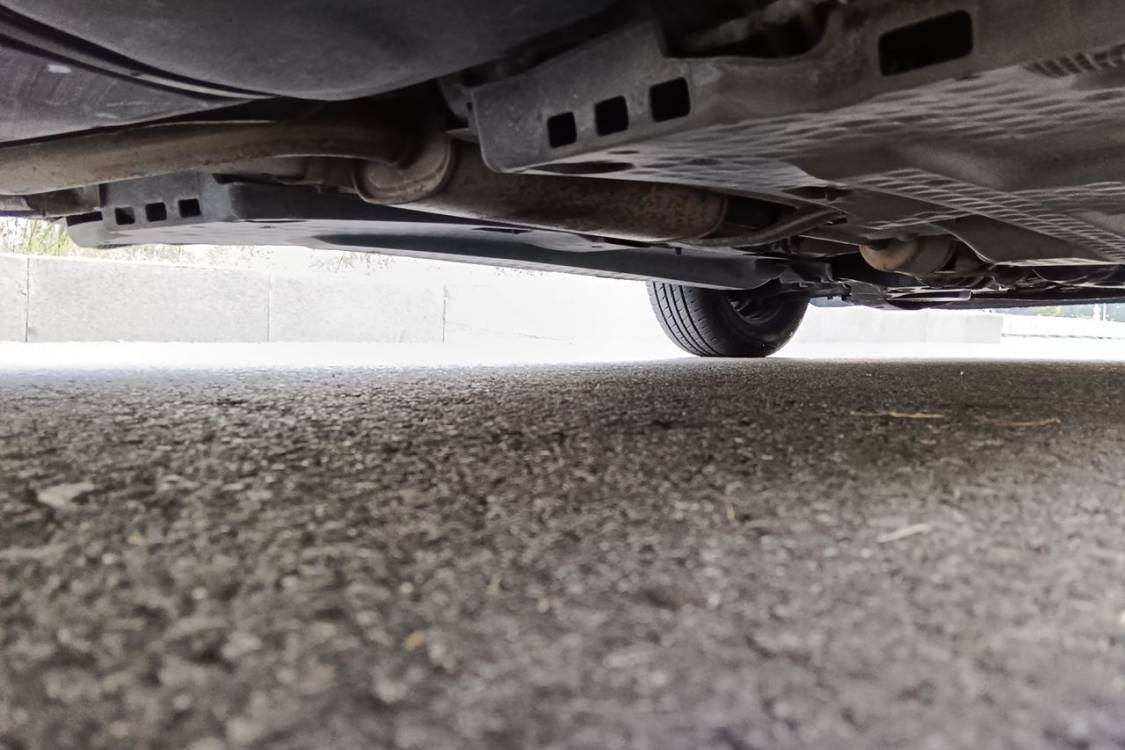
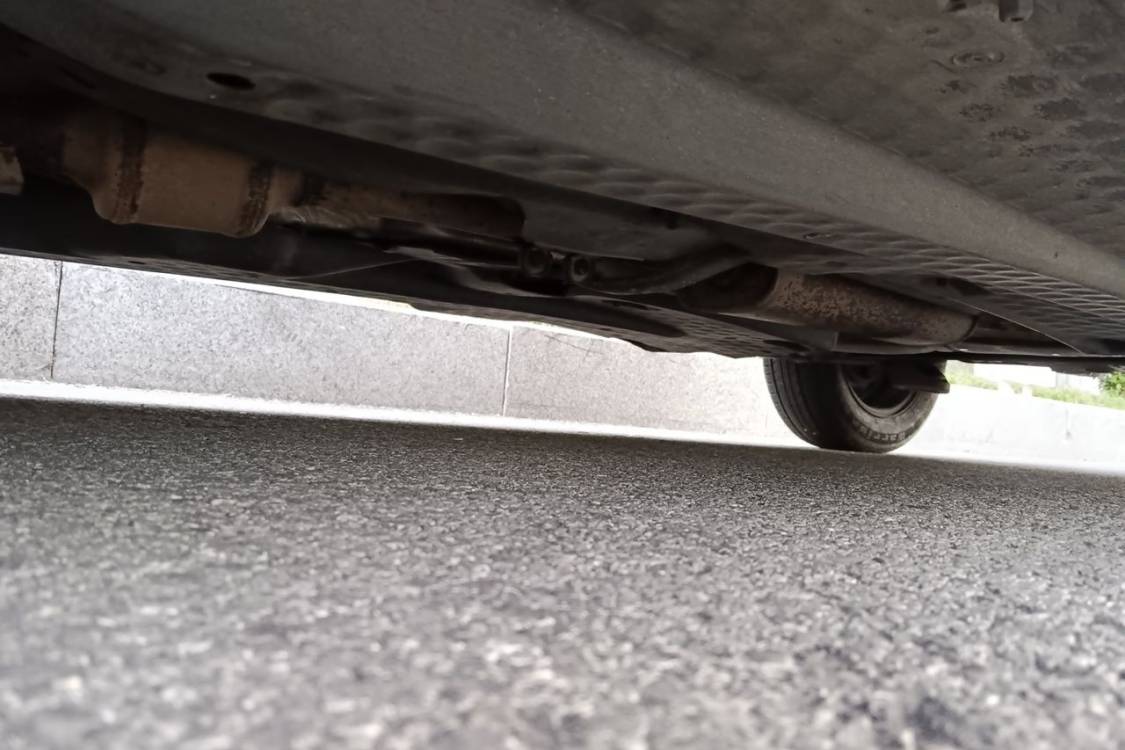
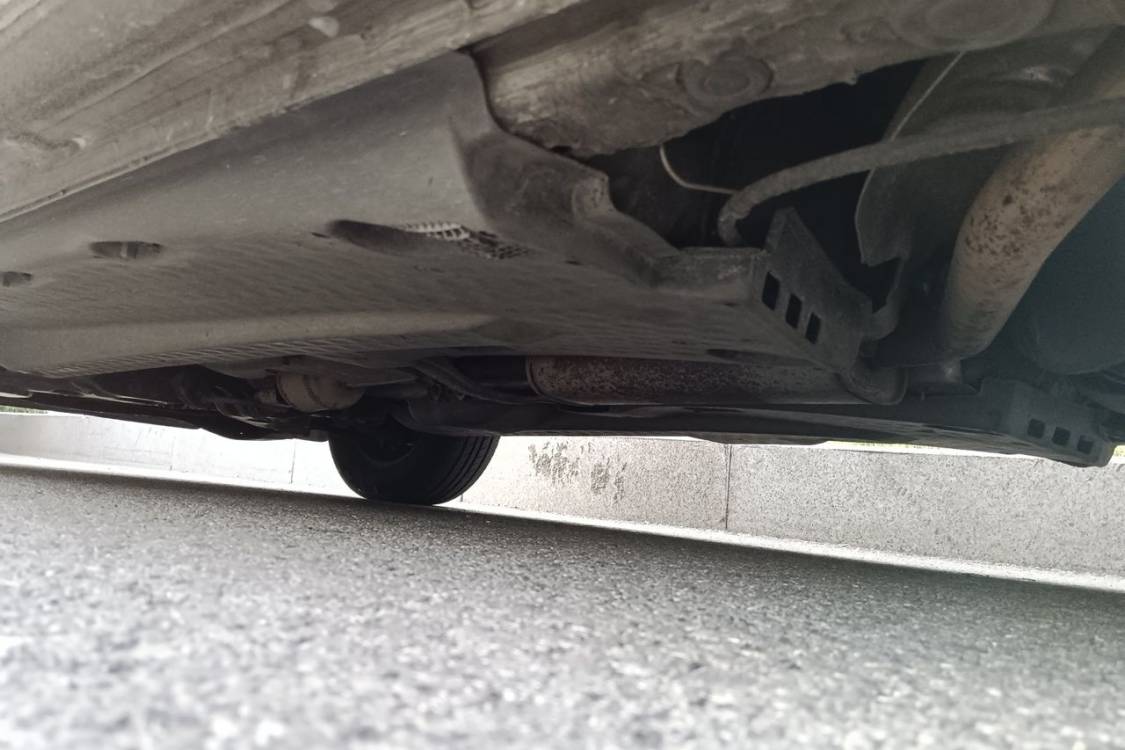
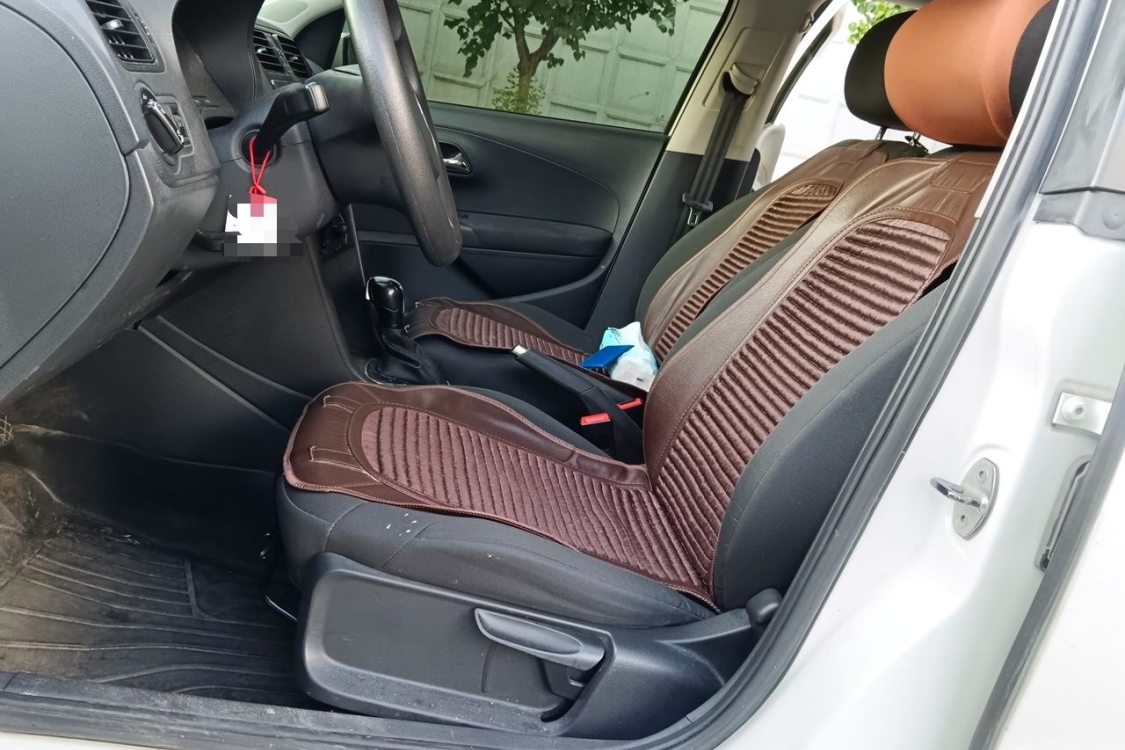
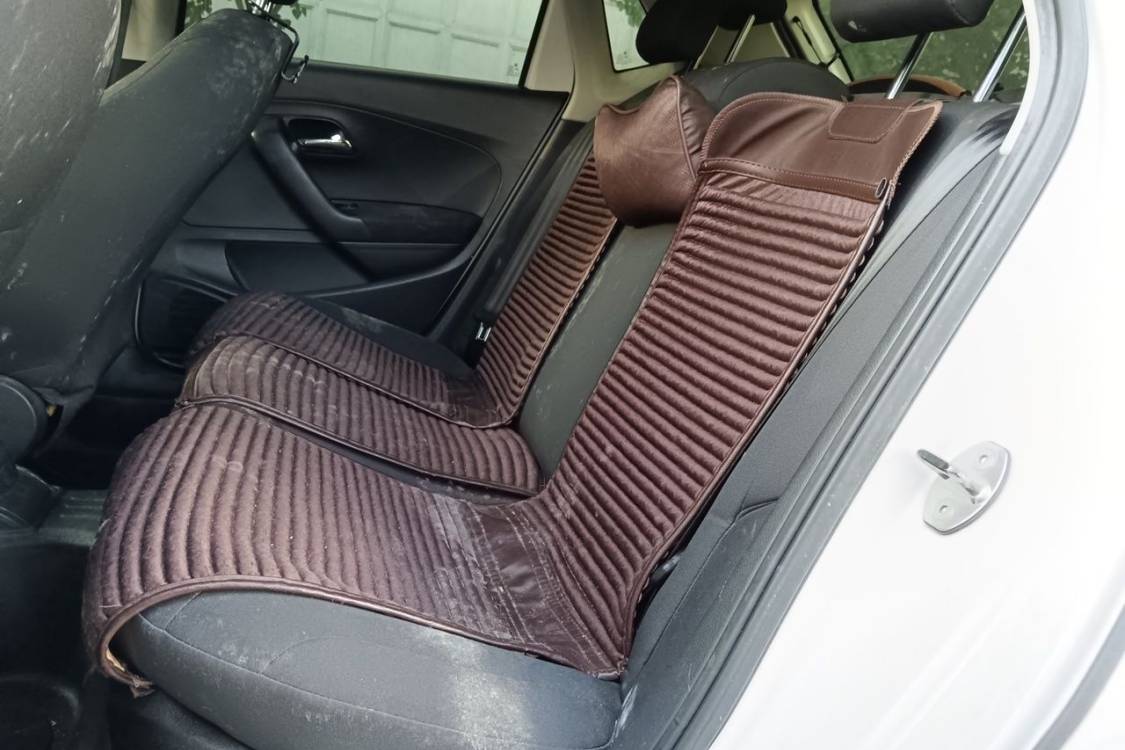
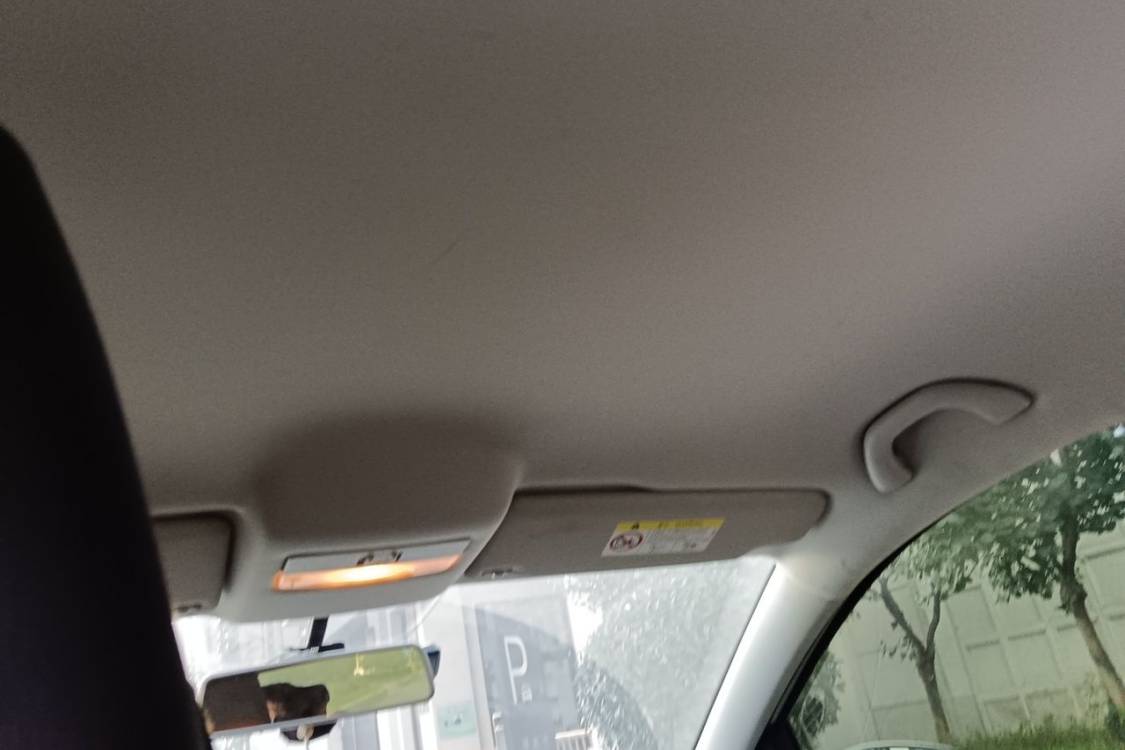
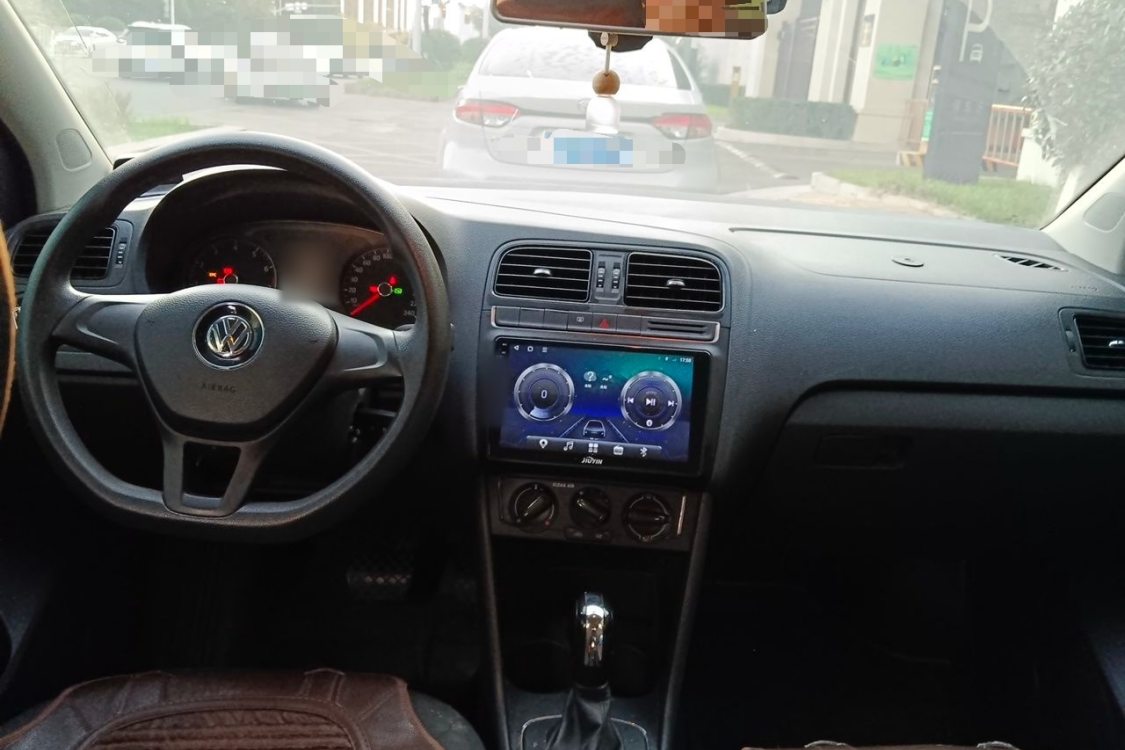
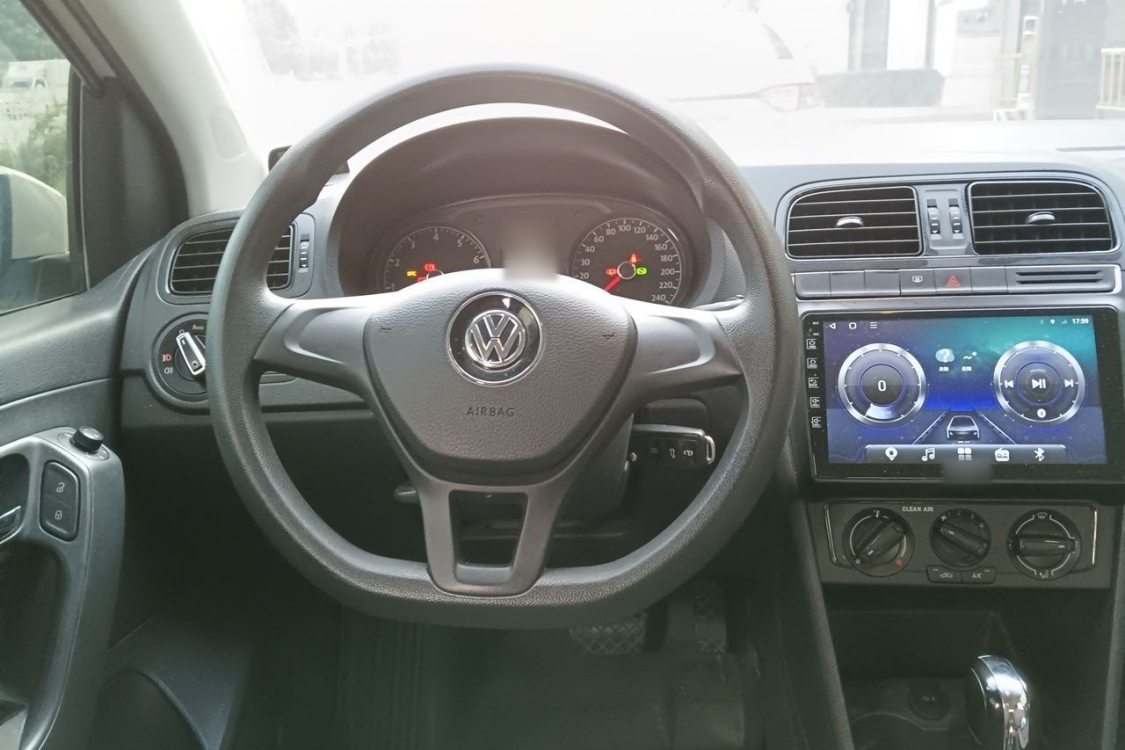
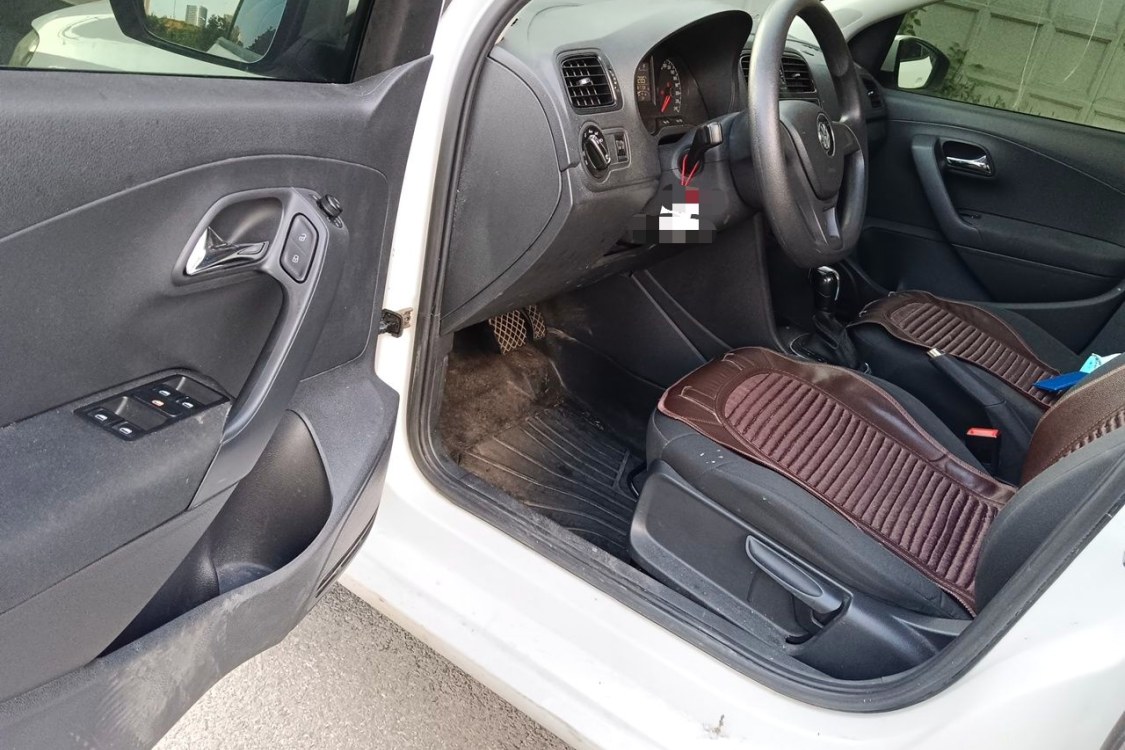
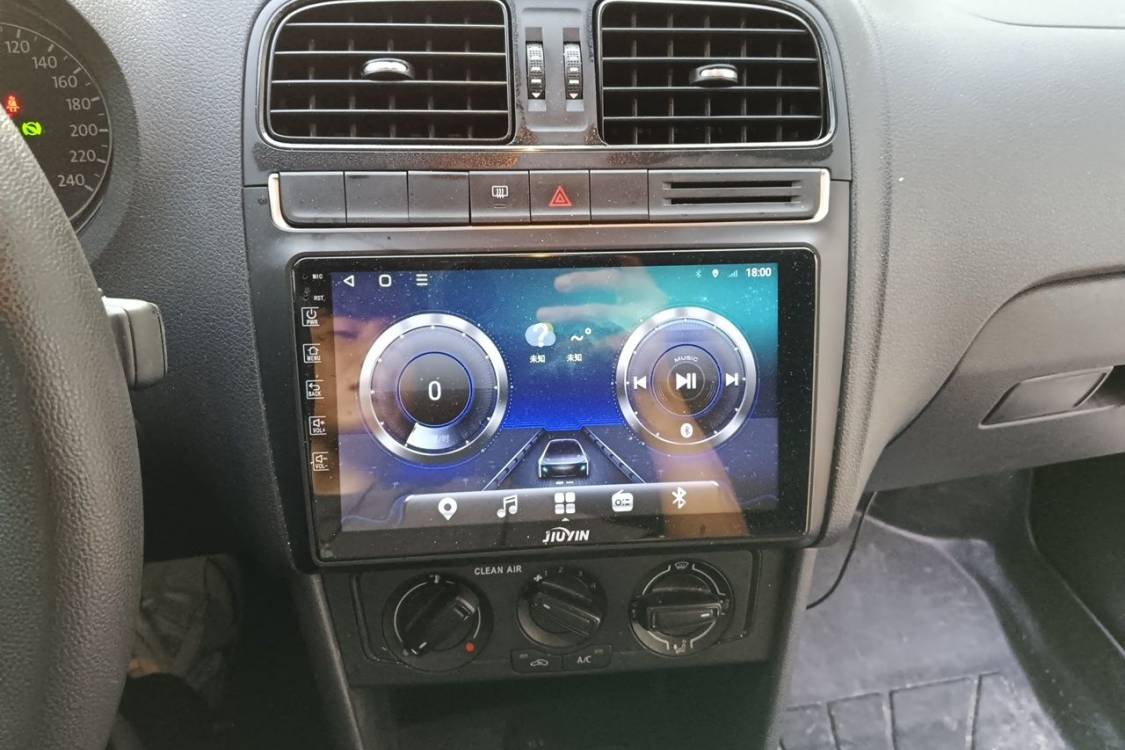
Accident inspection: main structure damaged, reinforcing parts undamaged, panels undamaged, hinges abnormal. Engine bay: key mechanical components normal. Exterior: 4 replaced parts, 5 body repairs, 1 repaint. Interior: modified (other), most features normal, airbags normal, lighting system normal. Startup: main components normal. Tools: spare tire present.

电话直连
可讲价
平台物流
零过户

Document Information

Inspection Expiry Date2027/07
Warranty Expiry Date-
Insurance Expiry Date2026/10

Q&A

More

Will B2B customers receive a detailed technical inspection report for each vehicle when purchasing a container of vehicles at once?

Yes. Even if you purchase 100 vehicles, we adhere to "one inspection per vehicle, one file per vehicle." Each vehicle will have its own independent inspection report with a unique VIN code, which serves as the sole proof for quality traceability.
Are you responsible for re-spraying the chassis anti-rust coating (armor) if it is eroded by salt spray during sea transport?

No, we are not responsible. The high salt and humidity of the marine environment do have an impact on the chassis surface. We recommend buyers in tropical islands or countries that use salt for winter snow removal to perform a thorough chassis anti-rust spray locally immediately after the vehicle arrives.

Is China's "National VI B" emission standard equivalent to Europe's Euro VI standard?

From a technical perspective, China's "National VI B (China VI-b)" is one of the strictest emission standards globally, with limits on carbon monoxide, nitrogen oxides, and particulate matter that are even stricter than some of Europe's Euro VI standards. However, the two are not legally recognized by each other, depending on your country's import regulations.