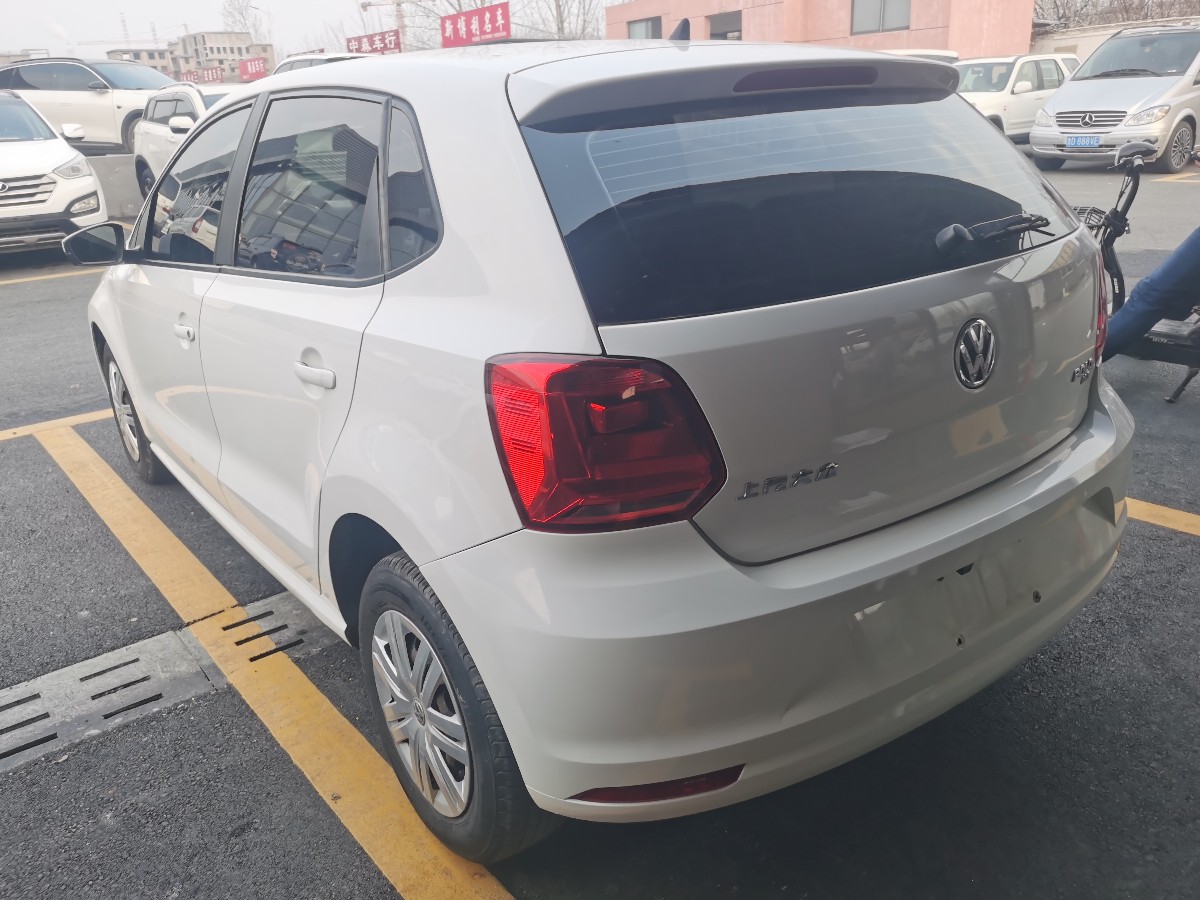
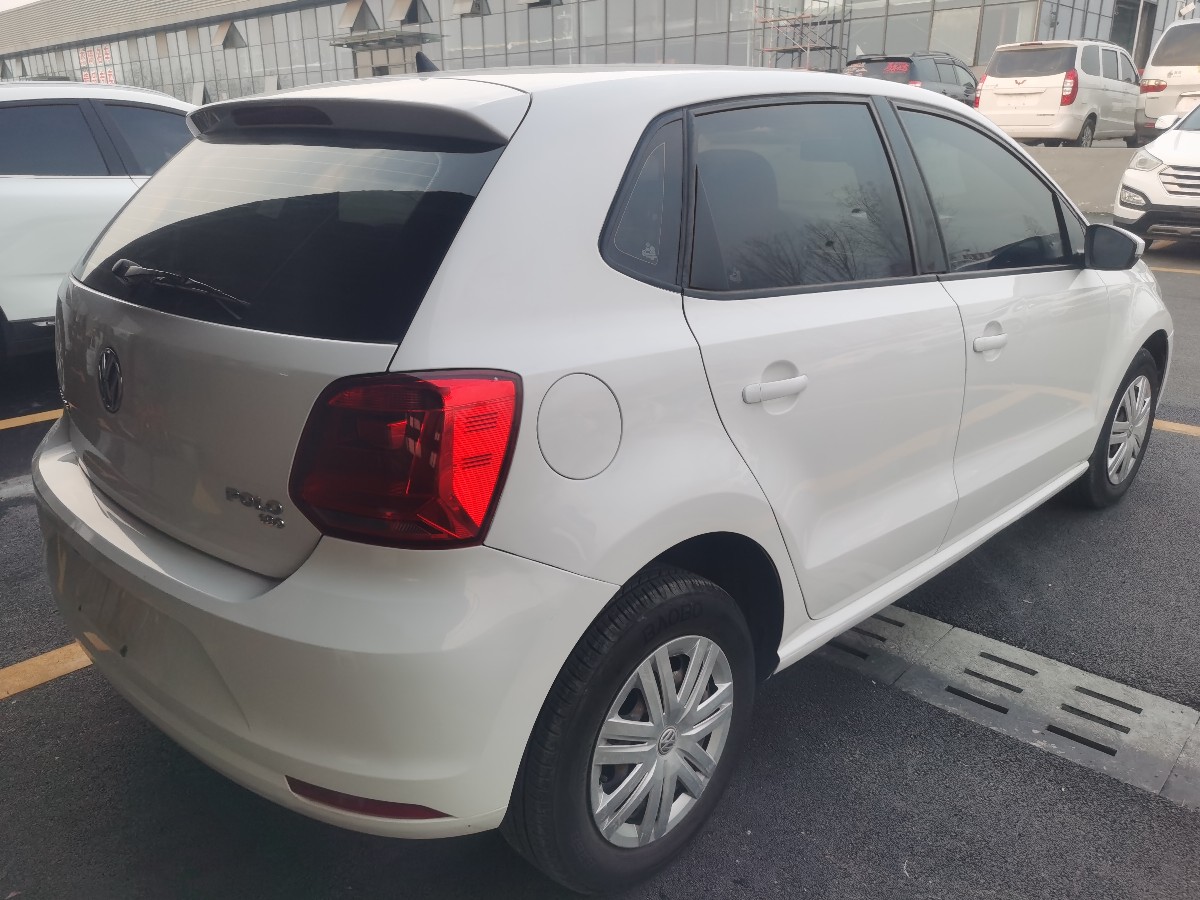
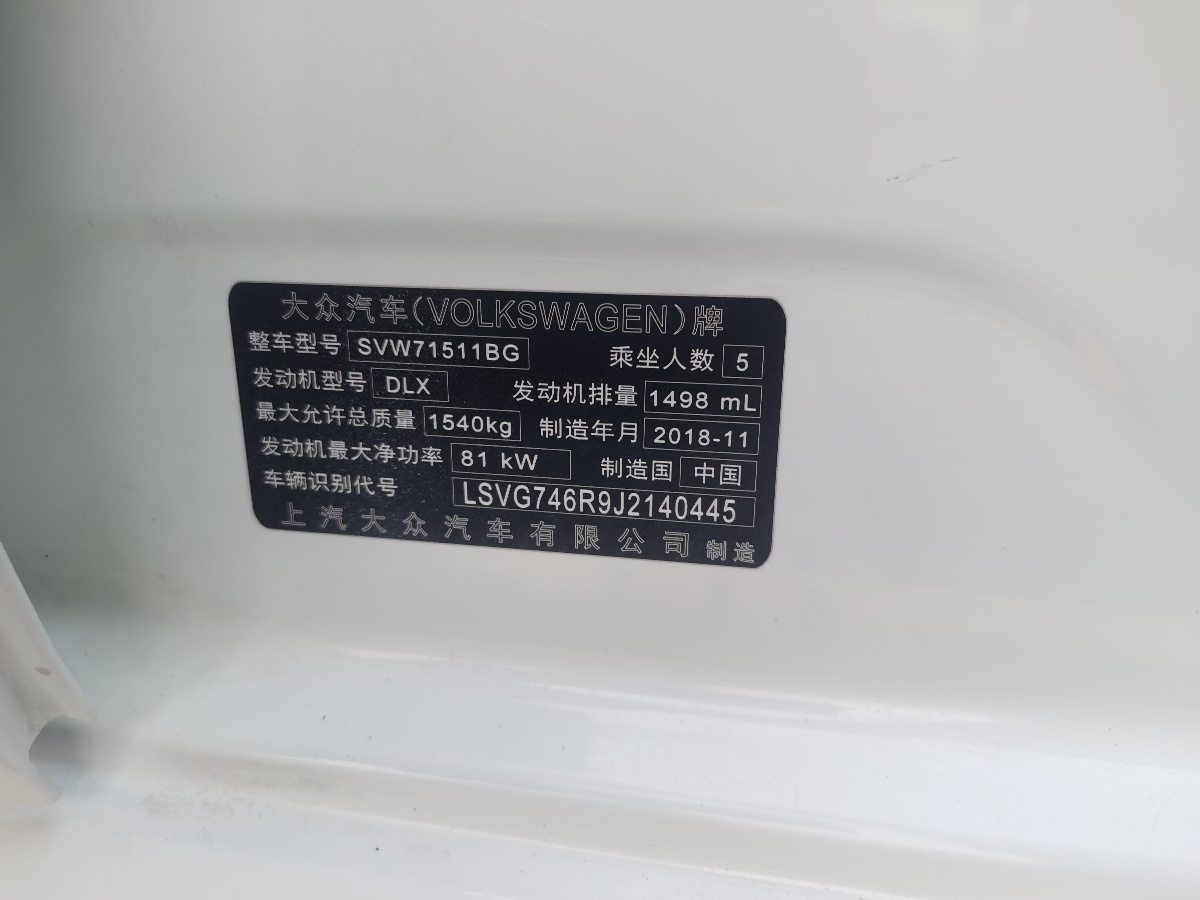
48H

Basic Information

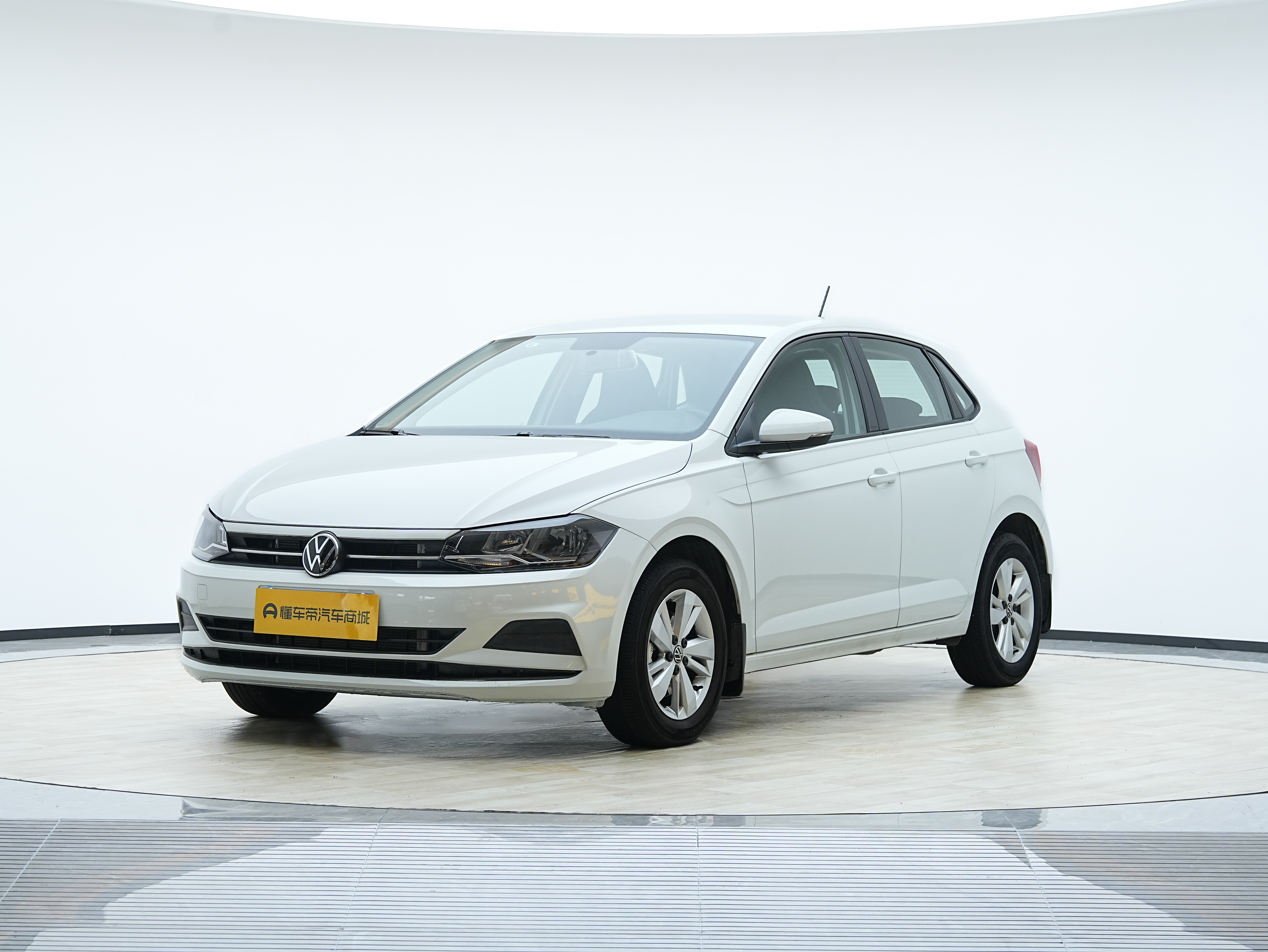
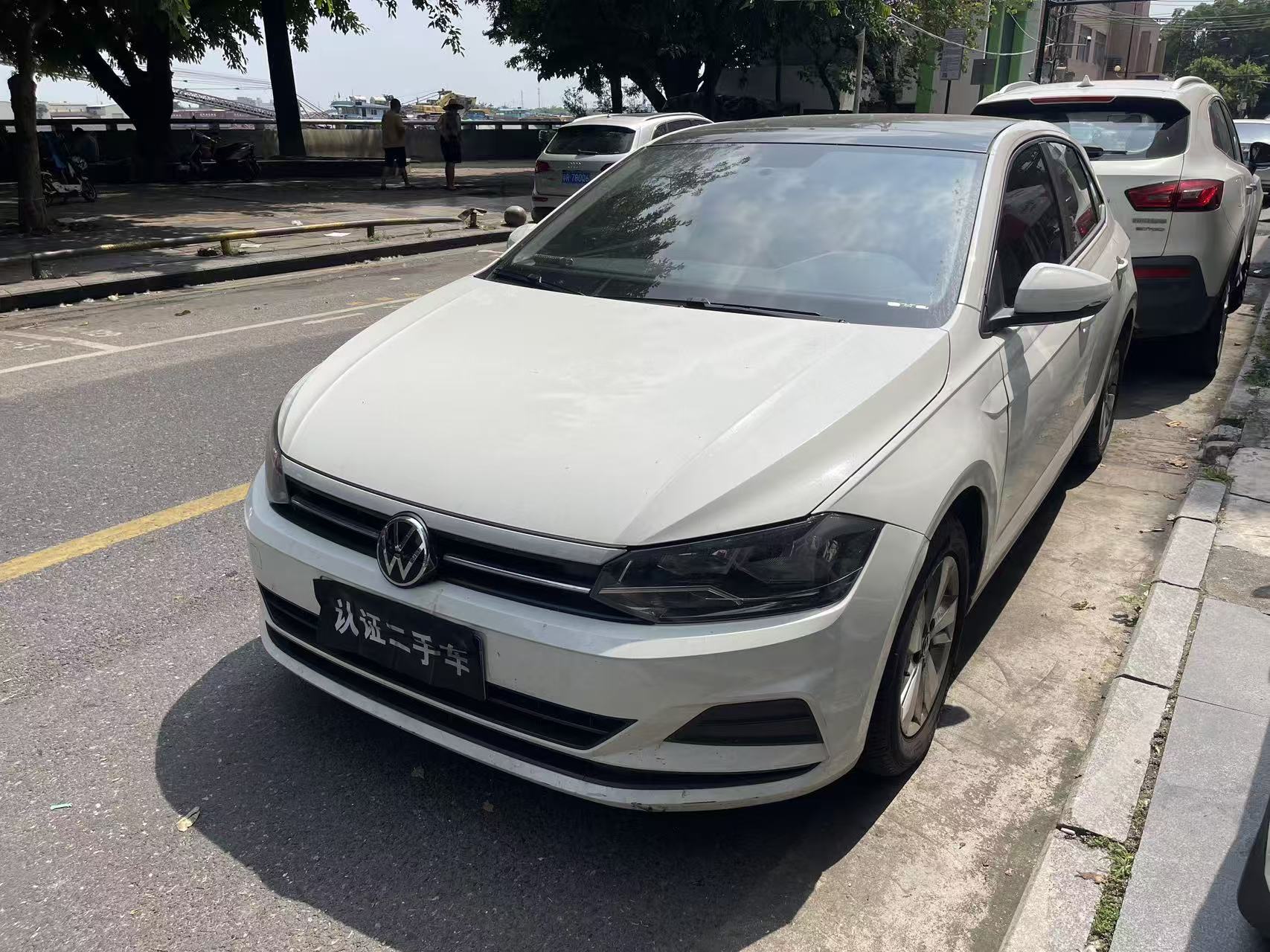
BrandVolkswagen
SeriesPolo
Year2019
First Registration2019/05
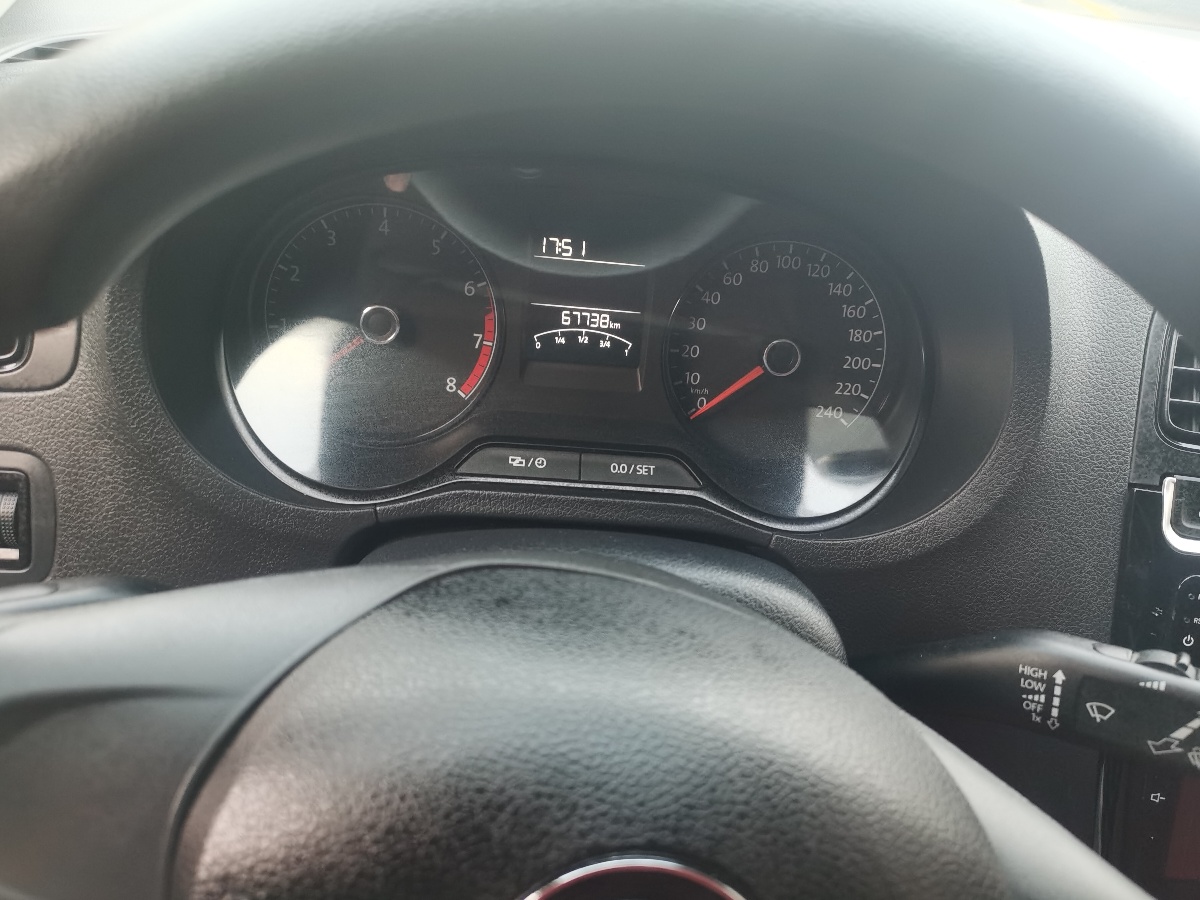
Mileage68,000km
Transfer Count1times
FuelGasoline
TransmissionAutomatic
Engine1.5L 110 L4
ColorWhite
Seats-

Condition Description

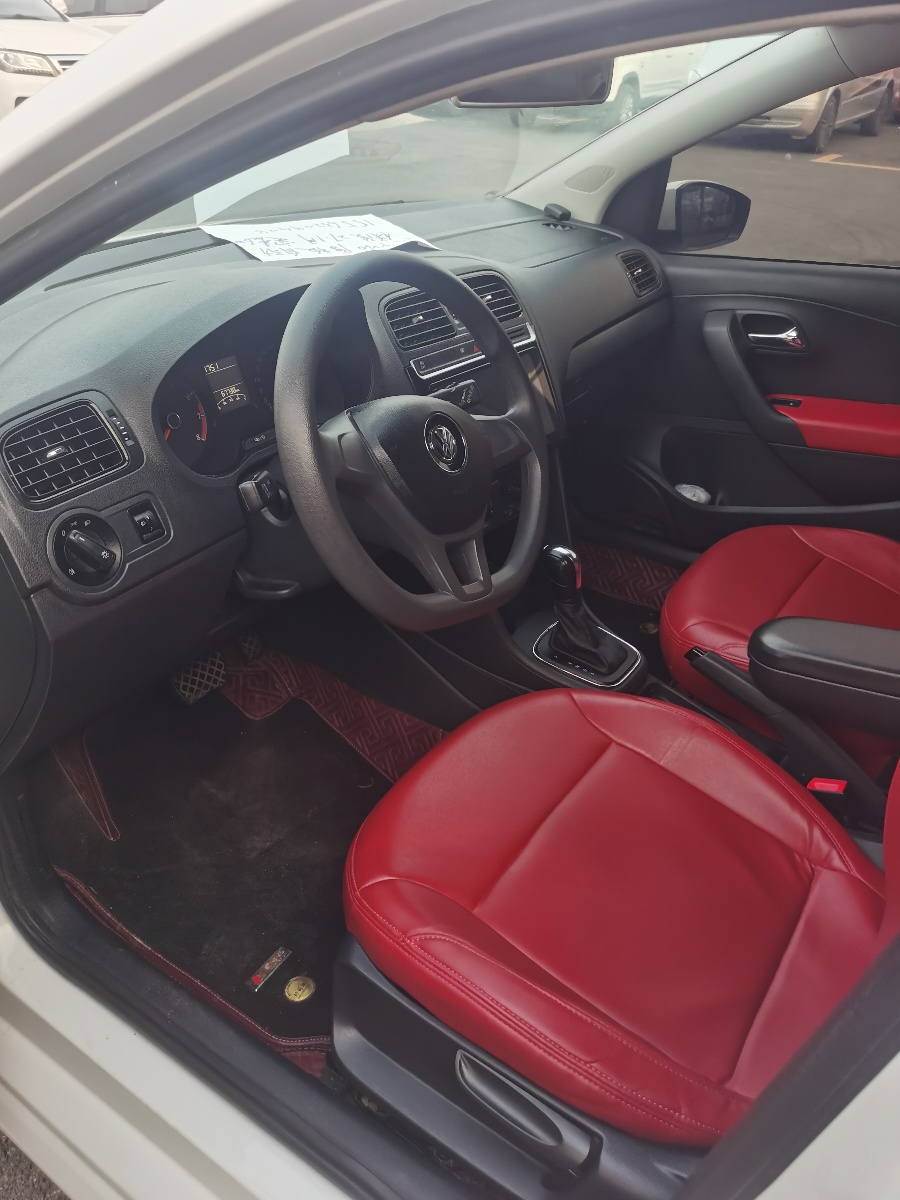
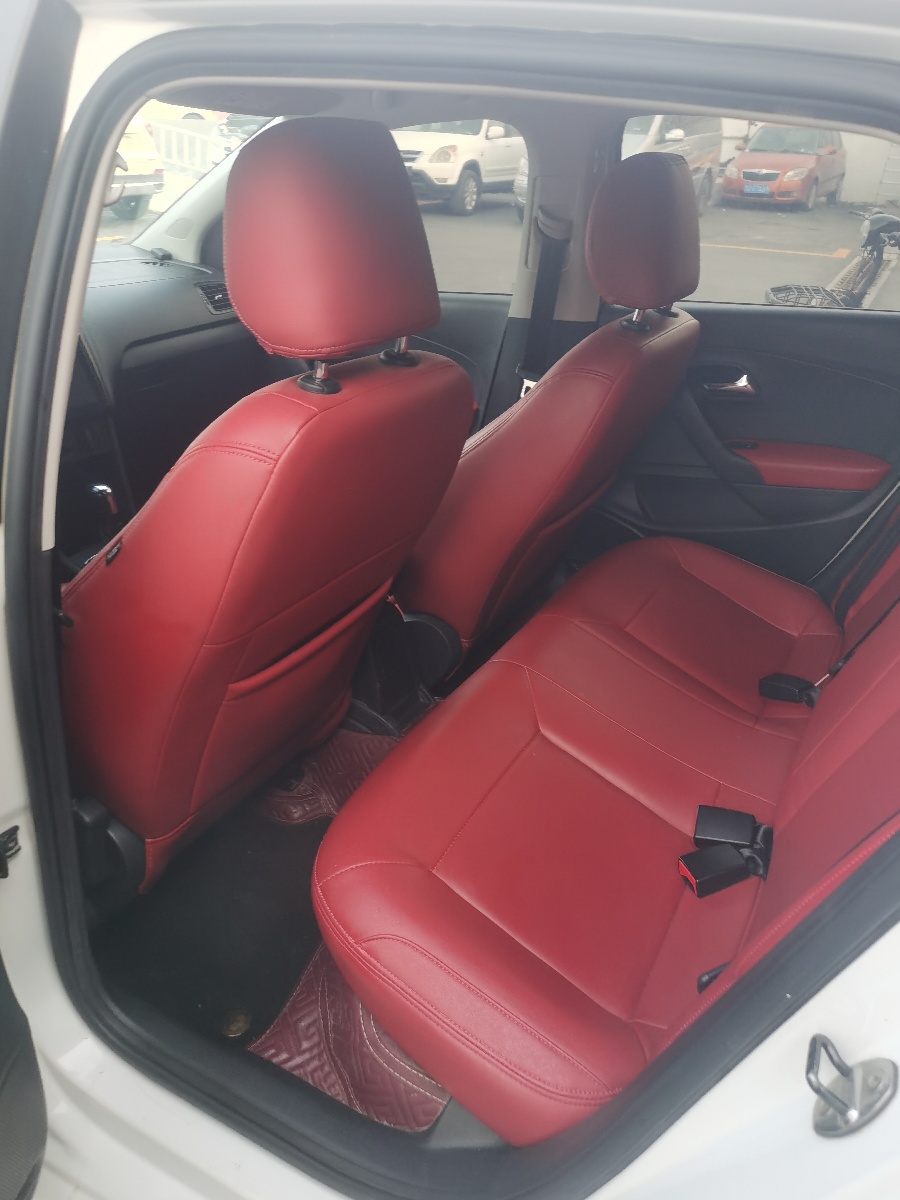
The vehicle is in original condition with an actual mileage of 60,000.

燃油车
轿车
自动
维保开放
事故开放
查验开放

Configuration Highlights

品牌: 大众
车系: Polo
车型: 2018款 1.5L 自动安驾型
车身类型: 轿车
座位数: 5
排量: 1.5L
变速箱: 自动
能源类型: 燃油车
VIN: LSVG746R9J2140445
搜索关键词: 大众Polo 2018款Polo1.5L自动安驾型

Document Information

Inspection Expiry Date2027/03
Warranty Expiry Date-
Insurance Expiry Date2027/03

Q&A

More

Can you convert mainstream left-hand drive (LHD) cars in China to right-hand drive (RHD) and then export them?

We maintain an extremely cautious and firm denial. Some platforms may cater to such demands for orders, but converting left-hand drive to right-hand drive involves complex steering column cutting, firewall structure changes, and wiring harness reorganization. This non-factory deep modification poses significant safety risks and is very difficult to pass vehicle safety inspections in developed countries (such as Japan's earthquake test and the UK's IVA test). Out of responsibility for safety and long-term reputation, we refuse to provide any steering conversion services that damage the vehicle's underlying structure.
How to confirm that the car windows are all original factory parts and not replaced due to an accident?

The technician will check the production date codes and brand logos in the lower left corner of all the car's glass (including the windshield, four doors, and rear window) to see if they match the vehicle's factory date on the nameplate. If any glass is found to have a date later than the vehicle's production date, it will be recorded as evidence of a "previous damage replacement."

When calculating the total cost of a used car, what percentage of the car price do you recommend setting aside for "unforeseen local preparation costs"?

Based on practical risk assessment, we strongly recommend setting aside 3% to 5% of the car price as a buffer fund for even the highest-rated used cars, to cover oil changes, new tires, minor shipping scratches, and local inspection labor costs.