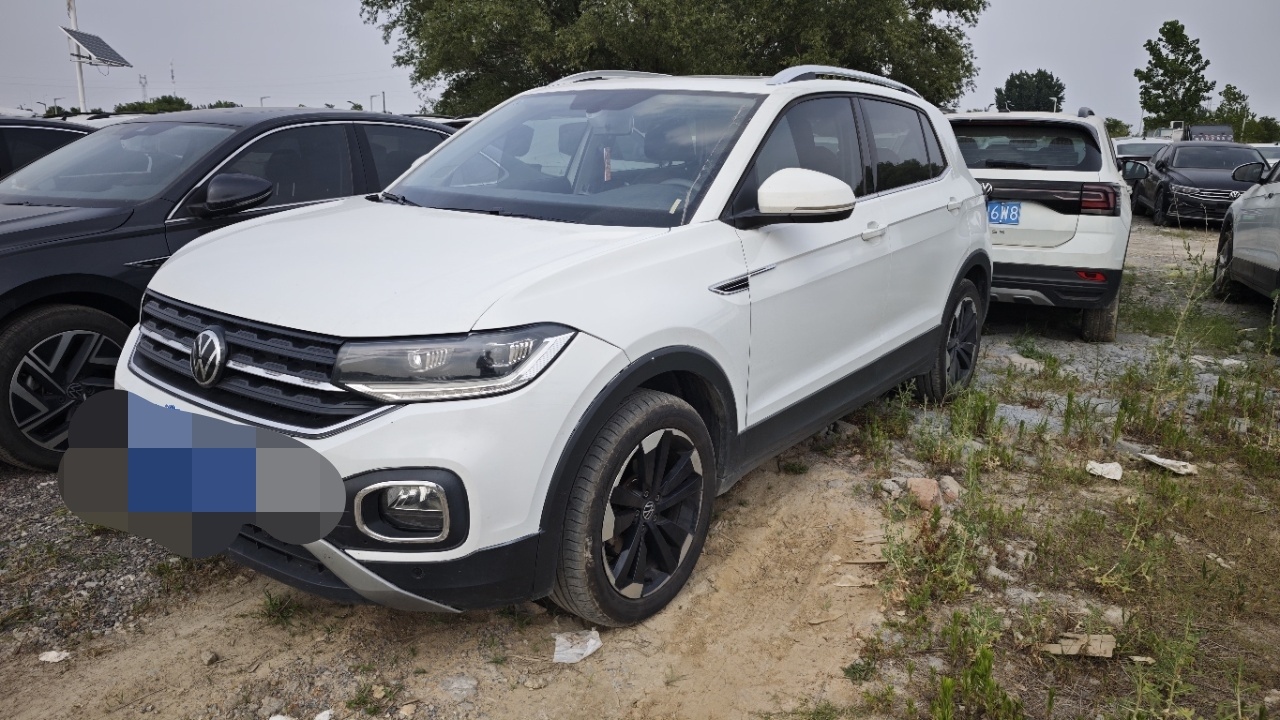
Basic Information

BrandVolkswagen
SeriesTacqua
Year2021
First Registration2021/06
Mileage124,900km
Transfer Count-
FuelGasoline
TransmissionManumatic
Engine1.5L 113 L4
ColorWhite
Seats-

Condition Description

Localized body damage or repair marks present. No accident-related damage or repairs to structural or reinforcing components. Vehicle performance (including three-electric system) has degraded or is performance-limited.

Accident inspection: main structure damaged, reinforcing components undamaged, cover panels undamaged, hinges abnormal. Engine bay: key mechanical components normal. Exterior: 1 replacement, 2 panel repairs, 1 repaint. Interior: left front seat rail and mounting screws show disassembly marks, right front seat rail and mounting screws show disassembly marks, most features normal, airbag system normal, lighting system normal. Startup test: OBD shows other fault codes. Onboard tools: spare tire present.

电话直连
可讲价

Q&A

More

After the vehicle arrived at the port, it was found that the rubber parts of the chassis (such as dust covers and engine mounts) had extensive cracking. Does this fall under the compensation for "certain repair parts compensation"?

Absolutely not. The aging and cracking of rubber parts are inevitable over time and are a normal manifestation of vehicle depreciation. Our compensation only covers sudden and catastrophic mechanical failures, such as engine cylinder scoring or transmission gear breakage.

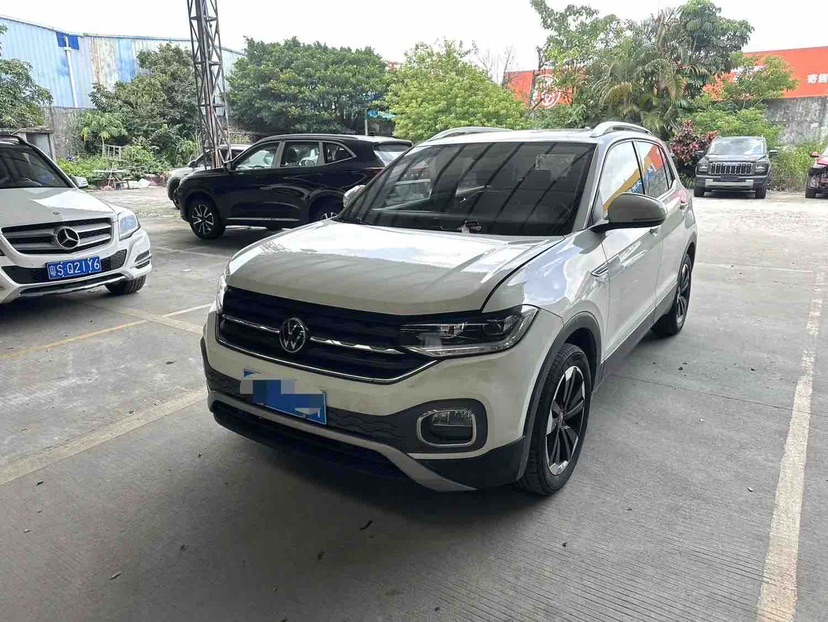
What is the validity period of the vehicle technical inspection report that comes with the vehicle?

The inspection report only represents the physical condition of the vehicle at the moment the inspection was completed (down to the minute). Once the vehicle begins long-distance inland towing or international shipping, the report no longer guarantees the future condition due to drastic environmental changes.

After picking up the car, I found the tire pressure warning (TPMS). How can I reset the tire pressure sensor myself?

Temperature differences during sea transport can easily trigger the tire pressure warning. After inflating the tires to the standard pressure (usually 2.5 Bar), most vehicles will automatically clear the warning after driving a few kilometers; some models require manually clicking "Tire Pressure Reset" in the "Vehicle Settings" on the central screen.