

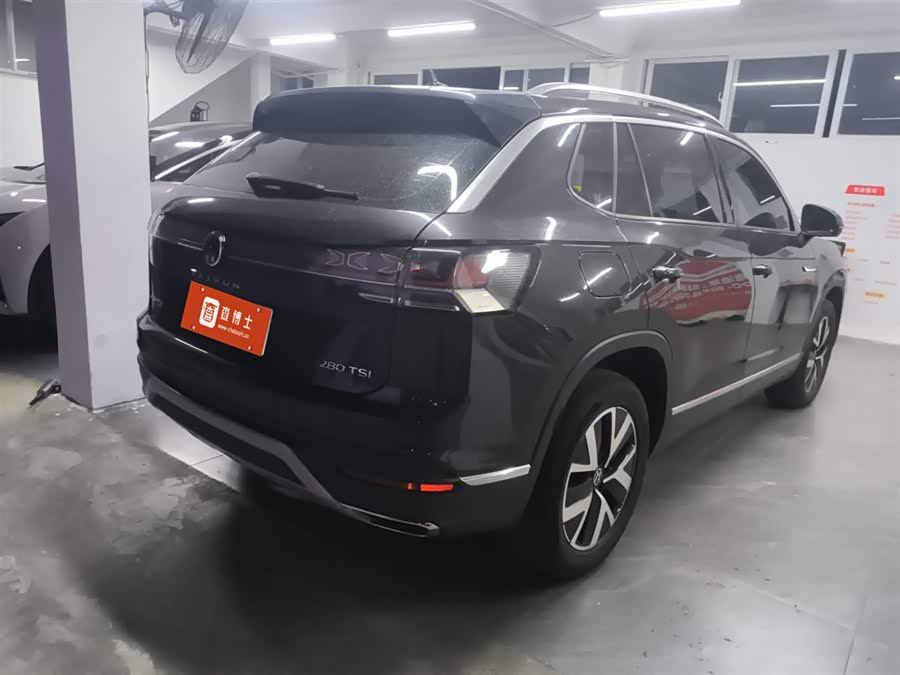
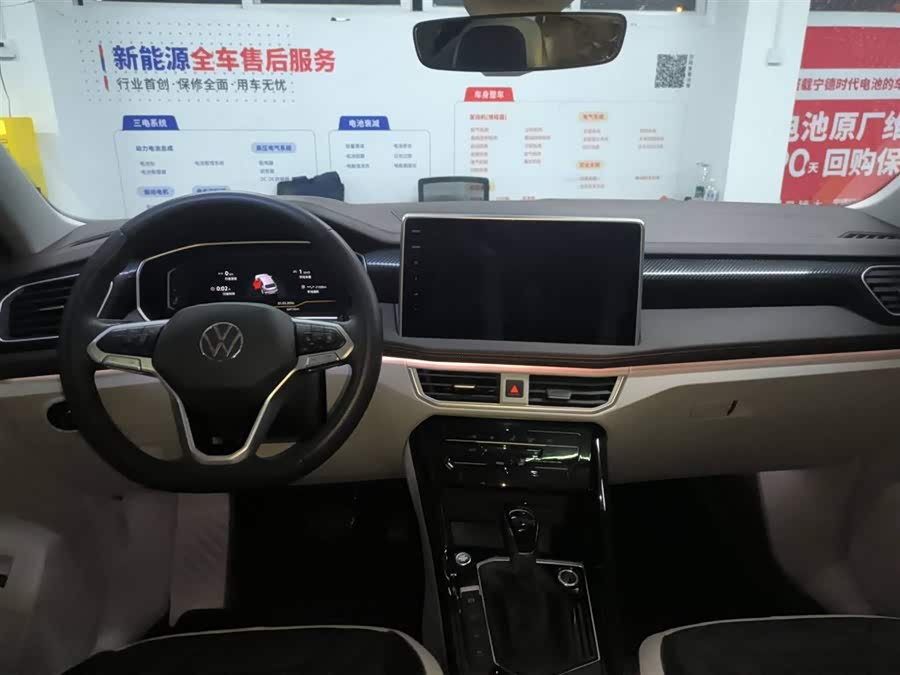
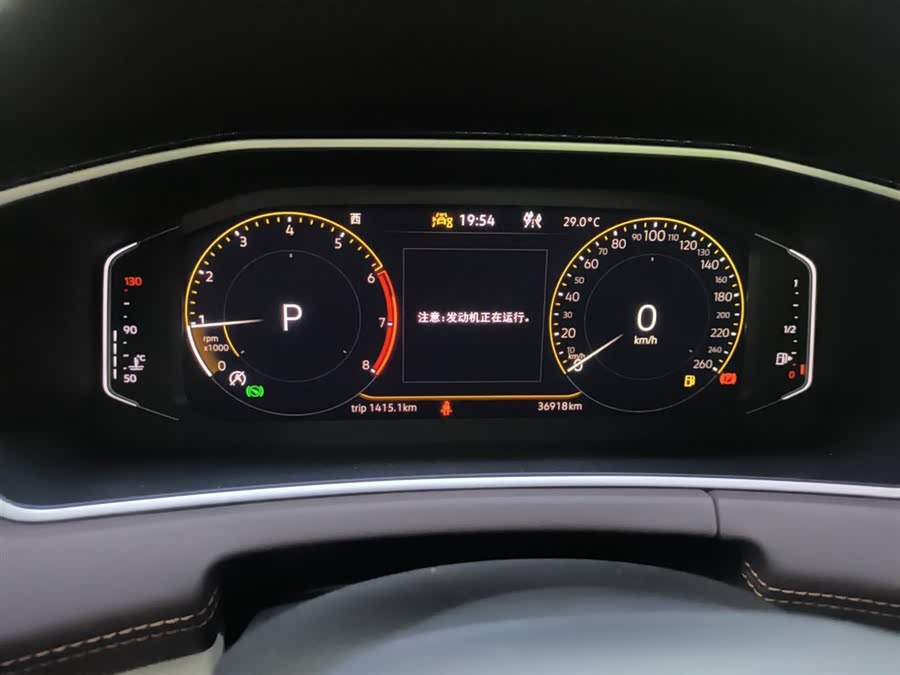

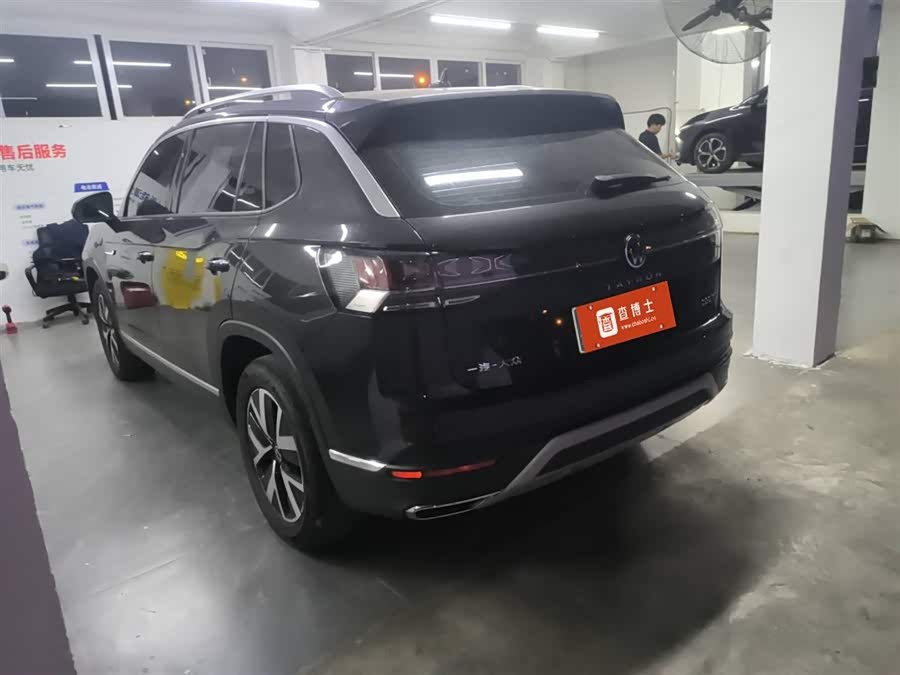

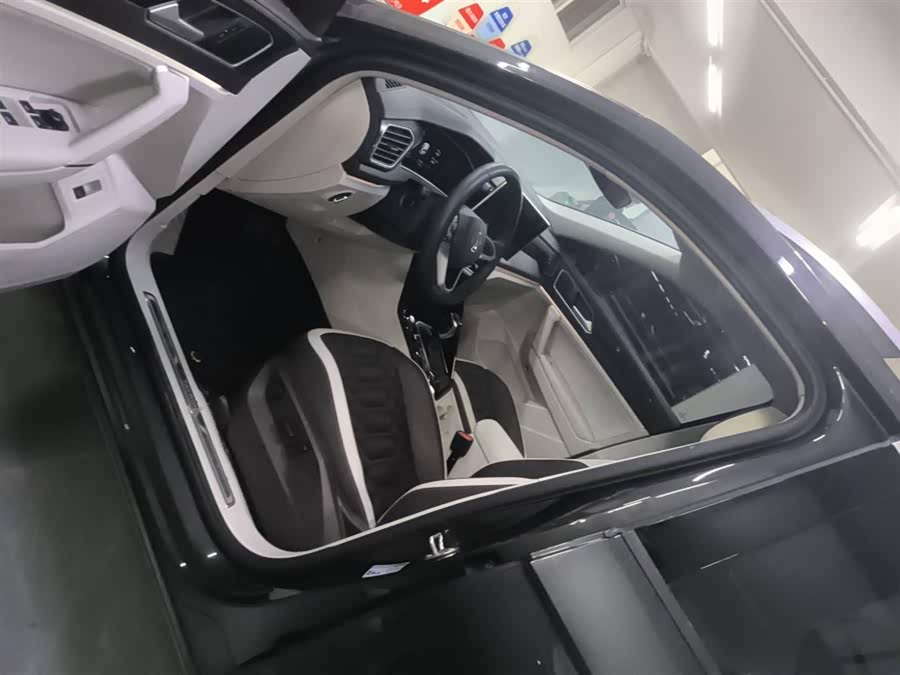


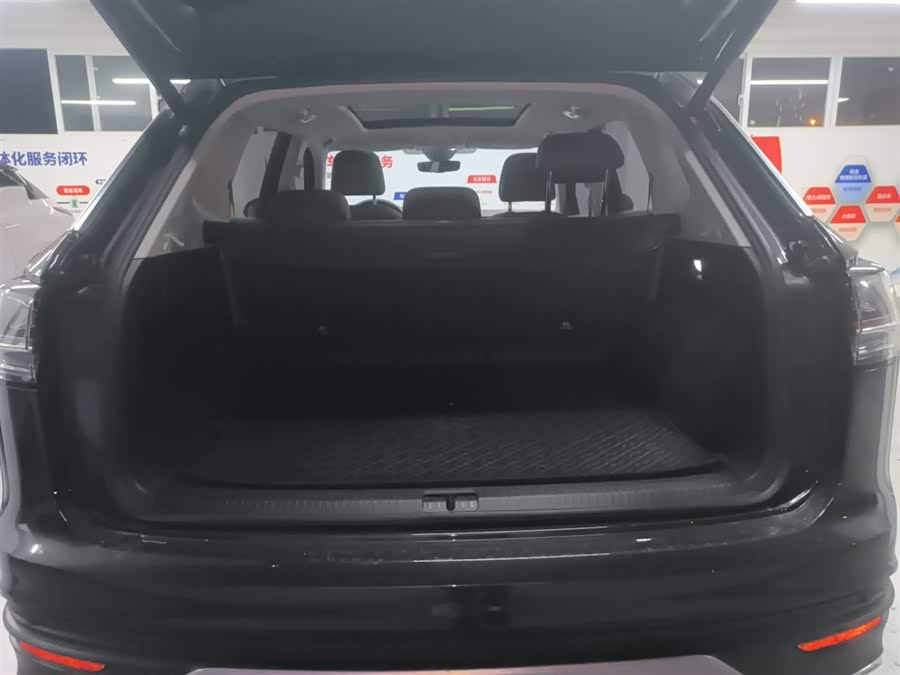
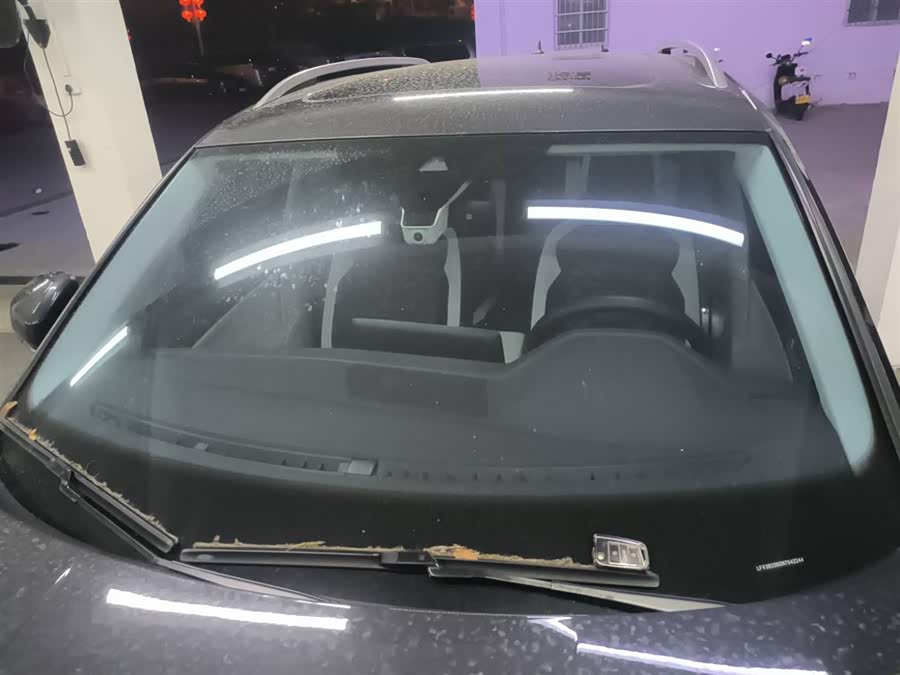
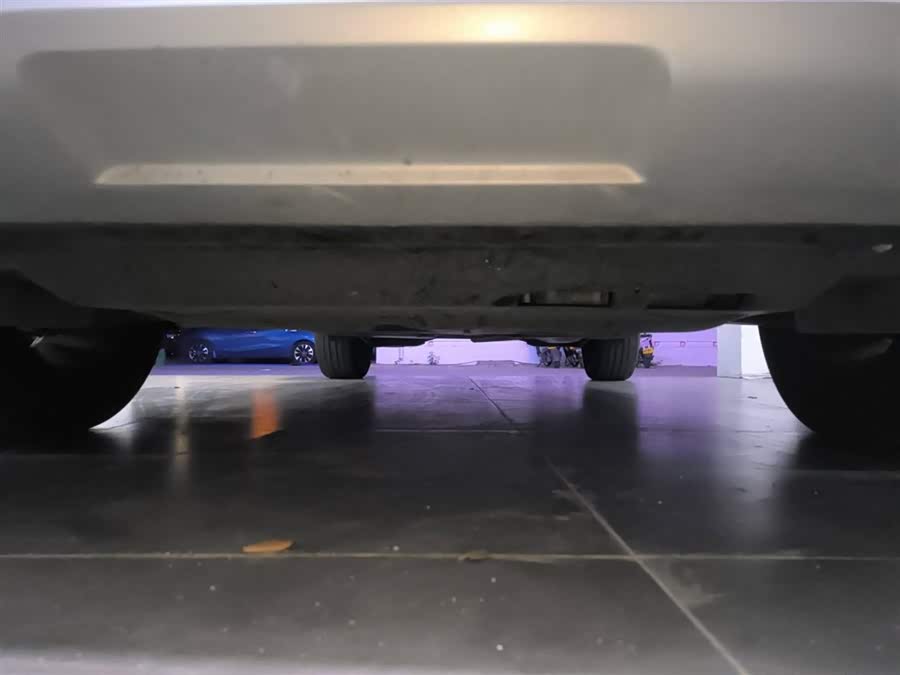
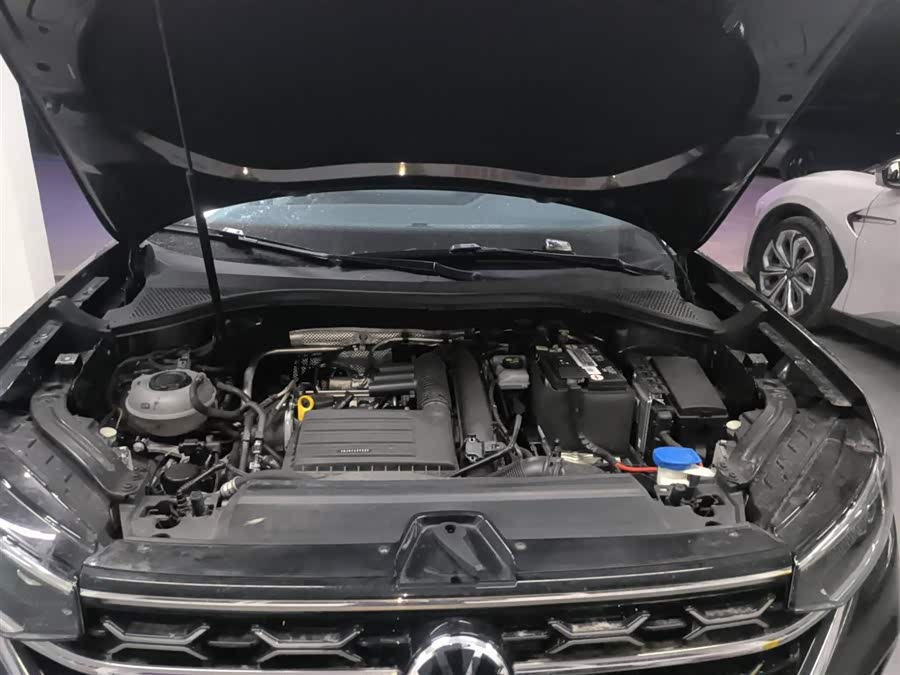
Basic Information

BrandVolkswagen
SeriesTayron
Year2022
First Registration2022/12
Mileage36,800km
Transfer Count-
FuelGasoline
TransmissionDCT
Engine1.4T 150 L4
ColorGrey
Seats-

Condition Description

very good

Internal description: Left rear leaf sheet metal data.

0 transfers

Configuration Highlights

Tire Pressure Monitoring
Lane Keep Assist
Lane Departure Warning
Active Safety System
ISOFIX Child Seat Anchors
Auto Hold
Power Trunk
Kick-sensor Trunk
Keyless Start System
Heated Steering Wheel
Digital Instrument Cluster
Bluetooth/Hands-free
Connected Car
PM2.5 Air Filter
Air Purifier
Rear Independent Climate Control
Rear Air Vents

Accident & Maintenance Records

Accident Record

🔗 Open Link

Maintenance Record

🔗 Open Link

Document Information

Inspection Expiry Date2026/12
Warranty Expiry Date-
Insurance Expiry Date2026/12

Q&A

More

After picking up the car, I found the tire pressure warning (TPMS). How can I reset the tire pressure sensor myself?

Temperature differences during sea transport can easily trigger the tire pressure warning. After inflating the tires to the standard pressure (usually 2.5 Bar), most vehicles will automatically clear the warning after driving a few kilometers; some models require manually clicking "Tire Pressure Reset" in the "Vehicle Settings" on the central screen.


Can I request the original factory parameter sheet for the vehicle (such as the standard camber angles and toe values) from your after-sales service so I can do a four-wheel alignment locally?

This is after-sales support we are very happy to provide. Since overseas alignment machines often lack databases for Chinese brand vehicles, we will send you screenshots of the core chassis parameters from the service manual, making it easier for your technician to manually input the data for precise adjustments.

If the customs of the destination country values the vehicle higher than your commercial invoice amount, leading to a surge in duties, who is responsible?

The customs of the destination country has the right to disregard the commercial invoice and reassess the value based on its internal database (such as the customs valuation red book). Any additional duties incurred are a result of the importing country's policy and are fully borne by the buyer (importer).