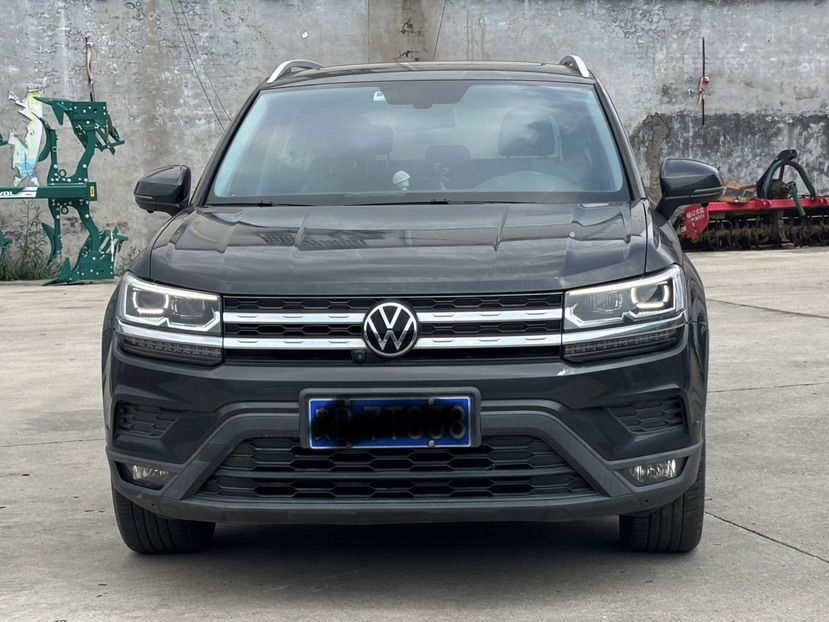
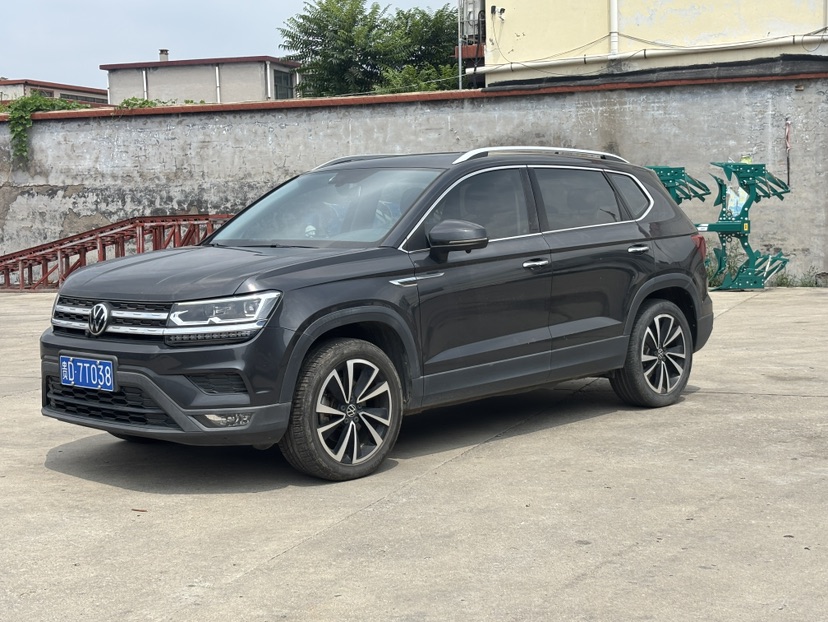
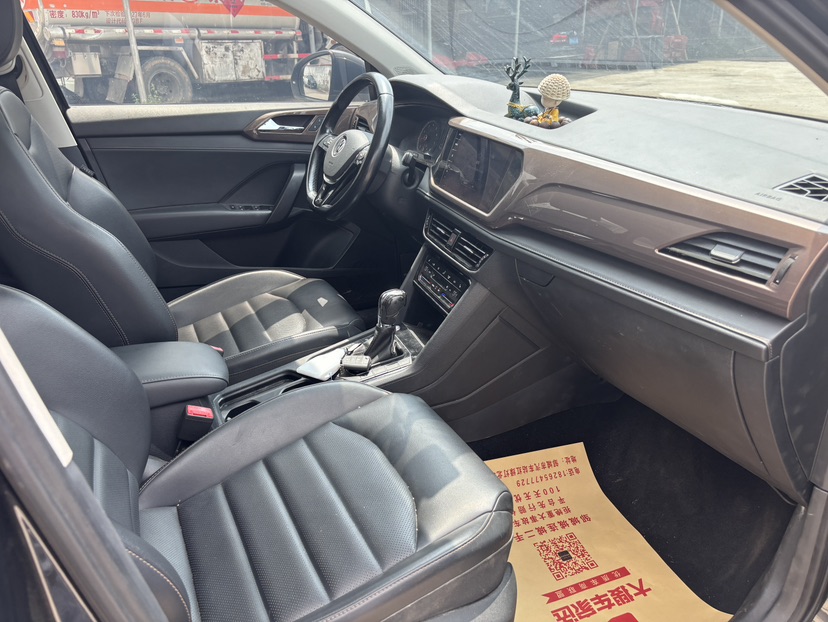
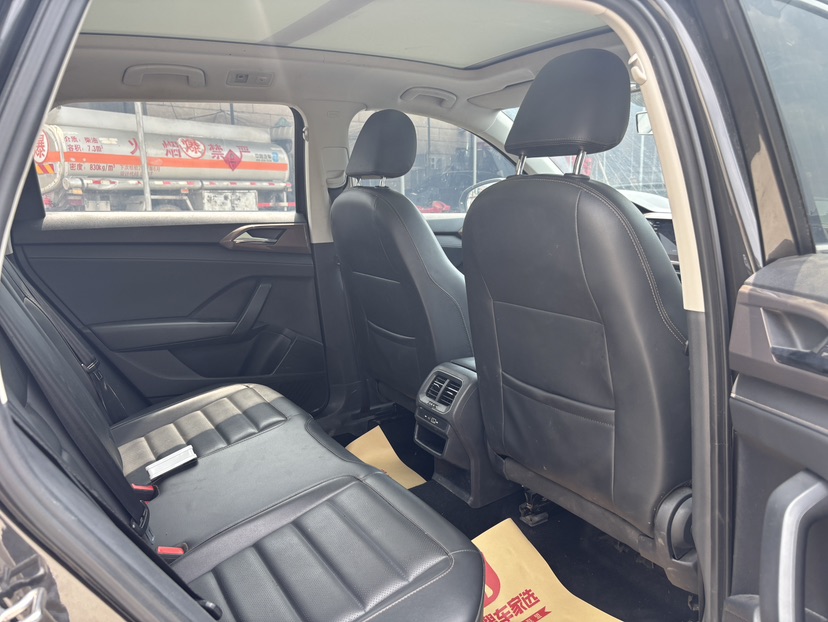
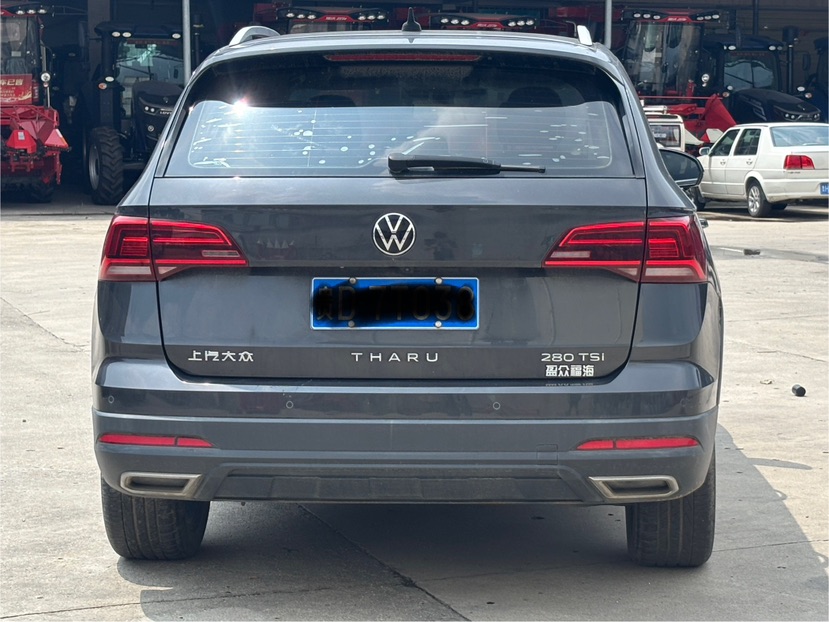
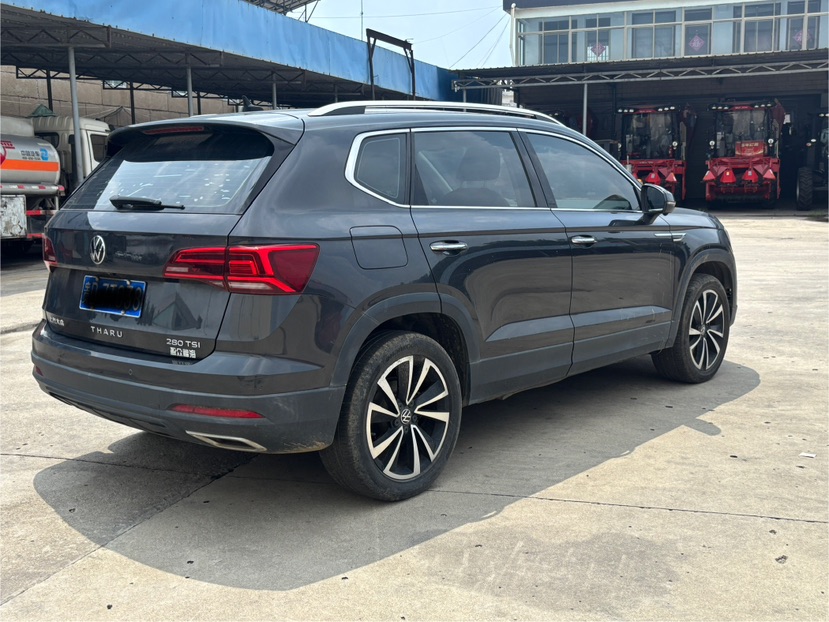
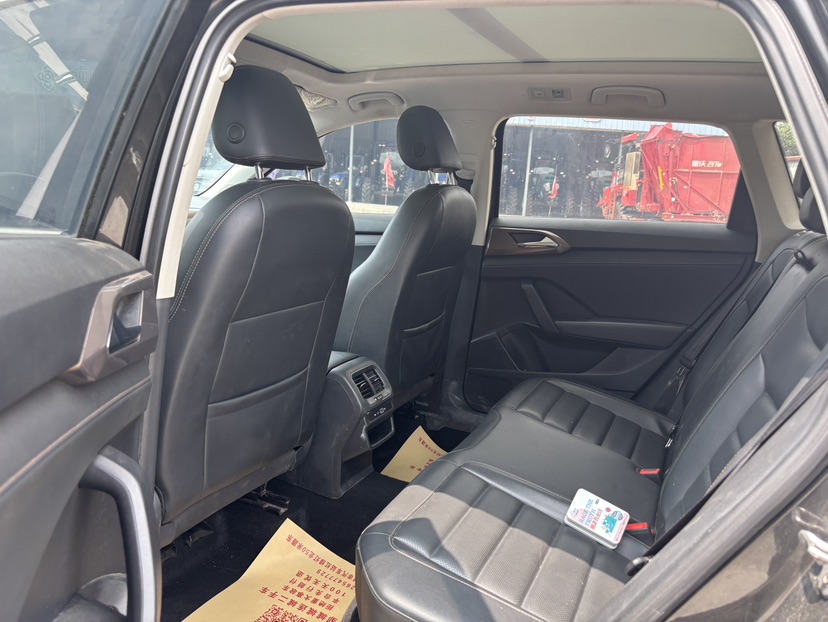

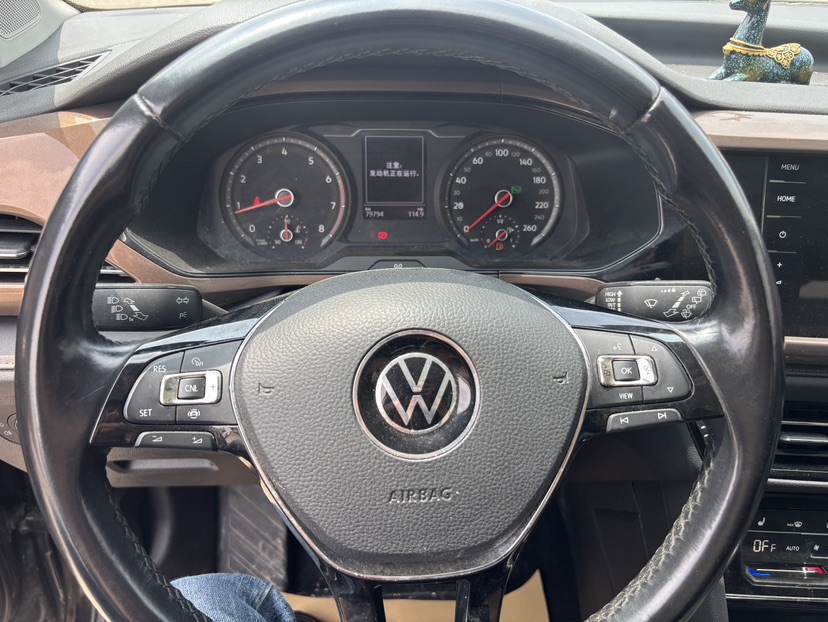
Basic Information

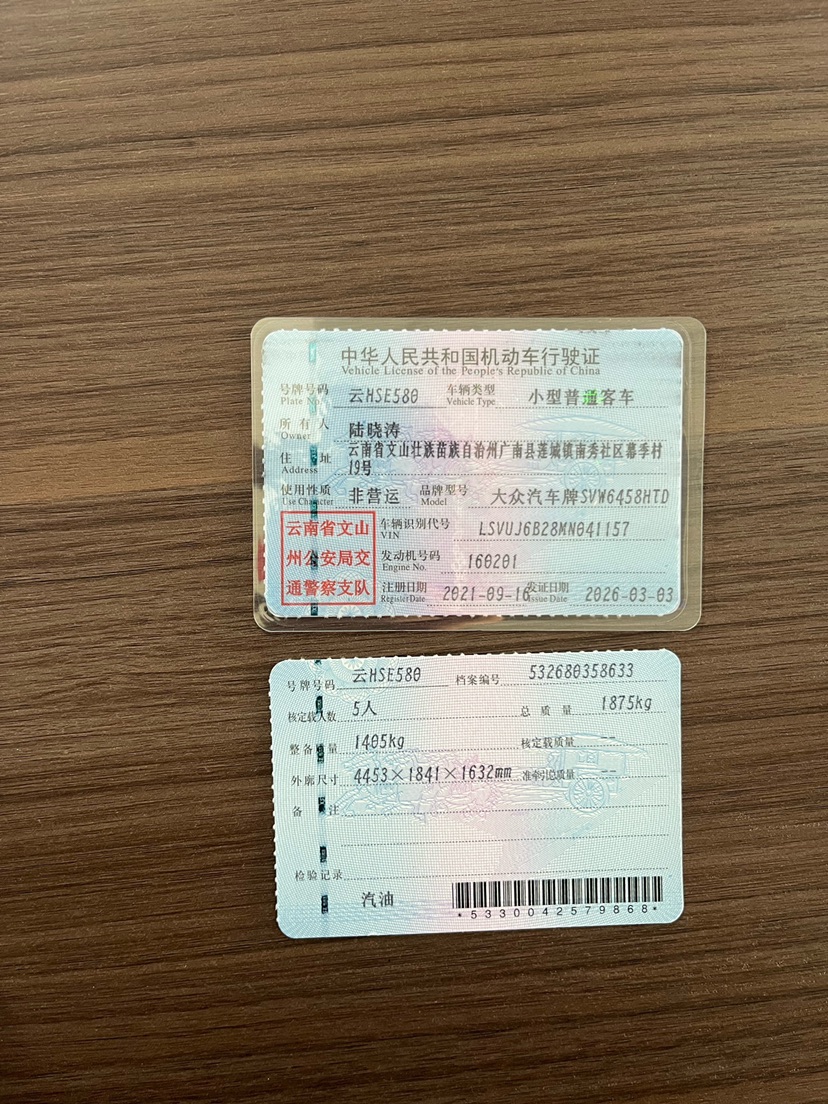
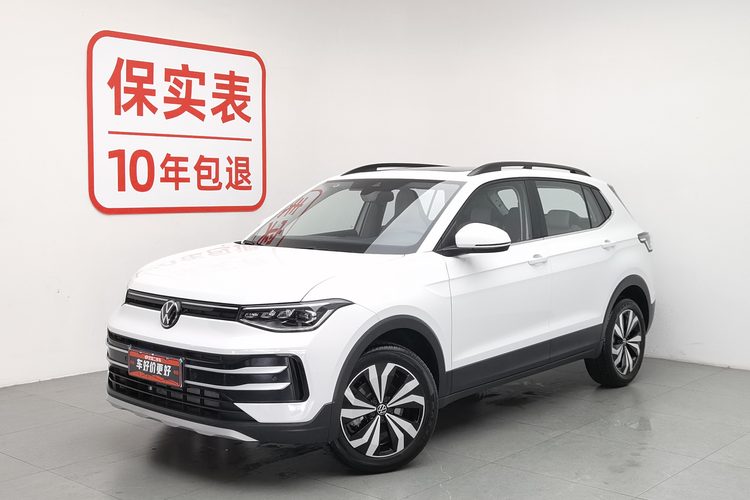
BrandVolkswagen
SeriesTharu
Year2021
First Registration2021/02
Mileage79,000km
Transfer Count1times
FuelGasoline
TransmissionDCT
Engine1.4T 150 L4
ColorBlack
Seats-

Condition Description

Original paint, actual mileage, sunroof leaks and cannot pass inspection.

燃油车
SUV
自动
维保开放
事故开放
查验开放

Configuration Highlights

品牌: 大众
车系: 途岳
车型: 2021款 280TSI 两驱旗舰版
车身类型: SUV
座位数: 5
排量: 1.4T
变速箱: 自动
能源类型: 燃油车
VIN: LSVUJ6B28MN041157
搜索关键词: 大众途岳 2021款途岳280TSI两驱旗舰版

Document Information

Inspection Expiry Date2026/02
Warranty Expiry Date-
Insurance Expiry Date2026/05

Q&A

More

How to prove the state of health (SOH) of a second-hand electric vehicle battery? Will a testing report be provided?

We understand that the power battery is the core asset of an EV. Before export, our technical team will use professional OBD diagnostic equipment to read the underlying data from the Battery Management System (BMS). We will provide you with a technical report that includes key indicators such as battery health percentage (SOH), cell pressure differences, and charge-discharge cycle counts. If the SOH is below our established export safety standard (usually above 80%, depending on the vehicle's age), the vehicle will be intercepted and not sent overseas.

Is the external discharge function (V2L) of the vehicle outputting 220V or 110V?

The V2L output standard for domestic models in China is 220V/50Hz. If your country's power grid standard is 110V/60Hz (like in some parts of North America), you cannot directly power local high-power appliances and will need an external transformer.

If our country has a free trade agreement (FTA) with China, can you provide specific certificates of origin to reduce tariffs?

Yes. If your country (such as Chile, Peru, ASEAN countries, etc.) has signed a bilateral free trade agreement with China, our documentation center will apply to Chinese customs or the trade promotion agency for specific versions of the certificate of origin (such as Form E, Form F, etc.), which can help you legally apply for significant tariff reductions at the destination port.