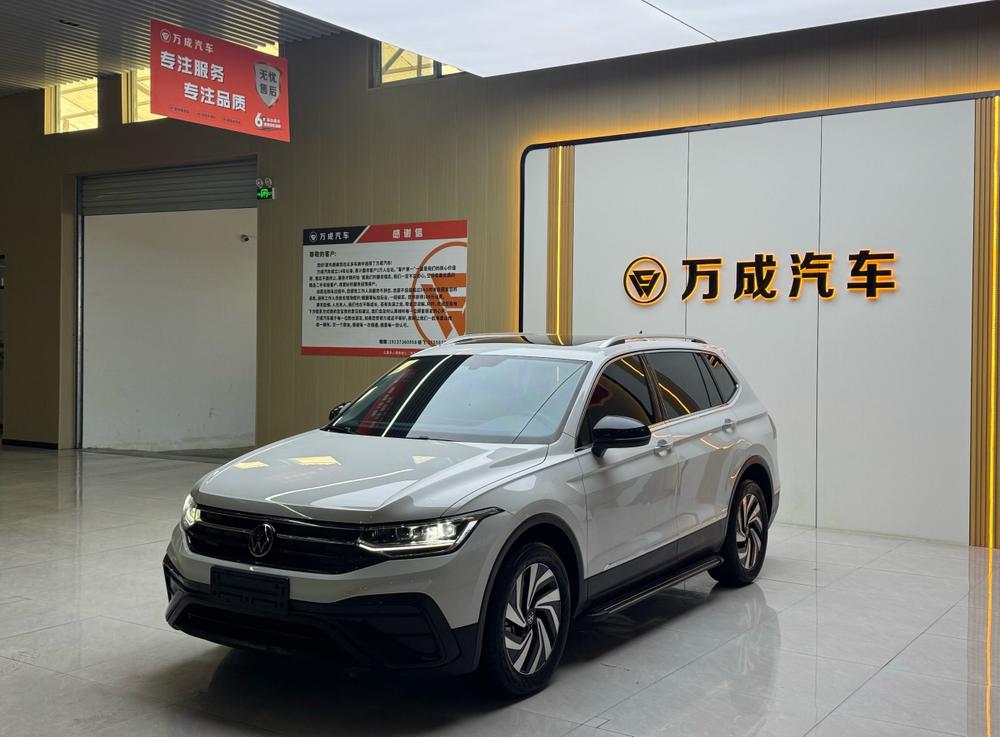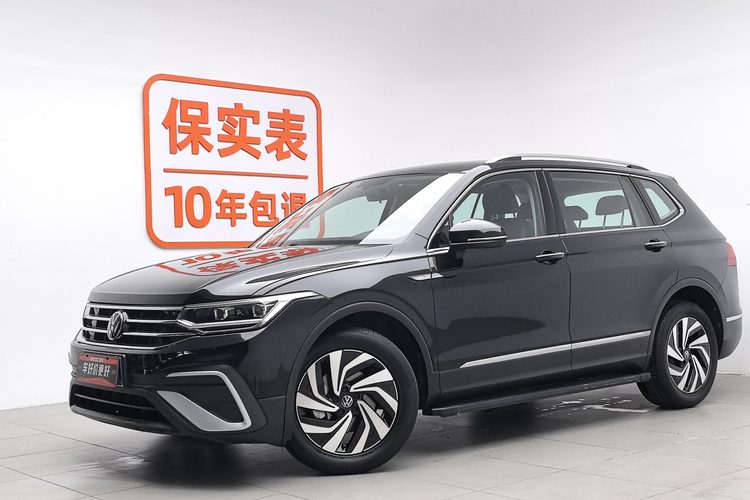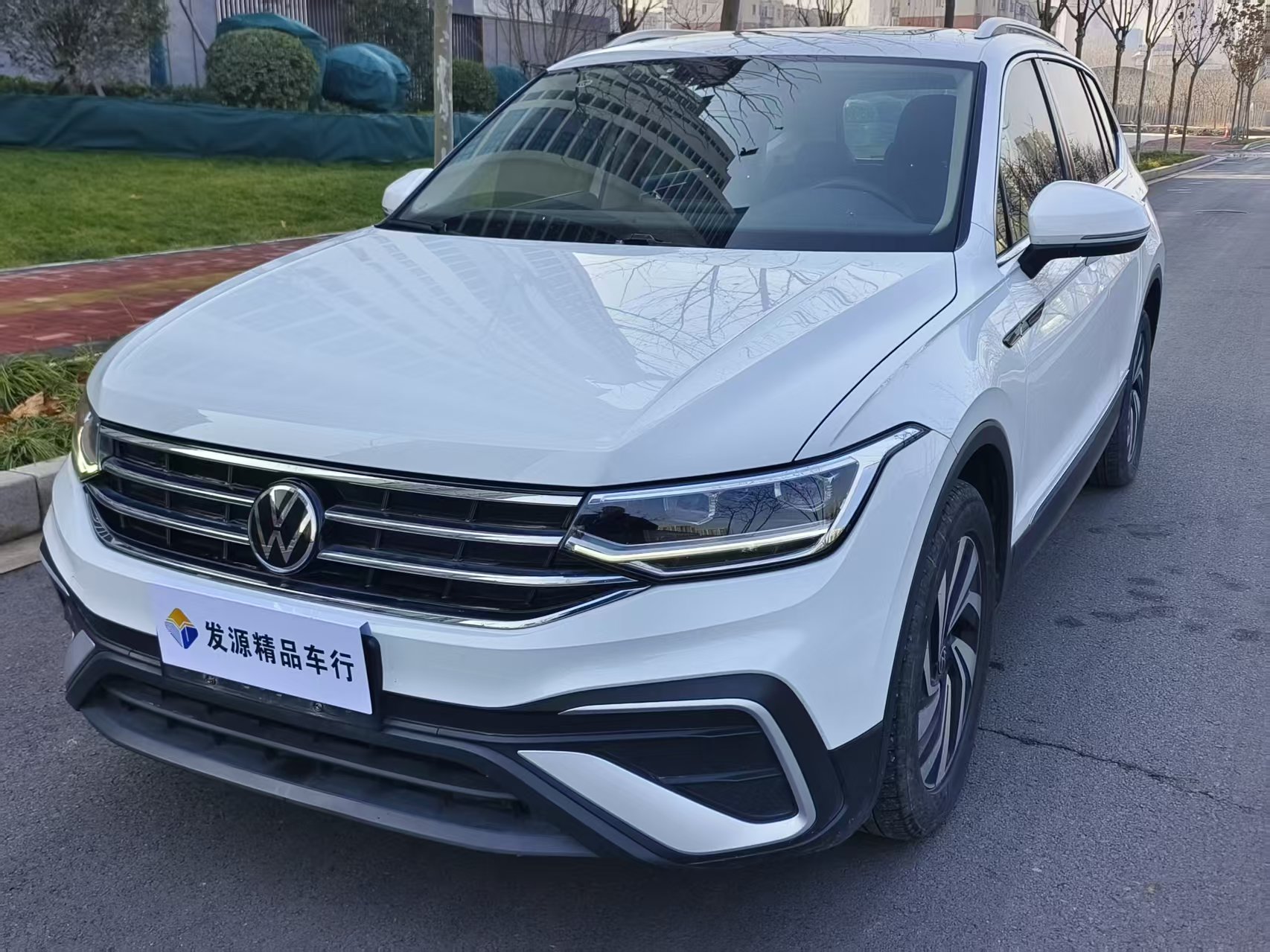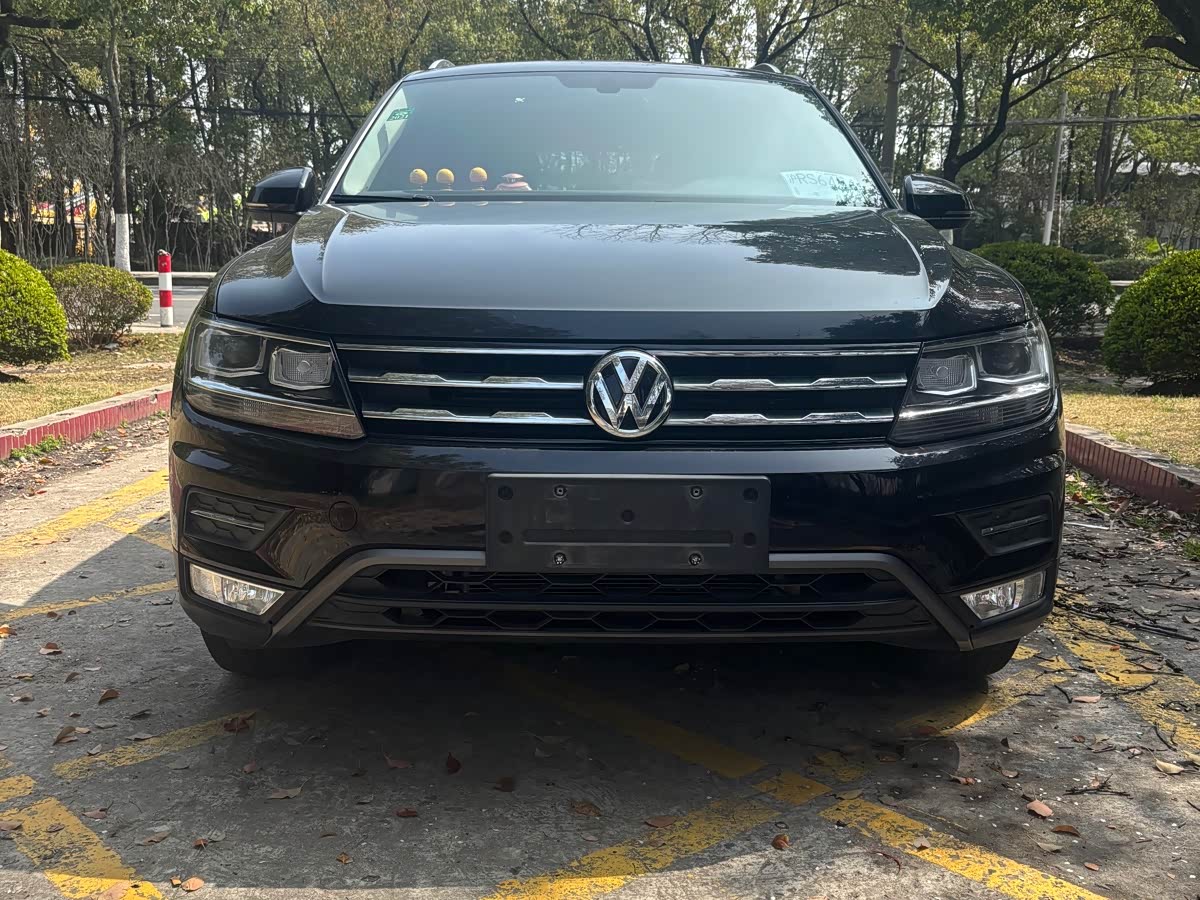
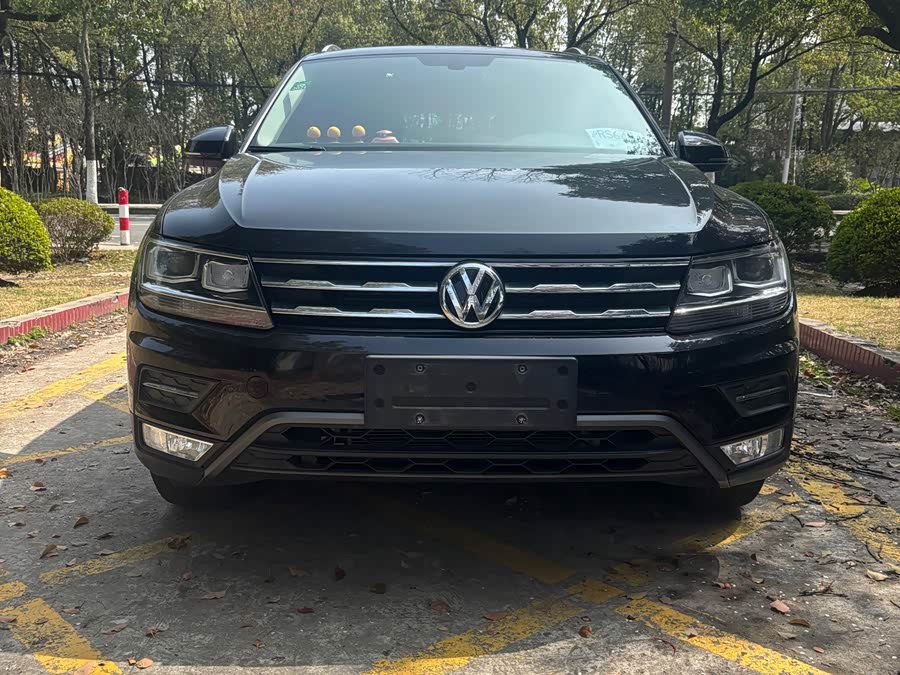
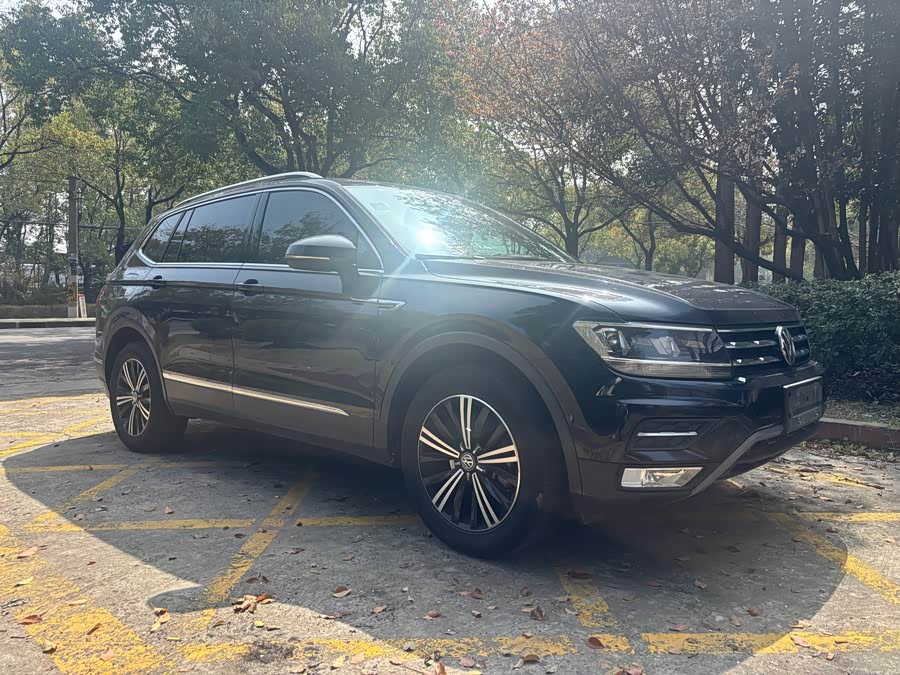
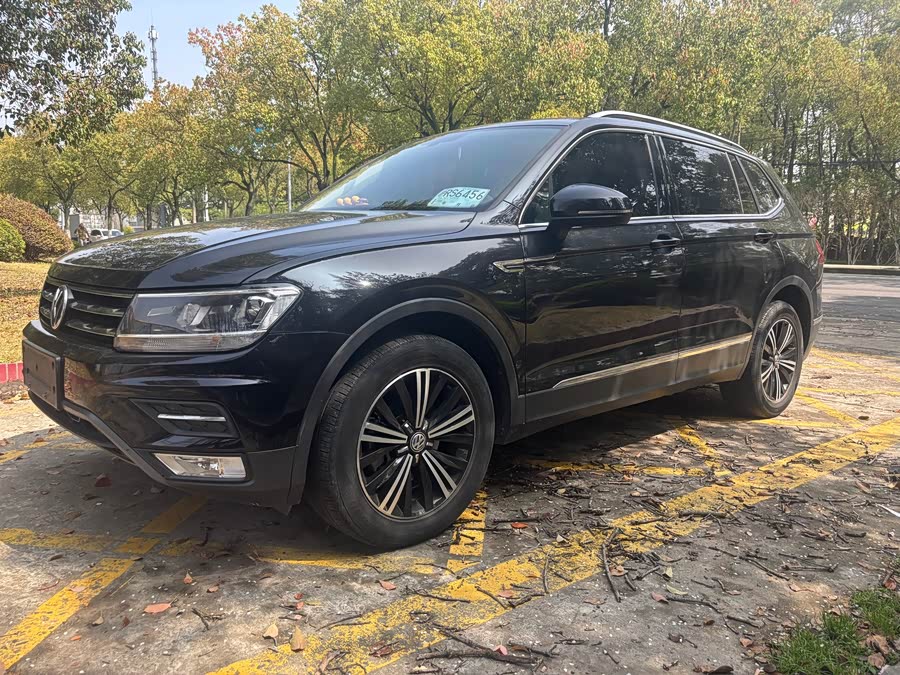
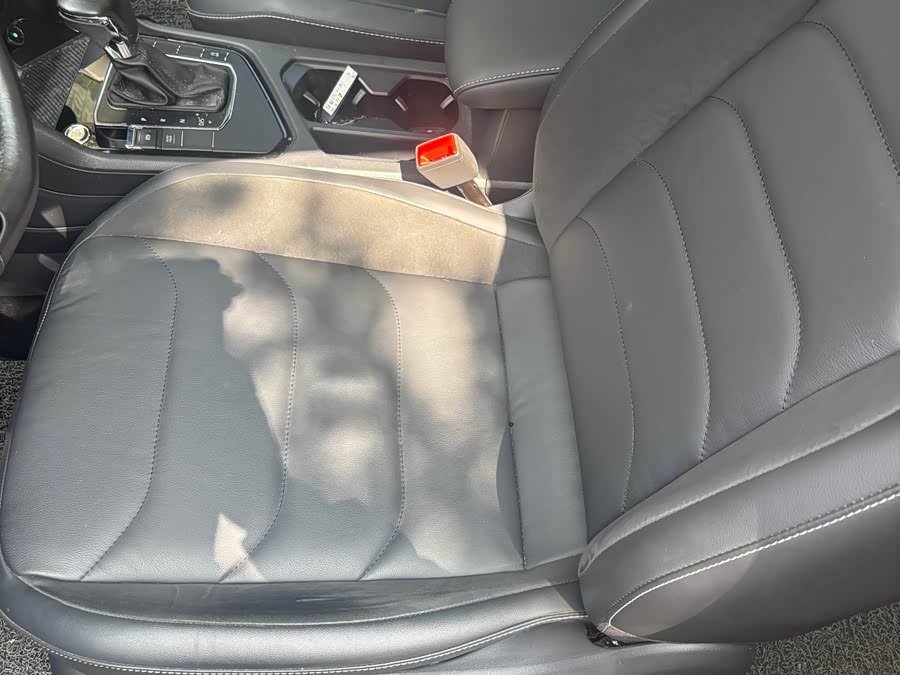
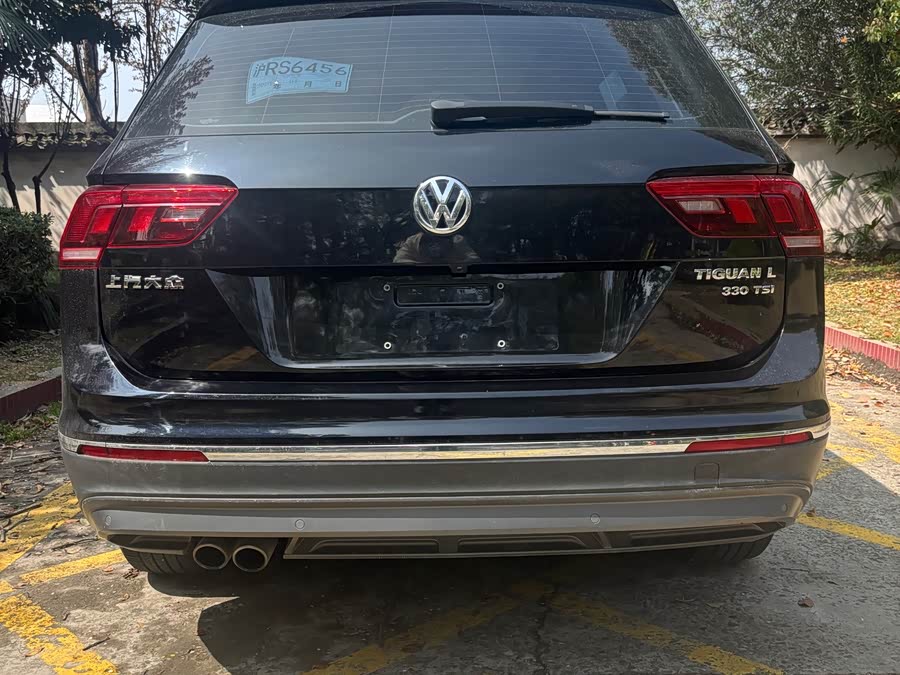
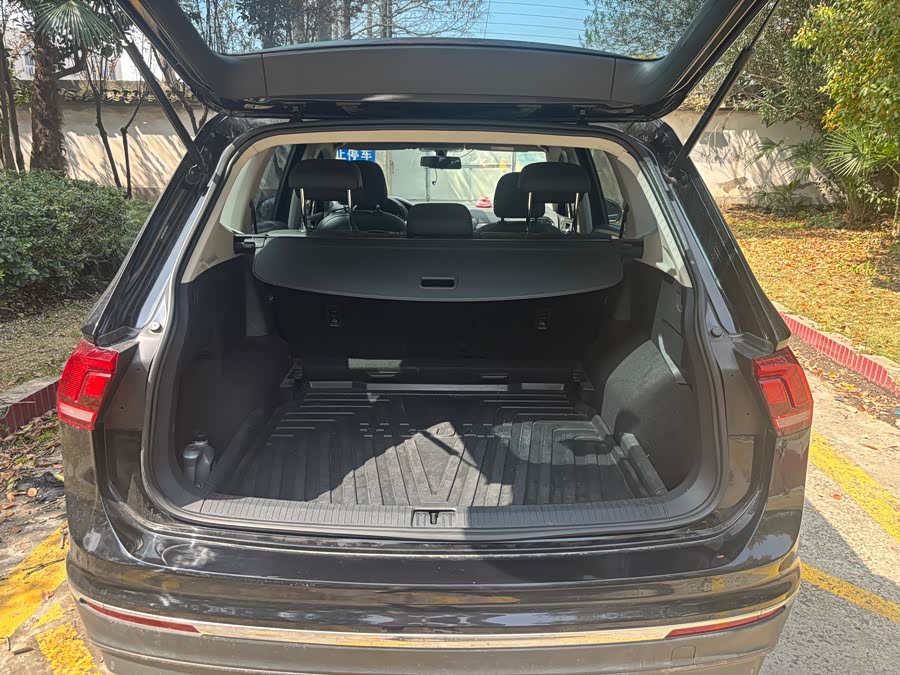
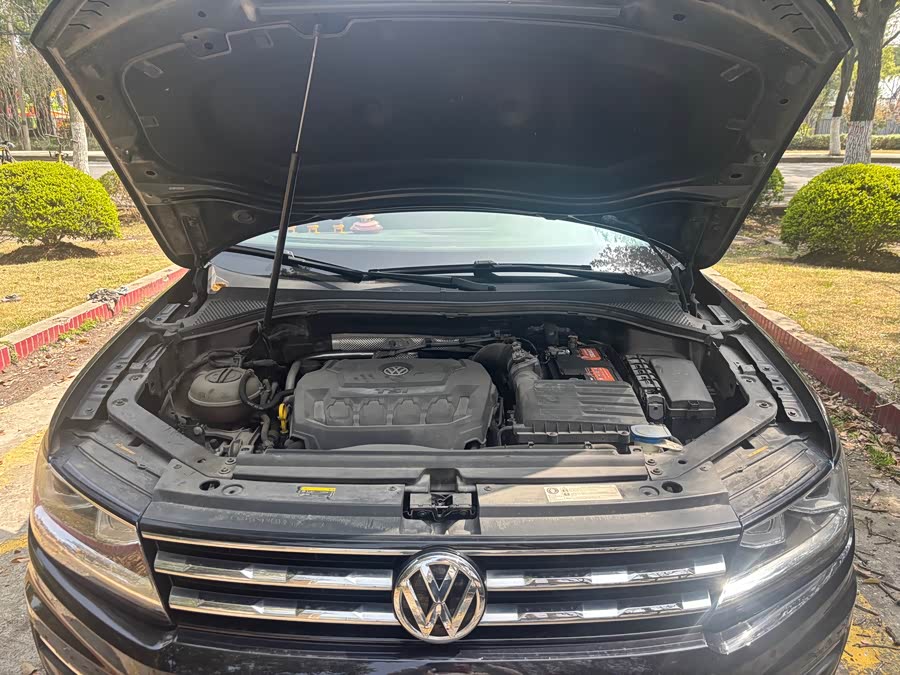
Basic Information

BrandVolkswagen
SeriesTiguan L
Year2019
First Registration2019/05
Mileage50,000km
Transfer Count-
FuelGasoline
TransmissionDCT
Engine2.0T 186 L4
ColorBlack
Seats-

Condition Description

very good

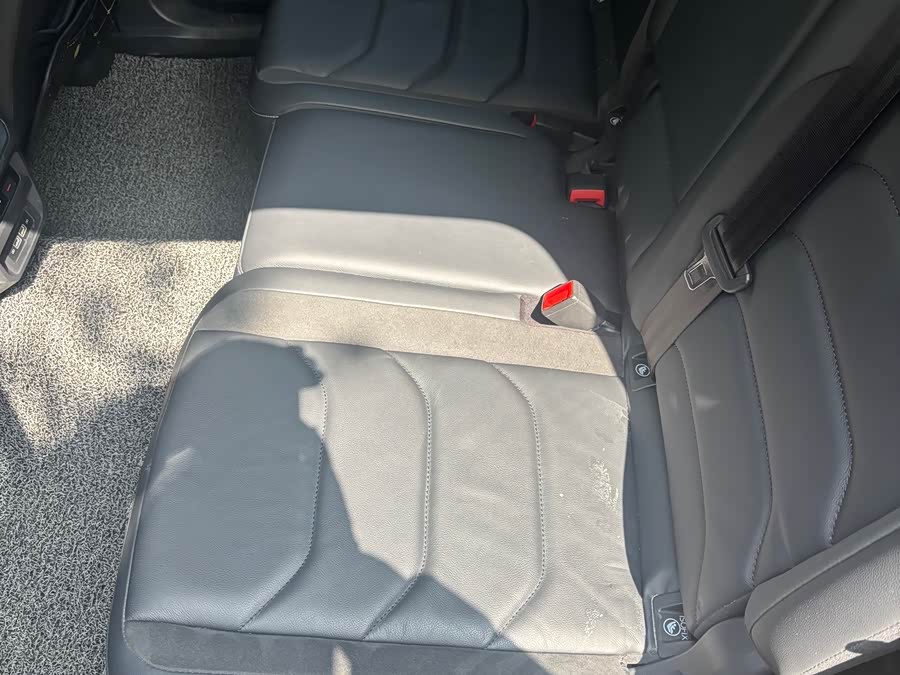
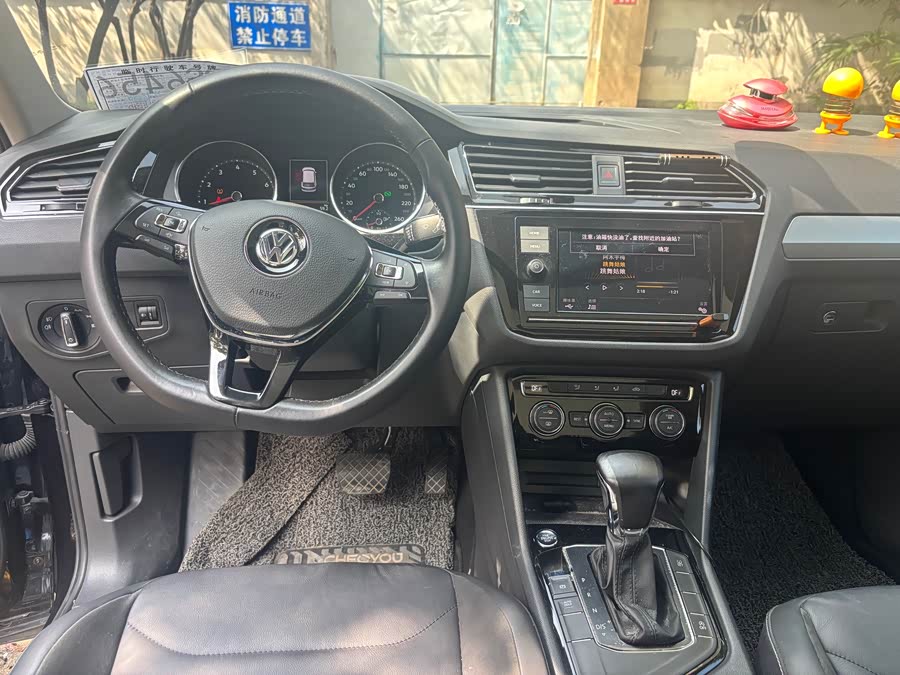
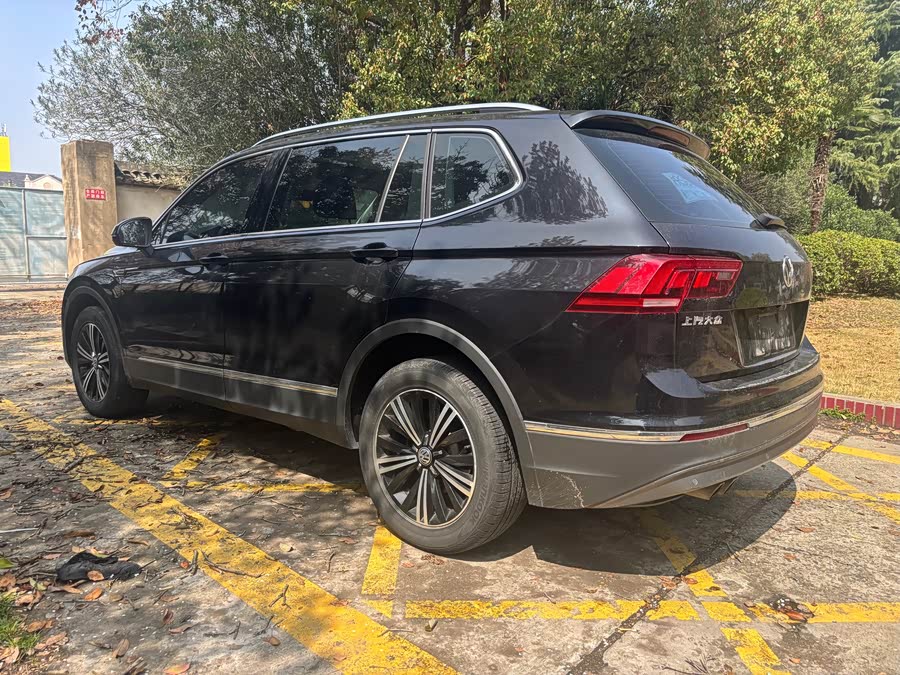
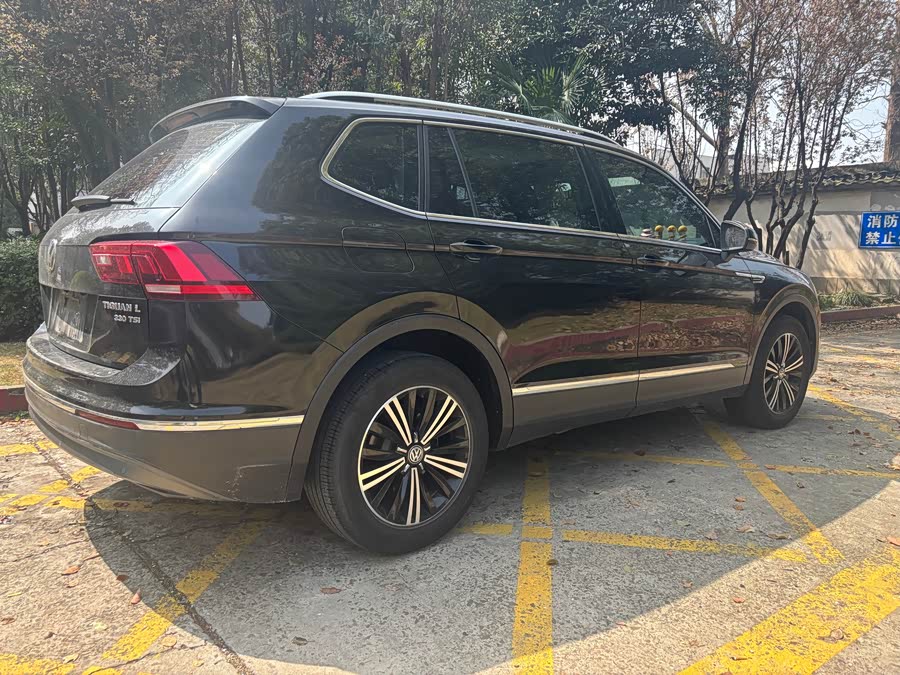
Excellent vehicle condition, no major accidents, no fire or water damage, no aftermarket modifications. Buy with confidence, peace of mind, and satisfaction. Chassis structure: No obvious wear. Engine compartment: In good working order. Exterior: No structural damage to the body. Interior: Clean and tidy. Paint: Well maintained.

Newly added
0 transfers

Configuration Highlights

ISOFIX Child Seat Anchors
Auto Hold
Keyless Start System
Paddle Shifters
Bluetooth/Hands-free
Cornering Lights
PM2.5 Air Filter
Rear Independent Climate Control
Rear Air Vents

Accident & Maintenance Records

Accident Record

🔗 Open Link

Maintenance Record

🔗 Open Link

Document Information

Inspection Expiry Date2026/05
Warranty Expiry Date-
Insurance Expiry Date2026/05

Q&A

More

Why do some low-mileage, relatively new "almost new cars" get sold by their original owners?

There are various reasons, including but not limited to: financial needs, restrictions from lottery policies, moving abroad, or dissatisfaction with certain features of the vehicle. We will ensure that the vehicle was not sold due to catastrophic failures by ruling out major accidents, water damage, and flooding.

If I want to upgrade the factory halogen headlights to LED headlights myself, and it causes the vehicle's BCM (Body Control Module) to lock, can you assist in unlocking it?

It's extremely difficult. Unauthorized modifications can lead to module current overload protection, resulting in a lock. In China, you need to use the factory online engineer account to reprogram it. It's basically impossible to perform online decoding overseas. We strongly warn against blind electrical modifications on modern integrated circuit vehicles.

Is there a specialized aging testing instrument for the insulation test of the vehicle's high-voltage wiring harness?

We will use a megohmmeter (insulation resistance tester) to measure the insulation resistance of the high-voltage bus. If the resistance value is below the national safety standard, it indicates a risk of leakage, and the vehicle will be deemed unqualified.