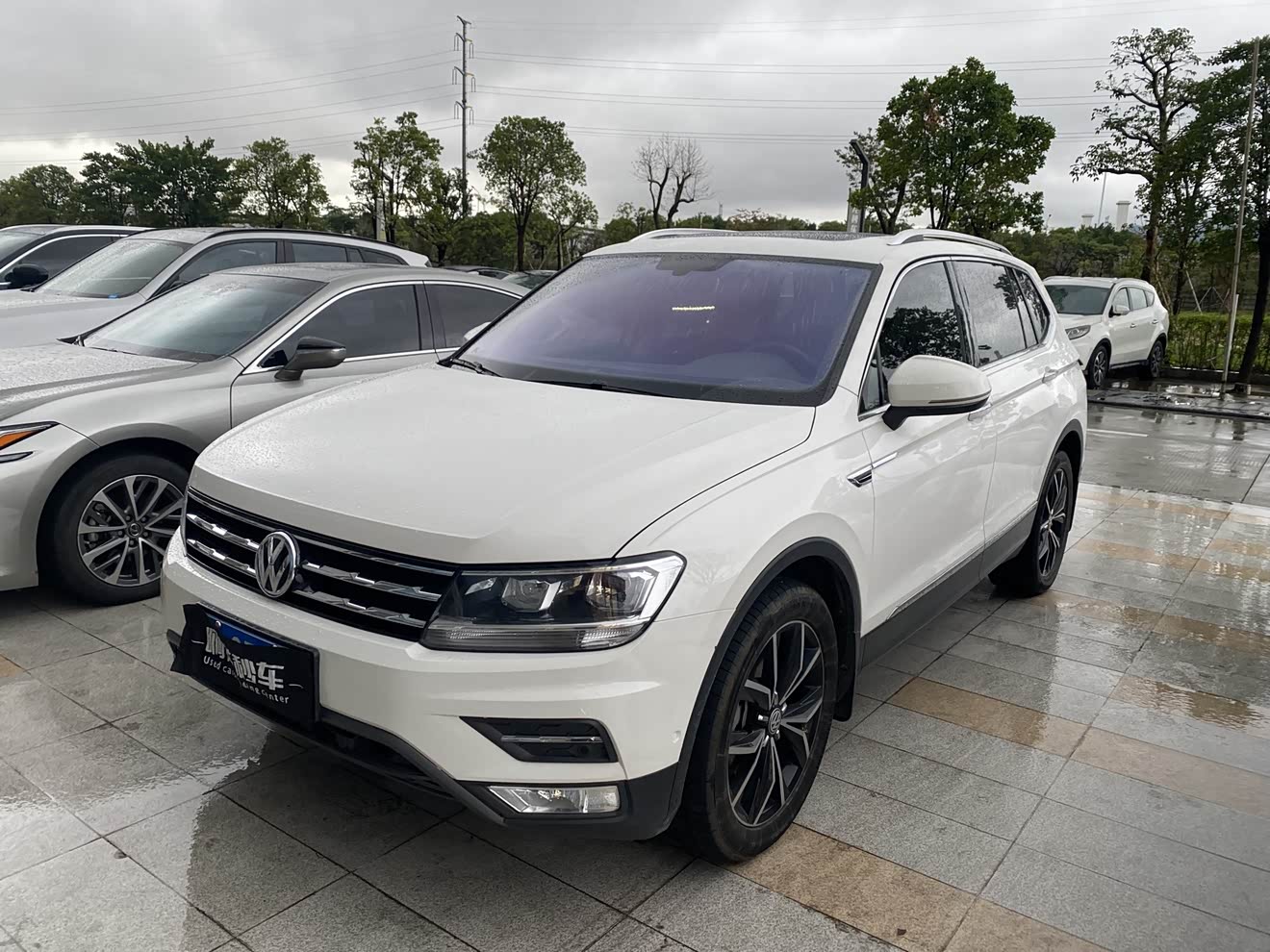
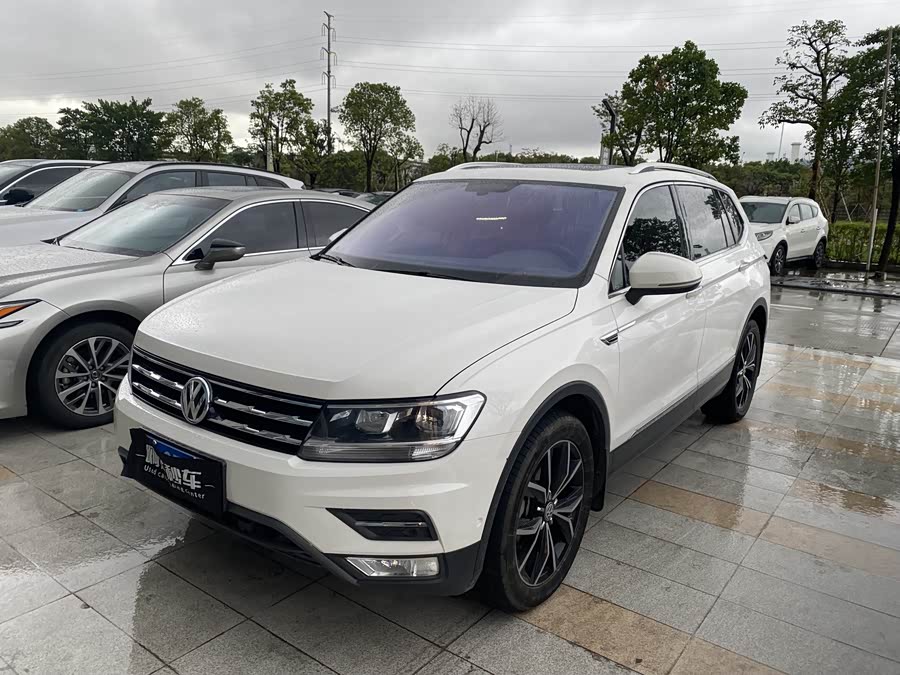
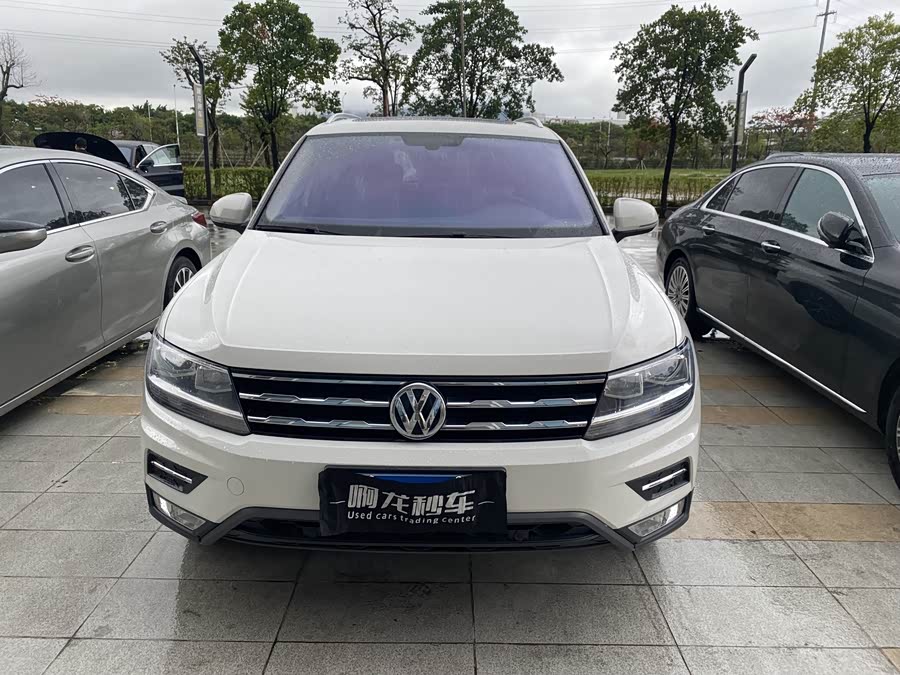
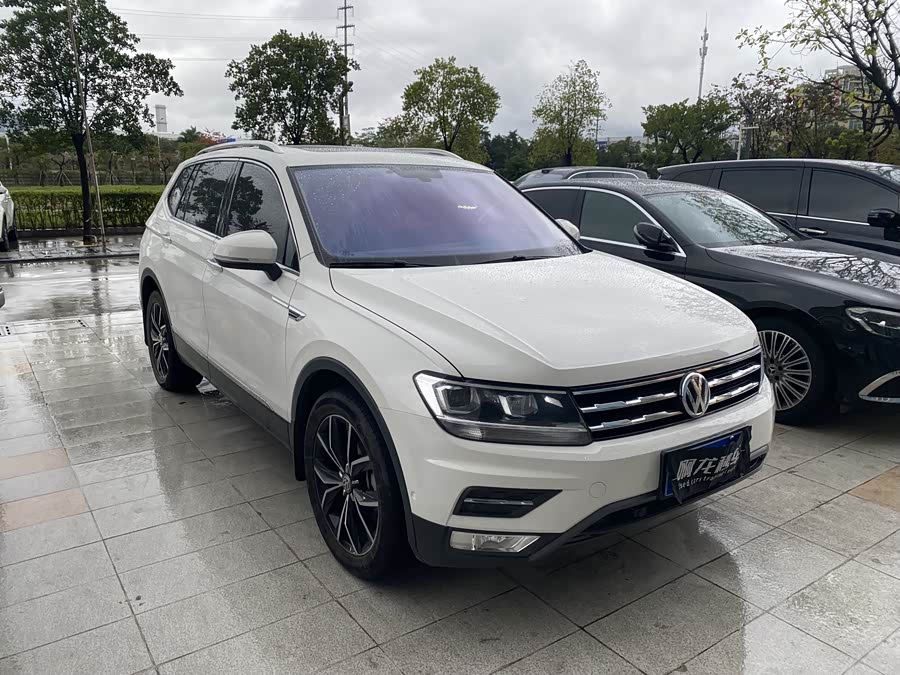
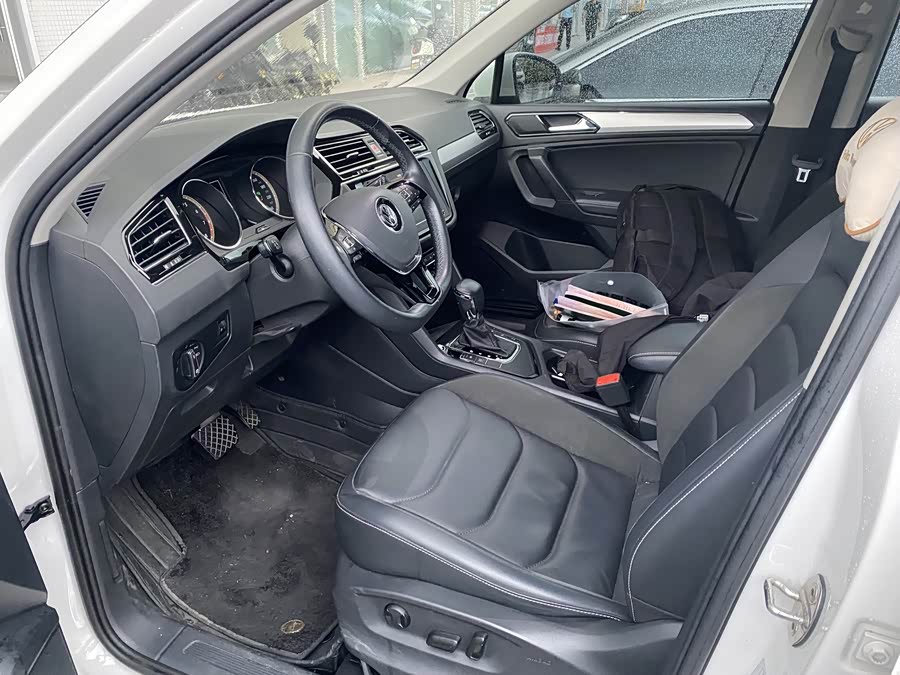
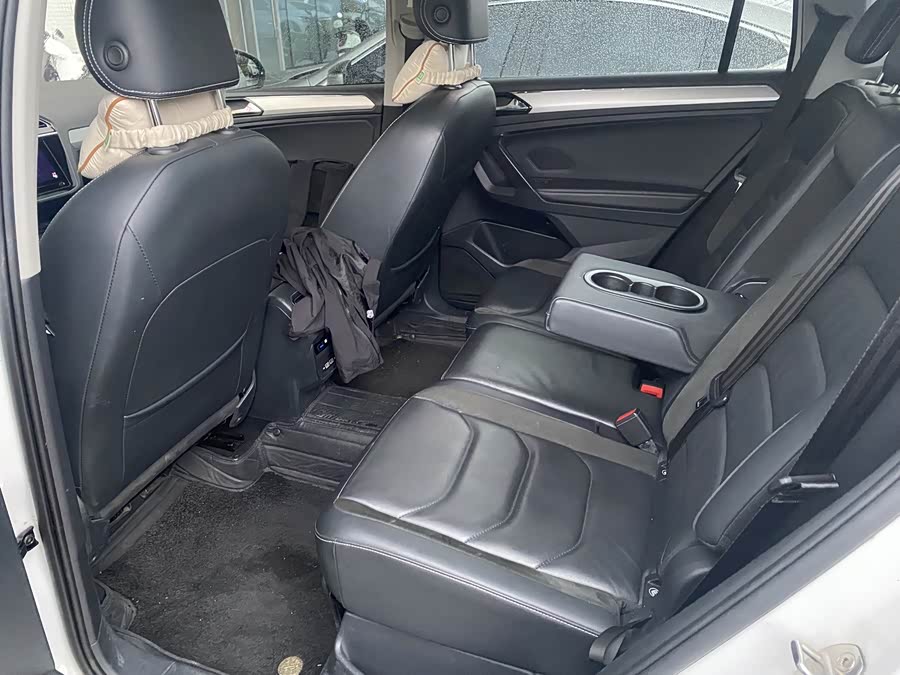
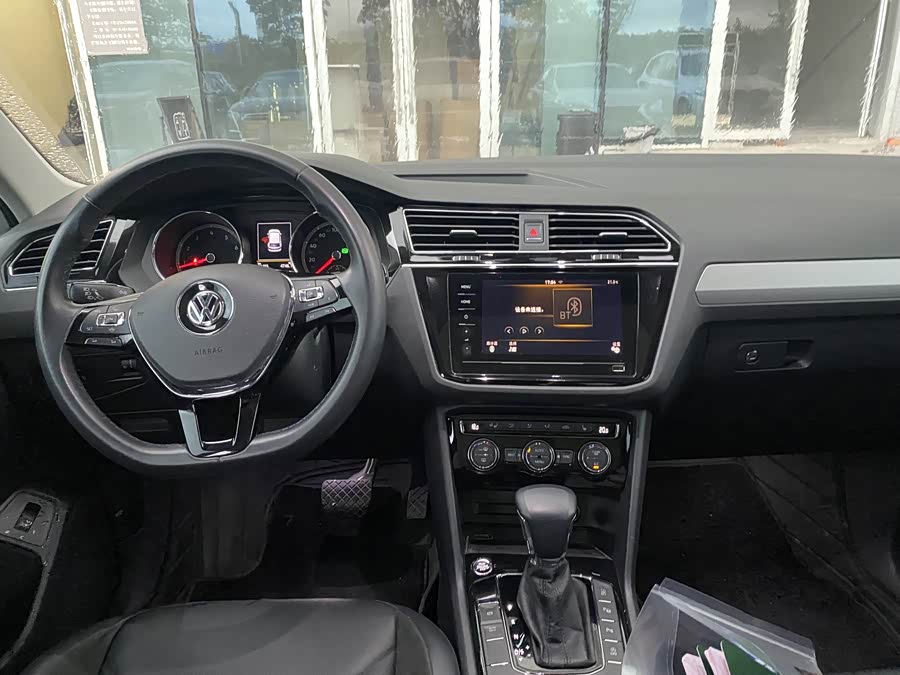
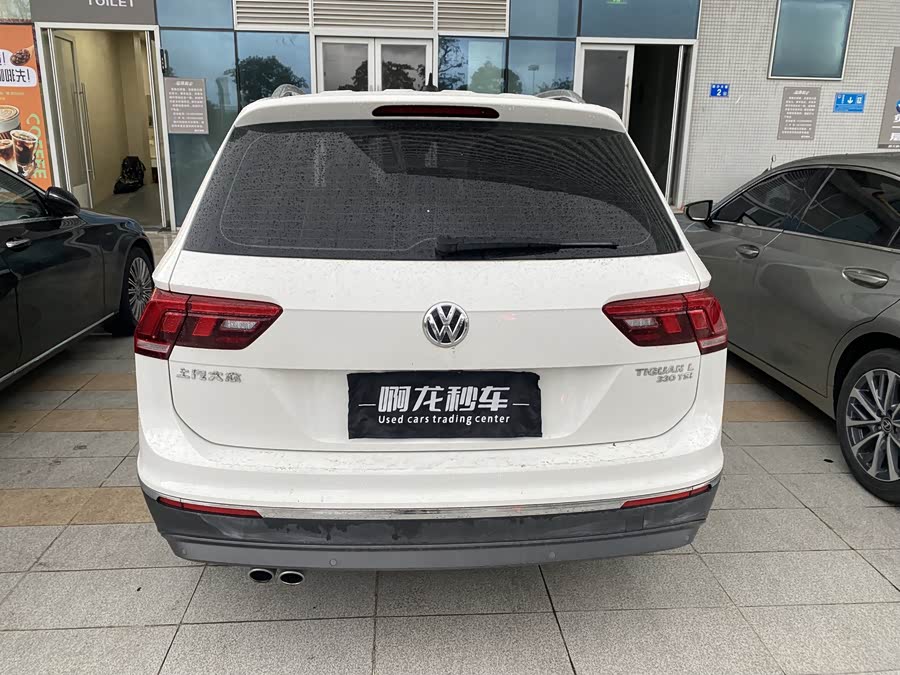
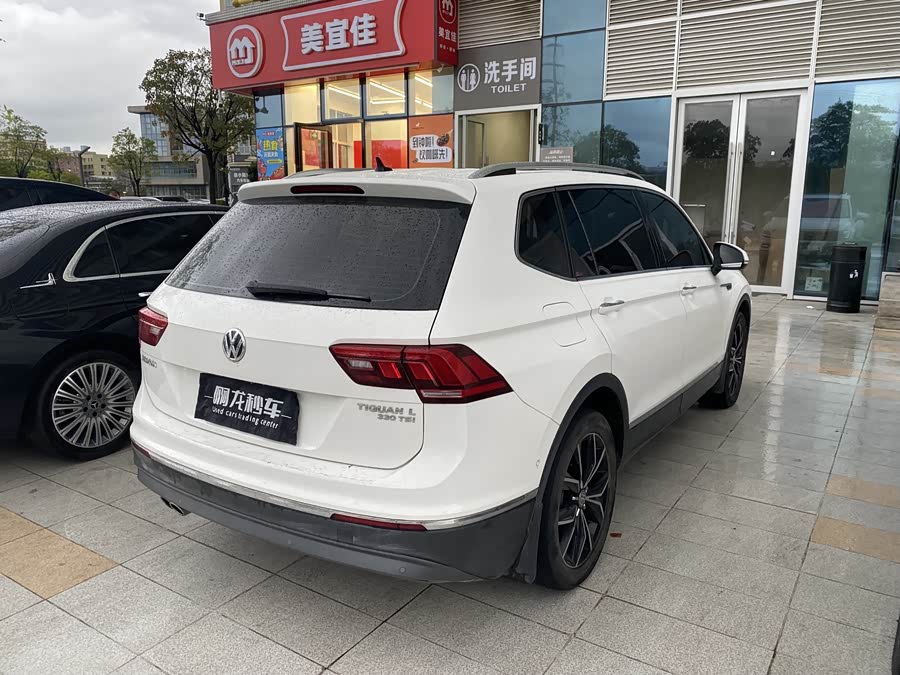
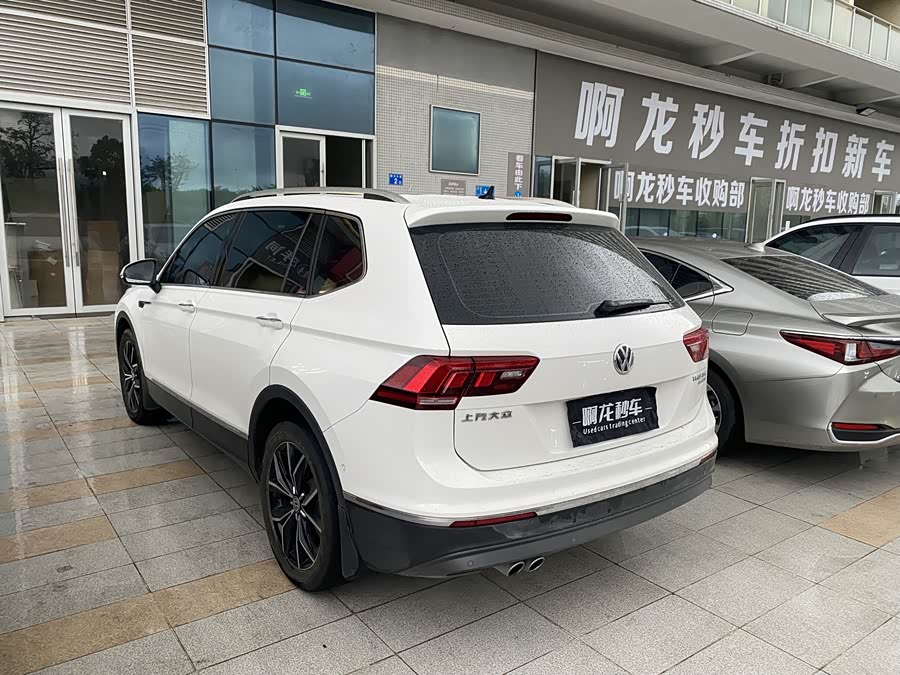
Basic Information

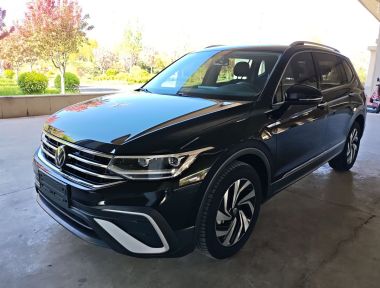
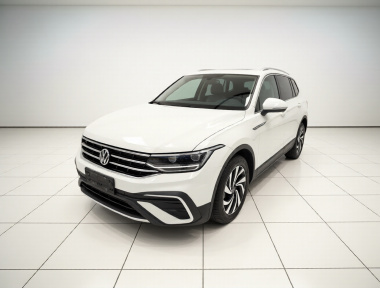
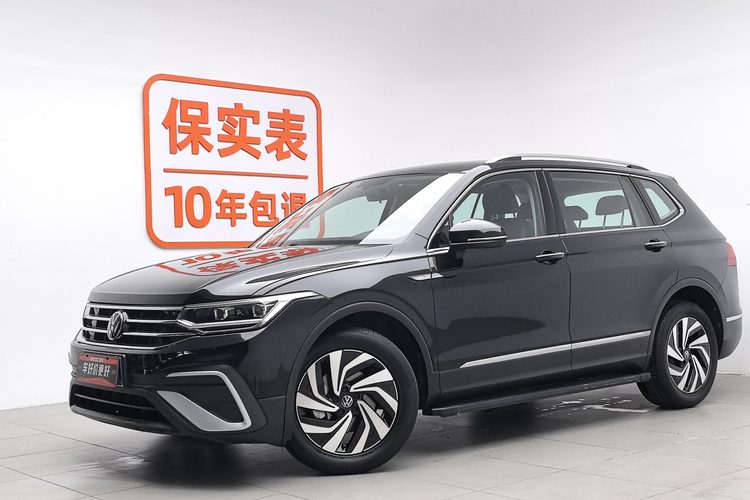
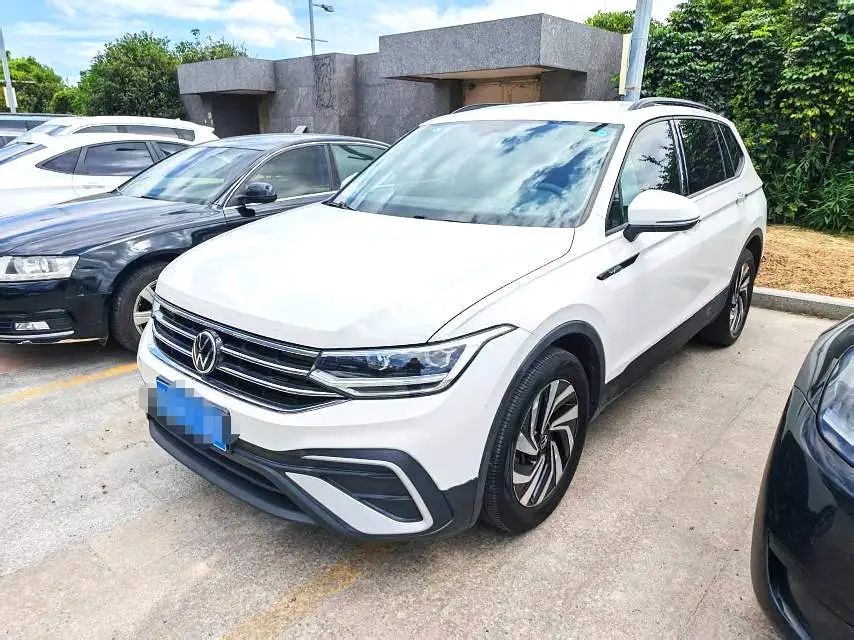
BrandVolkswagen
SeriesTiguan L
Year2020
First Registration2020/05
Mileage61,500km
Transfer Count-
FuelGasoline
TransmissionDCT
Engine2.0T 186 L4
ColorWhite
Seats-

Condition Description

very good

These vehicles are in excellent condition, having undergone 372 inspections. Our company guarantees that all vehicles sold are free from major accidents, flooding, and fire damage. We also support installment payment plans. Only an ID card is required; all paperwork is complete, making the process convenient and fast. Third-party vehicle inspections are supported. You can buy with confidence.

90-day repurchase guarantee

Configuration Highlights

ISOFIX Child Seat Anchors
Auto Hold
Auto Park Assist
Power Trunk
Kick-sensor Trunk
Keyless Start System
Paddle Shifters
Heated Steering Wheel
Bluetooth/Hands-free
Cornering Lights
PM2.5 Air Filter
Rear Independent Climate Control
Rear Air Vents

Accident & Maintenance Records

Accident Record

🔗 Open Link

Maintenance Record

🔗 Open Link

Document Information

Inspection Expiry Date2026/05
Warranty Expiry Date-
Insurance Expiry Date2026/05

Q&A

More

Can you export newer Chinese cars to the U.S. market (which requires vehicles to be at least 25 years old to be exempt from FMVSS)?

Absolutely not. The U.S. DOT and EPA have strict import restrictions on non-compliant vehicles. Any Chinese used car that is not 25 years old and not produced to U.S. standards will face mandatory crushing and destruction upon arrival at U.S. ports. We directly reject such non-compliant orders.

When B2B buyers make bulk purchases, can they request to combine the accessory costs and vehicle price on the same commercial invoice to reduce overall tariffs?

No, this is a serious customs violation. Complete vehicles (HS Code 8703) and auto parts (HS Code 8708, etc.) are subject to completely different import tax rates. Combining them on one invoice could lead to the invoice being returned by customs and may expose you to tax fraud accusations at the destination port.

Why are the shipping costs for used electric vehicles (EVs) usually higher than for internal combustion engine vehicles (ICEs)?

Pure electric vehicles are classified as Class 9 Dangerous Goods due to their large lithium batteries, leading to strict shipping regulations. Shipping companies have high requirements for the loading position and fire isolation measures for dangerous goods, and some roll-on/roll-off ships refuse to accept used EVs. As a result, EVs often require more expensive special container shipping and incur additional handling fees for hazardous materials.