UAE Automotive Compliance 2025: A Turnkey 5-Step Guide to Importing Vehicles from China
Successfully importing Chinese vehicles to the UAE in 2025 requires strategic planning to overcome compliance barriers (such as ESMA certification and battery standards), optimize costs (including tariff exemptions and logistics), and mitigate market risks (model adaptation and localization).
Step 1: Vehicle Selection & Supplier Vetting
Importer success starts with vetting both the vehicle and the supplier.
• Supplier Experience: Partner with suppliers experienced in UAE exports who are pre-certified for ESMA compliance.
• EV Compliance: For electric vehicles (EVs), prioritize models pre-equipped with CCS2 charging ports, which are essential for 50°C climates. All vehicles must comply with GSO 42/2015 safety standards.
• On-Site Inspection Tips: Request high-temperature battery performance reports and verify Arabic language dashboard compatibility if localization is required. Additionally, document vehicle details with photos to prevent shipping damage disputes.
Step 2: Documentation Preparation
Vehicle importation requires simultaneous compliance with both Chinese and UAE authorities.
| Requirement Category | Key Documents |
|---|---|
| China Export Requirements | China Compulsory Certification (CCC), Vehicle inspection reports, and GB 38031-2020 battery safety documents (for EVs). (Decade-old used vehicles also need annual inspection reports.) |
| UAE Import Requirements | RTA Import Permit (online approval takes about 3 days), Arabic-commercial invoice (must be embassy-notarized), and transport insurance covering battery thermal runaway. |
Pro Tip: Use Dubai Trade Blockchain integration to cut customs clearance time to 48 hours.
Step 3: Logistics Optimization
Transportation costs significantly influence the final retail price. Importers must select a method based on budget, delivery timelines, and cargo specifications.
| Method | Scenario | Duration | Cost | Cargo Limits |
|---|---|---|---|---|
| RoRo | 5+ vehicles; non-urgent shipments | 25-35 days | ≥8,100 AED/vehicle | Monsoon delays (3-5 days) |
| LCL | <3 CBM; SMEs | 20-30 days | 50-100USD/CBM or ton | Length ≤3.18m |
| FCL (20ft) | 12-18 CBM; medium cargo | 18-25 days | 1,200-2,500USD | Max 21.5 tons |
| FCL (40ft) | 25-30 CBM; high-value bulk shipments | 18-25 days | 2,000-4,500USD | Max 26 tons |
| Air Freight | Urgent/high-value shipments | 3-7 days | 4.5-8.0USD/kg | Height restrictions |
Port Recommendations: The recommended port in the UAE is Jebel Ali Port, which handles 90% of UAE auto imports. Chinese ports recommended include Qingdao, Shanghai, and Tianjin.
Step 4: Pre-Arrival Preparation & Customs Clearance
Preparation must begin up to seven days before the vessel docks.
• Pre-Arrival Document Checklist: You must provide the CIF-value commercial invoice (with a 30% penalty for under-declaration), the China export certificate (CCPIT-notarized and with Arabic translation), and a Left-hand drive declaration (right-hand drive vehicles are prohibited).
• EV Specific Compliance: EVs require the ESMA CoC which must include GSO 42/2015 and UN38.3 battery certification.
• Post-Arrival Clearance: After docking (Day 1), submit the Mirsal 2 e-declaration. By Day 3, pay the 5% customs duty and 5% VAT. Electric Vehicles (EVs) are exempt from VAT, which can result in significant savings. By Day 5, you can collect the vehicle under blue temporary plates for necessary modifications.
Step 5: Localization & Registration
This stage is critically error-prone and requires utmost attention.
• Mandatory Modifications: Installation of an Arabic dashboard/metric speedometer is required. Any window tint must be removed to ensure ≥70% light transmission.
• EV Charging Certification: For home chargers, proof of the villa's electrical capacity is required.
• RTA Registration: Once modifications are complete and proof is submitted to the Vehicle Inspection Center, you can receive the final white plates (a process taking 3 working days).
Step 1: Vehicle Selection & Supplier Vetting
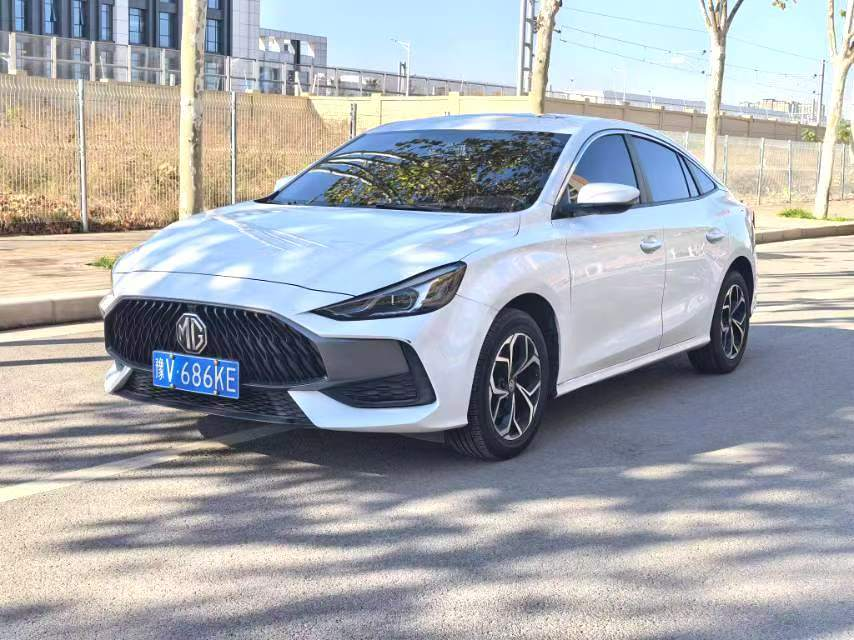
Partner with suppliers experienced in UAE exports and pre-certified for ESMA compliance (e.g., IHKA Auto with 40+ Chinese brands). Prioritize models pre-equipped with CCS2 charging ports (essential for 50°C climates) and GSO 42/2015 safety compliance.
On-Site Inspection Tips:
Request high-temperature battery performance reports.
Verify Arabic language dashboard compatibility(If required).
Document vehicle details with photos to prevent shipping damage disputes.
Step 2: Documentation Preparation
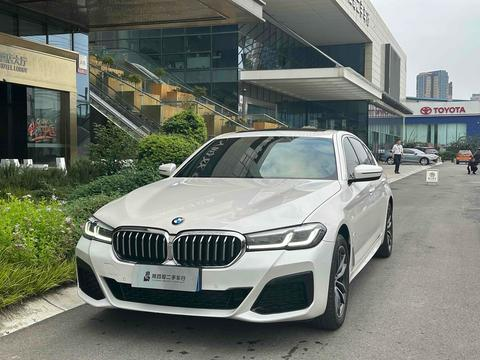
Importing vehicles from China to the UAE must simultaneously comply with the requirements of both Chinese and UAE authorities.
China Export Requirements:
- China Compulsory Certification (CCC).
- Vehicle inspection reports (condition/specs/safety).
- Decade-old used vehicles: Annual inspection reports.
- GB 38031-2020 battery safety documents (for EVs)
UAE Import Requirements:
- RTA Import Permit (3-day online approval).
- Arabic-commercial invoice (embassy-notarized).
- Transport insurance covering battery thermal runaway.
Pro Tip: Use Dubai Trade Blockchain to cut customs clearance to 48hrs.
Step 3: Logistics Optimization
Transportation costs directly impact the final retail price. For your business, budget constraints, delivery timelines, and cargo specifications are the three most critical decision factors at this stage.
| Method | Scenario | Duration | Cost | Cargo Limits |
|---|---|---|---|---|
| RoRo | 5+ vehicles; non-urgent shipments | 25-35 days | ≥8,100 AED/vehicle | Monsoon delays (3-5 days) |
| LCL | <3 CBM; SMEs | 20-30 days | 50-100USD/CBM or ton | Length ≤3.18m |
| FCL (20ft) | 12-18 CBM; medium cargo | 18-25 days | 1,200-2,500USD | Max 21.5 tons |
| FCL (40ft) | 25-30 CBM; high-value bulk shipments | 18-25 days | 2,000-4,500USD | Max 26 tons |
| Air Freight | Urgent/high-value shipments | 3-7 days | 4.5-8.0USD/kg | Height restrictions |
Port Recommendations:
- China: Qingdao/Shanghai/Tianjin (dedicated auto terminals).
- UAE: Jebel Ali Port (90% UAE auto imports).
- LCL Consolidation: Use DMCC Dubai to save 28% on 40ft shipments.
When selecting a freight forwarder, conduct a comprehensive evaluation of their qualifications, rates, and service capabilities. For in-depth insights on choosing the right logistics partner, explore our detailed blog: How to Choose a Freight Forwarder for Car Imports from China
Step 4: Pre-Arrival Prep & Customs Clearance
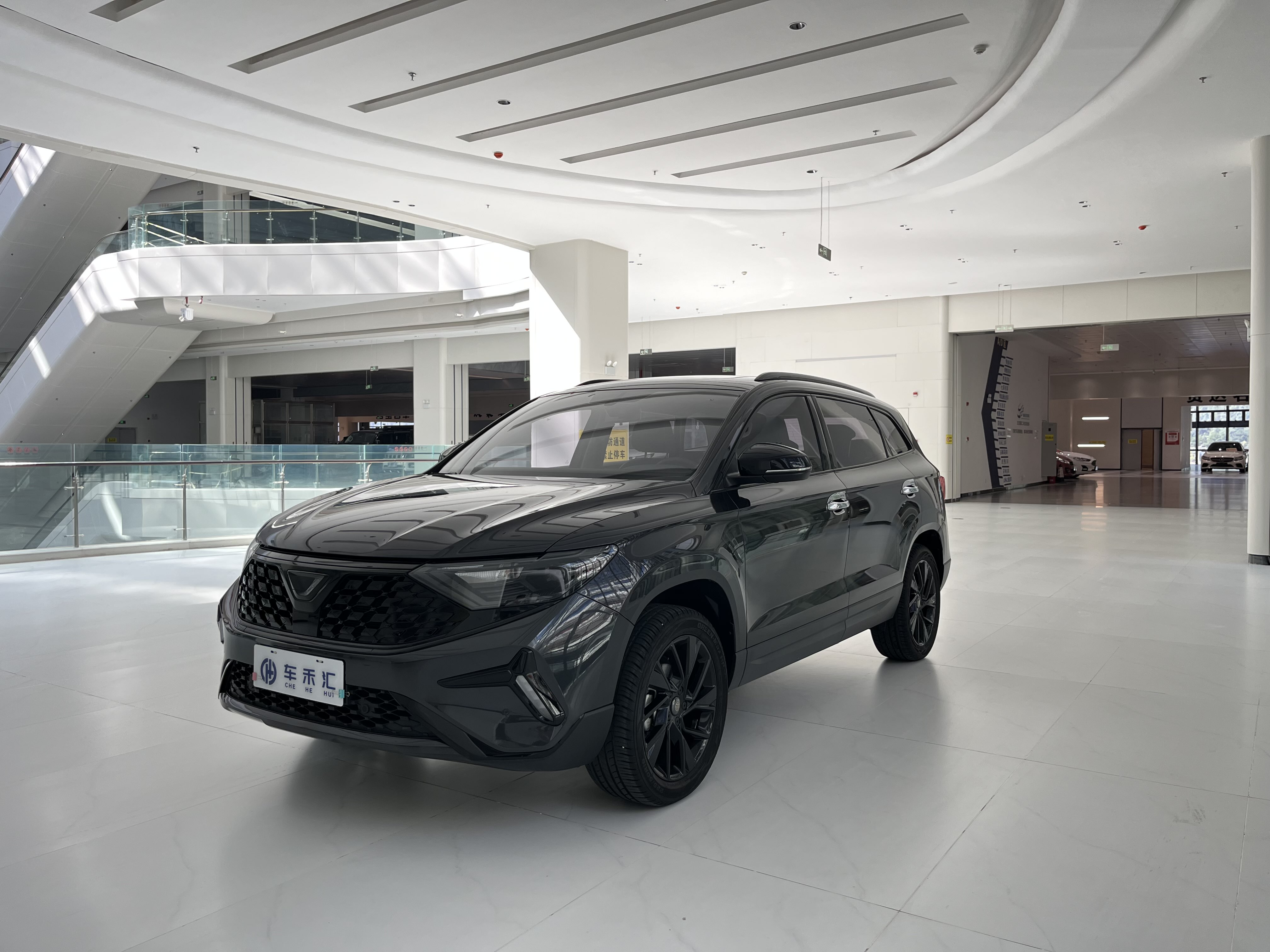
The following provides a consolidated guide to pre-arrival preparation and post-arrival customs clearance procedures for importing vehicles from China to the UAE, developed in accordance with Dubai Customs 2025 regulations and validated with actual case studies.
Pre-Arrival Documents (7 days before docking):
CIF-value commercial invoice (30% penalty for under-declaration)
China export certificate (CCPIT-notarized + Arabic translation).
ESMA CoC with GSO 42/2015 + UN38.3 battery certification (EVs mandatory).
Left-hand drive declaration (right-hand drive vehicles prohibited).
Bill of Lading labeled "Battery Secured" (EVs) or "Vehicle on Own Wheels".
CCIC pre-shipment inspection report (QR-coded VIN verification).
Customs Clearance Post-Arrival:
Day 1:Submit Mirsal 2 e-declaration (CIF value calculation).
Day 3:Pay 5% duty + 5% VAT (EVs exempt from VAT).
Day 5:Collect vehicle under blue temporary plates for modifications.
Fee Breakdown Example (BYD Seal EV valued at AED 100,000):
l Customs Duty: 5,000 AED (5% of CIF value)
l Testing Fee:450 AED (RTA-approved lab)
l Plate Issuance Fee:550 AED
Total Savings:VAT exemption of 5,250 AED (Under UAE EV Policy)
Step 5: Localization & Registration
This is a critically error-prone stage requiring your utmost attention:
Mandatory Modifications:
Arabic dashboard/metric speedometer.
Window tint removal (≥70% light transmission required).
EV Charging Certification:
Home chargers: Villa electrical capacity proof.
Showroom chargers: Sign Dubai Charge access agreement.
RTA Registration:
Submit modification proof to Vehicle Inspection Center for white plates (3 working days).


