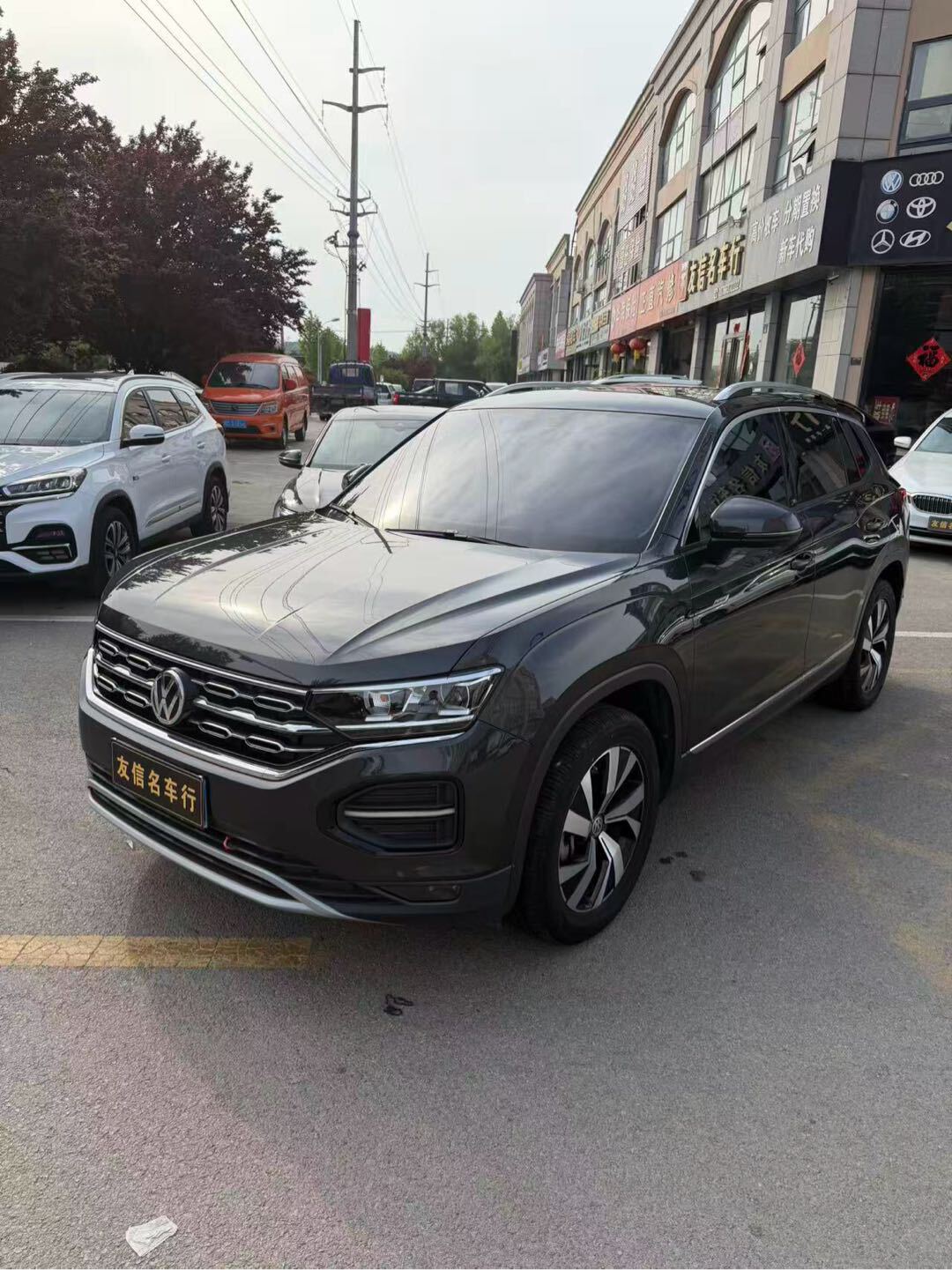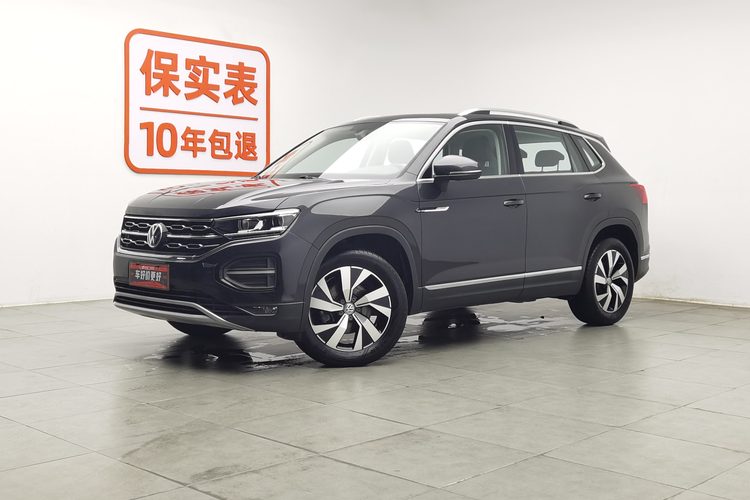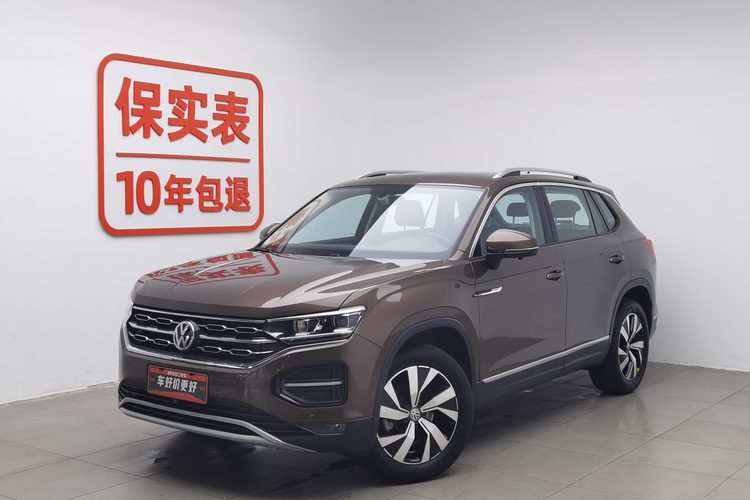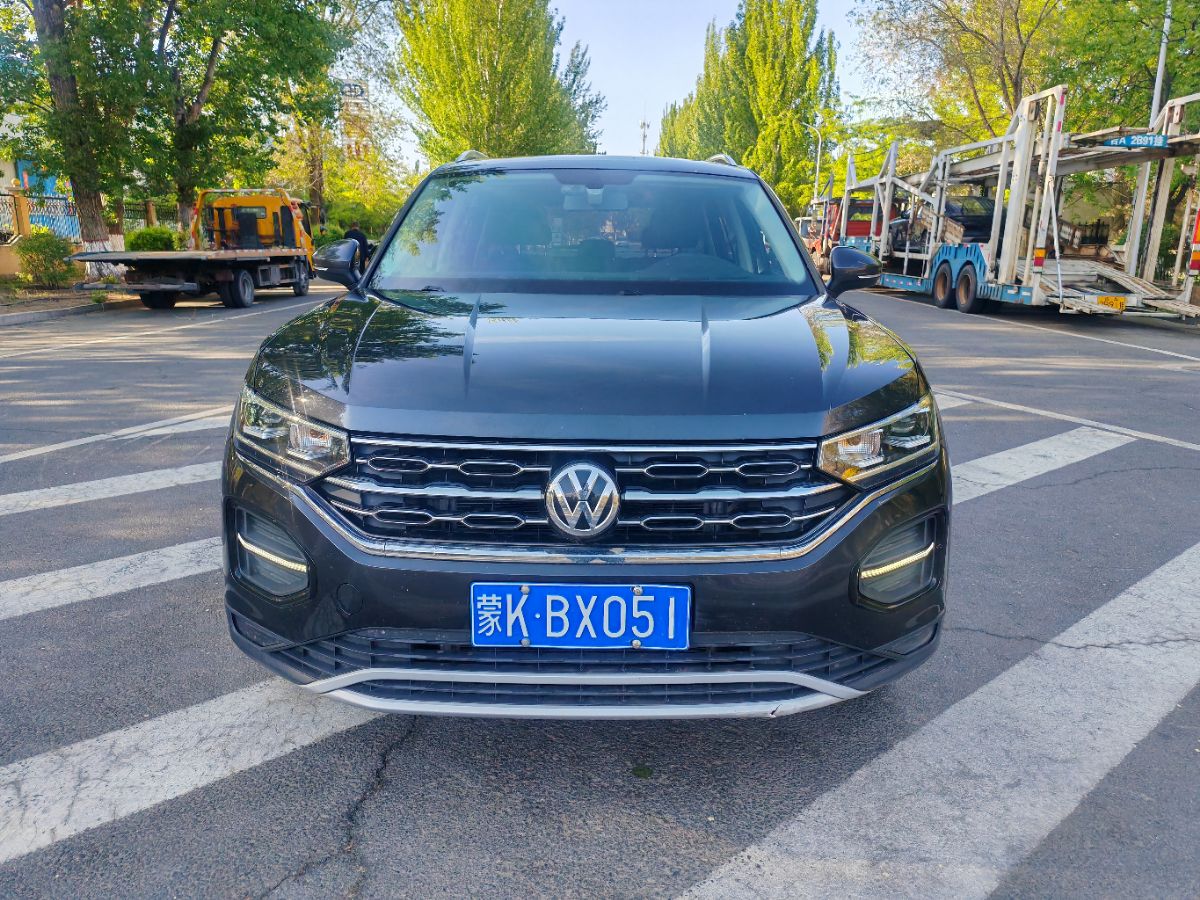
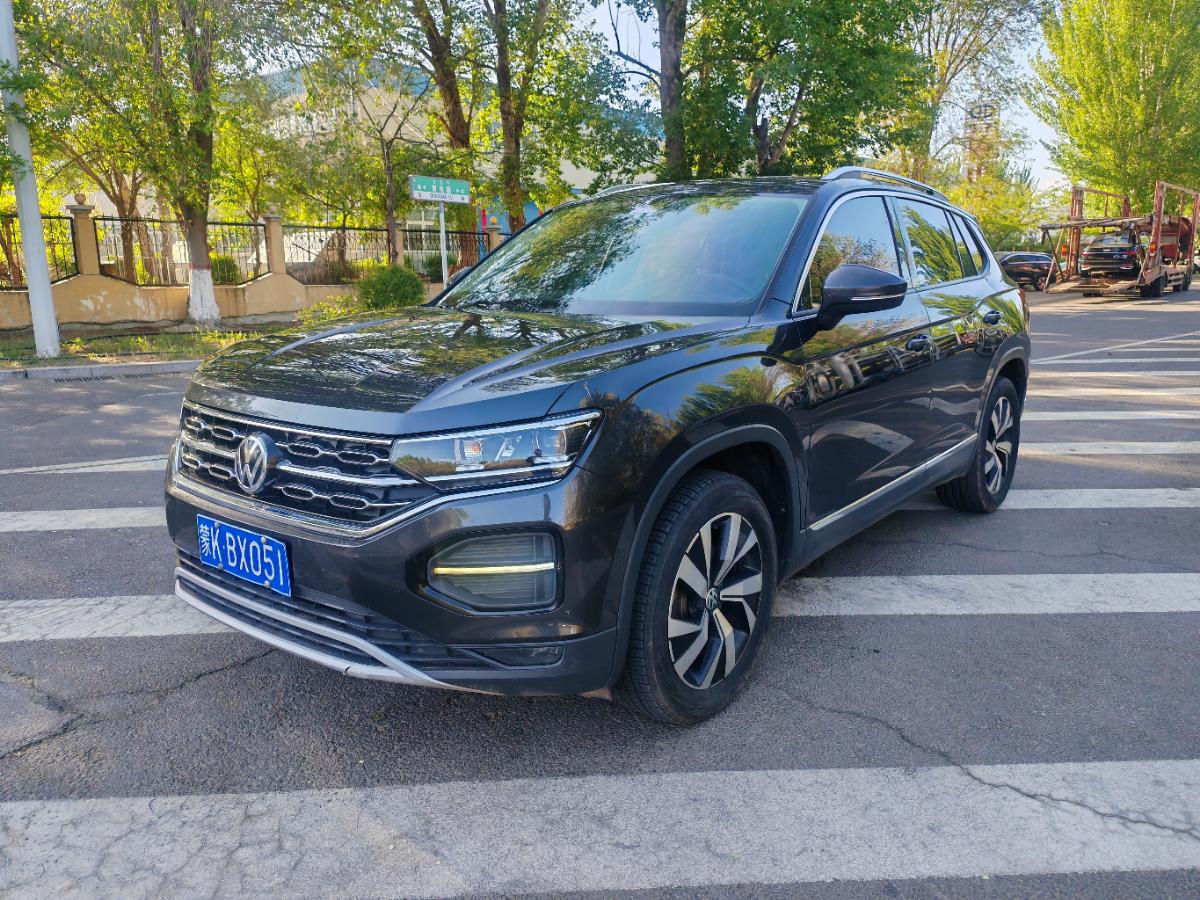
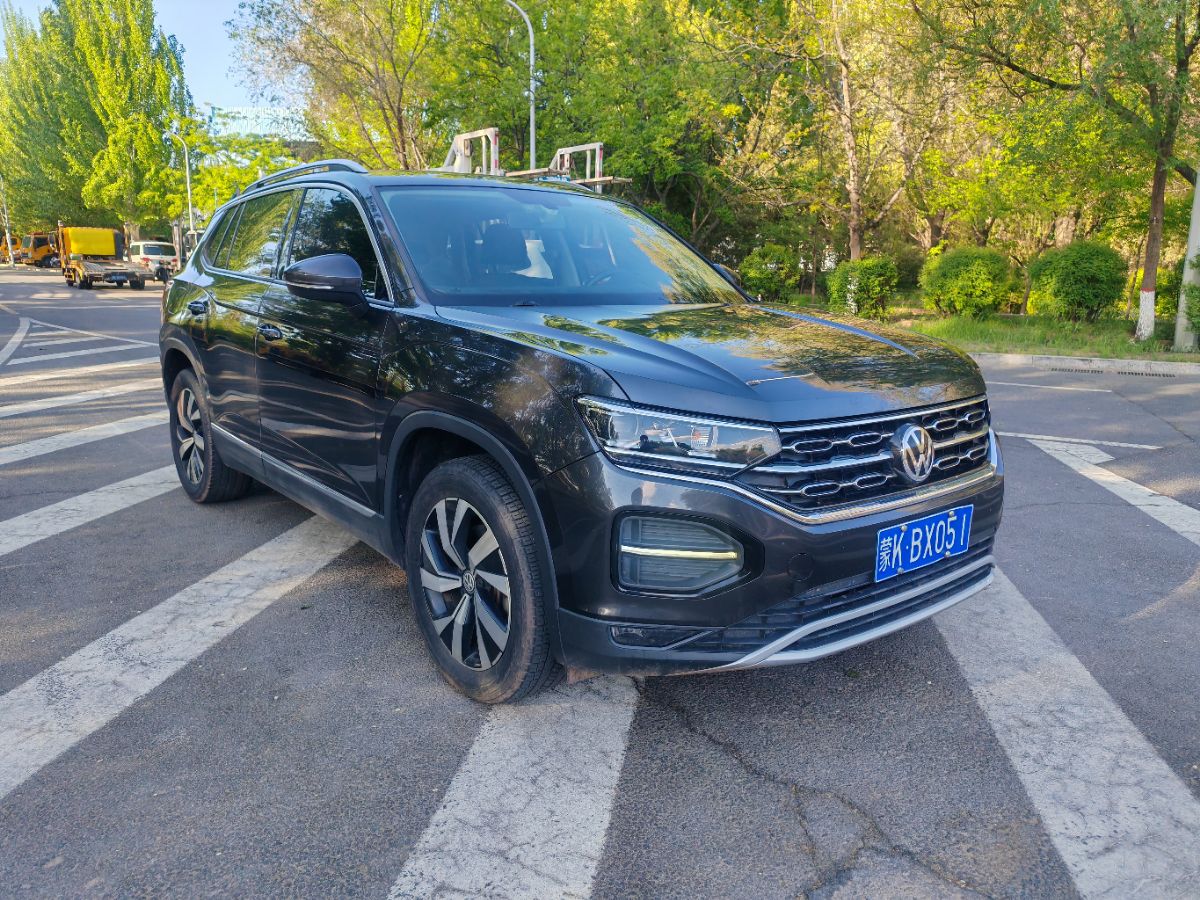
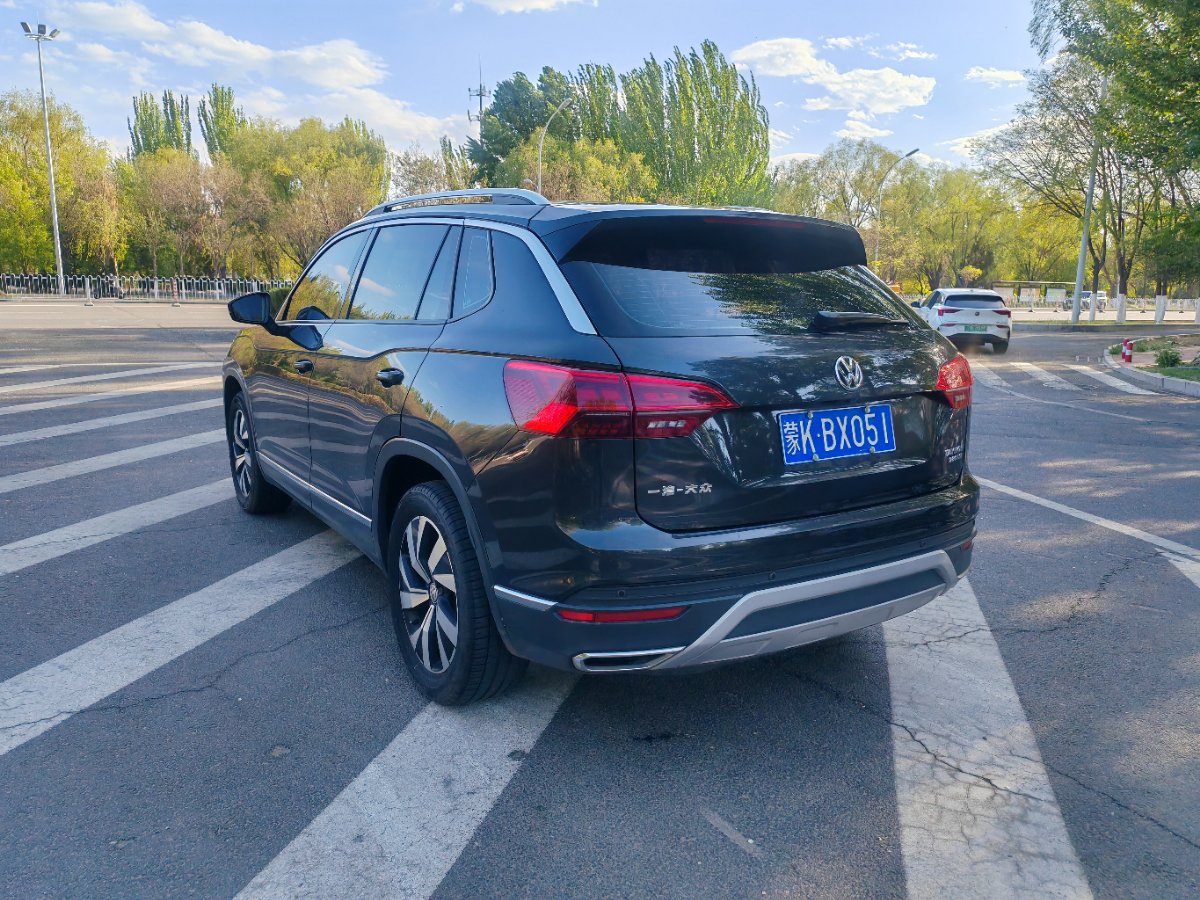
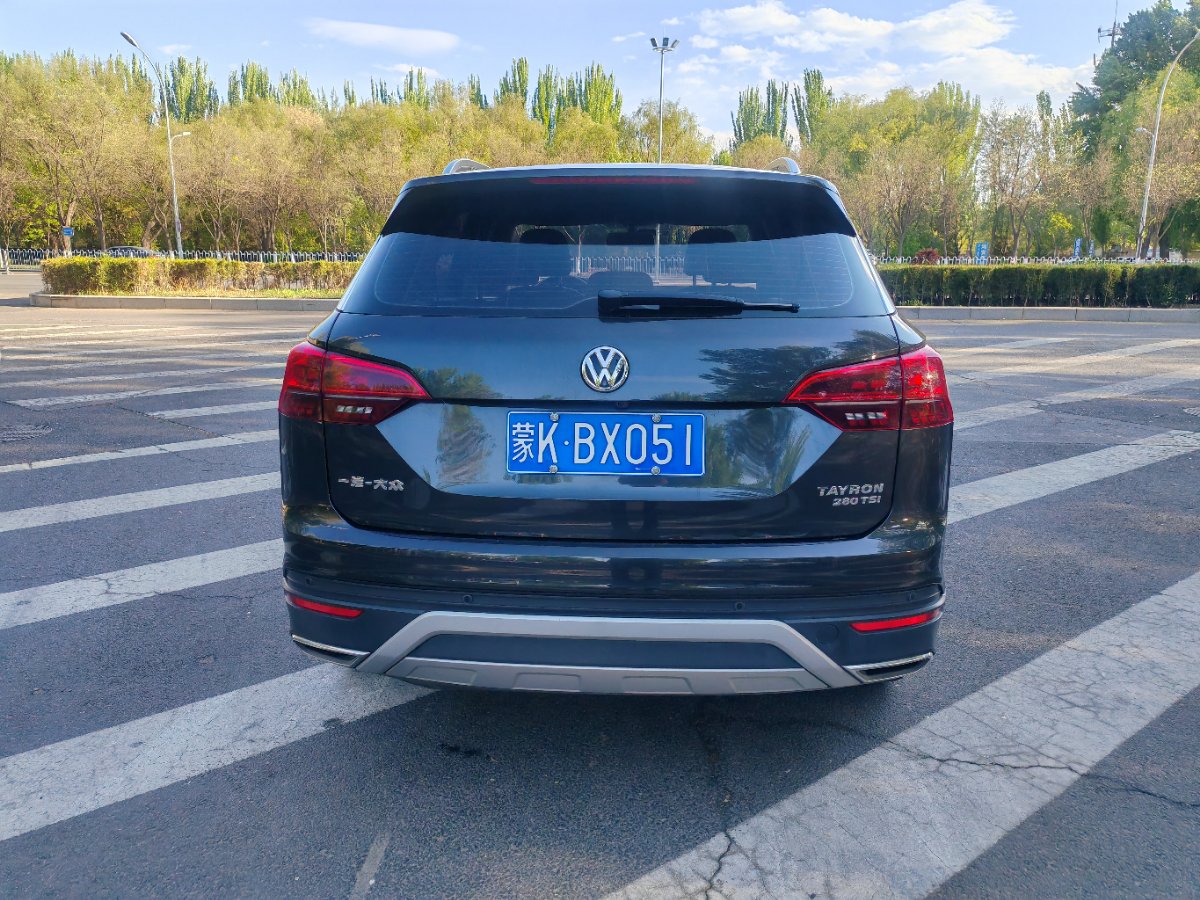
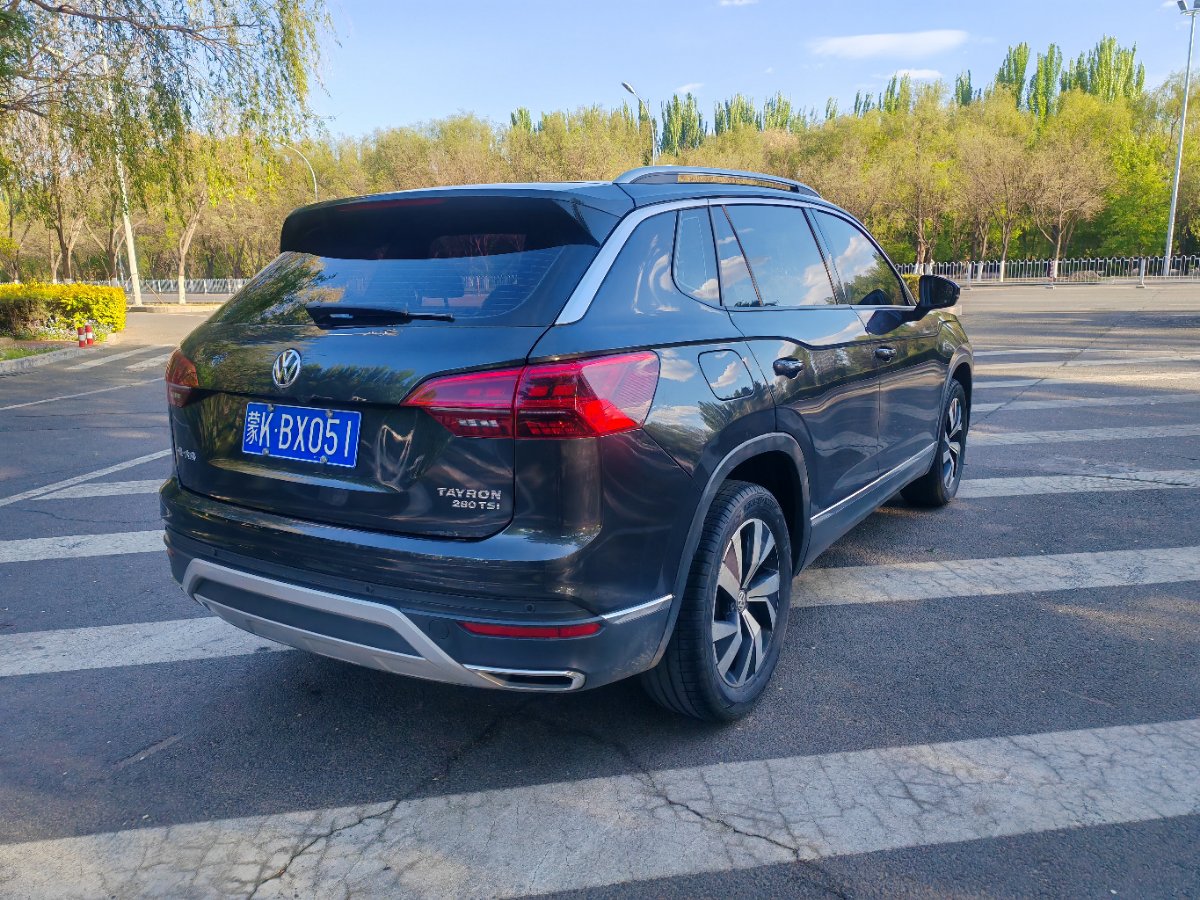
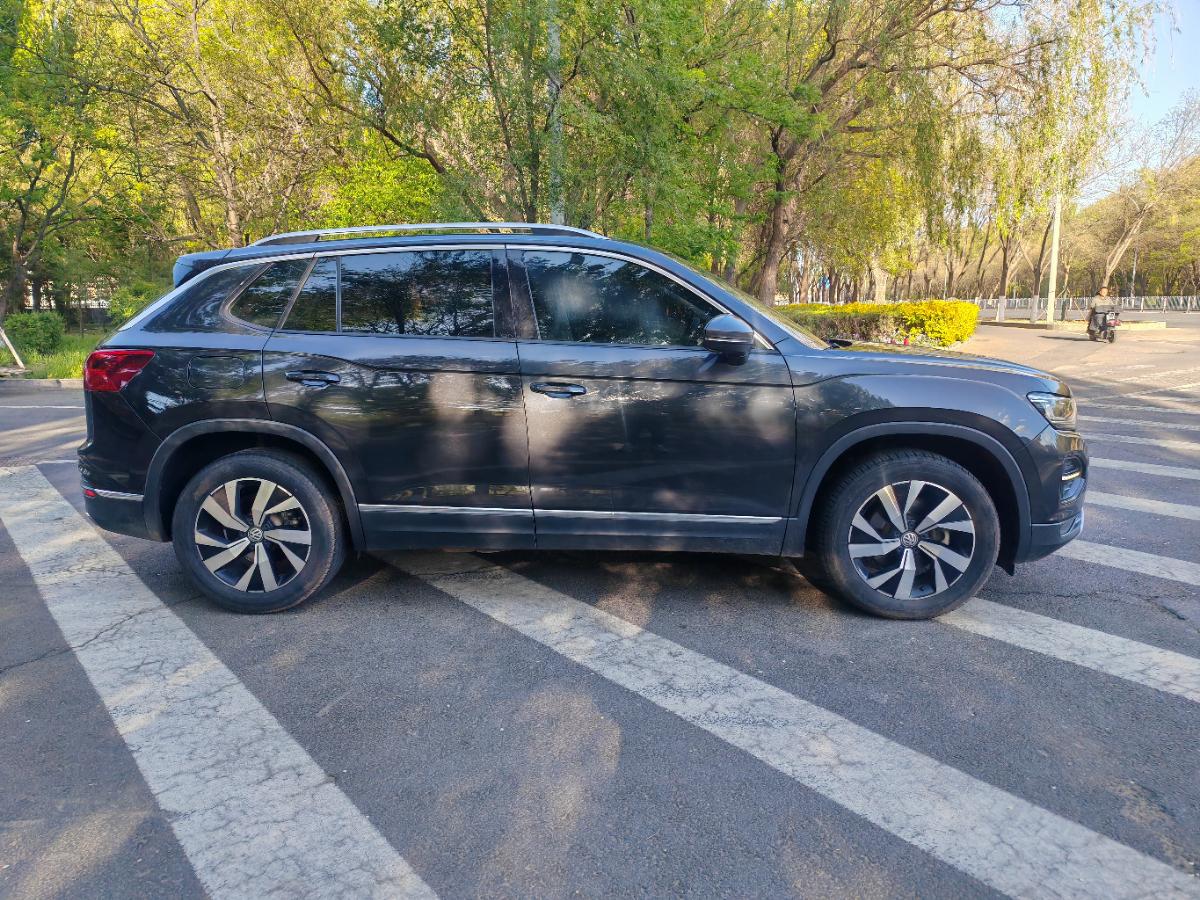
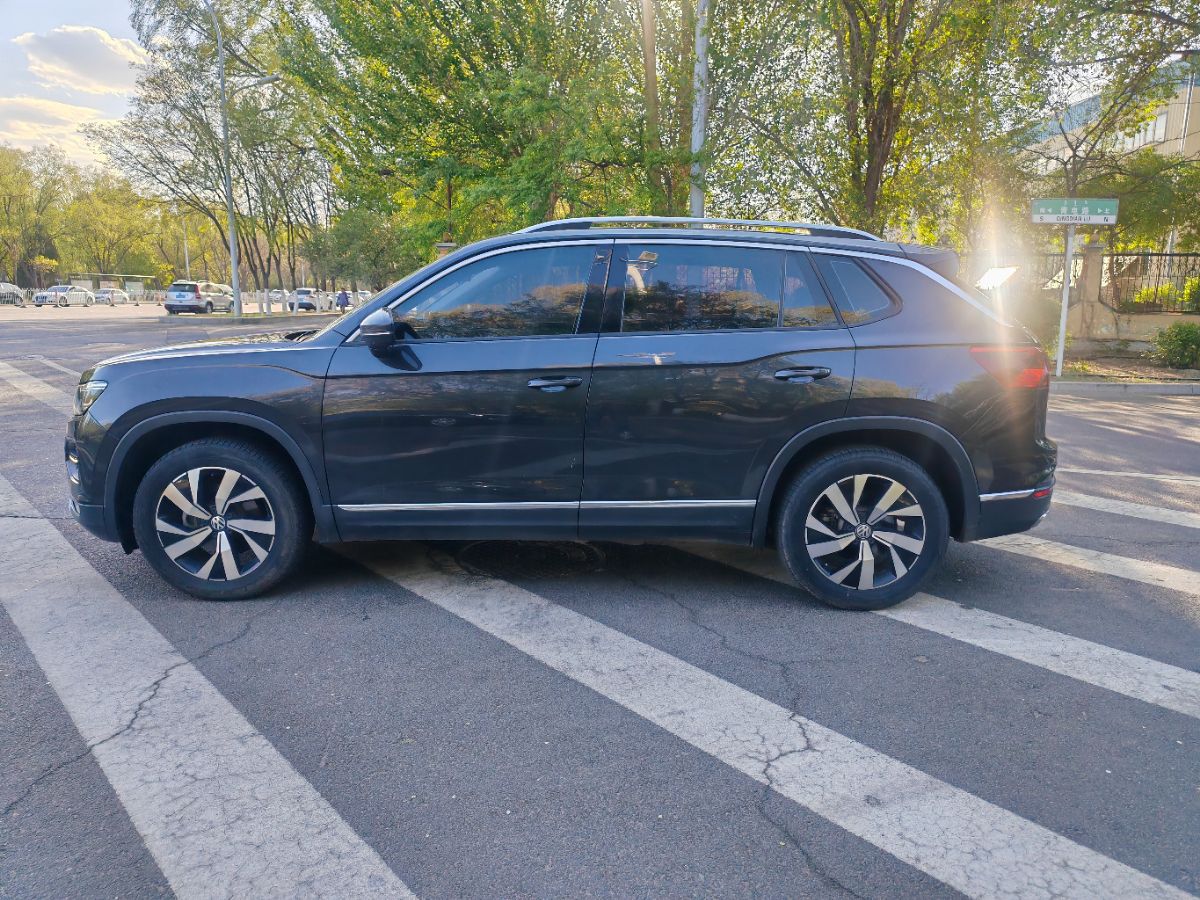
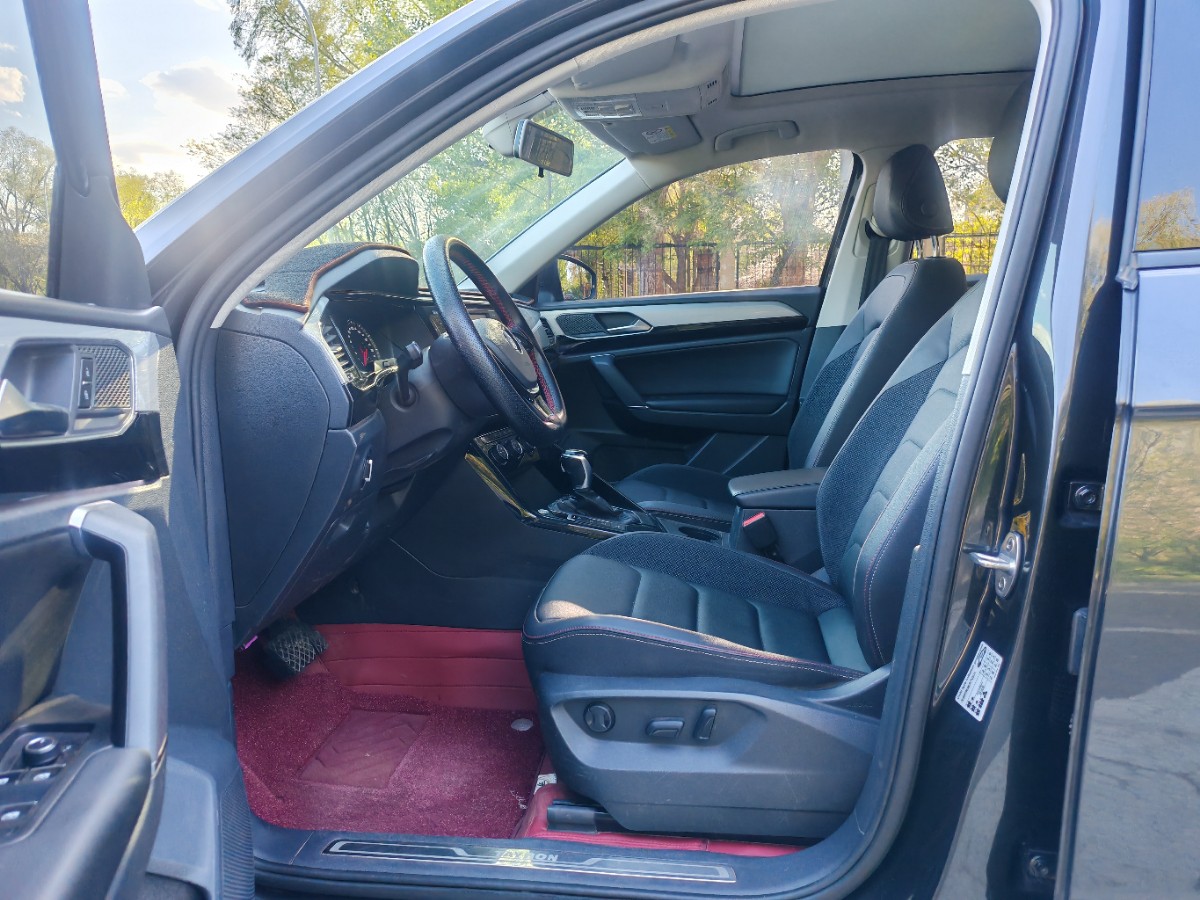
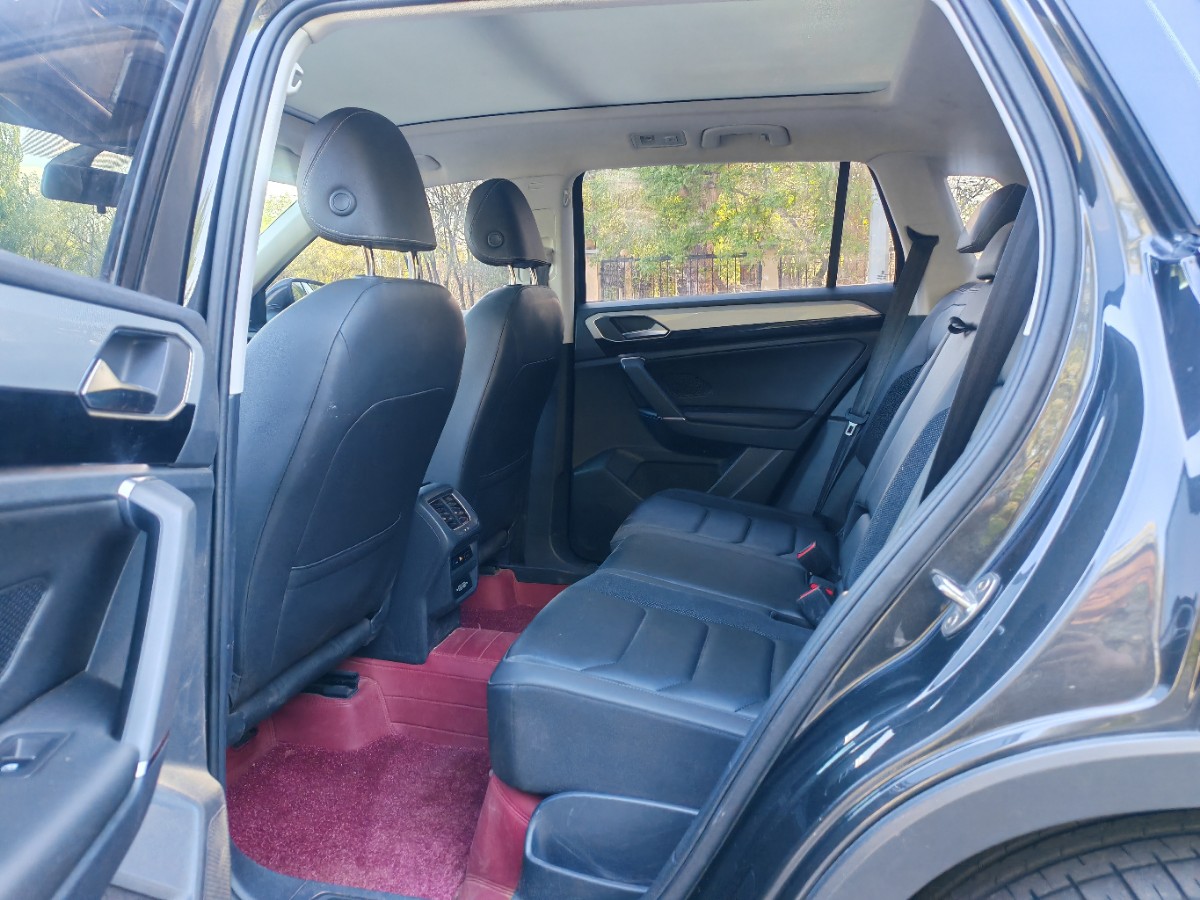
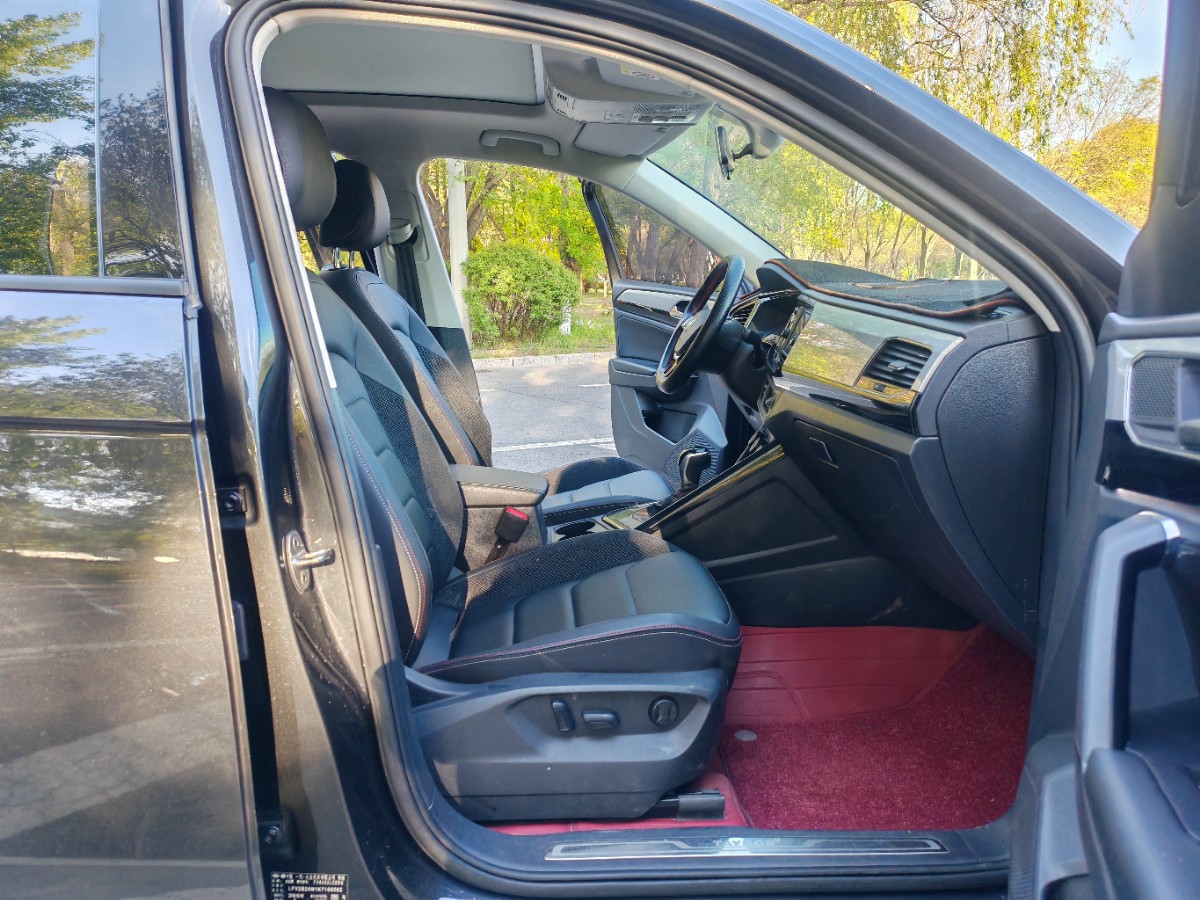
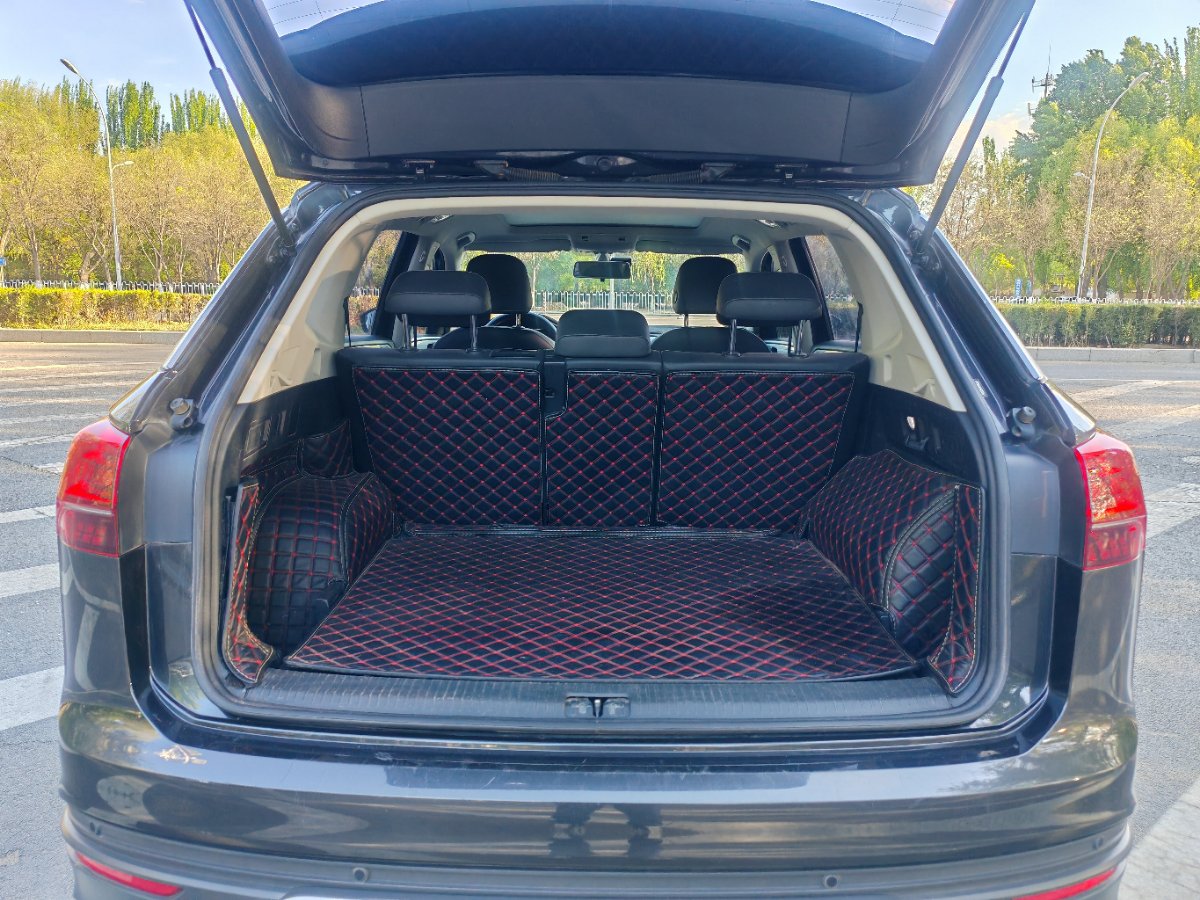
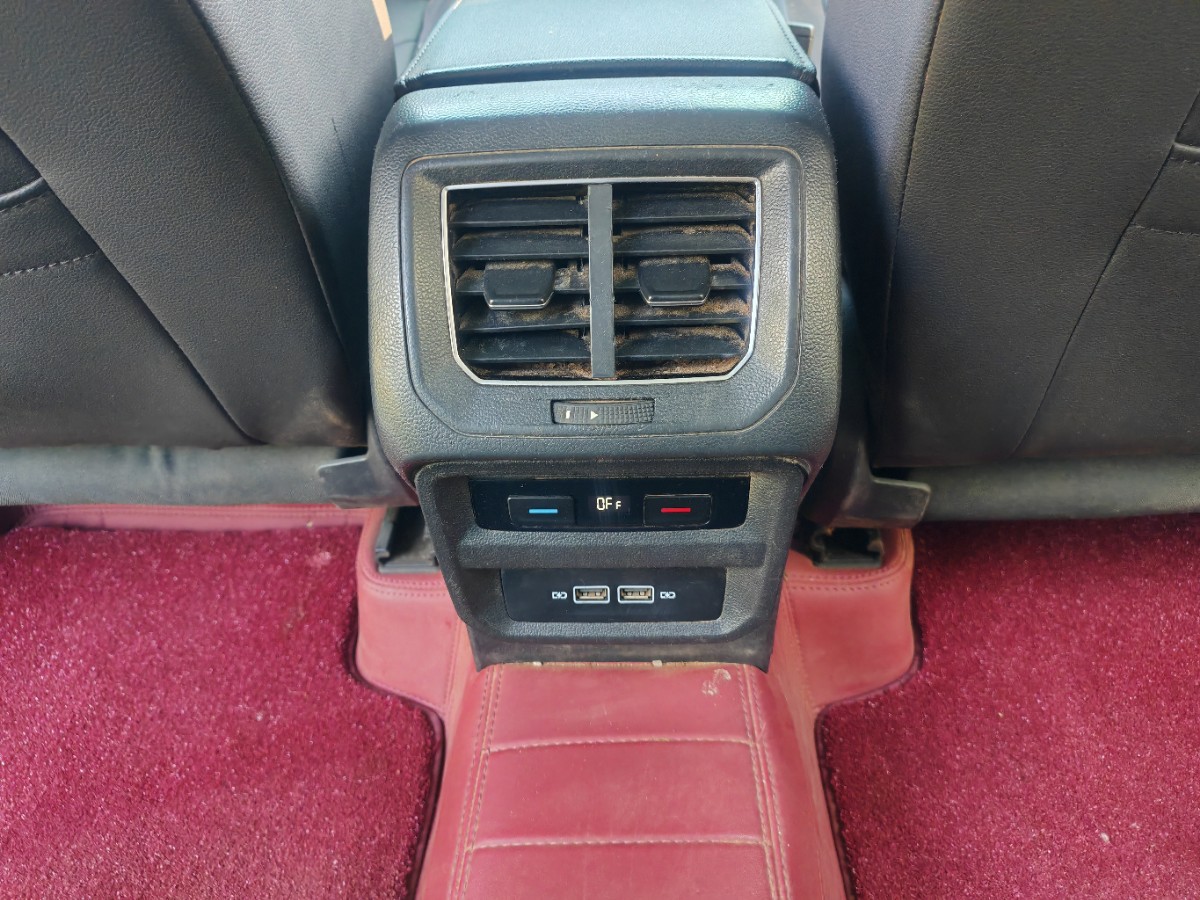
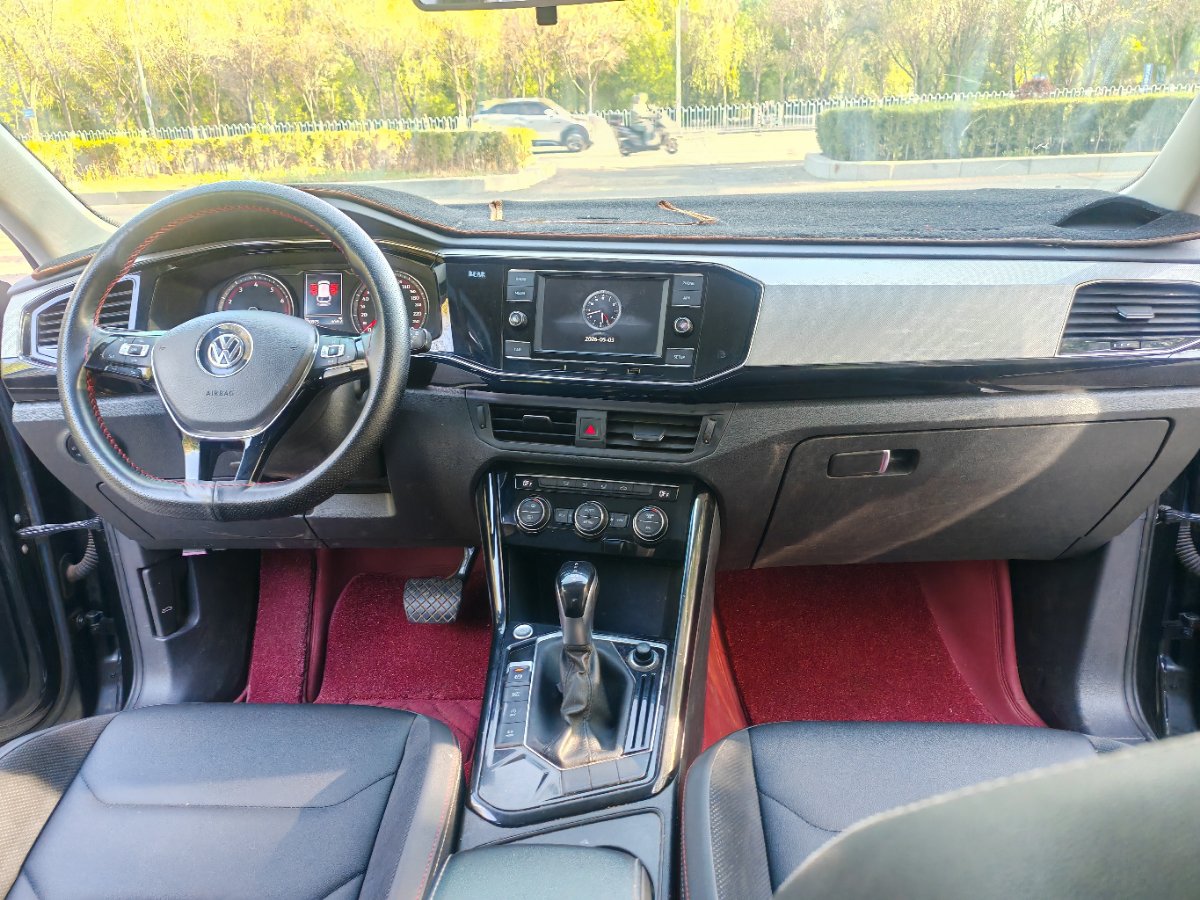
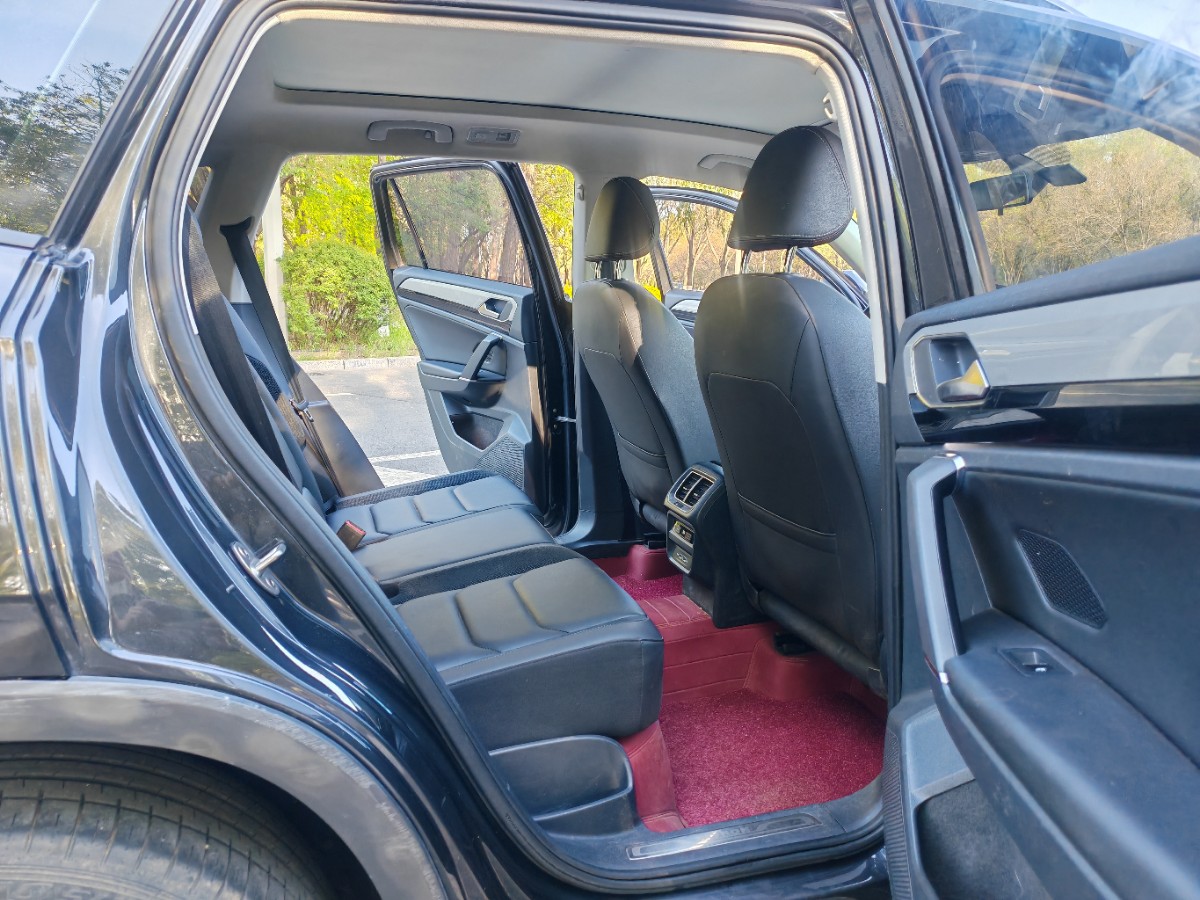
Basic Information

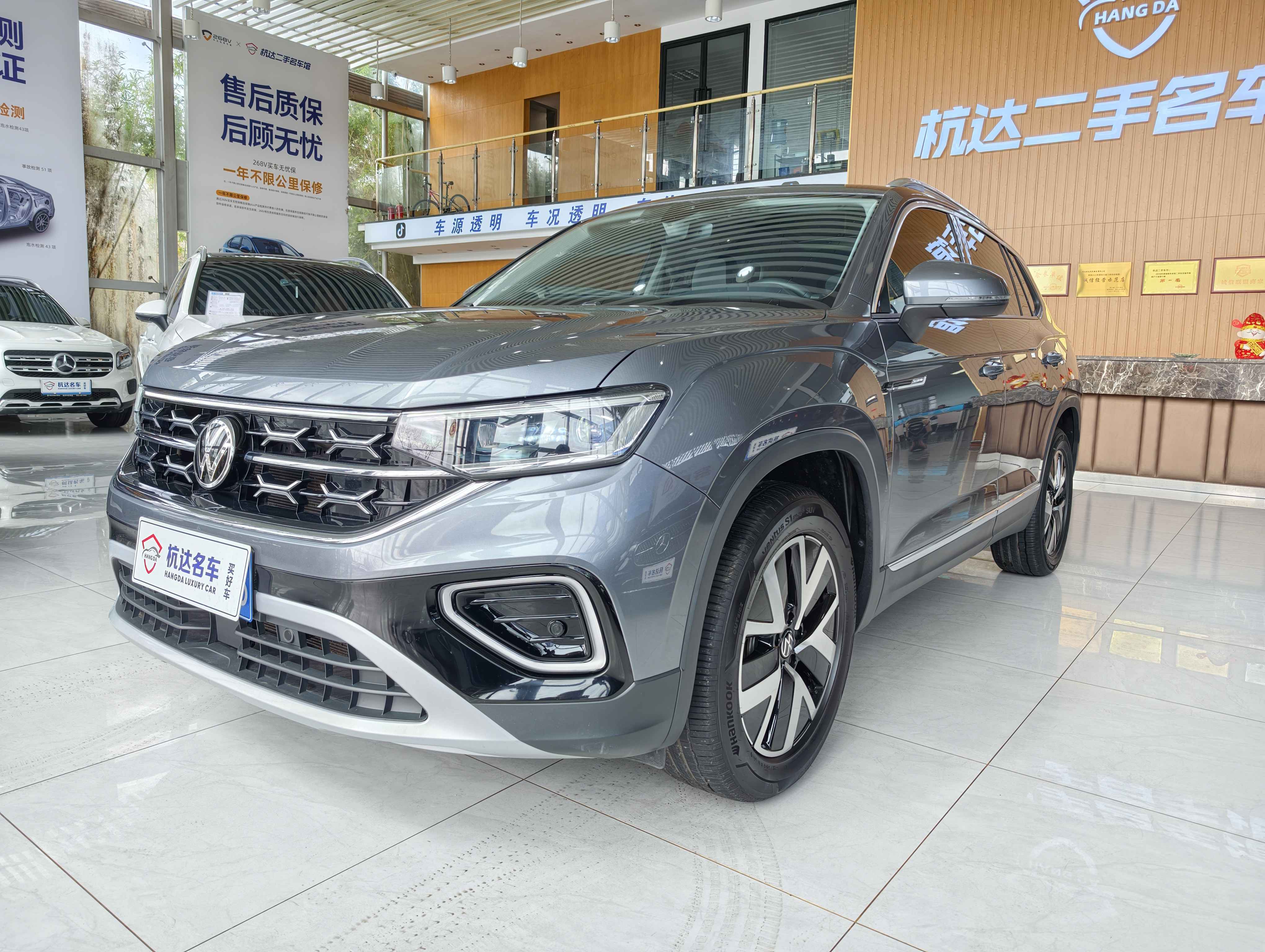
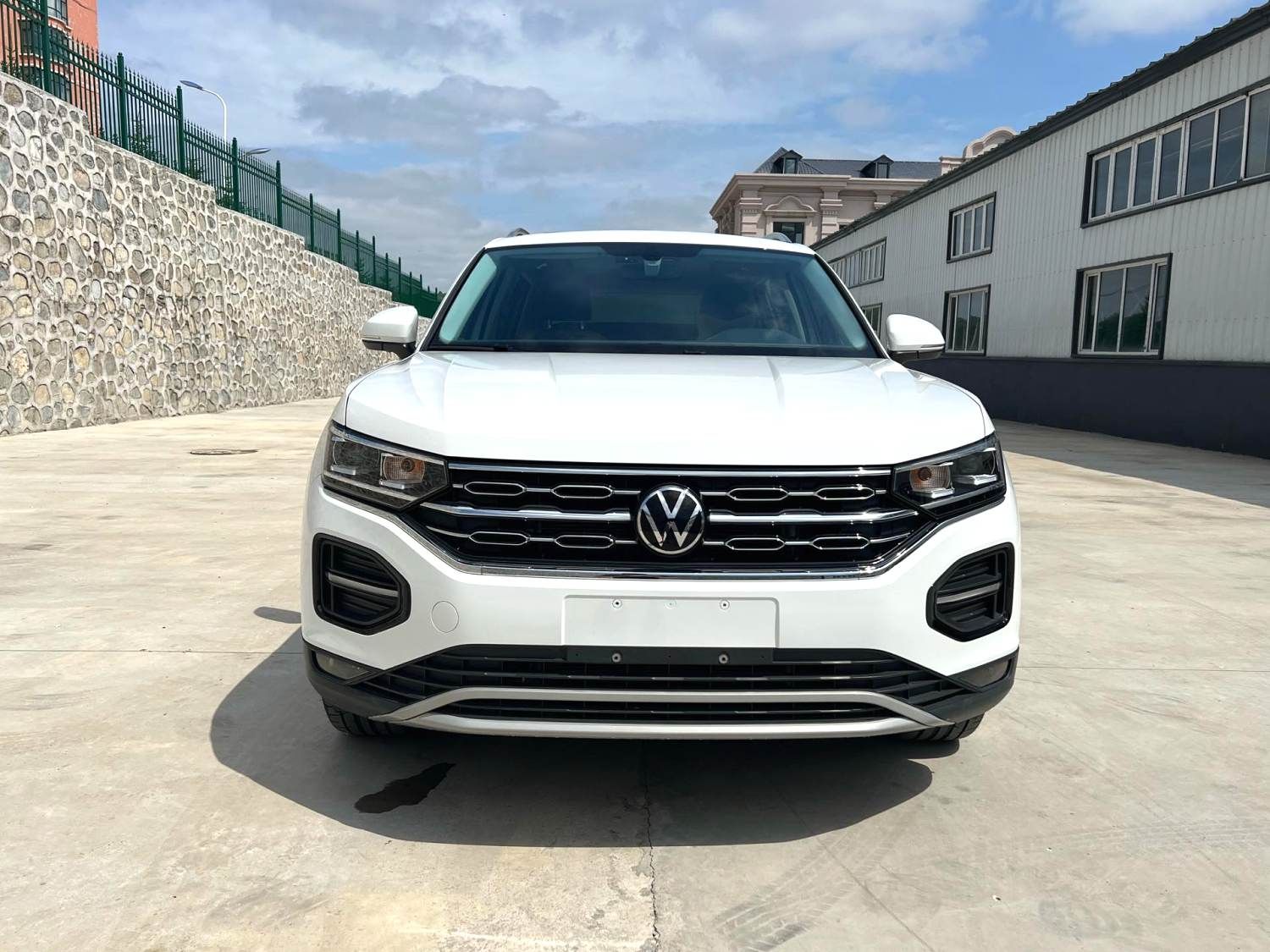
BrandVolkswagen
SeriesTayron
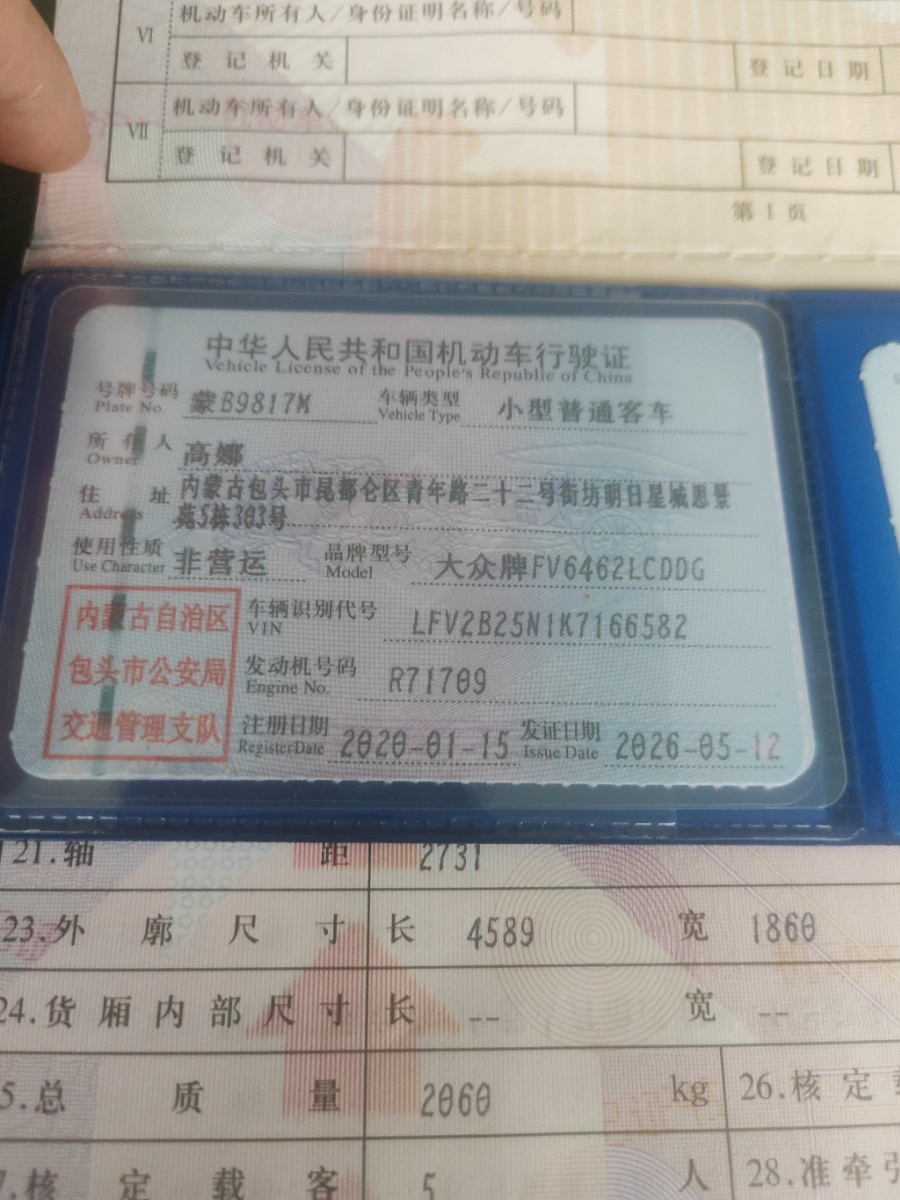
Year2020
First Registration2020/01
Mileage60,000km
Transfer Count1times
FuelGasoline
TransmissionDCT
Engine1.4T 150 L4
ColorBlack
Seats-

Condition Description

燃油车
SUV
自动
维保开放
事故开放
查验开放

Configuration Highlights

品牌: 大众
车系: 探岳
车型: 2019款 征途版 280TSI 两驱豪华型 国VI
车身类型: SUV
座位数: 5
排量: 1.4T
变速箱: 自动
能源类型: 燃油车
VIN: LFV2B25N1K7166582
搜索关键词: 大众探岳 2019款探岳征途版280TSI两驱豪华型国VI

Document Information

Inspection Expiry Date2027/01
Warranty Expiry Date-
Insurance Expiry Date2027/01

Q&A

More

If the record of a vehicle's first maintenance is missing from the system, how do you determine its early wear condition?

Many car owners do not have their first maintenance done at authorized dealerships, leading to gaps in early data. In such cases, we do not blindly trust the odometer; instead, we analyze the tire production dates and wear levels, as well as the depth of grooves on the brake disc edges, using the "gold standard" of physical wear to infer the intensity of early use.
For countries with strict anti-dumping laws, do the low-priced used new energy vehicles you export face the risk of being confiscated by customs on the grounds of dumping?

This is a macro policy minefield. Although used cars are rarely classified as dumping, if your single import quantity is too large and the declared price is significantly lower than local similar products, it can easily trigger an investigation by the tax bureau. We strongly recommend B2B buyers to break down shipments into smaller batches and use multiple invoices for customs clearance.

If Chinese customs determines a vehicle to be a "scrapped vehicle" and prohibits its export during inspection, will the deposit be refunded?

Chinese customs strictly prohibits the export of assembled or cut vehicles that meet mandatory scrapping standards. Since our pre-inspection is very strict, this situation is highly unlikely. However, if the vehicle is detained and returned by customs due to a policy misjudgment, we will fully refund your deposit without interest, ensuring you bear no policy risk.